2 Days in Bruges: A Day-by-Day Itinerary for First-Timers
Plan two days in Bruges with a day-by-day route through the Markt, Belfort, Burg, canals, Begijnhof and windmills, plus honest trade-offs on time and crowds.
On this page
Two days in Bruges is the right length to see the headline sights and still slow down: day one takes the Markt, the Belfort and the Burg, day two the churches, a brewery stop and the quiet canal end of town. Anything shorter turns the centre into a checklist, and anything longer starts to repeat itself unless you add the coast or another city.
This itinerary splits each day by area rather than chasing sights across the centre and back, because the old town is small enough to walk end to end. If you are still deciding whether the city justifies the trip at all, our honest answer on whether Bruges is worth visiting sets out what you actually get for the journey.
Start with the answer: what two days in Bruges covers and what it does not
Two full days cover the medieval core comfortably: the Markt and its belfry, the Burg, a canal boat trip, the Begijnhof and Minnewater, then the two big churches, the Old St John's Hospital area and the windmills. What it does not cover is every museum interior, and that is the honest trade-off — most travellers pick one or two collections and spend the rest of the time on the streets and waterways.
If your trip sits between one and three days, a separate breakdown of how many days in Bruges suits different travellers explains where the extra time goes. Two days is the point where you stop rushing the squares and start noticing the side canals.
How the old town is laid out, and why two days works on foot
Bruges (Brugge) wraps around its canals in a rough oval, with the Markt (Grote Markt) at the centre, the Burg a minute away, and the Begijnhof and Minnewater at the southern edge. The old town is small enough to cover on foot, and the station side sits south of the water, so most walks finish with a stroll north into the centre.
Everything in this plan is walkable, which is why two days works without transport: the historic core is compact and the named sights are close together. The only paid movement worth considering is a canal boat, and those excursions run about thirty minutes, giving you the city from water level between the walking stretches.
Day one, morning: the Markt, the Belfort climb and the Burg
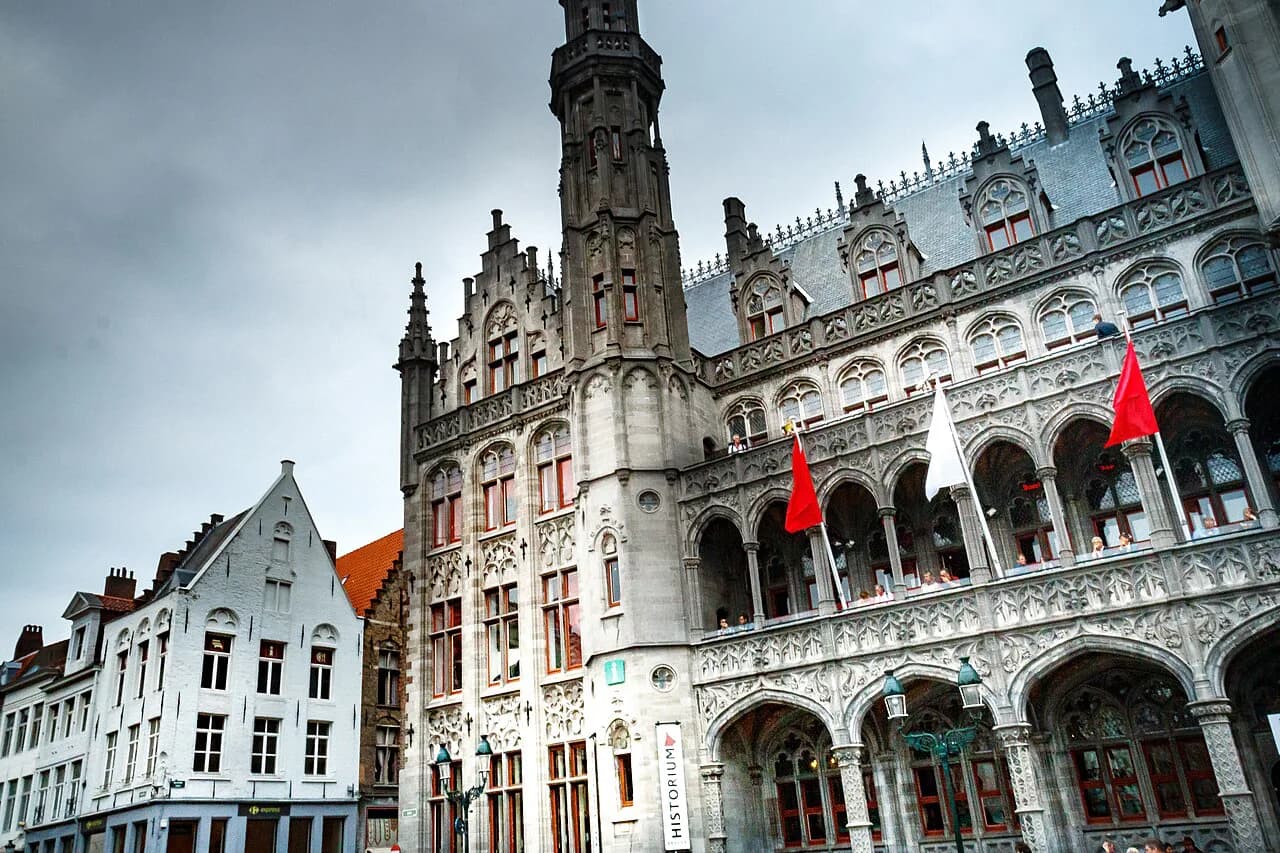
Begin on the Markt, the square lined with brick houses and the Belfort tower that dominates every postcard view, with the Historium Museum and the courthouse also on the square. Climbing the Belfort means 366 stairs, tight enough to feel claustrophobic on the way up, but the 360-degree view over the medieval town repays the effort.
If the stairs do not appeal, the balcony of the Historium Museum looks straight across the Markt and is free to use because it belongs to the museum café. It is a sensible pick for anyone with limited mobility or a fear of heights, and it takes minutes rather than the better part of an hour.
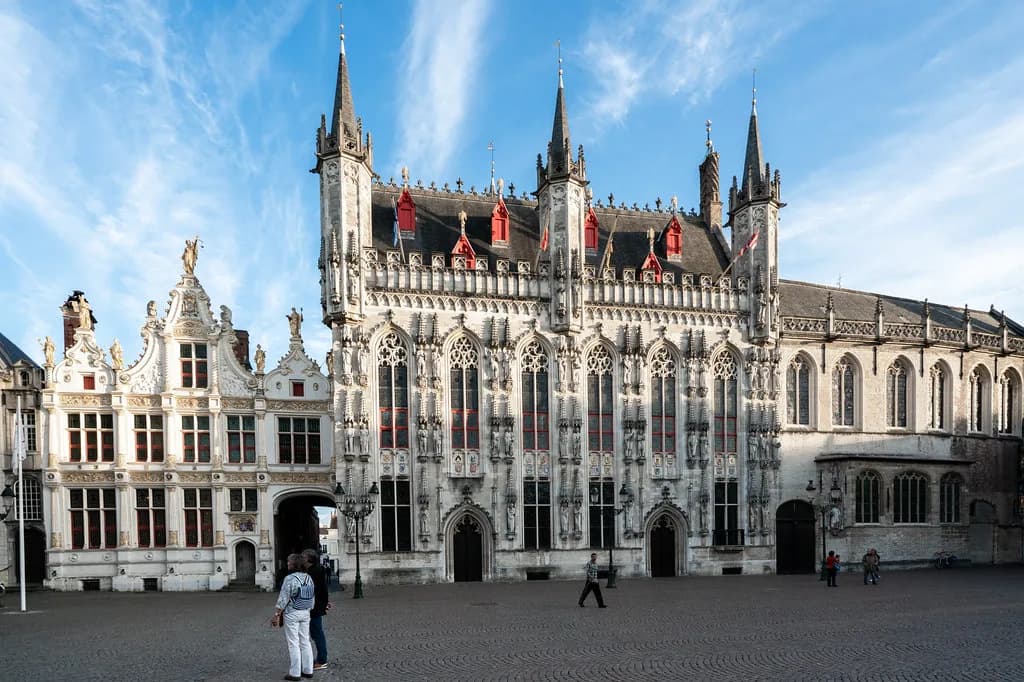
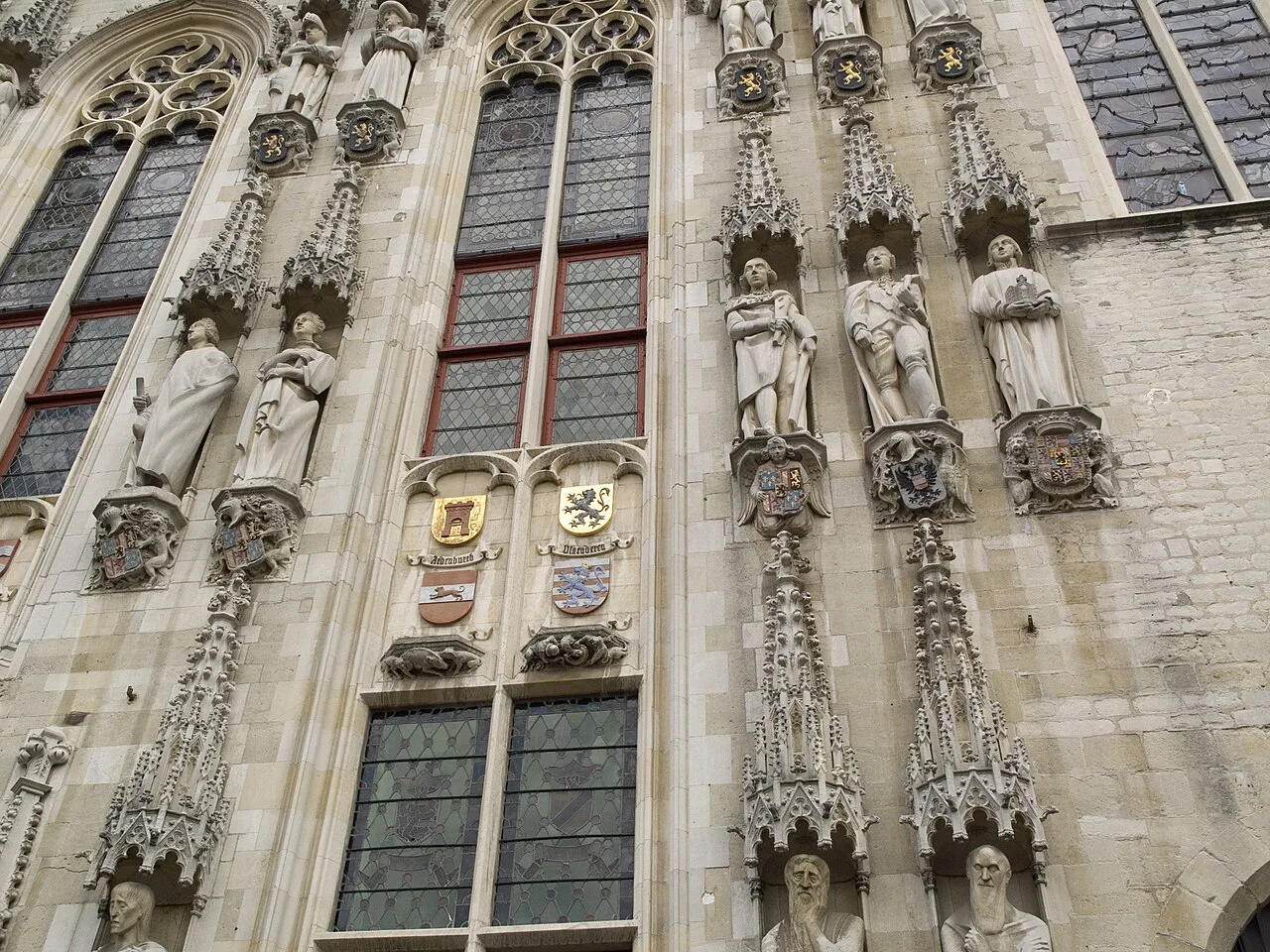
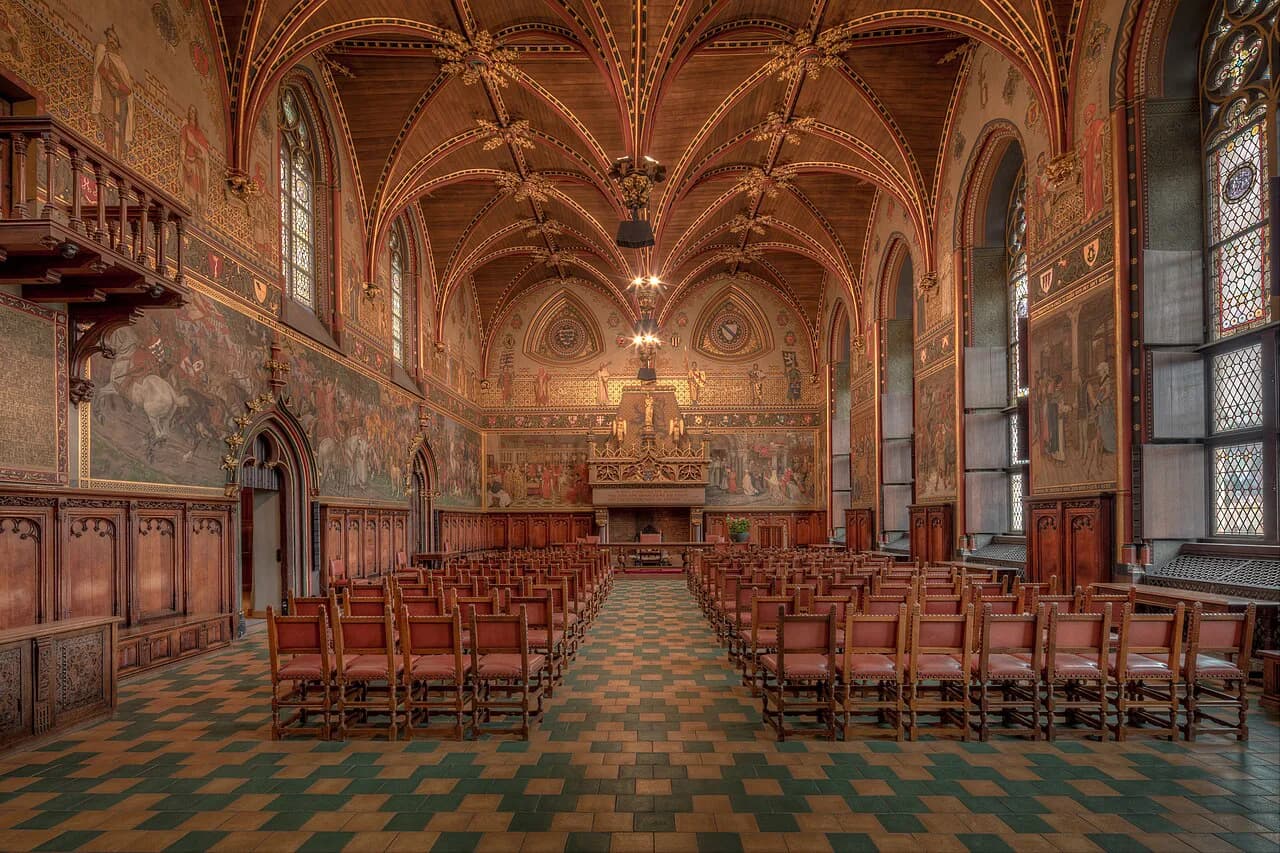
Walk the short hop to the Burg next, where the Town Hall, the Burgse Vrije and the Basilica of the Holy Blood crowd into one small square. The Town Hall's Gothic room is the interior worth stepping into while you are there.
Day one, midday: the Basilica of the Holy Blood and a chocolate and beer break
The Basilica of the Holy Blood on the Burg is the square's most distinctive church and a short visit that fits neatly between the Markt and lunch. Step inside for the atmosphere and the setting rather than for a long tour.
Bruges eating is part of the sightseeing: Belgian fries, waffles, chocolate and Belgian beer are the four things to try, and the centre has plenty of chocolatiers and beer cafés to do it in. Use the break to rest your legs before the afternoon, because the next stretch heads south through the quieter streets.
Day one, afternoon: a canal boat trip, the Begijnhof and the Minnewater
Take the canal boat in the afternoon, when the light is still good. The trip lasts around half an hour and gives you the city from water level, a different angle from the streets.
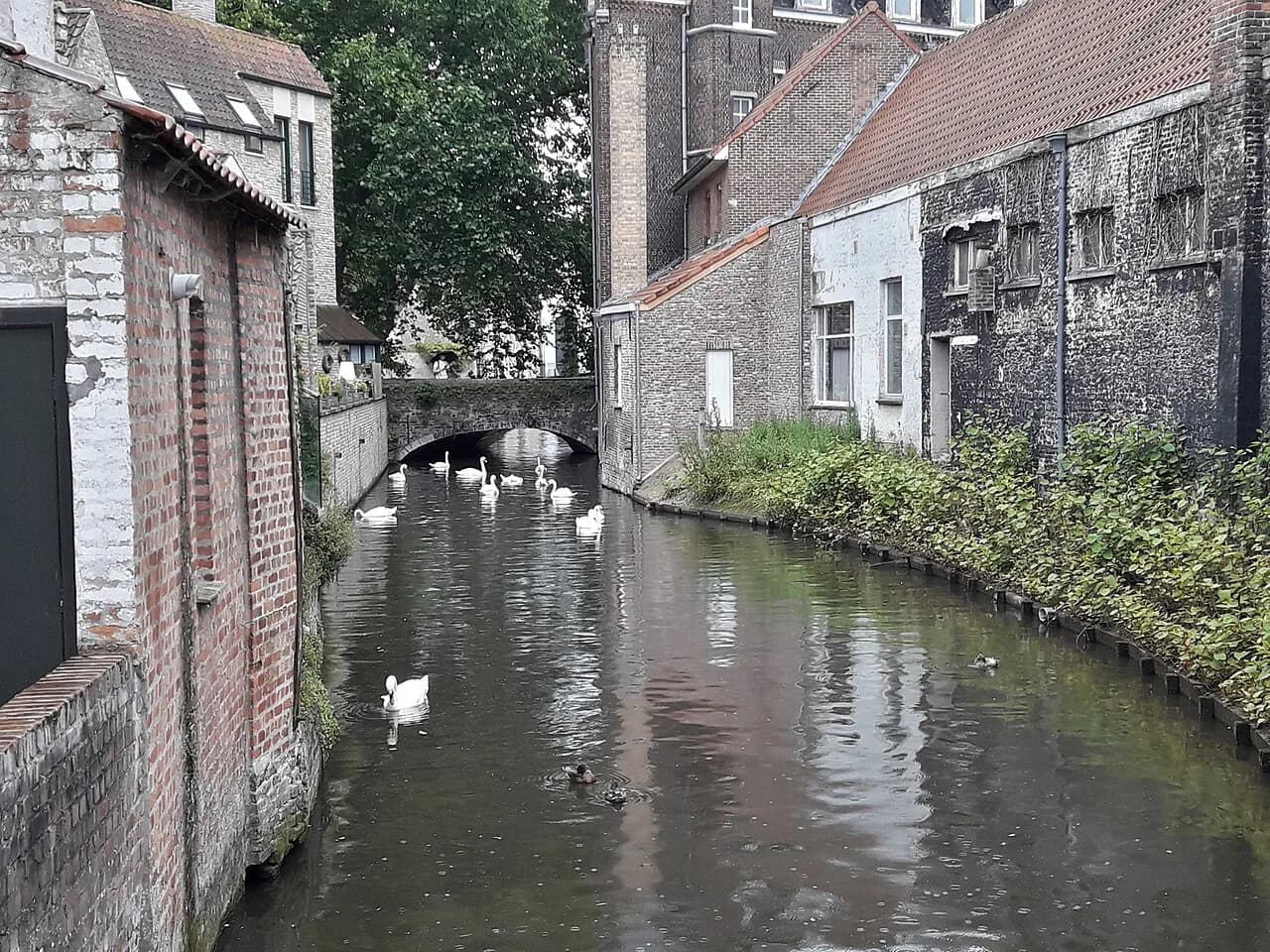
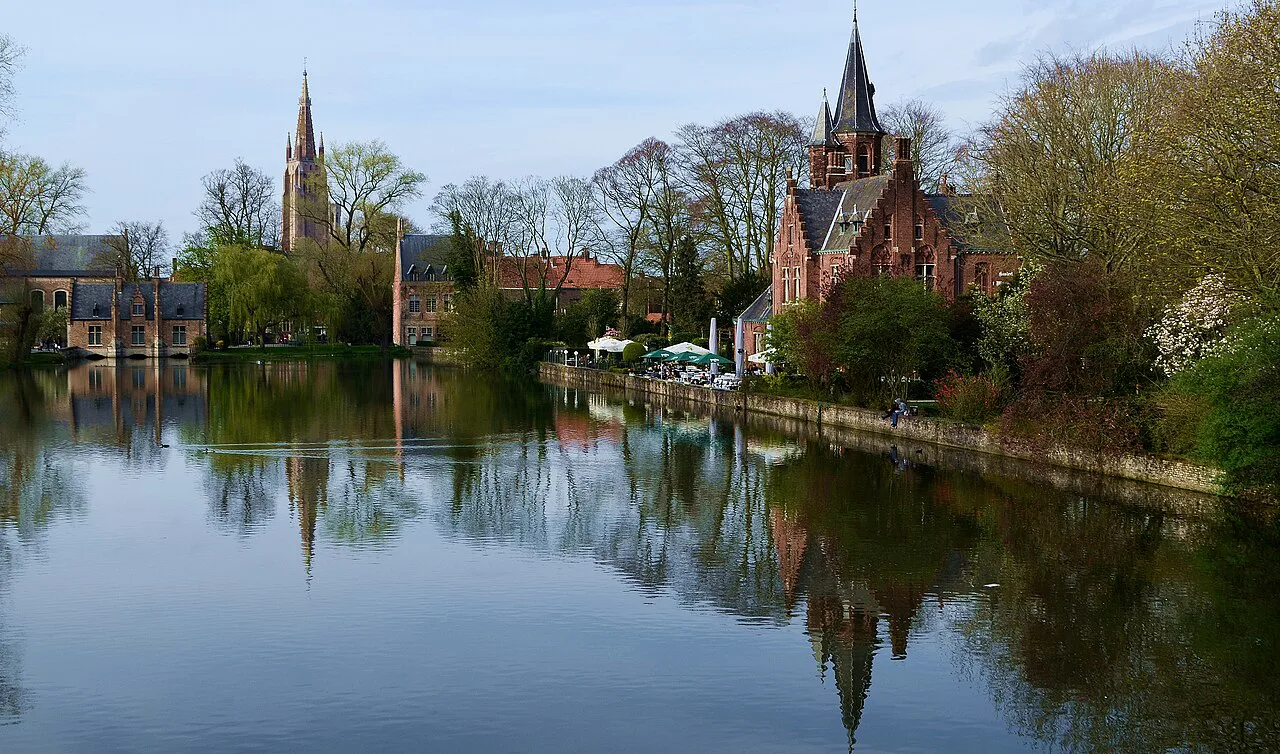
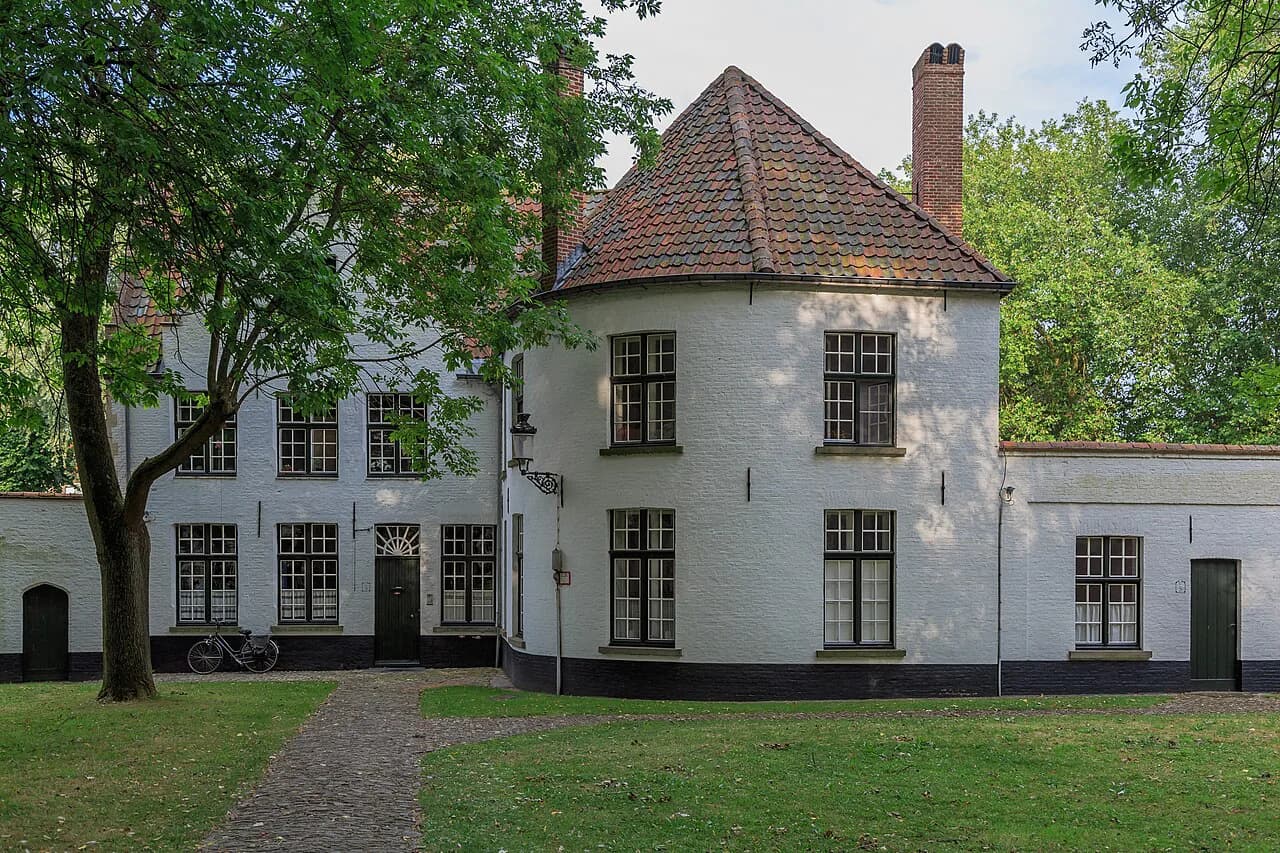
From the water, walk south to the Begijnhof, a walled former convent that stays calm even when the Markt is packed. Swans gather on the canal beside it, and the silence inside the walls is the point.
Minnewater Park sits just beyond, a green pause at the southern edge of the old town. Combine the two and you have a gentle hour that balances the morning's stairs.
Day one, evening: the Rosary Quay at sunset and the illuminated squares
Head for the Rosary Quay for sunset, when the view back along the canal is the one most people photograph. After dark the buildings are lit and the centre empties out, which is when the medieval streets feel at their best.
A slow walk back through the Markt and the Burg after dinner needs no plan; the lights do the work. If you are stretching the trip into a Bruges weekend break, this is the evening ritual to repeat on the second night.
Day two, morning: Sint-Salvatorskathedraal, the Church of Our Lady and the Old St John's Hospital area
Start day two with the two great churches: Sint-Salvatorskathedraal, the city's cathedral, and the Church of Our Lady. They sit a short walk apart in the southern half of the centre, so you can take them in one sweep before the crowds build.
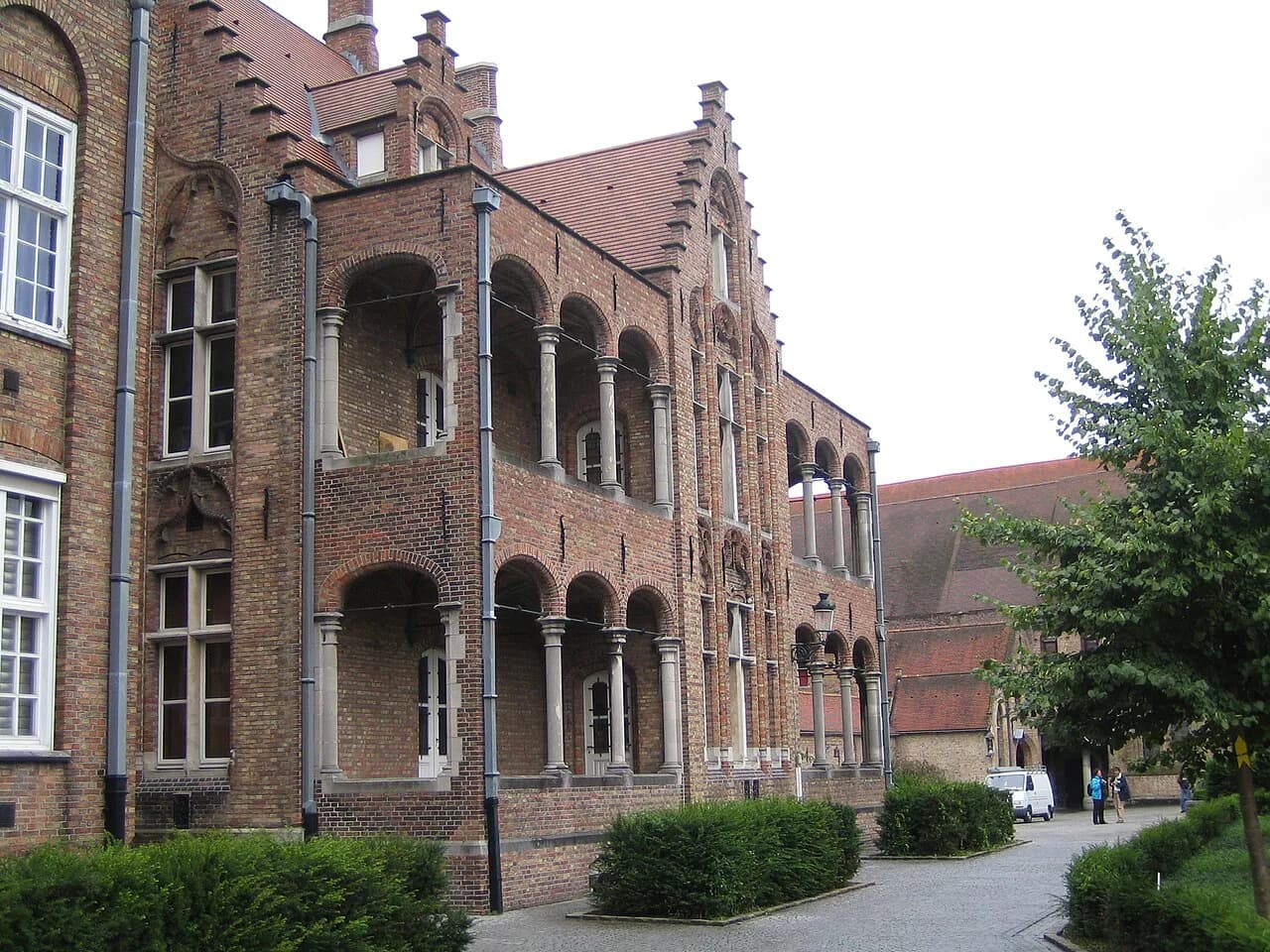
The Old St John's Hospital area nearby is a medieval hospital site worth an unhurried wander even from the outside. From there, the walk north brings you back towards the centre for a beer stop.
Day two, midday: a brewery tour for Belgian beer
A guided brewery tour is a good use of an hour on the second day if you want to understand Belgian beer rather than just drink it. Tours in the centre explain the brewing process, and they are easy to slot into a lunchtime.
Build your meal around the tour rather than the other way round, since you will want time afterwards. Travellers keeping costs down can pair it with a cheaper lunch and still get the full experience.
Day two, afternoon: the quieter canals, the windmills and the St Bonifacius Bridge
The second afternoon belongs to the edges of the old town, where the crowds thin out: the calmer canals, the windmills on the grassy edge of the city and the small St Bonifacius Bridge. This is the Bruges that makes a second day worthwhile rather than a repeat of the first.
The windmills stand on the grassy edge of the city, a spot to sit down and let the day slow. The St Bonifacius Bridge, tiny and photogenic, is best visited outside peak hours when you can actually stand on it.
Day two, evening: a slow dinner and a last walk through the centre
Finish with a long dinner and a final loop through the illuminated Markt and Burg, which look different again on a second night. If you have time for one more morning, the canals at their quietest are worth it before you leave.
One day instead of two: what to cut
With only one day, keep the morning as written — Markt, Belfort or the Historium balcony, then the Burg — and spend the afternoon on a canal boat followed by the Begijnhof and Minnewater. Cut the churches, the brewery tour and the windmills, which is what makes a second day feel earned rather than repeated.
The one-day version also works if you are based in Brussels and travel in by train, though you trade the evening lights for a timetable. Staying overnight is what unlocks the emptier streets.
Two days in Bruges in low season versus summer crowds
The centre of Bruges is busy in high season and at weekends, and the fix is timing rather than searching for a secret corner. Low season, and weekdays where you can manage them, bring noticeably thinner crowds in exchange for a real chance of bad weather.
If your dates are fixed to summer, front-load the outdoor sights early and save interiors for the middle of the day when the squares are busiest. For a broader comparison of city-break costs before you book, our look at whether Bruges is expensive explains where the money goes.
Which version of Bruges suits your two days?
Two days in Bruges works because the old town is compact: one day for the Markt, Belfort, Burg and canals, one for the churches, the brewery and the windmills. If you only have one day, take the first and accept that the quieter edges stay unseen. If you are weighing up a longer stay elsewhere in the country, the same day-by-day thinking applies to our 2 Days in Belgium: Bruges and Ghent Itinerary by Day, and our 2 Days in Ghent: A Realistic Day-by-Day Itinerary applies it to the neighbouring city.
For a fuller picture of how the city's sights fit together, the Bruges Attractions guide collects the individual attractions pages. Book your travel and any brewery tour in advance, and let the walking plan do the rest.
Explore more Bruges guides
Sources
Useful notes for your next trip
Optional updates to our guides.
You might also like
Continue reading
More guides you'll find useful