Ghent vs Bruges: Which Belgian City Suits Your Break?
Ghent and Bruges both reward a short break, but they feel different. Compare the medieval set piece with the lived-in university city, and pick the right one.
On this page
For most first-time visitors, Bruges (Brugge) wins on sheer concentration of medieval streets and canals, while Ghent (Gent) offers a larger, less tourist-saturated city with a working university centre and a more contemporary edge. Both are UNESCO World Heritage cities with canals, chocolate shops and good beer, so the real question is whether you want a preserved set piece or a lived-in city. This guide compares the sights that decide it, the scale and crowds, the art, and how much time each one deserves.
What each city gives you in a sentence
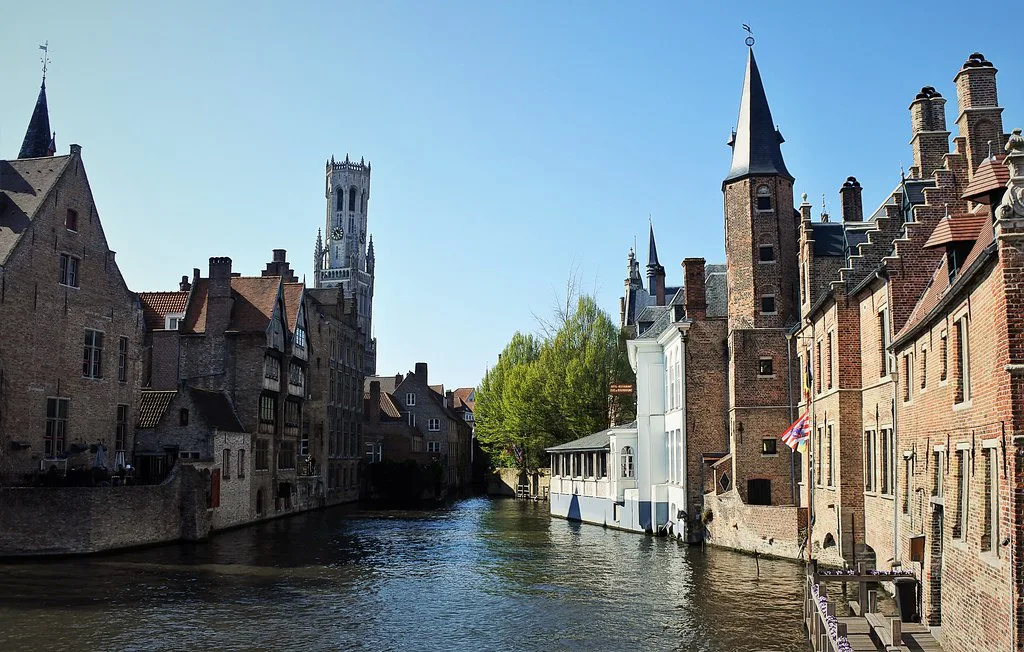
Bruges delivers a compact medieval core where the Markt, Burg, Belfort and Begijnhof sit within a short walk of each other, so a single day covers a lot of ground without a bus or tram. Ghent gives you a bigger stage: the Graslei and Korenlei quays, the Gravensteen castle and Sint-Baafskathedraal are woven into a city where students and residents keep the streets busy after the day-trippers leave. The atmosphere difference is the whole decision in miniature.
Bruges: the compact medieval set piece
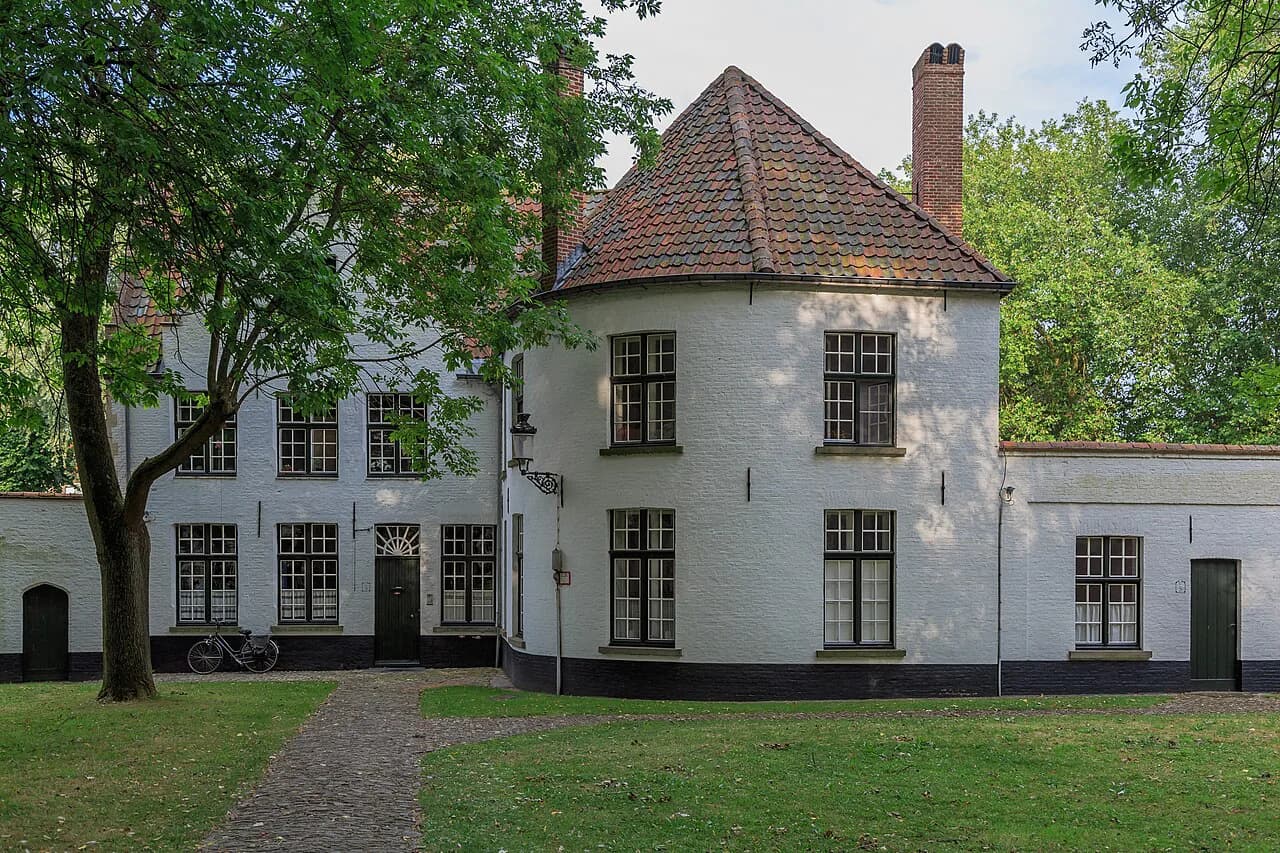
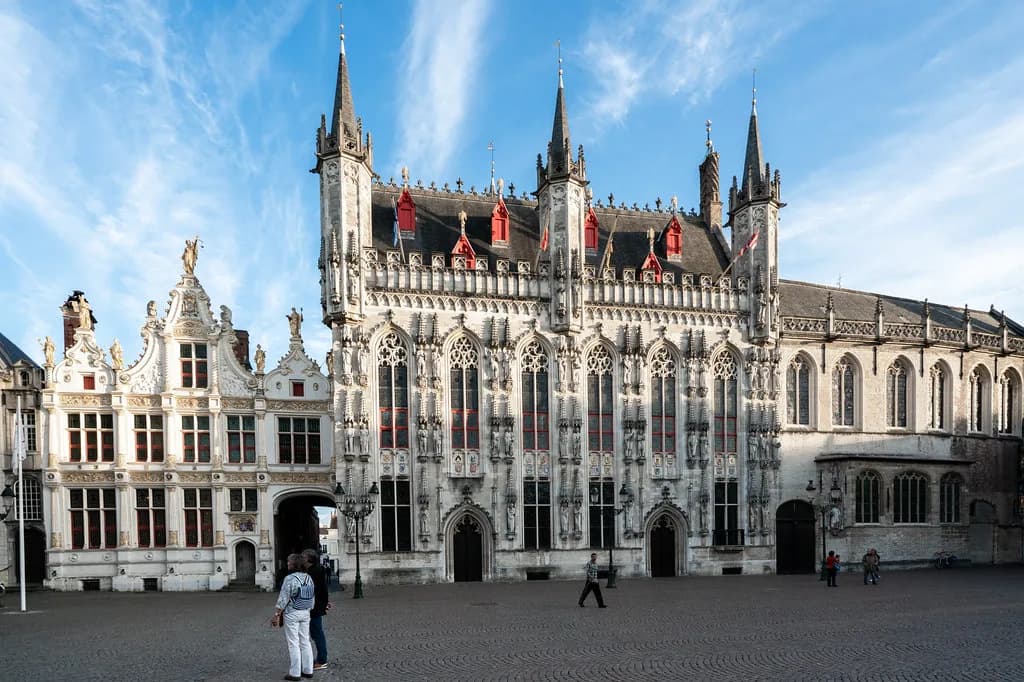
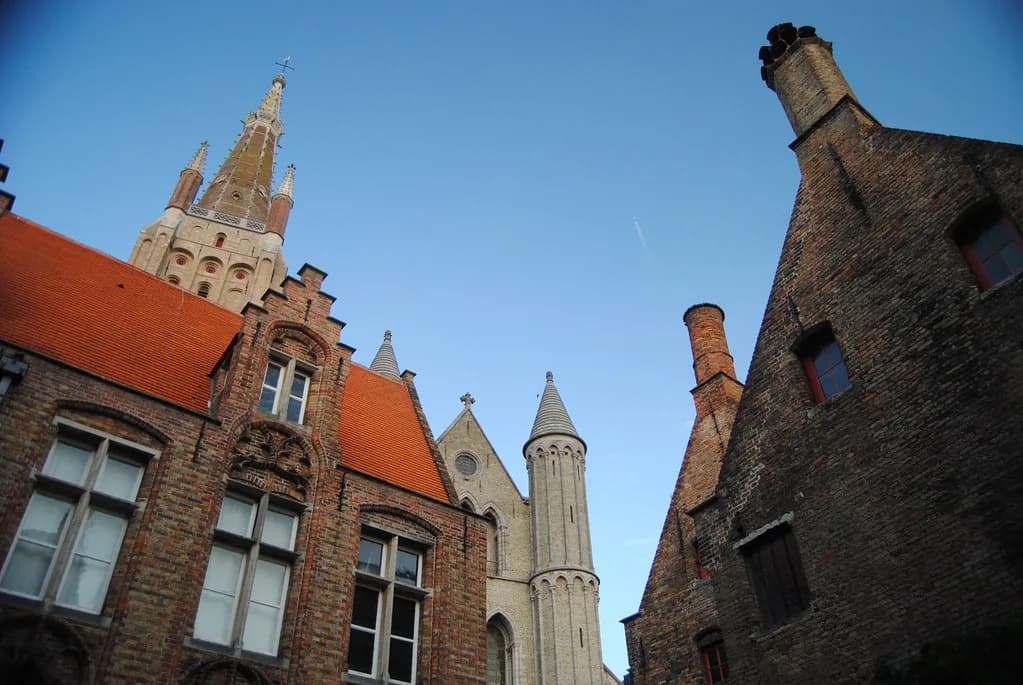
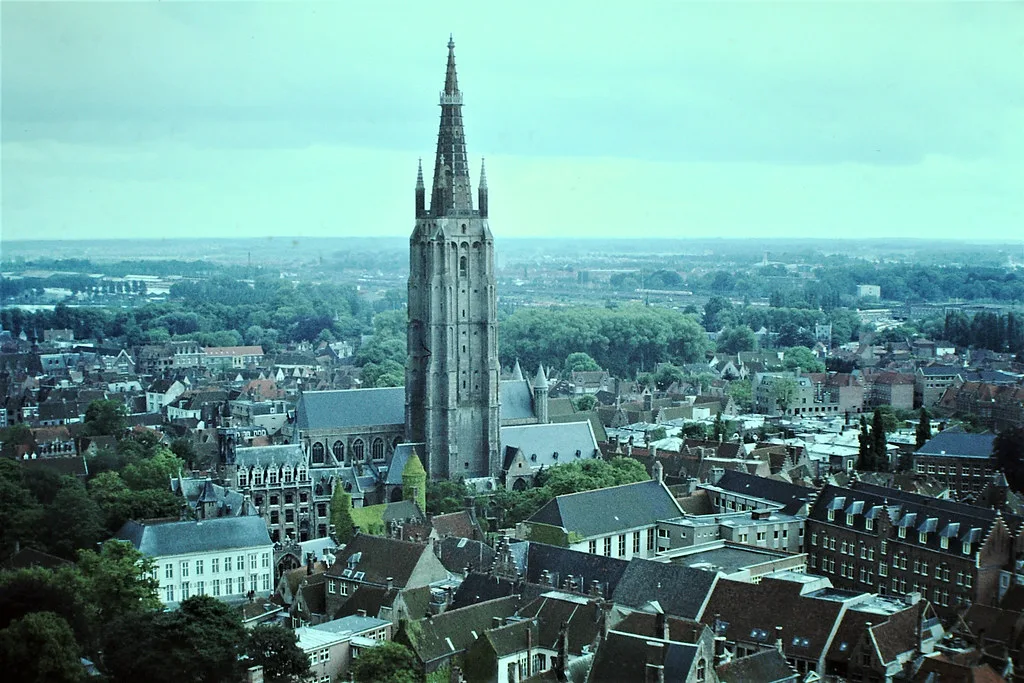
The historic centre is small enough to cross on foot, and the landmarks stack up quickly: the Belfort tower above the Markt, the Burg with its historic square, the Church of Our Lady and the Begijnhof courtyard. That density is a gift on a short trip, which is why a 2 Days in Bruges itinerary can cover the big sights plus a canal trip and still leave time for chocolate and beer. The trade-off is that the same streets fill with visitors throughout the day, and the city can feel like an open-air museum rather than somewhere people happen to live.
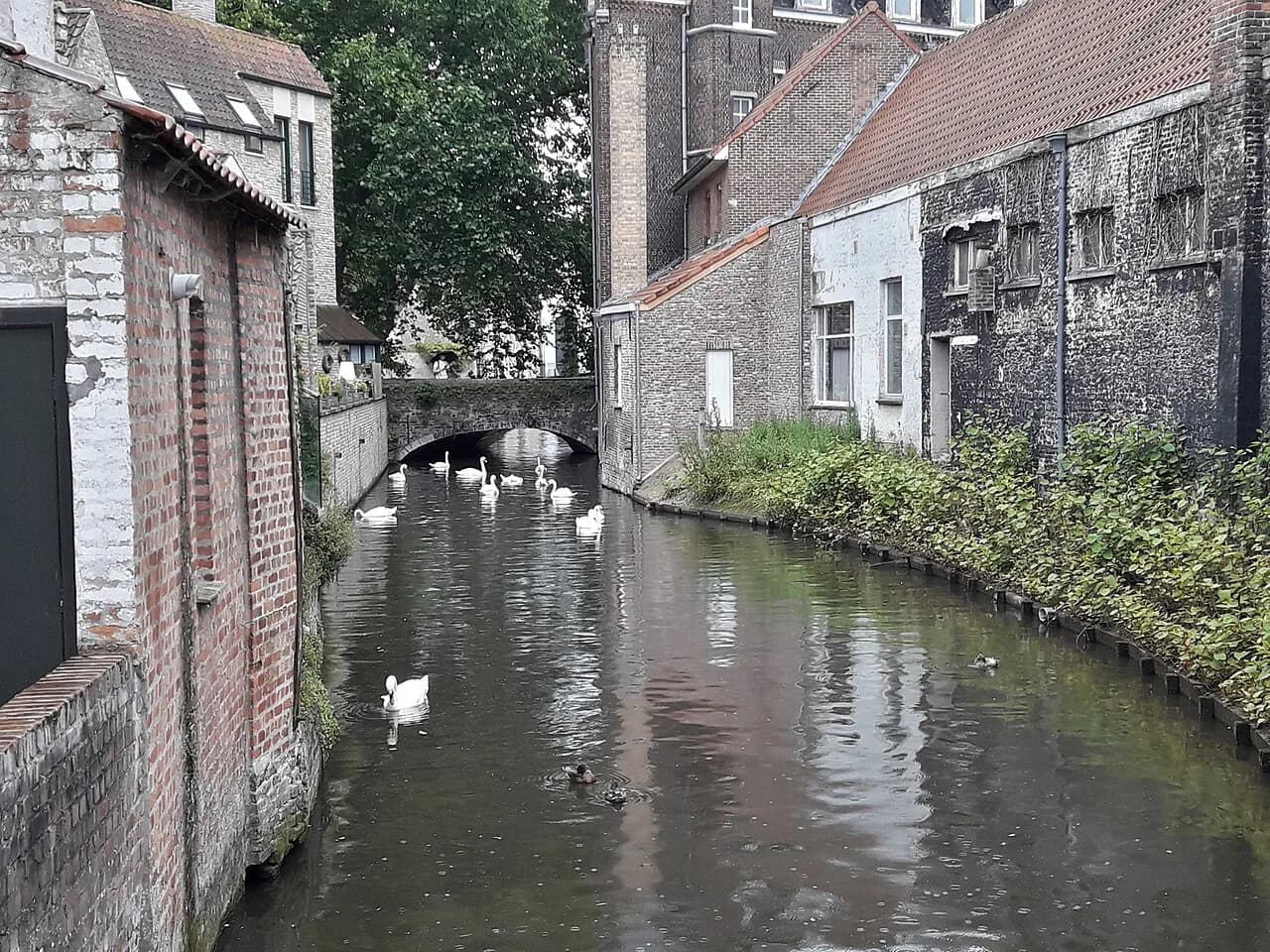
Even a weekend break in Bruges can feel complete because the geography is so forgiving. You can build a day around the Markt and Burg, add the Groeningemuseum for Flemish painting, and finish with a slow walk along the canals without ever needing public transport. That makes Bruges a strong choice for a first Belgian city break or a short romantic escape.
Ghent: the lived-in university city
Ghent feels bigger and more urban than Bruges, with a compact historic core but more activity around it. The centre is a web of cobbled streets with Gothic architecture, canals running through the middle and boat tours that start right in town. The city also has a visible student population, street art and a working everyday life, which keeps the atmosphere different from Bruges even on a wet Tuesday.
The sights in Ghent are spread a little more widely than Bruges' cluster, so a day here involves more walking between the major draws. That is part of the appeal: you move through squares, past the Korenmarkt and over canals, rather than circulating around one central set. If you want the medieval monuments without feeling sealed inside a museum, Ghent gives you both.
Scale and crowds: which feels busier
Crowding and size are separate questions. Bruges is small but heavily visited, with the Markt and the Belfort area absorbing most of the day-trippers, while Ghent is larger and draws fewer tourists, so the historic centre feels less congested even when it is busy. If your patience for crowds is thin, Ghent is the calmer base; if you want the postcard streets without hunting for them, Bruges delivers them immediately.
The size gap also changes how a short break feels. Bruges' centre is compact and easy to explore quickly, while Ghent has more city around its monuments to wander into. A two-night stay in Ghent can include a quieter afternoon away from the main squares; a two-night stay in Bruges tends to stay focused on the historic core.
The sights that decide it
These are the specifics that tip the choice. Bruges: the Belfort belfry over the Markt, the Burg and its Basilica of the Holy Blood, the Begijnhof, the Church of Our Lady, and the canal ring. Ghent: the Gravensteen castle, the Graslei and Korenlei quays, Sint-Baafskathedraal with the Ghent Altarpiece, and the Korenmarkt as a natural pause between them. Neither list is better; they simply pull different travellers.
If you want one image to decide, compare the Belfort and Markt in Bruges with Gravensteen and the Graslei in Ghent. The first is a perfectly framed medieval square with a tower; the second is a castle above a working city and a canal-side row of gabled guildhouses where locals sit out. Walking the two in one trip shows how differently the same ingredients can be arranged.
Art and museums: Memling and the Church of Our Lady vs the Ghent Altarpiece
Bruges' art draws are tied to the medieval core: the Groeningemuseum for Flemish painting and the Church of Our Lady, whose medieval art and setting reward a slow visit. In Ghent, the headline is the Ghent Altarpiece by the van Eyck brothers in Sint-Baafskathedraal. If your trip is built around early Netherlandish painting, both cities earn a place, and doing them in one trip makes sense for art-focused travellers.
How much time each city needs
Bruges works as a one-day city if you move efficiently, but two days lets you see the Groeningemuseum and the Church of Our Lady without rushing the Markt and Burg. Two days is the sweet spot for most visitors, with a third day added for a slower canal walk or a side trip. Ghent rewards two days: one for the Gravensteen, Graslei and Korenlei, another for the cathedral and the student streets.
If you are weighing whether the set piece is worth it at all, is Bruges worth visiting for the compact scale and the medieval centre rather than for novelty. For Ghent, the equivalent test is whether you want a bigger city around the sights; if you do, two days there is a fuller break than one rushed day.
Doing both in one day, or splitting two days between them
A single day covering both cities is possible but thin: the train hop between Ghent and Bruges is short, yet you spend the day moving rather than settling. You would see the Markt and Belfort area in Bruges and the Graslei, Korenlei and Gravensteen in Ghent, with little time for museums, chocolate stops or a canal trip. With two days, splitting the nights one-and-one gives each city a morning and an afternoon instead of a blur.
If you must cut, decide what you are willing to lose: Bruges loses its churches and museums first, Ghent loses the slower student streets. A weekend break divided between the two feels more like two tasters than one satisfying trip, so consider basing yourself in one and taking the train for a half day in the other.
Which city suits which traveller
First-time visitors who want the classic Bruges postcard should choose Bruges: the compact centre, the Markt and Belfort, the Church of Our Lady and the Begijnhof deliver the medieval set piece without much planning. Repeat visitors and anyone who wants a working city with young energy should choose Ghent for the Gravensteen, the Graslei and Korenlei and the spaces between the sights. Art-led travellers should split time between the two, and slow travellers should pick one and give it two full days.
Budget-conscious travellers will find that both cities rely on the same euro spending for transport, chocolate and beer, so the choice is less about cost than about how much you want to walk. If you would rather concentrate your days in one place, Bruges is easy to cover on foot; if you want more city for the same days, Ghent is the larger canvas.
Which city should you book?
Book Bruges if you want the medieval centre, the Belfort and Markt, and a compact city you can walk in a day, or Ghent if you want a larger university city where the Gravensteen, Graslei and Korenlei sit among everyday life. If you have two days to spare, split one night in each rather than trying to do both in a day; if you have four, give each two nights and stop choosing.
Explore more Bruges guides
Sources
Useful notes for your next trip
Optional updates to our guides.
You might also like
Continue reading
More guides you'll find useful