Bruges Historic Centre: What to See in the Old Town
Plan a walk through the Bruges historic centre: the Markt and Belfort, the Burg, the Dijver waterfront and the canals, with a route and honest trade-offs.
On this page
The Bruges (Brugge) historic centre is small enough to cross on foot in about twenty minutes and dense enough to fill two days. Its whole medieval core is a UNESCO World Heritage City, and the sights cluster around three anchors: the Markt, the Burg beside it and the Dijver waterfront a few minutes south. This guide shows how those three connect, which museums sit between them, and how to sequence a half-day or full-day walk.
Treat the centre as a loop rather than a checklist. Arriving at the Markt puts the belfry and the city halls in front of you, the Burg is a one-minute step away, and the walk south past the Dijver brings in the canals and the Church of Our Lady. Boats leave from Huidenvettersplein, so the water trip slots naturally into the same circuit.
What the historic centre covers
Bruges wears its UNESCO World Heritage Site label for the historic city as a whole, which in practice means the ring of canals and the streets inside them. The Markt, the Burg, the Dijver and the lanes linking them all sit within that ring, so a walk between the main squares never leaves the protected core. The official visitor site introduces the city as mysteriously medieval and unashamedly ebullient, and that mix is what the centre delivers on foot.
The centre's sights divide into two kinds, and the distinction matters for planning. Squares, guildhalls, churches and waterfronts are seen from the street at no cost and no booking. Museums sit inside the same few streets but need their own visit, which is why a wet hour is best spent at one of them rather than trying to shelter in a church porch.
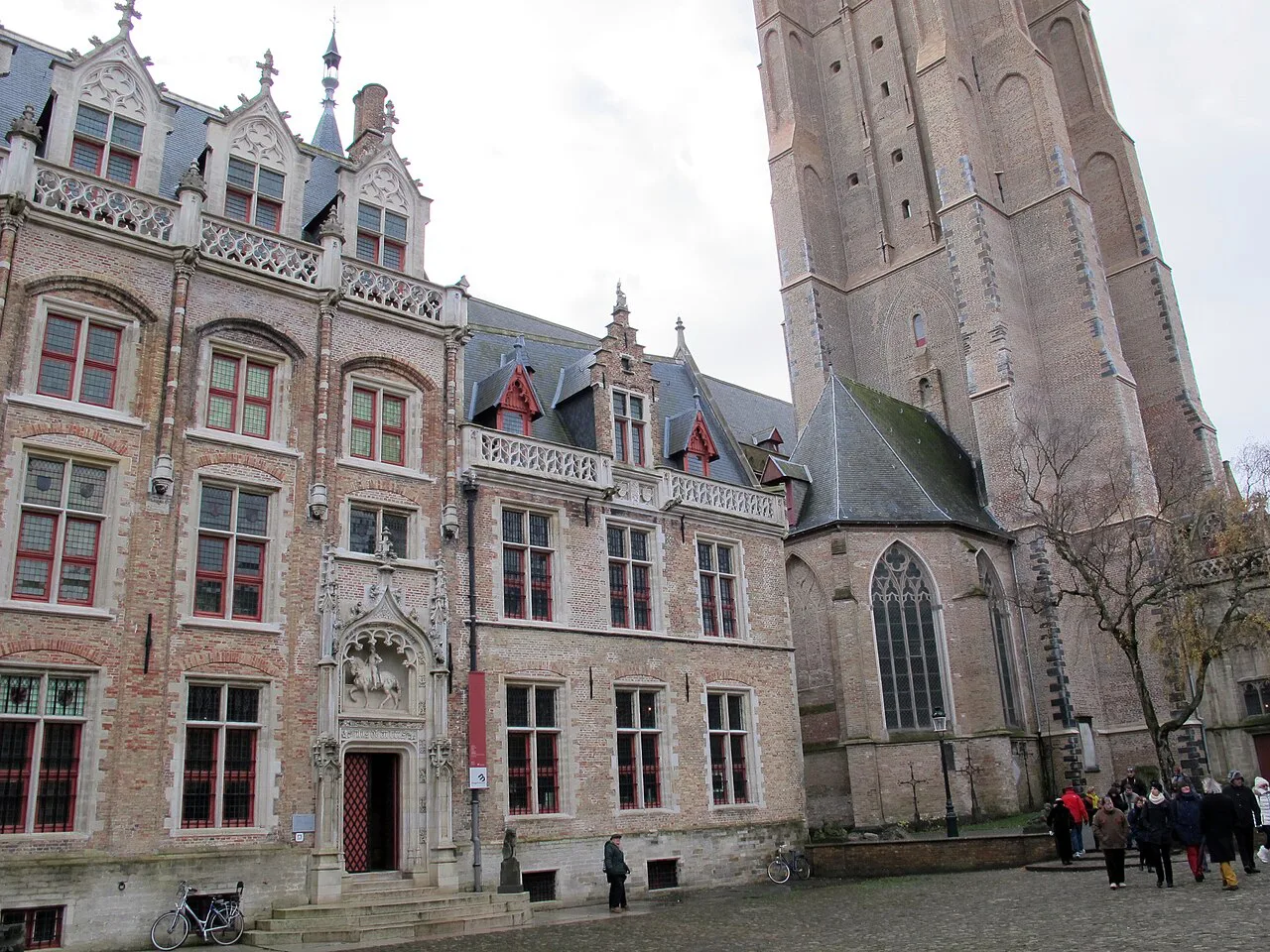
How the old town is laid out: Markt, Burg and the Dijver
Picture a triangle. The Markt is the big open square at the northern end, the Burg is the smaller civic square immediately south-east of it, and the Dijver is the canal-side street running south towards the museums. The distances are tiny: Markt to Burg is a minute, and Burg to the Dijver about five.
That compactness is the centre's great advantage and its trap. Because everything is close, walkers tend to drift without a plan and end up crossing the same square three times. Decide the order before you set out, and the old town becomes a single clean circuit of two to three hours on foot.
Start at the Markt and the Belfort (Belfry)
The Markt is the natural starting point, and the Belfort (Belfry) at Markt 7 dominates it. The visitor site describes the belfry, with the city halls below it, as a UNESCO World Heritage Site and a building that has watched over Bruges for centuries. Read the building from the square before you decide whether to go inside: tower and halls read as one composition, best taken in from the far side of the Markt.
Climbing the tower is the obvious next question, and the Bruges Belfry (Belfort) deserves its own look rather than a passing queue. If the climb is part of your day, work out the access arrangements before you travel rather than at the door, since the climb is the one part of the Markt that can shape your timing.
The Burg: the square next to the Markt
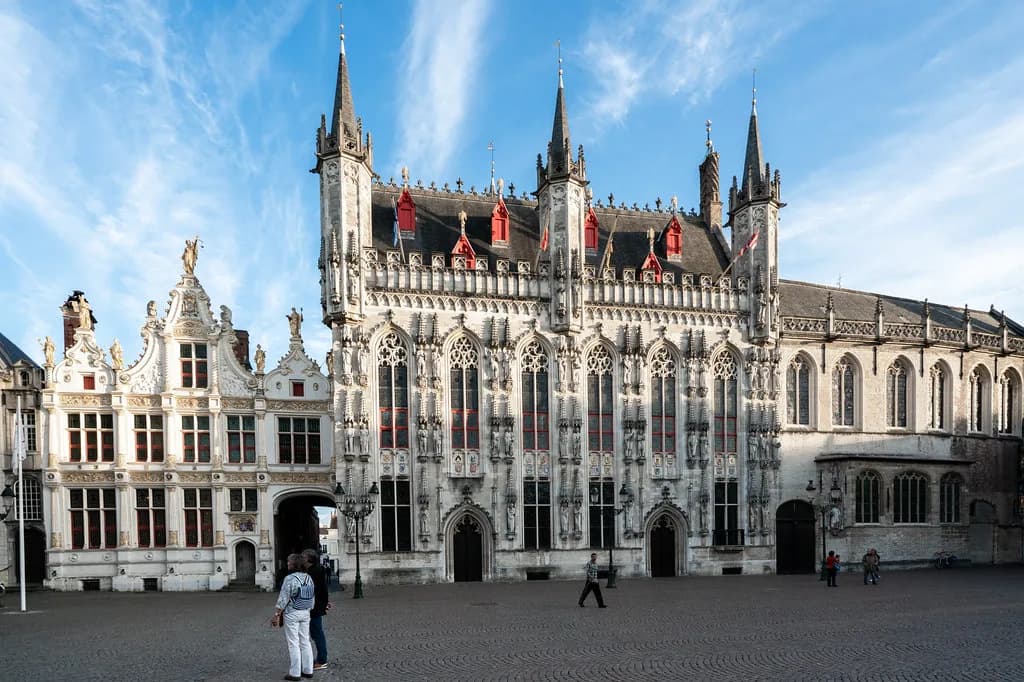
Step off the Markt's south-east corner and you are in the Burg, a smaller, quieter square next to the Markt. It takes minutes to see and works best as a pause between the Markt and the walk south, rather than a destination in its own right. Its value is compositional: it shows how tightly Bruges packs its public buildings into a few hundred metres.
The Burg also sets up a useful rhythm for the day. Do the big square and the tower first, take the Burg slowly, then head for the water. Grouping the two squares together means you only see the Markt once, instead of returning to it from the Dijver end of town.
The Dijver and Hof Arents: the classic view of the Church of Our Lady
Walk south from the Burg to the Dijver and the city opens out along the canal. Hof Arents, a small garden on the Dijver, is the payoff: the visitor site calls it minimum space but maximum view, with an unforgettable view of the Church of Our Lady. This is the waterfront stop worth building the walk around, and it costs nothing but a few minutes.
Hof Arents is one of the best views in Bruges precisely because it frames a single building rather than a panorama. If you want more than one vantage point on the centre, the same account of the city's viewpoints is useful for comparing what each one shows. It is also a rare pocket of green inside the ring, so it doubles as a breather between museum stops.
Canals and bridges: seeing the centre by boat from Huidenvettersplein
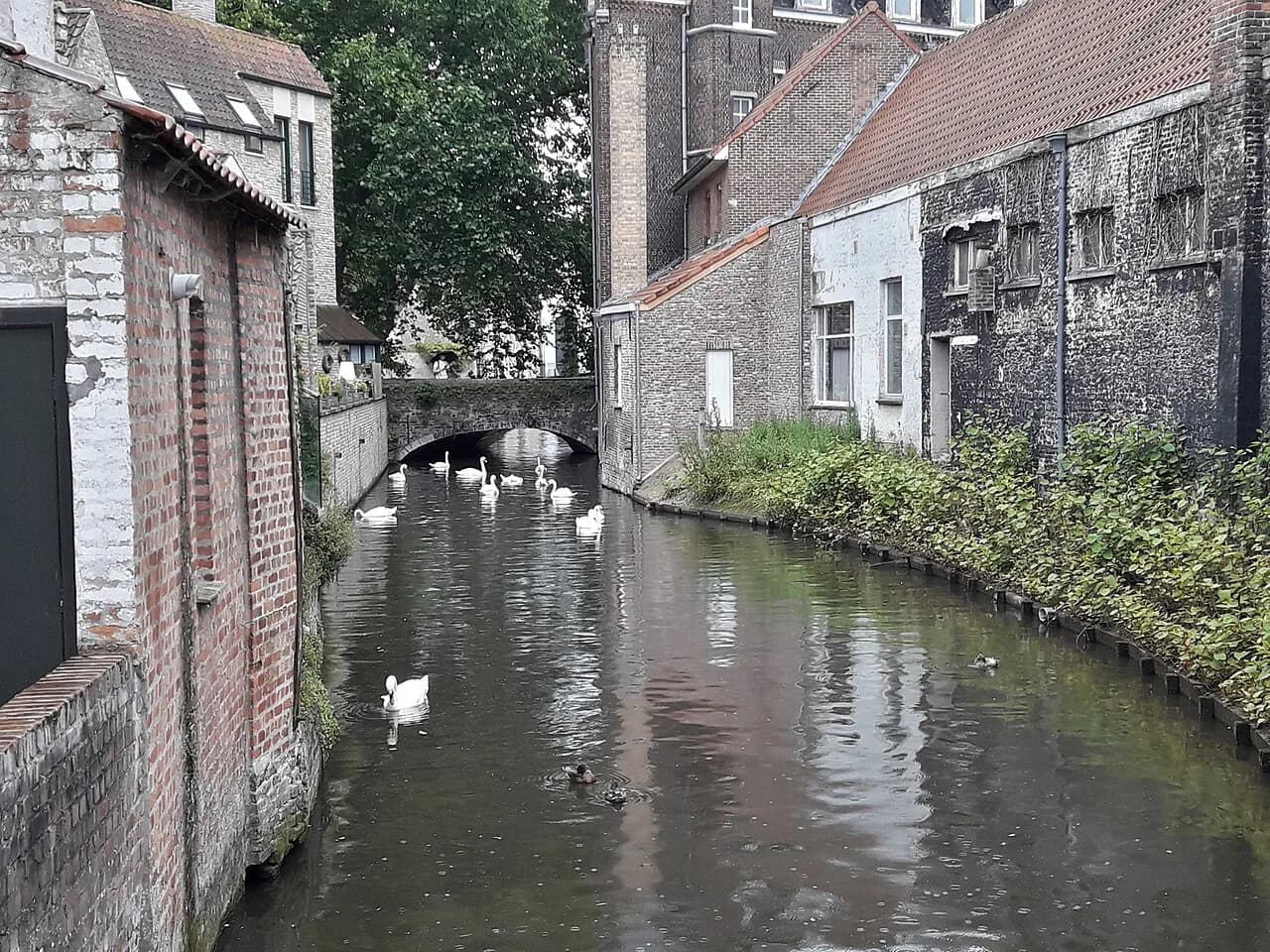
The Bruges canals are the arteries of the city, and a boat trip is the fastest way to understand how the centre is stitched together by water. Boats operate from Huidenvettersplein 13, a short step from the Burg and the Dijver, which makes the trip easy to fold into the middle of the walk rather than treating it as a separate outing.
Be clear about what the boat changes. From the water you see the backs of buildings, low bridges and garden walls that the streets hide, and you cover ground quickly. What you lose is the ability to stop, so pair the trip with a walking tour on foot the same day rather than expecting the boat to replace one.
Museums inside the historic centre
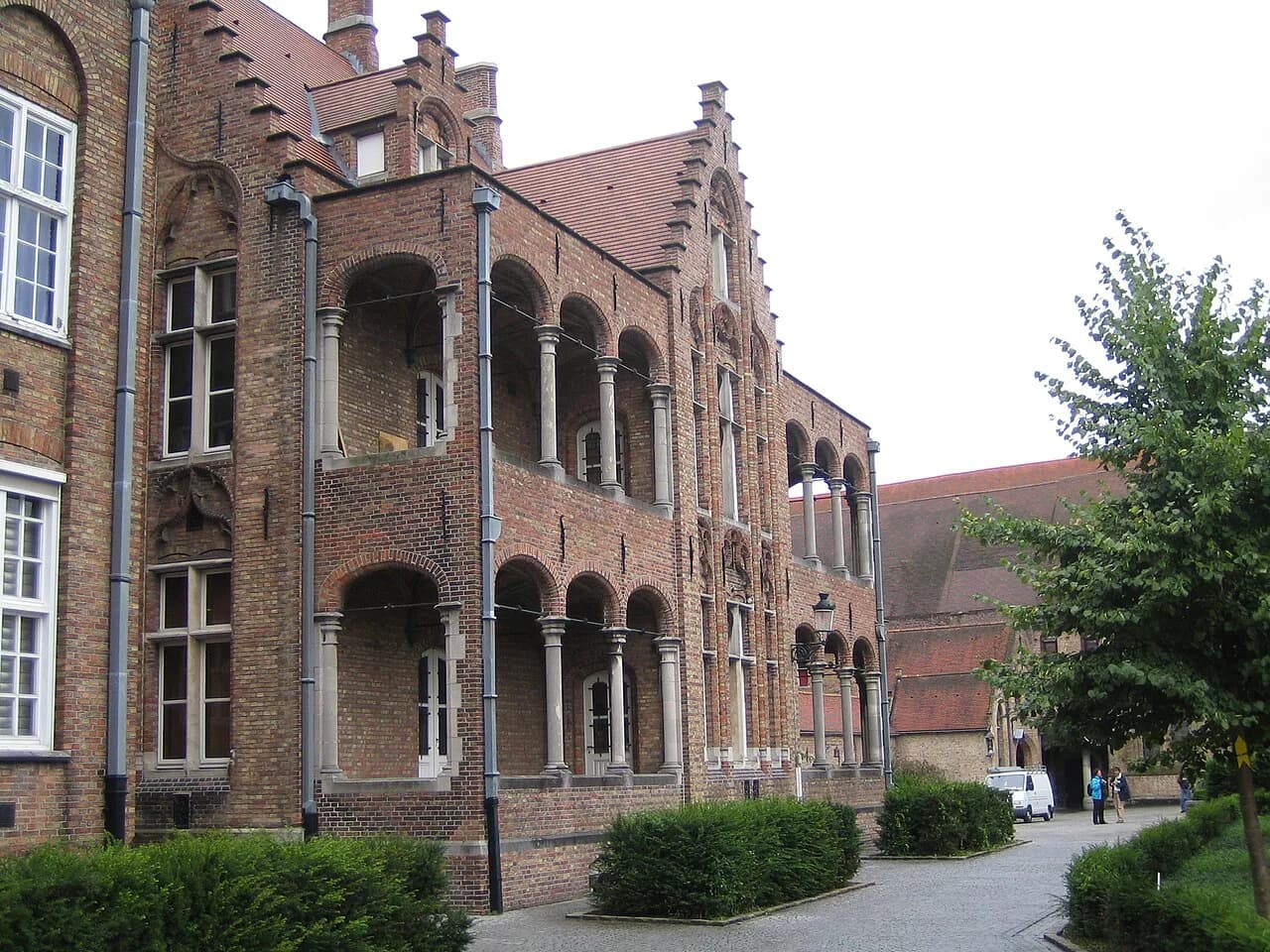
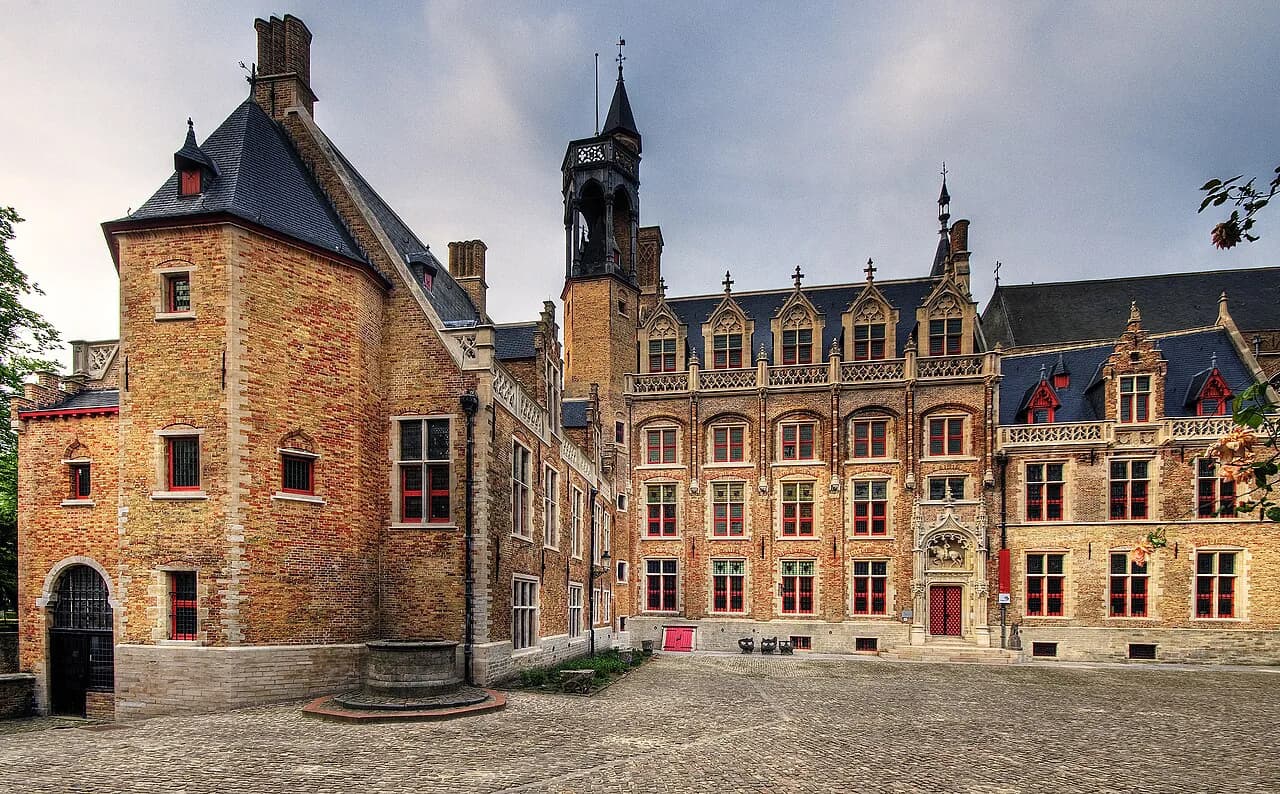
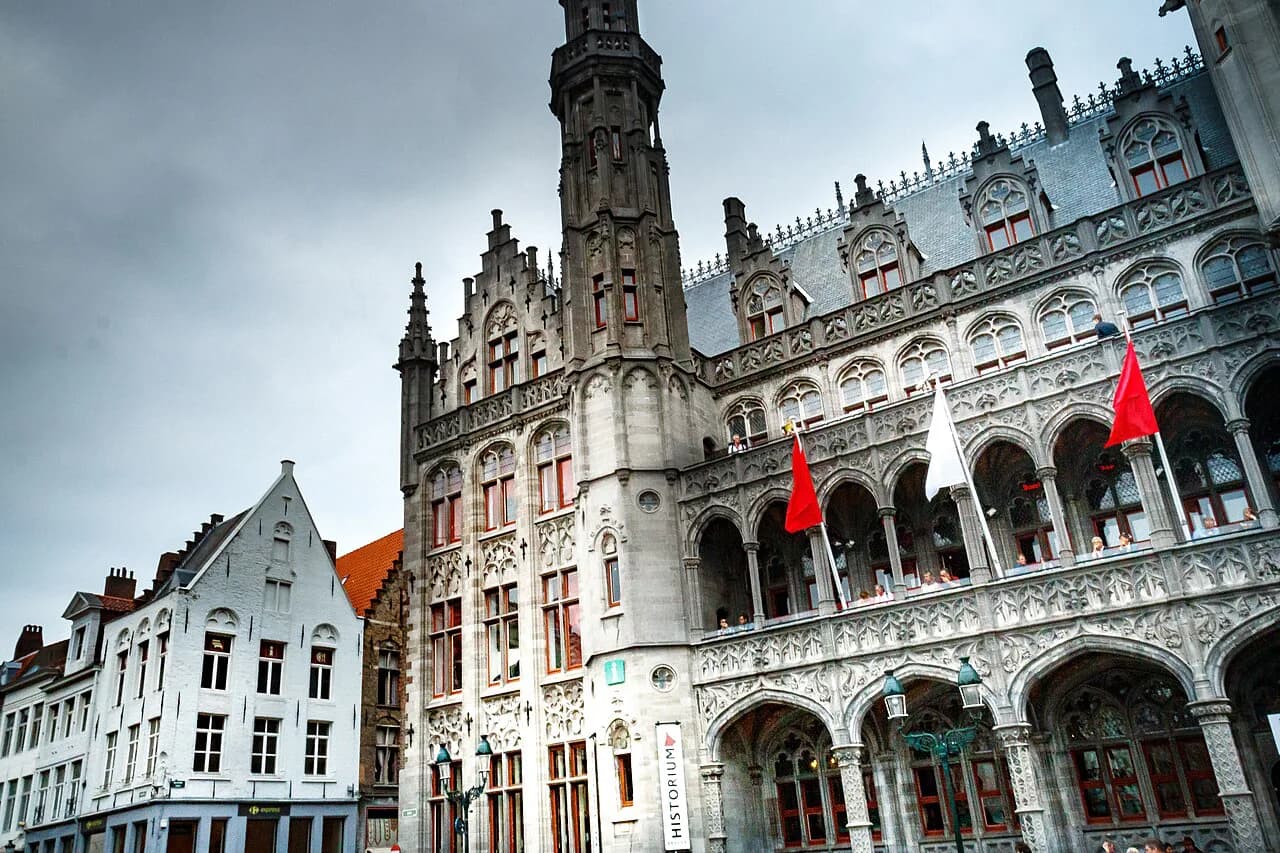
Several of Bruges' main museums sit inside the historic centre, including the Groeninge Museum, the Gruuthuse Museum, the Historium and the Hospital of St John. That grouping means you can choose a museum without leaving the loop you are already walking, which is the practical advantage of the old town's density.
Choose one, not four. Each of these is a proper collection or experience rather than a fifteen-minute stop, so a single museum plus the outdoor walk is a realistic half day. The Groeninge and Gruuthuse reward anyone interested in the city's art and history; the Historium and the Hospital of St John suit visitors who want a more staged view of medieval Bruges.
For contemporary work there is BRUSK, a newer venue the city presents as its address for art and exhibitions, with a bar that works as a meeting point in the centre. It gives the old town a modern counterweight to the medieval streets, and it sits inside the same walkable core.
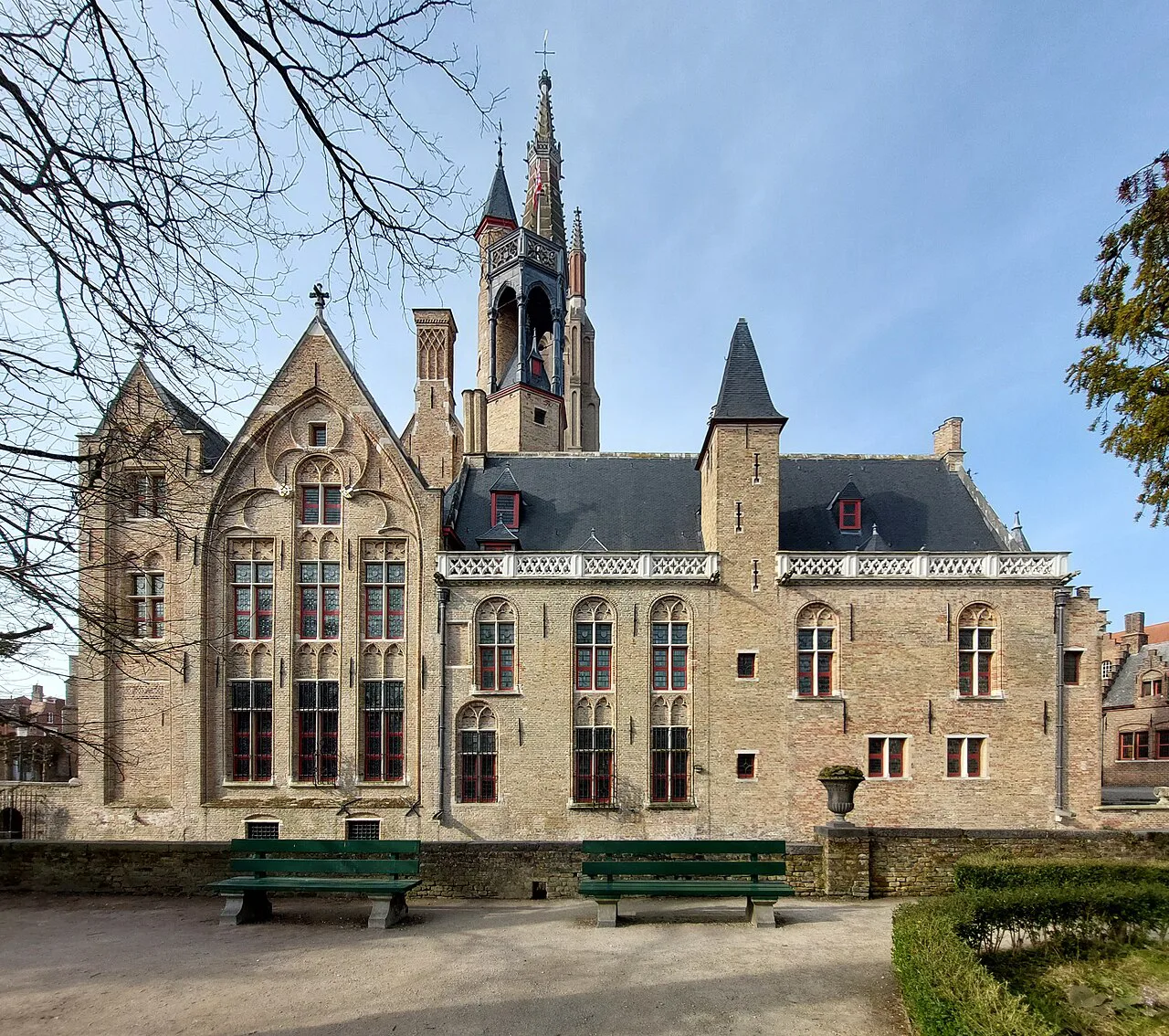
A suggested half-day and full-day walking order
For a half day, start at the Markt and read the Belfort from the square, cross into the Burg, then follow the Dijver south to Hof Arents for the Church of Our Lady view. Add one museum near the Dijver if time allows, and finish with a canal boat from Huidenvettersplein. That sequence keeps you moving in one direction and avoids backtracking.
A full day stretches the same route with two museums and a slower pass through the lanes between the squares. Doing the Markt and the tower early, the museums in the middle of the day and the Dijver and boat in the afternoon gives the walk a natural shape. The Bruges Walking Tour is the right companion if you want someone else to set the pace on foot.
How much time the historic centre needs on a one to four day break
On a one-day visit, the centre is your day: the squares, the Dijver, one museum and a boat trip fill it comfortably without rushing. On a two- or three-day break, split the centre across two mornings and use the afternoons for the museums you skipped. The distances are so short that spreading the walk never costs you travel time.
If Bruges is one stop on a longer Belgian trip, the centre is compact enough to see properly in a single half day plus one museum. Keep the walk tight rather than adding outlying sights to the same day.
Where the centre gets busy, and how to sequence the walk around it
The Markt and the Dijver are the two points where the walk is most exposed, so sequence the quieter Burg and the museums between them rather than clustering all three squares together. The boat at Huidenvettersplein also draws a crowd at its base, which is another reason to slot it mid-walk.
One practical habit sharpens the whole day: decide the order before you arrive, then walk it once. The circuit from Markt to Burg to Dijver to Huidenvettersplein covers the centre's essentials in a few hours, and anything beyond that is a choice about museums rather than geography.
Which order suits your day?
The Bruges historic centre rewards a decided walk over an improvised one. Start at the Markt and the Belfort, take the Burg on the way through, follow the Dijver to Hof Arents for the Church of Our Lady view, then finish on the water from Huidenvettersplein. One museum, chosen in advance, is enough for a first visit.
If your trip also takes in other Belgian cities, the same compact-square logic applies elsewhere: compare the old town layouts of Antwerp and Ghent before you fix your days. Then commit to a single circuit here and let the museums fill the gaps.
Explore more Bruges guides
Sources
Useful notes for your next trip
Optional updates to our guides.
You might also like
Continue reading
More guides you'll find useful