Art Galleries in Bruges: Museums and Galleries Worth Your Time
Art in Bruges means museums: early Netherlandish painting at the Groeningemuseum, Memling in a medieval hospital, and BRUSK's new gallery on Dijver.
On this page
For art in Bruges, go to the Groeningemuseum: it holds the city's core collection of early Netherlandish painting, including Jan van Eyck's Virgin and Child with Canon Joris van der Paele and Hans Memling's Moreel Triptych. This guide covers that collection, the Memling works in the old Sint-Janshospitaal on Mariastraat, the BRUSK gallery at Dijver 12, and a half-day route that links them on foot.
Bruges is a small city where the significant art sits in institutions rather than in a row of commercial galleries, so plan your time around two or three museum stops instead of an afternoon of browsing. The good news is that the main cluster is compact: Dijver and Mariastraat are a few minutes apart in the centre, within easy walking distance of the Markt.
What art in Bruges actually means
Treat the word gallery loosely here. The spaces that matter to a visitor are museums and exhibition venues: the Groeningemuseum for paintings, the Sint-Janshospitaal for Memling in situ, and BRUSK for temporary shows of historical and contemporary work. That shapes the trip: you are choosing between collections rather than between shops.
The payoff is depth. A single morning on Dijver gives you fifteenth-century panels, nineteenth-century Bruges neoclassicism and a living exhibition programme within a couple of hundred metres. The trade-off is that you will not stumble on art by wandering: decide your stops first, then build the walk between them.
Groeningemuseum: the core collection
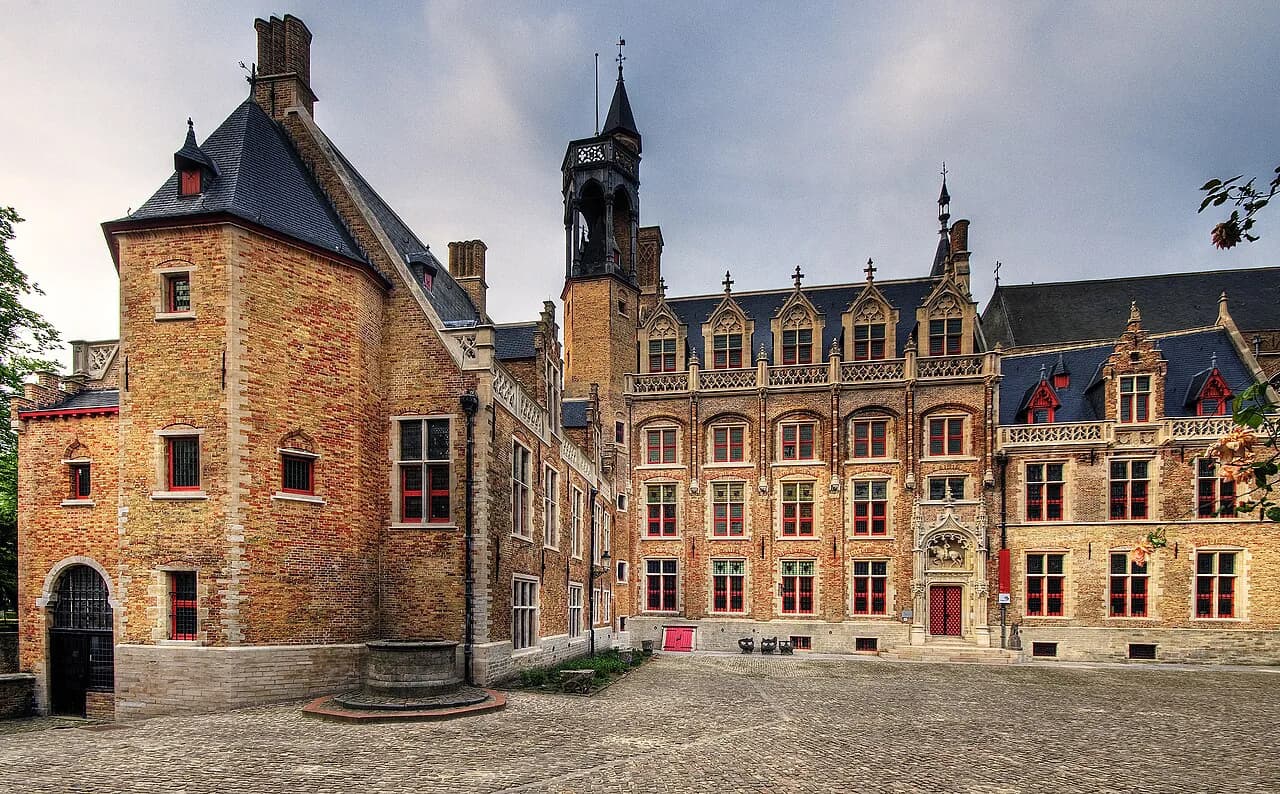
The Groeningemuseum, at Dijver 12, is the Fine Arts Museum of Bruges and is internationally known for its holdings of early Netherlandish painting. The names to look for are Jan van Eyck, Hans Memling, Hugo van der Goes and Gerard David, alongside minor masters who worked in the city in the fifteenth and sixteenth centuries.
Two works anchor the visit. Van Eyck's Virgin and Child with Canon Joris van der Paele and Memling's Moreel Triptych both entered the collection in the early nineteenth century, when paintings taken to Paris during the Napoleonic occupation came back to Bruges. Knowing that history makes the fifteenth-century rooms read as a civic collection, not a royal one.
The collection runs well past the Middle Ages. Gerard David's Justice of Cambysis and Jan Provoost's Last Judgment came from the town hall, and the museum holds an exceptional group of eighteenth-century Bruges painters such as Matthias De Visch and Jan Anton Garemijn, plus West-Flemish neoclassical work by Joseph Benoît Suvée and his followers.
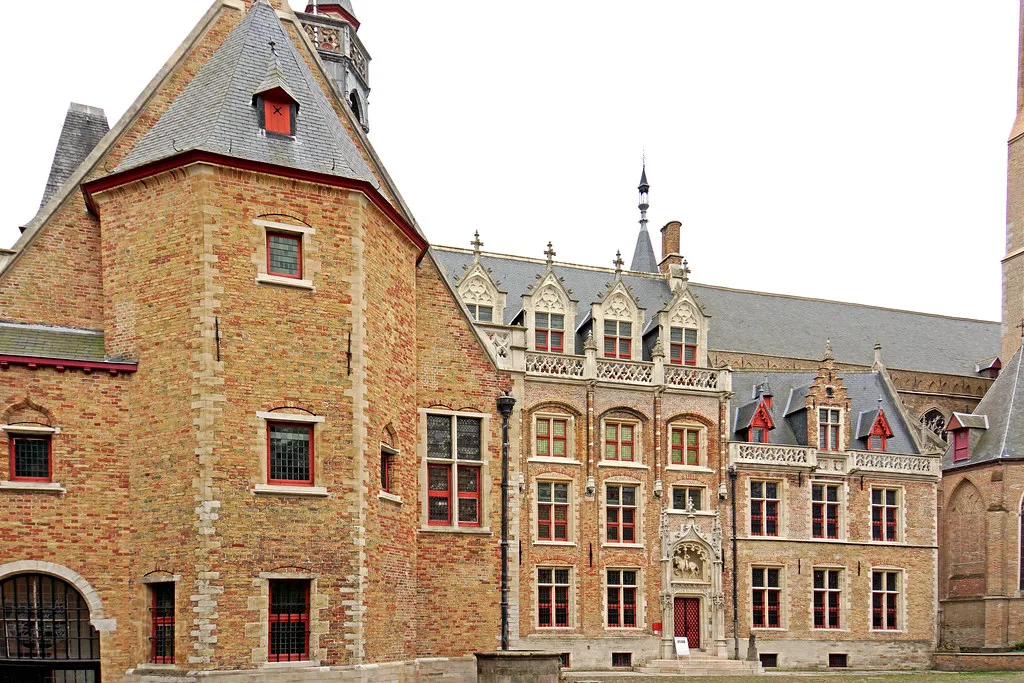
How to read the Groeningemuseum
Start with the fifteenth-century rooms and give them the bulk of your attention, because that is where the Van Eyck, Memling, Van der Goes and David panels sit and where the crowds concentrate. Move on to the neoclassical Bruges painters once your eye is tired of detail: Suvée's Dibutadis – The Invention of Drawing and the portraits donated by local artists show the city looking to Paris and Rome.
Finish in the modern rooms, which reward a looser pass rather than close reading. Allow around two hours in total; a focused hour covers the early rooms alone, and stretching to three only makes sense if you plan to sit with individual panels.
Sint-Janshospitaal and Memling
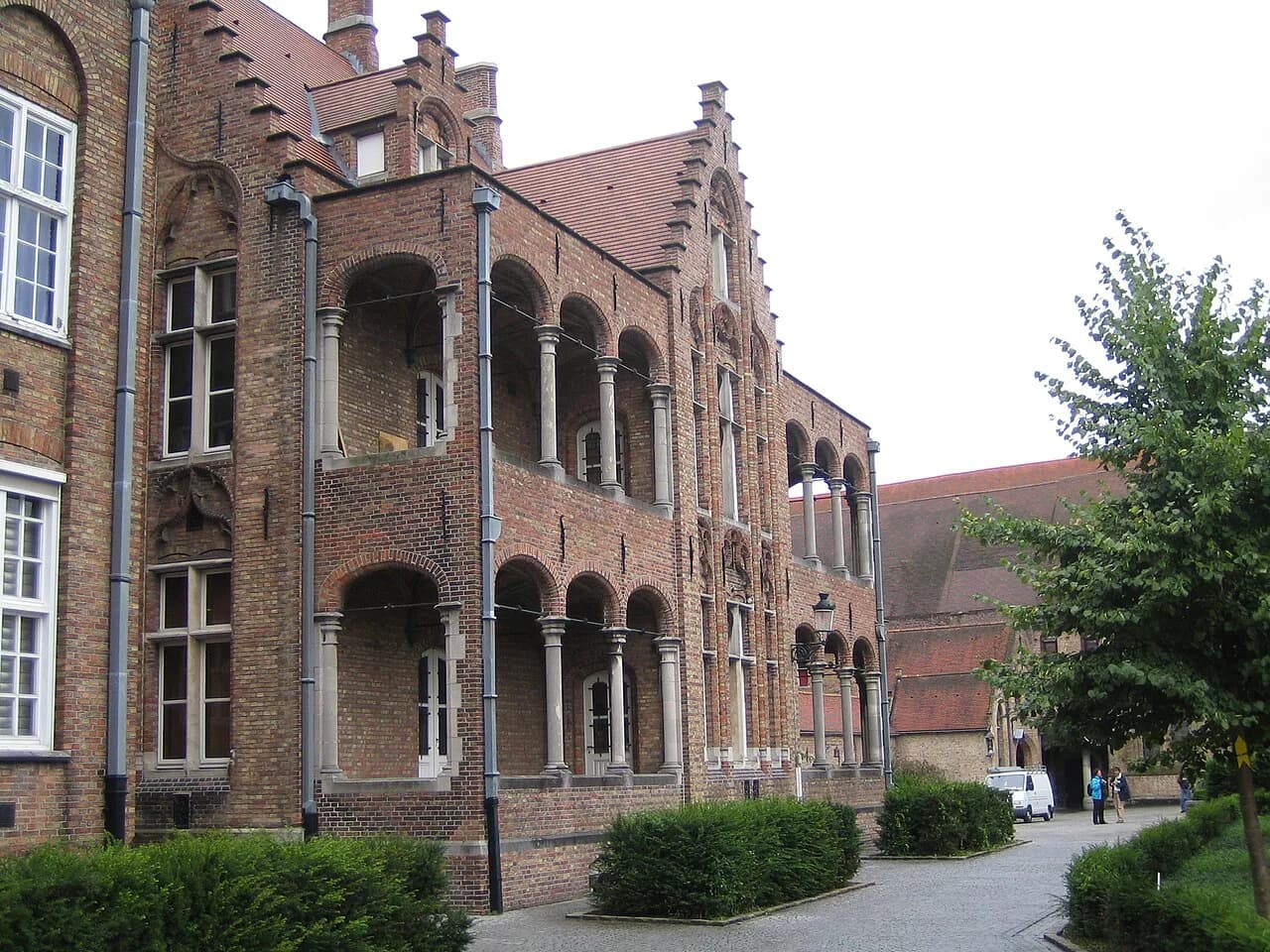
The Museum Sint-Janshospitaal on Mariastraat 38 occupies one of the oldest preserved hospital buildings in Europe, and the medieval wards are as much the exhibit as the art. Hans Memling's masterpieces hang here, and the collection sets them beside contemporary work by Berlinde De Bruyckere and Patricia Piccinini, which makes for an unusual conversation across five centuries.
If you have already seen the Moreel Triptych at the Groeningemuseum, this is the natural second stop: same painter, different setting, and a building that explains what religious art was for. It sits a short walk from Dijver, so it slots into the same morning without a detour.
BRUSK at Dijver 12
BRUSK opened on Friday 8 May 2026 in the heart of Bruges as a gallery for changing exhibitions of historical and contemporary art, at Dijver 12; the Groeningemuseum is also listed at Dijver 12. The ground floor is free to visit and holds Bar BRUSK, event spaces, a museum shop and monumental frescoes by Laure Prouvost in the stairwell; the two large upstairs spaces stage the temporary exhibitions and carry an admission fee.
That split matters for planning. You can walk in, see the Prouvost frescoes and the shop without committing to a ticket, then decide upstairs on the strength of what is showing. For a short break, the free ground floor is the cheapest way to add a contemporary note to an Old Master day.
Pairing the art on Dijver
Because the Groeningemuseum and BRUSK are both listed at Dijver 12, do them in one visit rather than two: the collection first, then the current exhibition, with a coffee between. Add the Sint-Janshospitaal on Mariastraat as the third stop before or after, since it lies within a few minutes' walk of the same quay.
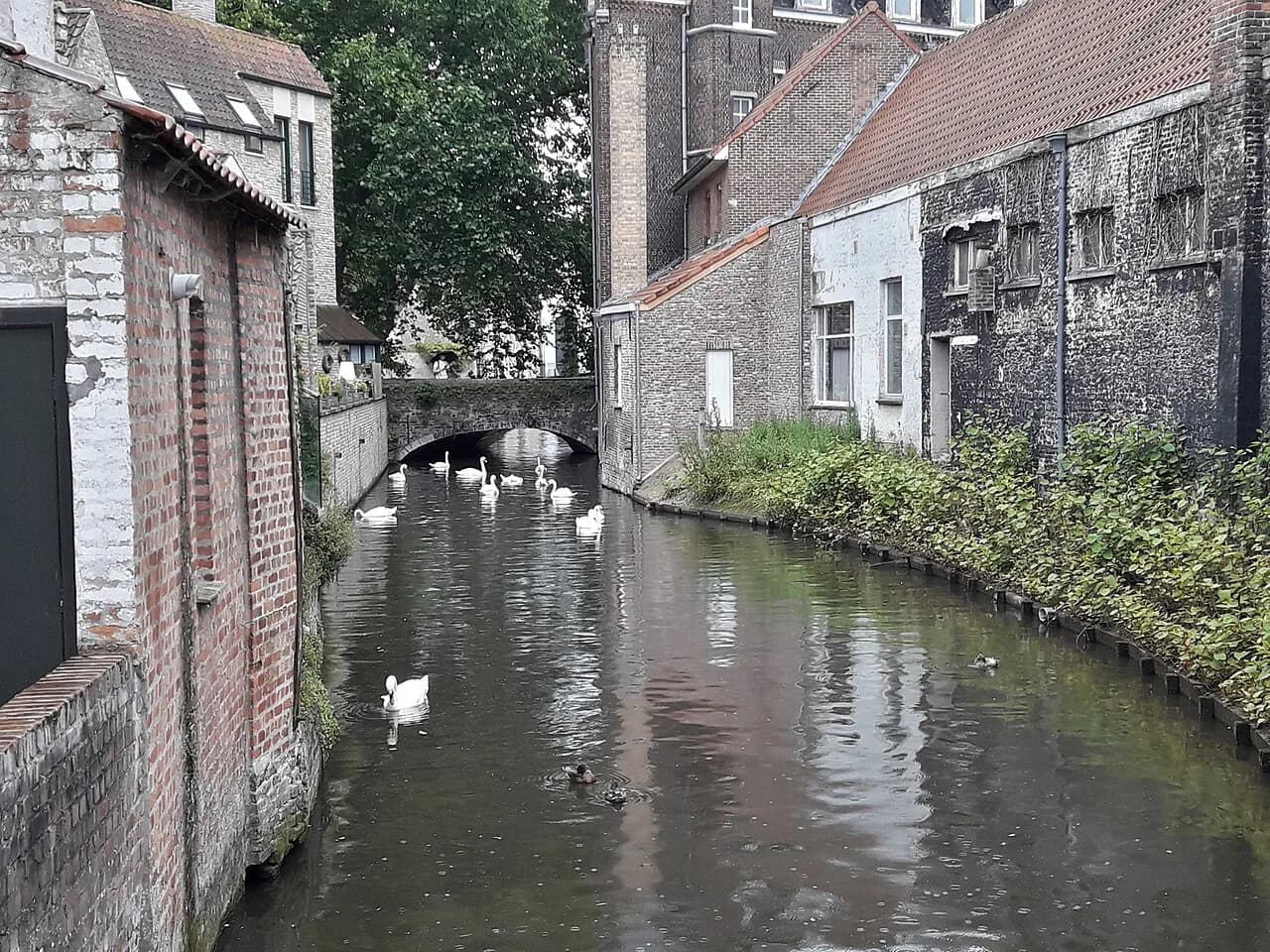
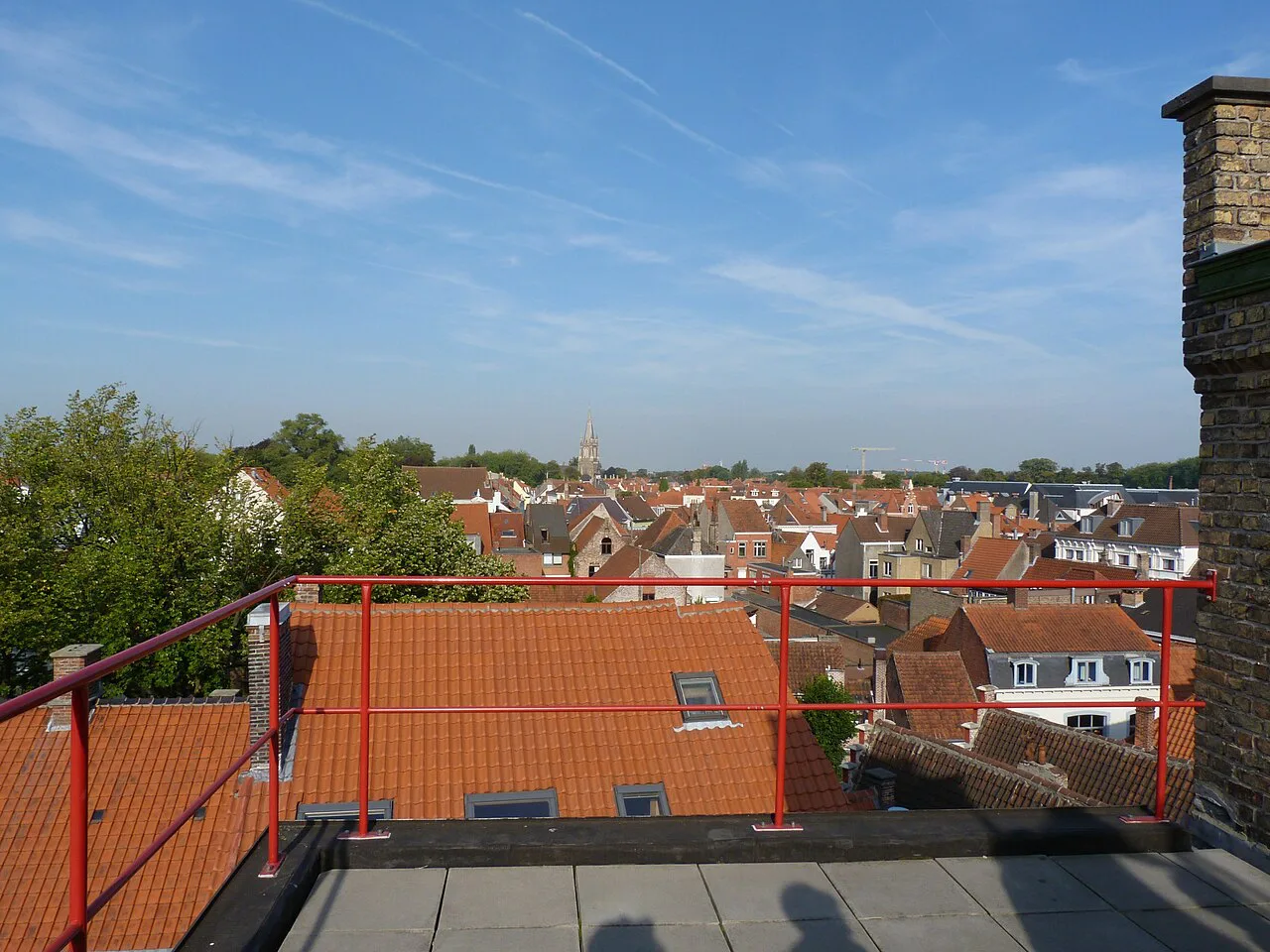
The Dijver stretch itself is one of the prettiest in the city, and the walk between stops takes in canal-side gabled houses that amount to a free lesson in Bruges architecture. Build in ten minutes to stand still on the bridge rather than marching between doorways.
If you want one art stop only
Choose the Groeningemuseum if you want fifteenth-century painting and the named masterpieces; it is the deepest single collection in the city and the one most visitors come for. Choose BRUSK if you have seen enough devotional panels, prefer changing shows, or want a free taster before committing to a ticket.
If Memling is your reason for coming, go to the Sint-Janshospitaal instead: the hospital setting does something the museum cannot. Whichever you pick, one strong stop beats three rushed ones on a short break.
Art beyond the galleries
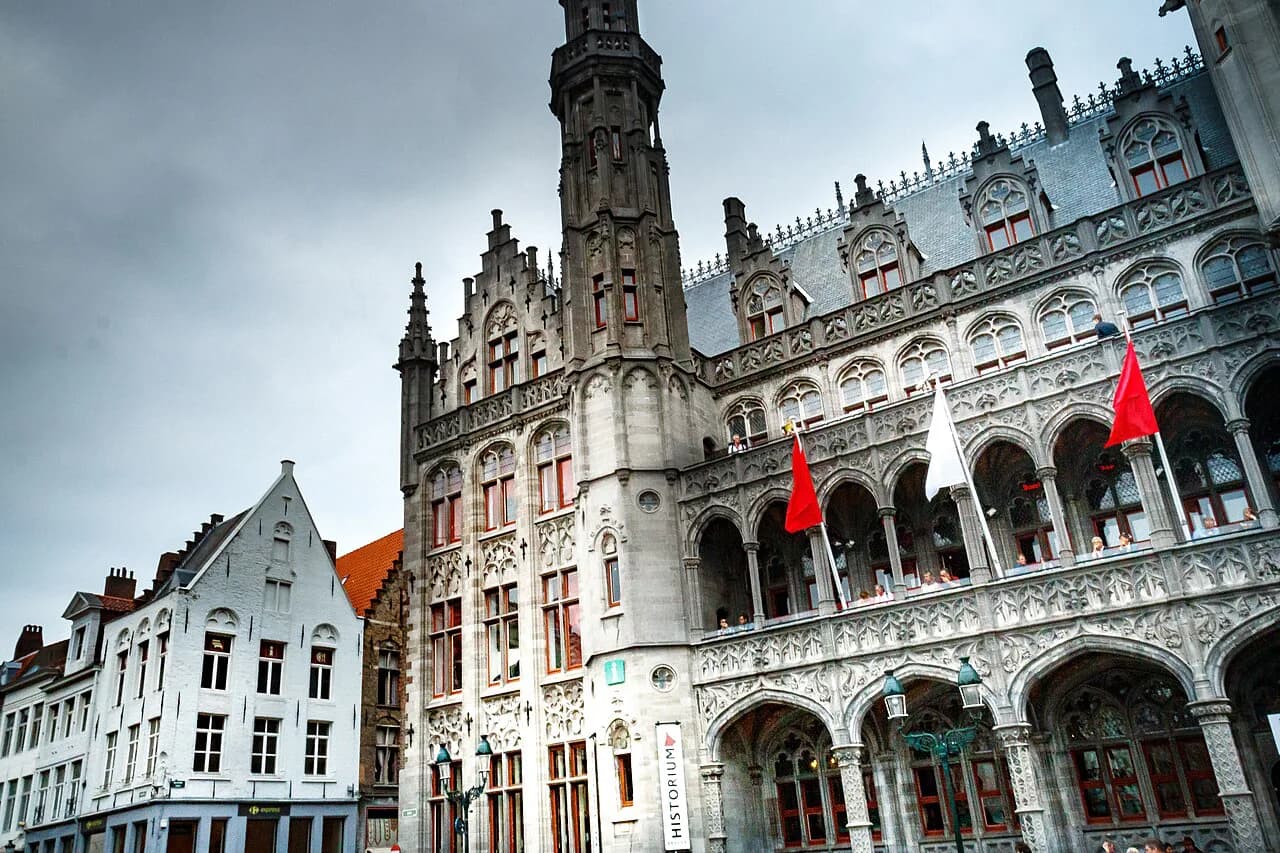
The Belfort on the Markt and Historium Brugge at Markt 1 are history attractions, not art collections. The Belfort climb covers 366 steps and a historical collection with clocks, and Historium recreates medieval Bruges through virtual and physical sets; both are good, but neither will satisfy someone hunting paintings.
The same applies to the city's food-and-drink museums: Choco-Story on Wijnzakstraat and the Bruges Beer Experience on Breidelstraat tell the story of chocolate and brewing rather than showing fine art. If painting is your priority, put them on a separate afternoon.
Grouping your museum stops
The Musea Brugge sites sit under one city museum organisation, so it pays to plan your two or three art stops together rather than deciding on the day. Work out which collections you actually want, then walk the route once: Dijver for the Groeningemuseum and BRUSK, Mariastraat for the hospital.
A sensible shape is a full morning and early afternoon: Groeningemuseum when it is freshest, BRUSK next door, lunch, then the Sint-Janshospitaal when your legs are tired and a seated, contemplative visit appeals. Check current opening days before you set out, since Belgian museums commonly close one day a week.
The practical shape of an art day
Start at Dijver 12 as soon as your chosen museum opens, and do the early Netherlandish rooms before the groups arrive. Cross to Mariastraat for the hospital afterwards, and leave the Belfry and Markt sights for late afternoon when the light on the square is at its best.
The whole circuit is short enough to walk in a day, and the streets between Dijver and Mariastraat include the Gouden-Hand Rei, a narrow canal street worth a slow pass on the way. Nothing here needs a bus or a taxi.
The city's wider sights are covered in the Museums in Bruges guide, useful if you want to bolt an art morning onto a longer stay. For a fuller picture of the city's collections beyond painting, the Churches in Bruges pages cover the rest.
Which art stop suits your trip?
If you have half a day, build it around Dijver: the Groeningemuseum for Van Eyck, Memling and David, then BRUSK for whatever is hanging upstairs. If you have a full day, add the Sint-Janshospitaal on Mariastraat and let the medieval wards do the rest.
If you have only two hours and one choice, take the Groeningemuseum when early Netherlandish painting is the draw and BRUSK when you want something current, free to enter on the ground floor and easy to leave if the upstairs show does not appeal.
Frequently Asked Questions
Do I need to book Bruges art museums in advance?
Booking arrangements vary by venue, so check the museum you plan to visit before you travel. For a short break, deciding your two or three stops in advance matters more than the booking itself, because the Dijver and Mariastraat sites sit close enough to visit in one morning.
Who is the most famous painter associated with Bruges?
Hans Memling and Jan van Eyck are the two names most closely tied to the city's collections. Van Eyck's Virgin and Child with Canon Joris van der Paele hangs at the Groeningemuseum, and Memling's Moreel Triptych is in the same collection, with further Memling works at the Sint-Janshospitaal.
Is there contemporary art in Bruges?
Yes. BRUSK opened at Dijver 12 on 8 May 2026 with changing exhibitions of historical and contemporary art, and the Sint-Janshospitaal sets Memling beside contemporary artists including Berlinde De Bruyckere and Patricia Piccinini.
Sources
Useful notes for your next trip
Optional updates to our guides.
You might also like
Continue reading
More guides you'll find useful