Churches in Bruges: Which Ones to Visit and What's Inside
Churches in Bruges worth visiting, from the Church of Our Lady and its Michelangelo to the Basilica of the Holy Blood, with what you'll see inside each one.
On this page
Two churches in Bruges are worth building a morning around: the Church of Our Lady (Onze-Lieve-Vrouwekerk), for its tower and Michelangelo's Madonna, and the Basilica of the Holy Blood (Heilig-Bloedbasiliek) on the Burg, for its relic and its two-storey chapel. Both sit within a short walk of the Markt, so you can pair them with the Belfry and the Groeningemuseum without crossing the city twice. This guide covers what is inside each one, and how to fold the churches into a half-day walk, a canal trip or a bike tour.
The Church of Our Lady is the one to prioritise if you only have time for a single church. The Basilica of the Holy Blood is smaller and quicker, and fits naturally into a circuit of the Burg rather than a trip of its own. Everything else in the city — the canals, the Begijnhof, the museums along the Dijver — works around those two anchors.
Which churches in Bruges are worth visiting
The Church of Our Lady (Onze-Lieve-Vrouwekerk) is the headline church: it carries the world's second-highest brick church tower and a Michelangelo sculpture inside. The Basilica of the Holy Blood (Heilig-Bloedbasiliek) is the second: a compact chapel on the Burg, a few minutes' walk from the Markt, built around a venerated relic. Between them they cover the two reasons most travellers visit a Bruges church — great art and living devotion.
If time is tight, drop the Basilica and keep the Church of Our Lady. The Madonna alone justifies the detour, and the tower gives you the city's best-known vertical view after the Belfry. The Basilica rewards a twenty-minute stop on the way to or from the Burg, not a separate journey across town.
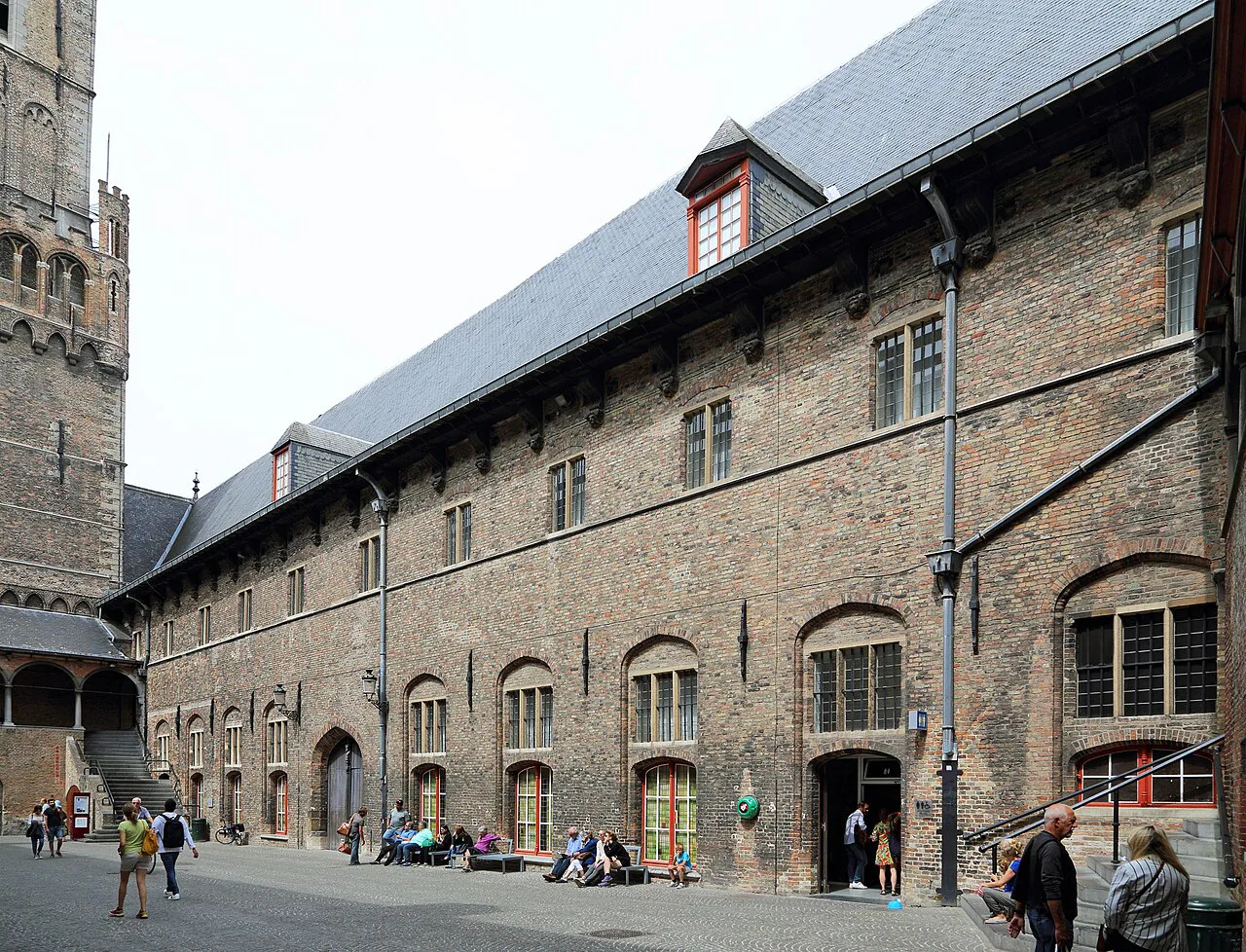
Church of Our Lady (Onze-Lieve-Vrouwekerk): the brick tower and Michelangelo's Madonna
The Church of Our Lady is a Roman Catholic church whose fabric dates mainly from the 13th, 14th and 15th centuries, and its tower is the second-highest brick church tower in the world. That brickwork is the reason to look up before you go in: the tower dominates the skyline above the Mariastraat and the Dijver, and it is the silhouette you will recognise from half the postcards. The church is one of the Musea Brugge locations, listed as the O.L.V.-kerk Museum.
Inside, the draw is Michelangelo's Madonna and Child, the sculpture that gives the church its art-historical weight. The building belongs to the Musea Brugge family, listed among its historic locations. The Musea Brugge site sets out the individual locations and what is open, so it is the place to confirm the church and tower before you plan the day around them.
Practically, the church sits on the Mariastraat, between the Markt and the Dijver museums, so it slots into a walk rather than demanding a detour. If you are choosing between the Belfry and the museums on the Dijver, this stop works with either.
Basilica of the Holy Blood (Heilig-Bloedbasiliek) on the Burg
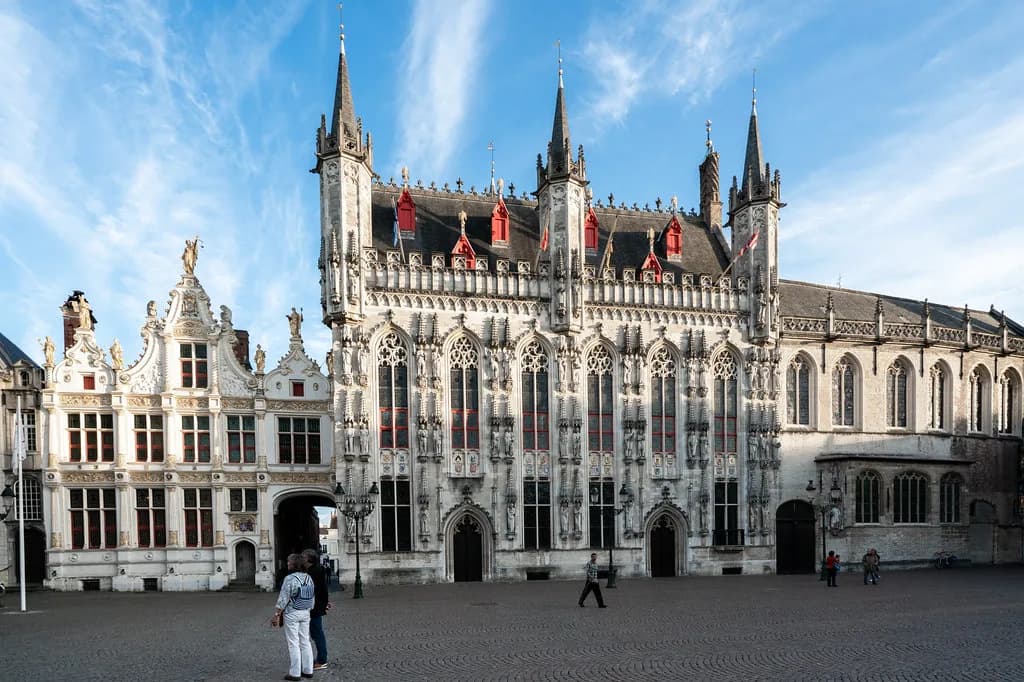
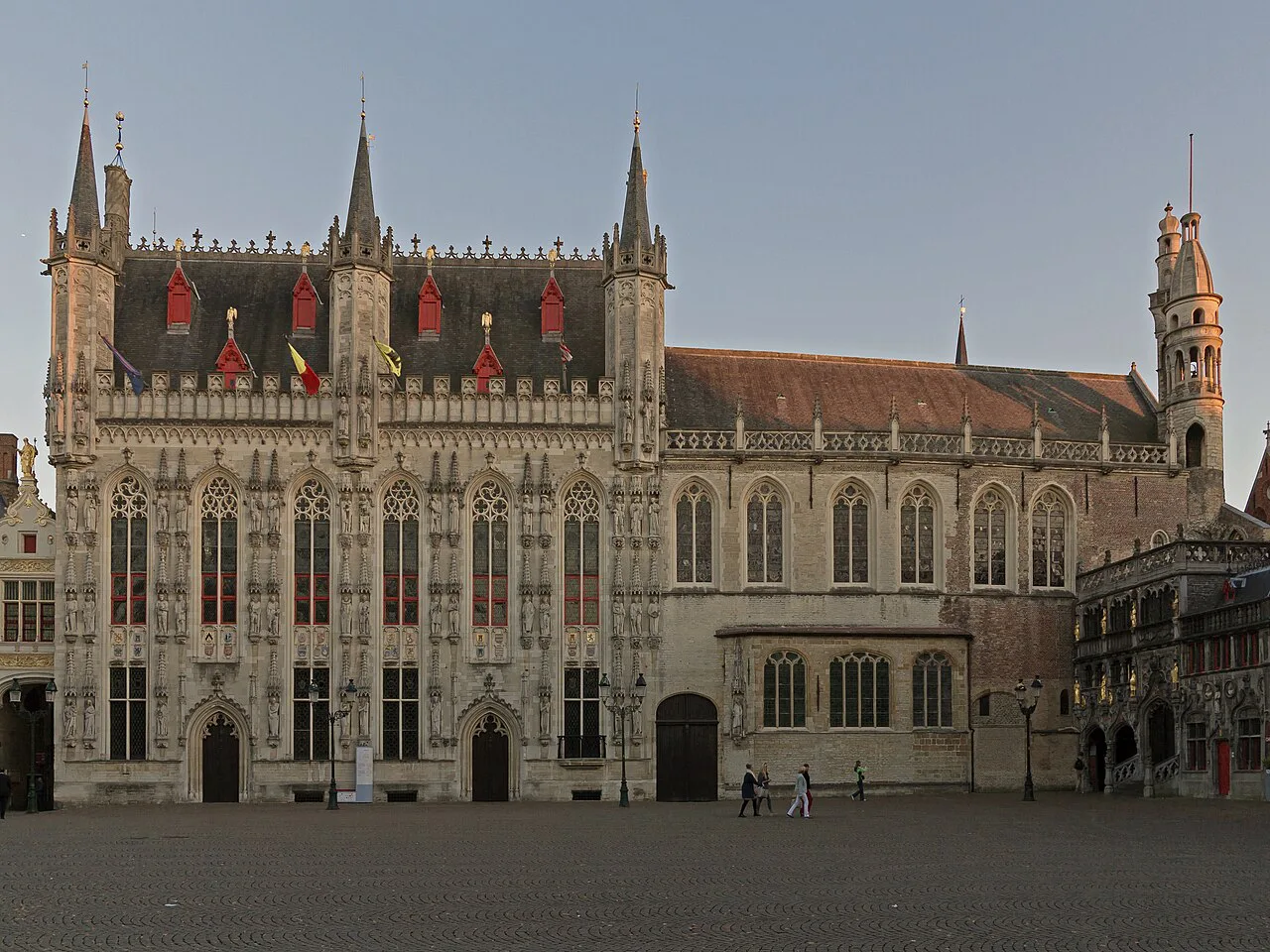
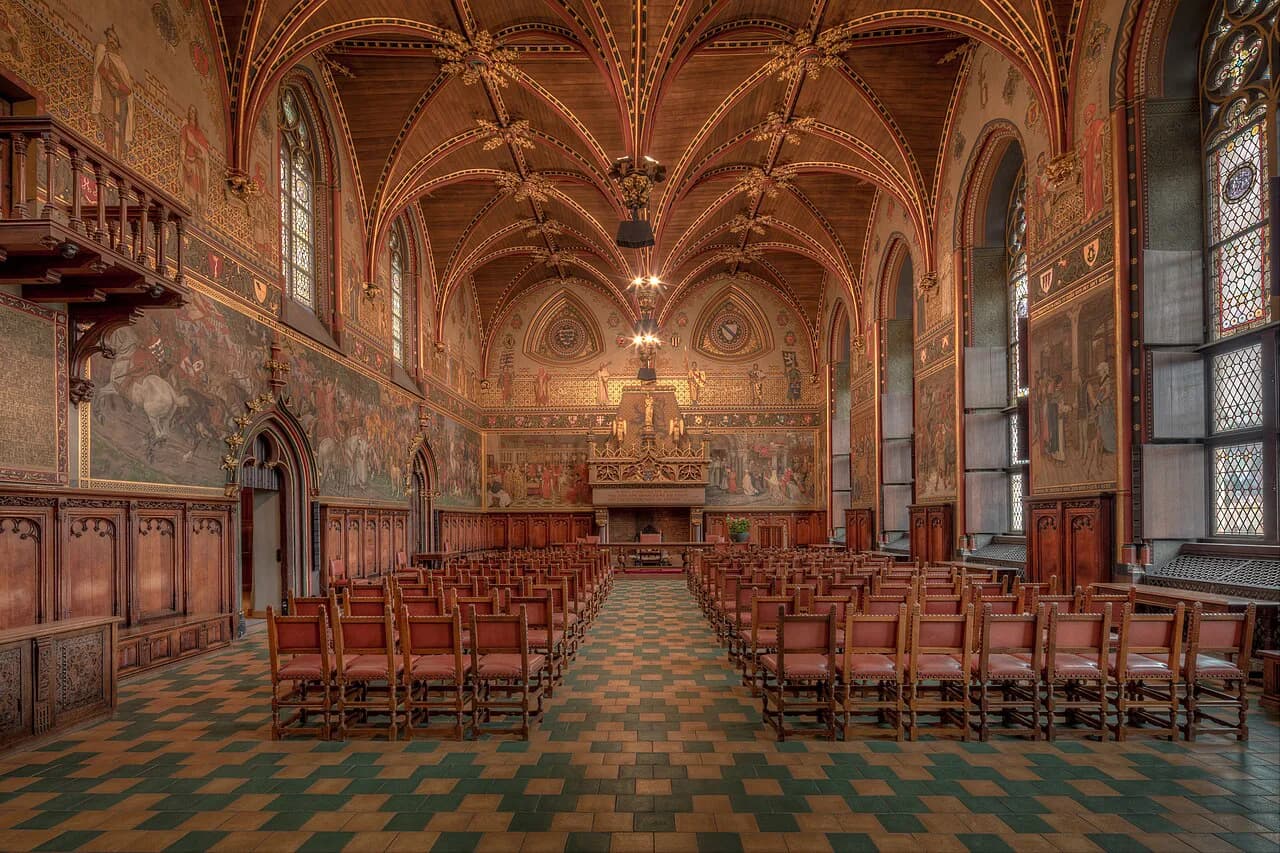
The Basilica of the Holy Blood stands on the Burg, the square just off the Markt that also holds the Bruges City Hall and the Blinde-Ezelstraat corner. It is a Roman Catholic basilica built on two levels, with a lower Romanesque chapel and an upper chapel reached by a staircase, and it is the relic of the Holy Blood that draws pilgrims and travellers alike. The scale is domestic rather than cathedral-like, which makes it an easy addition to a Burg stop.
Because it is a working place of worship, the atmosphere changes with the hour: you may find quiet, or you may find a service in progress. It is small enough that ten to twenty minutes covers the visit unless you want to sit with the relic chapel. Pair it with the Stadhuis and the Renaissance facades of the Burg rather than treating it as a standalone sight.
What you see inside each church: paintings, tombs and the Flemish Primitives
The Church of Our Lady carries the Madonna and Child sculpture, and the church itself is a museum location under the Musea Brugge umbrella. That links it to the wider collection in the city, where Jan van Eyck's Madonna with Canon Joris Van der Paele and Hans Memling's Moreel Triptych hang in the Groeningemuseum. If you want the Flemish Primitives in depth, plan the Groeninge visit around the church rather than instead of it.
Note the timing on the Groeningemuseum: it closes from 11 January 2027 for a four-year refurbishment, and from March 2027 highlights of the collection move to BRUSK art gallery on the Dijver. For a visit before that date, the museum's Flemish Primitives sit a few minutes from the Church of Our Lady on the same Dijver stretch. This is the strongest reason to group the church and the museums into one morning.
The Gruuthusemuseum and Museum Sint-Janshospitaal complete the cluster on or near the Dijver, so a single loop can take in the church, the Groeninge, and one more collection without repeating ground. If you only add one, make it the Groeninge for the paintings. Its adult ticket is listed at €15 on the Visit Bruges page, with €13 for 18 to 25-year-olds, €7 for 13 to 17-year-olds, and free entry under 13.
The Musea Brugge Card covers the Groeningemuseum and the other open Musea Brugge locations for 72 hours at a reduced combined price, bought at the box office or online. If you plan on the Groeninge plus one more Musea Brugge site, do the arithmetic before buying single tickets. The card pays off on museum-heavy days, not on a day built around churches and squares.
Climbing the Church of Our Lady tower versus the Belfry: which climb to pick
The Belfry on the Markt puts you above the market square with the cloth-hall bells behind you and the whole historic centre spread below. The Church of Our Lady tower, the second-highest brick church tower in the world, gives you the southern skyline and a view back across the rooftops towards the Markt.
Pick one, not both. They cost you separate tickets and separate queues, and the second view may feel like a rerun of the first. If you are here for two days, the Belfry on day one and the church on day two spreads the effort. If you have one day only, choose the Belfry for the classic panorama and the church for the art and interior.
Sightseeing by boat on the canals from Huidenvettersplein and how the churches frame the water
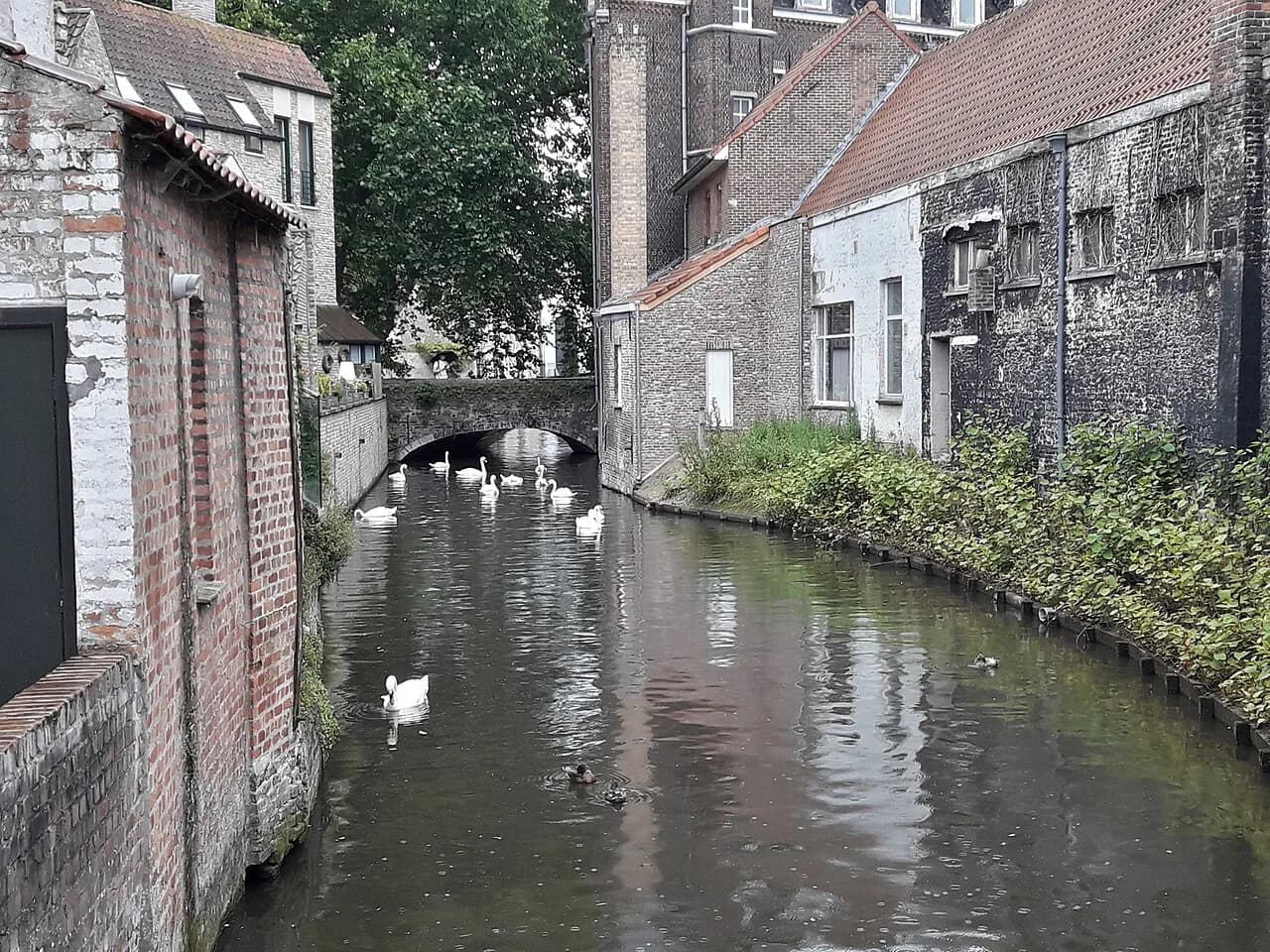
A canal trip from Huidenvettersplein is the fastest way to see how the churches sit in the city: the Belfry, the Church of Our Lady tower, and the low brick rooflines all read as one skyline from the water. The official Visit Bruges listing describes a boat trip on the Bruges canals as part of the visit, with departures from Huidenvettersplein. Boats leave from that quay, so start there and book through the Visit Bruges sightseeing pages rather than a third party.
Sit on the open side of the boat for the tower views; the covered centre seats are warmer but see less. The trip is short and mostly about the water-level perspective on the Burg, the Dijver and the Groenerei, so treat it as a complement to walking, not a substitute.
Ben's Bike city tour and the e-bike border tour: churches seen from the saddle
Ben's Bike, based in the underground bike parking at 't Zand on the Concertgebouw side, runs a two-and-a-half to three-hour Bruges Bike Tour of the UNESCO-listed centre, with bike hire included. The tour is led by Benedict and you can ride your own bike instead. Prices are listed at €24 for adults with a rental bike and €9 with your own, with a €10 supplement for an e-bike.
For something beyond the centre, the E-Bike Border Tour covers 60 kilometres into the countryside, through villages that were once outer ports of Bruges, and crosses into the Netherlands. The listed price is €38 for adults with a rental e-bike. Neither tour takes you inside the churches, so use the bike for orientation and the walk for the interiors.
Adding a Musea Brugge stop such as the Groeningemuseum or Gruuthusemuseum nearby
If the churches leave you wanting more Flemish Primitives, the Groeningemuseum on the Dijver is the logical next stop, with van Eyck's Madonna with Canon Joris Van der Paele and Memling's Moreel Triptych on show. The Gruuthusemuseum at Dijver 17C and the Museum Sint-Janshospitaal on Mariastraat 38 sit within a few minutes of the church, so you can build a museum-heavy morning without leaving the neighbourhood.
Museum Sint-Janshospitaal, in the old hospital buildings, tells the story of care and healing rather than paintings alone — a useful change of register after two churches. Each Musea Brugge location keeps its own calendar, so check the Musea Brugge site for current opening days for the one you mean to visit.
Grouping the churches into a half-day walk from the Markt
Start at the Markt, where the Belfry anchors the square, and walk south to the Mariastraat for the Church of Our Lady. From there, head down to the Dijver for a museum stop at the Groeninge or Gruuthuse, then loop back via the Burg for the Basilica of the Holy Blood. That route takes in the two churches and a museum in a single loop without a single tram ride.
The walk is short enough to do on foot in a morning, leaving the afternoon free for the canal at Huidenvettersplein or a bike tour from 't Zand. Add the Hof Arents garden on the Dijver for a pause between churches, and plan a lunch stop rather than a fixed schedule.
Which church should you visit first?
Start with the Church of Our Lady, then walk to the Burg for the Basilica of the Holy Blood on the same morning. That order gives you the art first and the relic chapel second, and leaves the Belfry, the canal trip and the Dijver museums for the rest of your stay. If your time is tight, the Church of Our Lady and the Belfry are the two anchors to keep.
Check the Musea Brugge calendar for the Church of Our Lady tower before you go, and pick the Belfry or the church tower — not both. The rest of the city fits around those two choices.
Frequently Asked Questions
What are the mass times at the Church of Our Lady in Bruges?
Mass times are not listed here. Check the Musea Brugge site for the Church of Our Lady and tower, and the parish or diocese listings for Mass schedules. If you plan to visit during a service, expect quiet and no tourist circulation until it ends.
How many churches are there in Bruges?
Bruges has more churches and chapels than this guide covers. Visit Bruges profiles the Church of Our Lady and the Basilica of the Holy Blood, and the city's religious heritage extends well beyond those two. If you want a complete tally by parish, the diocese records are the place to look.
Why is Bruges so famous?
Bruges is famous for its UNESCO World Heritage-listed medieval centre, its canals, its belfry and its Flemish art. The Church of Our Lady and its Michelangelo sculpture, the Basilica of the Holy Blood and the Groeningemuseum's Flemish Primitives are the main reasons travellers visit the churches and museums.
Sources
Useful notes for your next trip
Optional updates to our guides.
You might also like
Continue reading
More guides you'll find useful