Ghent Cathedral: St Bavo's and the Churches Worth Visiting
Ghent's cathedral is St Bavo's, home to the van Eyck Ghent Altarpiece and a Rubens. Here is what to see inside, plus the other churches worth a stop.
On this page
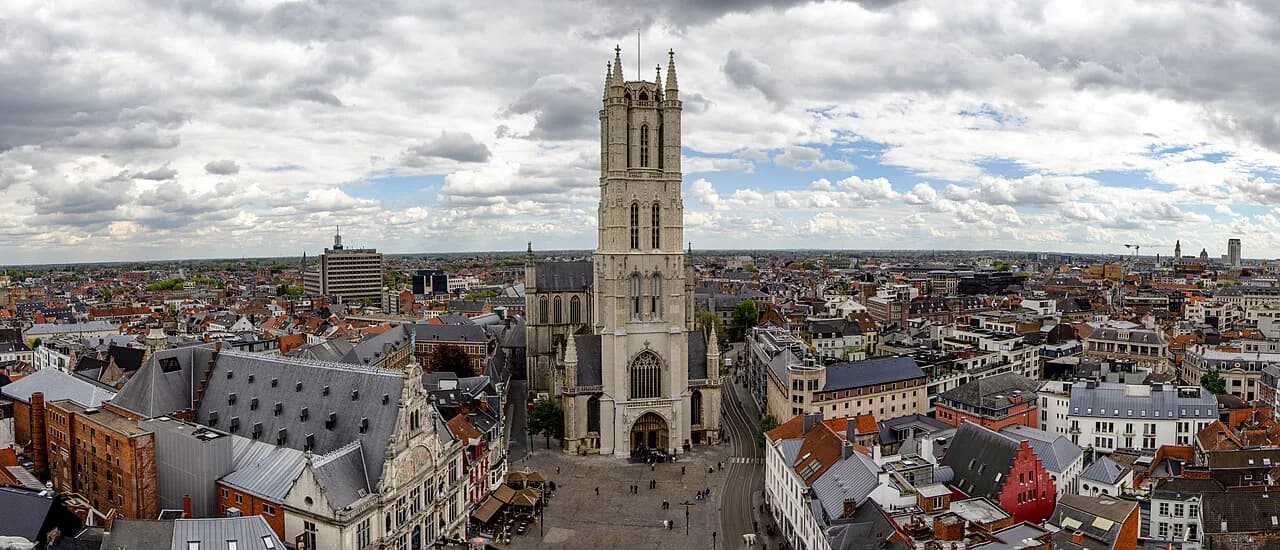
Ghent's cathedral is St Bavo's, known locally as Sint-Baafskathedraal, and it holds the van Eyck brothers' Adoration of the Mystic Lamb, usually called the Ghent Altarpiece. Plan at least an hour inside for the altarpiece, the Rubens canvas and the crypt, then add St Michael's, St Saviour's, St James' or the beguinage if you want a church trail across the centre.
What Ghent's cathedral is and where it stands
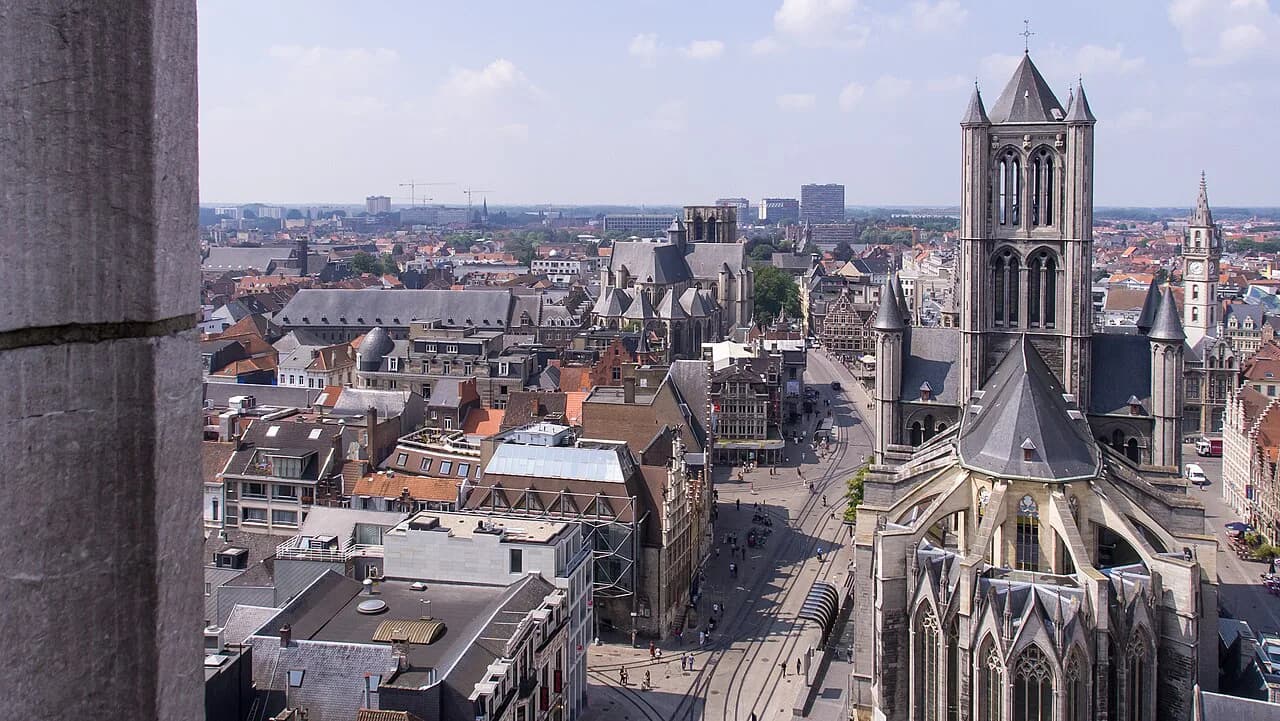
St Bavo's is a Gothic building in the heart of Ghent, next to the Maaseikplein and a short walk from the Groentenmarkt and the Castle of the Counts. It is the first stop on the Flemish Masters in Situ Master Tour of Ghent, which strings together the city's art churches on one walking route. Treat the cathedral as the anchor of a half-day and build the other churches around it rather than criss-crossing the city between single stops.
The art is concentrated in a handful of spots rather than spread through the nave, so decide what you want to see before you go in; it is easy to drift past the side chapels where the smaller works hang.
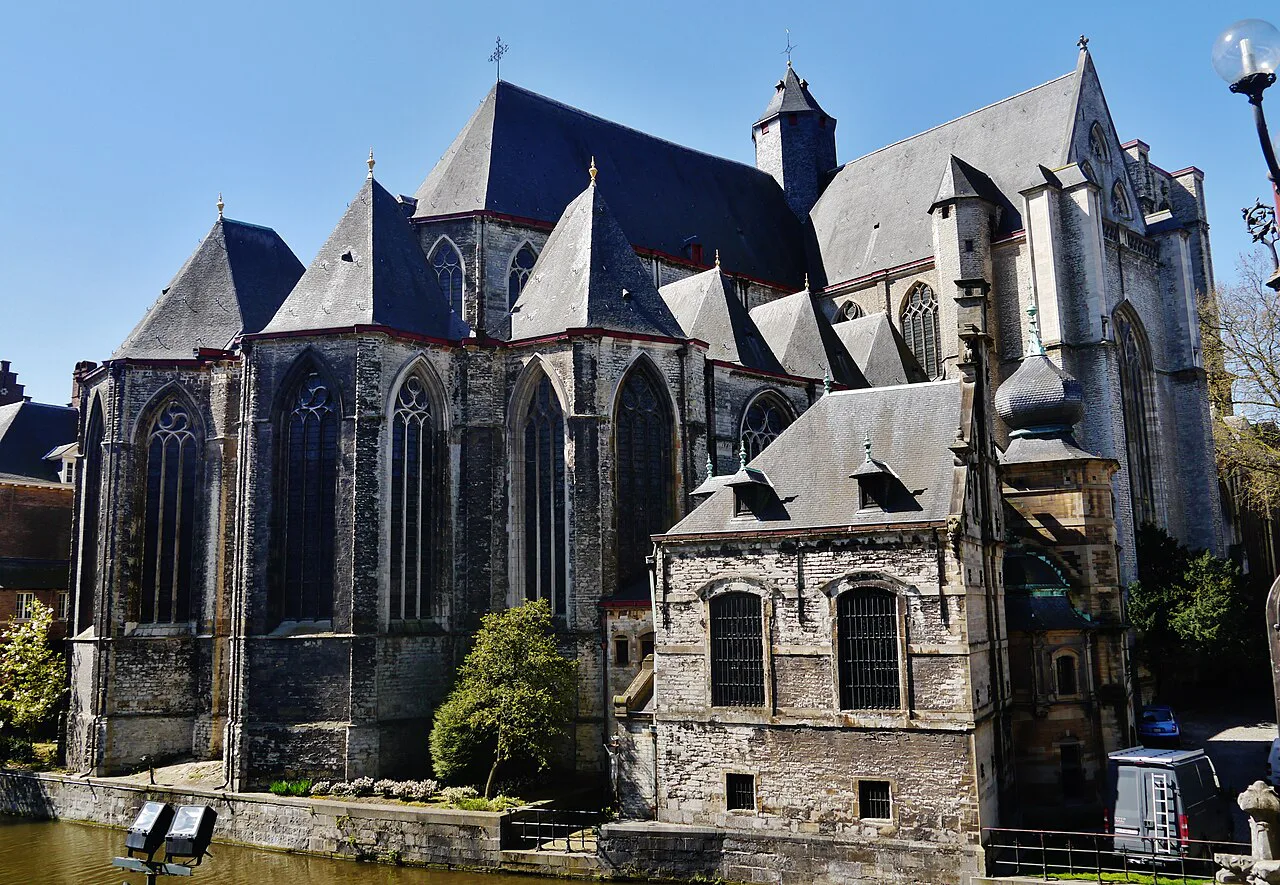
The Ghent Altarpiece: van Eyck's Adoration of the Mystic Lamb
Hubert van Eyck began the Adoration of the Mystic Lamb and, after his death, his brother Jan completed it, perfecting the oil technique that changed Western painting. The panels are dense with figures, landscapes and detail, and the work repays close reading rather than a quick glance. Seeing it in St Bavo's, in the city it was painted for, is the strongest reason to make the cathedral your first stop.
Give the painting time before moving on, because later stops in the city make more sense once you know what the van Eycks set in motion. The altarpiece is the centrepiece of any art-focused day and links naturally to the wider set of collections covered in the museums in Ghent.
Rubens in St Bavo's: The Conversion of St Bavo
Van Eyck is not the only Flemish Master in the cathedral: Peter Paul Rubens painted The Conversion of St Bavo, which hangs in St Bavo's and gives the church a second baroque highlight. The two works sit centuries apart and show how the city's churches accumulated art over time rather than being built around a single commission.
If baroque is your focus, start here and then move on to St Michael's, where van Dyck's work hangs; reading the two together sharpens the contrast between Rubens and his most famous pupil.
The crypt and Hubert van Eyck's tombstone
Down in the crypt of St Bavo's lies the tombstone of Hubert van Eyck, the brother who began the altarpiece. It is a quiet, easily missed stop that closes the circle on the painting upstairs, and it adds a few minutes to a cathedral visit while giving the building a second layer beyond the nave.
Pair the crypt with the main church rather than treating it as a separate visit; it is the kind of detail that turns a quick photo stop into a proper hour inside.
Augmented reality and the altarpiece experience
The Master Tour suggests the augmented reality experience at St Bavo's as a way into the altarpiece's density, overlaying explanation on the panels so the hundreds of figures and the landscape read more clearly. Choose it if you want context; skip it if you would rather meet the painting cold and work it out yourself.
St Nicholas' Church and the Belfry next door
St Nicholas' Church sits in the middle of the historic centre, close to the Belfry and the Grote Markt, which makes it the easiest church to fold into a general wander. You can combine it with the square and the belfry in a single stretch rather than making a separate trip.
Because it sits in the busiest part of town, it works best as a short stop between other sights rather than a destination in its own right. Use it to break up a walk from the Graslei and Korenlei to the Groentenmarkt.
St Michael's Church: van Dyck's Christ on the Cross
St Michael's Church holds Anthony van Dyck's Christ on the Cross, a work given the Flemish Masterpiece hallmark, with a simple composition set against dramatic, dark cloud and a pale Christ. The painting is the reason to make the detour, and the church sits on the same Flemish Masters trail as the cathedral. If you add only one church beyond St Bavo's, choose this one on the strength of the art.
Take your time here rather than doubling back through the centre; Ghent's quays are a natural place to end a church walk.
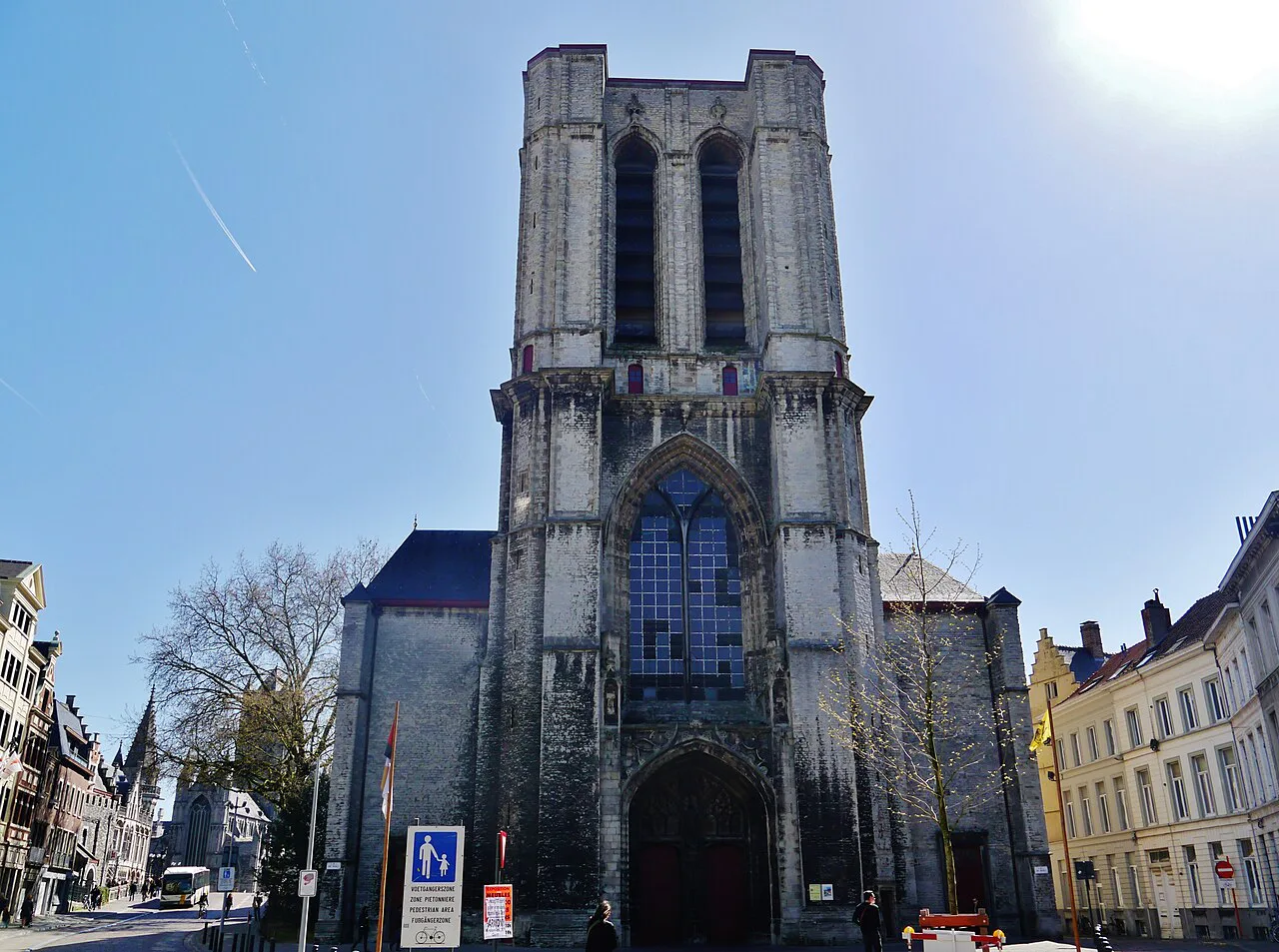
St James' Church and its place on the Flemish Masters trail
St James' Church is another of the Ghent churches on the Flemish Masters in Situ Master Tour, alongside St Bavo's, St Michael's and St Saviour's. It rewards travellers following the art thread rather than ticking off landmarks, because the route is designed to connect the churches into one narrative. Pick it up if you are doing the full trail; leave it for another visit if you are in Ghent for a single day.
St Saviour's Church and its murals
St Saviour's Church is known for its murals, which the Master Tour names alongside the cathedral's Gothic architecture and van Dyck's work in St Michael's as the city's art highlights. The walls themselves are the attraction here, so this is a different kind of visit from the painting-focused churches, and a good stop once you have seen the altarpiece and want a change of register.
Take it at a slow pace and look up; the interest is in the surfaces rather than in a single framed work. Together with St James' it fills out the second half of the church trail.
The beguinage church: Our Lady ter Hoyen
The Small Beguinage Our Lady ter Hoyen is another site on the Ghent Master Tour, and its church belongs to the begijnhof rather than to a parish. The beguinage gives you a quieter, enclosed counterpoint to the busy centre, and its scale is small enough to fit into a walk rather than a separate excursion.
It is a reminder that the city's church buildings are not all grand: some served closed communities and still carry that atmosphere. Go for the setting as much as the building.
Maaseikplein: the plants of the Ghent Altarpiece
Right next to St Bavo's, the Maaseikplein grows varieties of the native plants and herbs depicted in the Ghent Altarpiece, 76 different species in all. It gives you a reason to linger by the cathedral after you leave the building, and for anyone who has just spent an hour peering at the panels, seeing the actual species is a neat way to close the loop.
It also makes a good place to sit between churches, since the garden sits at the heart of the art trail rather than off to one side.
Which churches to pick in one, two or three days
With one day in Ghent, do St Bavo's properly, including the altarpiece, the Rubens and the crypt, then add St Nicholas' because it is on your way through the centre. Two days lets you add St Michael's for the van Dyck, with a stop at Maaseikplein on the way out of the cathedral. Three days gives you room for St Saviour's murals, St James' and the begijnhof at Our Lady ter Hoyen without rushing any of them.
The logic is art first, geography second: group the cathedral and St Nicholas' with the Grote Markt, take St Michael's with the quays, and save the beguinage for a slower stretch. Chapter Ghent Architecture shows how the churches fit the city's wider building story.
Whichever plan you choose, leave the cathedral enough time; it is the one stop in the city that justifies a full hour on its own.
Getting between the churches on foot and by bike
The Master Tour sites sit within the historic city, and the route is designed as a walk, with the Graslei and Korenlei, the Groentenmarkt and the Castle of the Counts as useful landmarks along the way. The Ghent Cycle Route also passes St Bavo's, so you can cover the churches by bike if you prefer; walking keeps you closer to the streets between the stops.
A digital map of the Master Tour can be downloaded to follow the route from stop to stop without planning it yourself, so you can pick up the trail on a short break and drop it when something else catches your eye.
Is St Bavo's worth the morning?
Yes: if you see one church in Ghent, make it St Bavo's, because the Ghent Altarpiece alone carries a morning and the Rubens and the van Eyck tombstone in the crypt add depth. Add St Nicholas' on the same walk, choose St Michael's if you want the van Dyck, and keep St Saviour's and St James' for a second visit.
For a longer stay, the Flemish Masters Master Tour gives the churches a structure and the Maaseikplein gives you somewhere to sit afterwards. Confirm the cathedral's current visiting arrangements before you set out.
Explore more Ghent guides
Frequently Asked Questions
Is Ghent's cathedral free to enter?
Entry to St Bavo's is handled by the cathedral itself, so check its official visitor information for what is charged, including for the Ghent Altarpiece. Do not rely on older reports for current prices.
Do I need to book to see the Ghent Altarpiece?
The altarpiece is displayed inside St Bavo's Cathedral, so access follows the cathedral's own arrangements. Check the cathedral's information page for how visits are handled before you build your day around it.
How long does St Bavo's take?
Allow an hour for the cathedral if you want to see the altarpiece, the Rubens and the crypt without rushing. Add the Maaseikplein garden next door, and the stop easily fills a morning before you move on to St Nicholas'.
Can I see all the Master Tour churches in a day?
It is possible on foot because they sit within the historic centre, but it leaves little time for the art. Pick St Bavo's plus one or two others for a single day, and spread the rest across two or three days so each stop gets proper attention.
Sources
Useful notes for your next trip
Optional updates to our guides.
You might also like
Continue reading
More guides you'll find useful