Museums in Ghent: Which Ones to Visit and What Each Holds
Ghent's museums cover 600 years of art, the city's own story and its medieval core. Here is what each collection holds and how much time to give it.
On this page
Ghent's museums divide into two clusters, and planning around that split matters more than any list. The Museum voor Schone Kunsten (MSK) holds painting and sculpture from the middle ages to the first half of the twentieth century across 600 years of art, while the Stadsmuseum Gent (STAM) tells the city's own story.
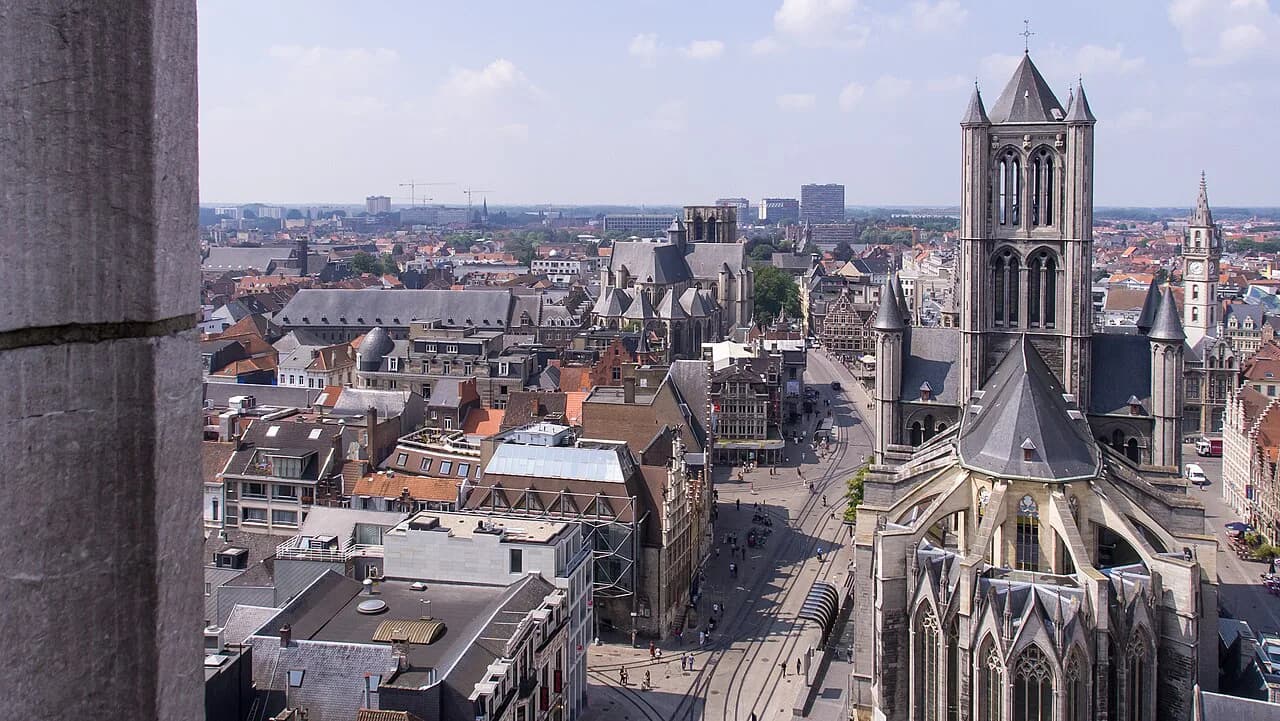
The second cluster is the medieval core: Sint-Baafskathedraal with the Ghent Altarpiece, the Belfort above the cloth hall, and Gravensteen on the water. These are the places most visitors mean when they say museums in Ghent, and they sit within a few minutes of each other. This page gives what each collection holds, a realistic time allowance, and a one-day and two-day plan.
Which museums in Ghent are worth your time
If you have one day, spend it in the medieval core: the cathedral, the Belfort and Gravensteen deliver more per hour than anything else in the city. The MSK is the pick for anyone who wants to stand in front of paintings rather than architecture, and it rewards a half day on its own. STAM is the one to choose if you want the city explained rather than simply admired.
The honest trade-off is distance. The MSK sits outside the medieval core, so it pulls you away from the cathedral and the belfry rather than sitting between them. Group your days by where things sit, not by prestige, and you will spend your time looking at art instead of walking between it.
If you have a longer Belgian trip, museums elsewhere make useful comparisons. Liège museums include the Grand Curtius, and museums in Antwerp stretch from the historic centre out to the Middelheim Museum sculpture park.
Museum voor Schone Kunsten (MSK): 600 years of painting and sculpture
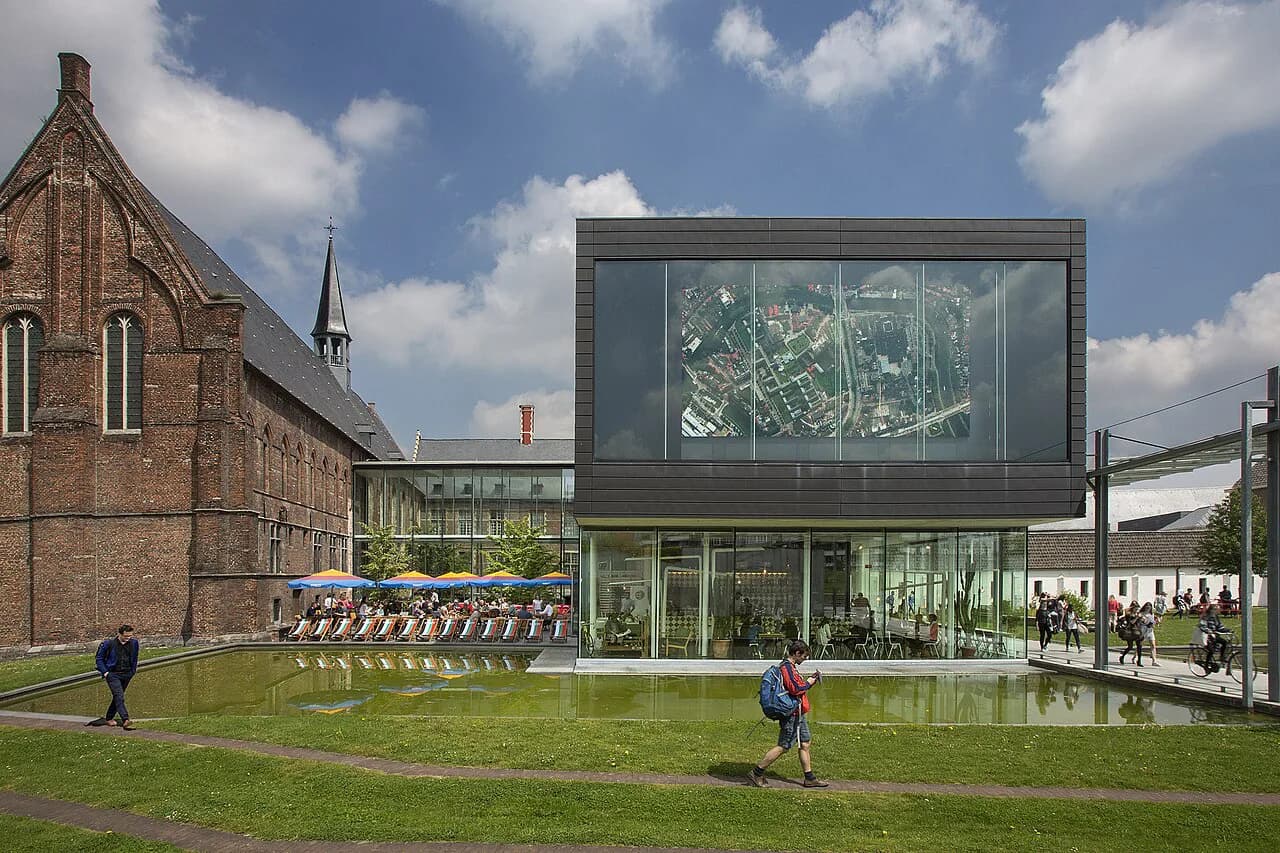
The MSK's collection spans the middle ages to the first half of the twentieth century, and the museum describes it as 600 years of art: paintings and sculpture shown as a permanent collection. That span means you can move from old masters to nineteenth and twentieth-century work in a single visit without leaving the building.
The museum also runs temporary exhibitions and publishes its programme online, including the Jenny Montigny exhibition and a live view of the Ghent Altarpiece restoration project. Its practical information, tickets and accessibility notes sit on the same site, so buy online before you travel and check what is on during your dates.
Allow three hours for the permanent collection at a steady pace, more if a temporary show is running. The MSK is the strongest single-stop art museum in the city, and it is where a Ghent art museum day should start.
It sits on Fernand Scribedreef, beside the Citadelpark, which puts it within walking distance of Sint-Pietersabdij and a tram ride from the Korenlei. Build the MSK and the abbey into one half of your trip if you are staying two days.
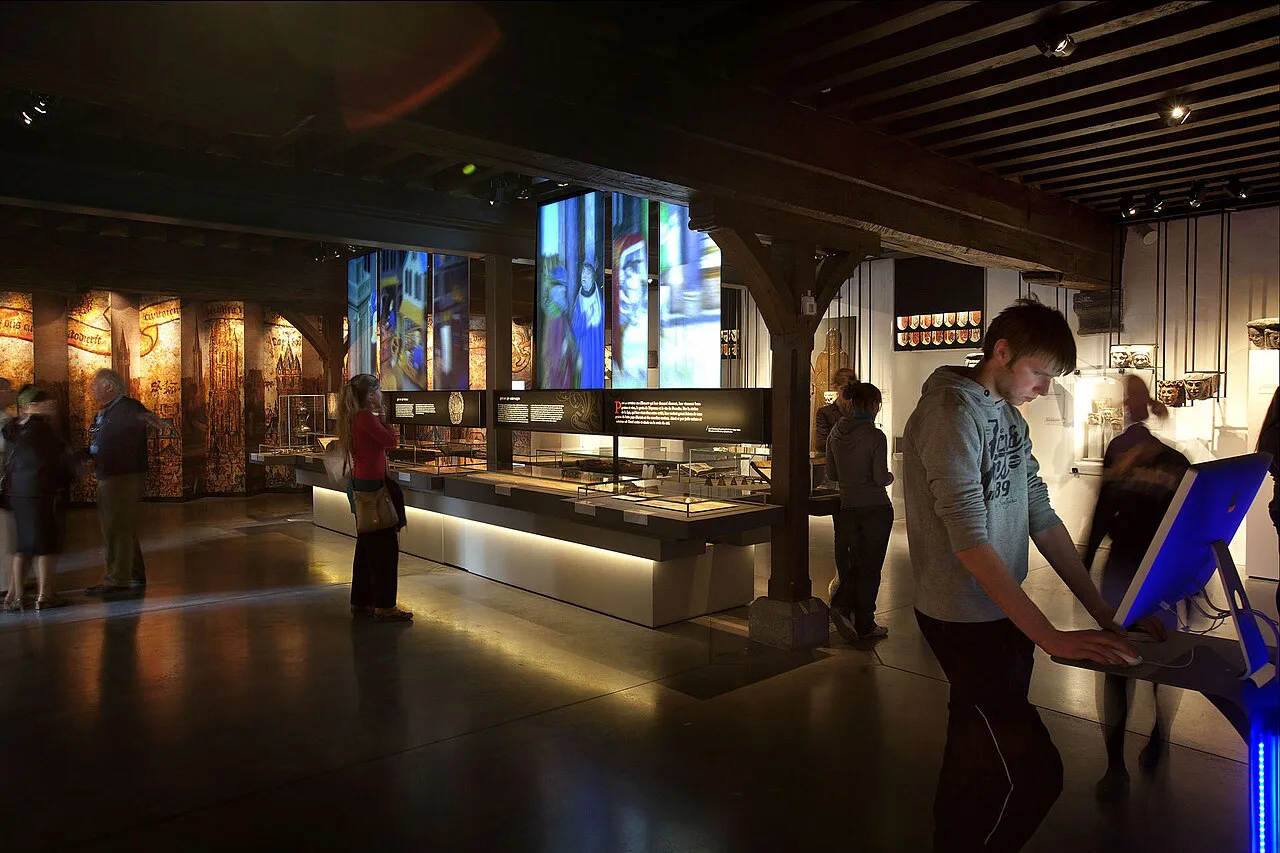
Stadsmuseum Gent (STAM): the city's story from medieval trading town to today
STAM, the Ghent City Museum, sets out the city's history and opened as the Stadsmuseum Gent. It is the place to go when you want the medieval streets you have been walking explained: how Ghent grew, traded and rebuilt itself.
Treat it as a two-hour visit and pair it with a walk back through the centre while the story is fresh. It works best early in a trip, before the cathedral and belfry, because it gives the architecture a timeline. For the fuller narrative, the city's history runs deeper than any single museum room.
Sint-Baafskathedraal and the Ghent Altarpiece: art in a working cathedral
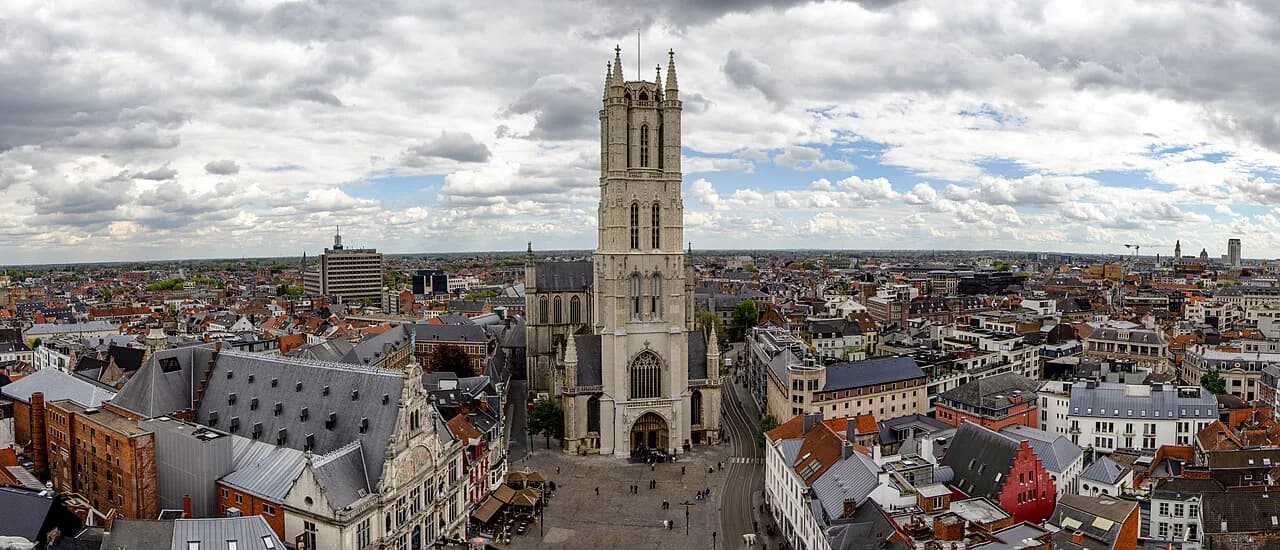
Sint-Baafskathedraal holds the Ghent Altarpiece, the famous polyptych painted by the van Eyck brothers. The MSK publishes on the ongoing restoration of the work, which is a reason to read up before you go.
This is a working cathedral, not a museum, so the visit is shorter than an art gallery but the setting does more work. Allow 45 minutes to an hour, and look at the panels in the context of the building rather than treating them as a single exhibit. The cathedral is the anchor of any Ghent cathedral day.
The van Eyck connection shapes the city's art story, and Hubert van Eyck is the name to know alongside his brother Jan. Read a little before you arrive and the panels will hold your attention far longer.
The Belfry of Ghent (Belfort) and the cloth hall: the tower at the heart of the city
The Belfort rises above the cloth hall on the edge of the Grote Markt, and it is the tower that defines the city's skyline. It is a climb rather than a collection, so treat it as a 45-minute stop including the view. The square it stands on is the best place to start understanding Ghent architecture.
Go early or late in the day: the tower is the most popular single sight in the centre and the stairs are narrow. If you only have time for one climb, make it this one rather than the castle keep.
Gravensteen: the castle on the water and what it adds to a museum day
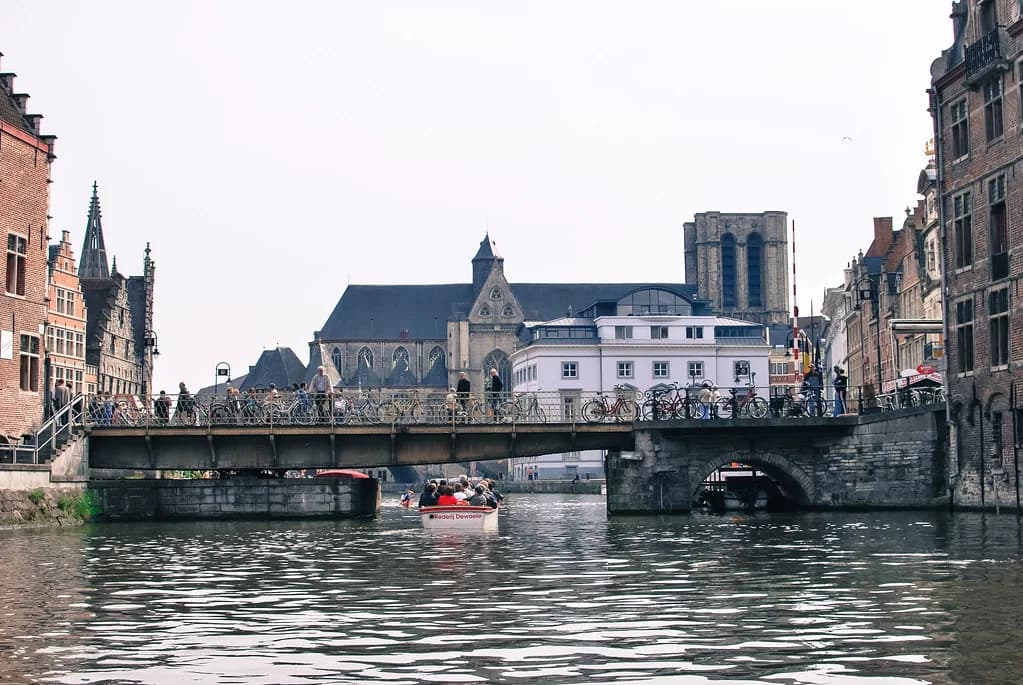
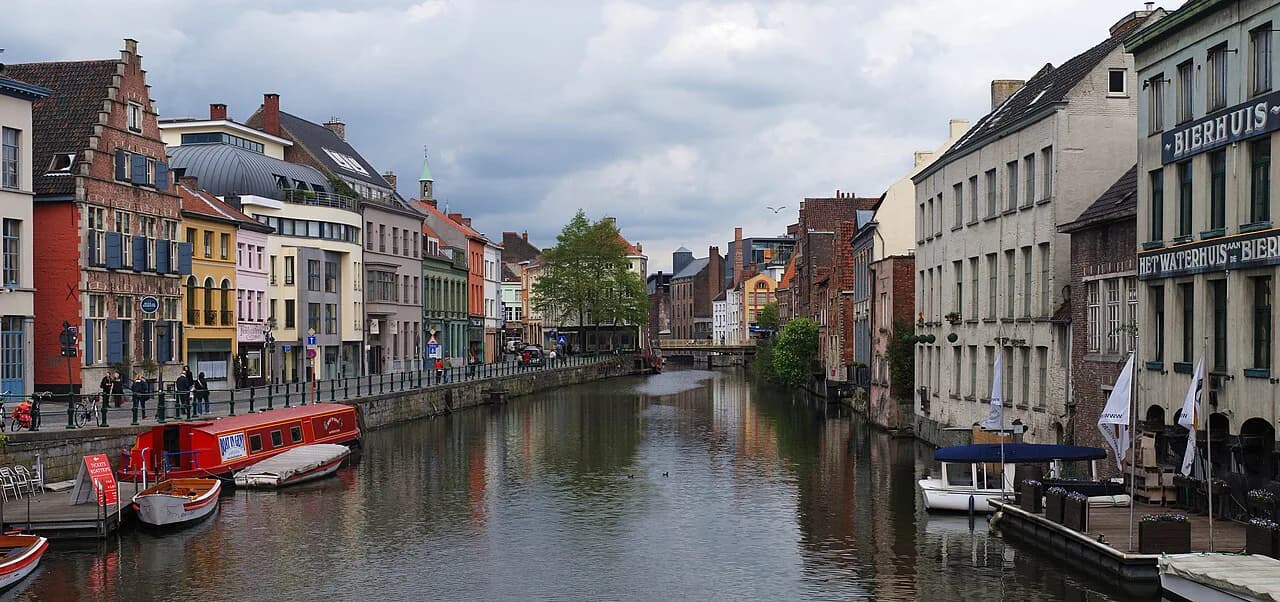
Gravensteen is the medieval castle on the water, a short walk from the Graslei and Korenlei quays. It adds military history and a rooftop view to a day otherwise spent in galleries and churches, and it is the sight that most surprises visitors who expected only canals.
Allow an hour and a half, and walk the quays afterwards rather than before. It fills the gap between the cathedral and the belfry neatly, and it keeps you inside the medieval core instead of crossing town.
Sint-Pietersabdij: the former abbey on the edge of the centre
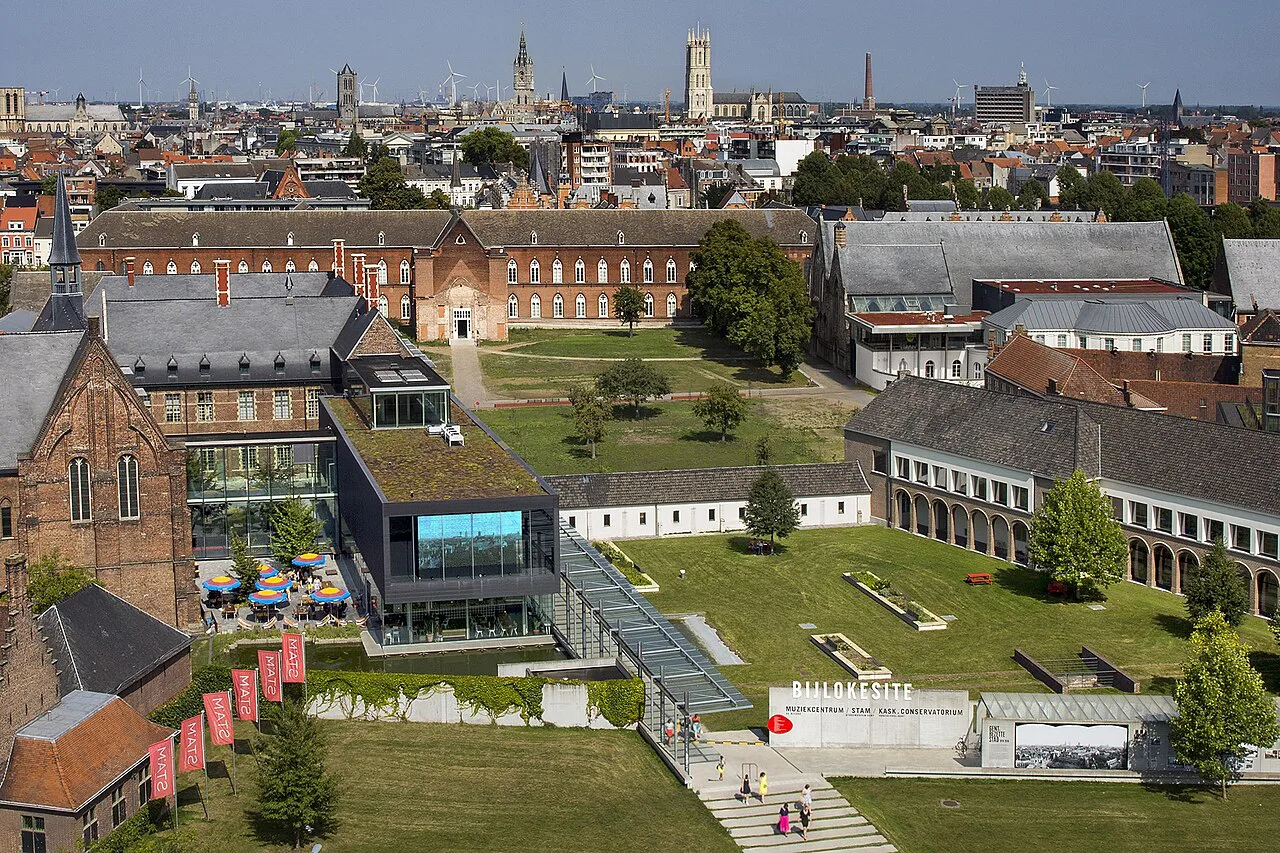
Sint-Pietersabdij, the former abbey, sits on the edge of the centre close to the MSK and the Citadelpark. It is the natural partner to an MSK visit: one building for art, one for the religious and institutional life that produced it.
Pair the two on the same afternoon and you avoid crossing the city twice. Allow an hour at the abbey, and leave time for the park between them.
How the museums sit on the map and walking between them
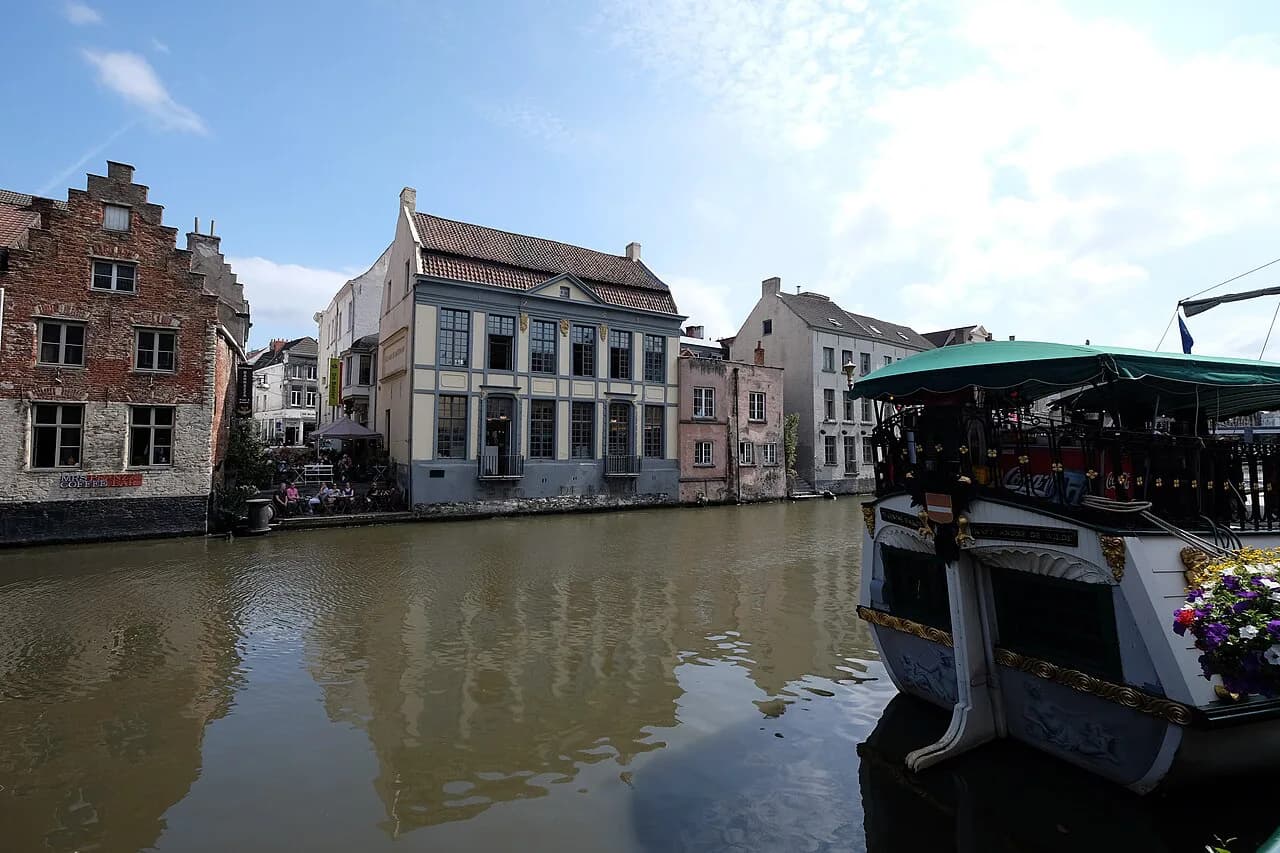
Everything in the medieval core is walkable: Sint-Baafskathedraal, the Belfort, Gravensteen, the Graslei and Korenlei, and the Grote Markt all sit within about fifteen minutes of one another on foot. That cluster is where a short break should concentrate. The MSK, Sint-Pietersabdij and the Citadelpark form a second cluster to the south, reachable by tram or a longer walk.
Plan one day per cluster rather than zig-zagging. The architecture of the centre rewards slow walking, and the tram to the museum quarter costs you less time than crossing the core twice.
How many days you need for Ghent's museums
One day covers the medieval core at a brisk pace: cathedral, Belfort, castle and a walk along the quays. Two days let you add the MSK and Sint-Pietersabdij without rushing, and three days give you room for STAM and a repeat visit to whichever room you liked best. Beyond three days you are no longer planning a museum trip but simply living in the city for a while.
If you can only spare half a day, choose between the cathedral cluster and the MSK and accept that you are seeing one side of Ghent. Trying to do both in half a day leaves you with queues and no time to look.
Museum days and closures: which days to plan around
Check the MSK's own practical information page before you fix your dates, since its programme and opening pattern are published there rather than in advance guides. Book online where the museum offers it, which also secures entry to a temporary show.
For the cathedral, the belfry and the castle, confirm locally before travelling, since these are working buildings and sights with their own rhythms. Build the museum quarter into the middle of your trip so a single closed door does not cost you the day.
Ticket prices and city museum passes in euros
The MSK sells tickets through its own site, and that is where current prices and any combined or reduced tickets are listed. Check there rather than relying on second-hand figures, because museum pricing changes with each exhibition cycle.
Budget in euros and pay attention to whether a ticket covers the permanent collection only or includes the temporary exhibition, since the two are often sold together. If you plan to visit the MSK and STAM in the same trip, ask at the first museum whether a combined ticket exists.
A one-day museum plan and a two-day museum plan
One day: start at Sint-Baafskathedraal when it opens and see the Ghent Altarpiece, walk five minutes to the Belfort and climb it, then cross to Gravensteen. Finish with the Graslei and Korenlei quays in the late afternoon light. That is a full day with three substantial sights and no transport needed.
Two days: give day one to the core as above. On day two, take the tram south to the MSK and spend the morning on the permanent collection, then walk to Sint-Pietersabdij and the Citadelpark after lunch. If you have a third day, add STAM and use it to make sense of everything you saw.
Which Ghent museum gets your morning?
Choose the MSK if you want paintings and have half a day to give them, and choose the cathedral cluster if you want the city's signature sight and its skyline in one morning. STAM earns its place on a longer trip, when understanding the city matters as much as seeing it.
Whichever you pick, group the day by cluster and buy the MSK ticket online before you travel. One well-planned morning in Ghent beats three rushed stops.
Explore more Ghent guides
Frequently Asked Questions
What is the most famous altarpiece in Ghent?
The Ghent Altarpiece in Sint-Baafskathedraal, painted by the van Eyck brothers. The MSK publishes updates on its ongoing restoration, so it is worth reading before you visit the cathedral.
Why is Ghent famous?
Ghent is known for its medieval core, the Ghent Altarpiece, the Belfort above the cloth hall, Gravensteen castle and its quays along the Graslei and Korenlei. STAM explains how the trading city behind those sights grew up.
Do I need to book Ghent museums in advance?
Book the MSK online through its own site, which is also where its programme and practical information sit. For the cathedral, belfry and castle, confirm locally before you travel, as each operates on its own schedule.
Sources
Useful notes for your next trip
Optional updates to our guides.
You might also like
Continue reading
More guides you'll find useful