2 Days in Ghent: A Realistic Day-by-Day Itinerary
Plan two days in Ghent with a walkable route through Graslei, the Belfry, Sint-Baafskathedraal and Gravensteen, plus a museum stop and quiet canals.
On this page
Two days is enough for Ghent if you stay in the historic centre and accept that you will not see every museum. The city's core is compact and largely traffic-free, so a first day on foot between the Graslei and Gravensteen and a second day split between Vrijdagmarkt and the museum quarter gives you the full shape of the place without criss-crossing it. This plan routes each half-day by area, with time built in for a museum, a beer and an evening on the water.
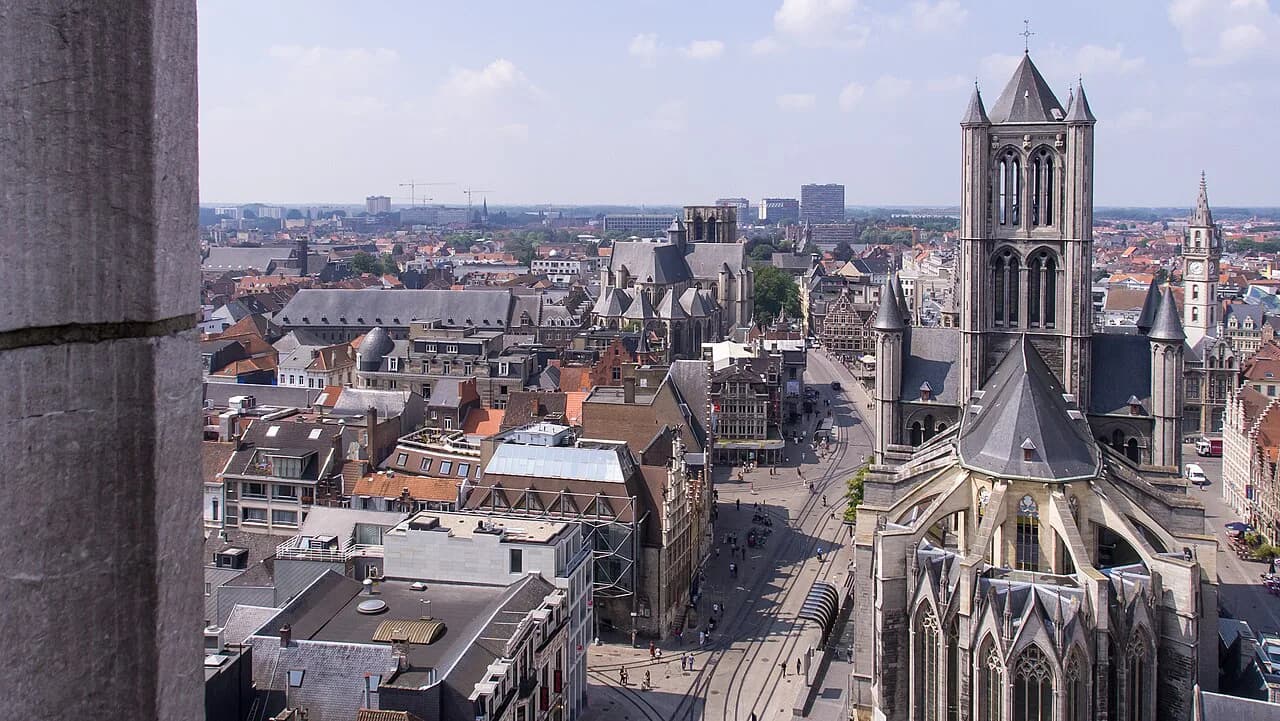
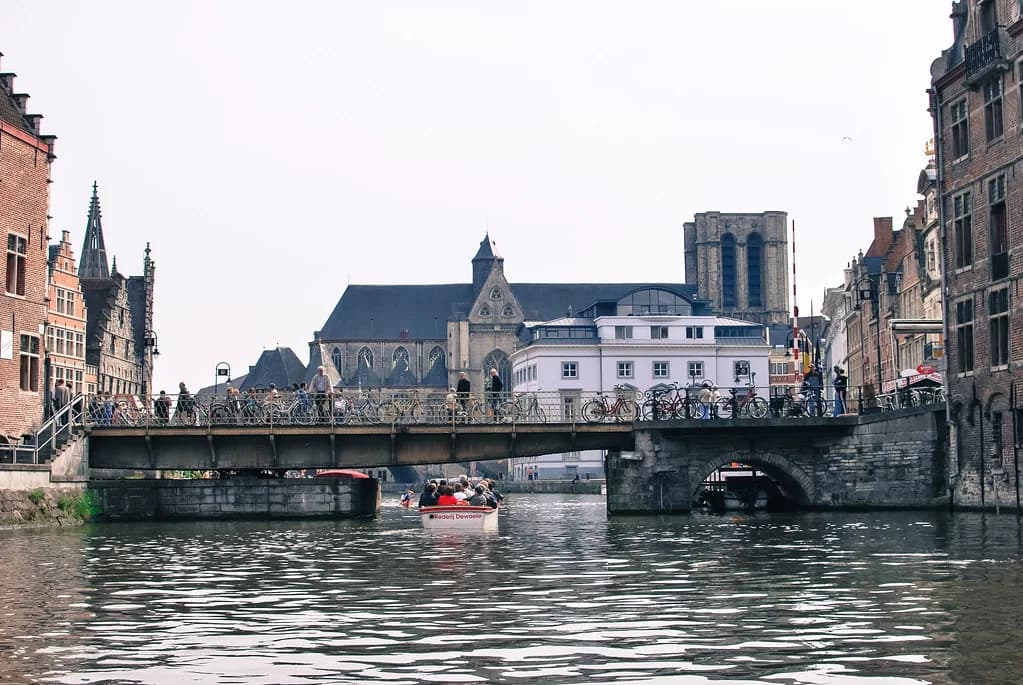
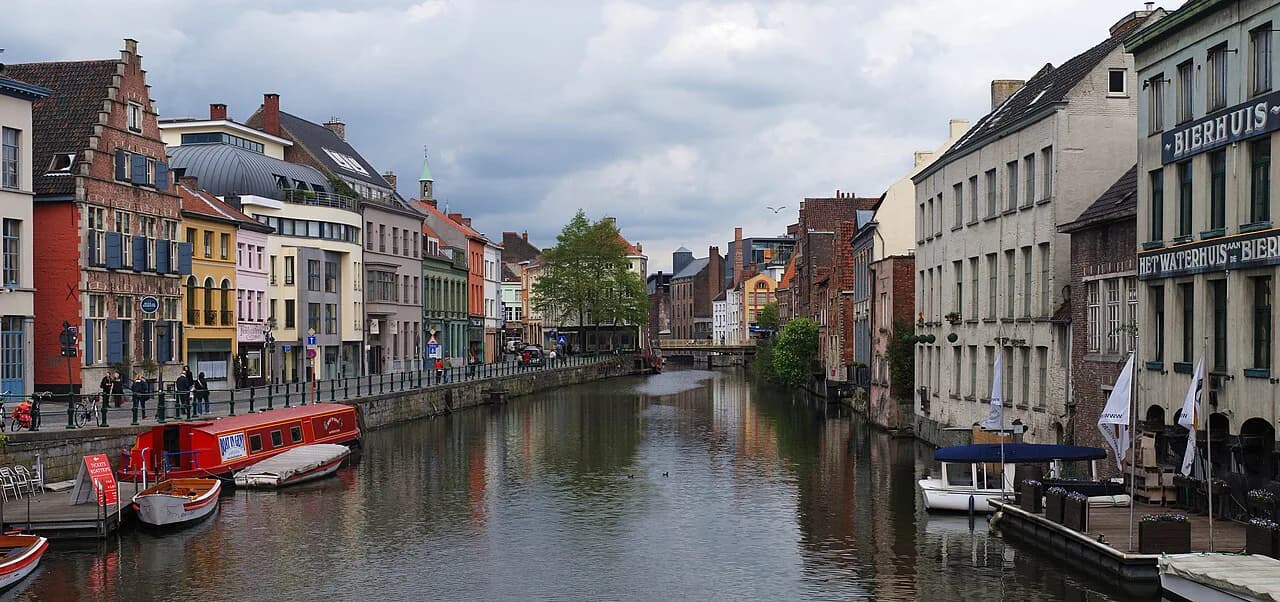
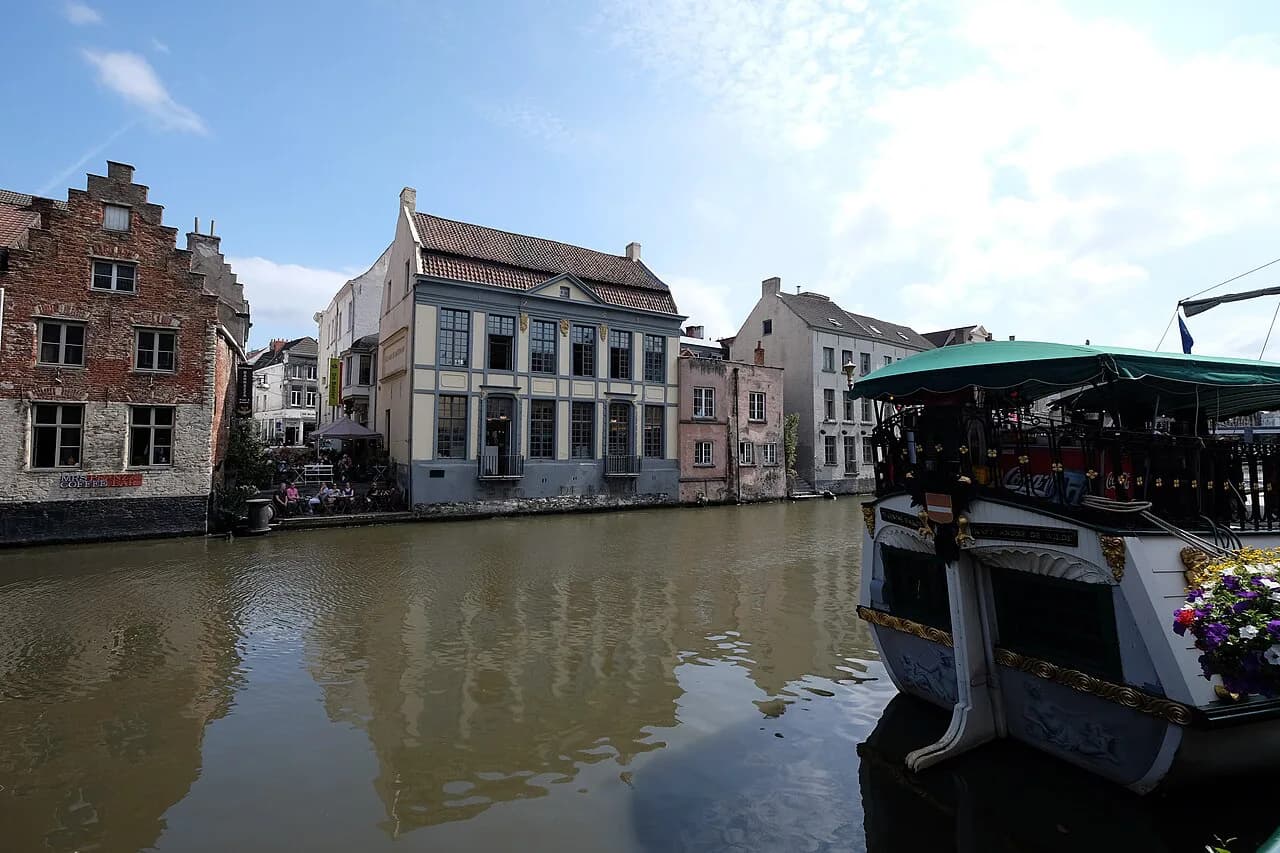
Ghent rewards walking more than ticking off sights. Between stops you get guild houses reflected in the Leie, a skyline of towers best seen from Sint-Michielsbrug, and lanes in Patershol that turn quiet a few minutes from the busiest squares.
Is two days enough for Ghent?
Yes, for the historic centre and one museum. Ghent's main sights sit within roughly twenty minutes' walk of each other, so two days gives you the Belfry, Sint-Baafskathedraal with the Ghent Altarpiece, Gravensteen and the canal quays at a comfortable pace rather than a sprint. A third day is only worth adding if you want a second museum, a bike ride into the surrounding countryside, or a slower look at the green spaces outside the centre.
The main constraint is not distance but opening days: many Belgian museums close on Mondays, so check the day you plan to be indoors before you build the itinerary around it. If your two days fall on a Sunday and Monday, put the museum on the Sunday and keep the Monday for streets, squares and canals.
How Ghent is laid out and what you can walk
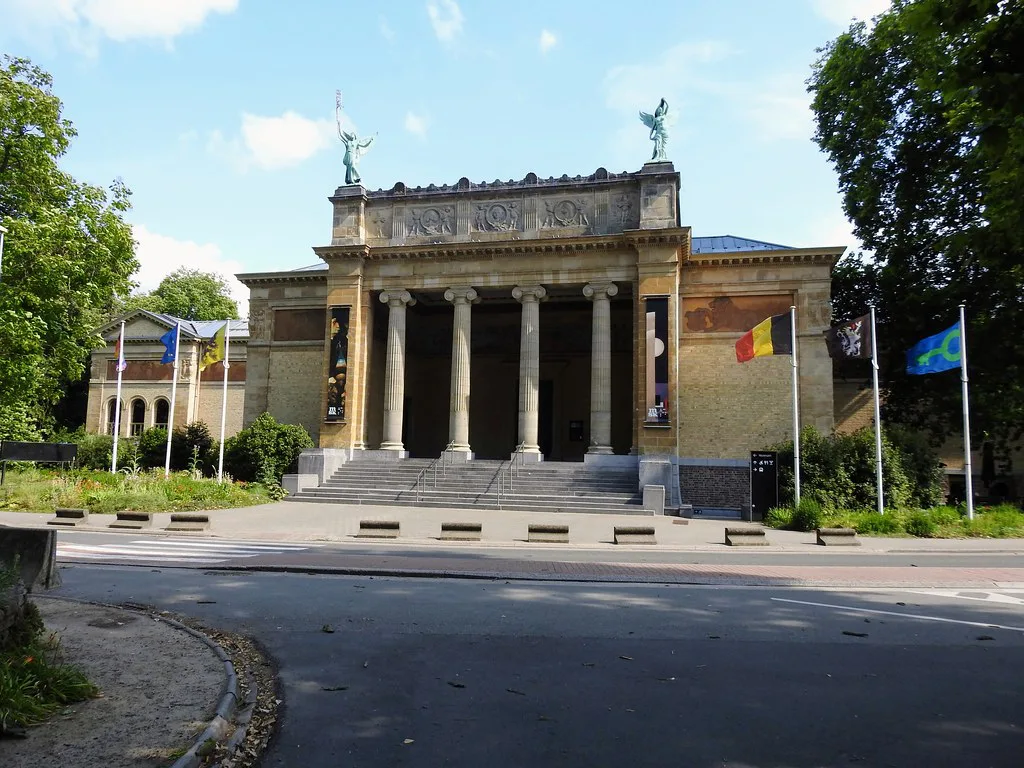
The historic centre is the largest low-traffic pedestrian zone in Europe, a status it has held since 2017, and almost everything in this itinerary sits inside it. Distances are short: Korenmarkt to Sint-Baafsplein is a couple of minutes, Sint-Baafsplein to the Graslei about five, and the Graslei to Gravensteen another ten through the lanes. You can walk the whole first day without a tram.
The station sits outside the centre. Walking from Gent-Sint-Pieters takes about 35 minutes, and buses and trams cover the same distance faster; bicycles can be hired at the station if the weather is good. Once you are in the centre, your feet are the fastest way around.
Day 1 morning: Graslei and Korenlei, Sint-Michielsbrug and the view back over the towers
Start at the Graslei and Korenlei, the two quays facing each other across the Leie, where the medieval guild houses are at their best in morning light and the water is still quiet. Walk the length of both banks slowly, then cross Sint-Michielsbrug for the view back over the towers, which is the single best place to understand Ghent's layout on your first morning.
From the bridge, drift into the Patershol lanes behind the castle for a first taste of the quieter side of the centre, then loop back towards Korenmarkt for coffee. This is orientation rather than sightseeing, and it means the rest of the day needs no map.
Day 1 midday: the Belfry on Korenmarkt and Sint-Baafskathedraal with the Ghent Altarpiece
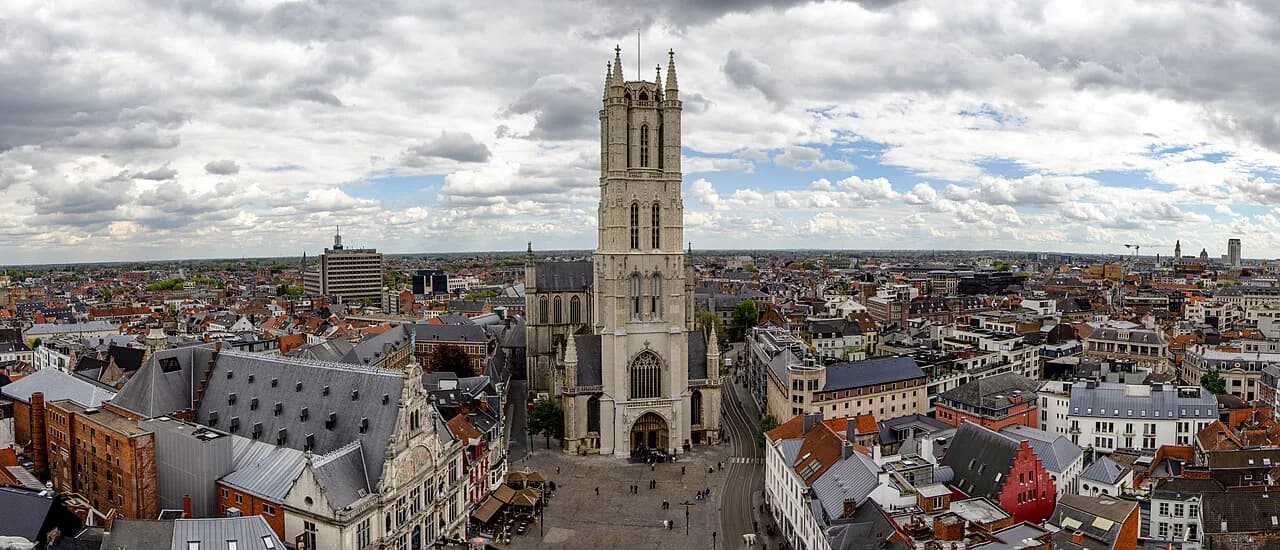
The Belfry rises directly over Korenmarkt, and you can climb its winding spiral staircase or take the lift to the top for the view over the city; the tower still carries a carillon of 54 bells, which you may hear on a Sunday morning. Allow around an hour for the climb, the view and the bells.
Five minutes away, Sint-Baafskathedraal holds the Ghent Altarpiece, the van Eyck polyptych often described as the first great oil painting, along with Gothic architecture and a whale skeleton that surprises most visitors. Give the cathedral at least 45 minutes if you want to see the altarpiece properly, and treat the two as one midday block rather than splitting them across days.
Day 1 afternoon: Gravensteen and the Patershol lanes
Gravensteen, the castle of the counts, sits on Sint-Veerleplein a short walk from the cathedral. The current fortress dates from 1180 and later served as a courthouse and prison for 400 years; the museum of torture devices on the top floor is the part most visitors remember. Whether you go inside or simply walk the walls, go earlier in the day rather than late afternoon.
Afterwards, the Patershol lanes behind the castle are one of the oldest districts in Ghent, with narrow streets that slow the pace after a morning of towers. End the afternoon here rather than adding a paid attraction, which keeps the first day full without overspending it.
Day 1 evening: the illuminated walk through the historic centre
Ghent runs an illuminated walk that takes in the centre at dusk, with the bridges and quays lit after dark. It costs nothing beyond your time and gives the first day a natural end without another ticket, so save the walk back along the canals for the evening rather than doing it twice in daylight.
Day 2 morning: Vrijdagmarkt and its market, then the museum quarter around Citadelpark
Begin on Vrijdagmarkt, the historic square that still works as a social hub, and time your visit for a Friday if you want the market of fresh food, antiques and handmade trinkets that gives the square its name. On other days the square is worth a circuit anyway for the scale of it and the everyday city life around the edges.
From Vrijdagmarkt, walk south to the museum quarter around Citadelpark, a large green space with open lawns that feels distinctly local after the medieval core. This is where the second day slows down: pick one museum rather than attempting all three.
Day 2 afternoon: MSK Gent, SMAK or the Design Museum
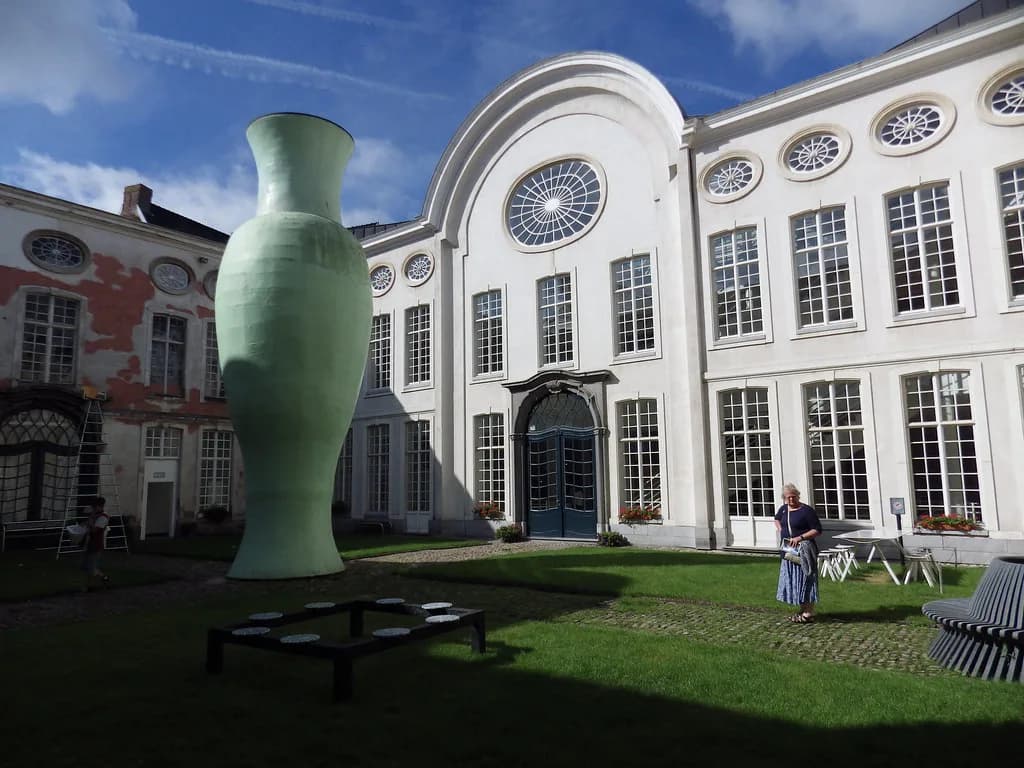
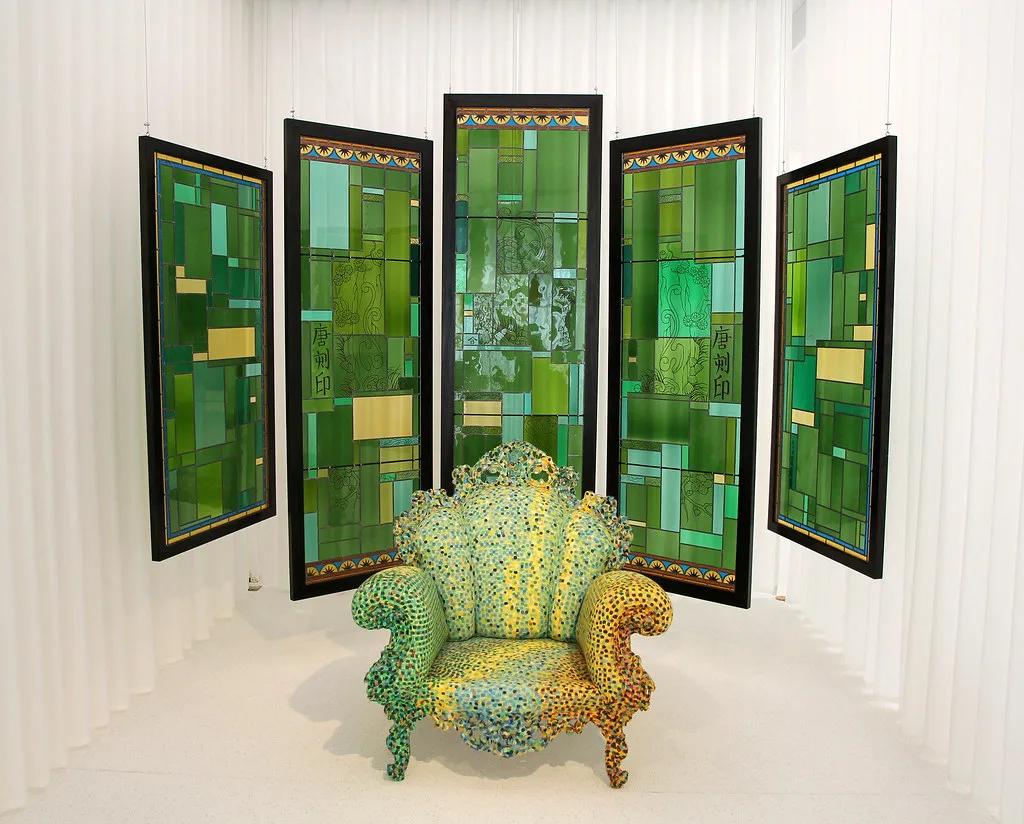
The three museums here suit different tastes. MSK Gent holds Flemish masterpieces and centuries of European art; SMAK is its contemporary counterpart and the better choice if modern work is what you came for; Design Museum Gent sets sleek modern design inside historic interiors, and is the most distinctive of the three for a short visit.
Whichever you choose, give it most of the afternoon rather than squeezing two in. The honest trade-off is between a second museum and time on the quieter canals later in the day; a second museum on tired legs usually wins nothing.
Day 2 late afternoon: Portus Ganda and the quieter canal paths
Portus Ganda, where the rivers meet, is the place to see a different Ghent: follow the water away from the busiest areas and the paths thin out within minutes. If the weather is kind, Blaarmeersen, the large recreational area locals use for walking and swimming, makes a green contrast to the medieval centre, though you will need to check the season before planning a swim.
Day 2 evening: a Gruut beer or a canal cruise
Finish with something distinctly Ghentish. Gruut beer is brewed with herbs instead of hops, and a beer café in the centre is the place to try it; alternatively, a canal cruise from the Graslei or Korenlei shows the quays from water level at dusk. For a wider plan covering the city across a whole weekend, see our Ghent City Break. Either makes a good last evening.
Where to fit a bike ride: Fietsambassade rentals and the Flanders cycling routes
Ghent is built for bicycles, with solid infrastructure and visible respect for cyclists. Fietsambassade rents bikes by the day, and booking ahead is sensible for both rentals and guided bicycle tours. The well-signposted Flanders cycling routes combine the city's highlights with castles, small museums and quiet villages outside the centre.
A half-day ride fits better than a full day. Take it on the second morning in place of the museum quarter if the weather is good, since the museums will still be there on a rainy afternoon.
When to go and how the two days change by season
Spring and early autumn give you the best balance: long enough days for an evening walk, mild enough for the bike ride, and the squares busy without being uncomfortable. High summer fills the Graslei and Korenmarkt, so start earlier and keep the middle of the day for a museum or the cathedral.
Winter shortens the walking day considerably, which makes the illuminated evening walk and the indoor stops more important than the canals. Whatever the season, the shape of the itinerary stays the same; only the order of the outdoor and indoor blocks moves.
Two days in Ghent versus a Bruges day trip
Bruges is easily reached from Ghent, but squeezing it into these two days means giving up either the museum quarter or the quiet canals, and Bruges deserves its own visit rather than a rushed afternoon. Keep Ghent for Ghent, and if Bruges is on your list, give it a separate plan; our 2 Days in Bruges: A Day-by-Day Itinerary for First-Timers makes a good starting point. A single onward trip to Bruges from the centre costs you a chunk of a day each way.
If you only have one day in Ghent, the first day of this plan stands alone perfectly well. Two days simply add the museum quarter, Vrijdagmarkt and Portus Ganda.
Getting to Ghent and moving between the two days
From London, Eurostar runs to Brussels and connects with an SNCB train to Ghent, with a total journey of about two hours 50 minutes; you can book the whole route in one go. From Gent-Sint-Pieters, buses and trams reach the centre quickly, or you can walk it in about 35 minutes.
Between the two days, everything in this plan is walkable within the pedestrian centre. Keep the bike ride and any trip out to Blaarmeersen for the second day, and use the first day to learn the shape of the centre so the second needs no navigation.
Should you give Ghent two days or one?
Two days is the right amount for Ghent if you want one museum, the Friday market and a quiet stretch of canal alongside the Belfry, cathedral and castle. One day covers the medieval core well; two days let the city slow down and show you the parts locals use.
Budget your time around opening days rather than distance, and keep the second afternoon flexible so good weather can pull you towards Portus Ganda or a bike instead of a second gallery.
Explore more Ghent guides
Frequently Asked Questions
Which city is better for a day trip, Ghent or Bruges?
Both work, but they reward a day differently. Ghent has more of a lived-in, student-driven feel alongside its medieval core and is easy to cover on foot in a day; Bruges is more concentrated and heavily visited, so it often suits a full day of its own rather than an afternoon squeezed between Ghent's sights.
Do you need to book the Belfry in advance?
The belfry is climbed by its own spiral staircase or by lift, and tickets are sold at the Belfry shop; entry is also included in the CityCard Gent if you have one. Go earlier in the day to avoid the middle-of-the-day queue.
Can you get to Ghent by Eurostar?
Yes, with one change. Eurostar connects London and Brussels, and from Brussels you switch to an SNCB train to Ghent; book the whole journey in one go and allow about two hours 50 minutes in total.
Sources
Useful notes for your next trip
Optional updates to our guides.
You might also like
Continue reading
More guides you'll find useful