Best Time to Visit Ghent: Month-by-Month Guide
Choose when to visit Ghent with typical weather by season, crowd patterns and what each month suits, so your one to four day city break fits together.
On this page
Late spring and early autumn are the best times to visit Ghent: May, June and September typically bring long daylight and mild walking weather without the densest summer crowds along Graslei and Korenlei. Ghent (Gent) is compact enough for a one-day stop but rewards two or three days, and when you come changes what you can comfortably see on foot. This guide works through the year season by season, then matches timing to trip length and to the sights you most want to see.
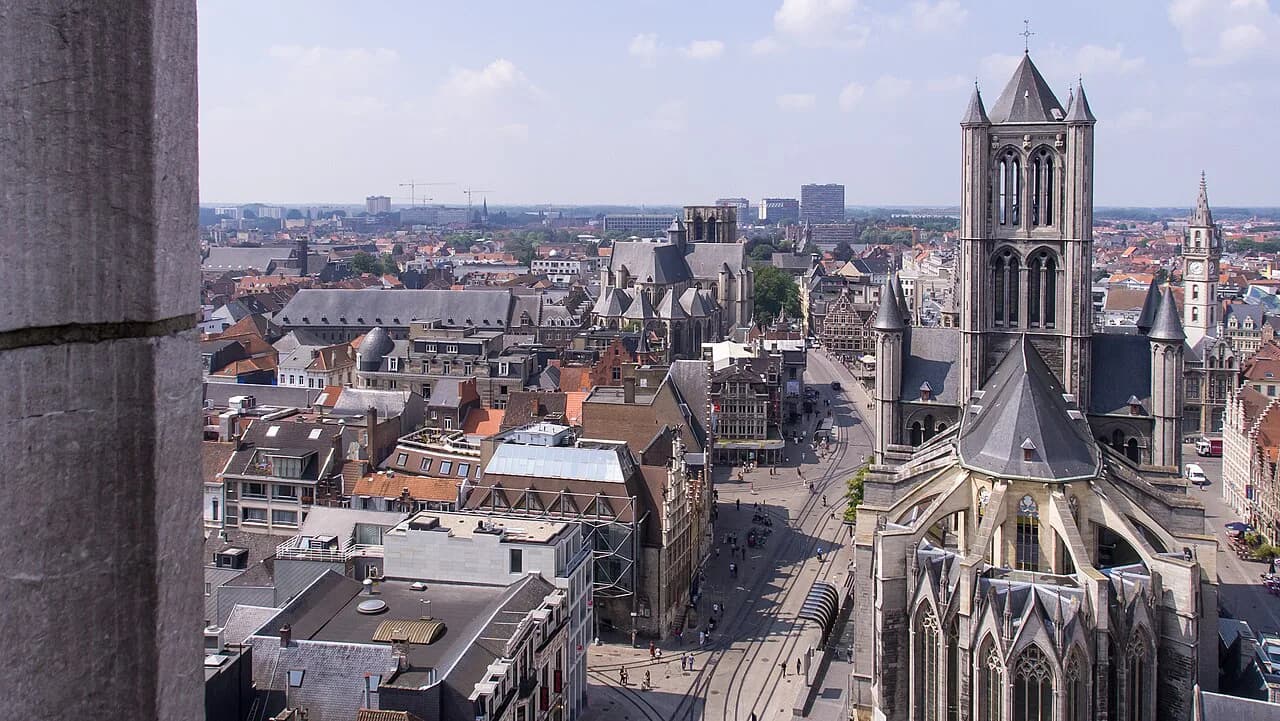
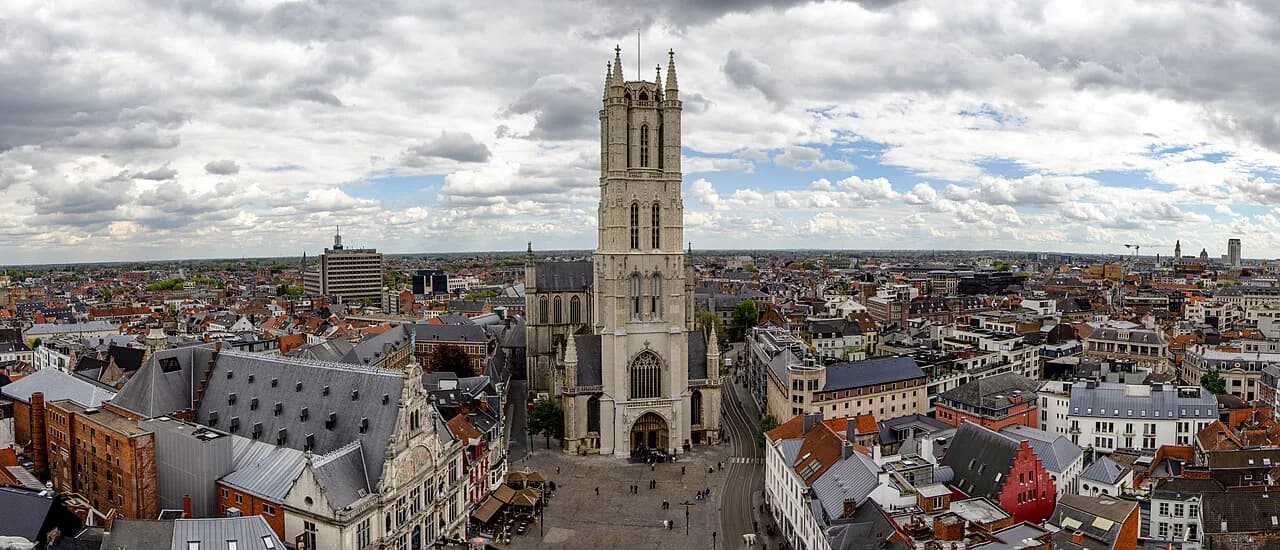
The city's medieval core packs churches, a belfry and a castle into a walkable circuit around Korenmarkt, so a wet afternoon costs you streets rather than the whole day. Sint-Niklaaskerk, the Belfort and Gravensteen sit within minutes of each other, which makes it easy to split a break between outdoor wanders and indoor stops as the weather shifts.
Which months suit a Ghent city break
For most travellers the sweet spot runs from late April to June and again from September to mid-October. Daylight is generous, temperatures are usually comfortable for walking the old centre, and the quaysides are busy without feeling overwhelmed. July and August bring the warmest weather and the heaviest demand, while November to February trade street time for museum and church time.
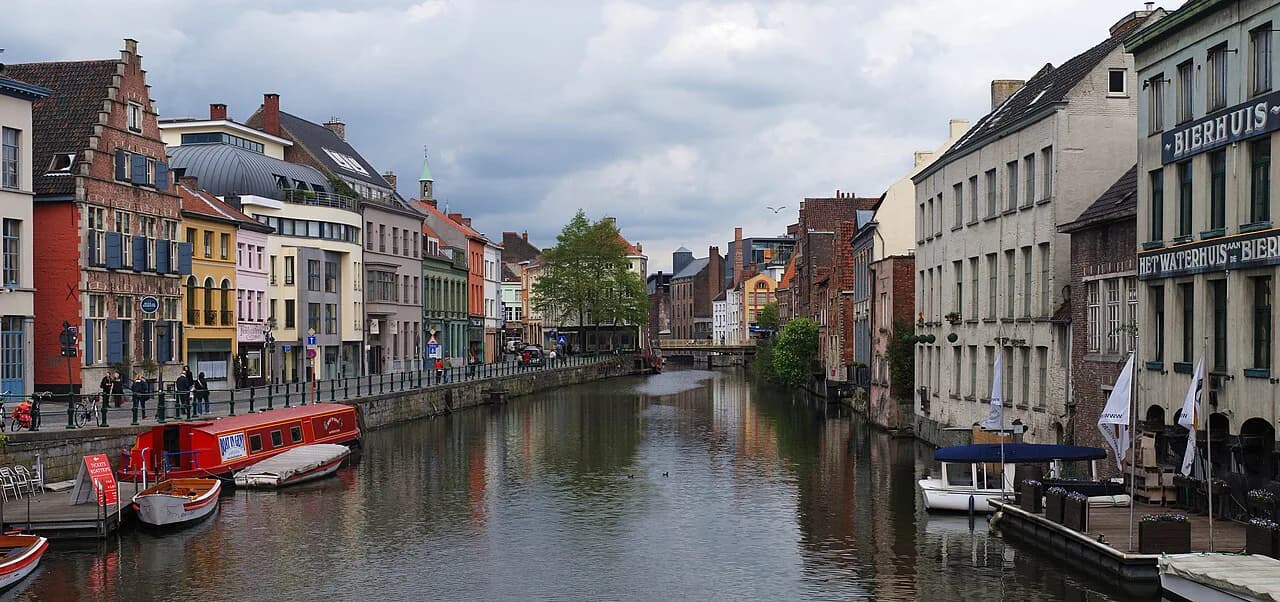
Think in terms of what you want to do rather than a single perfect date. If your priority is wandering Graslei and Korenlei, photographing the step-gabled houses or climbing the Belfort for the view, aim for the shoulder months. If you want a quieter, cheaper-feeling city and are happy to spend more hours indoors at Sint-Baafskathedraal and the museums, winter works provided you accept short daylight.
Ghent's typical climate through the year
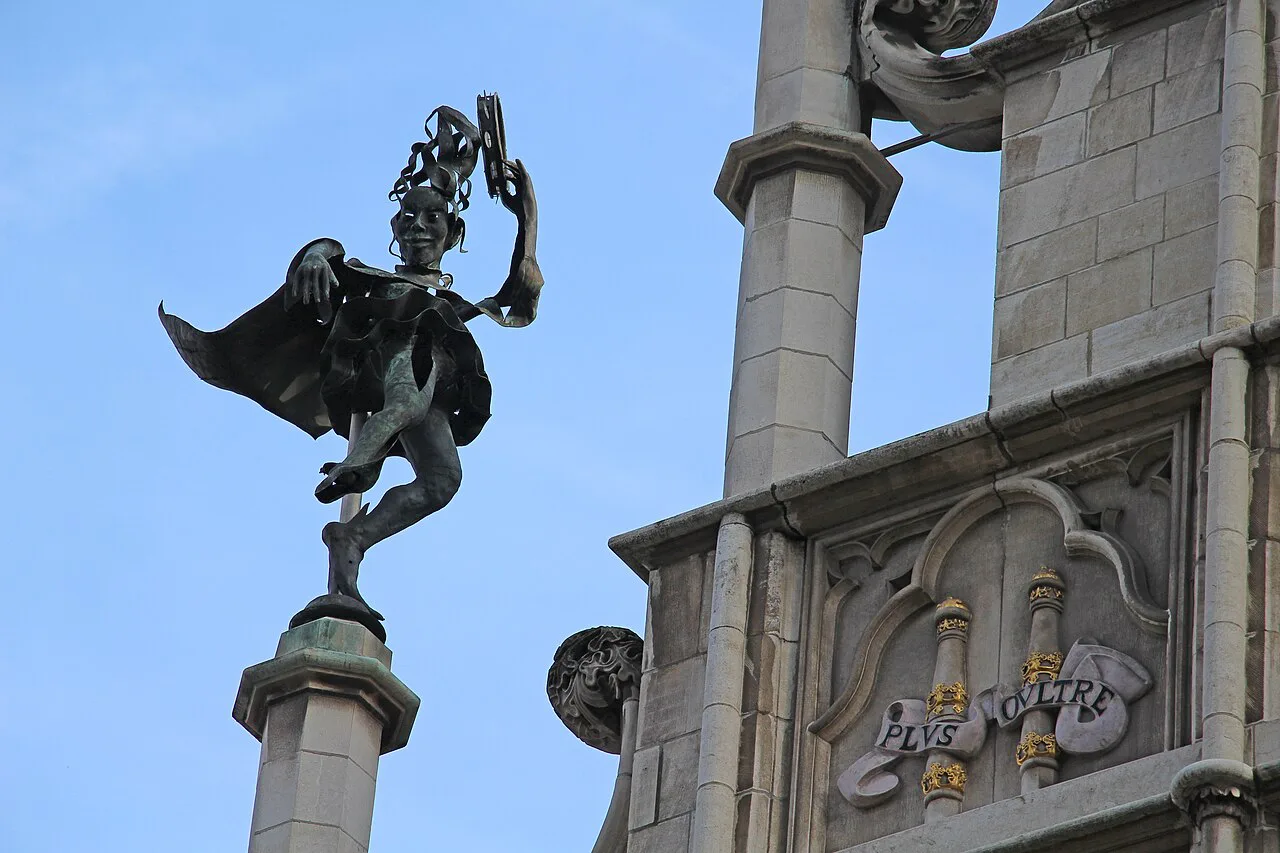
Ghent sits in a temperate maritime climate, which means mild winters, moderate summers and rain spread across the year rather than concentrated in one season. Published climate averages are the right thing to consult for planning, because they describe what a month usually feels like rather than what any given week will deliver. Treat any figure you read as a typical average, never a forecast.
Practically, this pattern favours layers and a flexible plan over a fixed itinerary. A day that starts grey over Korenmarkt can brighten by afternoon, so build your walking route around the quays and squares with an indoor anchor nearby. The compact centre means you can switch plans without losing much time in transit.
Spring in Ghent: what a March, April or May visit looks like
Spring arrives gradually: March is changeable and often cool, April mixes brighter spells with showers, and May usually settles into the most agreeable walking weather of the first half of the year. Daylight lengthens noticeably, so evening light on the water around Graslei becomes a reason to stay out later.
Spring suits travellers who want the full circuit — Sint-Niklaaskerk on Korenmarkt, the Belfort, Gravensteen and the canal-side streets — without summer density. Weekends in May draw visitors from Brussels and Bruges, so midweek arrival gives you calmer mornings on the quays. If April is your window, plan indoor backups for the showery days.
Summer in Ghent: long days, peak crowds and canal walkabouts
Summer gives you the longest evenings and the most reliable outdoor conditions, which is exactly why it is also the busiest period. Graslei and Korenlei fill up through the afternoon and evening, and the squares around Korenmarkt carry a steady flow of groups. The upside is that you can spread a day across morning, late afternoon and evening rather than squeezing everything into a short window.
Use the long daylight to your advantage: start early at Gravensteen and the belfry area, take a slower middle of the day, and return to the water later. The city rewards this rhythm because the historic core is small and easily revisited on foot. If you dislike crowds, late June and September feel noticeably calmer than July and August.
Autumn in Ghent: milder weather and fewer people on the streets
Autumn is arguably the most underrated window, with September often still warm enough for long walks and October bringing cooler, softer light across the old centre. Crowds thin after the summer peak, which makes the quays, Werregarenstraatje and the streets around the castle easier to enjoy at your own pace.
Rain becomes more frequent as the season advances, so pair outdoor stretches with a museum or church visit rather than planning a full day outdoors. Daylight shortens through November, which matters if your plan depends on evening walks along the water. For a two or three day break, early to mid-autumn offers the best balance.
Winter in Ghent: short daylight and how it shapes a one to two day trip
Winter in Ghent means limited daylight and a stronger pull towards indoor sights, so structure the day around a few concentrated hours outside. Use the middle of the day for the circuit from Korenmarkt through the belfry square to Gravensteen, then move inside once the light fades. Two days is more comfortable than one, because you can split indoor and outdoor priorities.
The compensations are real: quieter streets, easier access to the sights you most want to see, and a more local feel around the centre. The trade-off is that atmospheric photographs of Graslei and Korenlei need to be taken earlier in the afternoon. Keep your itinerary flexible and let the day's conditions decide the order.
Which days of the week to build a Ghent break around
Belgian museums commonly close on Mondays, so a Monday-heavy trip risks losing your main indoor options. Check the published opening days for the specific museums and towers you plan to visit, since individual venues set their own schedules and seasonal variations are common. Building your break from Tuesday to Sunday keeps the widest choice available.
Weekends bring more day visitors from Brussels and Bruges, which shows most clearly on the busiest squares and quays. Arriving on a Sunday evening or a Monday and staying into midweek gives you quieter mornings and easier movement around the centre. If your dates are fixed around a weekend, start early and save the popular stretches for the edges of the day.
Best time to visit for a 24-hour or one-day stop
With a single day, prioritise a compact loop: Korenmarkt and Sint-Niklaaskerk, the Belfort, then the short walk to Gravensteen, finishing along Graslei and Korenlei. This route keeps transitions short and covers the defining architecture of the old centre. A weekday in spring or autumn gives you the best chance of moving comfortably between them.
A one-day visit works best outside July and August if you want breathing room on the quays, and outside Mondays if indoor sights matter. If your only option is a busy summer weekend, start early and treat the late afternoon as your second window. The compact layout means a short stop still feels substantial.
Best time to visit for a two to three day trip
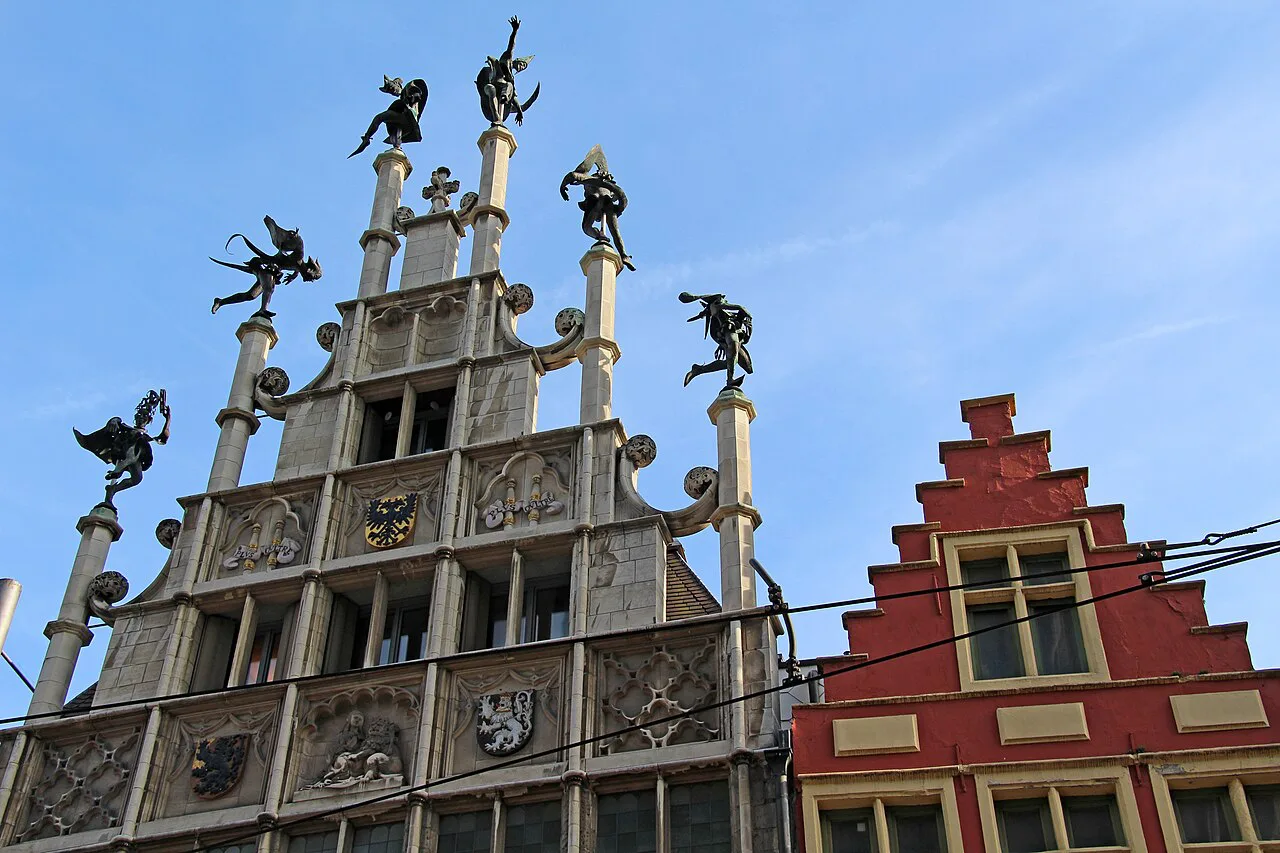
Two or three days let you absorb the centre rather than tick it off. Give the first day to the core squares, the belfry and the castle, the second to the streets around Werregarenstraatje and the Masons' Guild Hall (Metselaarshuis), and keep the third for slower time by the water. Late spring and early autumn support this pace best.
If your trip includes a specific interest such as Belgian beer, chocolate or architecture, more daylight and milder weather make it easier to fit those stops around the main sights. Longer stays also absorb a rainy day without derailing the itinerary. The main risk in high summer is spending more time navigating crowds than seeing the city.
Best time for museums and churches rather than streets
If your priority is the museums and the interior sights, weather matters less than opening days. Winter and early spring offer quieter streets, at the cost of dark afternoons. Check each venue's published opening days and any timed-entry arrangements before you lock the itinerary.
A practical pattern is to book your indoor day for the middle of the trip, leaving the edges for walking Graslei and Korenmarkt. That way a wet day costs you the least. Autumn and late winter suit this approach particularly well.
How the weather changes what you do: Graslei and Korenlei, Gravensteen and Sint-Baafs cathedral compared
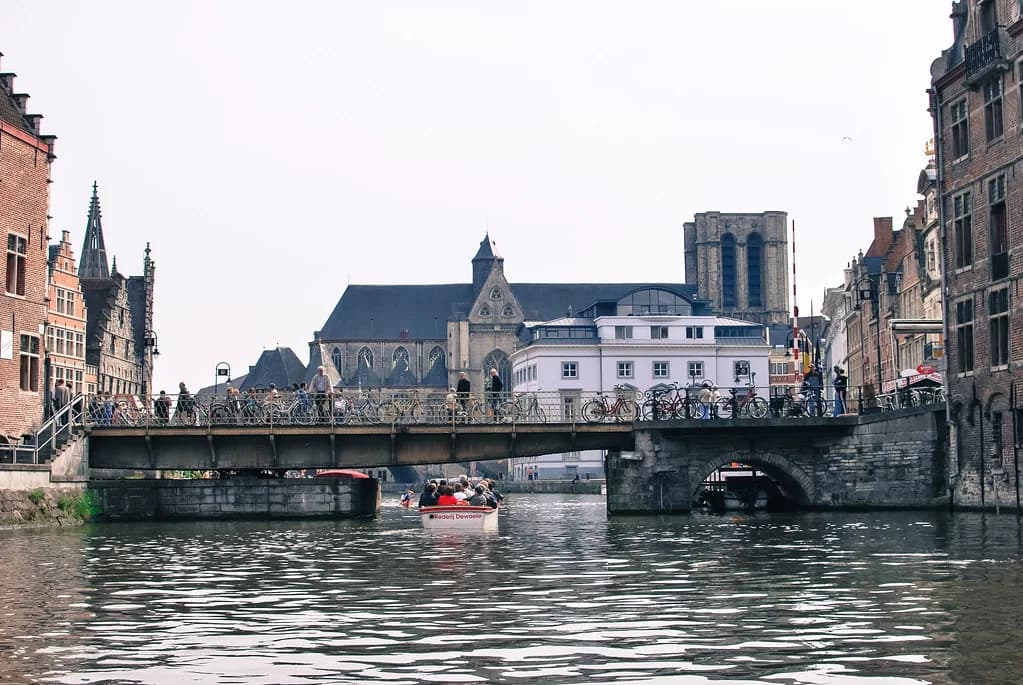
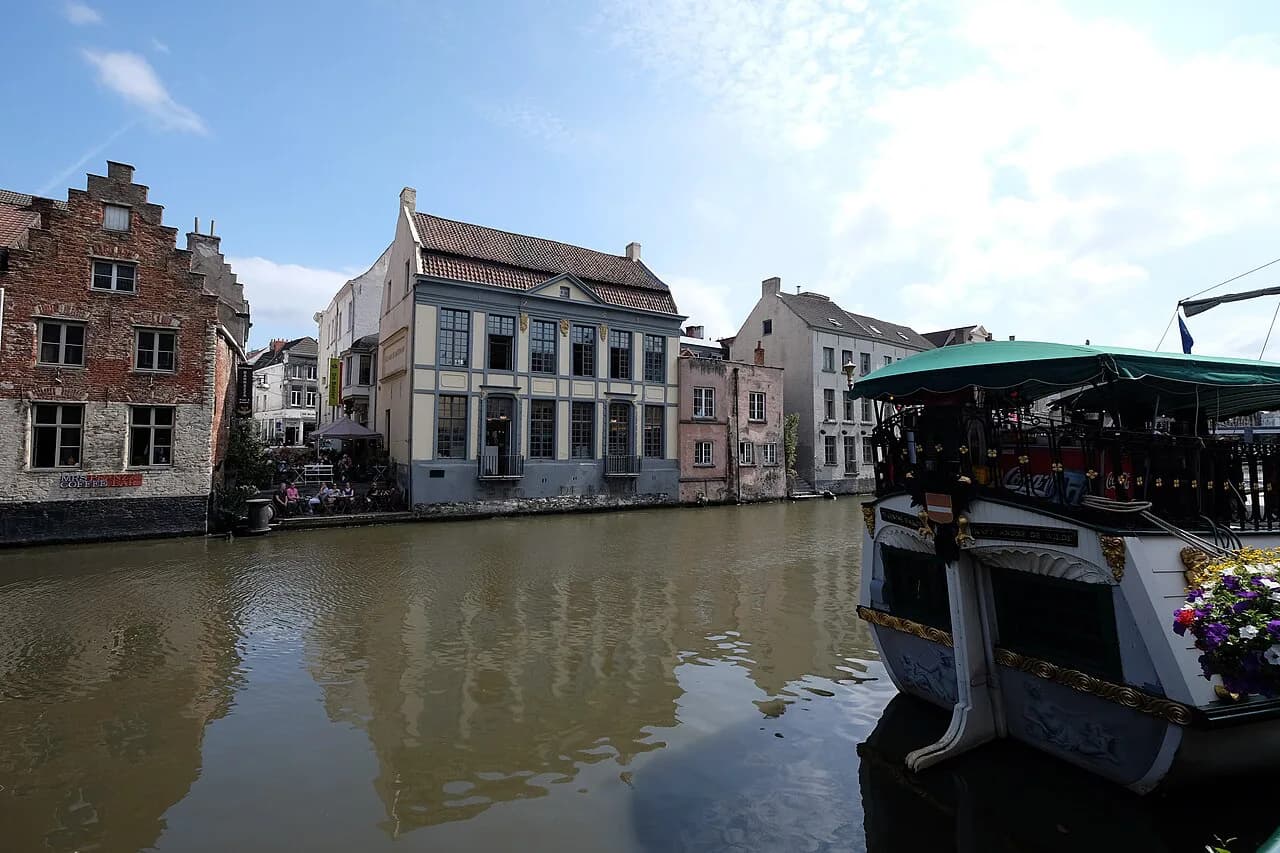
The quays at Graslei and Korenlei are the city's most weather-dependent sight: bright, dry days make the walk between the gabled houses genuinely memorable, while steady rain pushes you indoors quickly. Gravensteen is largely a castle visit with courtyards and walls, so save it for a dry slot, ideally before the busiest part of the day.
When the rain sets in, retreat indoors and pair a nearby café stop with the city's churches and museums, then return to the quays once it eases. This split lets a mixed-weather day still feel full.
Booking and timing trade-offs: weekends vs midweek
Midweek visits generally give you calmer streets and more flexibility, while weekends suit anyone tied to a short break but come with more competition for space on the main squares. In summer the difference is pronounced; in quieter months it matters less. Decide which matters more to you before fixing dates.
For a first visit with a mix of indoor and outdoor plans, Tuesday to Thursday in spring or early autumn is the most forgiving combination. If you must travel at a peak weekend, shift your walking to early morning and late afternoon. Compare how other Belgian cities behave in the same months with our guide to the best time to visit Belgium.
Is Ghent worth visiting at any time of year?
Yes. Ghent's appeal does not depend on a single season: the compact historic centre, the quays, the belfry and the castle give the city a strong core that works in most conditions. The trade-off is simply which parts you experience most — streets and water in the warmer months, churches and museums in the cooler ones.
Travellers comparing Belgian cities often ask which is the prettiest or most rewarding, and Ghent's answer is its mix of medieval fabric and a lively university-town atmosphere. If your dates are flexible, spring and early autumn show the city at its most comfortable. If they are not, a well-planned winter trip still delivers.
Which window should you book?
For most trips of one to four days, aim for May, June or September: you get long daylight, mild walking conditions and manageable crowds on Graslei, Korenmarkt and the streets around Gravensteen. If your priority is museums and churches, a quieter autumn or winter window works well provided you plan around shorter days.
Whatever you choose, build the itinerary around a weekday start so museum closing days do not catch you out, and keep one flexible afternoon for the quays. The compact centre rewards a slower pace more than a packed one.
Explore more Ghent guides
Frequently Asked Questions
Is it better to see Ghent in the morning or the evening?
Mornings are calmer on Korenmarkt and along Graslei, which suits anyone wanting photographs and space. Evenings bring softer light and a livelier atmosphere, particularly in summer when daylight lasts longer. If you only have one day, start early and return to the water later.
Sources
Useful notes for your next trip
Optional updates to our guides.
You might also like
Continue reading
More guides you'll find useful