
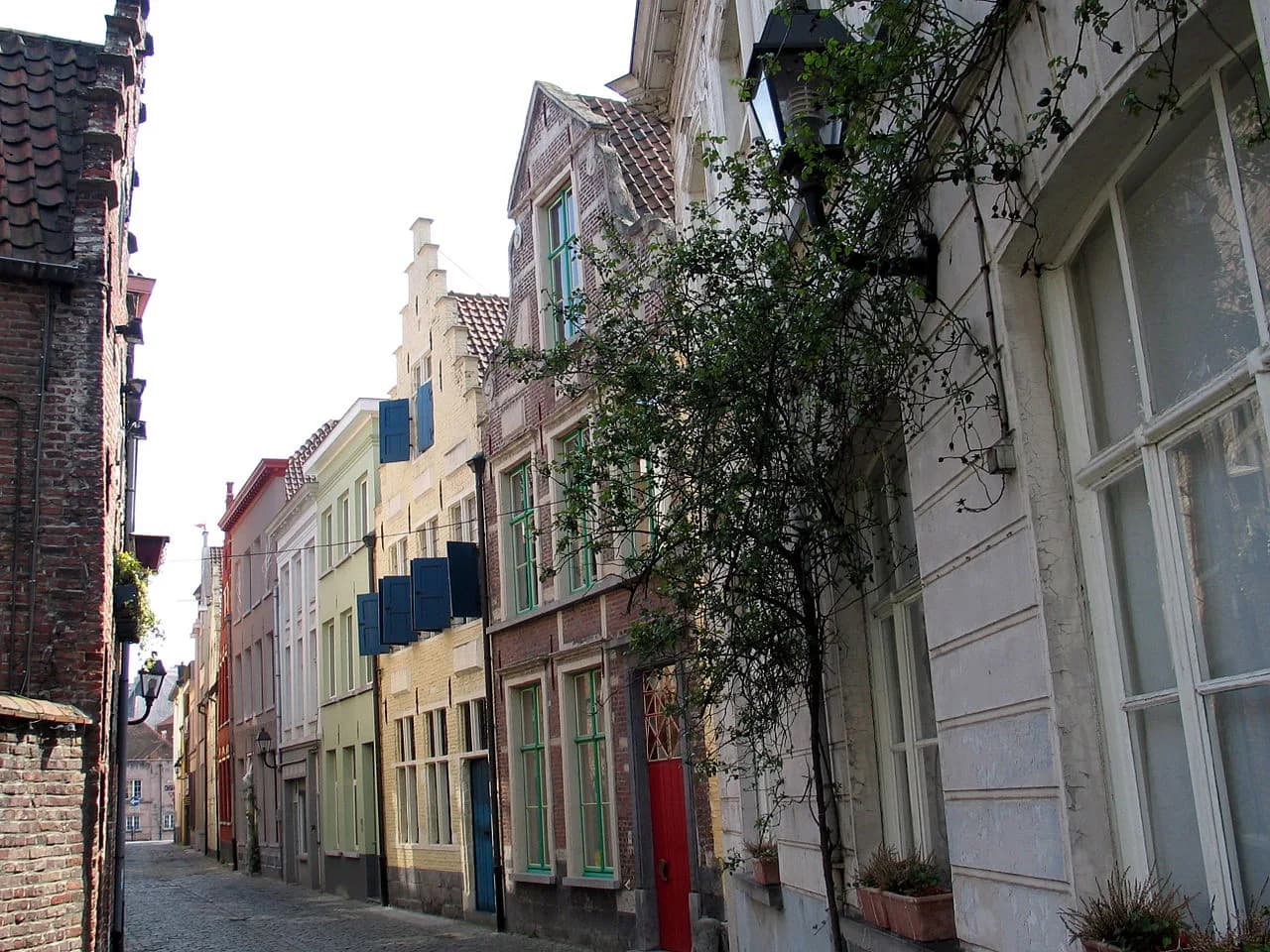
Planning Ghent neighbourhoods: where each area fits your trip
Ghent's old quarter and its stations pull first-time visitors in opposite directions: Patershol sits right beside Gravensteen, while Sint-Pieters and Gent-Dampoort serve the trains. Between them, the Schelde and Leie meet at Portus Ganda, and Muide's working docklands stretch north.
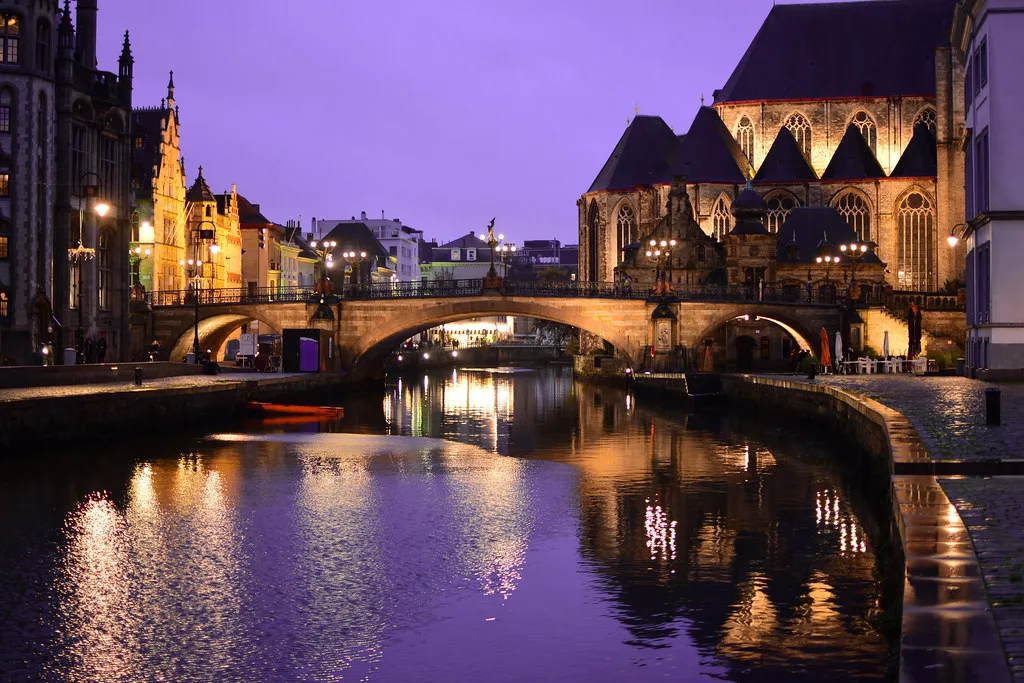
Patershol is the one to plan an hour or two around, wandering brick lanes settled by leather workers in the 10th century before finding dinner. Nearby, Portus Ganda holds around a hundred berths and gives walkers a calm stretch of water close to the centre — though there is little beyond the quays, so half an hour is enough.
For an easy rail arrival, Gent-Dampoort offers a lived-in residential base east of the old town, without canals, belfries or museums on the doorstep. Sint-Pieters suits early trains and late arrivals, but expect hoardings and changing routes as the area is redeveloped, and the medieval centre is a tram ride or long walk away.
Muide rewards return visitors with open water and newer parks mid-regeneration; allow half a day and don't underestimate the walk from the old town.
| Area | Best for | Where |
|---|---|---|
| Patershol | eating and browsing old streets | Beside Gravensteen, central Ghent |
| Portus Ganda, Ghent | boaters and quiet waterside walks | Veermanplein 2 |
| Sint-Pieters, Ghent | practical short-break base | Sint-Pieters |
| Dampoort, Ghent | quiet residential base by the station | Oktrooiplein, east Ghent |
| Muide, Ghent | return visitors and quiet streets | north of Ghent, beside Meulestede |
Ghent neighbourhood guides
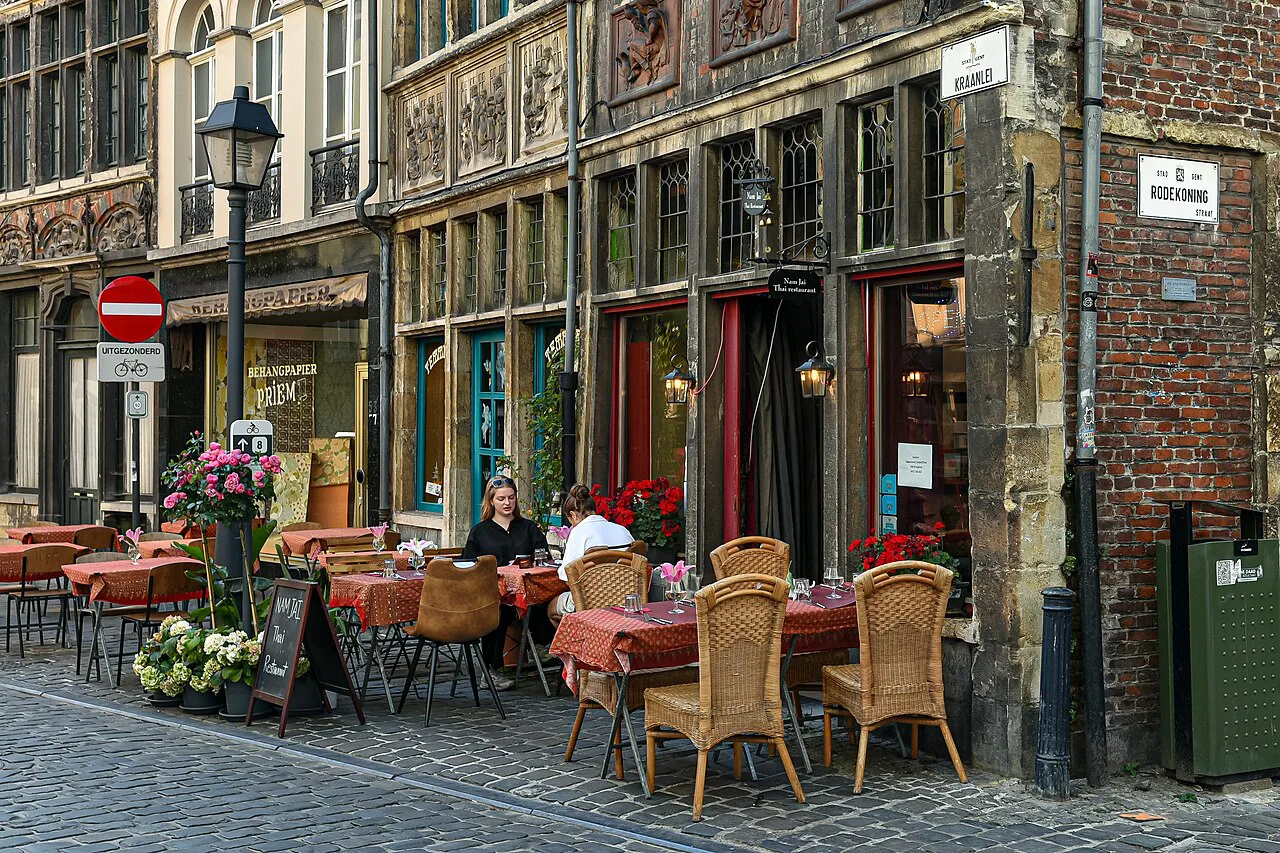
Patershol: Ghent's Old Quarter Beside Gravensteen
A knot of brick lanes right beside Gravensteen, settled by leather workers in the 10th century and rescued from slum conditions from the 1980s. Come to wander for an hour, then eat — there are no monuments to tick off.
1-2 hours · Best for eating and browsing old streets
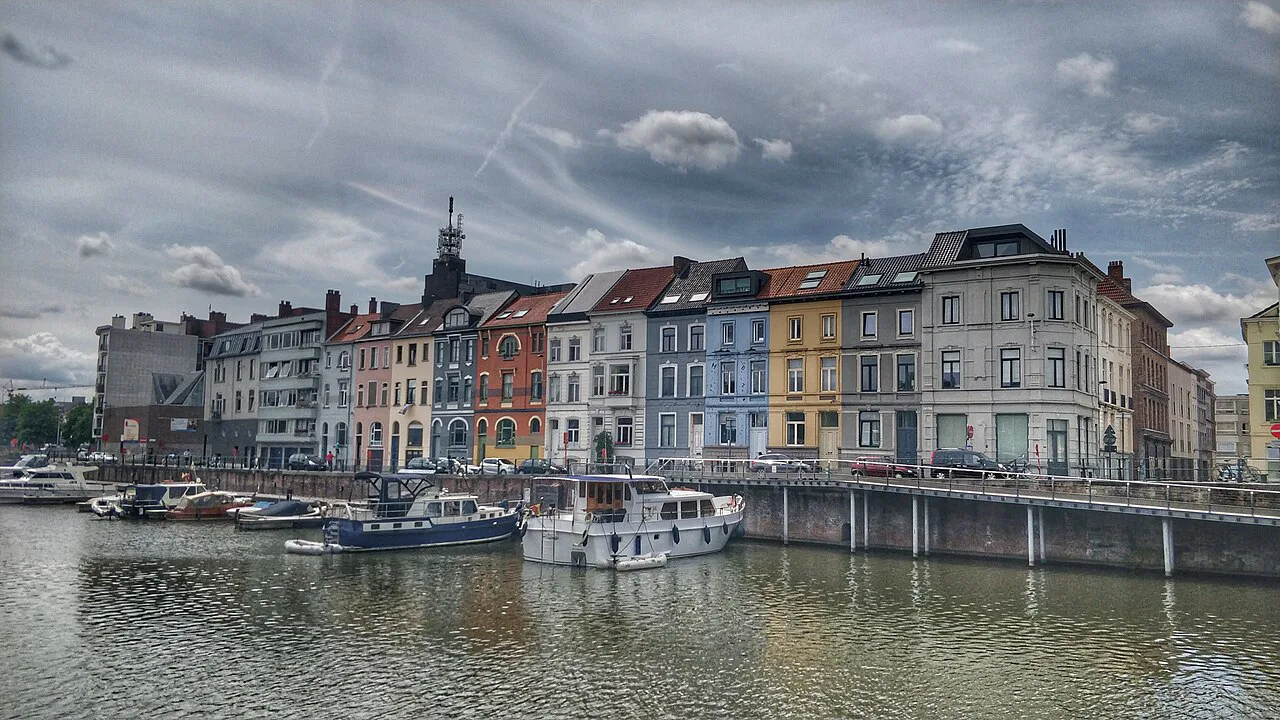
Portus Ganda, Ghent: the marina district visitor guide
Ghent's marina at the meeting of the Schelde and the Leie, holding around a hundred berths for visiting boats. Walkers get a calm stretch of water close to the centre, though there is little to do here beyond the quays.
half an hour · Best for boaters and quiet waterside walks
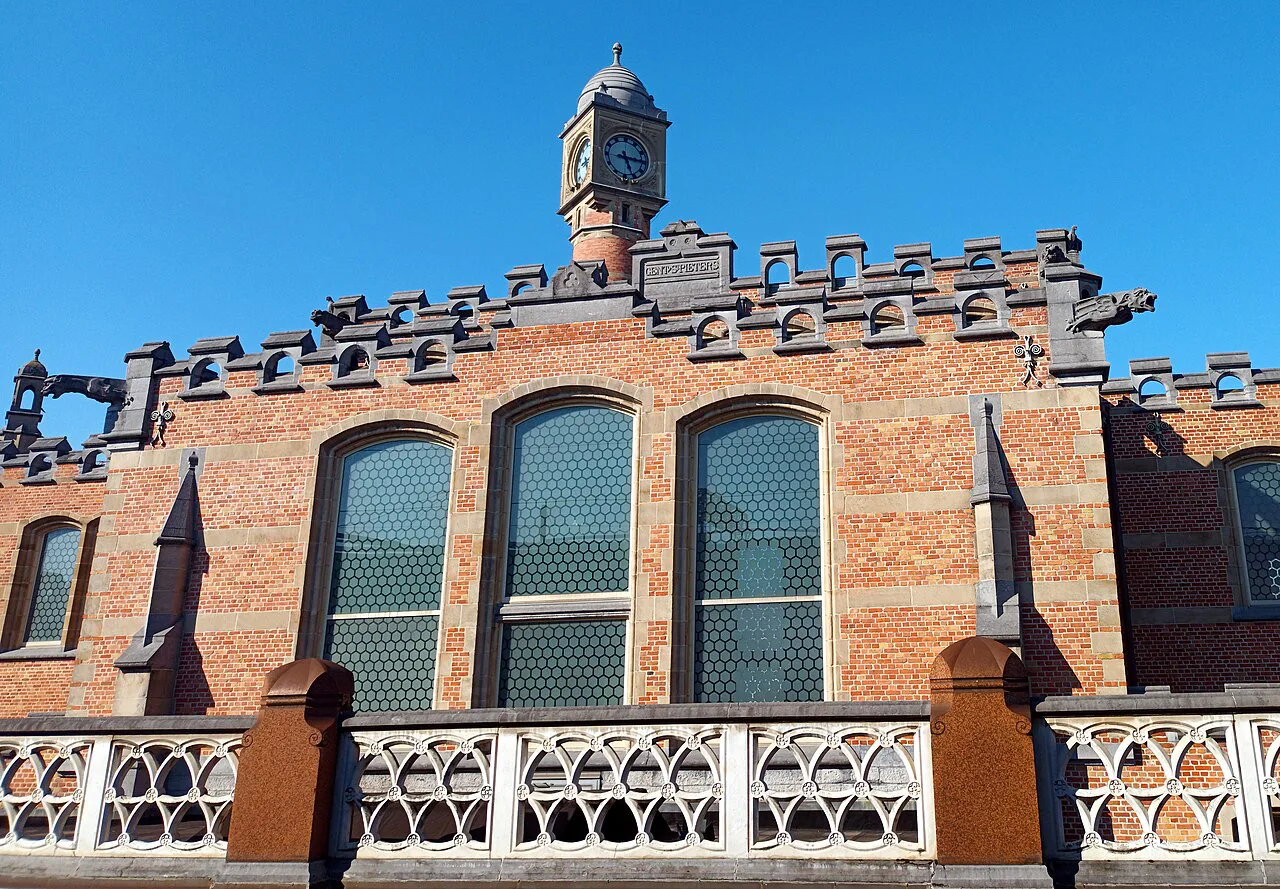
Sint-Pieters, Ghent: The Station District Guide
Sint-Pieters is Ghent's station district, useful for early trains and late arrivals, but the medieval centre is a tram ride or long walk away. The area is being redeveloped, so expect hoardings and changing routes.
half a day · Best for practical short-break base
Dampoort, Ghent: The District Around Gent-Dampoort Station
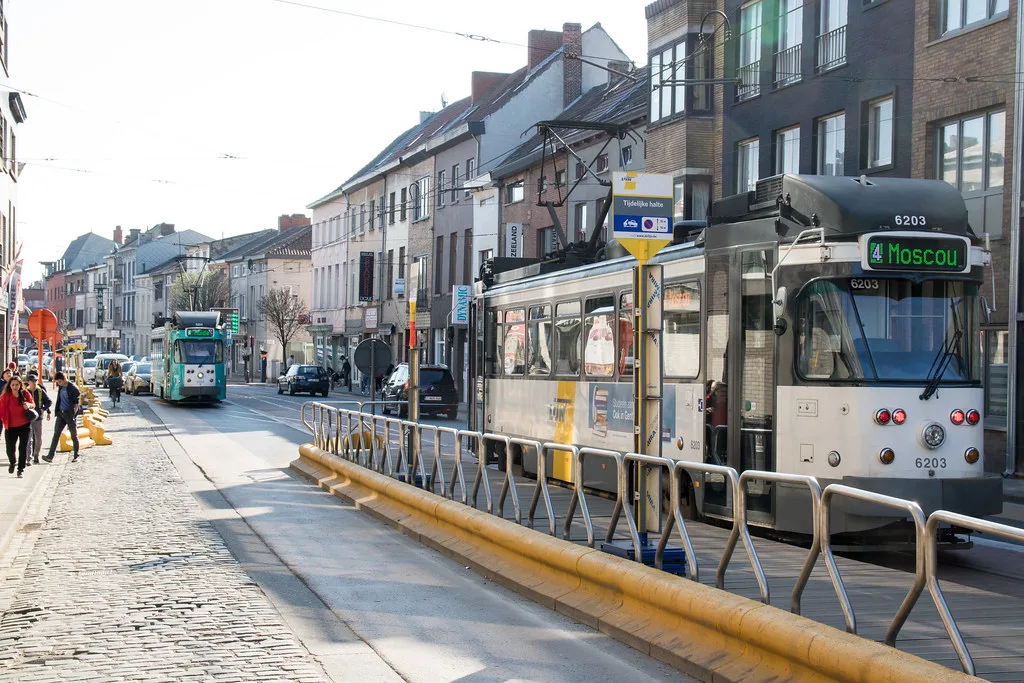
A lived-in residential neighbourhood east of the old town, centred on Gent-Dampoort station. Useful for an easy rail arrival or a quieter, cheaper base, but there are no canals, belfries or museums on the doorstep.
unknown · Best for quiet residential base by the station
Muide, Ghent: A Candid Guide to Ghent's Northern Docklands District
Muide is Ghent's working docklands north of the centre, a district of quays, warehouses and plain streets mid-regeneration. Go for open water and the newer parks rather than step-gabled postcards; visitors often underestimate the walk from the old town.
half a day · Best for return visitors and quiet streets
Which area of Ghent suits your stay
Patershol suits eaters and browsers who want old streets at the centre of things; it is a knot of lanes beside Gravensteen with no monuments to tick off. For boaters and quiet waterside walks, Portus Ganda's marina at Veermanplein 2 is the closest calm water, though half an hour covers the quays. Choose Sint-Pieters for early trains and late arrivals, accepting redevelopment noise and a tram ride to the medieval centre; Gent-Dampoort for a quieter, cheaper residential base by the station, with no canals or museums on the doorstep. Return visitors should head north to Muide for half a day of quays, warehouses and newer parks.