
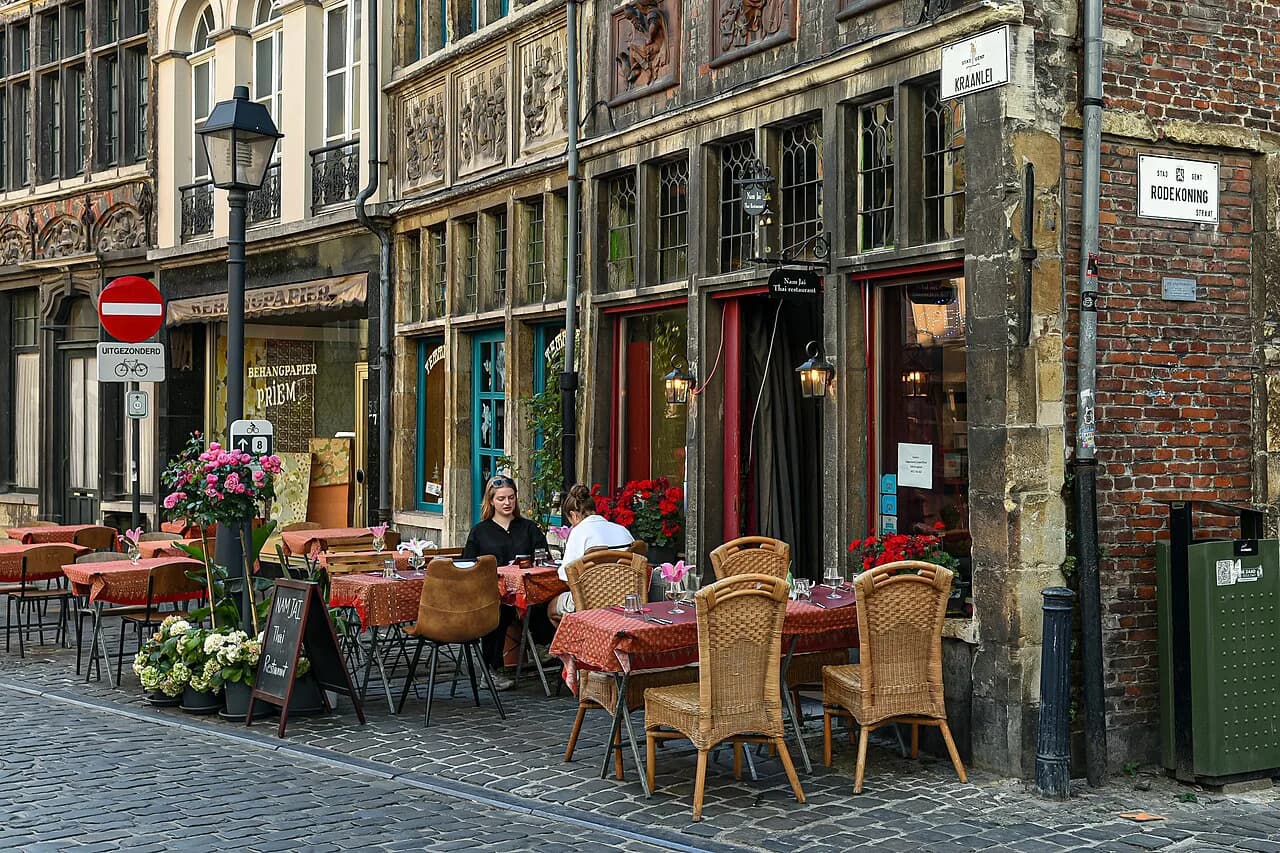
Patershol, Ghent (Patershol, Gent): Alleys, Restaurants and Galleries by the Castle

Patershol is a compact old quarter of narrow alleys and brick houses immediately beside Gravensteen, the castle that anchors the north-west corner of central Ghent (Gent). It is best treated as a place to wander for an hour or two and then eat in, not as a museum district, and it suits travellers who enjoy small-scale streets more than grand set pieces. This guide covers what the quarter is, how it feels underfoot, what its story is, who will enjoy it, where to stay inside or near it and how it slots into the rest of the old town.
Set your expectations on scale before you go. The district is a tangle of lanes and brick frontages rather than a square with a headline attraction, so the appeal comes from threading between buildings and stopping when something looks worth a closer look.
What Patershol is and where it sits
Patershol occupies the pocket of streets next to Gravensteen castle, within easy walking distance of the Leie quays and the rest of Ghent's medieval centre. The castle is the simplest landmark to orient by: find the moat and the towers, and the quarter's alleys begin on its doorstep. That position makes it a natural addition to a morning around the castle rather than a separate outing.
Because it is small, you can cross it in minutes and see it properly in under an hour if you keep moving. The better approach is to slow down, take the lanes as they come and let the brick houses and narrow passages set the pace. Treat the quarter as one stop within a wider day in the centre, and plan your other sights around it.
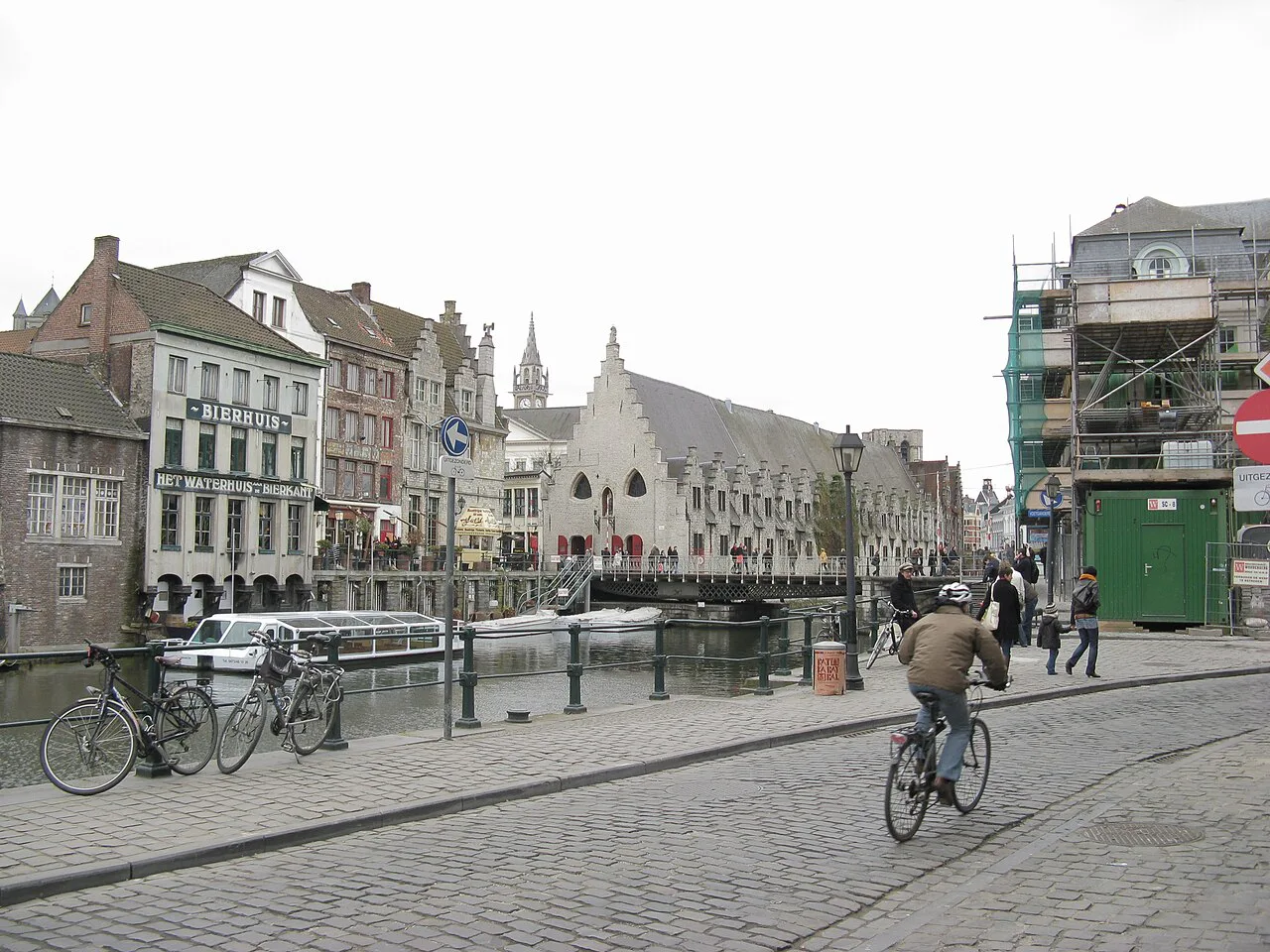

How it feels to wander
The character here is narrow alleys and brick houses, tightly packed and low in scale, which gives the quarter a noticeably quieter feel than the open squares elsewhere in the city. Walking is the whole activity: you turn corners, look up at frontages and double back when a lane looks inviting. Wear shoes you can walk in for a couple of hours, because the ground underfoot is old paving in places.
It is not a quarter of big sights. Come expecting atmosphere, restaurants, bars and galleries rather than monuments, and you will find it delivers. If your ideal city break is a checklist of museums and towers, save Patershol for a meal and spend the rest of the day elsewhere.
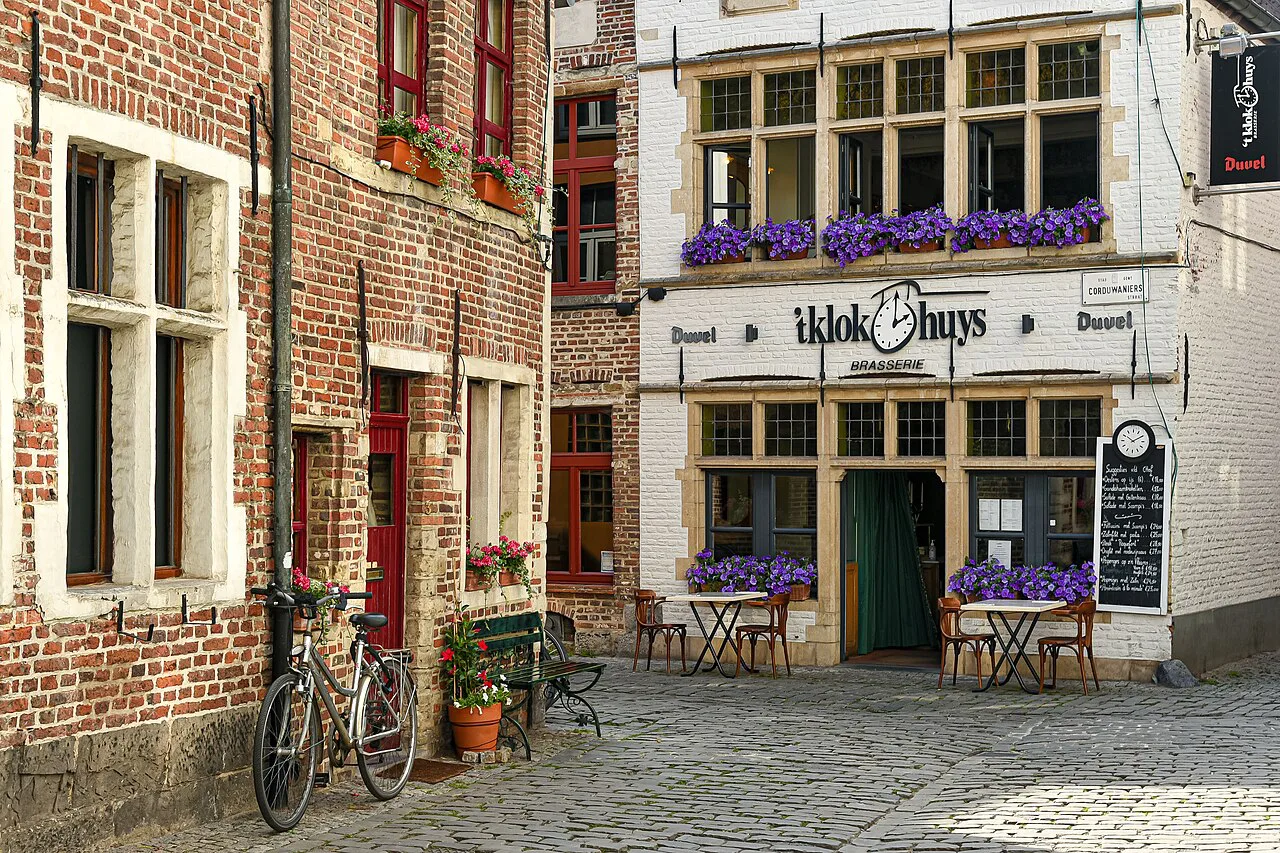

Leather workers, a slum, and a 1980s restoration
The quarter's story runs in three acts. It was originally settled in the 10th century by leather workers, which explains its position on the edge of the early town rather than at its ceremonial heart. By the 20th century it had become a notorious slum, described as a labyrinth of dark lanes.
The turnaround came from the 1980s, when the city began a major project to restore the dilapidated houses. That work is why the brick fronts you walk past today look cared for rather than crumbling, and why the quarter now reads as an attractive old neighbourhood of restaurants, bars and galleries. Knowing the sequence changes how you see it: this is a rescued district, not a preserved one.
Eating and browsing in the quarter
Restaurants, bars and galleries are what fill Patershol now, and they are the reason most visitors end up here. The restaurant tables spill into a small, enclosed-feeling district, which makes it a sensible choice for an evening meal after a day on your feet. Browse first and pick a place that looks right on the night rather than committing to one from a list.
Specific venues, menus and opening days change, so confirm the details with whichever place you choose before you build an evening around it. Galleries behave the same way: they come and go, and a short wander will tell you what is open. The pleasure is in the browsing rather than in ticking off named addresses.
Who Patershol suits, and who it does not
Patershol suits travellers who like eating and browsing in tight old streets, and who are happy to spend an evening walking a small area without a fixed plan. It also suits anyone already visiting Gravensteen, since the castle puts you at the quarter's edge with no detour required. Couples and small groups planning a relaxed dinner will get the most from it.
It is a poorer fit for anyone who wants large museums, broad squares or a full day of organised sightseeing inside one district. There is no headline attraction within the quarter itself, and the lanes are compact rather than grand. If you have only a few hours in Ghent, see the castle and the quays first and treat Patershol as the place you eat.
How Patershol connects to the rest of Ghent
The quarter sits on the medieval side of the centre, so it pairs naturally with Gravensteen and the Leie quays. The city's neighbourhoods each have a distinct feel, and a short walk takes you into different ones: the waterside streets of Portus Ganda lie east of the old town at the confluence of the Leie and the Scheldt.
Other neighbourhoods are further out and worth their own trip rather than a passing detour. Sint-Pieters, Ghent, is a separate area of the city with its own character, and the Miljoenenkwartier, a 1920s quarter of art deco villas around a park, sits beyond the railway line. Plan those as separate walks and keep Patershol for the centre.
Hotels near Patershol
Hotel Harmony sits on Kraanlei, the quay street that runs along the edge of the quarter, which puts you within a few minutes' walk of the alleys and the castle. Several other hotels cluster in the wider city centre within walking distance, including Pillows Grand Boutique Hotel Reylof Ghent on Hoogstraat and B&B HOTEL Gent Centrum on Voldersstraat.
A little further out, Van der Valk Hotel Gent and Getaway Gent on Seminariestraat serve as practical bases, while ibis budget Gent Centrum Dampoort sits by the Dampoort side of town. Staying on the Dampoort side puts you closer to that quarter's waterfront, which is described separately in the Dampoort Ghent guide.
Nearby sights to pair with a wander
Gravensteen is the obvious partner: a moated castle with towers and battlements right beside the quarter, and the reason the area is so easy to find. Pair the two and you have a natural half-day on the medieval side of the centre. Check the castle's own arrangements for visiting before you set out.
Beyond the castle, the old town's churches, squares and canal views are all within a walk, and a broader edit of the city's sights will help you decide what else earns a slot. Pick two or three and leave room for the alleys, because Patershol rewards an unhurried hour.
Should Patershol be on your Ghent shortlist?
Yes, if you want a small, characterful quarter where dinner and a wander are the point. The brick lanes, the castle at the edge and the cluster of restaurants and galleries make it an easy addition to a day in central Ghent. Budget an hour to walk it and longer if you plan to eat.
Say no if you are chasing big sights, and put your hours into Gravensteen and the quays instead. Either way, approach it on foot from the castle and let the lanes decide the route.
Explore more Ghent guides
Frequently Asked Questions
Is Patershol worth visiting if I only have one day in Ghent?
Yes, briefly. Patershol sits beside Gravensteen, so you can walk the lanes in under an hour as part of a day around the castle and the Leie quays. Plan it as the place you eat or browse rather than a separate sight, and keep the rest of your day for the city's larger attractions.
What is Patershol known for?
It is known as an old quarter of narrow alleys and brick houses near Gravensteen, originally settled in the 10th century by leather workers and restored from the 1980s. Today it is filled with restaurants, bars and galleries, and it is the eating and browsing rather than monuments that draws visitors.