Things to Do in Antwerp: What to See and How Long You Need
Plan an Antwerp city break with the Grote Markt, Cathedral of Our Lady, Plantin-Moretus, KMSKA and the Sint-Annatunnel, plus how many days to allow.
On this page
Two days is the right allowance for Antwerp: one for the old centre and the Scheldt waterfront, one for the museums in Het Zuid and the north. A single day gives you the Grote Markt, the cathedral and the station hall, but little more. This guide groups sights by neighbourhood and walking order so a short visit and a long one get different plans from the same page.
Antwerp is Belgium's second city and a working port on the Scheldt, with a compact historic core that is easy to cover on foot after arriving at Antwerpen-Centraal. Its appeal is a conversation between 16th-century trading wealth and a modern design and gallery scene, which is why it feels different from Bruges or Brussels. Start with our guide to the Antwerp attractions and then choose the neighbourhoods that suit your days.
Why Antwerp suits a city break
Antwerp is a cultural city break rather than a chocolate-box weekend. The Guardian describes it as shaped by Flemish heritage, a working port and a centuries-old diamond trade, with Rubens masterpieces sitting alongside avant-garde galleries and cutting-edge fashion. That mix means you can spend a morning in a Gothic cathedral and an afternoon in a contemporary art space without leaving the centre.
Its size works in your favour. The compact core and the flat streets make walking the default, and the trams fill the gaps when your legs give out. Compared with Bruges, Antwerp has less canal scenery and more everyday city life; compared with Brussels, it is smaller and quicker to read in a couple of days. If you are weighing up a Belgian break, our things to do in Bruges and things to do in Ghent pages show what the neighbouring cities offer.
How Antwerp is laid out
Think of Antwerp in three bands. The Antwerp old town holds the Grote Markt, the cathedral and Groenplaats, all within a few minutes of each other. South of the centre, Het Zuid is the museum and gallery quarter around the KMSKA. North and west, the Scheldt quays and the Eilandje docklands lead to the MAS museum.
The river is your compass. The Scheldt runs along the western edge of the centre, and the Sint-Annatunnel links the old town to the left bank on foot. Once you can place the cathedral spire and the river, the rest of the city falls into place, which is why a short orientation walk pays off on day one.
Arriving at Antwerpen-Centraal
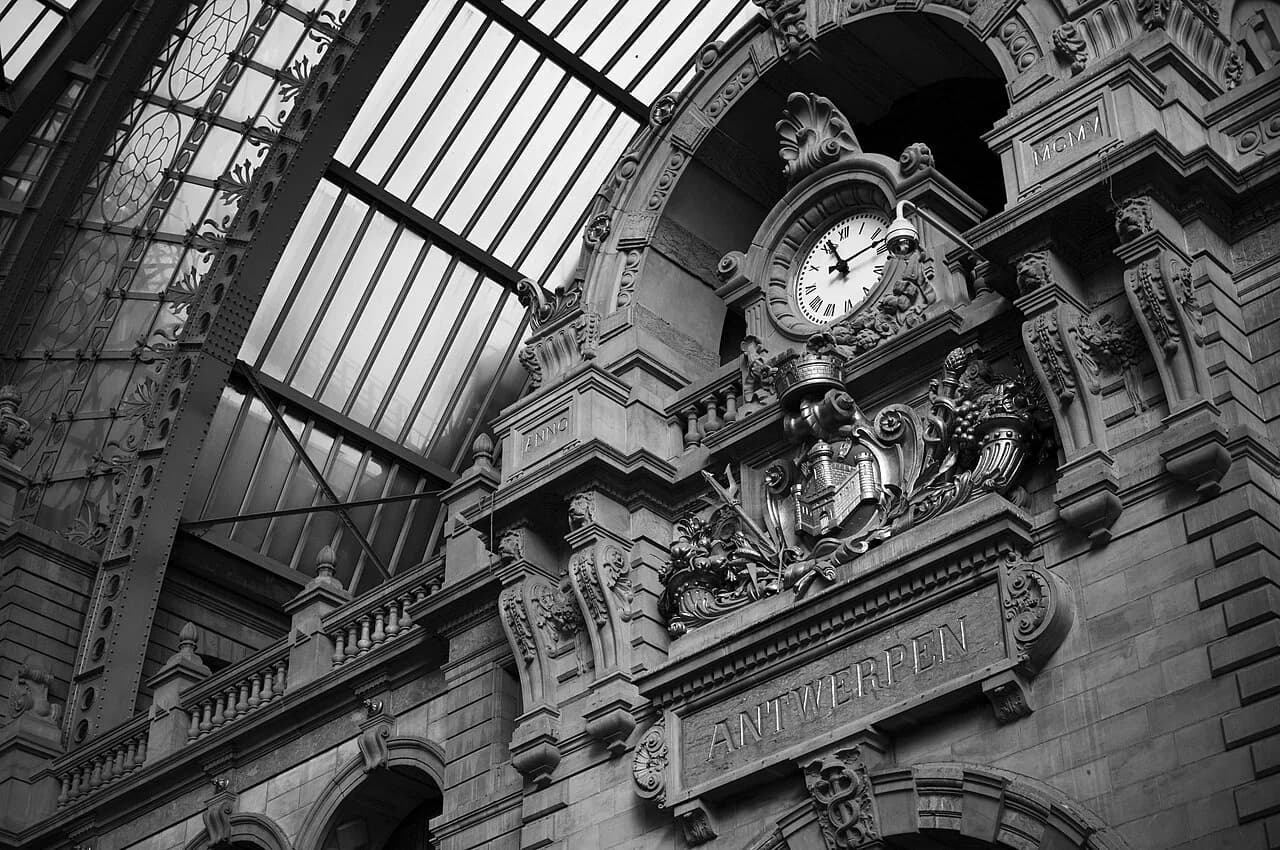
Antwerpen-Centraal is a sight in its own right. Completed in 1905 to designs by Louis Delacenserie, it is widely regarded as one of the finest train stations in the world, with intricate stonework and a central dome that rewards a slow look upwards before you leave. Trains from Brussels arrive every few minutes, so it is an easy arrival point.
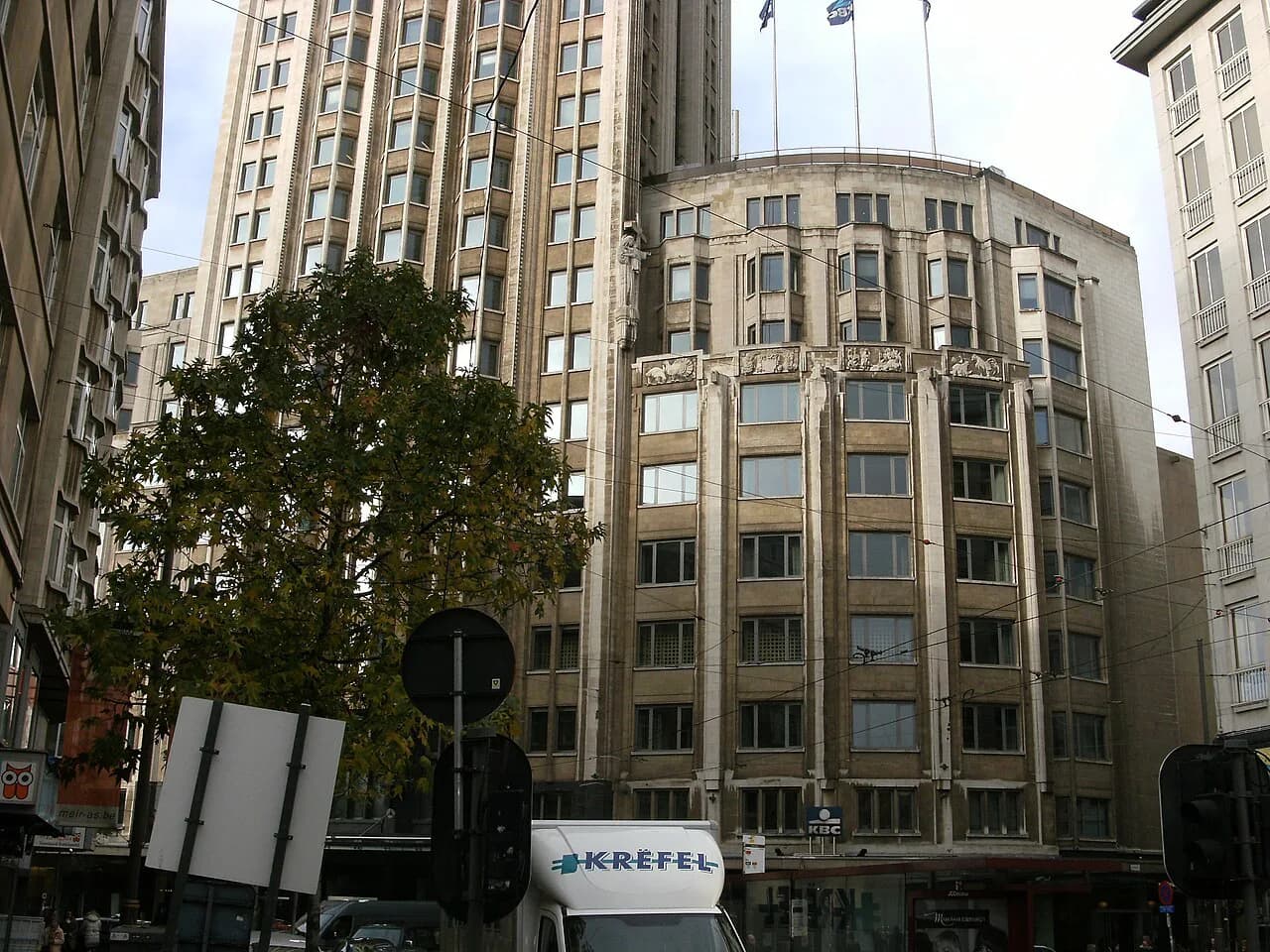
The station sits at Koningin Astridplein, a short walk from the Meir shopping street and the edge of the old centre. The immediate Diamond district around the station is functional rather than charming, so push on towards the centre rather than lingering. Our guide to Antwerpen-Centraal covers the hall, the dome and the walk into town.
The old centre on foot: Grote Markt and the cathedral
The Antwerp old town starts at the Grote Markt, a square lined with 16th-century guildhalls and centred on the Brabo fountain, whose legend gives the city its name. From here the Cathedral of Our Lady is a two-minute walk, and Groenplaats is just beyond it. Allow an hour to wander the lanes between them without a fixed route.
A guided walk earns its keep here because the guildhouses, courtyards and street names carry most of the stories. Our Antwerp walking tour covers the route and the sights in order, and works as a self-guided plan if you prefer to go at your own pace.
The Cathedral of Our Lady
The Cathedral of Our Lady (Onze-Lieve-Vrouwekathedraal) dates from 1352 and is the tallest thing in the city, its main tower rising 123 metres above the surrounding roofs. Inside hang several Rubens canvases, which makes it the single best place to see his work in the setting it was painted for. Check the tower's access arrangements before you go if climbing is the draw.
Outside, on the square, look for the Nello and Patrasche sculpture by Batist Vermeulen, a bronze of the orphan boy and his dog from the Flemish tale. It is a small, moving counterpoint to the grandeur of the façade, and a natural stopping point before you head south.
Rubens in Antwerp: the Rubenshuis and KMSKA
Antwerp is Rubens's city, and two places do the heavy lifting. The Rubenshuis on the Wapper is his former home and studio, a historic house that shows how a painter of his standing lived and worked. The Royal Museum of Fine Arts Antwerp (KMSKA) in Het Zuid holds a collection spanning seven centuries, with Flemish and Dutch masters including Rubens and Van Dyck alongside modern work by James Ensor and Rik Wouters.
The KMSKA building alone justifies the trip south: a neoclassical shell fused with modern extensions, a water feature at the front and a café and garden that make it easy to stretch a visit. Pair it with a wander through Het Zuid's leafy boulevards and squares, where the city's artier cafés cluster. If Rubens is your reason for coming, do the Rubenshuis and KMSKA on separate days rather than cramming both.
Plantin-Moretus Museum on Vrijdagmarkt
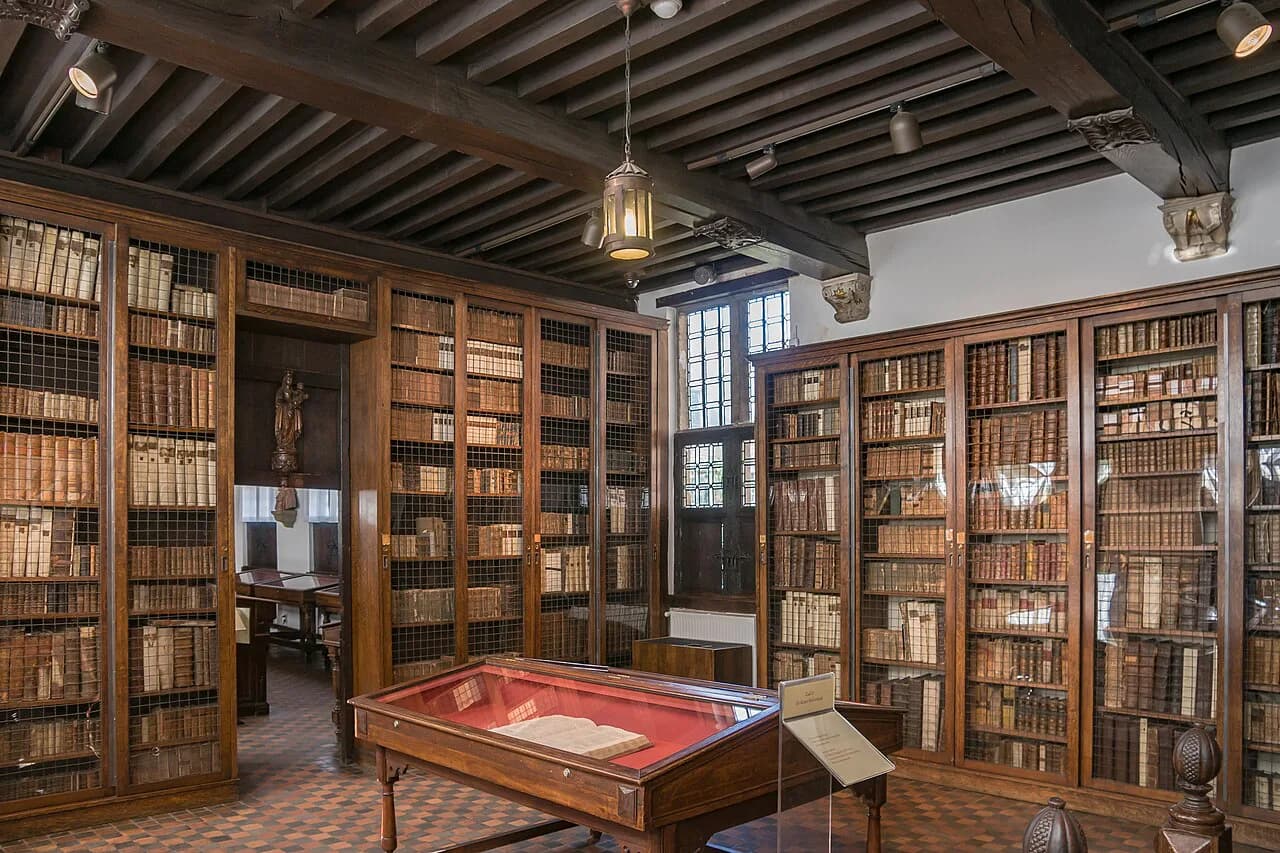
The Plantin-Moretus Museum on the Vrijdagmarkt is the one Antwerp sight that explains how the city's wealth was made. Housed in the Plantin printing works, it holds the historic press room and a book collection that shows the family's output across centuries, and it is a UNESCO-listed site. Budget around two hours, and go early if you want the courtyards quiet.
It sits close to the old centre, so it slots neatly between the Grote Markt and the river. Combine it with a walk down to the Scheldt quays rather than doubling back to the cathedral.
Modern and photography museums in Het Zuid
FoMu and M HKA sit about five minutes' walk apart in Het Zuid, which makes them a natural pair. The Museum of Photography (FoMu) at Waalsekaai 47 and the Museum of Contemporary Art (M HKA) both occupy clean, modern buildings and each is comfortably done in a couple of hours, as the Antwerp city guide notes.
The trade-off is honesty about time. Neither museum eats an entire afternoon, so pairing them with the KMSKA in the same quarter is sensible, but three heavy museums in one day is too much. Choose photography and contemporary art together, or give KMSKA its own morning.
The MAS museum and the Scheldt quays
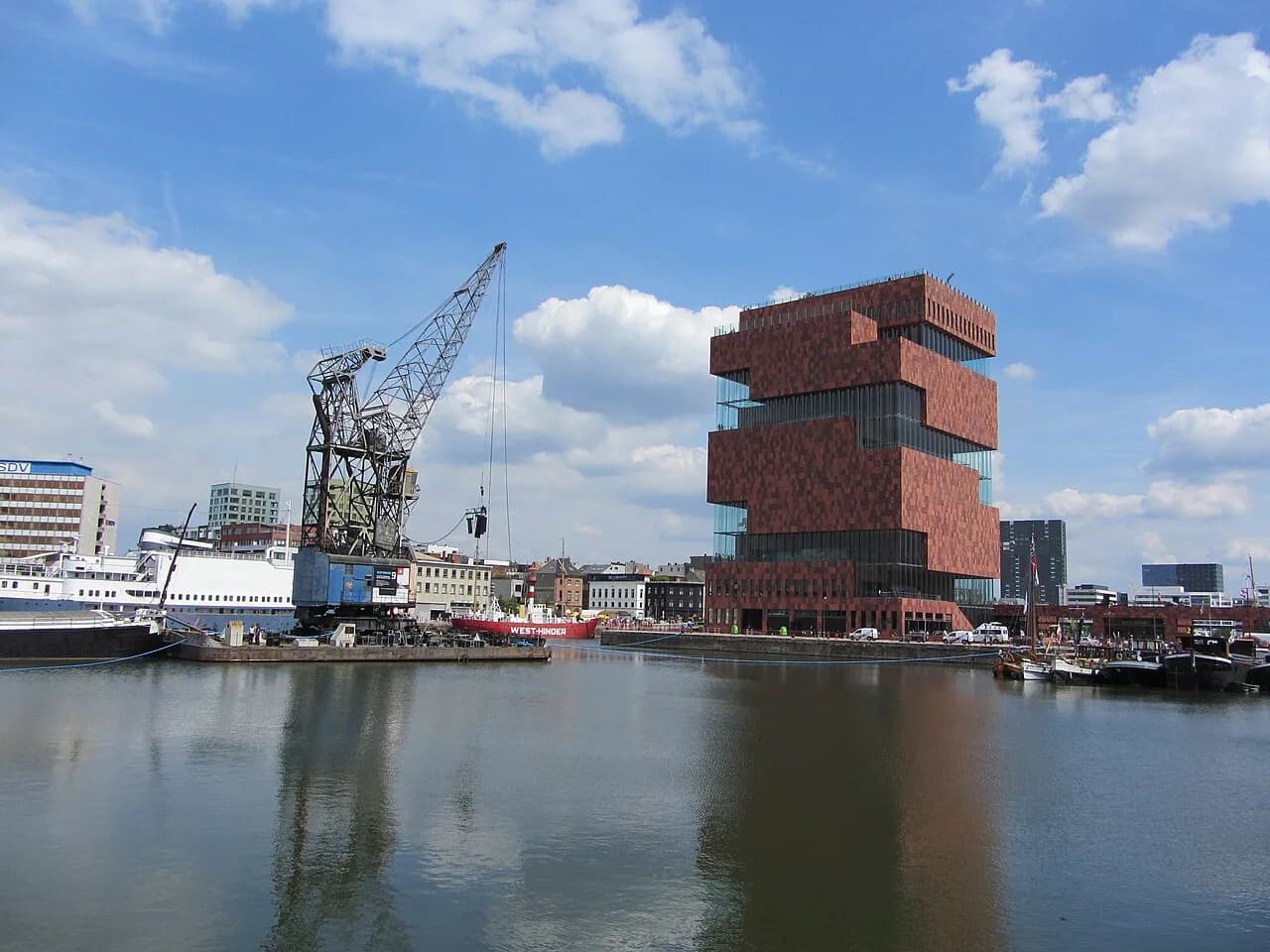
The MAS museum on the Eilandje docklands is worth visiting for the building and the view as much as the displays. The rooftop gives you the best panorama in Antwerp, taking in the docks, the river and the cathedral spire. Walk the Scheldt quays afterwards; the waterfront has been reworked into a promenade with wide views back over the city.
This is the northern half of a good day out. Combine the MAS with the Sint-Annatunnel and the old docks rather than returning to the centre for lunch. Our Antwerp Boat Tours Compared page covers the river options if you want to see the port from the water instead of the quay.
Vlaeykensgang and Bontwerkersplaats
Vlaeykensgang is a network of crooked medieval lanes and 16th-century houses reached through an ancient door, and it was nearly demolished in the 1960s after falling into decline before being restored. Wander down Wolstraat and push open the blue door at No 37 to find Bontwerkersplaats, a former 15th-century almshouse with 14 tiny homes around a courtyard built in 1422 for the old, the sick and the poor. Both take only minutes, so treat them as a detour rather than a destination.
The etiquette matters: people live and work in these courtyards, so keep your voice down and don't photograph doorways with residents in them. The reward is a quiet glimpse of the medieval city that the Grote Markt crowds never reach.
Under the Scheldt at Sint-Annatunnel
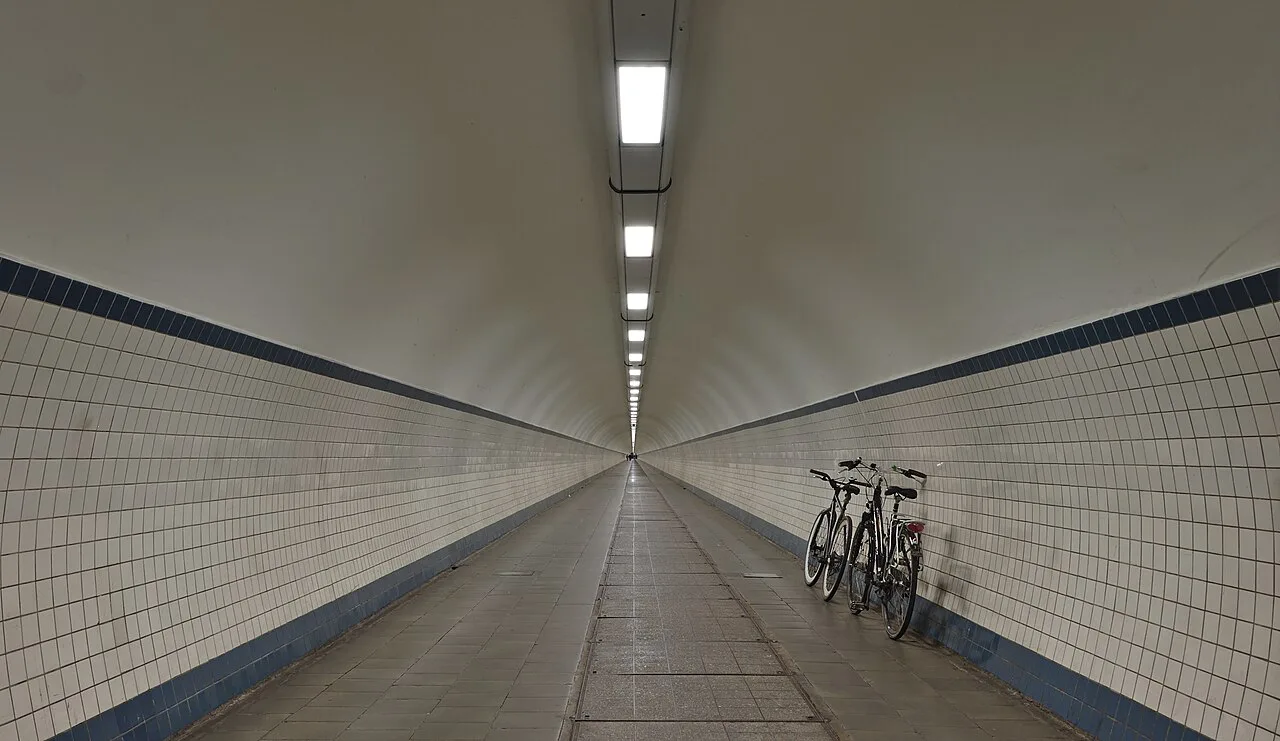
The Sint-Annatunnel is a pedestrian and cyclist tunnel under the Scheldt, reached by wooden escalators that are an attraction in themselves. Walking under the river takes about ten minutes and lands you on the left bank at Sint-Anneke, where you can look back at the Antwerp skyline from the opposite shore.
Treat the crossing as a sight rather than transport. Go for the view back across the water and return the same way, or continue along the left bank if the weather holds. It is a good wet-weather option too, since the tunnel is covered and free of traffic.
Where to taste Belgian beer
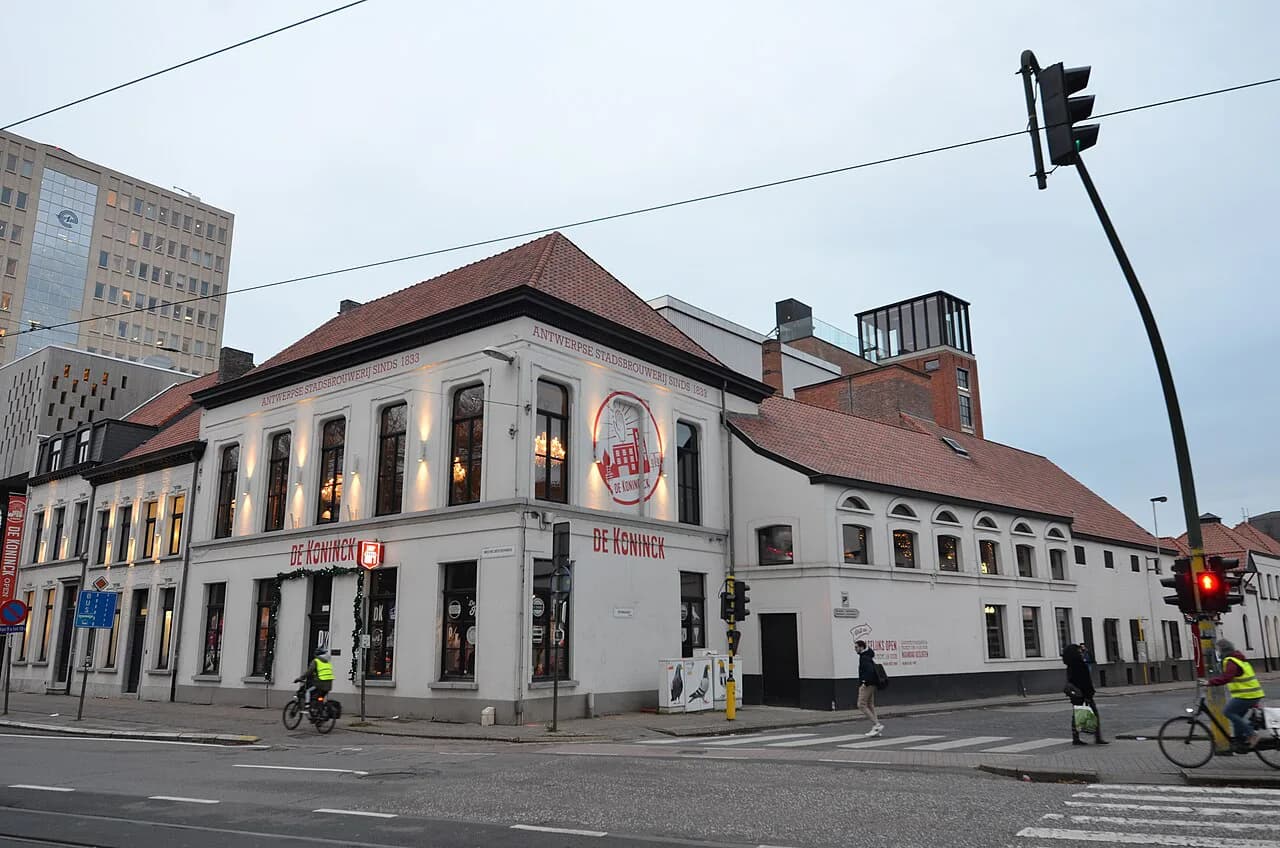
Beer is part of the fabric here. The De Koninck brewery runs tours, and the BeerWalk combines a city walk with tasting stops. For a quieter session, the old-school cafés around the centre pour Belgian classics without the brewery theatrics. Our guide to Antwerp breweries and beer bars sets out the options by neighbourhood.
Pace yourself: Belgian beer is stronger than it looks, and a lunchtime tasting can flatten an afternoon of museums. Book brewery tours ahead if you have a fixed date, and leave the evening free rather than scheduling a second tasting.
Chocolate, fashion and shops
Antwerp's shopping has two distinct strands. The Meir is the mainstream high street running from near the station into the centre, good for practical purchases. Kloostestraat and the surrounding streets are where independent fashion and design shops cluster, matching the city's reputation for cutting-edge style. For Antwerp chocolate, look to the specialist shops rather than the station kiosks.
The Diamond Quarter around the central station is a curiosity rather than a shopping stop for most visitors, though the trade still shapes the neighbourhood. Keep your browsing to the centre and Het Zuid unless diamonds are specifically on your list.
Antwerp's markets
Antwerp's markets reward a loose itinerary. The Friday Market and the Sint-Jansvliet antique market are the two names worth knowing, the latter drawing browsers to the riverside edge of the old centre. Weekend mornings are when the city's market culture is liveliest, so build one into a wandering day rather than a museum day.
Architecture and street art: Cogels-Osylei and Parkbrug
Cogels-Osylei, in the Zurenborg district east of the centre, is a street of exuberant Belle Époque townhouses in wildly mixed styles. It is a residential street, so walk it quietly and treat it as an architectural stroll rather than a sight with an entrance. The Parkbrug footbridge nearby is worth crossing for the design as much as the route.
Antwerp also has a strong street-art scene, with murals scattered through the centre and the northern districts. Allow an afternoon for Cogels-Osylei and the bridge, since both sit away from the main sights and are best reached by tram or on a hired bike.
How many days Antwerp needs
One day covers the essentials: the station hall, the Grote Markt, the cathedral and a walk to the river. Two days let you add the Plantin-Moretus Museum and either the KMSKA or FoMu and M HKA. Three days give you time for the MAS and the Eilandje, the Sint-Annatunnel and a proper wander through Het Zuid.
Most visitors underestimate the walking. The old centre is compact, but Het Zuid and the docklands are a tram ride or a 25-minute walk from the cathedral, so plan your days by neighbourhood rather than zig-zagging. Group the old centre on day one, Het Zuid on day two and the north on day three.
When to go
Spring and early autumn give the best balance of daylight and temperature for a walking city, with milder conditions than midsummer and fewer crowds than the height of summer. Winter is quieter and cheaper but the riverside wind is biting, so pack for it. Whenever you come, check the day of the week against the museums you want, since several close on Mondays.
Antwerp or Ghent: how to choose
If you want one Belgian city and can't decide, the honest answer is that Antwerp and Ghent offer different things. Antwerp is the bigger, more cosmopolitan option, with the fashion, the Diamond Quarter and a stronger contemporary art scene. Ghent is smaller and prettier, with a compact canal-ringed centre and the Ghent Altarpiece as its headline attraction.
Doing both is easy: they are close enough by train to combine in a three- or four-day trip, with Bruges as a third stop if time allows. If you have only one day, pick Antwerp for museums and city energy, Ghent for charm and walkability.
Which Antwerp day plan suits you?
For a one-day visit, start at Antwerpen-Centraal, walk down the Meir to the Grote Markt, see the cathedral and its Rubens canvases, then follow the old lanes to the river and the Sint-Annatunnel. For two days, give the second morning to the Plantin-Moretus Museum and the afternoon to Het Zuid's galleries. For three, add the MAS and the Eilandje.
Book museum tickets for the days you actually plan to be there, since closure days vary, and keep an evening free for a beer café rather than a second tasting. That leaves the city time to surprise you, which is what it does best.
Explore more Antwerp guides
Sources
Useful notes for your next trip
Optional updates to our guides.
You might also like
Continue reading
More guides you'll find useful