Museums in Namur: What to See and How Long to Allow
A practical guide to Namur's museums, from Félicien Rops to Les Bateliers and the Pavillon, with what each holds and how they fit a short city break.
On this page
Three museums carry a Namur city break: the Musée Félicien Rops, the twin collections at Les Bateliers and the Pavillon on the citadel esplanade. All three sit within walking distance of the old town, so you can see two in a morning and still climb to the citadel in the afternoon.
The city rewards a selective approach: this is a compact Walloon capital on the confluence of the Sambre and Meuse, not a museum metropolis. Pick two that match your interests, check the days they open, and leave the rest of the day for the streets in between.
What museums Namur has and how they divide up
The Musée Félicien Rops is the city's signature art museum, devoted to a Namur-born etcher, painter and caricaturist of the nineteenth century. Les Bateliers combines a decorative arts collection in a former nobleman's mansion with an archaeology museum for the Namur region. The Pavillon is a contemporary digital-culture venue on the Esplanade de la Citadelle, built around temporary exhibitions rather than a fixed collection.
They divide neatly by mood: Rops for a provocative artist, Les Bateliers for interiors, objects and regional archaeology, the Pavillon for art, science and technology. If you only have a day, the Rops and Les Bateliers pair well because they sit close together; the Pavillon works best as the reward for climbing the citadel.
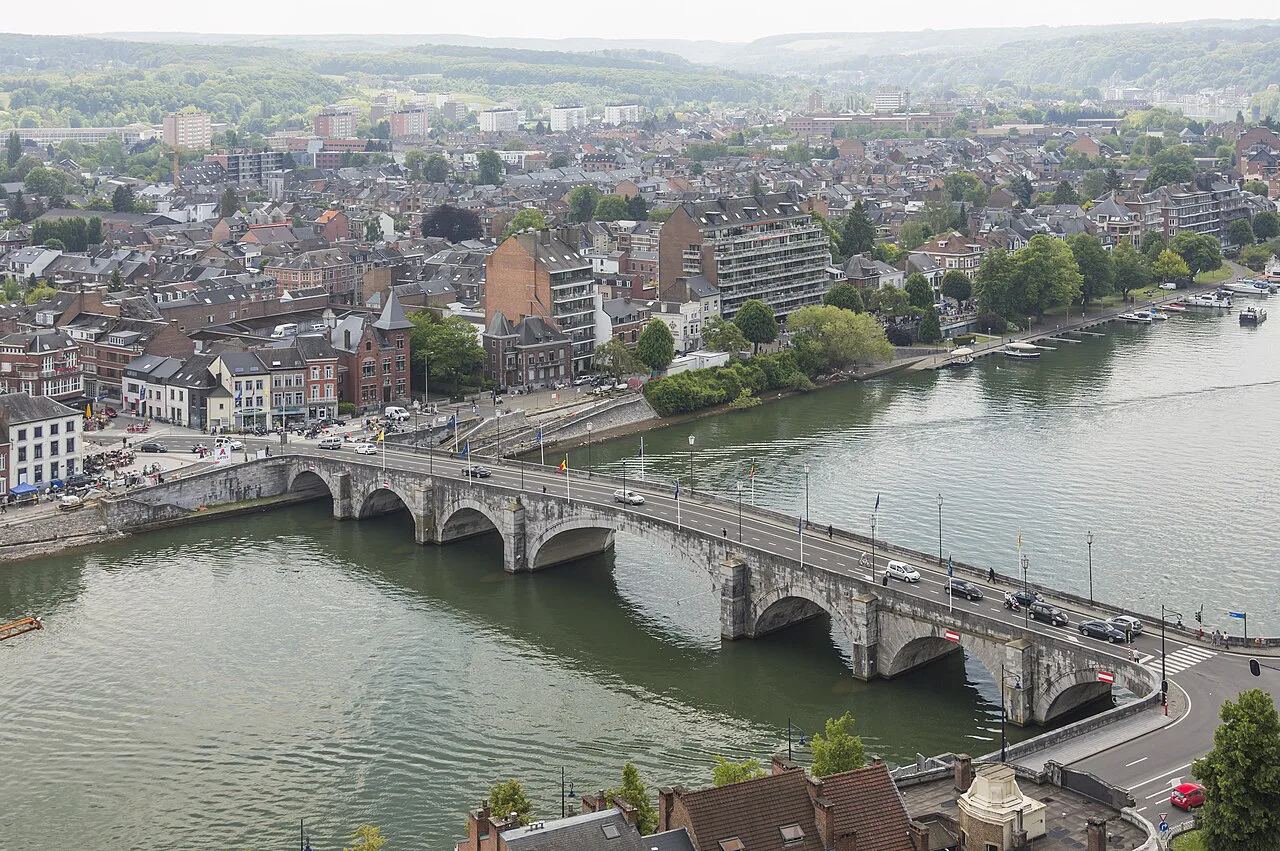
Musée Félicien Rops: prints, satire and the artist Namur claims
Félicien Rops made prints, cartoons and paintings laced with double meanings, and the museum does not soften him. Expect satirical, satanic and erotic works that take aim at religious, social and political hypocrisy, which is startling for a nineteenth-century artist and still sharp today. He was also a versatile technician who moved between styles, so the prints reward a slow look rather than a quick lap.
Treat the museum as a focused stop of roughly an hour to ninety minutes unless you want to study the etchings closely. The collection is niche and explicit, so it suits travellers curious about Belgian printmaking more than those after a broad old-master tour. The museum has had a renovation closure in the recent past, so confirm it is open before making it the centrepiece of your day.
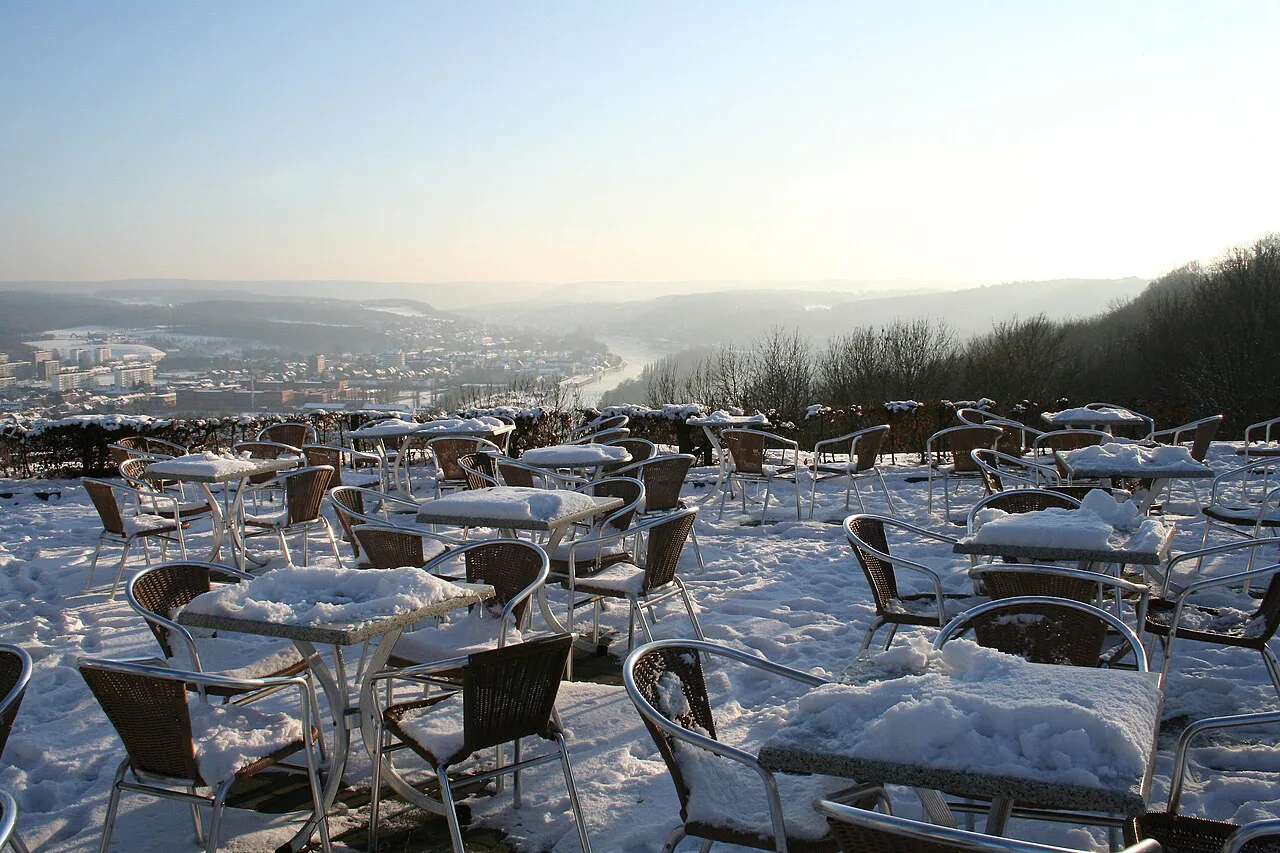
Les Bateliers: decorative arts and archaeology in one cultural island
The Museum of Decorative Arts occupies the former mansion of the counts of Groesbeeck and the marquises of Croix, with a French-style garden that recreates the atmosphere of an Enlightenment nobleman's residence. Next door, the Museum of Archaeology holds collections devoted to the Namur region and is being reworked into a new exhibition space, so treat that side as a work in progress rather than a full display.
Les Bateliers opens from Tuesday to Sunday on request, admission is free and visits are unaccompanied. Plan around the Tuesday-to-Sunday pattern, since Monday is the day Belgian museums most often keep shut, and allow about an hour for the two collections and the garden. The site links the Félicien Rops museum, the Maison de la Poésie and the Maison du Conte through public gardens holding temporary exhibitions and permanent works, including poem chairs by Quebec sculptor Michel Goulet and miniature sculptures by Spanish artist Isaac Cordal.
The location near Place de la station makes this the natural first stop if you arrive by train and walk into the centre. Pair it with the Art Deco streets nearby, where Rue des Croisières and Rue des Carmes hold streamlined facades and the restored Cinema Cameo, for a low-cost hour that sets up the rest of the day.
The Pavillon on the Citadel esplanade: digital culture in a relocated Milan pavilion
The Pavillon is the reference point for digital culture in Wallonia, a centre for exhibitions, experiments and innovation that mixes art, science and technology. Its building was Belgium's pavilion at the 2015 Universal Exhibition in Milan, designed by Namur architect Patrick Génard, and it now sits on the Esplanade de la Citadelle.
Opening hours are Wednesday to Sunday, 12pm to 6pm, with Monday and Tuesday closed, so it is the museum most likely to fall foul of a short break's timetable. Because the programme is temporary exhibitions, conferences, workshops and performances, what you see depends on the dates you visit; group tours run on request, capped at fifteen people, with price and duration varying by exhibition. Allow an hour or so unless a show demands more.
Pairing museums with the citadel and the old town on foot
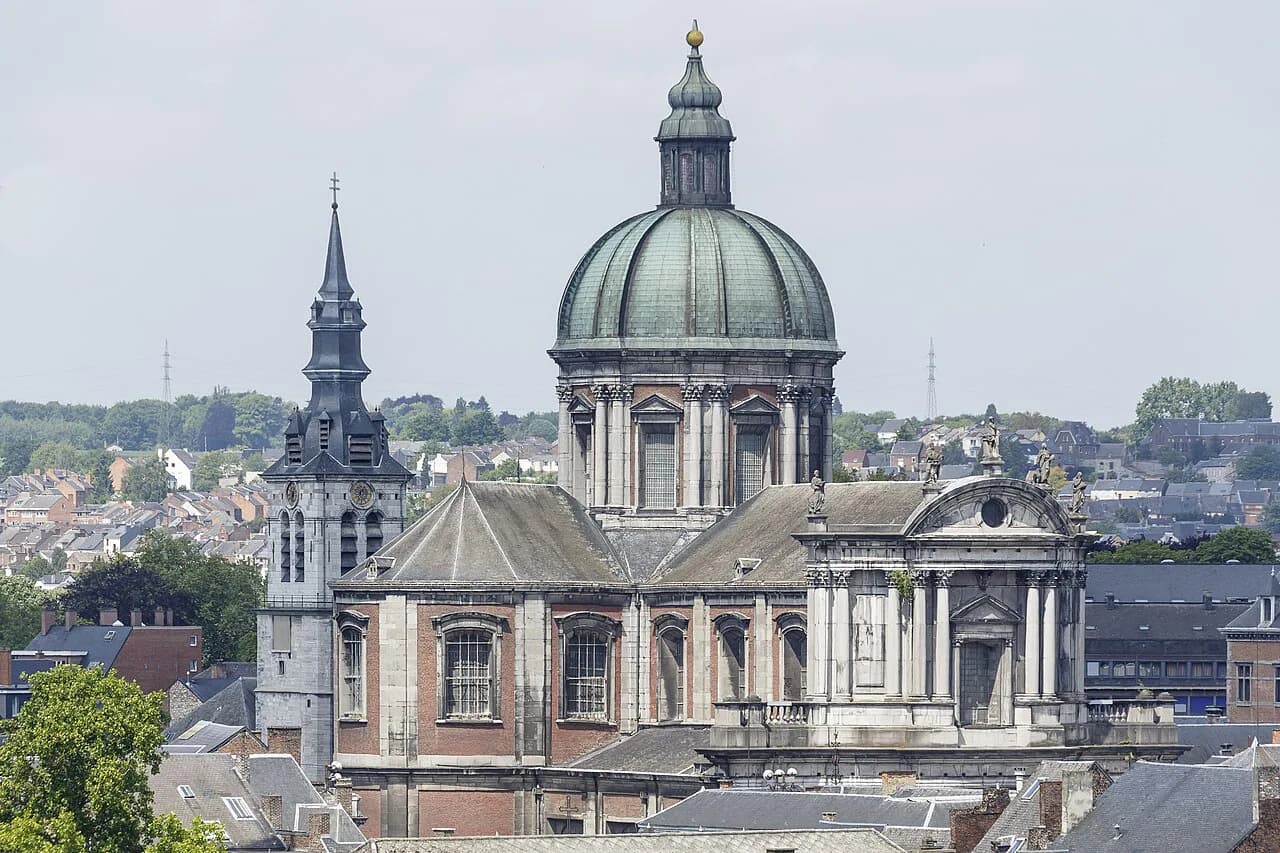
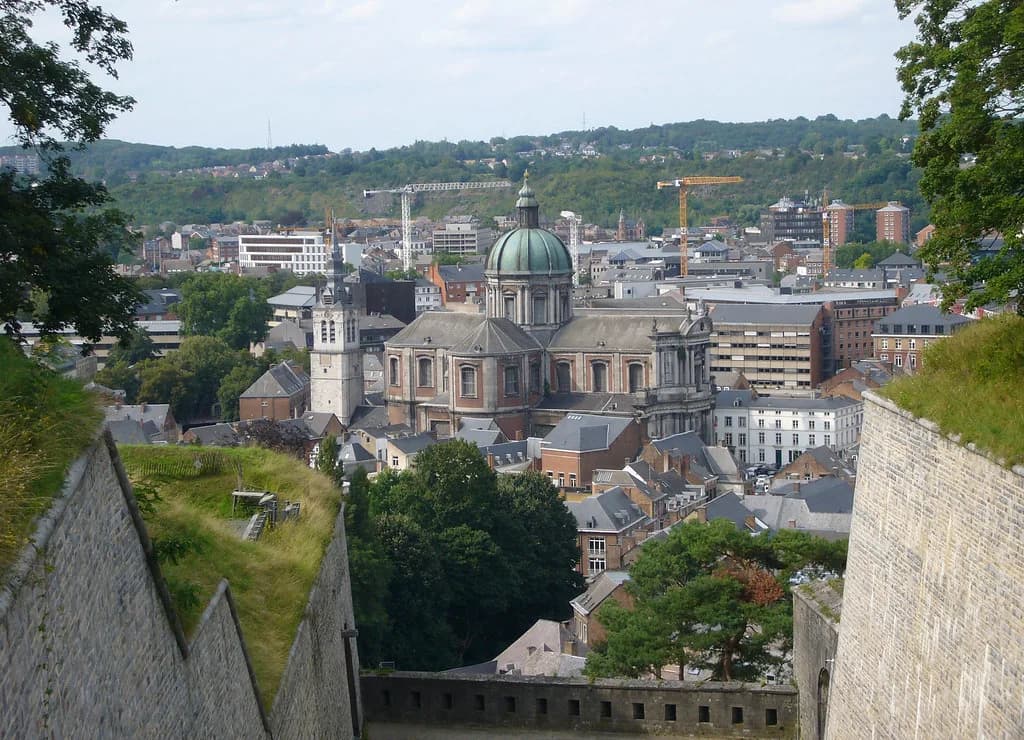
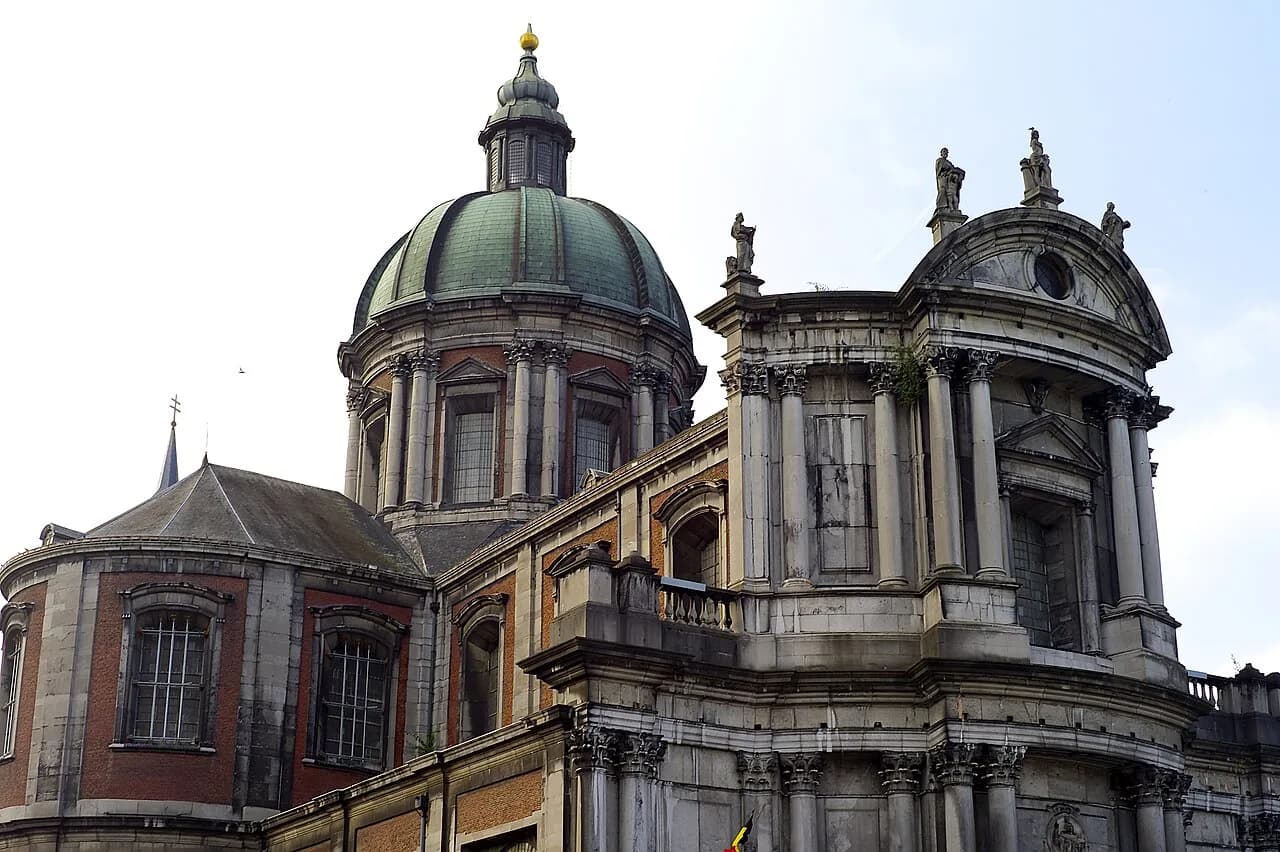
Namur's centre is walkable, and the museums slot into a loop rather than demanding separate trips. Start at Les Bateliers by the station, walk into the old town past the cathedral and the shopping streets, then take the climb to the citadel for the Pavillon and the views over the Sambre and Meuse.
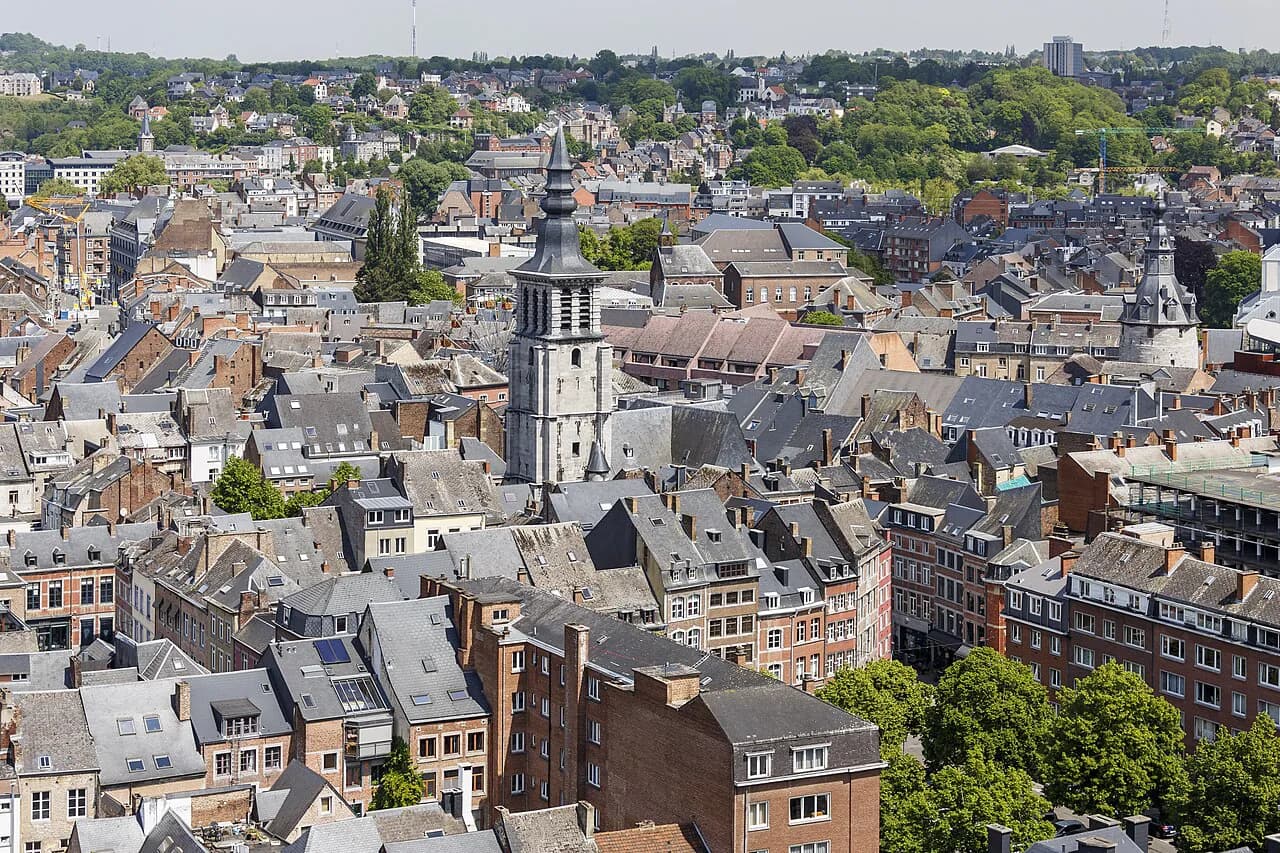
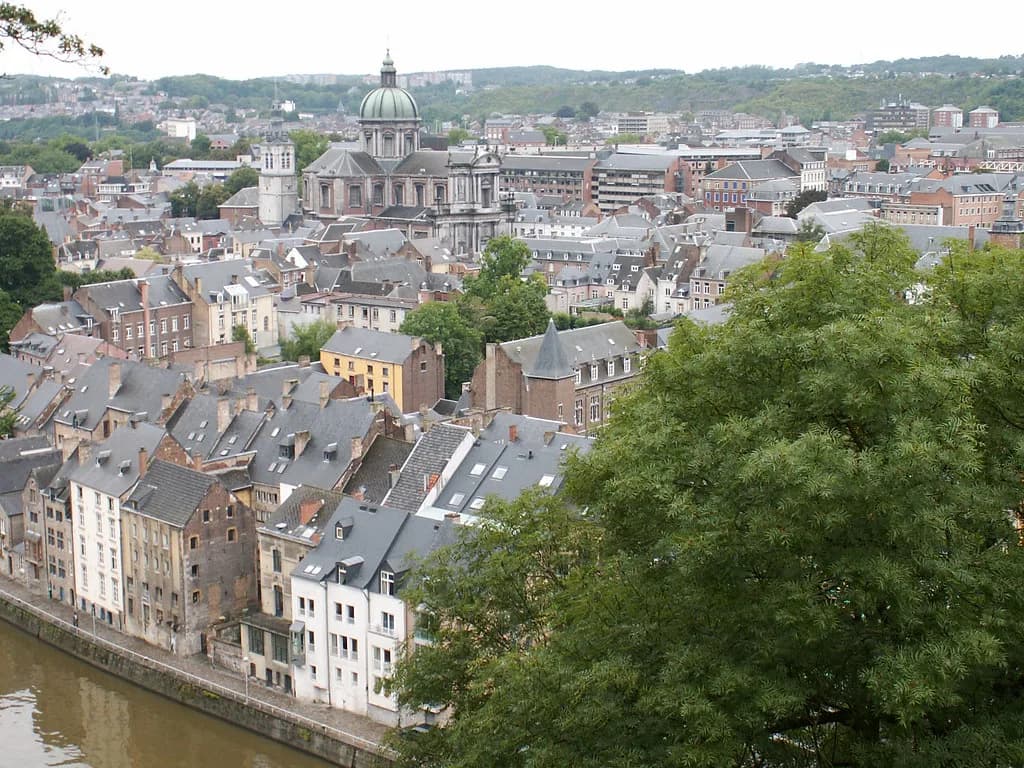
The fortress above town dominates the city and rewards the walk up even if you skip the museum at the top, and the Esplanade gives the clearest sense of how the rivers wrap around the town. For more on how the city's architecture grew up around that strongpoint, see our Namur Architecture guide. The old town below repays a slow wander for its stone facades and steep side streets, and the broader picture of how the city grew around its fortress sits well alongside a museum morning. Save the Rops museum for the return leg, when you are back at street level with time before dinner.
How to build a rainy-day museum day in Namur
A wet day in Namur is easy to fill because the museums sit close enough to move between without a bus. Take Les Bateliers first because it opens from Tuesday to Sunday and is free, then walk to the Musée Félicien Rops for the afternoon; that pairing covers decorative arts, archaeology and a provocative print collection without any backtracking.
Keep the Pavillon as a citadel-weather option rather than a rain plan, since reaching it means a climb and its Wednesday-to-Sunday, midday-to-six pattern limits when it can fit. If your visit falls on a Monday, expect a thin museum day and shift your plans towards walking the streets and squares instead.
Which museum suits a short break and which needs more time
For a one-day visit, choose Les Bateliers and the Musée Félicien Rops; together they take about two and a half hours and leave the afternoon for the citadel. The Pavillon suits anyone with a spare hour on the esplanade or a specific interest in digital and contemporary work.
With two days, add the Pavillon and give the Rops collection a slower pass; the museum's prints and caricatures reward close attention more than a bigger building would. If you are weighing Namur against a larger Belgian city, the scale here favours depth over breadth, which is the opposite of what you get from the museums in Antwerp.
Which two museums to pick for a Namur weekend
Les Bateliers and the Musée Félicien Rops make the strongest pair for a short break: free, central and different enough to avoid repetition. Add the Pavillon if your dates include Wednesday to Sunday and you fancy the climb to the citadel esplanade.
Build the day around opening days rather than distances, since everything is close together in Namur. A quick look at the Pavillon's current exhibition before you travel is the one check worth making, because its programme changes with the season.
Explore more Namur guides
Sources
Useful notes for your next trip
Optional updates to our guides.
You might also like
Continue reading
More guides you'll find useful