Namur Cathedral: Visiting Saint-Aubain in Namur
Namur's cathedral, Saint-Aubain, is Belgium's only cathedral in academic Late Baroque style. Here is what to look for inside and how it fits a city break.
On this page
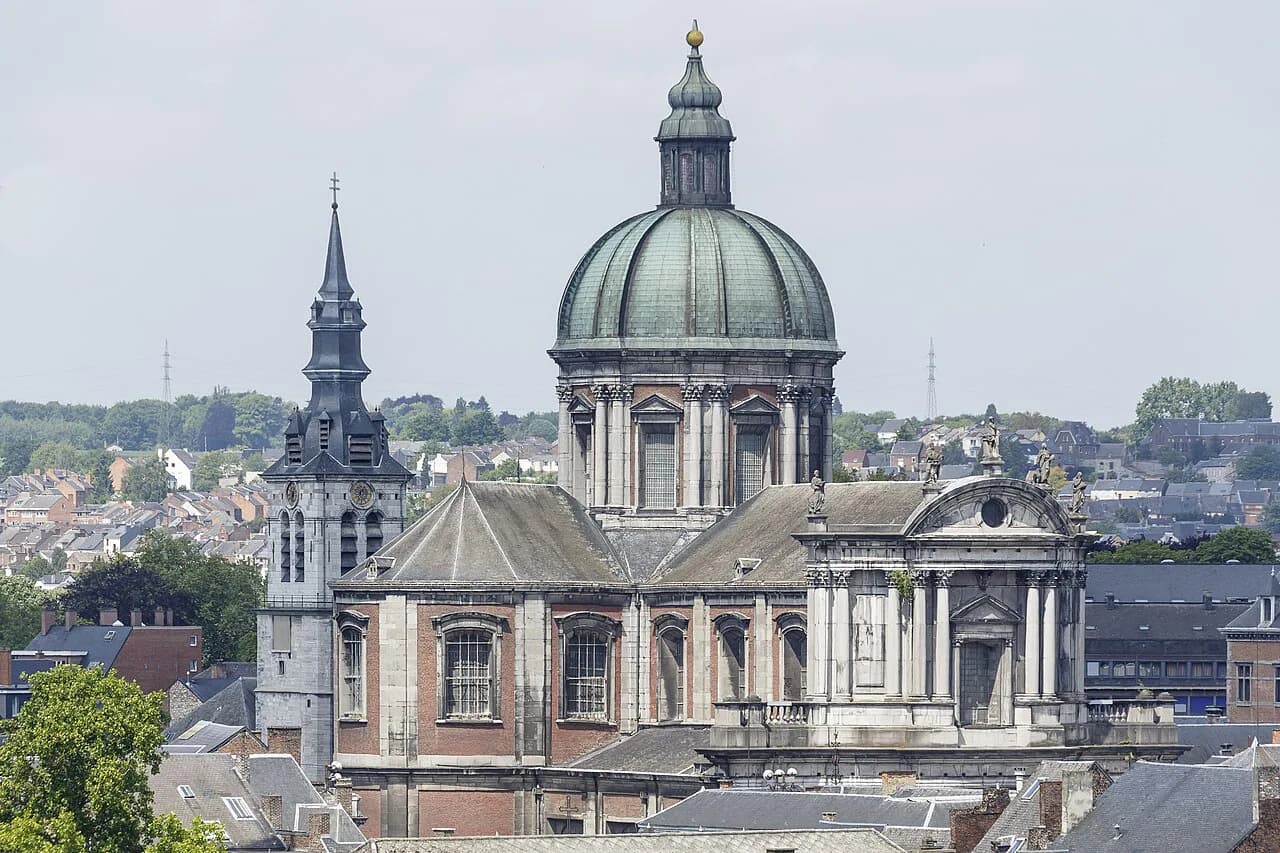
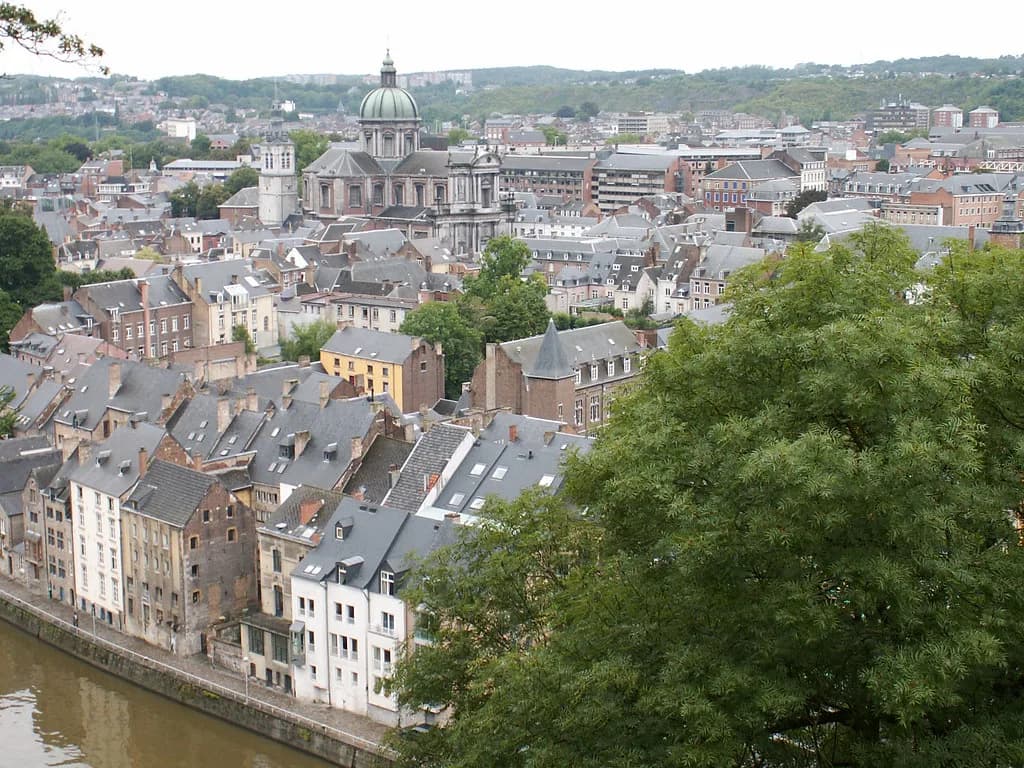
Namur's cathedral is Saint-Aubain (Cathédrale Saint-Aubain), and it is the only cathedral in Belgium in academic Late Baroque style. The eighteenth-century building makes a striking contrast with the Gothic cathedrals most visitors have already seen elsewhere in Belgium. This guide covers what Saint-Aubain is, why it looks the way it does, and how to slot it into a one- to four-day Namur break.
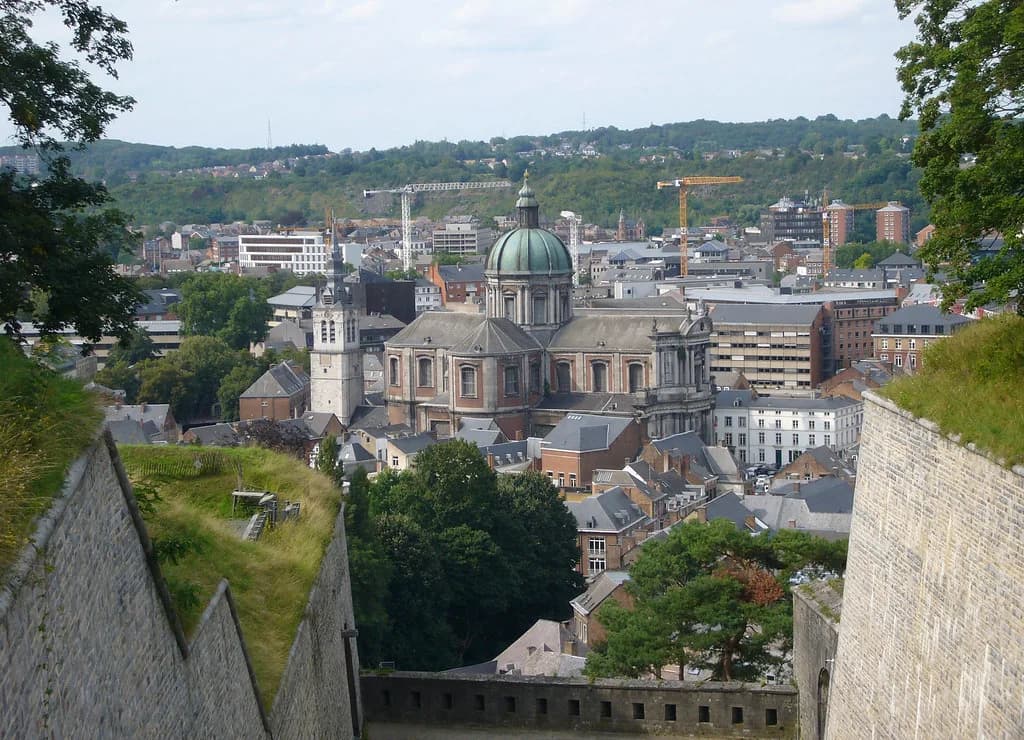
Saint-Aubain sits within the compact centre of Namur, close to the confluence of the Sambre and the Meuse, which puts it naturally on a route between the old town streets and the climb to the Citadelle de Namur. Treat it as a twenty- to thirty-minute stop, and pair it with the city's museums and architecture rather than making it the sole reason for your visit.
What Namur cathedral is and where it stands in the city
Saint-Aubain is a Catholic cathedral and the seat of the Diocese of Namur, which serves the Walloon city and its surrounding region. It dates from the eighteenth century. That dating matters: this is not a medieval survivor but a later, deliberately classical statement.
The cathedral stands in the centre of Namur, within reach of the old town and the riverfront, and it works best as one element of a loop rather than a standalone outing. Walk the old town streets first, look into Saint-Aubain, then continue towards the Citadelle. The city's collections are close enough to combine with the same afternoon, so it helps to look at Museums in Namur before you set out.
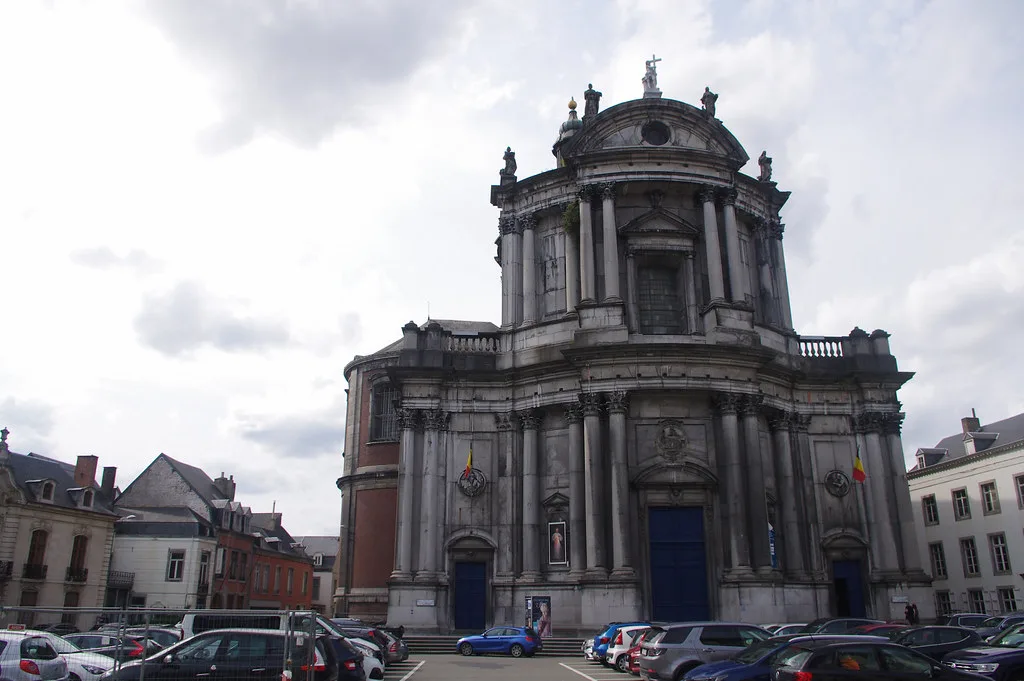
Why Saint-Aubain looks different from Belgium's Gothic cathedrals
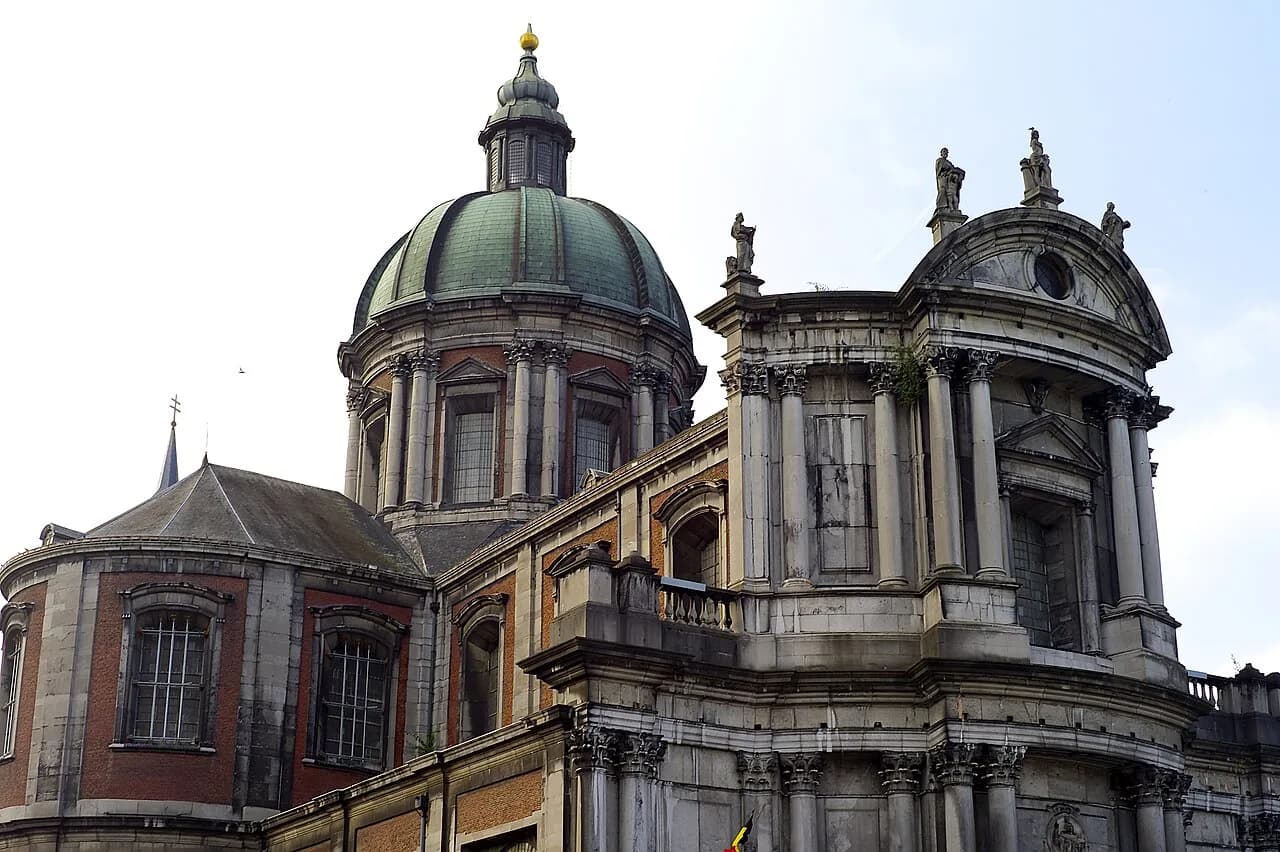
Belgium is known for Gothic cathedrals with pointed arches, flying buttresses and towering spires. Saint-Aubain breaks that pattern, built instead in academic Late Baroque style, a restrained classical idiom that favours symmetry and orderly façades over soaring verticality. If you have already seen the great Gothic cathedrals of Belgium, the contrast is immediate.
Approach it expecting elegance and order rather than drama and height. That difference is the main reason to include Saint-Aubain in a Namur itinerary: a cathedral that reads as architecture of the Enlightenment rather than the Middle Ages.
The Late Baroque exterior: what to look at before you go in
Before entering, walk the length of the exterior and read it as a classical composition. Compare its order and restraint with the busy carving you may have seen on Gothic churches earlier in your trip.
Step back across the surrounding street or square to see the façade as a whole before you examine the detail. The exterior rewards a slow look, so take the time to see the whole composition before you head inside.
Inside Saint-Aubain: the eighteenth-century interior
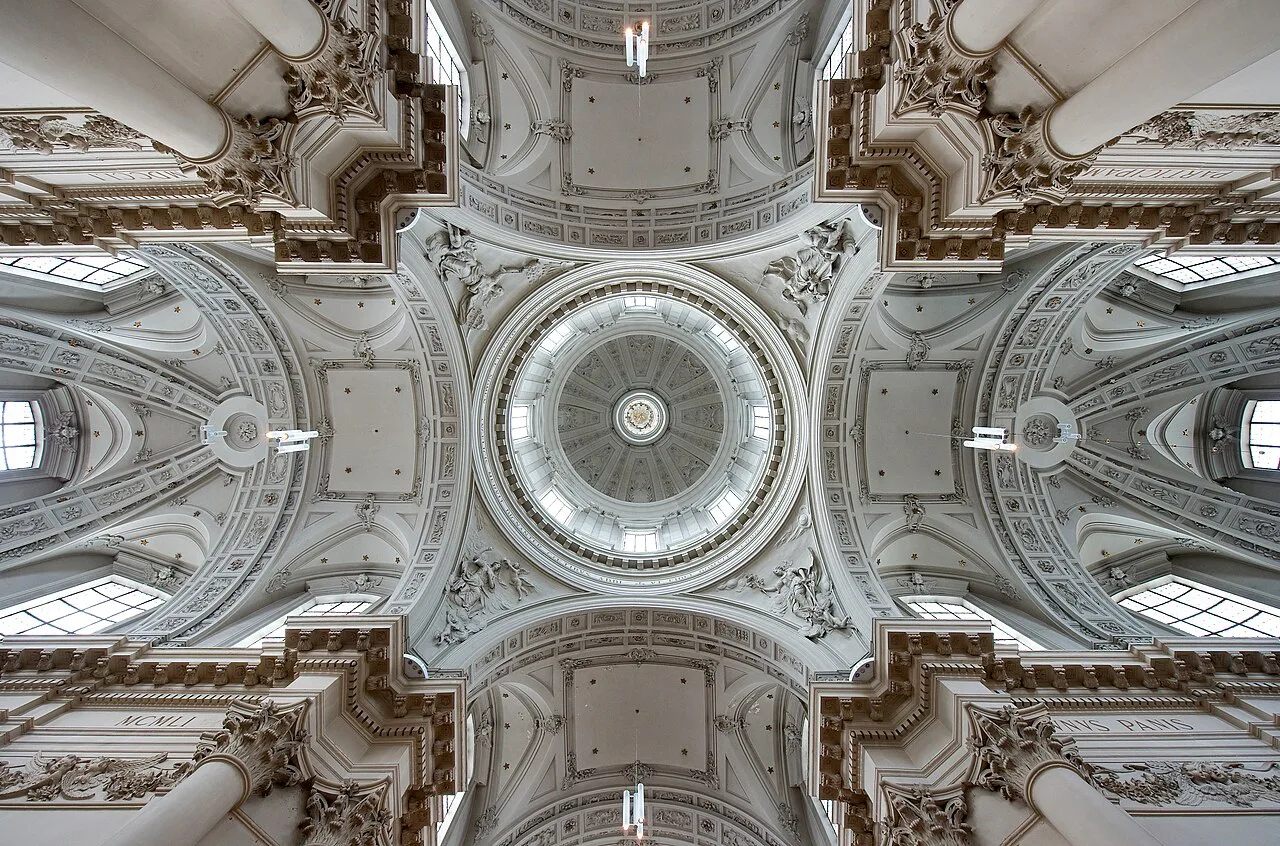
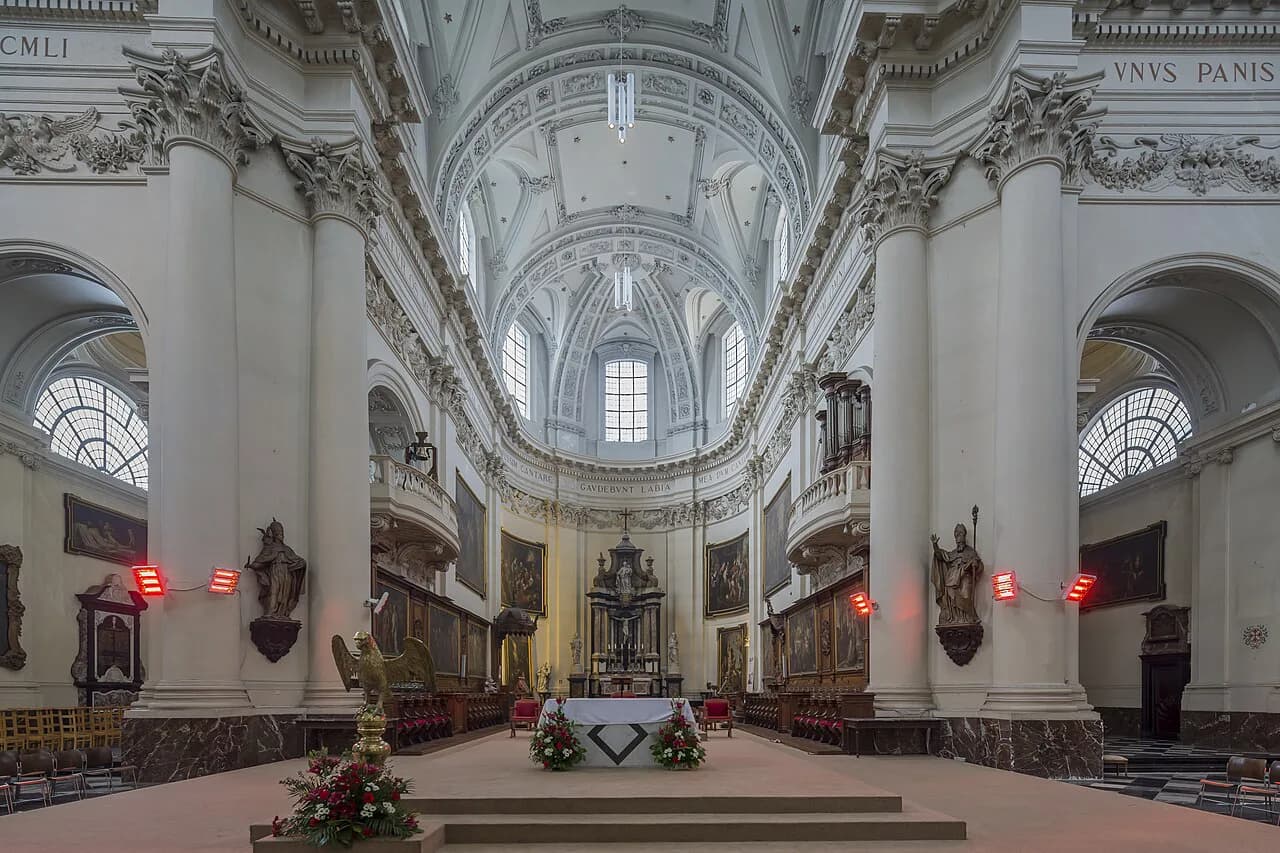
Inside, Saint-Aubain is an eighteenth-century interior rather than a medieval one, so read it as a classical, designed space rather than a collection of Gothic furnishings.
Approach the interior as a single planned space rather than a checklist of separate objects. The exterior and a walk inside are enough if you are short on time.
Saint-Aubain as the seat of the Diocese of Namur
Saint-Aubain is not only a historic building but a working cathedral, and that shapes how you should behave inside. Keep voices low, avoid photographing during services, and remember that parts of the building may be in use even when the doors are open.
A cathedral that still functions as a diocesan seat carries a different atmosphere from a deconsecrated monument, and it places Saint-Aubain in the life of Namur rather than only in its architectural history. Approach the building as both heritage and place of worship.
Combining the cathedral with the Citadelle and the old town
The strongest way to see Saint-Aubain is as the hinge of a walk. Start in the old town, visit the cathedral, then continue towards the Citadelle de Namur; on the way back, the riverfront gives you the view across the Sambre and the Meuse. Reading about Namur Architecture before you go helps you notice the contrast between the classical cathedral and the military stronghold above the city.
The same afternoon can absorb the cathedral and a museum or two, and the city's collections give context to its religious and civic history. If you prefer to lead with art, read up on Namur's art scene before you set out so the galleries slot into the same central circuit.
For the broader framing, a short read on Namur history before you arrive makes the cathedral legible in a way that a quick look cannot. The city's position at the meeting of two rivers and its long military role explain why a Baroque cathedral sits so close to a fortress hill.
How long the cathedral needs in a one- to four-day Namur break
Allow a short stop for Saint-Aubain: a little time outside for the exterior, and a walk inside. That is enough to read the façade and see the nave. In a one-day Namur stop, the cathedral fits neatly between the old town and the Citadelle and should not crowd out the museums or the riverfront.
On a two- or three-day break, see Saint-Aubain in the morning and spend the afternoon in the museums or on the Citadelle. On a four-day visit, you can use it as a quiet pause between larger sights. Either way, it is a short stop rather than a half-day destination.
Is Saint-Aubain worth a stop on your Namur itinerary?
Yes, if you are already walking between Namur's old town and the Citadelle. Saint-Aubain is the only cathedral in Belgium in academic Late Baroque style, and that alone makes it a worthwhile short stop for anyone interested in architecture.
Build your day around the walk rather than the cathedral alone: old town, Saint-Aubain, the Citadelle, and a museum if time allows. That sequence gives you the city's layers in the right order and keeps the cathedral in proportion.
Explore more Namur guides
Frequently Asked Questions
Is Namur cathedral the biggest cathedral in Belgium?
No. Saint-Aubain is not Belgium's largest cathedral, and it is not presented as such. Its distinction is stylistic: it is the only cathedral in Belgium in academic Late Baroque style, which is a different claim from size.
What language is spoken in Namur?
Namur is in Wallonia, the French-speaking region of Belgium, so French is the everyday language. The city's name in Dutch is Namen, and you may see both on signs and maps. English is widely understood in visitor-facing places.
Sources
Useful notes for your next trip
Optional updates to our guides.
You might also like
Continue reading
More guides you'll find useful