Belfry of Namur: The Tour Saint-Jacques Visitor Guide
The Belfry of Namur, or Tour Saint-Jacques, is a 20-metre tower built in 1388 and named the city's belfry in 1746. Here is what to see and how to fit it in.
On this page
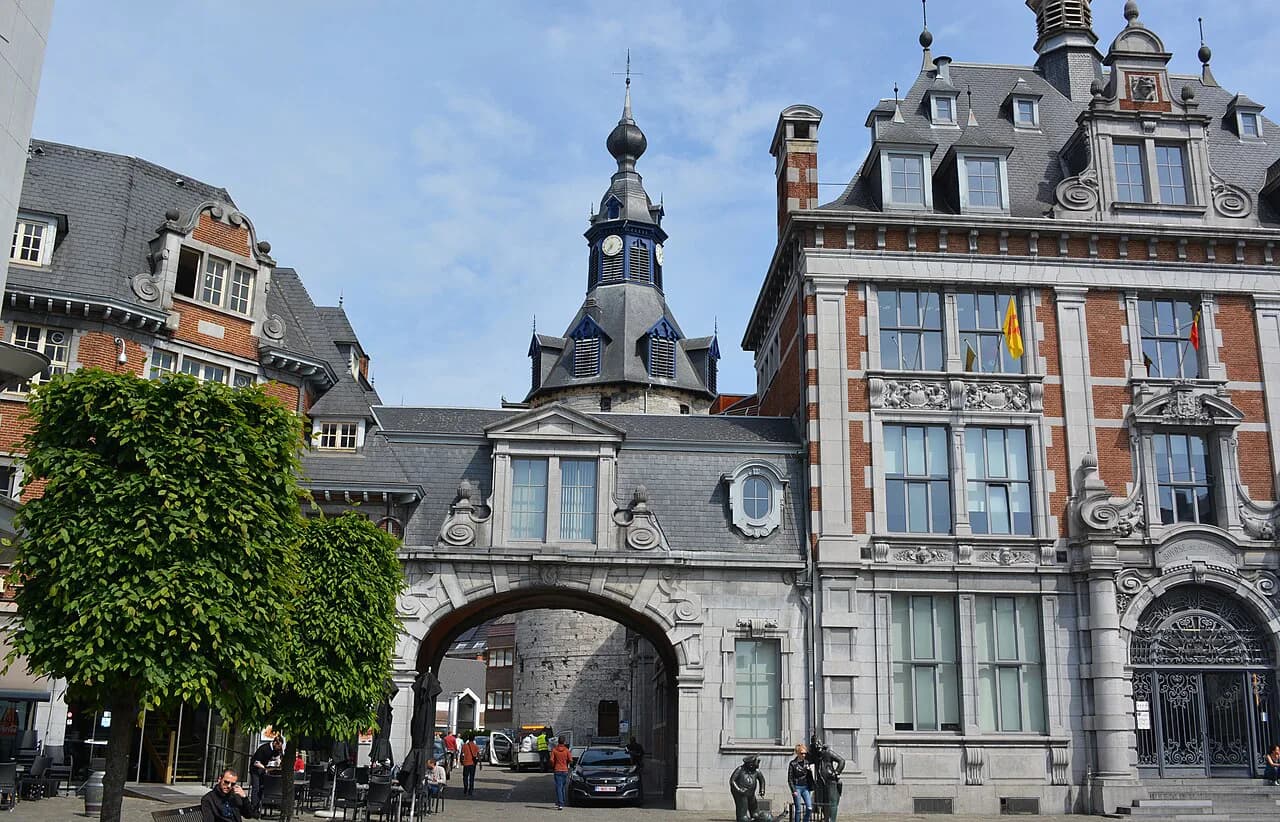
The Belfry of Namur is the Tour Saint-Jacques, a 20-metre tower built in 1388 and only designated as the city's belfry in 1746. It is a short exterior stop rather than a full attraction, and it sits naturally on a walk between the citadel hill and the Sambre and Meuse confluence. This guide covers what the tower is, the long gap between its construction and its promotion to belfry, what the stonework shows, and how to fold it into a half-day route through the old town.
Plan it as one item in a circuit of the centre rather than a destination in its own right: the tower is a brief exterior look, and you will spend far longer on the climb to the citadel. Namur is compact and mostly walkable, so the belfry fits between the shops and the river quays without any transport at all.
What the Belfry of Namur is
The tower is also called the Tour Saint-Jacques, and Visit Wallonia dates its construction to 1388, when it stood about 20 metres tall. It owes its present name to a decision taken centuries later, not to the original build. For most of its life it was simply a tower in the town.
That makes Namur's belfry an unusual one to visit. It was not built as a civic showpiece but became one by inheritance, and its story is about adaptability, survival and a change of role. Read it that way and a brief stop becomes more interesting than the masonry first suggests.
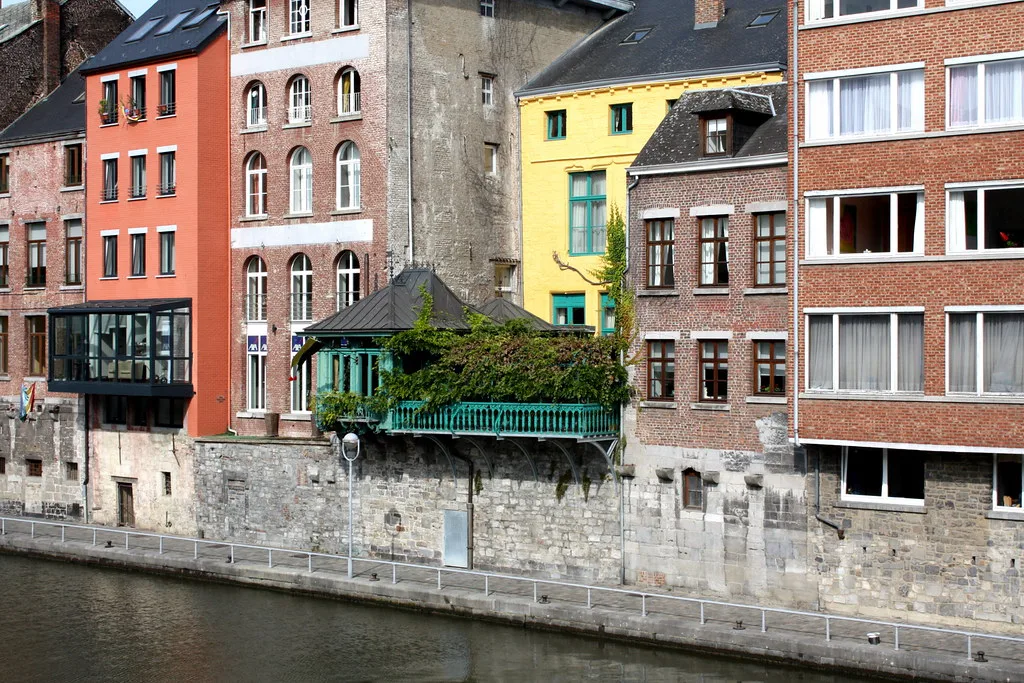
Why a 1388 tower only became the belfry in 1746
In 1746, after Namur was besieged and the church that held the belfry role was destroyed, the Tour Saint-Jacques was chosen to serve as the city's official belfry. That is a gap of 358 years between the tower going up and the title arriving. The delay tells you something about how civic and religious functions shifted in a fortified border town.
Bear the sequence in mind as you look at the tower. The structure you see was not built to be a belfry; it inherited the job when the previous holder was lost. That inheritance, rather than any grand design, is what makes it worth a few minutes of your attention.
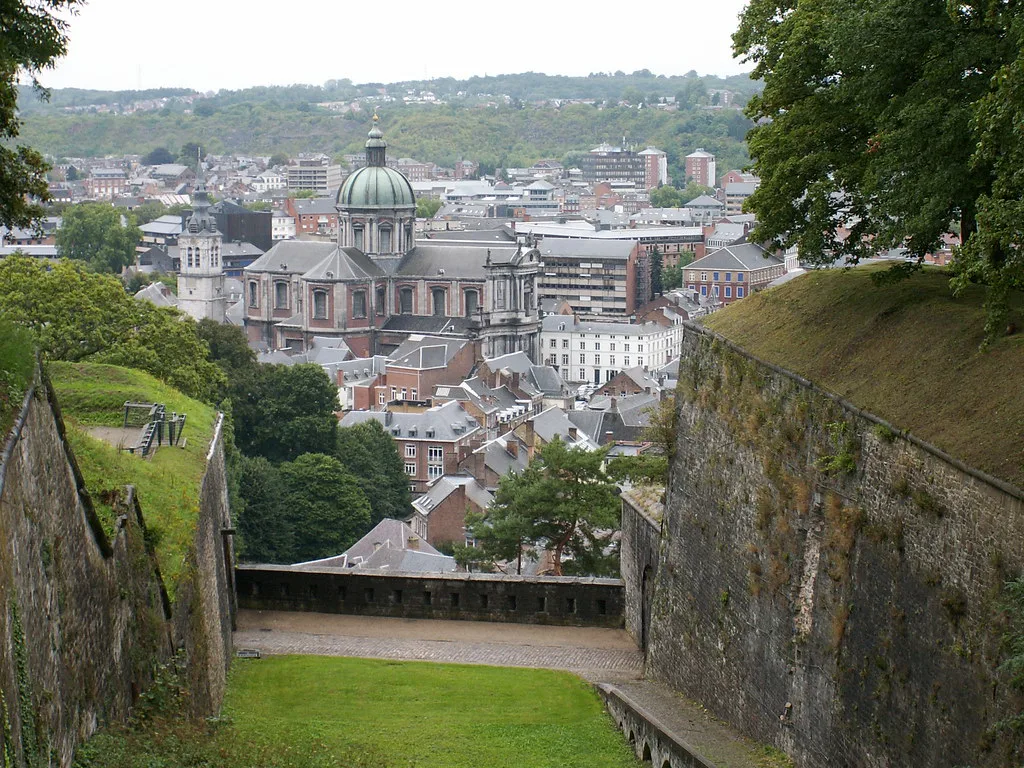
Where it stands in Namur
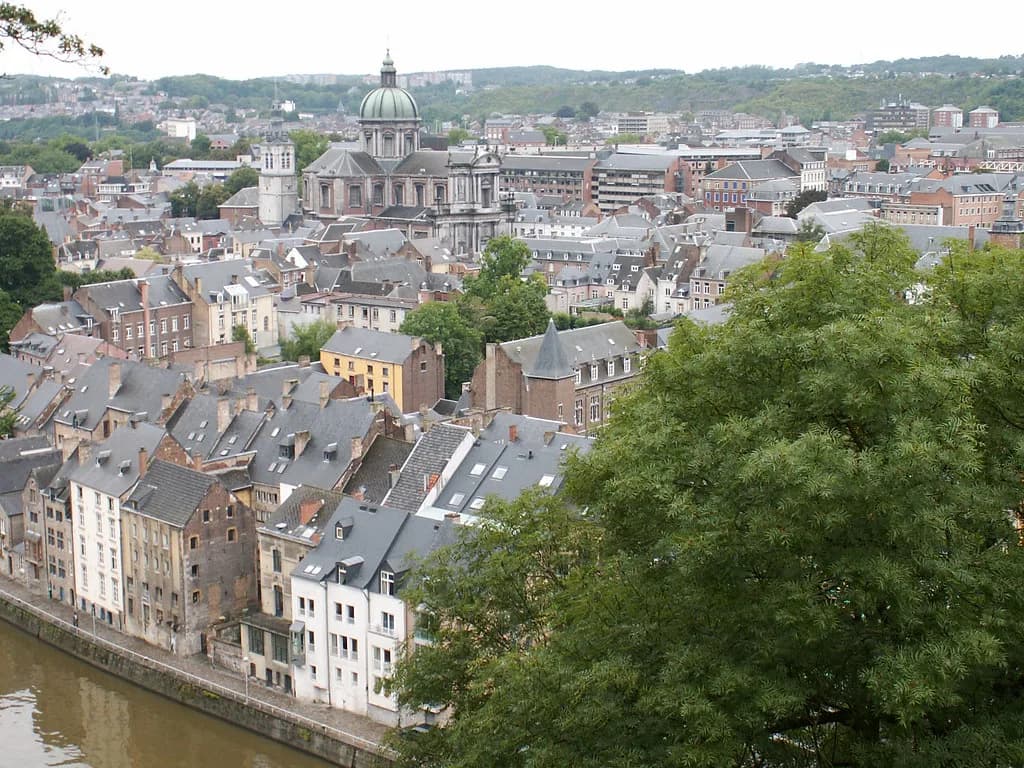
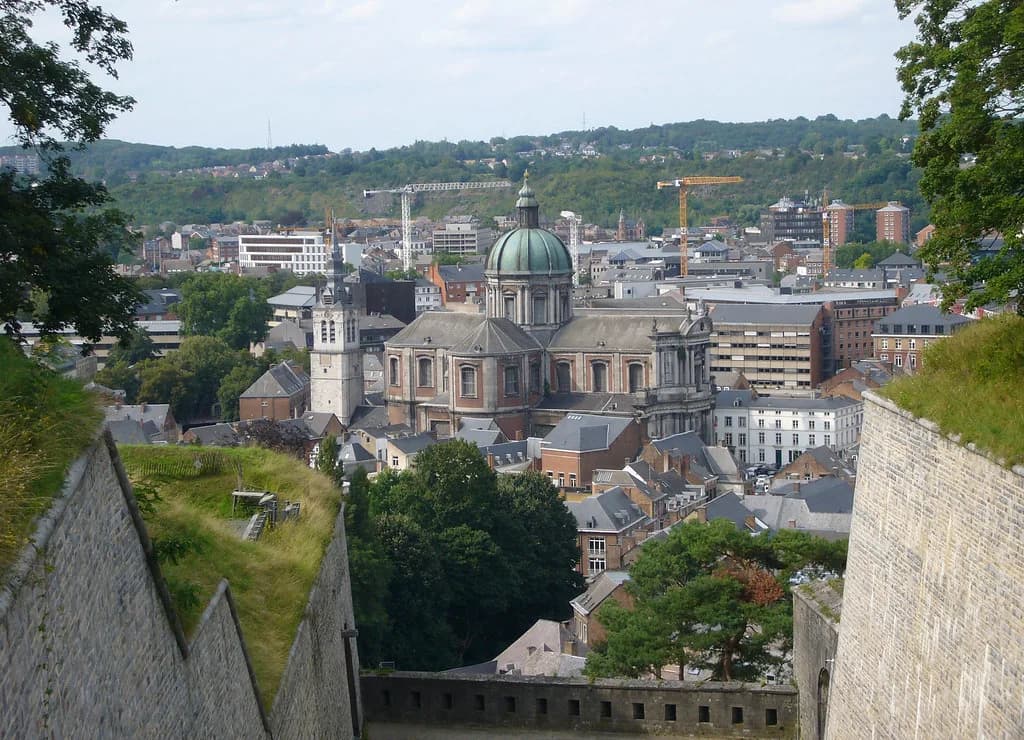
Namur sits at the meeting of the Sambre and Meuse rivers, and the town centre spreads below the rocky promontory that carries the citadel. The old town is small enough to cross on foot, with the river quays and the shopping streets within easy reach of each other. The belfry belongs to that compact historic core rather than to a distant suburb.
French is the everyday language in Namur. Approaching from the station, the Art Deco streets around Rue des Croisières and Rue des Carmes form a natural first stretch into town, and if you orient yourself by the two rivers and the citadel above, the centre makes sense quickly.
Its place on the UNESCO list of Belfries of Belgium and France
Visit Wallonia presents Namur's belfry in the context of the Belfries of Belgium and France, the cross-border UNESCO World Heritage listing that gathers towers of this kind from both countries. Namur's is one of a much larger family, most of them far better known than this one. Treat that status as context rather than a promise of a visitor centre or a display.
For anyone working through the Belgian belfries, Namur is an easy one to add while you are in Wallonia for other reasons. It rewards a short look rather than a dedicated trip. The wider UNESCO story is best read before or after you visit, not on site.
What you see from the outside
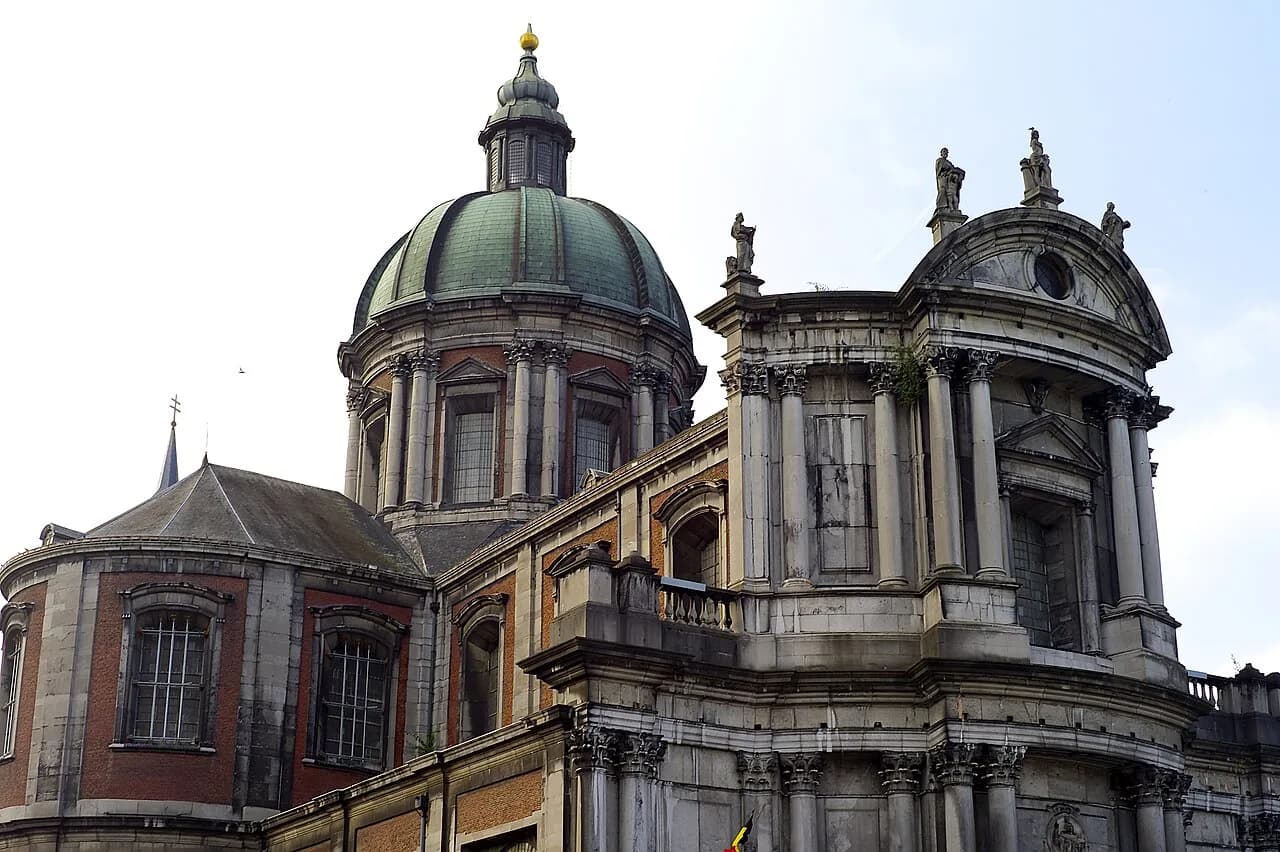
Look closely at the stonework and the tower's proportions: it is a compact, historic structure rather than a grand civic showpiece, and the interest is in reading how it has been adapted and reused over the centuries. Look up close at the surfaces, then step back for the whole silhouette against the sky.
Treat the tower as an exterior landmark and a short stop on the way somewhere else rather than a slot in the day. Pair the look with the streets around it and the river views, and plan the rest of your time around the old town, the citadel and the quays.
Combining the belfry with the citadel and the rivers
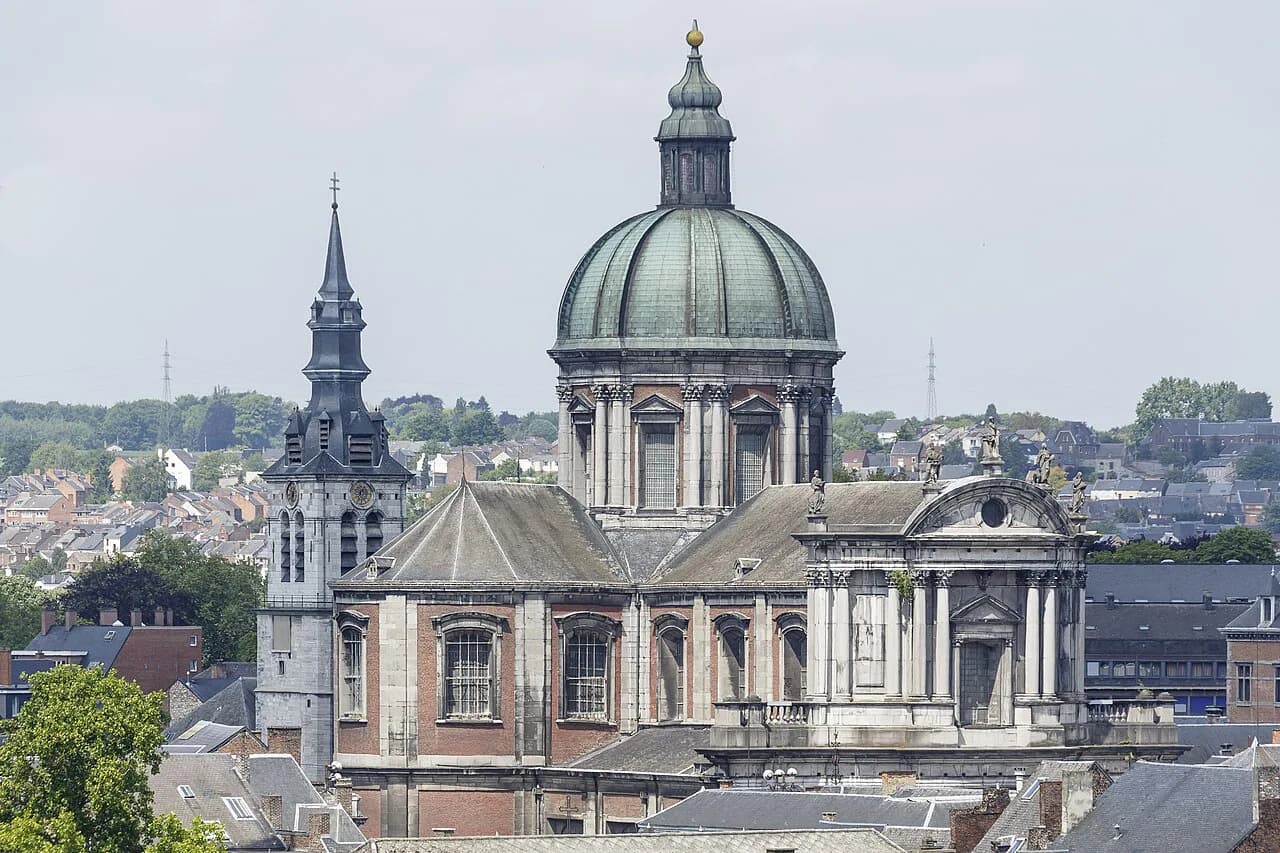
The strongest pairing is the tower with the citadel, which dominates Namur from its rock above the town. The Téléphérique de la Citadelle de Namur cable car runs from Place Maurice Servais in the historic centre up towards the citadel esplanade, crossing the Sambre on the way. It saves the climb and delivers the panorama in one move. For the practical details, see the things to do in Namur.
Back at river level, the Meuse quays give the centre its open, unhurried edge and make a natural end to the circuit. A boat tour on the two rivers is another way to see the confluence and the citadel from below. Keep the belfry as the short stop between the two halves of that day.
Pacing the old town on foot: a half-day route
Start in the old town and see the belfry while you are already there, then work up to the citadel and come back down to the water. That order keeps the walking logical and avoids doubling back. The half-day is for the tower, the citadel and the quays together, not for the tower alone.
If you have a second day, add the museums and churches nearby. Musée Félicien Rops, devoted to Namur's own satirical and often provocative 19th-century artist, and the Église Saint-Loup are both central. Les Bateliers, the museum cluster, fills another slow afternoon.
Arriving from Brussels is straightforward by train, with services running roughly every half hour and taking around one to one and a half hours. That makes Namur viable as a day trip as well as a base. Two days lets you spread the citadel, the old town and the museums without a tight schedule.
Is the belfry worth a detour?
Yes, as a short stop on a walk you were already taking. The Tour Saint-Jacques does not justify a journey on its own, but its 1388 fabric and the 1746 handover make it a genuinely interesting few minutes on the way between the old town and the citadel.
Build it into a half-day that also takes in the Citadel of Namur and the riverside quays, and you get the best of the centre without padding the day. If you are still deciding whether Namur earns a place on your itinerary, weigh the citadel and the rivers as much as the tower itself.
Explore more Namur guides
Frequently Asked Questions
How tall is the Belfry of Namur?
Visit Wallonia gives the Tour Saint-Jacques a height of about 20 metres. It is a modest tower by the standards of the great belfries, which is part of why it reads as a town landmark rather than a monument.
Why is it called the Tour Saint-Jacques?
The tower carries the name of Saint James alongside its belfry title. The belfry name only attached to it in 1746, when it took over the role from a church destroyed during a siege.
Why did the tower only become the belfry in 1746?
Until then the belfry role belonged to a church. When Namur was besieged and that church was destroyed, the Tour Saint-Jacques, standing since 1388, was chosen to take over as the city's official belfry.
Sources
Useful notes for your next trip
Optional updates to our guides.
You might also like
Continue reading
More guides you'll find useful