Namur Old Town: What to See in the Historic Centre
Plan a walk through Namur old town, from the Citadel cable car down to the Sambre and Meuse waterfront, with the streets, squares and sights worth your time.
On this page
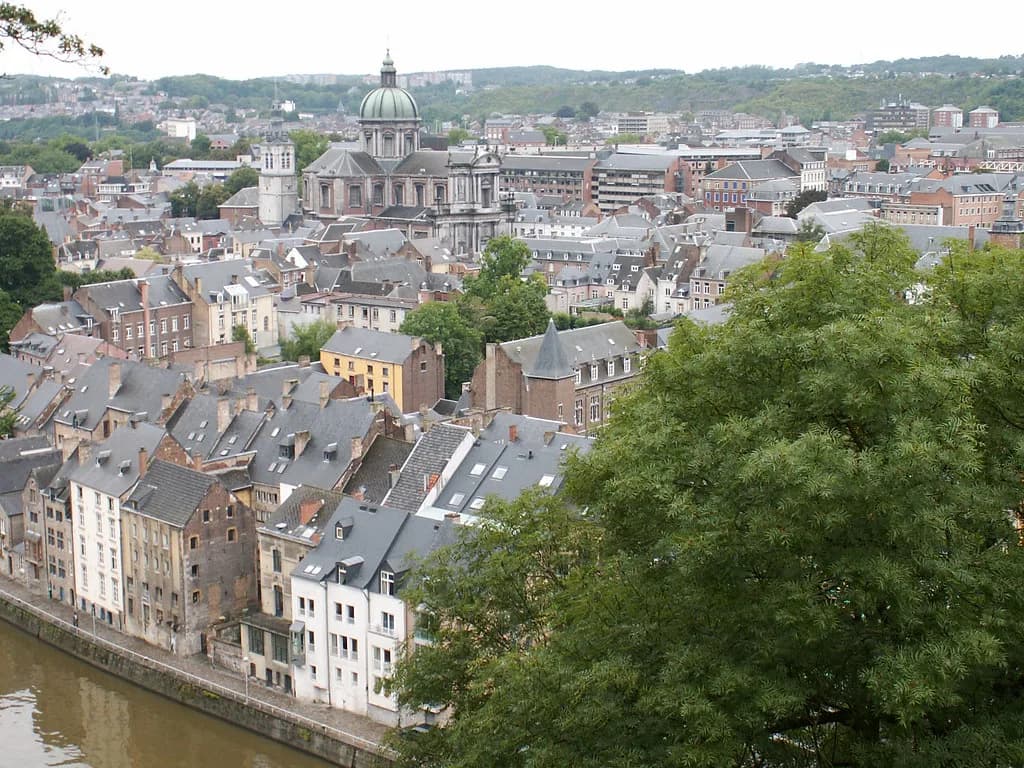
Namur old town needs about half a day on foot, or a full day if you add the Citadel and one museum. The centre is compact and walkable, but it works on two levels: the Citadel crowns the hill above, while the old streets, Place d'Armes and the two rivers lie below, so plan the climb or cable car once rather than going back and forth. This guide sets out the layout, a walking order and the sights that earn a stop.
The tourist office names the Citadel of Namur, the cable car, Place d'Armes, the Reine Fabiola Attraction Park, Parfumerie Guy Delforge and the Les Bateliers museum complex as the anchors of a visit.
Where Namur old town sits between the Citadel and the river
Namur is the capital of Wallonia, and the tourist office describes it as a city of rich heritage and generous gastronomy. The historic centre packs the Citadel, the old streets and the riverbanks into a small area, so a single loop covers most of it. That compactness is what makes a visit easy on foot.
If you are coming from Brussels, Namur works as a straightforward day out by rail or as a two-night base for Wallonia. Treat the old town as one loop rather than a list of separate sights, because the distances between Place d'Armes, the riversides and the Citadel footpaths are short enough to link on foot.
How the centre is laid out: upper Citadel, lower town and old streets
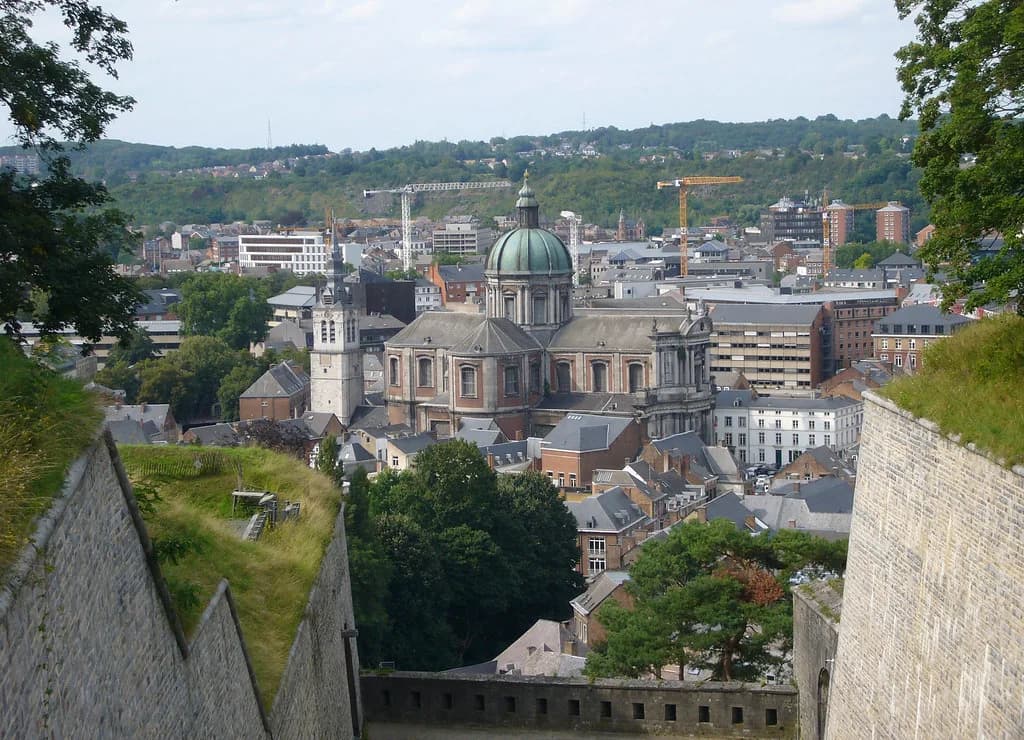
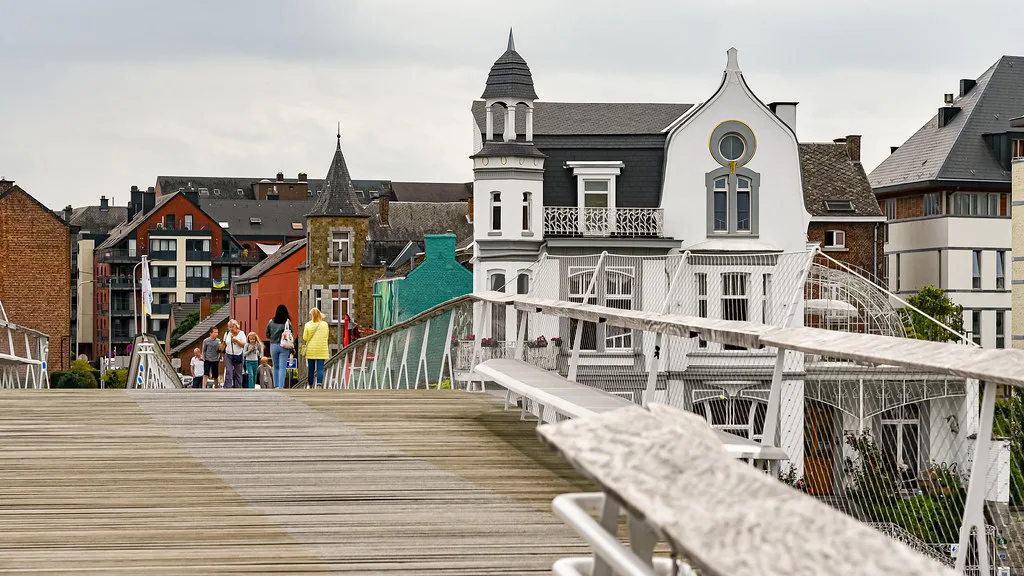
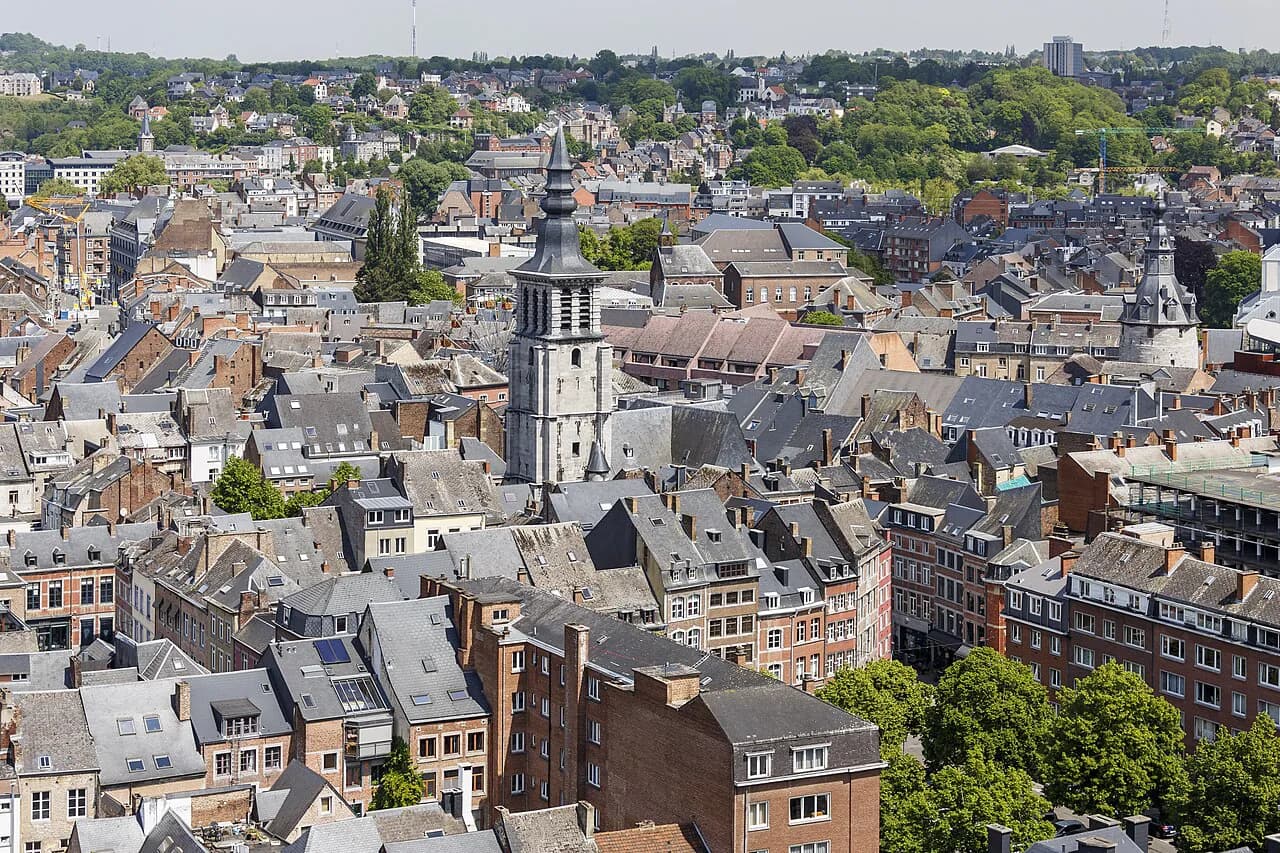
Think of Namur in three layers. The Citadel occupies the high ground, with ramparts, viewpoints and the Great Underground Passages cut into the rock below. The lower town holds Place d'Armes, the shopping streets and the old-town lanes. The waterfront along the Sambre and Meuse forms the third layer, where quays and cruise moorings give you the long view back up to the fortifications.
Place d'Armes is the practical centre of the lower town, and the tourist office lists it as the location for the KIKK digital culture festival, which tells you how central and open the square is. Use it as your orientation point: streets run off it towards the rivers and up towards the Citadel paths.
A walking route: cable car up to the Citadel, then downhill into the old town
Start at the cable car, ride up to the Citadel and walk the ramparts first, when your legs are fresh and the light is even. From the top, drop downhill on foot into the old town rather than riding back, so the slope works with you. Finish at the riverside for the view back up to the walls.
Build the Great Underground Passages into the same day only if you want a guided experience separate from the open ramparts. Namur's tourist office lists the passages as a guided tour, and it also lists guided tours of two artisan breweries, the Brasserie Artisanale de Namur and the Brasserie du Clocher; pick one fixed slot and arrange the walk around it.
Place d'Armes and the heart of the lower town
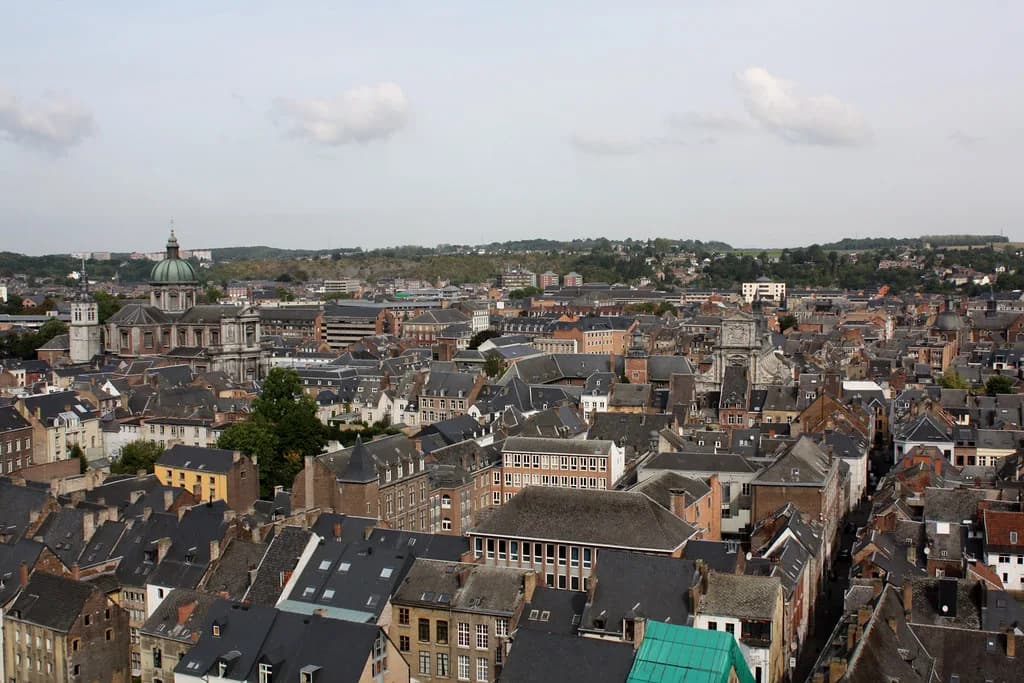
Place d'Armes is the square to build your morning around. It is a broad, open space with the old-town lanes running off it, and it puts you within a short walk of the shopping streets and the route up to the Citadel. The old town's traditional house fronts give the lower streets their character.
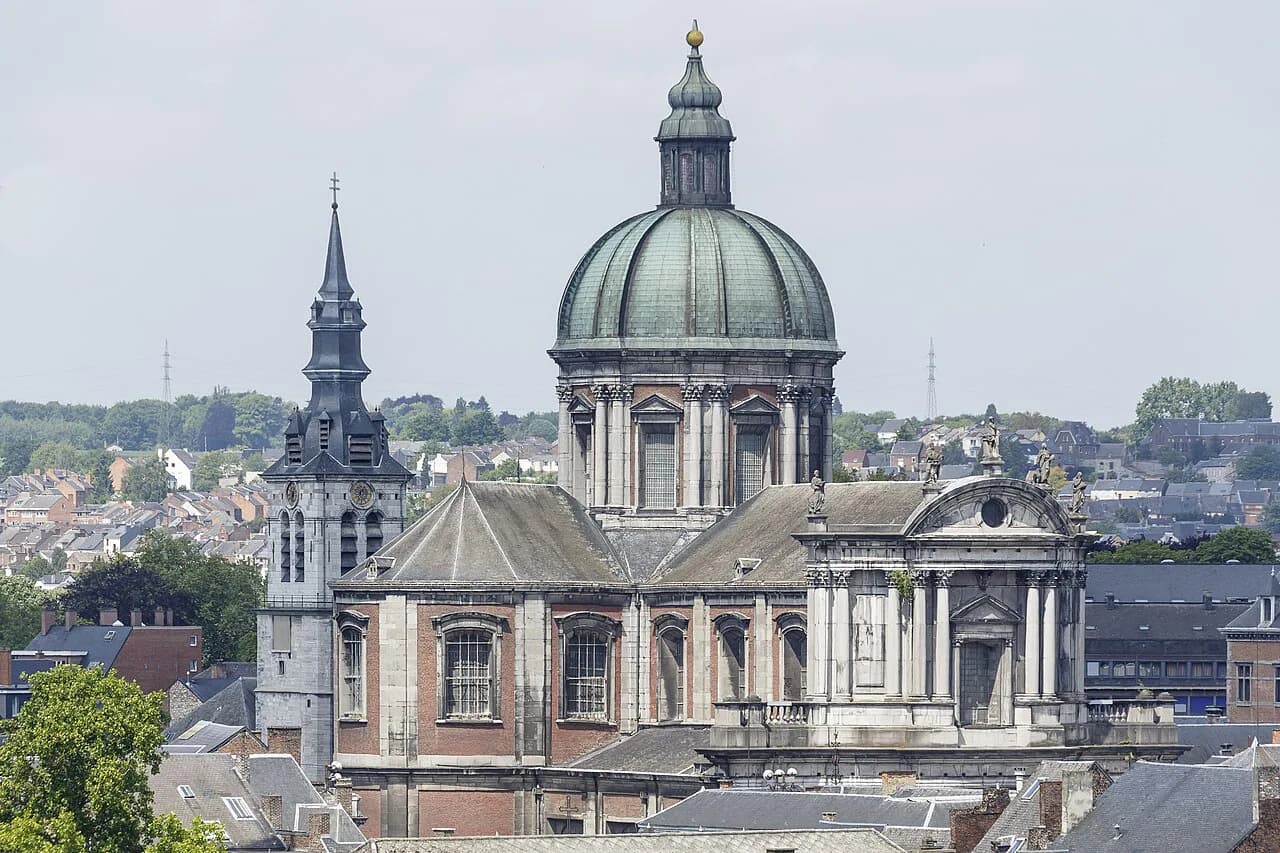
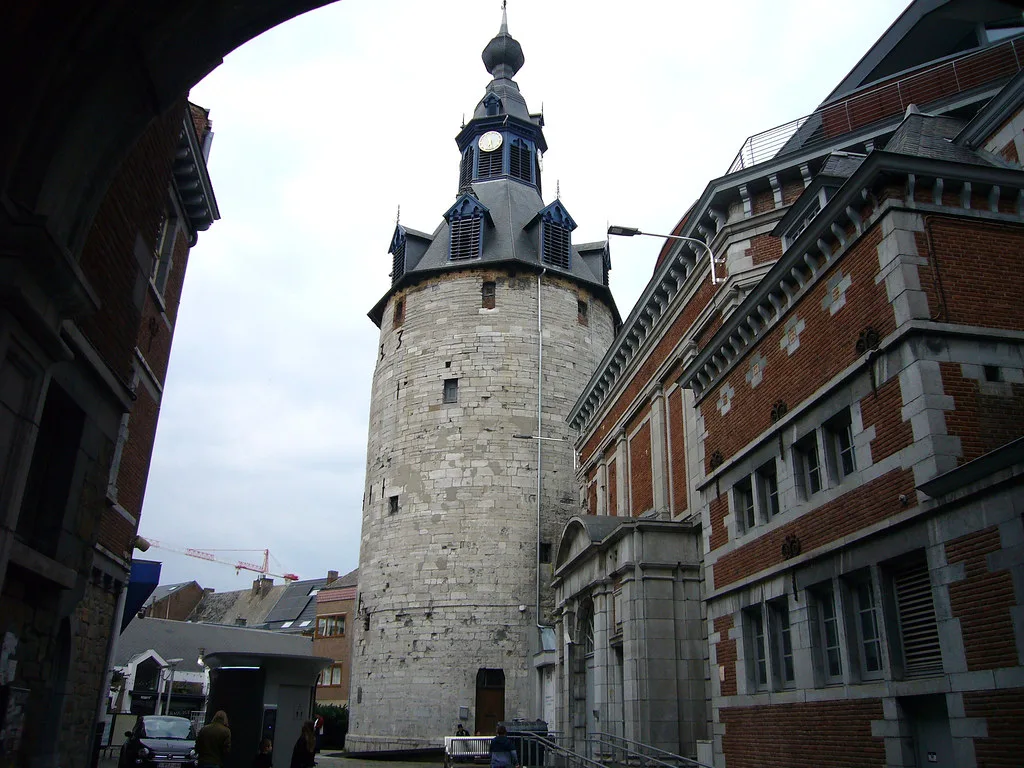
The belfry of Namur is the landmark to look for among these streets, a free-standing tower that signals you are in the historic core. Aim for it on your way between the square and the river rather than making a separate trip.
The Citadel of Namur and its underground passages
The Citadel is the reason to give Namur more than a quick stop. Its ramparts give the best views over the confluence of the Sambre and Meuse, and the Great Underground Passages offer a different kind of visit: a guided route cut through the rock rather than an open-air walk. Decide in advance which of the two you want, because they suit different moods and timings.
Take the cable car one way if the climb does not appeal, and walk the other direction. The tourist office lists the cable car alongside the Citadel as a headline attraction, so pair them rather than treating transport as an afterthought.
Cruises and the water's edge on the Sambre and Meuse
Namur's waterfront is the calm half of the old town. Cruise moorings and quays line the Sambre and Meuse, and the tourist office groups cruises and waterside activities together as a distinct part of the visit, which makes the river a sensible way to end an afternoon. A Namur boat tour gives you the Citadel from below, so plan at least one stretch of the day with nothing but the river in front of you.
Museums worth fitting in: Les Bateliers and the archaeological collection
The Les Bateliers Museum Complex is Namur's archaeological museum, and it sits on Rue Joseph Saintraint in the old town. Its 2026 programme includes a Mesolithic exhibition, which is the kind of show worth checking before you set a day around it. One museum is usually enough alongside the Citadel, so choose between archaeology and a second heritage stop rather than trying to fit in everything.
Namur's artisan breweries: Brasserie Artisanale de Namur and Brasserie du Clocher
Namur's tourist office lists guided tours of the Brasserie Artisanale de Namur and the Brasserie du Clocher, which makes the city's brewing scene something you can actually book into rather than just drink. A brewery visit breaks up the walking nicely, whether you slot it in after the Citadel or before the waterfront, and it gives you a reason to slow down for an hour.
Parfumerie Guy Delforge and other heritage stops
Parfumerie Guy Delforge is the unusual stop in Namur: a working perfumery that the tourist office lists among its attractions. It gives a different texture to a day otherwise built on ramparts and river views. Add it instead of a second museum rather than alongside one.
For the wider context of the region, Wallonia's tourist board points to the Namur area's surrounding heritage, including the local Renaissance tradition. That is useful if the old town leaves you wanting a second day in the region, without stretching the centre itself thin.
Parks and green walks around the centre
The Reine Fabiola Attraction Park gives the old town a green edge, and the tourist office lists it alongside the Citadel and cable car as a main attraction. Treat it as a breather between the lower town and the heights rather than a destination in its own right. The same listing groups gardens and parks together for walkers and cyclists, which is useful if you want to extend the day away from the streets.
How long the old town needs and how to pace a one or two-day visit
Half a day covers Place d'Armes, the old lanes, the belfry and the waterfront at a comfortable pace. Make it a full day by adding the Citadel with the cable car in one direction, and choose a single museum, brewery tour or the perfumery rather than several. A second day suits the underground passages plus a boat trip, or a slower wander with more time on the quays.
Book guided elements, such as the passages or a brewery tour, before you go and put the rest of the walk around them. These are scheduled experiences, so confirm the slot with the tourist office rather than expecting to drop in.
Is the old town enough on its own?
Namur's lower town is small and pleasant, but the Citadel above is what turns a stroll into a proper city break. Give the old town half a day and the heights another half, and you have used the city well.
Explore more Namur guides
Frequently Asked Questions
How far is Brussels to Namur?
Namur lies in Wallonia, south-east of Brussels, and the trip is usually made by train from the capital. Check the current timetable with the operator, since journey options change by time of day. Once in Namur, the old town and the Citadel are close enough to cover on foot.
What is the history of Namur in brief?
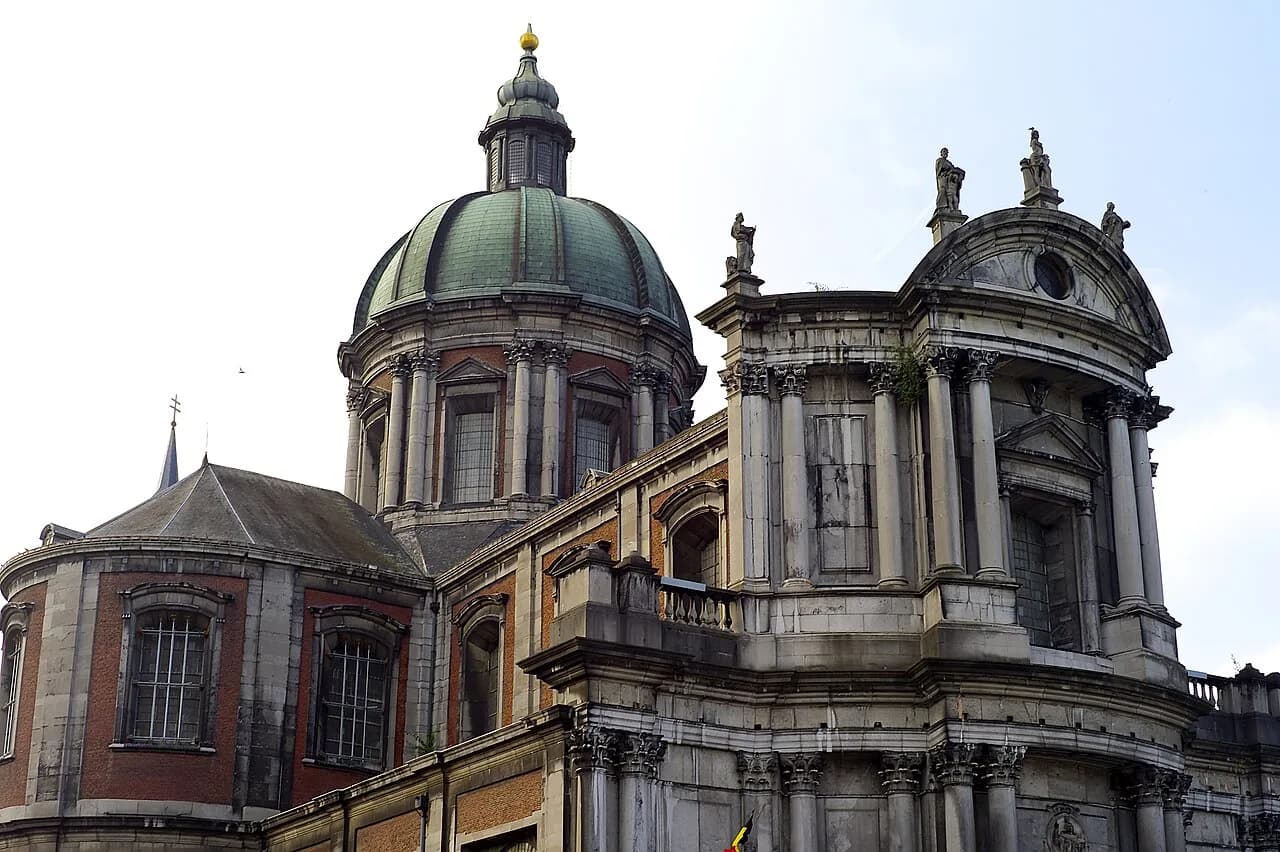
Namur is the capital of Wallonia, and the Citadel on the ridge above the old town is its dominant landmark and the reason the lower town grew where it did. The lower town clusters around Place d'Armes and the riverside streets, with the belfry and the church towers as its landmarks. Wallonia's tourist board also highlights the region's Renaissance heritage around the city.
Which medieval town in Belgium is closest in feel to Namur?
Namur is more a fortified river city than a medieval townscape like Bruges or Ghent. Its appeal comes from the two-level layout, with ramparts and underground passages above and old streets beside the water below. If you want brick guildhalls and canals, look to Bruges and Ghent; for a citadel city, Namur stands apart.
Sources
Useful notes for your next trip
Optional updates to our guides.
You might also like
Continue reading
More guides you'll find useful