Namur Beer: Blanche de Namur, Brasserie du Bocq and What to Drink
Namur beer means Blanche de Namur, a cloudy wheat beer brewed at Brasserie du Bocq near the city. Here is what it tastes like and where it comes from.
On this page
Namur beer means Blanche de Namur, a cloudy wheat beer of 4.5% brewed at Brasserie du Bocq in the village of Purnode, roughly 20 km south of the city. The beer carries Namur's name and its founding legend, but the brewery sits in the Walloon countryside rather than in the city centre. This guide covers what the beer tastes like, the story behind the name and the one city event where you can drink it with a crowd.
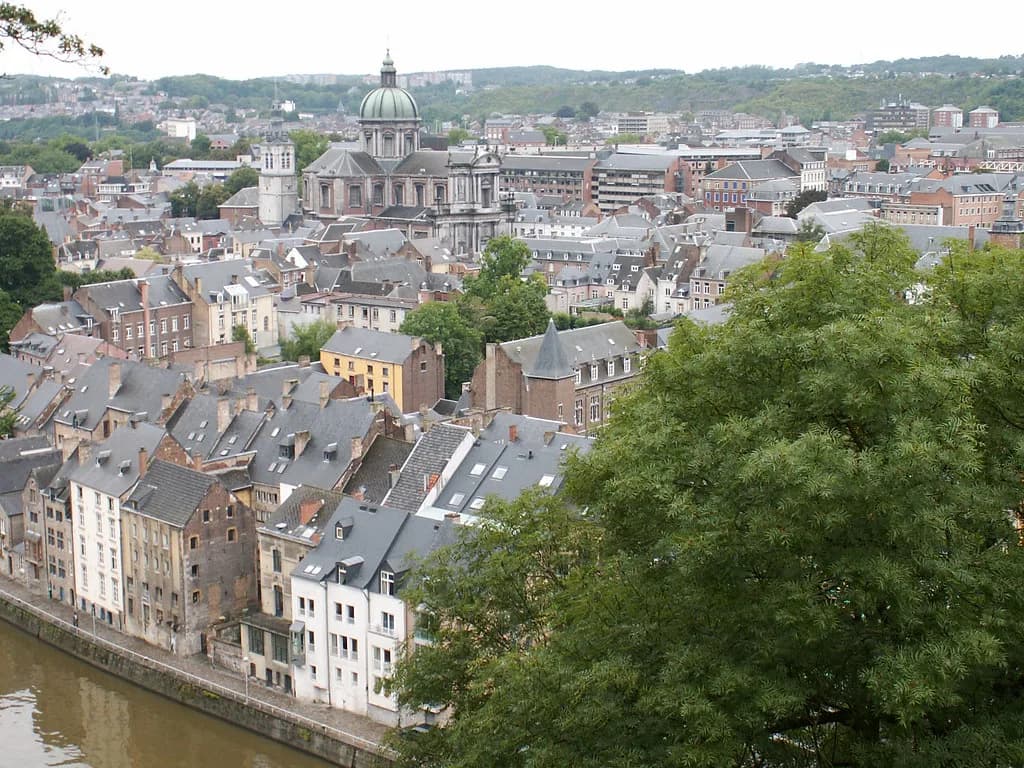
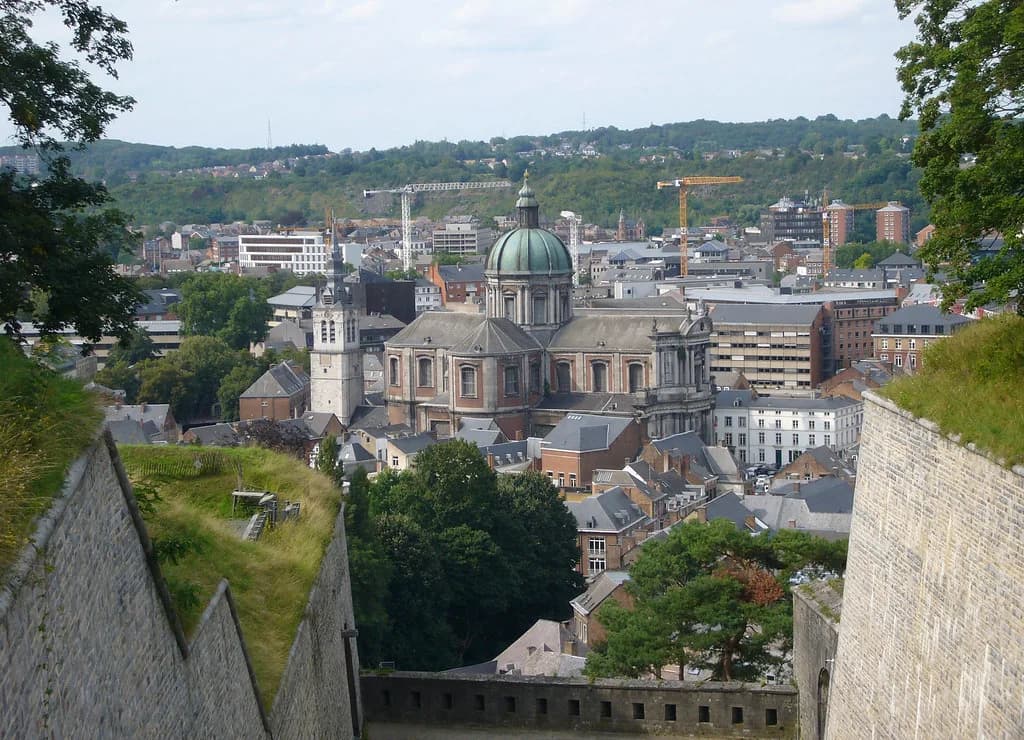
The beer is the city's flagship in name and reputation, and you will find it served across Wallonia, but a visit to the source means travelling out to Purnode. For the city itself, start with the Citadelle de Namur and Namur Old Town, then treat the beer as the thread that ties the day together.
What Blanche de Namur tastes like
Blanche de Namur is a Belgian white beer: cloudy in the glass, smooth and mellow on the palate, with a slightly acid edge that keeps it thirst-quenching rather than heavy. It is brewed in the wheat-beer tradition, so expect a soft body rather than the bitterness of a pale ale or the malt weight of a dubbel. At 4.5% ABV it sits at the lighter end of Belgian beer strengths, which makes it an easy mid-afternoon drink rather than a slow sipper.
The brewery describes its own beer as cloudy, smooth and mellow, brewed with care in the Belgian tradition, and positions it as a delicate white beer built on purity and elegance. Treat those as the brewer's tasting notes rather than a formal judging sheet. The practical point for a visitor is straightforward: this is a Belgian wheat beer in the white-beer family, served across Namur and the wider region.
Serve it well chilled. In a café, ask for a Blanche de Namur by name rather than a generic blonde, because Belgian beer lists are long and the white beers are grouped separately. Its lightness means it works as a first drink of the evening without overwhelming the rest of the night.
Who brews it: Brasserie du Bocq at Purnode
Blanche de Namur is brewed by Brasserie du Bocq, whose brewery began brewing in 1858 in the outbuildings of a farmhouse that still forms part of Purnode's village heritage. The site was chosen for a stretch of water of exceptional quality and quantity discovered there almost two centuries ago, and the same water is used for the beer today. That farmhouse origin is the reason the brewery feels like a working rural producer rather than an urban plant.
The brewery operates independently of any Belgian or foreign brewing group and remains family-run, which makes it one of the largest independent breweries in Wallonia by volume. For beer-minded travellers, that independence is the real point of interest: it is a Walloon producer holding its own outside the big conglomerates. Purnode sits in the Condroz countryside near Namur, so the brewery is a countryside stop rather than a city-centre attraction.
If the brewing side is why you are coming, contact Brasserie du Bocq directly to ask whether a visit or look around can be arranged before planning a trip out to Purnode. The brewing happens in the village, so build any visit around the countryside and combine it with a wander through Namur Old Town on your return.
The legend behind the name
The name comes from Blanche, daughter of the Count of Namur, whose beauty drew suitors from across Europe. According to the legend, her father organised a chivalry tournament to choose the worthiest candidate, and among the knights was Magnus IV Eriksson, King of Sweden and Norway, who was on his way to France in search of a prestigious bride. Magnus won the tournament, married Blanche and took her to Scandinavia, where she was crowned Queen of Norway, Sweden and Scania.
The story is legend, not documented history, and the brewery presents it that way. What matters for a visitor is the local pride it encodes: the beer is named for a medieval princess of Namur who left the banks of the Meuse for a Scandinavian throne. That is the reason the beer feels tied to the city even though it is brewed outside it.
Namur Capitale de la Bière: the July festival on the Grognon
The city's beer event is Namur Capitale de la Bière, an annual beer and local food festival that runs for three days in July on the Grognon square. The Grognon is the wedge of land at the confluence of the Meuse and the Sambre, beneath the citadel, which makes it one of the most dramatic settings in the city for a beer festival. The festival pairs Belgian beer with local food rather than functioning as a bar crawl.
The festival is the seasonal reason to plan a Namur trip around beer, since it runs for just three days in July on the Grognon. Outside those days the beer is still widely available in the city's cafés; it is the festival, not the beer, that is seasonal.
Blanche de Namur and the wider Belgian beer map
Blanche de Namur belongs to the Belgian wheat-beer family, the same broad style as other white beers, though each brewery works with its own recipe and its own water. Belgian brewing is dominated by a handful of large groups, which is why an independent producer such as Brasserie du Bocq stands out in conversation with beer-minded locals. If your taste runs to white beers, compare Blanche de Namur with the wheat beers you already know and note the softer, more acidic finish.
Beyond wheat beer, the Belgian brands most travellers already know are the abbey and Trappist names, the lambics of the Brussels region and the golden strong ales, but the local beer to seek out in Namur is the white one. The city's beer identity is built on Blanche de Namur rather than on a brewing quarter. For a broader sense of what fills a day here, see the Namur Attractions: 5 Visitor Guides.
How to fit beer into a Namur city break
Namur is compact enough that beer fits around the sights rather than replacing them. A sensible shape for a day is the citadel in the morning, the old town and the Grognon in the afternoon, and a Blanche de Namur in a café as the light goes. The belfry of Namur is a short climb in the old town and pairs well with a walk down to the confluence.
If you want to see the rivers from the water, a boat tour from the confluence gives you a different view of the citadel and the Grognon than the climb does. Time it for the late afternoon and finish with a beer on the quayside. Then decide over dinner whether the countryside brewery trip to Purnode earns a half-day on your next visit, or whether the city's own sights have already filled your time.
Should you travel out to Purnode for the brewery?
Only if the brewing side of beer is your reason for coming. Blanche de Namur is brewed at Purnode, not in central Namur, and the city's own appeal is the citadel, the old town and the river confluence. For most short breaks, tasting the beer in a Namur café and saving the brewery trip for a return visit is the better trade.
If you do go, build the day around the countryside and the city together: Purnode in the morning, the citadel and the Grognon in the afternoon, and a Blanche de Namur to finish. Check the Grognon square dates on the festival's own announcements before you book travel around it, since the three July days move year to year.
Explore more Namur guides
Frequently Asked Questions
Is Blanche de Namur brewed in the city of Namur?
No. Blanche de Namur is brewed at Brasserie du Bocq in Purnode, a village in the Walloon countryside near Namur, not in the city centre. The beer carries the city's name and its medieval legend, but the brewery is a countryside producer.
How strong is Blanche de Namur?
It is a wheat beer of 4.5% ABV, so it sits at the lighter end of Belgian beer strengths. That makes it an easy daytime drink, especially in summer, but it is still an alcoholic beer rather than a soft drink.
When is the Namur Capitale de la Bière festival?
The festival runs for three days in July on the Grognon square in Namur, pairing beer with local food. The exact weekend moves each year, so confirm the dates on the festival's own announcements before booking travel around it.
What does Blanche de Namur taste like?
It is a cloudy wheat beer that is smooth and mellow, with a slightly acid edge that keeps it refreshing. Think of the Belgian white-beer family rather than a bitter pale ale or a heavy dark beer.
Sources
Useful notes for your next trip
Optional updates to our guides.
You might also like
Continue reading
More guides you'll find useful