Things to Do in Liège: Montagne de Bueren, Old Town and River Quays
Plan a short break in Liège around the Prince-Bishops' Palace, the Montagne de Bueren staircase and Outremeuse, grouped by area so the walking order works.
On this page
Liège (Luik) suits a one- to three-day break built around three set pieces: the Prince-Bishops' Palace and Place Saint-Lambert in the old town, the Montagne de Bueren staircase on the hillside above, and Outremeuse, the folklore quarter on the far bank of the Meuse. The city is compact enough to walk between them in a morning, but the climb and the river crossing mean the order you do them in matters more than the list itself. This guide follows that order, district by district, with honest calls on what to keep and what to cut.
What Liège is known for: a Walloon city on the Meuse with a Prince-Bishops' legacy
Liège is the largest city in Wallonia and sits on the Meuse, where the river quays rather than a single central square give the city its shape. Its identity comes from the prince-bishops who ruled the territory for centuries, a legacy that left the palatial buildings around Place Saint-Lambert and a stubbornly independent local streak. For a short break the appeal is architectural and atmospheric rather than museum-heavy: grand civic buildings, steep stairways between levels, and a working riverfront.
Visitors who want a straight verdict on whether the city earns a weekend can weigh the trade-offs: big-city energy and river views against a spread-out centre and a climb that dominates the day. Readers weighing Liège against a Walloon neighbour with its own riverfront and old-town loop can start from these things to do in Antwerp.
How Liège is laid out: the historic centre, the heights and Outremeuse
Picture three layers. The flat historic centre clusters around Place Saint-Lambert and the Prince-Bishops' Palace; the heights rise behind it, reached on foot by the Montagne de Bueren; and Outremeuse spreads across the Meuse on the northern side, reached by the bridges from the centre. Crossings are walkable, so the sensible plan is one loop through the centre, a climb, and a single visit to Outremeuse rather than criss-crossing the water.
A guided route helps if you have only a morning, and operators list short introductory walks of around one to two hours, which sets a realistic pace for the centre before you tackle the stairs.
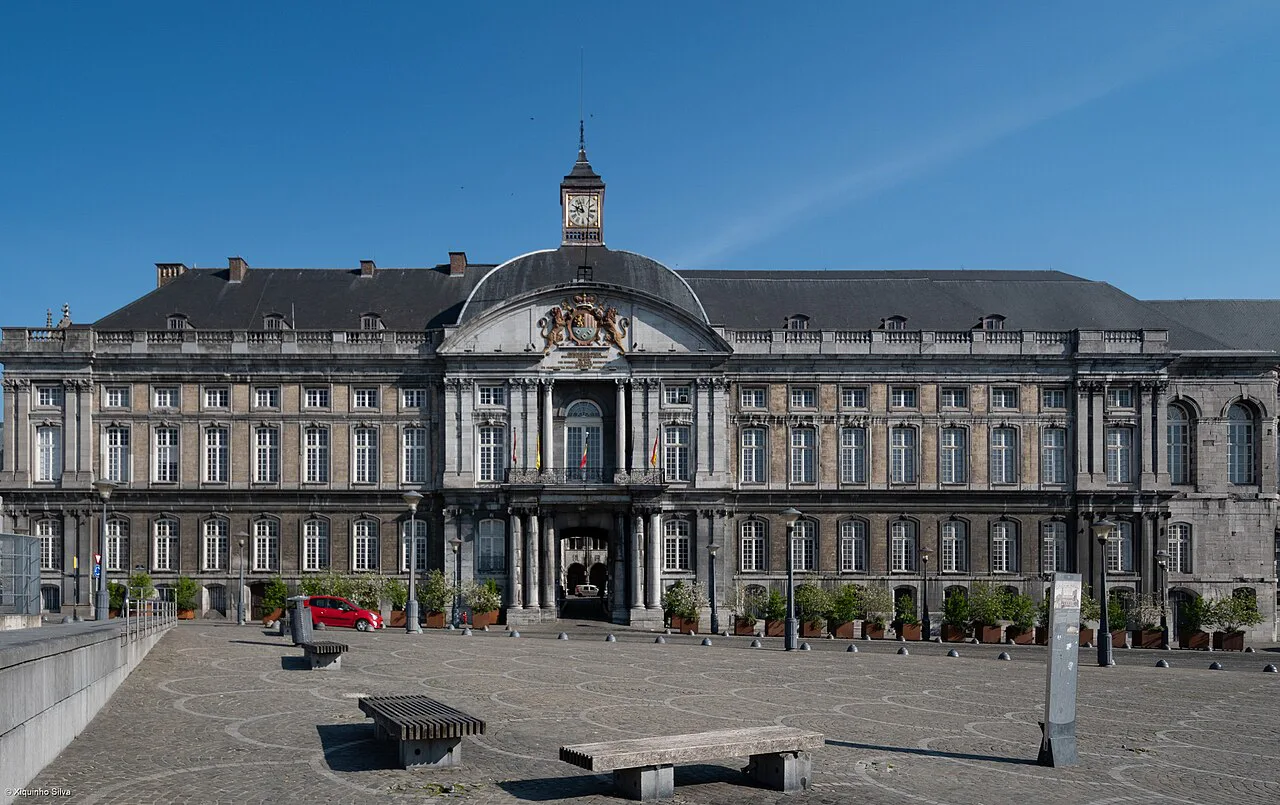
Start in the old centre: Place Saint-Lambert and the Prince-Bishops' Palace
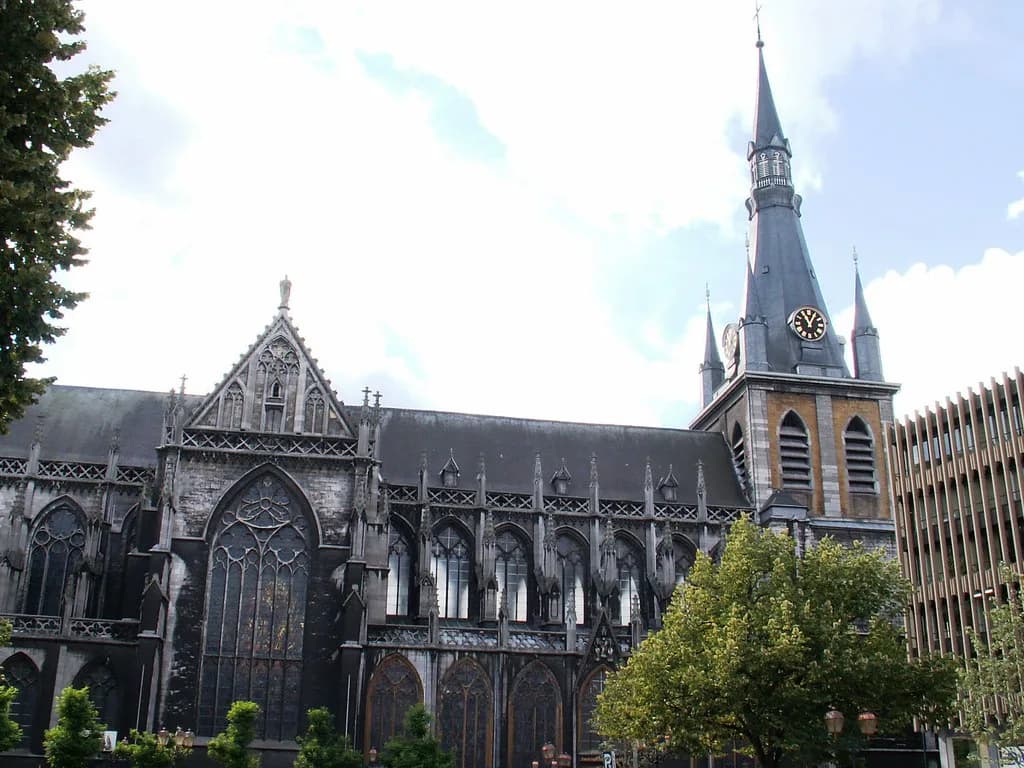
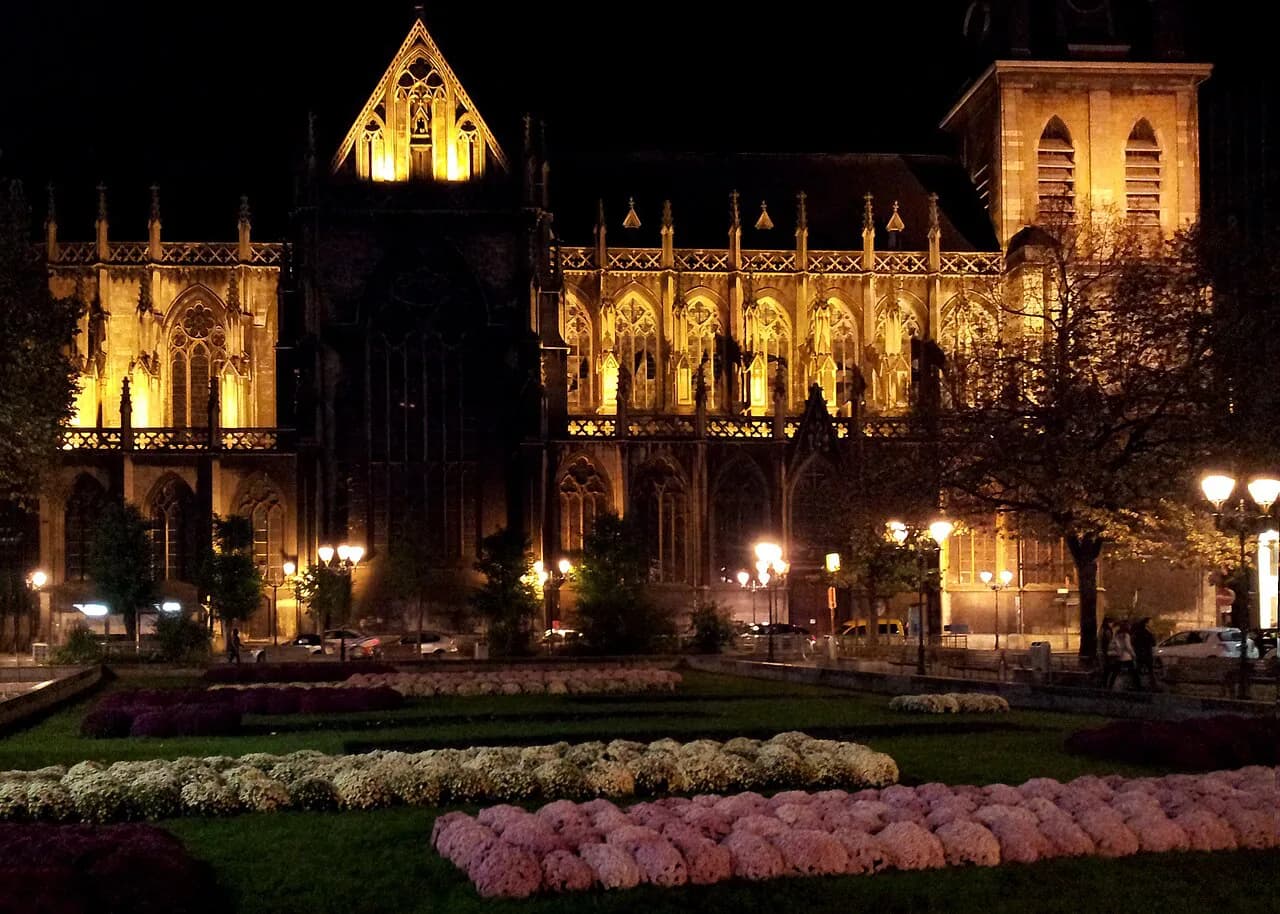
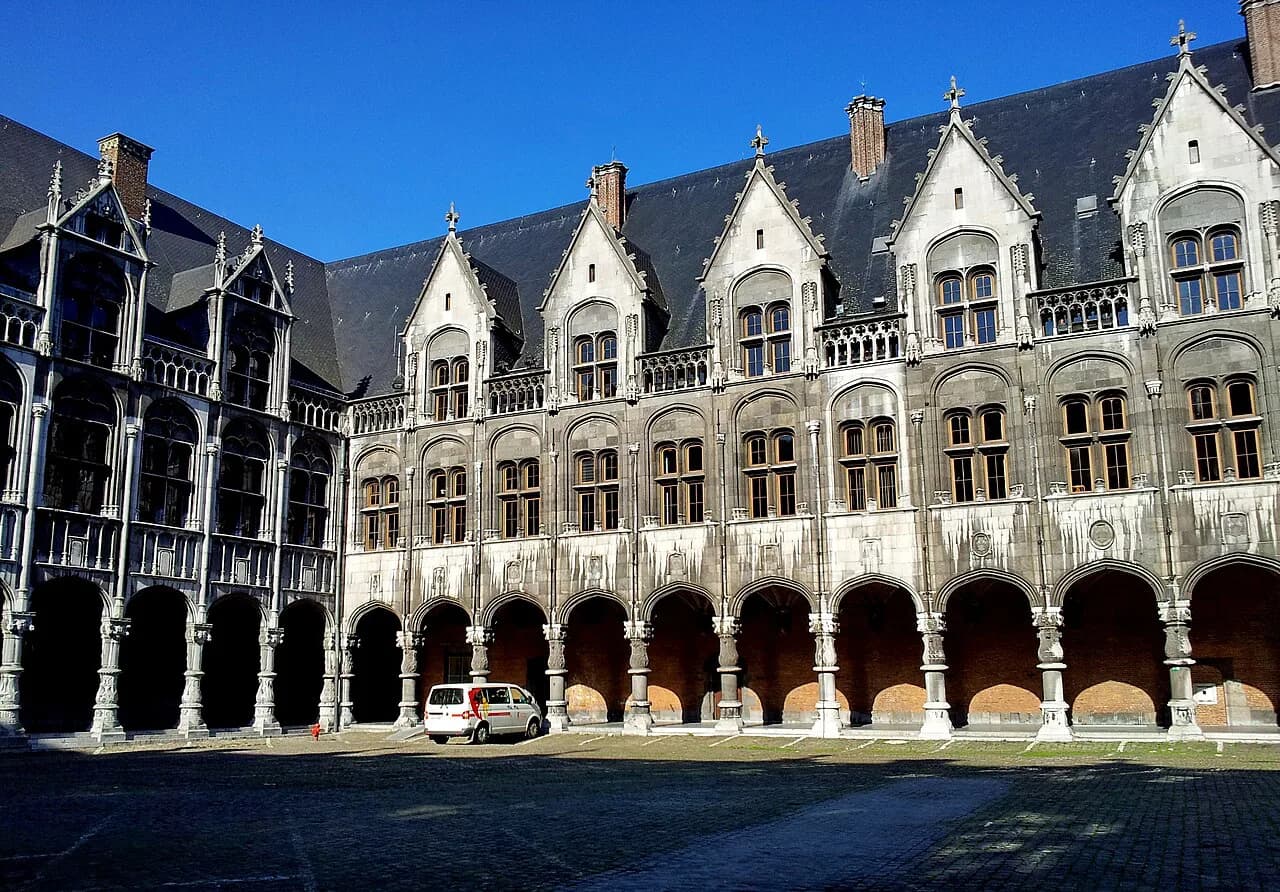
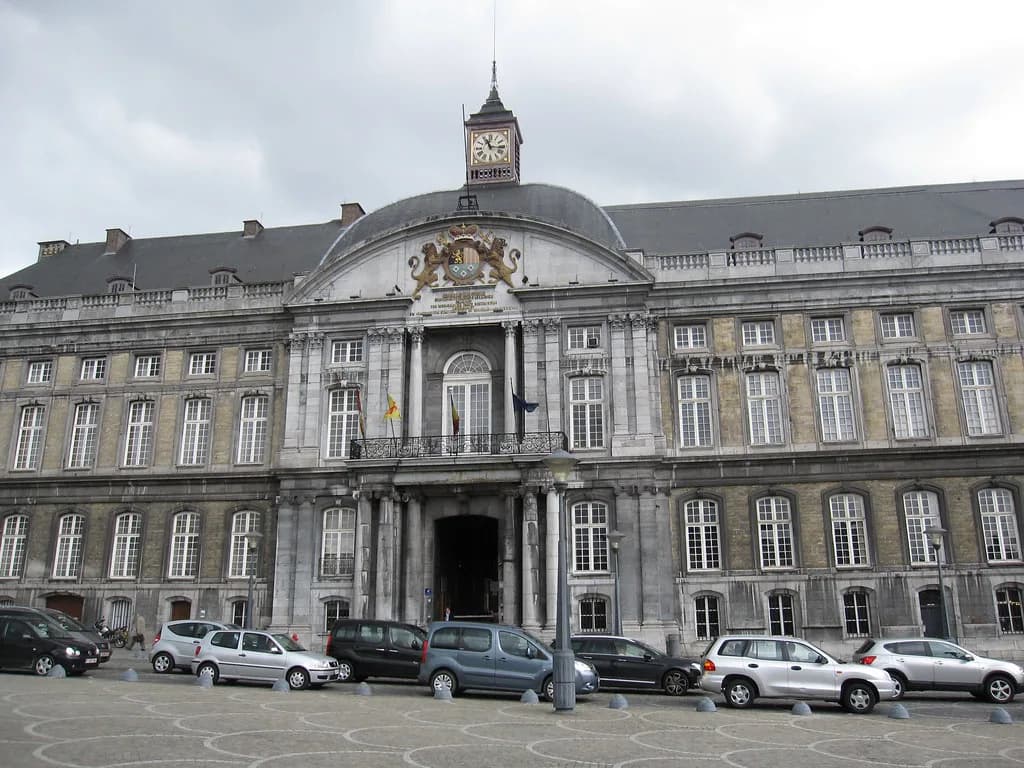
Begin at Place Saint-Lambert, the wide square that opens onto the Prince-Bishops' Palace, the city's most photographed historic building and a Gothic statement of the bishops' power. The Town Hall is close by and worth a look from the outside as part of the same walk. Treat this as an hour of looking and orientating rather than a set of interiors, because the square is the hinge for everything else in the city.
The lanes around the square reward a slow wander: this is where the old town's scale becomes clear, with the river a short walk downhill and the staircase rising on the other side. If you want a self-guided wandering route with commentary, an audio-guided city walk is listed among the local options.
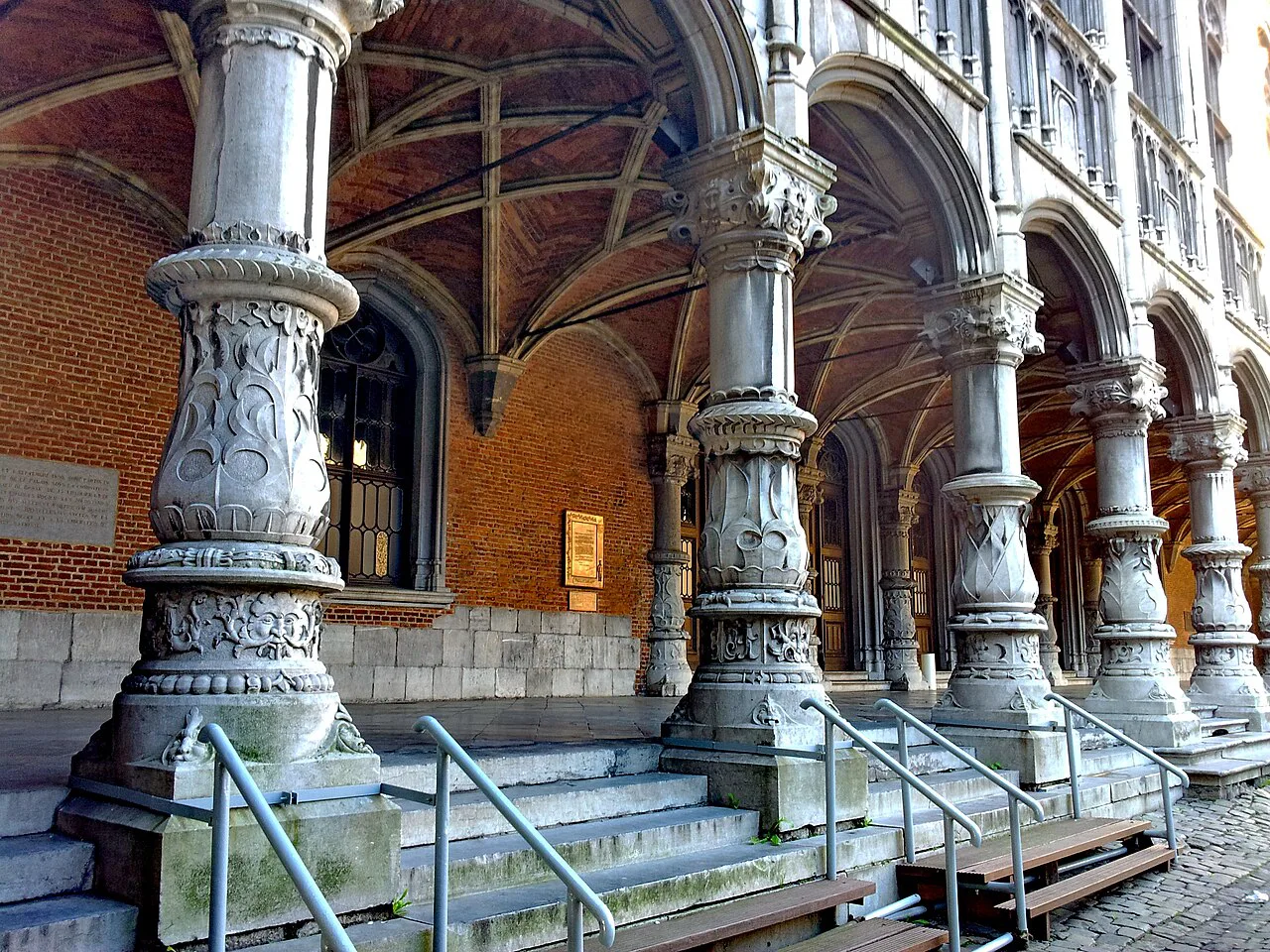
Climb the Montagne de Bueren and decide how to come down
The Montagne de Bueren is a long stone staircase cut into the hillside above the old town, and it is the defining experience of a Liège visit. Go up on foot in the morning when the stone is cooler and the light is behind you, then come down by a different street rather than retracing the steps. It is a real climb, so carry water and leave the climb for the part of the day when you still have energy for the rest of the walk.
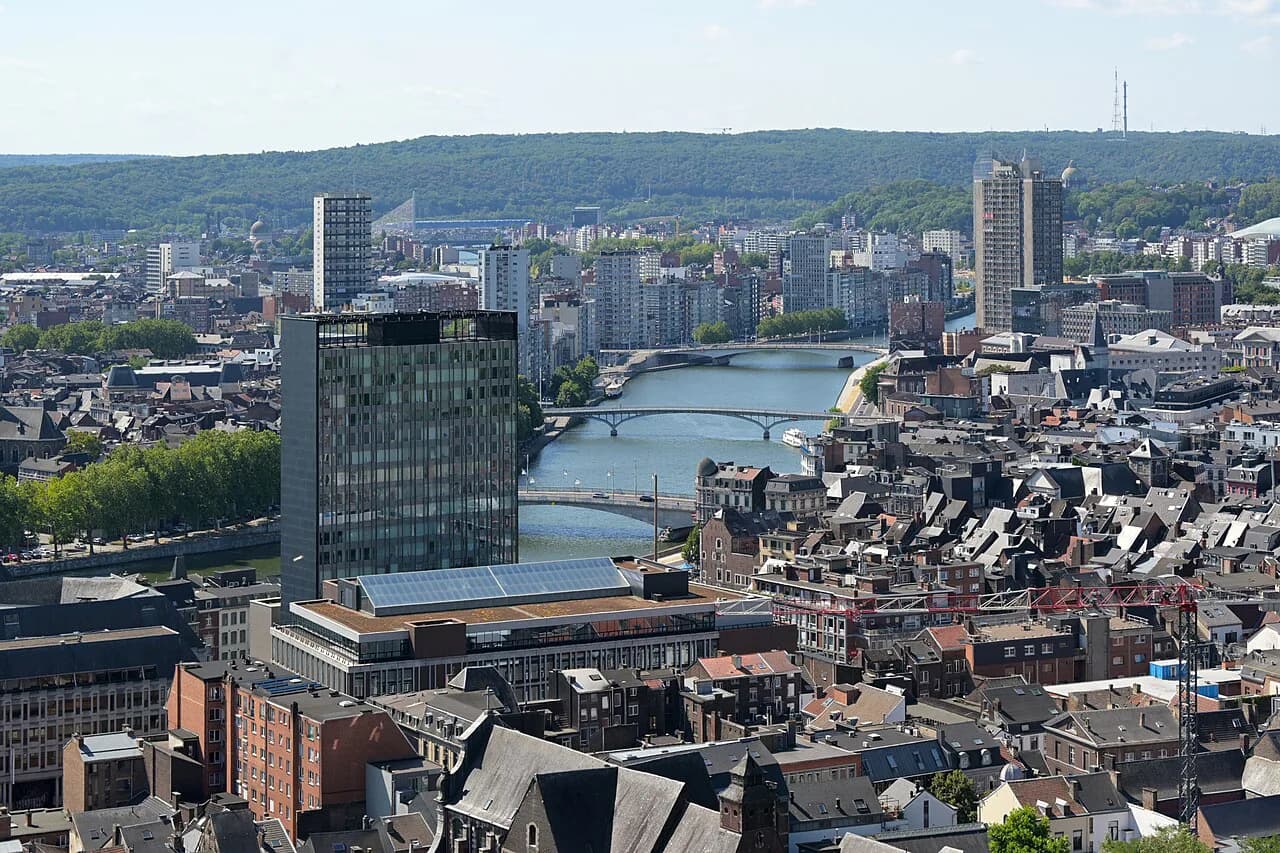
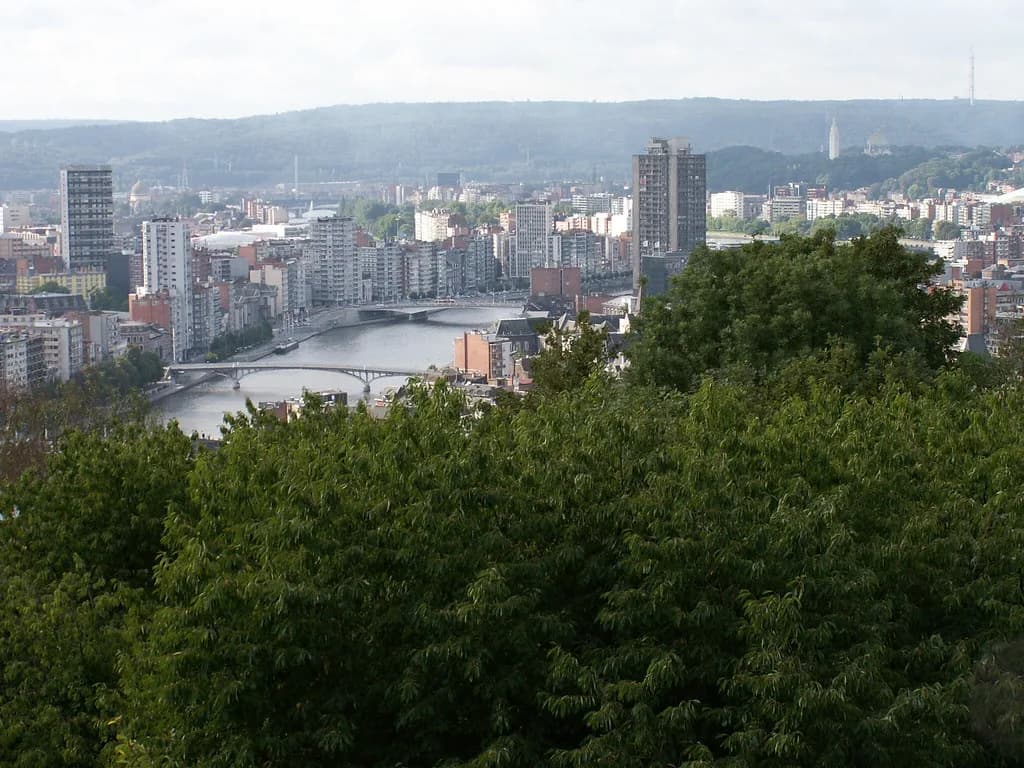
The rewards are the views back over the Meuse and the old town, which are best at the top of the staircase and from the heights above the city.
Outremeuse: the folklore quarter and its Sunday tradition
Outremeuse sits across the Meuse from the centre and is the city's folklore quarter, best known for the 'Batte' Sunday, a folk festival held on a Sunday in the district. If your dates are flexible, build the trip around that weekend rather than around a single sight, because the quarter is at its most characteristic when the festival is on. On an ordinary day, cross the bridge, walk the streets, and treat the district as a quiet hour rather than a headline attraction.
If the Batte is part of your plan, give the afternoon to the district rather than squeezing it between two centre sights, and let the river side of town set the pace for the day.
Museums and churches worth a slot on a one- to three-day trip
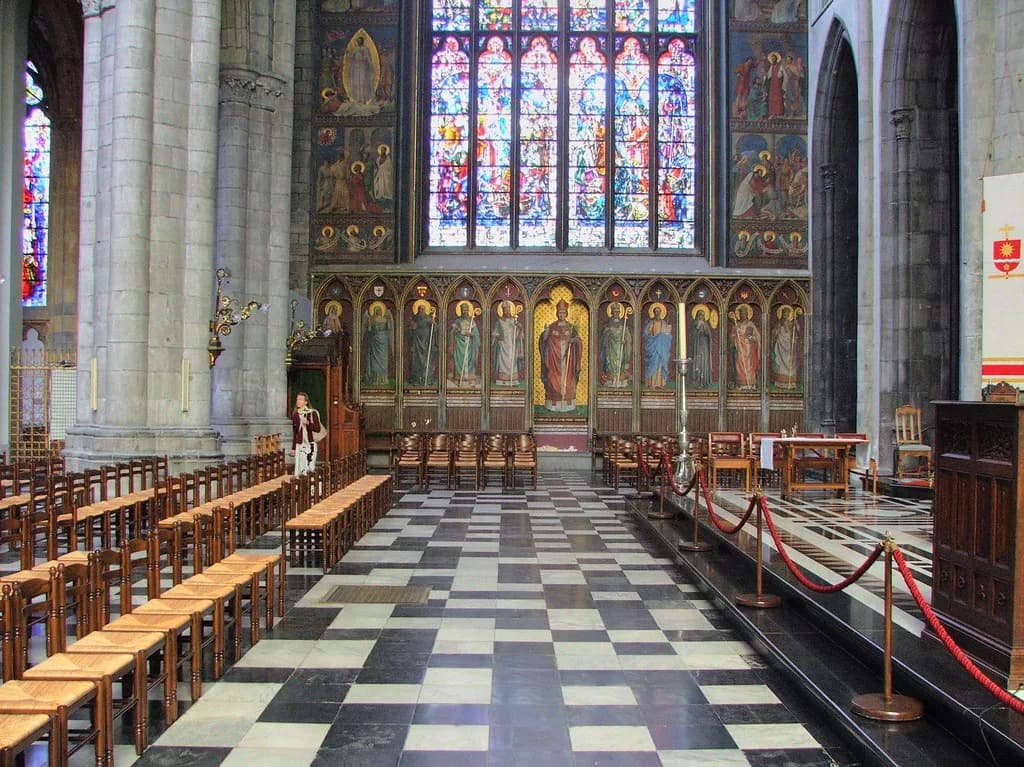
Liège is not a city where you tick off a dozen museums; a single strong museum or church interior fills the cultural slot, leaving the rest of the day for the streets. Pick according to your interest rather than a list: religious art and architecture for the churches, local history for the civic collections. Check the specific museum's own timetable before you plan the day around it, since Belgian museums commonly close one day a week.
Beer and chocolate: tasting rather than touring
Drink and eat the local specialities rather than touring factories, because Liège works best as a place to sit in a café and taste. Belgian beer is the obvious order, and the city has a beer scene of its own worth exploring in the evening.
On the sweet side, look for the Liège waffle style made with pearl sugar, and treat chocolate as a city-centre errand rather than a museum visit.
Markets and events: how the calendar shapes your choice of weekend
Beyond the Batte, the city's events calendar runs through folklore gatherings and food events across the year, so a quick look at what is on during your dates is worth more than a fixed list. Book the weekend around the event that appeals, and let the sights fill the gaps.
How many days Liège needs, and what to cut
One day covers the old centre, the Prince-Bishops' Palace and the staircase if you start early and keep moving. Two days add Outremeuse, a museum and a slower riverfront walk; three days let you add a day out in the surrounding Walloon countryside. With a single day, do the centre first, climb the Montagne de Bueren second, and treat Outremeuse as an optional extra only if the timing works.
Walking times between the centre, the staircase and Outremeuse
The old centre to the foot of the Montagne de Bueren is a short walk, and the bridge crossing from the centre to Outremeuse is similarly brief, so the whole ensemble is walkable in a morning plus a long afternoon. Plan the loop in one direction, centre to stairs to river, and you will cross the Meuse once. If you want to push further out, bikes are an option for the wider area, and a rental lets you cover more ground.
A self-guided game is another way to give the walk some structure, with digital scavenger hunts and detective-route apps listed for the city.
One day or two? How to set your Liège itinerary
The answer depends on whether you will climb the Montagne de Bueren: with one day, pair it with Place Saint-Lambert and the Prince-Bishops' Palace; with two, add Outremeuse and a museum. If you want the full picture of the city's attractions before deciding, start with the Liège Attractions hub.
Explore more Liège guides
Frequently Asked Questions
What is Liège in Belgium known for?
It is the largest city in Wallonia, known for its prince-bishops' legacy, the Prince-Bishops' Palace on Place Saint-Lambert, the Montagne de Bueren staircase and the Outremeuse folklore quarter across the Meuse.
What can you do in Liège in a day?
Start at Place Saint-Lambert and the Prince-Bishops' Palace, walk the old-town lanes, climb the Montagne de Bueren in the morning and come down another way, then finish with a walk along the Meuse and, if timing allows, a short detour into Outremeuse.
Sources
Useful notes for your next trip
Optional updates to our guides.
You might also like
Continue reading
More guides you'll find useful