Best Views in Liège: Stairs, Rooftops and River Walks
The best views in Liège, from the Montagne de Bueren staircase and the Coteaux de la Citadelle to the Meuse quays and a monthly panorama above the city.
On this page
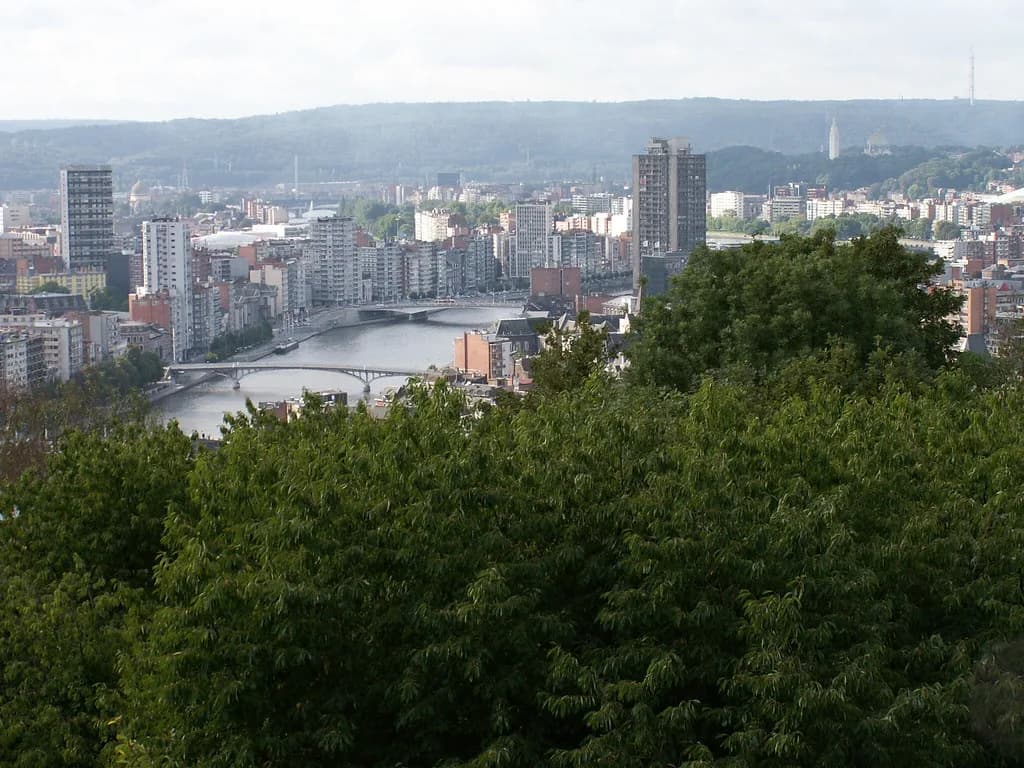
The best view in Liège is from the top of the Montagne de Bueren, the staircase that climbs from the old town to the heights above the Meuse valley. For a gentler alternative, the Coteaux de la Citadelle walk gives a long, quiet outlook over the same valley without the stair slog. This guide covers both, plus the citadel heights, the river quays and the first-Sunday panorama from the Cité administrative, with walking routes that link them.
Liège grew from a historic centre beside the Meuse, and the city's signature sights sit close together: the lively, shady Place du Marché, the Prince-Bishop's Palace, the collegiate church of Saint-Barthélemy and the Grand Curtius all lie within the historic core. Knowing that the high ground is on one side of the river and the old streets on the other is half the battle when planning a route.
Montagne de Bueren: the staircase climb
The staircase was built in 1881 to honour the 600 Franchimontois soldiers who died defending Liège against Charles the Bold of Burgundy in the 15th century. Climbing it is the city's most famous short workout, and the reward builds as you go: each flight reveals more of the rooftops and the valley behind you. Pause on the landings rather than racing to the top, because the middle of the climb gives the clearest view down over the old town.
If the stairs sound like too much, treat the Montagne de Bueren as a viewpoint you visit from above instead: reach the upper town by another route and look back down the steps. Being outdoors, it slots into a day whenever you pass. It is also the natural first stop on a broader list of things to do in Liège, since everything else in the old town sits below it.
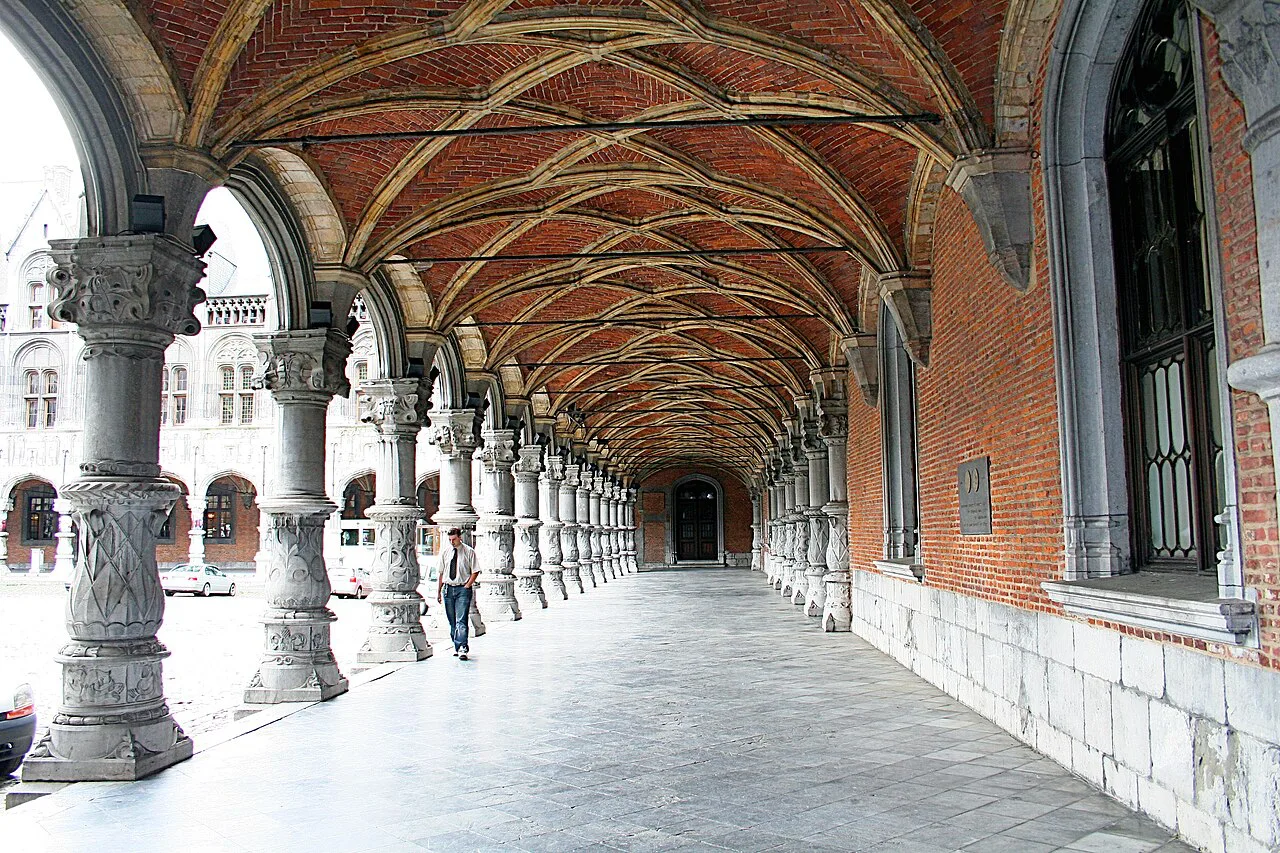
The Coteaux de la Citadelle walk
The Coteaux de la Citadelle is a wooded ridge on the heights above the city, promoted by the Liège tourist office as a walk that offers peace and quiet plus a sweeping view of the valley. It is a different experience from the staircase: slower, longer and shaded, with the city opening up between the trees. Pick it if you want the outlook without counting steps.
The tourist office describes the Coteaux de la Citadelle as ranked three stars in the Michelin Green Guide. The walk suits a half-day rather than a quick photo stop, so build it into a morning when you have time to follow the paths and come down slowly.
Bois des Carmélites and the citadel heights
Above the staircase, the Bois des Carmélites gives you more viewpoints and a winding trail back down to the centre, so you can descend through the trees instead of retracing the steps. The Citadel of Liège guarded the city from 1255 until the end of the 19th century; most of it was lost when a hospital was built on the site in the 1970s, but the southern walls still stand. That is the honest trade-off here: the fortress itself is largely gone, yet the height and the valley outlook remain.
Combine the staircase and the woods in one loop: climb the Montagne de Bueren, follow the ridge through the Bois des Carmélites and drop back into the old town on foot. Allow a comfortable morning for the circuit and wear shoes that cope with steps and woodland paths.
The Meuse quays and La Batte promenade
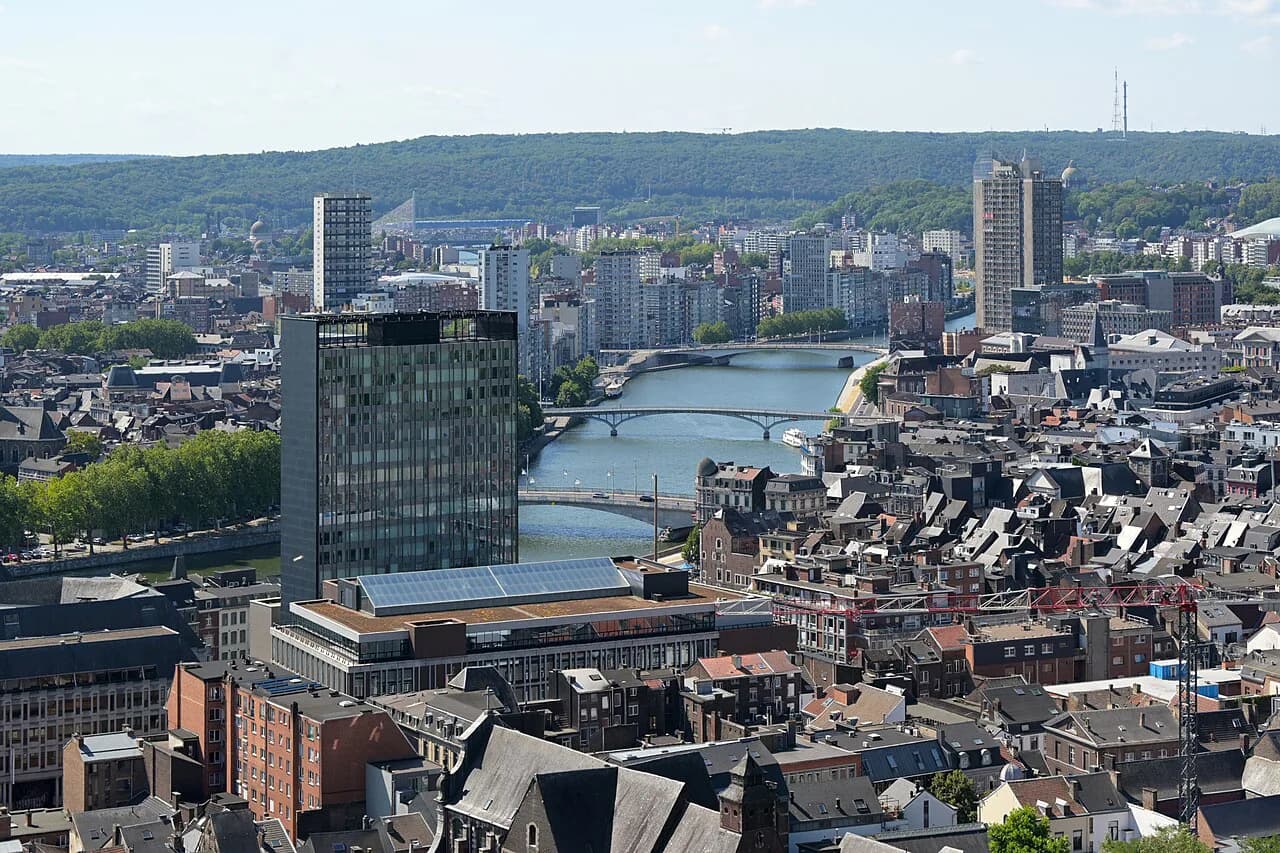
At river level, the La Batte promenade follows the Meuse past the Grand Curtius, giving a flat, easy view of the water, the bridges and the opposite bank. It is the counterpoint to the climbs: no steps, no effort, and a good way to end a day once your legs are tired. The historic centre itself sits just inland, around the Place du Marché and the Rue Hors-Château with its listed buildings and cul-de-sacs.
From April to November you can also see the city from the water, because the tourist office notes that Meuse trips run in that season. It is a different angle again, looking up at the quays and the ridgeline you have just walked.
The panorama from the Cité administrative
The Cité administrative opens its panoramic view to the public on the first Sunday of each month. It is the one rooftop-style outlook in Liège that needs no climbing, which makes it the obvious pick if your visit happens to include that day. Plan the rest of the day around it rather than the other way about.
Rooftop and museum views: La Boverie and the Grand Curtius
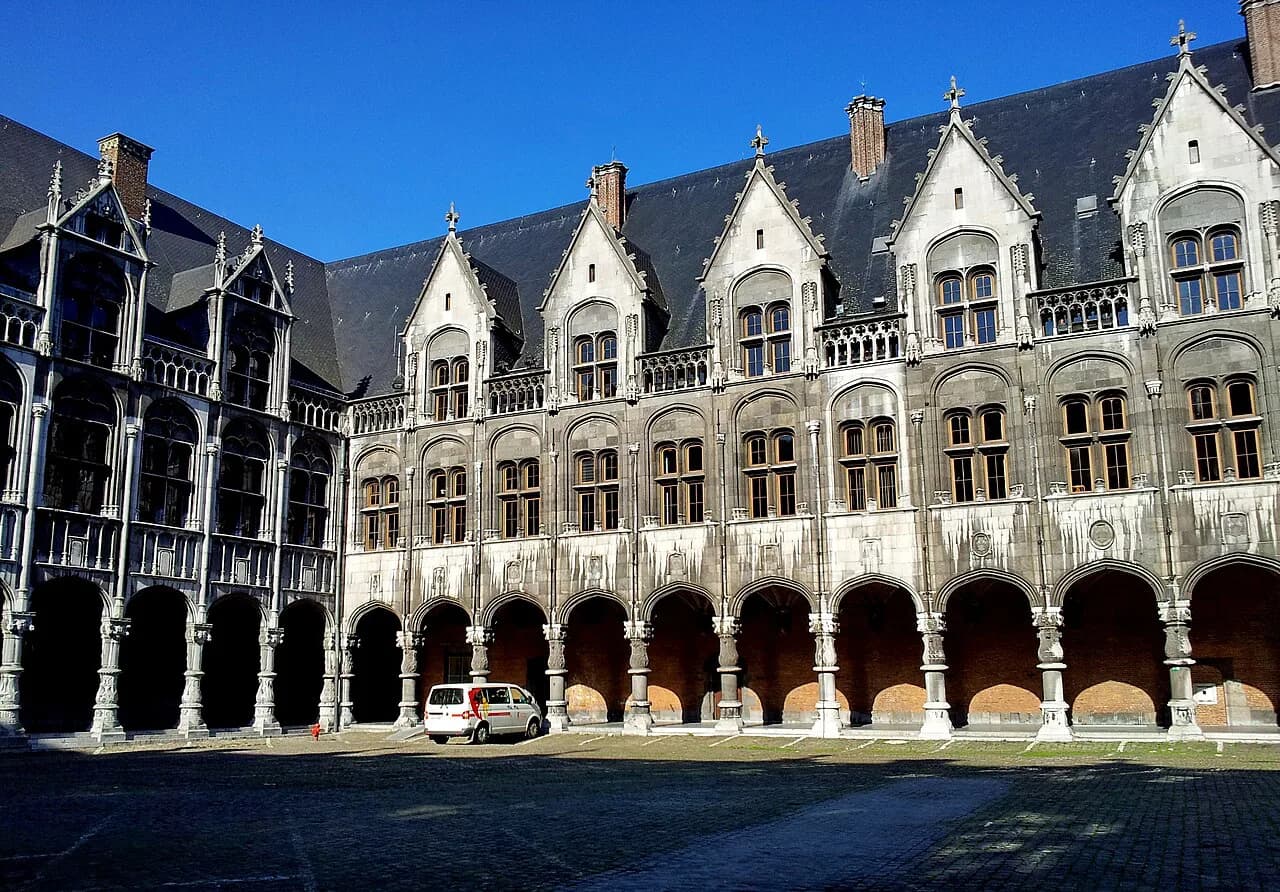
Liège's two big museums, La Boverie and the Grand Curtius, sit in remarkable buildings, and the Grand Curtius occupies the Palais Curtius, a monumental palace built around 1600 by the merchant Jean Curtius. The courtyards and river setting give you architecture to look at as much as a view out, and the arms collection inside spreads across the first three floors with roughly two to three thousand weapons on display. For a day built on looking rather than climbing, this is where to spend the time.
The museums anchor the old town end of the day, within walking distance of the Place du Marché and the Prince-Bishop's Palace. If you want the full picture of the district before you start walking, the Liège old town guide covers the streets between them.
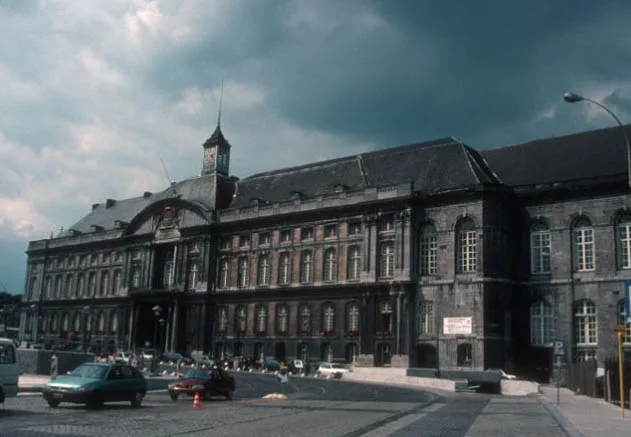
Which view to pick for a one-day visit
On a single day, climb first: take the Montagne de Bueren early, continue through the Bois des Carmélites and come down for the museums and the old town in the afternoon. Finish on the La Batte promenade as the light softens over the Meuse, which gives you the three levels of the city in one route. If steps are a problem, swap the climb for the Coteaux de la Citadelle and keep the rest of the plan.
A guided Liège walking tour can stitch the historic centre together if you would rather not plan the sequence yourself, and the tourist office runs guided tours of the historic centre on selected dates. Either way, the geography is simple: heights on one side, quays on the other, old streets in between.
Best time of day for each viewpoint
Start with the staircase in the morning, when the climb is cool and the city below is still quiet. Save the Coteaux de la Citadelle for a clear afternoon, since the wooded paths give shade and the valley view opens best in good light. End on the Meuse quays in the evening, when the river level view turns toward the bridges.
If you can time your trip around the first Sunday of the month, add the Cité administrative panorama to the morning and shift the climb to the afternoon. Otherwise, keep the rooftop out of the plan and give the extra hour to the old town.
Stairs first, river last
Build the day around one hard climb and one easy finish: the Montagne de Bueren and its ridge in the morning, the old town and museums in the middle, the La Batte promenade at dusk. Add the Cité administrative panorama only if your dates include the first Sunday of the month. That sequence gives you the heights, the streets and the river without doubling back.
After the climb, the obvious reward is a Liège waffle and a local beer in the old town, both of which the city promotes as its own specialities. The full set of city guides sits in Liège Attractions if you want to build a longer stay around these viewpoints.
Explore more Liège guides
Frequently Asked Questions
What is Liège known for?
Liège is known as the Fiery City for its cultural life and warm atmosphere, and for sights such as the Montagne de Bueren staircase, the Prince-Bishop's Palace, the collegiate church of Saint-Barthélemy and the Grand Curtius. It is Wallonia's main tourist city, with local specialities including Liège-style meatballs, the authentic Liège waffle and regional beers.
How many steps are there at the Montagne de Bueren?
There are 374 steps, and the staircase was built in 1881 to honour the 600 Franchimontois soldiers who died defending Liège against Charles the Bold.
Sources
Useful notes for your next trip
Optional updates to our guides.
You might also like
Continue reading
More guides you'll find useful