Liège Bike Rental: How to Hire a Bike and Where to Ride
How bike rental in Liège works for touring cyclists, what Belgian Biketours includes and charges, and how to build riverside rides on the points-nœuds network.
On this page
Bike rental in Liège is easiest to arrange as part of a multi-day ride. Belgian Biketours, which runs cycling holidays across Belgium, supplies the bike for the length of a booked trip and delivers it to your first hotel, where reception hands over the keys and points you to the bicycle shed. This guide covers what that hire includes, what costs extra, and how to shape a ride through the city and out along the river valleys using the numbered-node network.
What bike rental in Liège actually looks like
Hire here is tied to touring packages. Belgian Biketours supplies its bikes as part of a booked cycling holiday, with each trip listing which models are available, and warns that not every bike type is offered on every departure. That suits riders arriving by train with luggage and a route already mapped out along the Meuse. The model is straightforward: your rental runs from the first hotel to the last, and you ride the same machine throughout.
Belgian Biketours fields three bike types. Hybrid bikes have 21 gears with hand brakes and weigh around 16.5 kilograms, while its e-bikes use a Bosch Active Plus motor with a 500 Wh battery that can be recharged at hotels and weigh roughly 27 kilograms. Child bikes start at 125 cm in height, run to a maximum body height of 155 cm, and come with at least seven gears and hand brakes.
Every adult bike comes with hand brakes, front and rear lights, quick-release saddle and handlebar adjustment, and a defender lock, with some carrying an extra plug-in chain lock. A 20-litre water-resistant pannier clicks on and off and holds a small puncture kit. Pedals are standard flat pedals rather than click-in, so ride in the shoes you would wear on a flat-pedal bike at home.
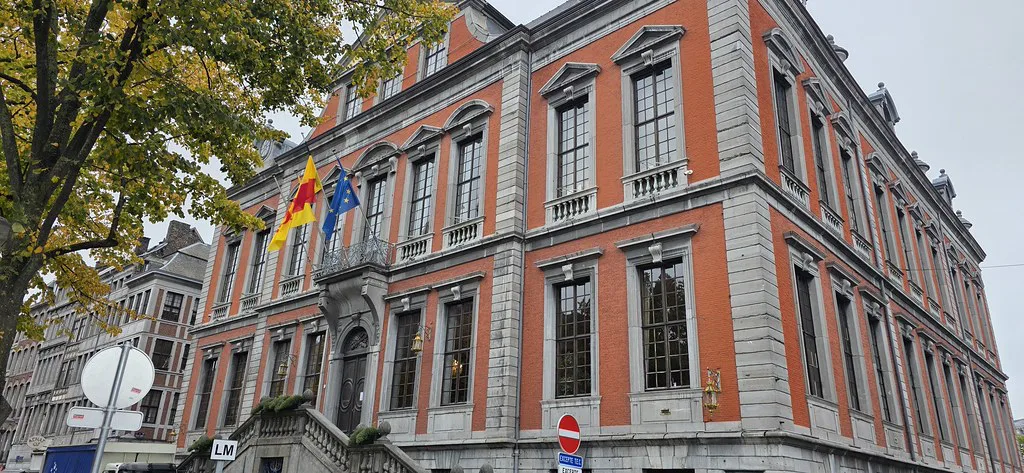
Bike hire for a multi-day trip versus a few hours in the city
The two needs are different. A multi-day rider wants a reliable geared bike, luggage capacity and a support route if something breaks, which is what a touring operator provides. Someone weighing up a short stay in the city can plan a ride on the numbered-node network and see how compact the centre is before choosing a bike. If you are deciding what to see first, our guide to things to do in Liège shows how much of the centre you can cover on foot.
The honest trade-off is that a touring bike is heavier and pricier to hire than a city runaround, and you carry the pannier whether or not you fill it. If your Liège stay is a stop on a longer ride, the delivered-to-hotel arrangement saves you hunting for a shop on arrival. If it is a standalone city break, walking the centre is often the simpler plan.
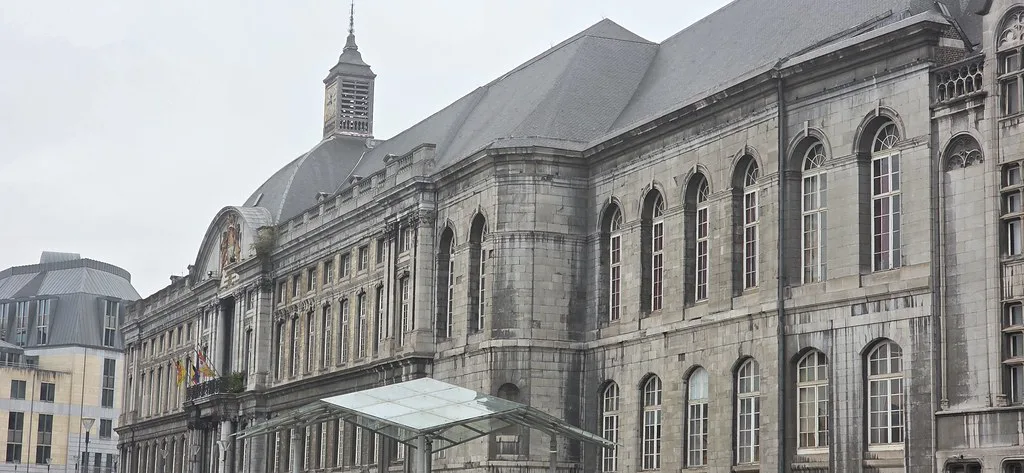
Riding in Liège: what the terrain and streets ask of you
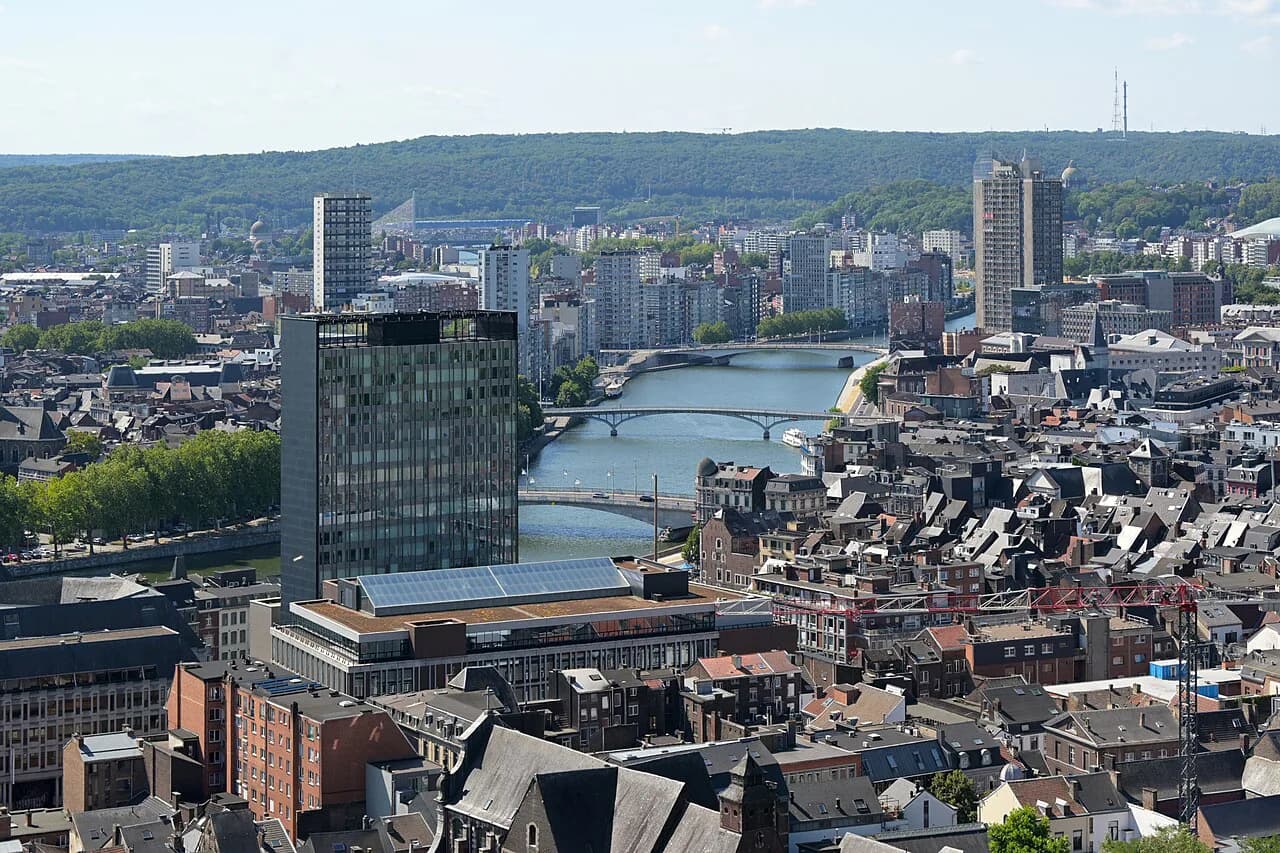
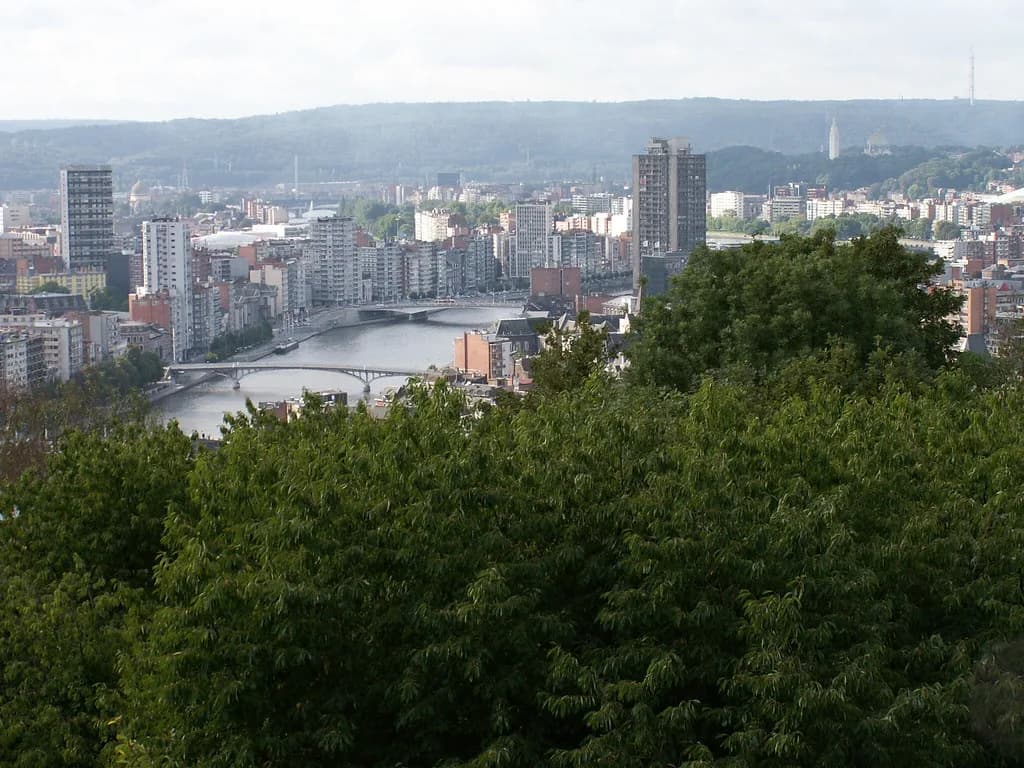
Liège sits in a deep valley where the Meuse meets the Ourthe, and the city climbs steeply away from the water on both sides. The riverside quays are flat and easy, but any route up to the citadel or the hillside neighbourhoods involves real gradient, which is where an e-bike earns its extra weight. Plan a loop that follows the valley floor and treat the climbs as optional detours.
The numbered-node network makes that planning simple. The Province of Liège promotes a points-nœuds system where you link numbered junctions to build your own trail, and you can download a map of the entire network or use the route ideas published alongside it. You write down the numbers in order, follow the signs between them, and never need a guidebook.
A city ride past Liège's main sights
Start on the left bank near the old town and work along the water before turning inland. Place Saint-Lambert gives you a central landmark to orient yourself, and from there the streets lead down towards the Meuse and the quays. Our Liège walking tour covers the same ground at pavement pace if you would rather leave the bike parked.
The one hill worth walking is the Montagne de Bueren, the long staircase up towards the citadel ridge — you push the bike rather than ride it. Lock the bike at the bottom, walk up for the view over the rooftops and the river, and roll back down to the valley floor. Our guide to Montagne de Bueren sets out what waits at the top.
Beer and chocolate stops fit a bike day neatly, and Liège's breweries and chocolatiers are worth planning into the route. Keep the tasting for the end of the ride, not the middle, and lock up properly with the defender lock plus the chain where you have one.
Following the points-nœuds network out of the city
Outside the centre, the node network is how you leave Liège without guesswork. The Province of Liège publishes the full node map plus route ideas, including a lakes tour and a Via Jecore itinerary, and the same numbered junctions run across the wider Walloon network. Pick the junctions that track the river you want, note them in sequence, and ride the signs.
Bikes Welcome and Bienvenue Vélo: what the labels mean for cyclists
Two labels mark places that expect cyclists. Bienvenue Vélo is the Walloon label for accommodation, museums, attractions, restaurants, producers and tourist offices with facilities for bikes, and hosts carrying it offer secure bike storage, repair tools or cleaning equipment, plus tourist maps and trails. In the Eastern Cantons, the bed+bike label has marked cyclist-friendly accommodation since 2014, developed by the East Belgium Tourist Agency with the German cyclists' association ADFC, and ties into the points-nœuds network and the Vennbahn.
The Province of Liège lists more than a hundred labelled establishments, from hotels and guesthouses to holiday rentals, campsites, museums, producers and cafés. For a rider arriving with a pannier and a loaded bike, a labelled stop means somewhere to leave the machine safely overnight and a host who is not surprised by it. Use the lists to choose where you break the ride, then confirm your booking directly with the establishment.
Cycling the Vesdre and Ourthe valleys from Liège
Two river valleys give you very different days out from Liège. The Ourthe comes into the city from the south through wooded country and joins the Meuse here, and the Vesdre runs in from the east. Build the day around one valley rather than both, keep the climbing modest and leave time for a labelled stop.
Renting with Belgian Biketours: bikes, accessories and insurance
Helmets are not mandatory in Belgium, and Belgian Biketours rents them at fifteen euros per piece in adult sizes of 54 to 61 cm and child sizes of 50 to 55 cm. Bells, brakes, lights and locks come as standard on its adult bikes. A rear child seat fits children over 30 months up to 22 kg and can be mounted on e-bikes, while child trailers take up to two children, are limited to 100 cm and 35 kg in total, and cannot be combined with e-bikes.
Theft insurance is optional and priced per bike per day: three euros for a hybrid and six euros for an e-bike. The company's hire terms state that the rental price is the rate shown on its website at the time of booking, and that the price must be paid before the bike is handed over. If a rental bike develops a problem beyond a puncture, its advice is to find a bike repair shop or call the breakdown number in your travel documents, which requires the extra service booked.
What to budget for rental extras
The extras add up predictably once you know the rates. Belgian Biketours charges fifteen euros per helmet, three euros per day per hybrid bike for theft cover and six euros per day per e-bike. A family of four with two helmets and a week of hybrid cover is looking at a meaningful addition to the base hire, so decide before booking whether you need the insurance or will rely on your own travel policy.
Bring your own helmet if you have one, since it saves the rental charge and fits better than a loan. Belgian Biketours does not provide water bottles and cannot guarantee that its bikes have bottle holders, so choose a bottle that will sit securely in the 20-litre pannier. Ask for the all-in figure when you book rather than adding items later.
Which kind of Liège ride suits you
If you are touring Belgium by bike, book through an operator that delivers to your hotel and build your route on the points-nœuds network, using Bienvenue Vélo and bed+bike listings to choose where you sleep. The Belgian Biketours model, with hybrid, e- and child bikes plus optional helmet and theft cover, fits a multi-day ride along the Meuse and its valleys. For a short city break, walking the centre and climbing Montagne de Bueren on foot is the better use of a day.
Explore more Liège guides
Frequently Asked Questions
Is Belgium bicycle friendly?
Belgium has a dense network of signposted cycle routes, and Wallonia's points-nœuds system lets you link numbered junctions into your own route. Helmets are not mandatory, and the Bienvenue Vélo label marks accommodation and attractions equipped for cyclists. Busy city streets still demand care, so use riverside quays and labelled routes where you can.
Which rental bike is best for Liège?
A hybrid suits the flat riverside routes along the Meuse, Ourthe and Vesdre. An e-bike is worth the extra weight and insurance cost if you plan to climb into the hillside neighbourhoods or ride long days. Child bikes, seats and trailers cover younger riders, though trailers cannot be combined with e-bikes.
Sources
Useful notes for your next trip
Optional updates to our guides.
You might also like
Continue reading
More guides you'll find useful