Liège Walking Tour: A Self-Guided Route Through the Old Town
Walk Liège in order: Place Saint-Lambert, the Prince-Bishops' Palace, the Hôtel de Ville, the old town impasses and the Montagne de Bueren steps.
On this page
A Liège walking tour fits comfortably into half a day. The old town's sights sit close together on the left bank of the Meuse, and a loop from Place Saint-Lambert through the impasses to the Montagne de Bueren and back covers the essentials in roughly two to three hours at an unhurried pace, with the climb treated as the pivot of the route rather than an afterthought.
This route runs in the order you walk it, stop by stop, so you can follow it on a phone or a folded map without backtracking. It also covers the guided alternative and how to stretch the same ground into a two-day city break.
What a Liège walking tour covers and how long it takes
The historic core packs the palace, the Hôtel de Ville, a web of narrow medieval streets and the Bueren steps into a compact area, so distance is never the issue; steps and gradients are. Plan the route as a single arc that starts at Place Saint-Lambert, drops into the old town and finishes with the descent from the Montagne de Bueren back towards the river.
Allow two to three hours of walking time for the self-guided version, plus whatever you spend at each stop. Walking shoes matter more than a map here: the old town's lanes are cobbled and some are steep enough to slow a group down.
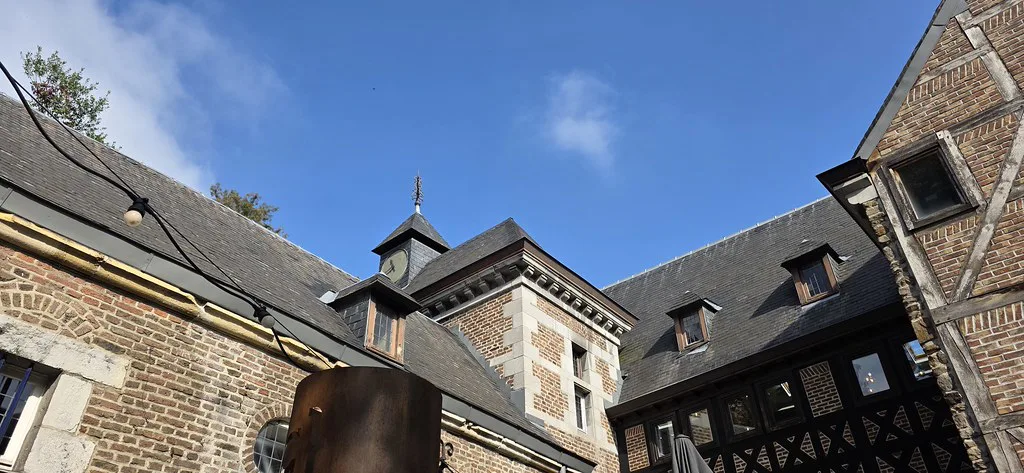
Start at Place Saint-Lambert: the square and the palace
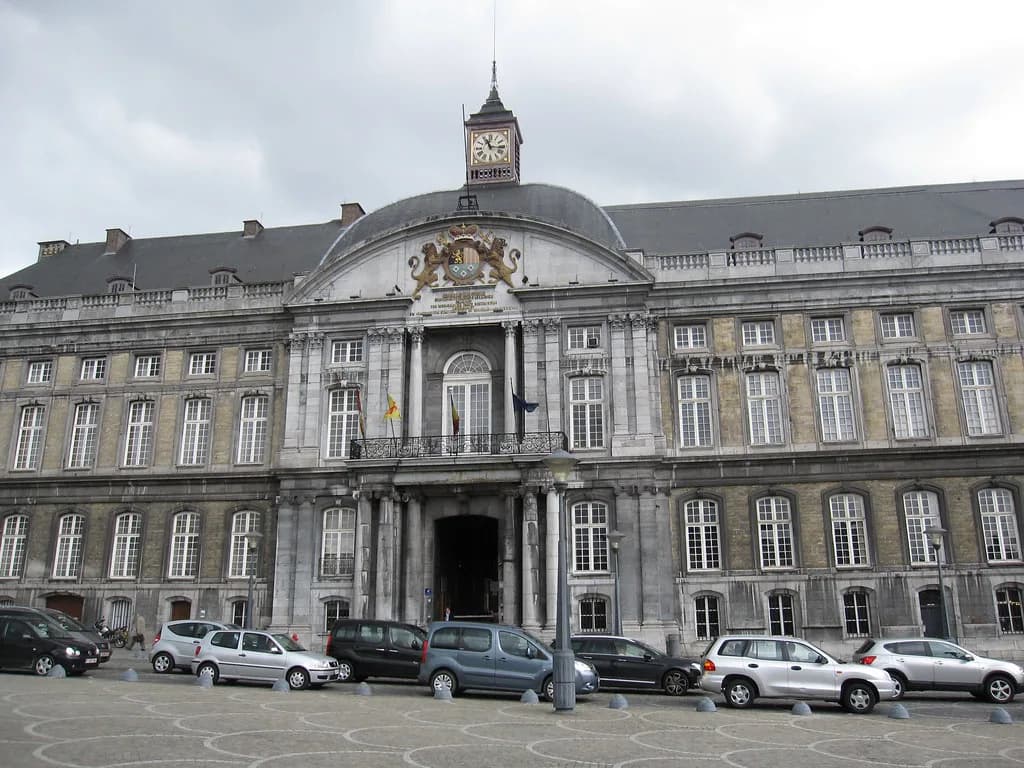
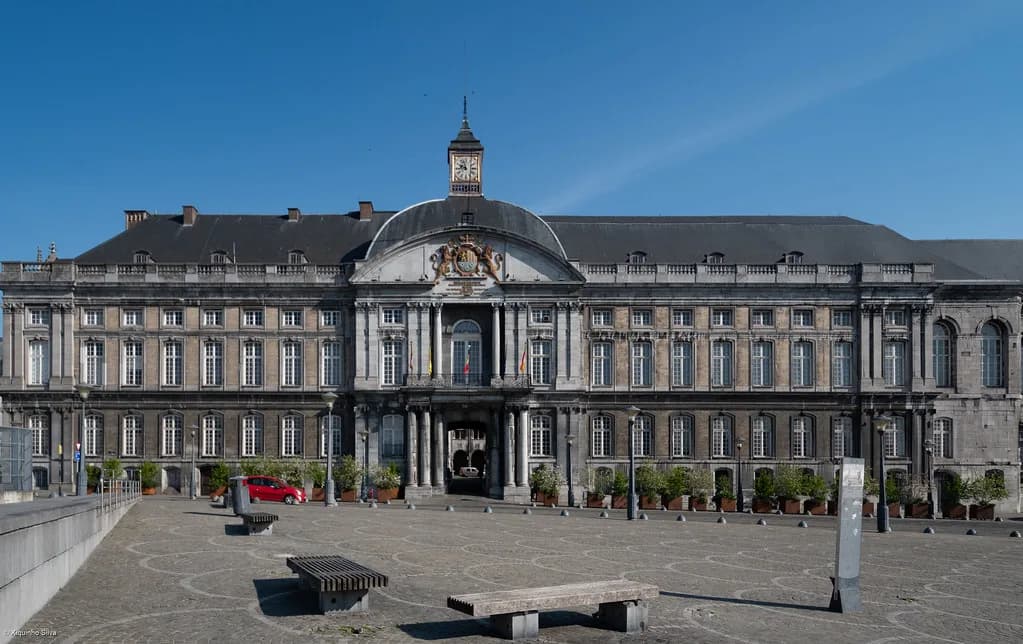
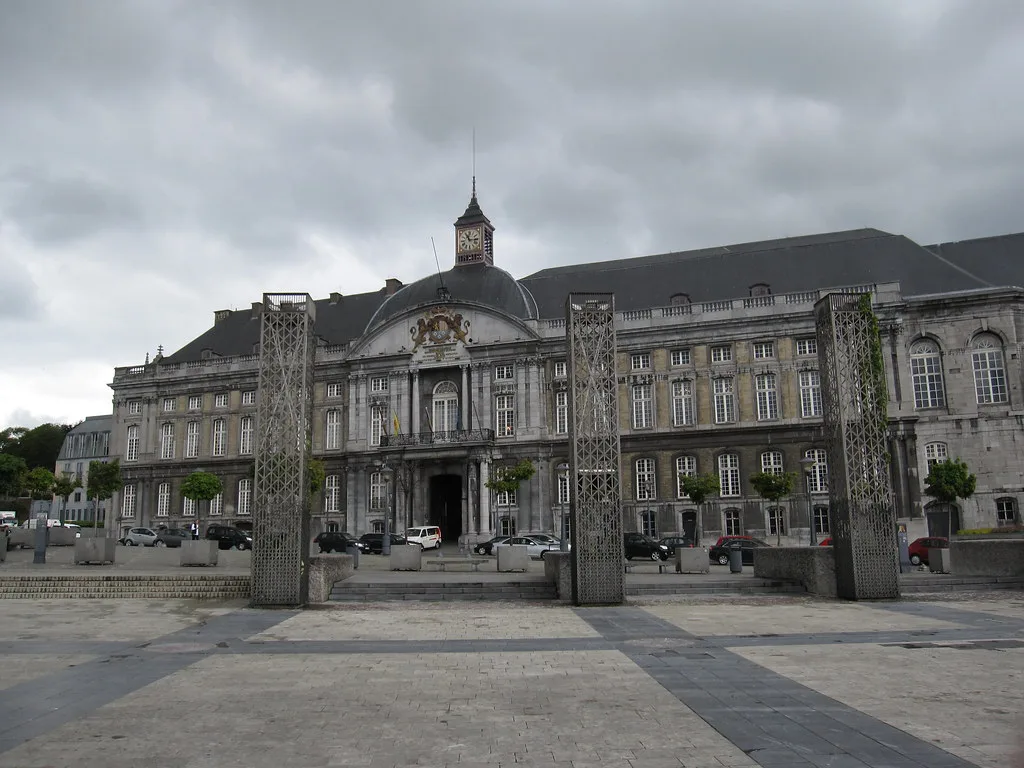
Begin on Place Saint-Lambert, the broad square that anchors the city centre and the usual meeting point for guided walks. The Palais des Princes-évêques, the Prince-Bishops' Palace, faces the square from its raised position, and its long facade gives you an immediate sense of the city's ecclesiastical weight.
Use the square to orient yourself before moving on. The palace sits at the high end of the open space, and the old town's streets pull away from it towards the river, which is the direction your route now takes.
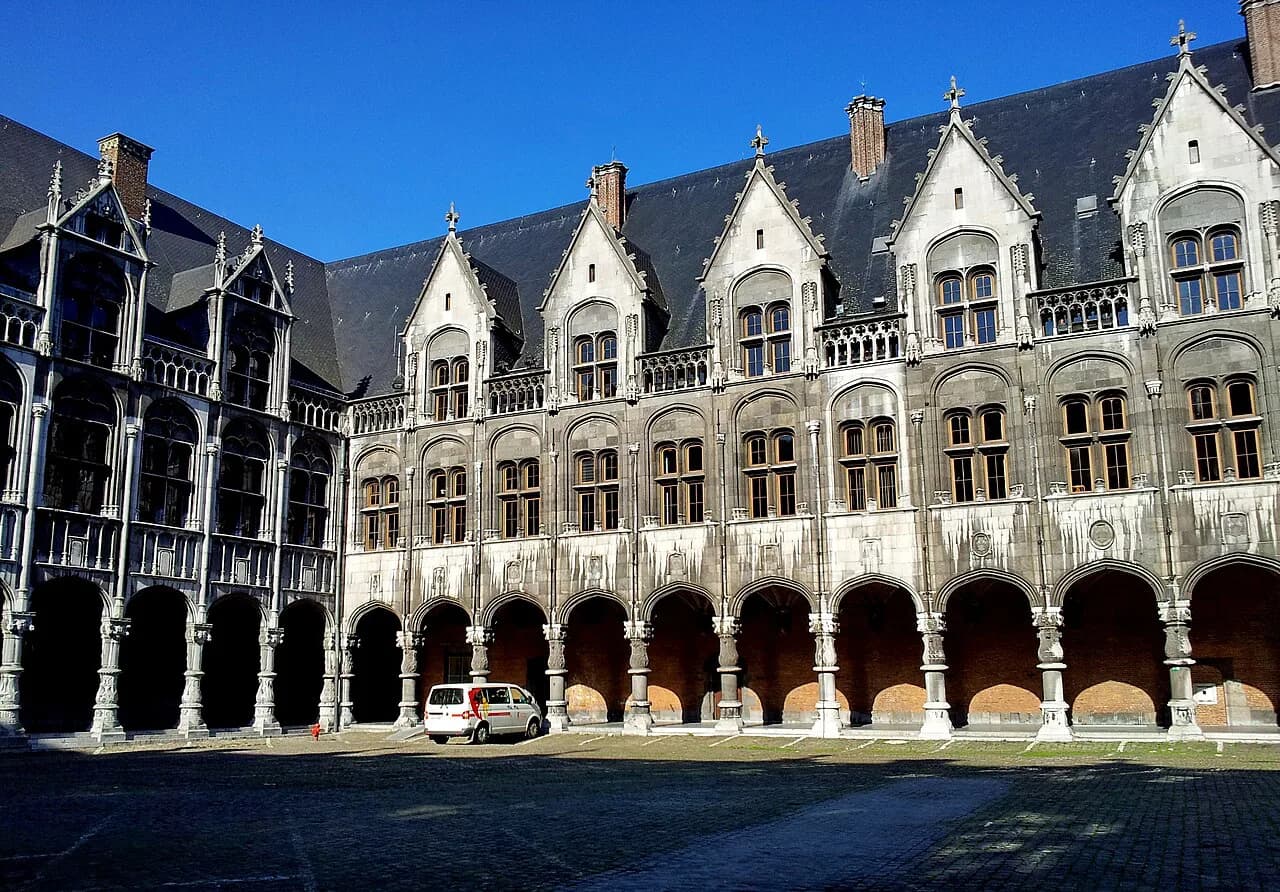
Inside the Palais des Princes-évêques
The palace is the one stop on this route where a guided walk earns its keep. The Free Tour of Liège advertises a walk inside the palace as part of its itinerary, alongside the Hôtel de Ville and the Bueren steps, which is hard to replicate solo if the building's public access is limited.
If you are walking independently, treat the palace courtyard and facade as the stop and keep moving. The building's interior is best handled as a separate visit rather than folded into this route.
The Hôtel de Ville and the old town streets
From the palace, head into the lanes of Liège old town towards the Hôtel de Ville. This stretch is the heart of the walk: narrow streets, old frontages and a density of detail that rewards slowing down rather than ticking off landmarks.
The Hôtel de Ville is a civic anchor rather than a spectacle, and the guided route lists it between the palace and the Bueren steps. Walk past it, note the surrounding streets, and let the next section of the route take you deeper into the impasses.
The impasses of old Liège: what they are and how to walk them
The impasses are the short, tight passages off the old town's main lanes, and they are the part of the walk most people miss. The Free Tour of Liège routes walkers through hidden impasses in the old quarter, and doing the same under your own steam means peering down side openings rather than striding past them.
Walk a few of them rather than all of them. They are short detours, often with steps, and the cumulative effect of ten impasses is a lot of up-and-down for little gain; three or four gives you the flavour without tiring legs.
The Montagne de Bueren: the climb and the view back
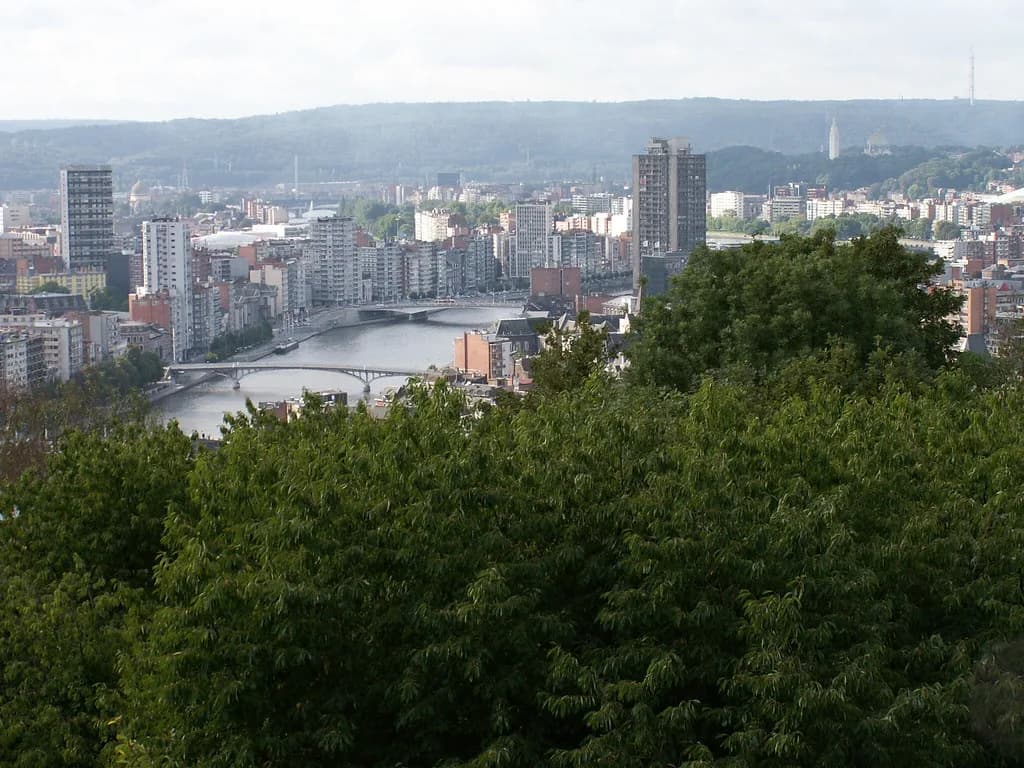
The Montagne de Bueren is the route's set piece: a long, steep flight of steps climbing out of the old town, and the reason this walk is best done with the climb placed late but not last. Take it slowly, use the handrail and stop on the landings; the view back over the rooftops is the reward and the reason to keep the camera out.
Leave some leeway around the steps, since outdoor stairways are occasionally closed for works; the climb is the one part of the route worth confirming on the day. The Free Tour of Liège's own route runs 2.5 km with narrow streets and some steps, which gives a fair sense of what the Bueren section adds.
La Violette and the end of the route
Come down from the Bueren steps and finish around La Violette, the old quarter named on the guided itinerary, where the walk eases back into the lower town. This is the natural place to stop for a drink or a coffee, and it leaves you within easy reach of the centre.
If you have walked the route in the morning, the afternoon is free for a museum or a beer stop. Liège beer and Liège chocolate are both worth an hour of your time, and both sit comfortably after a morning on your feet.
Route summary: distance, time and where to finish
In summary: Place Saint-Lambert, the Palais des Princes-évêques, the Hôtel de Ville and the old town lanes, a handful of impasses, the Montagne de Bueren climb, and La Violette to finish. That is a half-day on foot, with the Bueren steps as the one real effort.
Finish in the lower town rather than back at the start. It puts you near the centre for lunch and saves you re-climbing anything you have already walked.
Guided and free walking tours in Liège
Guided walks in Liège come in two shapes: tip-based free tours and paid fixed-price tours. The Free Tour of Liège runs 1 hour 45 minutes as listed, meets in front of the Prince-Bishops' Palace on Place Saint-Lambert, and operates in English, with the tour given in French if the group is entirely French-speaking. It is tip-based, so you pay what you feel it was worth rather than a set fee.
Paid alternatives are bookable in advance through operators such as TUI Musement, which lists short guided walks with a local in Liège among its activities. Audio and self-guided options also exist for travellers who prefer to move at their own pace.
A self-guided audio option suits anyone who wants the stories without a group. The SmartGuide app offers a Liège audio guide on your phone in more than 30 languages, which pairs well with the route above if you want commentary at each stop.
Making it a two-day plan in Liège
With two days, split the city rather than cramming it. Day one takes the old town walk above at an easy pace, with the afternoon free for the Bueren area and a beer stop; day two spreads out to the wider city, using the Things to Do in Liège guide as your shortlist.
If you are weighing up whether the city justifies the trip at all, the honest answer for a short break is yes, provided you like dense old quarters and steps. The is Liège worth visiting question is a fair one, and the walk above is the quickest way to test it.
Should you walk Liège alone or join a guided tour?
Walk it yourself if you want control over pace and the freedom to linger in the impasses; the route above works on foot without a booking, and the Bueren steps reward an unhurried climb. Take a guided tour if you want the palace interior and the local naming of the monuments explained, and accept the group pace that comes with it.
Whichever you choose, start at Place Saint-Lambert, treat the Bueren climb as the pivot of the walk rather than the finish, and end in the lower town. That is the shape of a good Liège walking tour.
Explore more Liège guides
Sources
Useful notes for your next trip
Optional updates to our guides.
You might also like
Continue reading
More guides you'll find useful