Is Ostend Worth Visiting? An Honest Answer for a City Break
Is Ostend worth visiting? Yes if you want Belgian art, Belle Epoque streets, harbour beer and sea air in one compact town. Here is who it suits.
On this page
Yes, Ostend (Oostende) is worth visiting if you want Belgian art, Belle Epoque streets and a harbour brewery within a compact town that you can cross on foot. It rewards a one-day stop and justifies two if you add the harbour crossing to Fort Napoleon. This guide separates what the town does genuinely well from the trade-offs, and sets out how many days it needs.
The town has been a seaside resort since the 19th century and was a fishing village long before, which is why the centre mixes grand villas with a working harbour. The result suits travellers who prefer a compact, walkable town with real art over a tick-list of sights.
What Ostend is known for: Ensor, Spilliaert and the Belle Epoque seaside
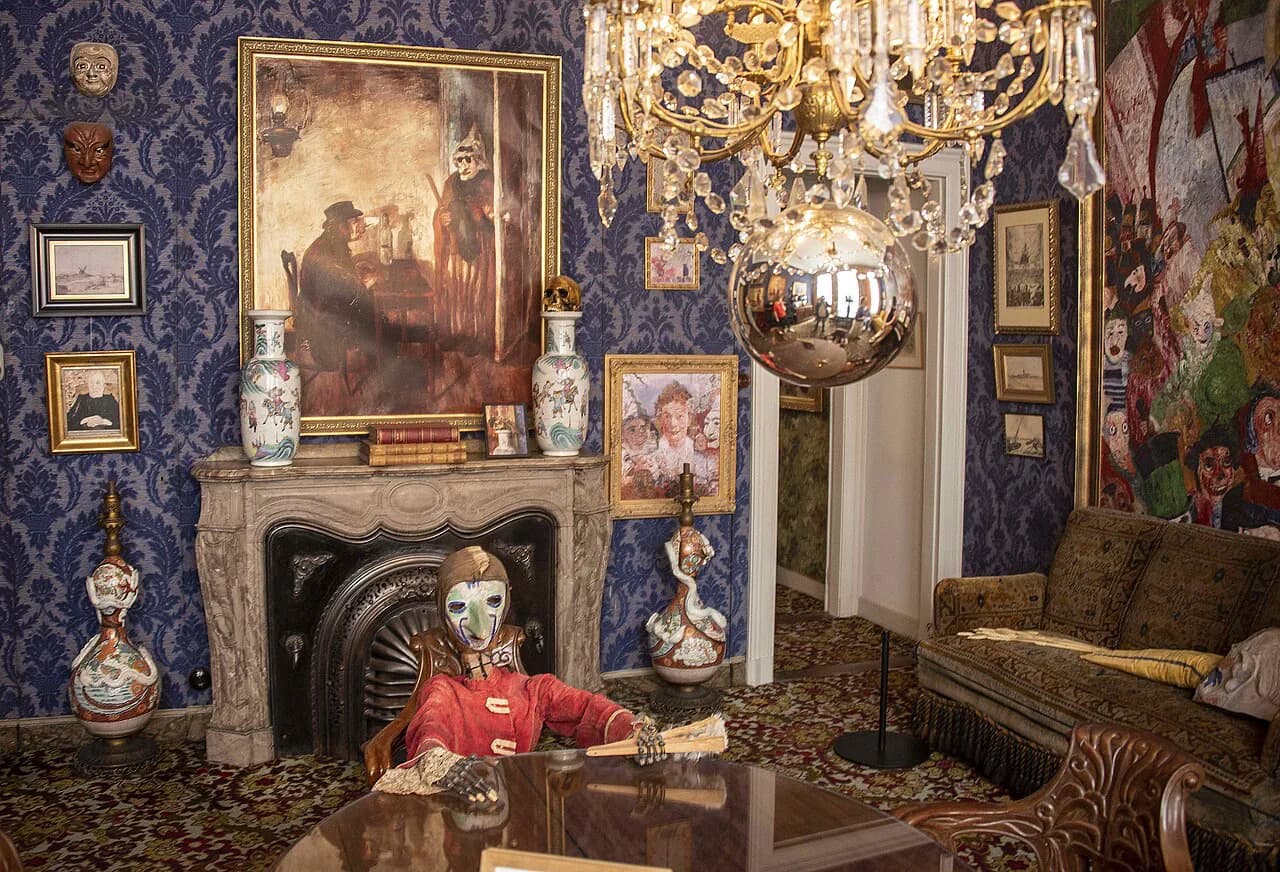
Ostend's identity rests on two things: its painters and its Belle Epoque heyday as a fashionable thermal resort for European high society. James Ensor, Léon Spilliaert and Constant Permeke give the town an artistic weight that most small coastal towns lack. That pairing of art and seaside architecture is the strongest reason to come, and Things to Do in Ostend sets out the named sights to build a day around.
The Belle Epoque left a coherent quarter of pastel terraced houses, elegant villas and distinctive doors rather than isolated showpieces. Walking that area is free and takes an hour or so, which makes it good value on a short break; Ostend Old Town is the natural companion for the streets around it.
Mu.ZEE and the art that gives the town its character
Mu.ZEE holds Belgian art from 1830 to the present day in a former department store, with wide windows that fill the galleries with light. Its strengths sit in the late 19th and early 20th century, above all Ensor, Spilliaert and Permeke. If you come to Ostend for one indoor sight, make it this one.
Allow an hour and a half for the permanent collection and more if a temporary show is running, since exhibitions have occupied several locations around the city. The museum anchors the centre and is easy to pair with the seafront in the same afternoon.
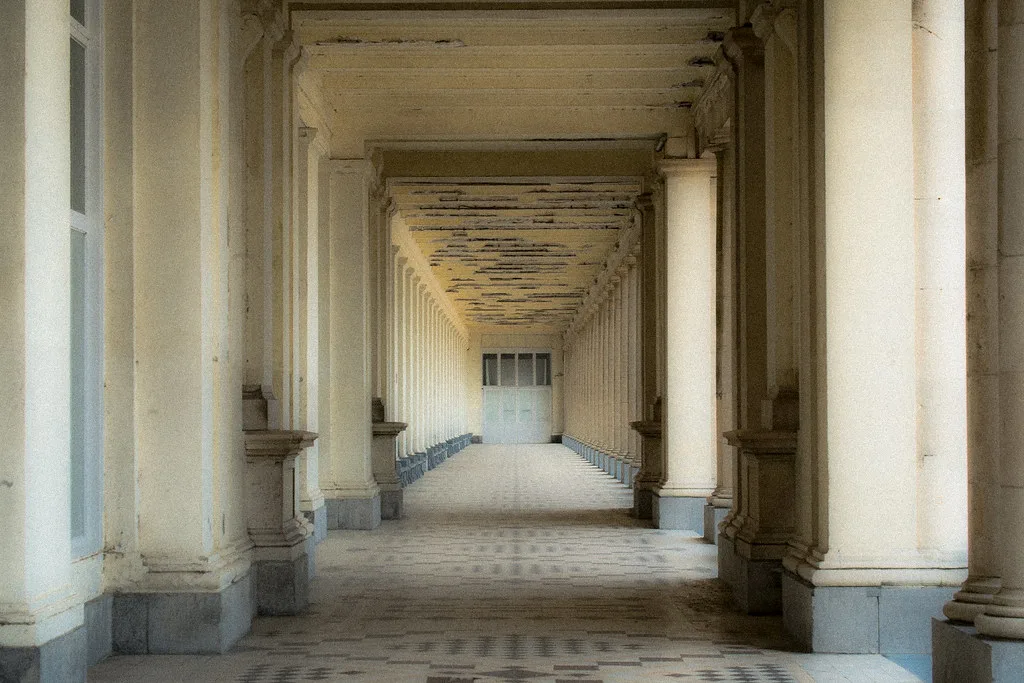
The Belle Epoque quarter between Koning Station and Leopold Park
The Belle Epoque area begins before Koning Station and stretches as far as Leopold Park, which makes it the natural first walk from the station into town. Go on foot and look up: the interest is in facades, doorways and villas rather than in any single address. It is the most photogenic stretch of the centre and costs nothing.
Because the quarter is residential and spread out, it rewards a loose route rather than a checklist. Walk from the station towards the park, then drift towards the seafront; you will cover the best of it in under an hour.
Beer at 'T Koelschip in the town centre
'T Koelschip is a small town-centre brewery that brews its own Trappist beer and sells bottles of many other Belgian beers, so it works both as a tasting stop and as a shop. In the account of one visitor, bottles are chosen on the first floor, which makes it an easy, low-commitment break between sights.
Treat it as a half-hour pause rather than an afternoon: it suits a rainy interlude or the end of a walking loop through the centre. Craft beer is one of the things Belgium does best, and a town-centre brewery is a more grounded introduction than a bar.
Oud Kerkhof and the older side of Ostend
Oud Kerkhof, also known as Paster Pype, opened in 1852 and sits next to the Hippodrome in the city centre. It holds the graves of prominent Ostend families and local monastic communities, and the monuments give it real weight.
It is a quiet, contemplative stop rather than a spectacle, and it will not appeal to everyone. If you have a second day or an interest in monumental cemeteries, it adds a layer to the town that the seafront cannot.
Fort Napoleon and the wilder shore across the harbour
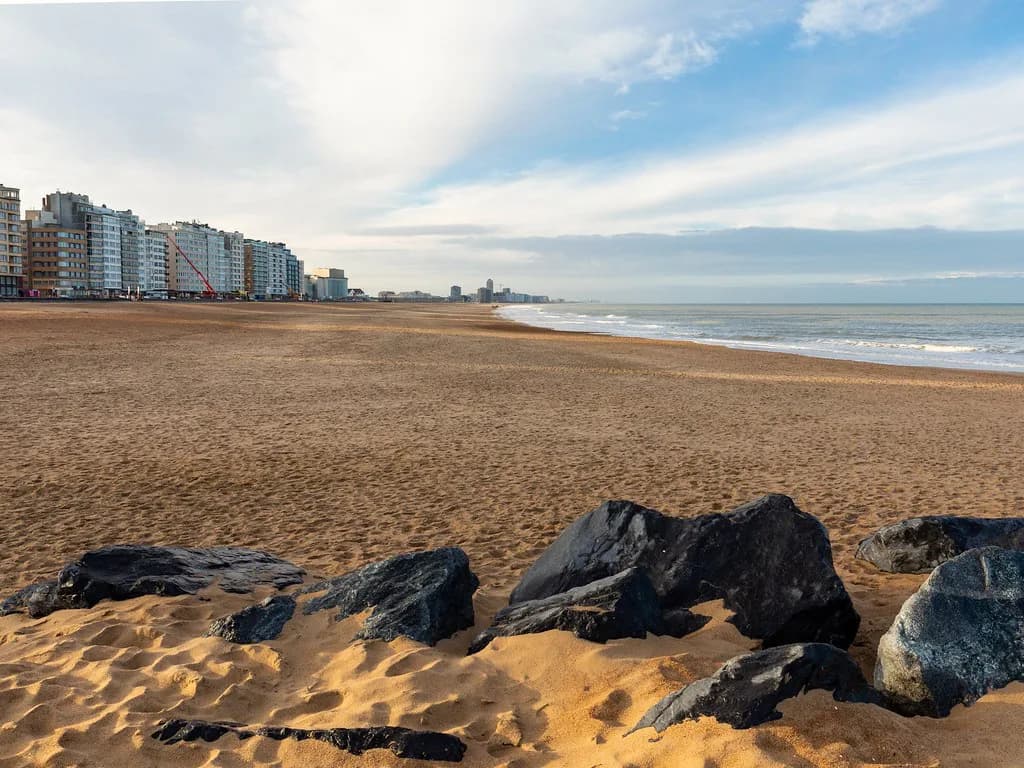
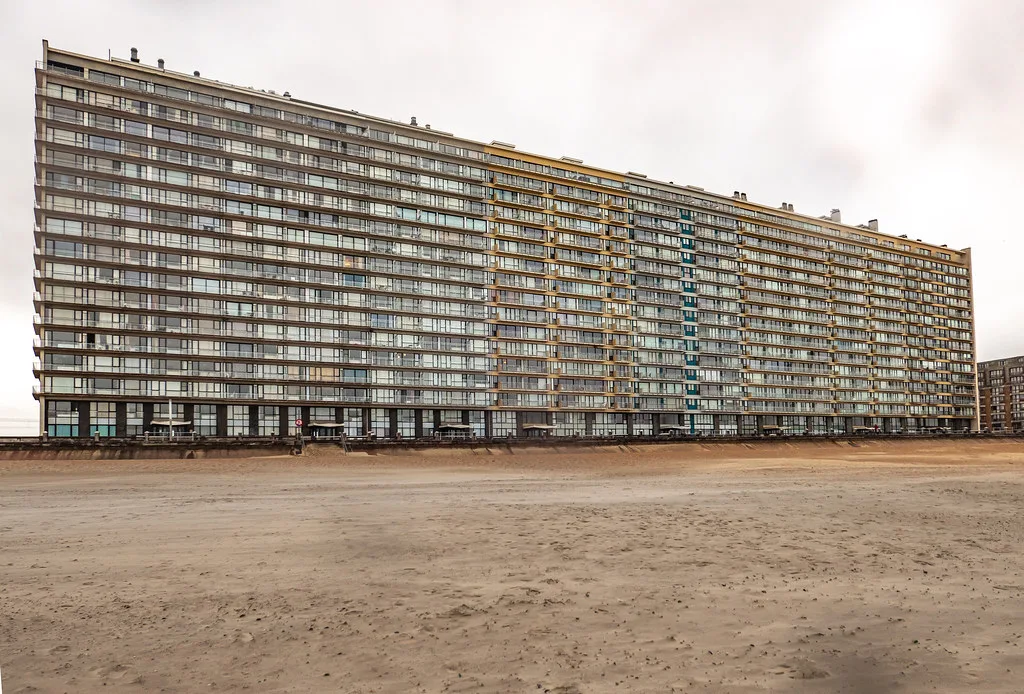
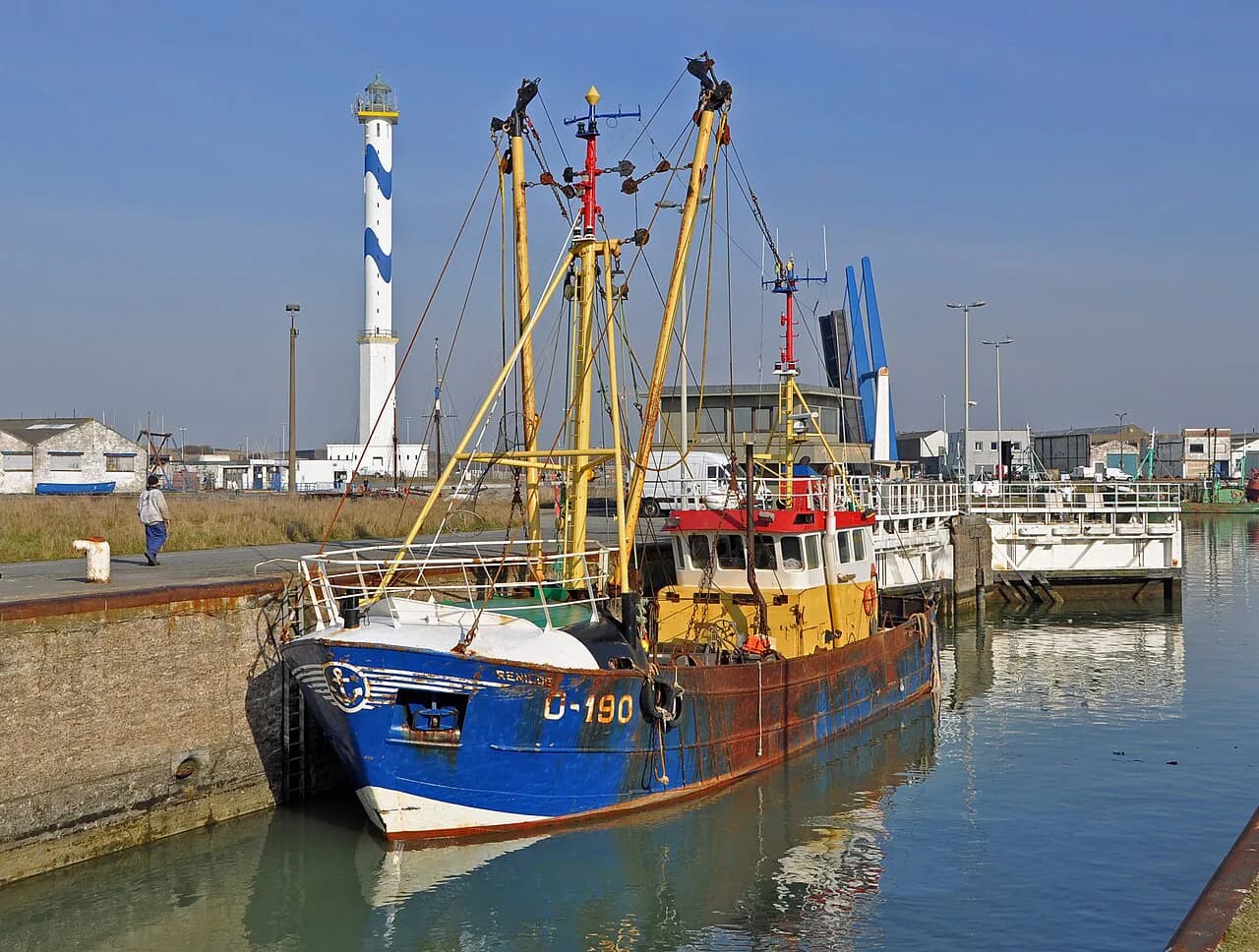
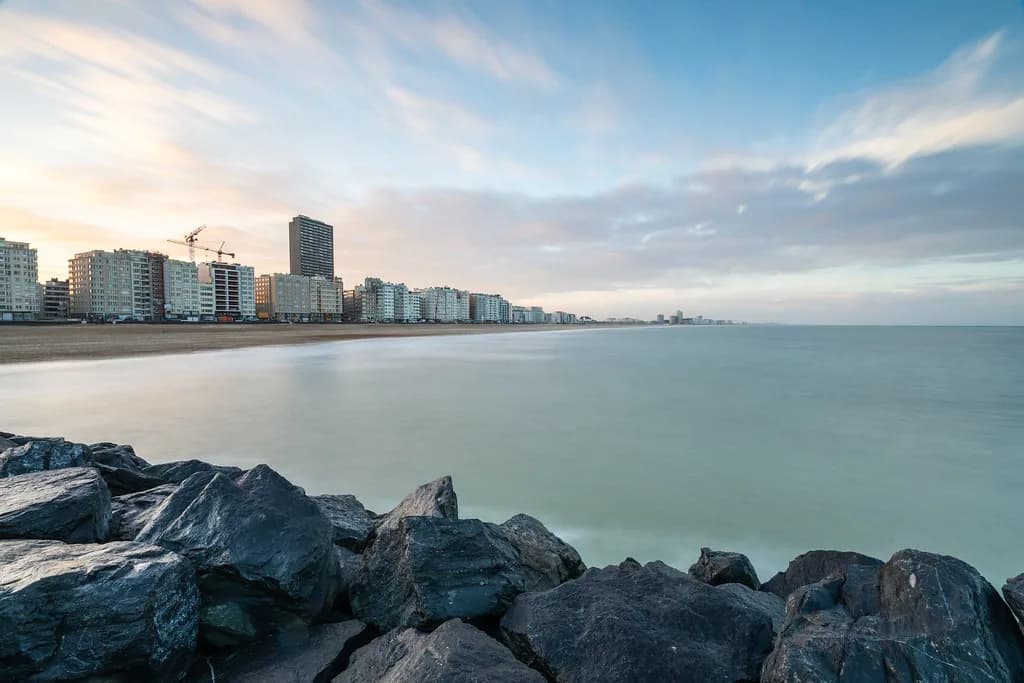
Across the harbour, reached by ferry, Fort Napoleon is an 18th-century stronghold on a stretch of coast far quieter than the central promenade. The town beach promenade is lined with hotels and shops and stays busy; the other side offers a wilder shore and space.
Crossing the harbour takes time out of your day, so it earns its place mainly on a two-day visit. The trade-off is simple: the centre gives you art and architecture, the far shore gives you air and emptiness.
How Ostend is laid out on foot: station, centre, seafront and harbour
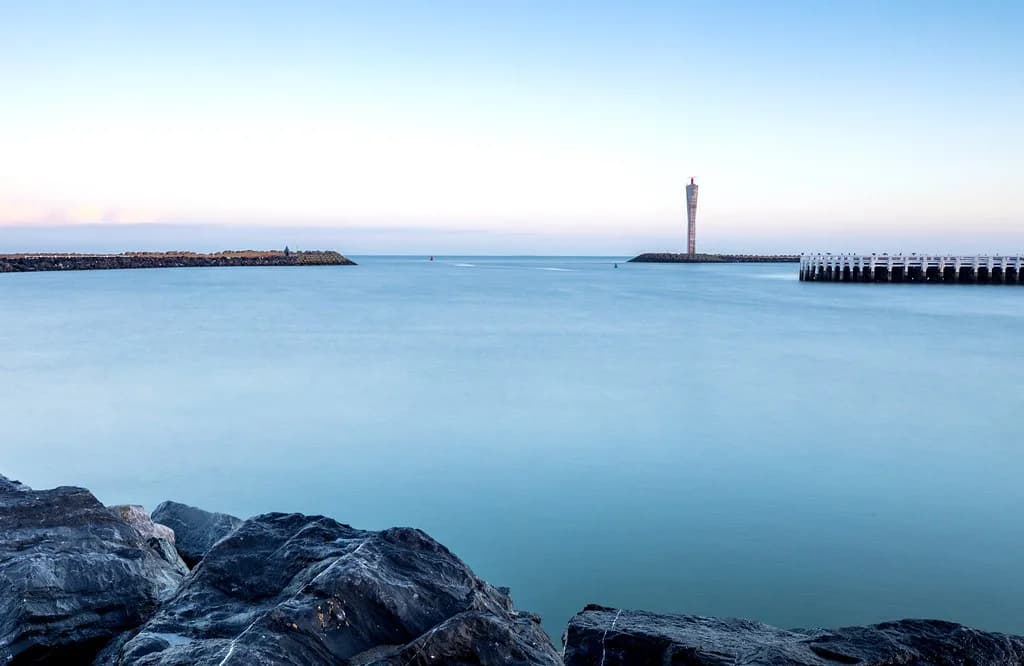
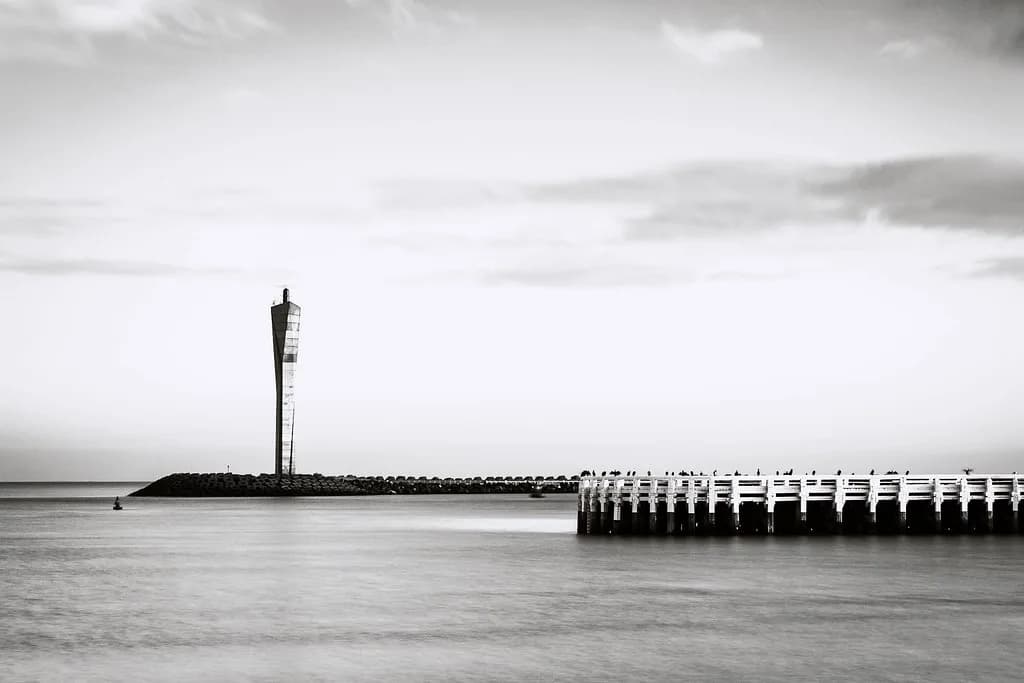
Ostend compresses into four pieces: Koning Station and the Belle Epoque streets running to Leopold Park, the centre with Mu.ZEE and 'T Koelschip, the seafront promenade, and the harbour, from where a ferry crosses to Fort Napoleon. Everything except the far shore is walkable within the town.
Plan your day in that order and you avoid doubling back: station to park, park to centre, centre to seafront, and the harbour last if you are crossing. If you are arriving from the UK, the journey itself shapes the day, so check the route options before fixing a schedule.
How many days Ostend needs: one day against two
One day covers the centre and seafront comfortably: Mu.ZEE, the Belle Epoque walk, a beer at 'T Koelschip and the promenade. Two days add Oud Kerkhof and the harbour crossing to Fort Napoleon without rushing.
Beyond two days you are stretching a small town, and Ostend works better as a base than as a long stay. If you want a fuller short break with a slower rhythm, a weekend is the natural shape.
Who will Love Ostend and who may not
Ostend suits travellers who want Belgian art in a small, walkable town, who like faded seaside grandeur, and who are happy to spend an afternoon on architecture and a brewery rather than on attractions. It also suits anyone combining a coastal stop with Bruges, which sits close by.
It will disappoint anyone expecting a polished resort or a large city's range of sights: the promenade is busy, the town is small, and the pleasures are modest and architectural. If you want blockbuster museums and a dense old centre, Ghent or Bruges fits better.
When to go: summer crowds against quieter months
Summer brings the crowds to the promenade and the seafront, which is the town's busiest face. Outside high season the centre, museum and Belle Epoque streets are calmer and easier to walk, though the seafront loses some of its bustle.
If events shape your timing, the town has hosted the street art festival The Crystal Ship and other contemporary and urban art events, which can fill accommodation. Check what falls on your dates before booking.
Is Ostend worth it against Bruges or Ghent?
Bruges and Ghent offer denser historic centres and more museums; Ostend offers the sea, a distinctive painterly tradition and a resort atmosphere neither of them has. The choice is really about whether you want a canal city or a coastal town.
Because Ostend sits close to Bruges, the two combine easily: give Ostend a day or two and use it as a contrast to Bruges' medieval core. If you must pick one, choose Bruges for architecture and Ostend for art, sea air and a slower pace.
Should Ostend make your shortlist?
Ostend earns its place on a Belgian shortlist when you want art, Belle Epoque streets and sea air in a compact, walkable town. Give it one day for the centre and seafront, or two if you want the harbour crossing and Oud Kerkhof.
Skip it in favour of Bruges or Ghent if you are after a dense medieval centre and a bigger museum haul. If you go, pair it with Bruges rather than choosing between them.
Explore more Ostend guides
Sources
Useful notes for your next trip
Optional updates to our guides.
You might also like
Continue reading
More guides you'll find useful