Ostend on Foot: Seafront, Harbour and Centre Green Space
Ostend's open-air pacing on a one to three day break: the seafront promenade, the harbour quays and the centre loop, with named nearby sights.
On this page
Ostend does not need a park itinerary of its own: the seafront promenade and the open ground along the harbour give you the breathing space a short break needs. Treat open air here as pacing rather than sightseeing, and build it around the named sights you already want to see. This guide sets out where the open-air stops sit, what each one is good for and how they fit a one to three day trip.
The city's history matters to how it looks today. Ostend grew from a small village on the eastern tip of an island, and wars between the fifteenth and nineteenth centuries destroyed most of the historic centre, so the town reads as wide, sea-facing and rebuilt rather than medieval and enclosed.
Which open-air stops in Ostend are worth building a short break around
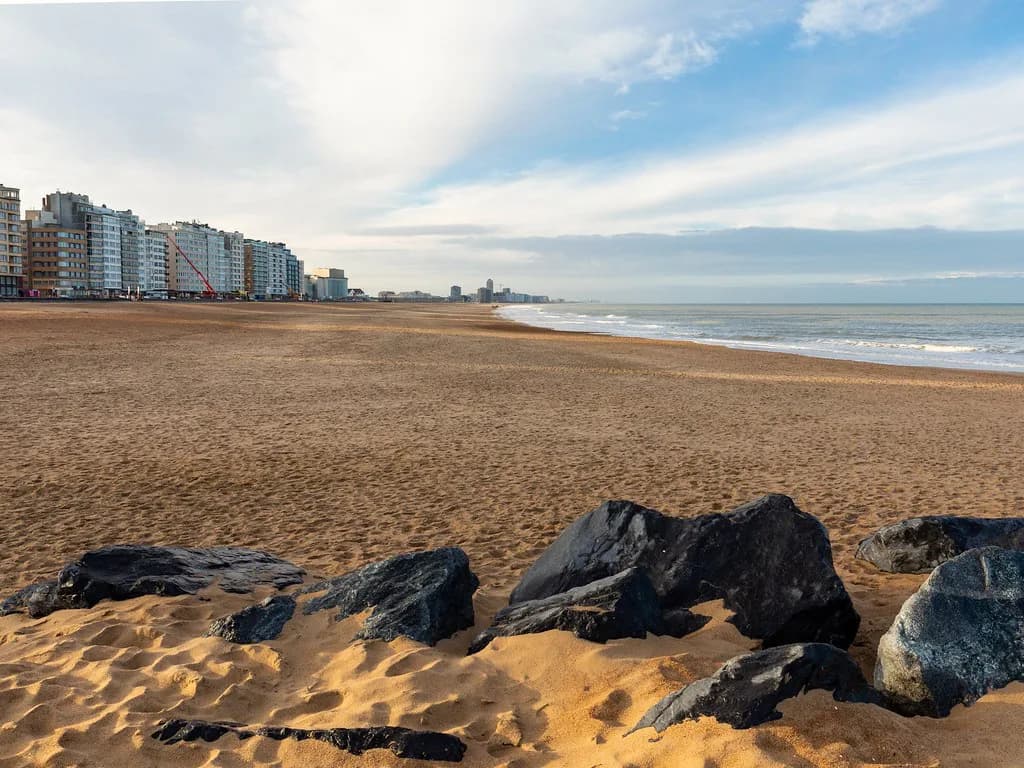
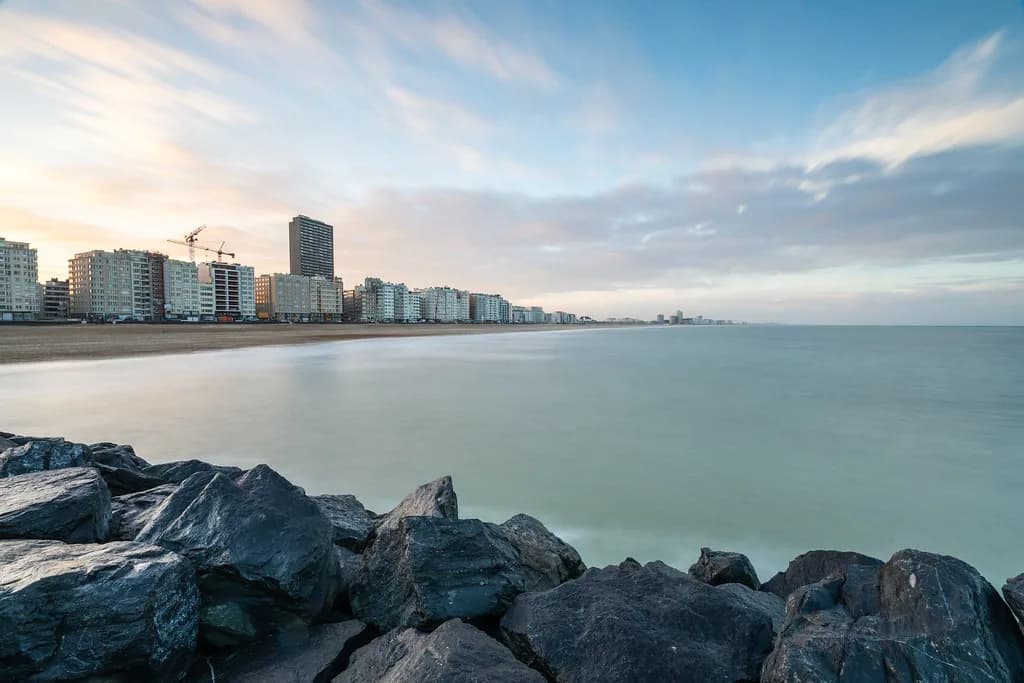
On a one to three day break, the seafront is the open-air stop that matters most. The coast gives you long walks with views over the water and the coastline, and the flat landscape behind it suits bicycle routes, so hiring a bike turns a short stroll into a half-day loop. The Visit Ostend practical information page is the place to find out how to rent a bike and how to get around the city.
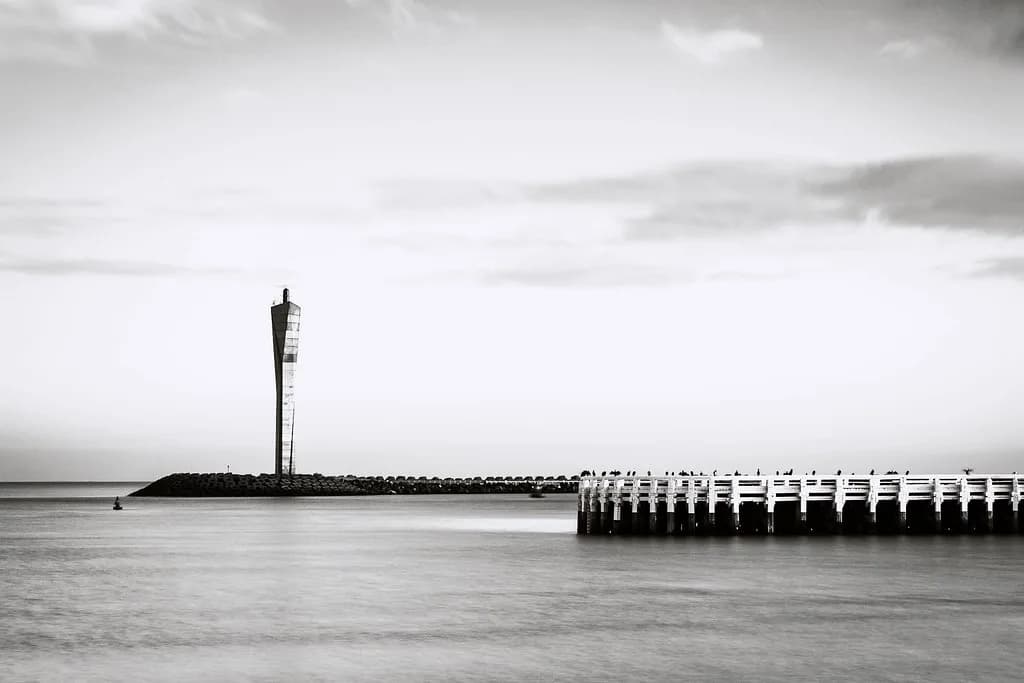
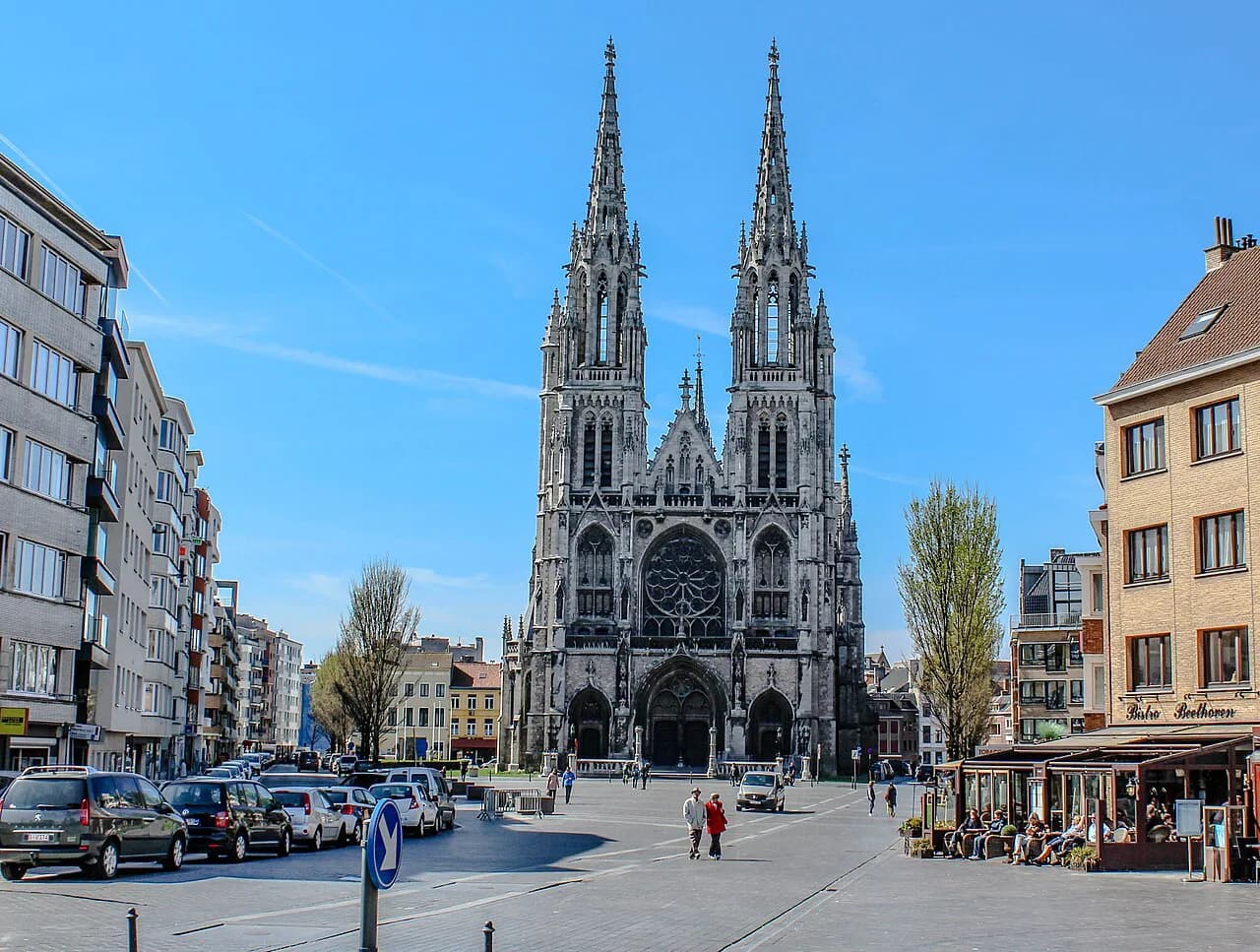
Inland, the worthwhile open-air stops are small and tied to a sight: the neo-Gothic Sint-Petrus-en-Pauluskerk sits a five-minute walk from the Noordzeeaquarium, and the harbour quays around the Museumship Amandine and the Mercator give you flat ground to walk beside the water. Plan these as part of a loop through the centre rather than as destinations in themselves.
The honest trade-off is seafront versus inland. Time spent on the promenade is time not spent in the old town, and Ostend's rebuilt centre rewards a slow walk past the Belle Epoque facades. If you have only one full day, do the seafront early and keep the afternoon for the centre.
The open-air stops closest to the seafront and the centre
The seafront is the largest single piece of open air beside the city, running along the coast. Use it as your start point: walk a stretch of the promenade, then cut inland towards the Sint-Petrus-en-Pauluskerk and the Noordzeeaquarium, which sit within a five-minute walk of each other.
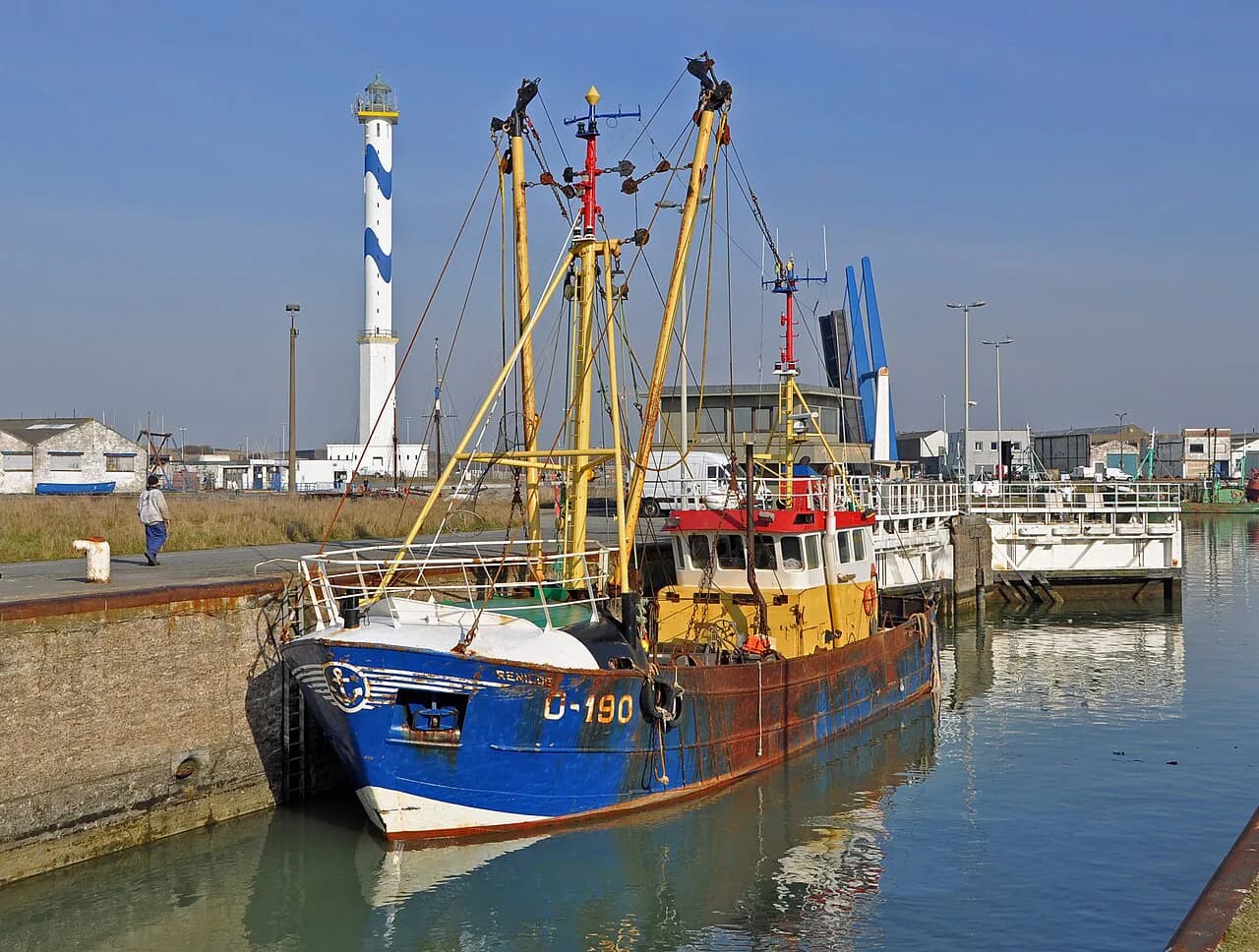
For harbour air rather than sea air, head to the Museumship Amandine and the Mercator, where the quays give you open sky and water without leaving town. Fort Napoleon, built by the French in 1811 to defend the city against the English, and the Atlantic Wall open-air museum with its bunkers and underground tunnels give you the wartime history on a longer, more deliberate excursion.
What each stop offers: space to walk, sit, shade or play
The promenade gives you distance and views, and it is the best place in town for a long, flat walk at any pace. The flat landscape around Ostend also lends itself to cycling, so a hired bike covers more ground than walking and lets you reach the coast tram stops for other resorts.
The quays and squares around the Sint-Petrus-en-Pauluskerk break up a morning between sights, and they are close enough to the centre to keep the loop compact. If your legs need a longer pause, an Ostend museum gives you a seated hour indoors before you carry on.
The Atlantic Wall site is open-air but not a park in the relaxing sense: it is a place to walk through bunkers and tunnels and to think about what happened there. Go when you want substance rather than a picnic, and go respectfully.
Pairing an open-air stop with nearby sights: a walking loop through the centre
Build one loop rather than several. Start on the seafront, walk inland to the Sint-Petrus-en-Pauluskerk and the Noordzeeaquarium, then continue to the harbour for the Museumship Amandine and the Mercator. That gives you open air, a church, an aquarium and two ships in a single unhurried day.
If you want art in the middle of the walk, the city's association with James Ensor gives you a reason to break the loop indoors; see what else is on with this guide to Things to Do in Ostend, and then pick the loop back up along the seafront and harbour.
For a wet-weather version of the same loop, swap the promenade for the covered sights and keep the walking short. The church, the museums and the aquarium give you close-together stops if the rain sets in.
How much of a day the loop takes and how to slot it into one to three days
The seafront and the centre loop take about half a day at an easy pace. On a one-day visit, do the loop in the morning and leave the afternoon for a single museum or for the harbour. On two days, add Fort Napoleon or the Atlantic Wall on the second morning and keep the afternoon free for the promenade.
With three days, the open-air stops stop being the point and become the connective tissue between bigger sights. Spread the walking across the days so you are not doing the same promenade twice, and use the coast tram for the outward leg when your legs are tired.
Walking and cycling between the stops
Walking is enough for the centre: the church, the aquarium, the museumship and the Mercator all sit within easy reach of each other. Cycling earns its place for the coast and the flat land behind it, and the city's practical information covers where to hire a bike and how to get to Ostend in the first place.
If you arrive by car, park once and walk or cycle from there rather than moving the car between sights. Ostend sits just off a major motorway reached via Antwerp and Ghent, and it is also easy to reach by train, with a single change at Antwerp Central if you come from Amsterdam.
Museums and monuments nearby if the weather turns
Ostend has a strong indoor fallback list within walking distance of the seafront. The Noordzeeaquarium, the Museumship Amandine and the Mercator are all close to the harbour, and the Sint-Petrus-en-Pauluskerk gives you a dry, quiet stop in the middle of the loop.
If your trip coincides with a festival, the seafront and squares fill up and the quiet centre loop becomes the better option. Look at what is on before you commit your days.
If your trip coincides with a festival, the seafront and squares fill up and the centre loop becomes the better option. Look at what is on before you commit your days.
Where to find a city map and bike hire for a walking day
Start with the city's own practical information, which covers parking, how to get to Ostend, bike hire and a downloadable city map. Pick up the map before you set out so you can see how the seafront connects to the harbour and the church.
If you are coming from the UK, plan the journey before you plan the loop: the crossing and onward train shape how much of the day you actually have on the ground.
Which open-air stop should anchor your day?
Anchor your day on the seafront and treat everything else as a loop inland from it. That gives you the open air Ostend does best, with the church, the aquarium and the harbour ships as natural stopping points rather than separate trips.
Explore more Ostend guides
Frequently Asked Questions
Why is Ostend famous?
Ostend is known as a seaside resort with a cultural side: museums and monuments, the coastal promenade, and its wartime history at Fort Napoleon and the Atlantic Wall site. It is also associated with the painter James Ensor.
Is Ostend worth visiting for a short break?
Yes, if you want sea air, flat walking and a compact centre rather than a medieval old town. The rebuilt centre, the harbour museums and the coast tram make one to three days comfortable.
Sources
Useful notes for your next trip
Optional updates to our guides.
You might also like
Continue reading
More guides you'll find useful