Ostend Fish Market (Vistrap): A Visitor's Guide
Ostend's open-air fish market, the Vistrap, sits on the Visserskaai quayside in the fishing harbour. Here is what it is and how to slot it into a short break.
On this page
Ostend's fish market is the Vistrap, an open-air market on the Visserskaai along the city's fishing harbour. Treat it as a 20- to 30-minute stop on a harbour walk, not the reason for your trip, and build the rest of the day around the seafront and the old town. This guide explains what the Vistrap is, where it sits in the city's layout and how to fit it into a one-, two- or three-day break.
The market sells fish and seafood displayed on stalls beside the quay where the fishing fleet works. Its appeal is the setting as much as the shopping: you are standing between the harbour and the working waterfront.
What the Vistrap actually is
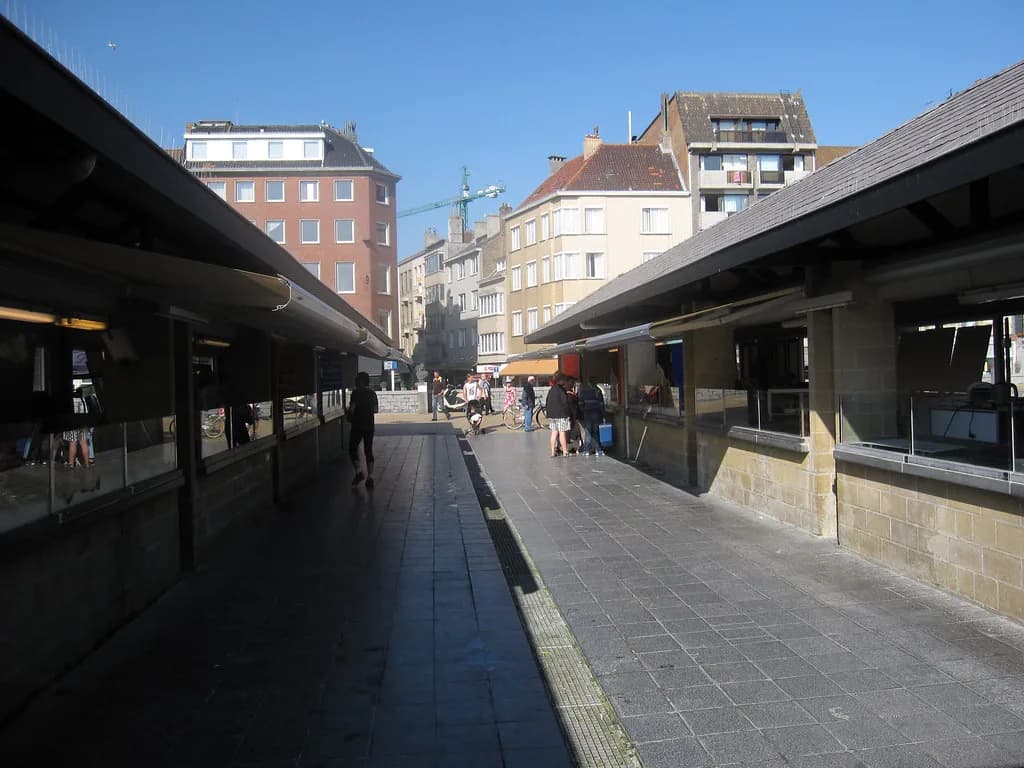
The Vistrap is an open-air stall market rather than a covered hall, and it stands on the Visserskaai, the quayside road that runs along Ostend's fishing harbour. Fish and seafood are laid out for sale in the open, which makes it a place to look, buy and move on rather than a museum-style attraction.
Scale is the thing to calibrate. Travellers describe it as a small market, so giving it a slot of half an hour is realistic; anyone expecting a sprawling covered fish hall will be disappointed. The reward is a working quay, not a staged visitor experience.
It is a market, so the stock follows the catch and the season rather than a fixed list. Go with an interest in whatever is on the slabs that morning and you will get more out of it than hunting for one particular species.
Where it sits in Ostend
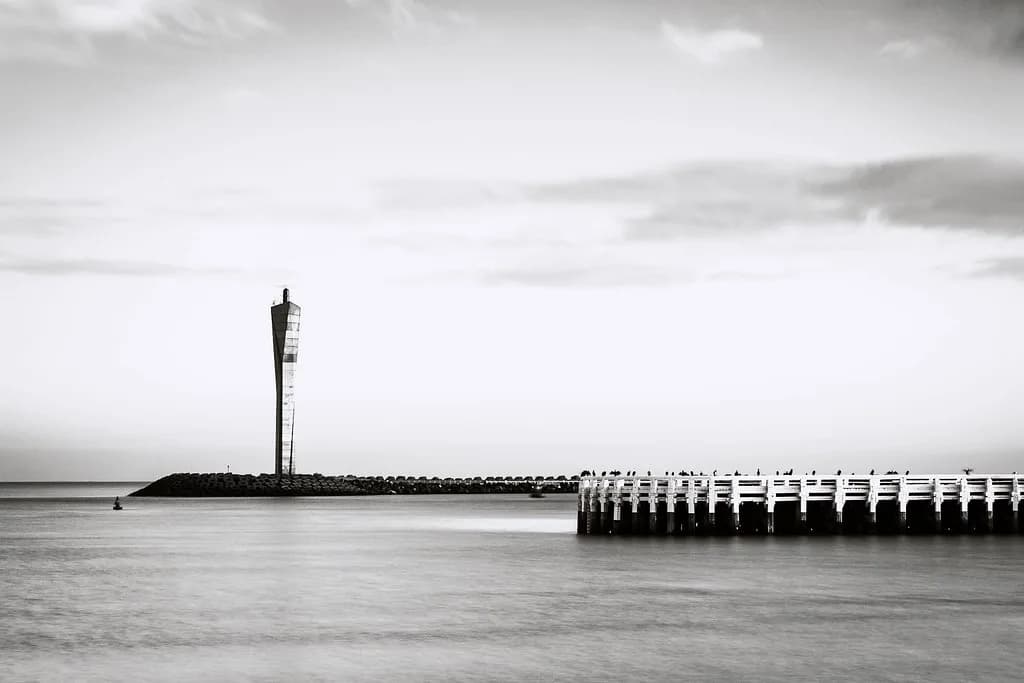
The Visserskaai runs along the fishing harbour, the working quayside just behind the seafront and within easy reach of the promenade. That position makes the market a natural hinge on a walking route: old town first, harbour and Vistrap next, then the seafront.
Ostend is compact enough that you do not need transport to reach the quay if you are staying centrally. Walk down towards the harbour, follow the water until you reach the stalls, and carry on along the quay rather than doubling back.
If you are weighing up whether the city justifies a break at all, the harbour walk is one of the arguments in its favour: fishing boats, open water and a market in one stretch. The wider case for the city, including its art and architecture, is set out in a separate guide on Things to Do in Ostend.
The old town side of the centre holds the Belle Epoque streets and the shopping streets, so the market slots neatly into a loop that starts inland and ends at the water. Give the whole loop an afternoon.
What is sold at the stalls
Expect fish and seafood displayed on open-air stalls along the quay, in the setting of the working fishing harbour. Come to see the catch laid out and to buy if you want; the stalls are a market, so the stock follows the catch rather than a fixed list.
Because it is open-air, the market feels close to the trade it serves: sellers, crates and the harbour behind them. Keep clear of the working parts of the quay and of anyone actually buying.
Plan your seafood meal elsewhere and use the Vistrap for looking and buying. If you want to cook, self-catering is the obvious route; if not, treat the market as atmosphere and a photo stop.
The harbour around it
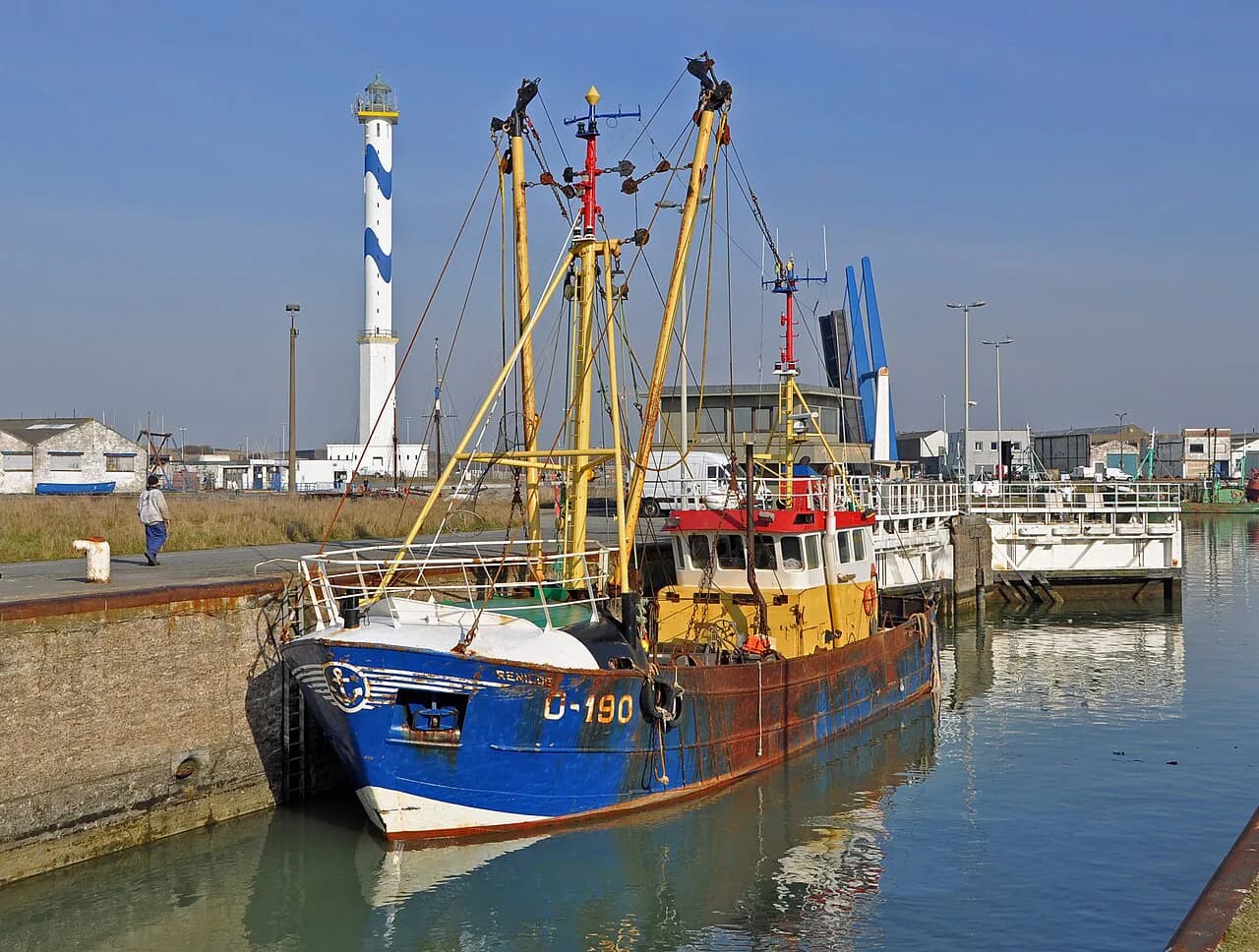
The fishing harbour is the reason the market exists, and the boats are part of the visit. Walk the length of the Visserskaai to see the working side of Ostend, then turn towards the seafront for the promenade and the sea.
Pair the market with the city's museums if you want a fuller day: Ostend has a strong art tradition, above all James Ensor, whose house and collections anchor the cultural side of a break. The Things to Do in Ostend page maps the main sights if you want a ready-made shortlist.
The seafront promenade and the harbour are close enough to combine without planning, which is exactly why the market works as a filler between bigger sights. Walk the quay, then walk the promenade, and you have covered the waterfront half of Ostend in a morning.
If you want to see how the market fits with the city's other markets and stalls, the Ostend market guide covers the other markets and stalls across town.
Fitting the Vistrap into a one-, two- or three-day break
On a one-day visit, put the Vistrap on a route that runs from the old town through the shopping streets to the harbour and finishes on the seafront. That order keeps you moving in one direction and avoids retracing steps along the quay.
With two days, use the market as a morning stop before a museum afternoon, which suits Ostend's indoor sights if the weather turns. A weekend gives you room to spread the harbour, the seafront and the art across separate days rather than cramming them together.
Three days lets you treat the Vistrap as a small detail inside a wider harbour walk and still have time for the city's churches and museums. Ostend's churches, several a short walk inland, are an easy addition to the same loop.
Whichever length you choose, do not build the day around the market alone: it is small, and the trip stands or falls on the rest of the city. Give it a slot, then move on.
Nearby stops to pair with the market
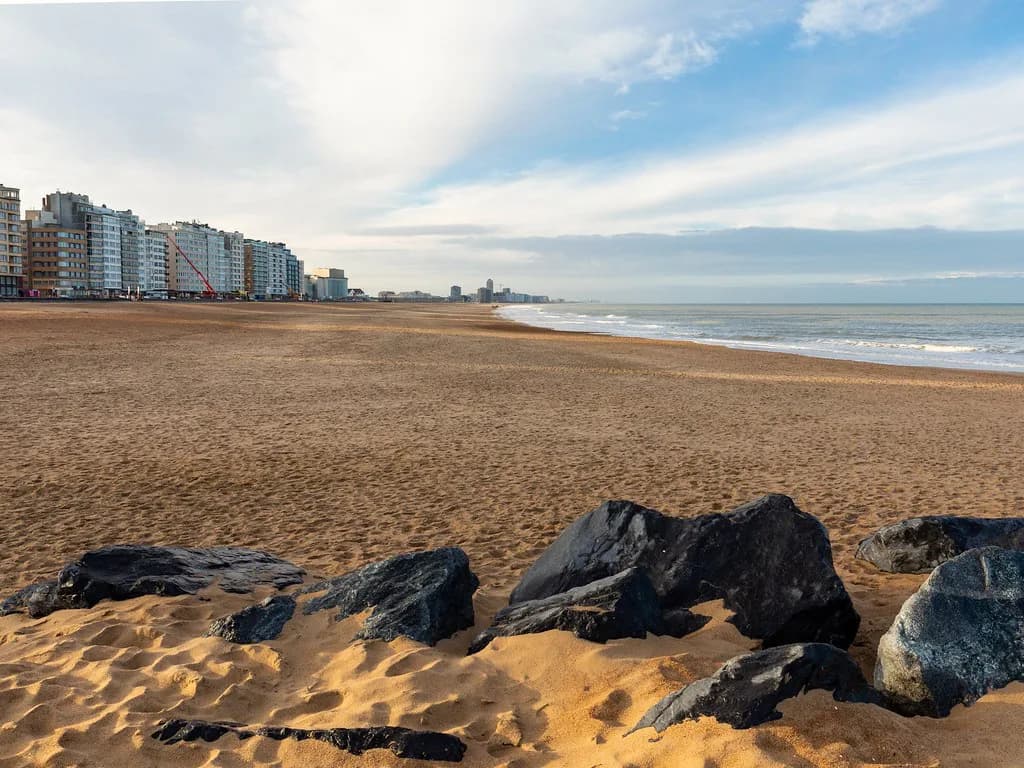
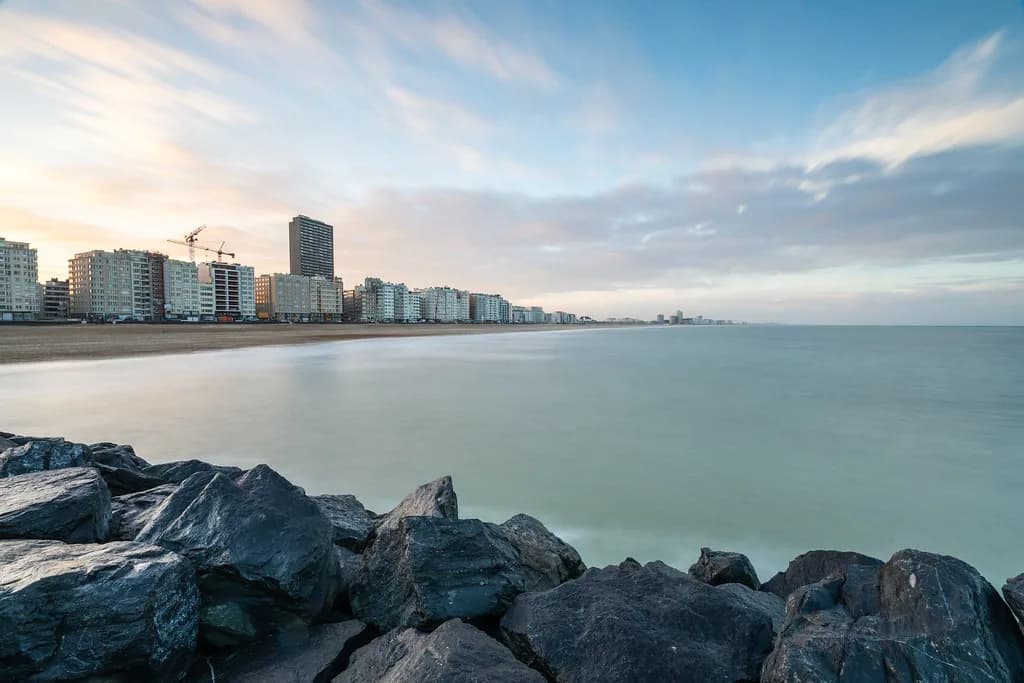
The seafront promenade is the obvious companion: a long walk along the North Sea with the beach on one side and the town on the other. Combine it with the harbour for a half-day of walking that needs no tickets and no planning.
The old town adds the Belle Epoque architecture and the streets behind the seafront, which balance the working feel of the quay. Walk inland after the market and you are in the shopping and café streets within minutes.
For a wet-weather alternative, the city's museums are the sensible swap, and several sit within walking distance of the centre. Keep the market for a dry spell and move indoors when the sea mist comes in.
Is the Vistrap worth the detour?
Yes, if you are already walking the harbour and the seafront; no, if you are planning a trip around it. The Vistrap is a small open-air market on a working quay, best used as a 20- to 30-minute stop that adds salt and atmosphere to a wider Ostend day.
Build your route around the old town, the harbour and the promenade, and let the market be one point on it rather than the destination. That way the day holds up whatever the stalls are selling.
Explore more Ostend guides
Frequently Asked Questions
Is the Ostend fish market free to visit?
The Vistrap is an open-air stall market on the Visserskaai quay rather than a ticketed attraction, so there is no admission charge to walk along it. You pay only for whatever fish or seafood you choose to buy, at the price the seller quotes on the day.
How long should I spend at the Vistrap?
Allow 20 to 30 minutes. It is a compact open-air market, so it works as a stop on a harbour and seafront walk rather than a half-day outing of its own.
Where exactly is the Ostend fish market?
It stands on the Visserskaai, the quayside road along Ostend's fishing harbour. From the town centre, walk towards the harbour and follow the water until you reach the stalls.
Can I eat at the market?
The Vistrap is a stall market for buying fish and seafood, with stalls set out along the quay. Plan a separate meal stop, or buy to cook if you have a kitchen.
Why is Ostend famous?
Ostend is known for its North Sea setting, its fishing harbour and its seafront promenade, as well as its association with the painter James Ensor. The harbour, where the Vistrap stands, is the working side of that identity.
Sources
Useful notes for your next trip
Optional updates to our guides.
You might also like

Continue reading
More guides you'll find useful