Museums in Ostend: Which Ones Are Worth Your Time
Museums in Ostend range from Mu.ZEE's Belgian modern art to the Ensor House, the Amandine fishing ship and the Atlantikwall bunkers. Here is what each holds.
On this page
For a short break, the Ostend museum that earns its place first is the James Ensor House on Vlaanderenstraat, followed by the Museum Ship Amandine on Vindictivelaan and the three-master Mercator in the Mercatordok. Mu.ZEE, the city's flagship art museum, has had its main building on Romestraat closed for renovation since January 2025, so its galleries are not the anchor of a day out that they once were. This guide sorts the museums by what you actually get inside: modern art, maritime history, war heritage and local history.
Ostend (Oostende) is compact enough that the central museums fit into a walking loop, with the harbour and the seafront as natural edges. The exception is the pair at Nieuwpoortsesteenweg 636, the Atlantikwall and Anno 1465, which sit well away from the centre and deserve a half-day of their own. Plan the town museums for one block of time and the coastal-defence sites for another rather than trying to fold both into a single afternoon.
Which Ostend museums are worth visiting first
Start with the James Ensor House, because it is tied to a single artist and a single address, and it gives you the painter who shaped how Ostend sees itself. Then take the Amandine, an authentic North Sea fishing vessel turned into a living museum, for the working side of the port. The Mercator slots in between, moored in the marina between the station and the town hall, so it works on the walk in from the train or on the way back out.
The city's museum landscape is broader than the famous names suggest, and the tourist office lists Mu.ZEE, the Amandine, the Ensor House, Anno 1465, the Atlantikwall, the Mercator, the City Museum Ostend and several sights beyond the centre. Treat that list as the full menu and the handful below as the dishes worth ordering on a one- to four-day trip.
Mu.ZEE: Belgian art from 1830 to today on Romestraat
Mu.ZEE is the art museum by the sea, holding Belgian art from around 1830 to the present, and it describes itself as the only place focusing on modern and contemporary Belgian art from 1880 onwards. Its main building at Romestraat 11 has been closed for renovation since January 2025. That changes the arithmetic of an art-led visit: see what the museum itself says is open before you build a day around it.
If you are coming mainly for Ensor and the Belgian moderns, the Ensor House covers the artist's own world while Mu.ZEE covers the wider movement he sat inside. With the Romestraat building out of action, the house on Vlaanderenstraat carries more of the art weight than usual. That is a reason to book it into the first morning rather than leaving it as a filler.
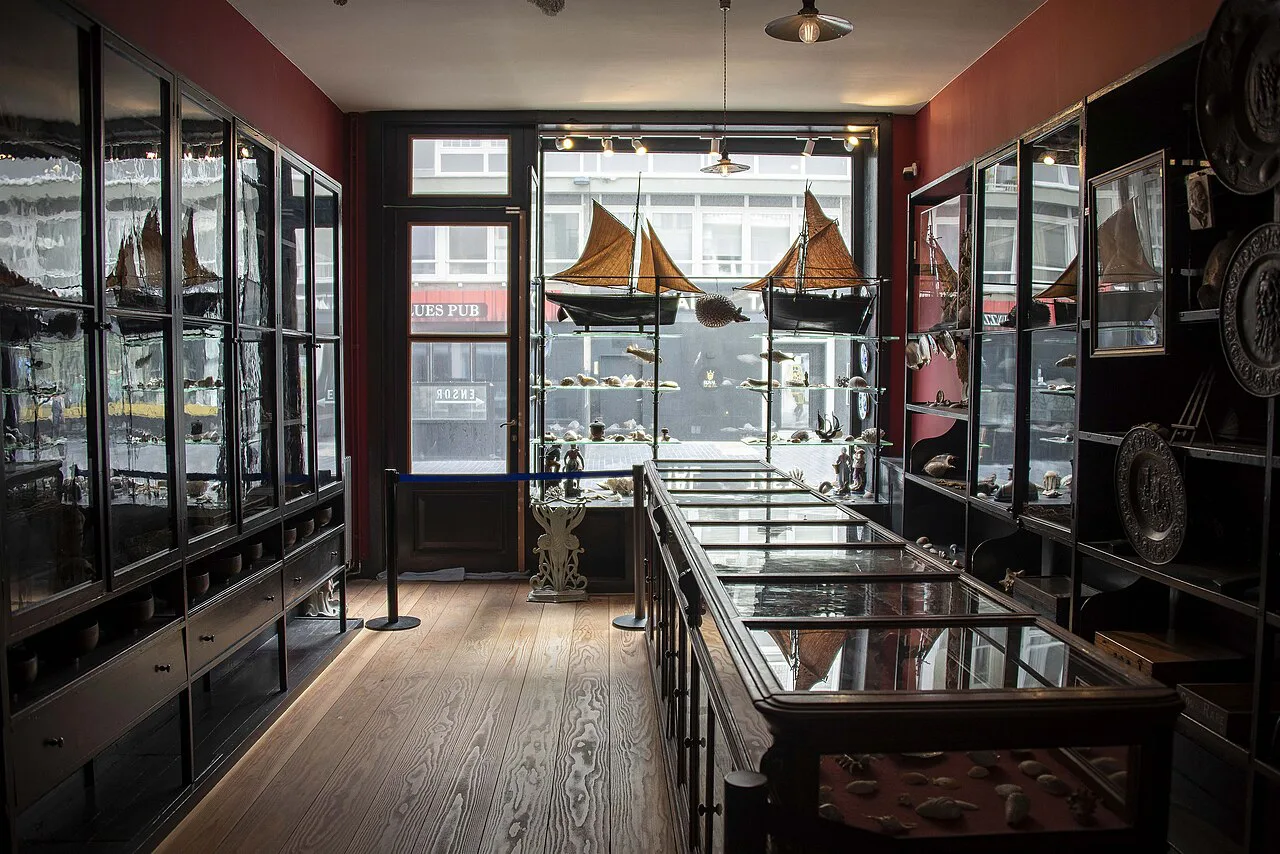
James Ensor House: the artist's former home and studio on Vlaanderenstraat
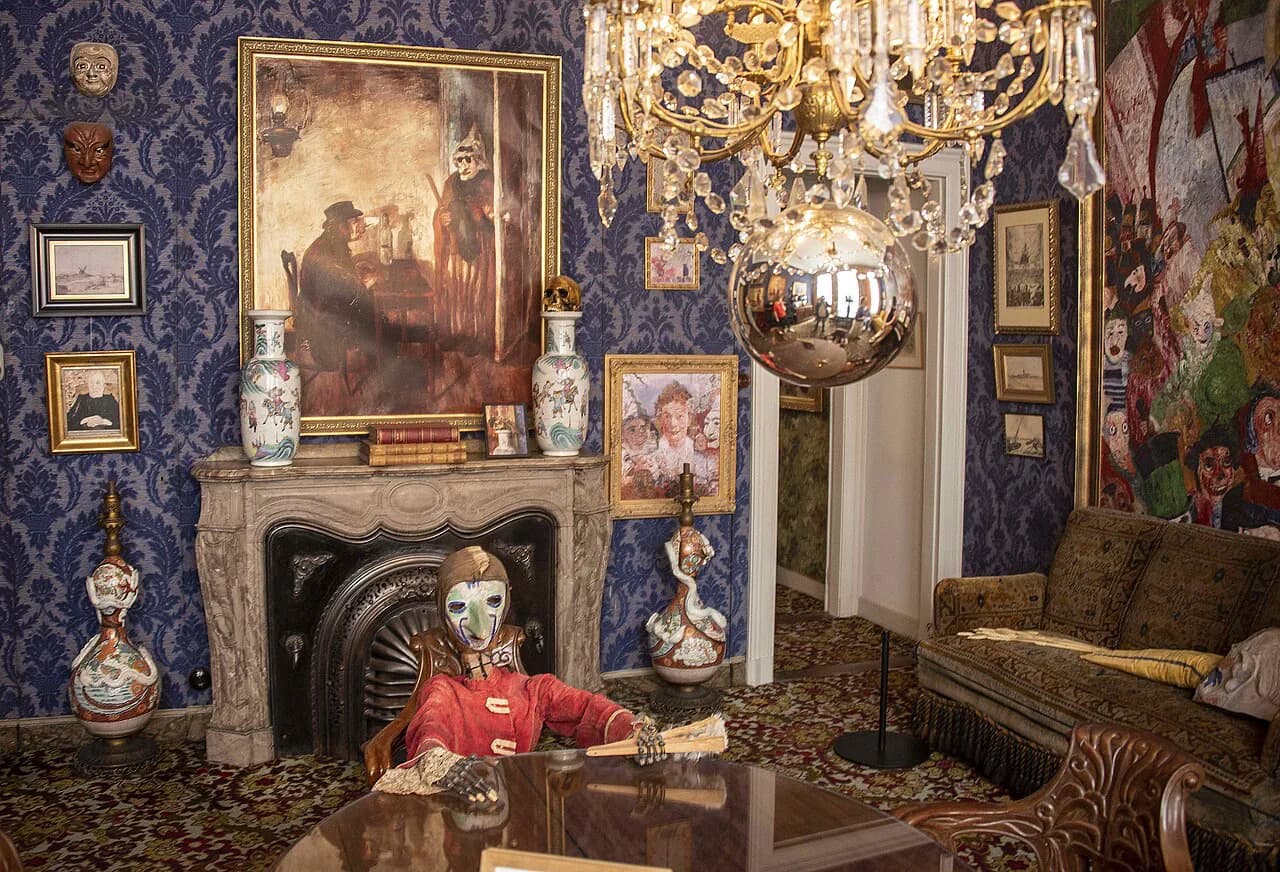
The James Ensor House at Vlaanderenstraat 29 occupies the former home and studio of the painter, so the visit is as much about the rooms and the light as about the pictures. It is the most personal museum in Ostend and the easiest to recommend to anyone with even a passing interest in Belgian art. Allow a focused hour or so rather than treating it as an all-morning stop.
Vlaanderenstraat runs through the heart of the old town, which makes the house a natural companion to a wander through the Belle Epoque streets and the shopping district around them. Pair it with the seafront rather than with the harbour, and you have a coherent half-day without any transport.
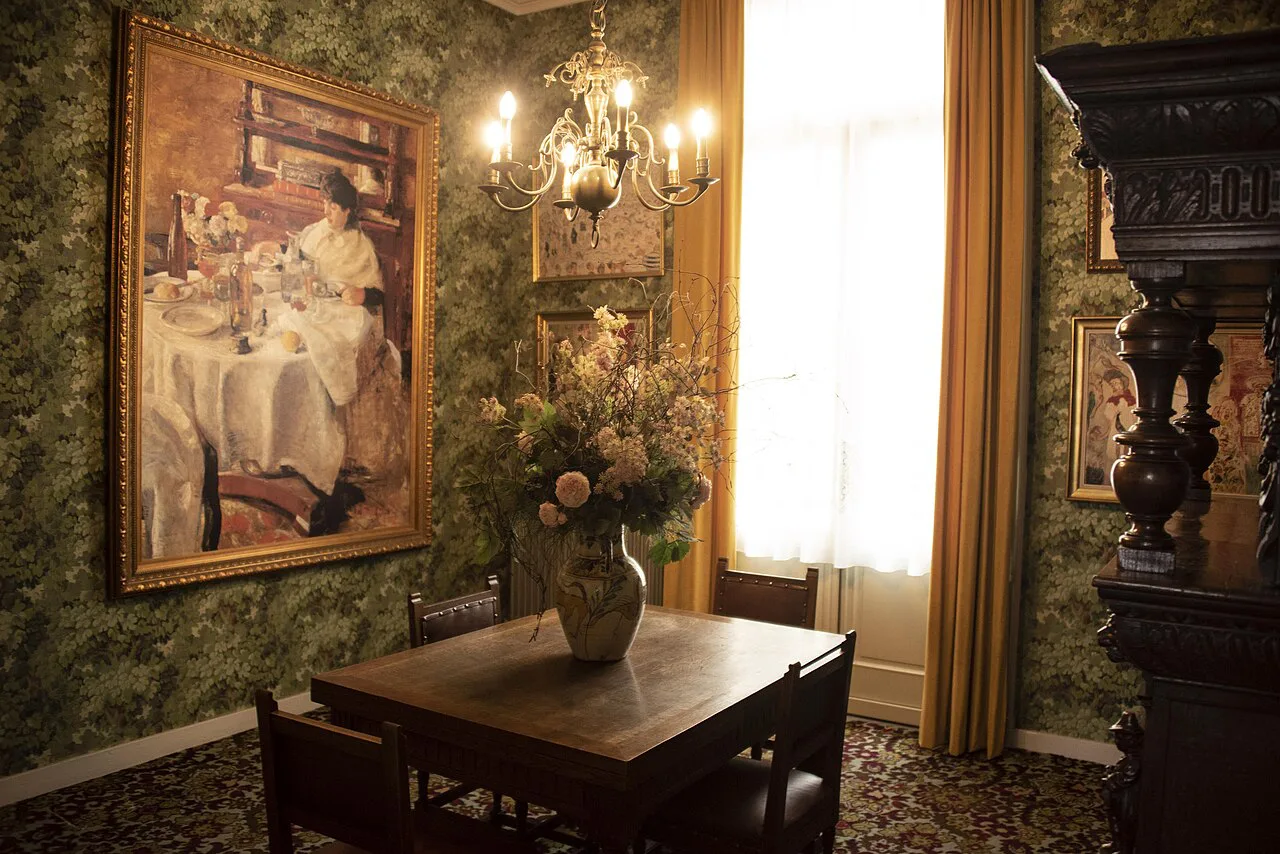
Museum Ship Amandine: life aboard a North Sea fishing vessel
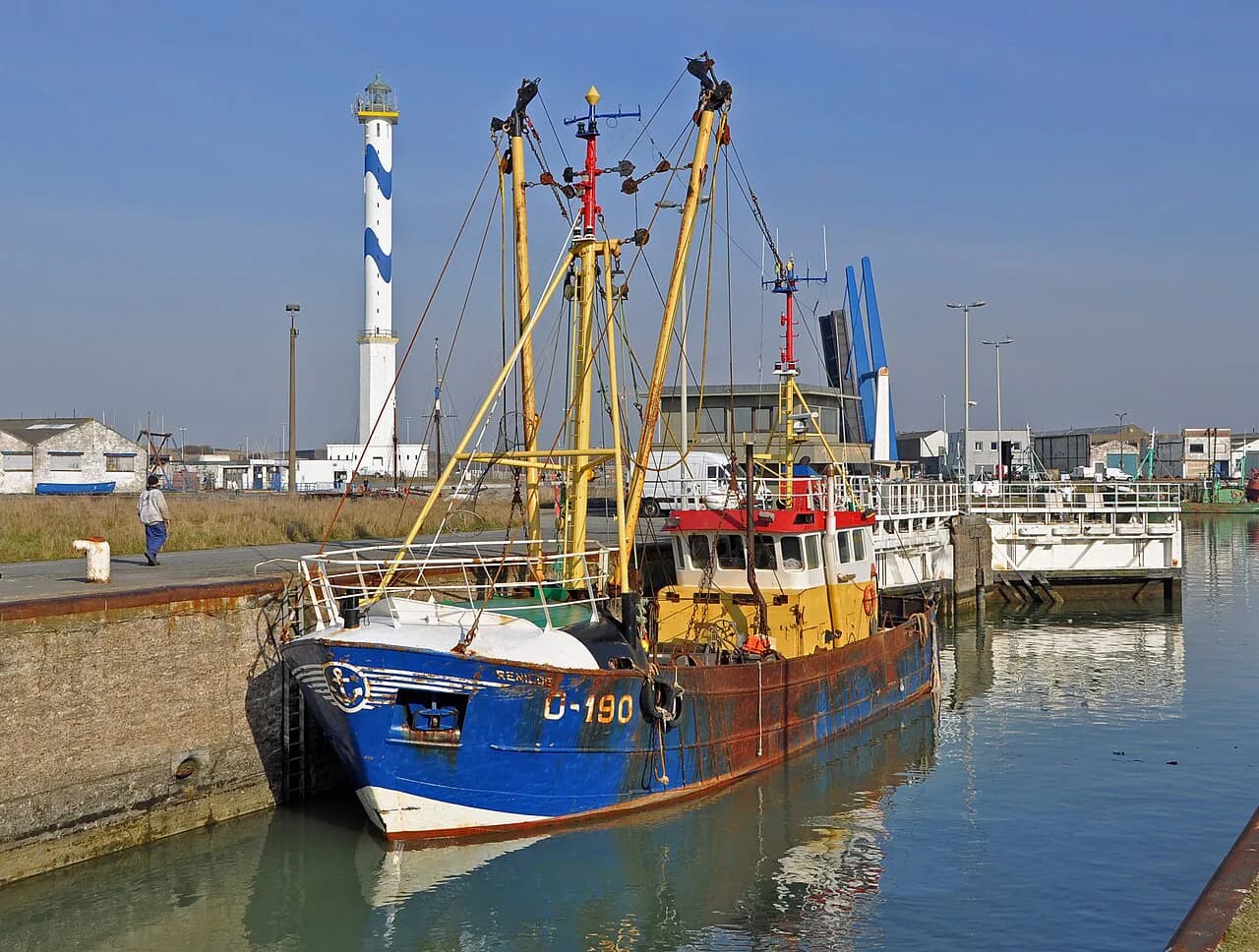
The Amandine on Vindictivelaan is a former North Sea fishing vessel preserved as a living museum, and it does something the art museums cannot: it shows the cramped working conditions of the people who made Ostend a fishing port. Go aboard for the scale of the thing, not for polished display cases. It suits anyone who wants the harbour explained from the inside.
Vindictivelaan puts you close to the Visserskaai, where the fish market still sells the day's catch, so the ship and the quay make a logical pair. That stretch of the port is also where you feel the town's working identity most clearly. Budget the two together rather than as separate outings.
The three-master Mercator: a merchant-navy training ship in the marina
The Mercator is a three-masted training ship of the Belgian merchant navy, now moored as a museum ship in the Mercatordok between the station and the town hall. Its position is the practical point: it sits on the natural line between arrival and the centre, so it is the easiest museum ship in Ostend to see without detouring. Give it a look even if maritime history is not your main interest, because the walk past it costs nothing.
Because the ship is moored rather than housed, it also works as a landmark for finding your way around the marina end of town. Use it as a meeting point or a marker between the station and the seafront rather than as a destination in itself.
Atlantikwall Raversyde and Anno 1465 at Nieuwpoortsesteenweg
The Atlantikwall at Nieuwpoortsesteenweg 636 is a preserved section of the Second World War German coastal defences, and it is the most substantial war-heritage site in the Ostend area. Anno 1465, at the same address, recreates a 15th-century medieval fishing village as an open-air museum. They are different experiences that happen to share a location, so decide which one you are going for before you set out.
This pair sits well away from the centre and needs its own block of time, which is why it does not belong in a one-day plan that also includes the Ensor House and the harbour. If you have two or three days, give Raversyde a half-day and treat the centre as a separate outing.
City Museum Ostend on Langestraat: objects, posters and documents
The City Museum Ostend on Langestraat 69 holds objects, posters, documents and multimedia displays that trace the town's history, which makes it the place to go if you want the story behind the streets you have been walking. It is a local-history museum rather than a headline attraction, and that is exactly its value. Go after you have seen the seafront and the old town, when the names and places mean something.
Langestraat keeps you in the compact centre, so the city museum folds neatly into a walking day with the Ensor House. Use it to fill the gap between the seafront and the shopping streets rather than as a standalone trip.
Fort Napoleon: an early 19th-century fort near the lighthouse
Fort Napoleon is a historic monument built in the early 19th century on the orders of Napoleon Bonaparte, and it gives a clear look at military engineering of the period. It stands on Vuurtorenweg, the same area as the Lange Nelle lighthouse, the white tower roughly 58 metres tall that has guided ships since 1949. Combining the two makes a natural eastern-harbour outing.
This is the part of Ostend where the harbour, the dunes and the defences meet, so allow time to walk between the fort and the lighthouse rather than driving. It suits a slower day better than a rushed one.
How to pair museum visits with the rest of Ostend
The workable pattern is a centre day and a coast day. In the centre, walk from the station past the Mercator, along the Visserskaai and the Amandine, then into the old town for the Ensor House and the City Museum. On the coast day, head out to Nieuwpoortsesteenweg for the Atlantikwall or Anno 1465, or east to Fort Napoleon and the lighthouse.
Museums alone will not fill a short break, and they should not try to. The Royal Galleries along the Koning Boudewijnpromenade give a seafront walk under public neoclassical columns, and the Leopoldpark holds the Flower Clock, both of which break up a museum-heavy schedule without adding another ticket.
If you want one more thread through the town, the Royal Galleries along the Koning Boudewijnpromenade and the Leopoldpark give you a way to cross neighbourhoods on foot between museum stops. They work well as the late-afternoon counterweight to a morning indoors.
Which museum suits a short city break
With a single day, choose the James Ensor House and the Amandine, and walk past the Mercator on the way between them. That gives you the artist and the fishing port, with the harbour and the seafront as the natural backdrop, without spending the day indoors. Skip Raversyde and Fort Napoleon, which need more time than a day allows.
With two days, add the City Museum and either the Atlantikwall or Anno 1465 as a half-day. With three, the eastern harbour with Fort Napoleon and the lighthouse comes into range. Anyone arriving by train can see the Mercator within minutes of stepping off, which makes it the best first stop of all.
Which Ostend museum should you book first?
Book the James Ensor House first, then the Amandine, and treat whatever is open at Mu.ZEE as a bonus rather than the centrepiece while the Romestraat building is out of use. If you have a second day, give Raversyde its own half-day instead of squeezing it in beside the harbour. That order gives you the two museums that explain Ostend best before you spend time on anything else.
Explore more Ostend guides
Frequently Asked Questions
Why is Ostend famous?
Ostend is known for its North Sea fishing port, its seafront and its association with the painter James Ensor, whose former home and studio on Vlaanderenstraat is now a museum. The harbour, the Visserskaai and the fish market keep the working side of the town visible alongside the resort architecture.
Can you visit Mu.ZEE while the Romestraat building is closed?
The main building at Romestraat 11 has been closed for renovation since January 2025, and no reopening date is given. Check the museum's own site for what is currently on view before planning a day around it.
Sources
Useful notes for your next trip
Optional updates to our guides.
You might also like
Continue reading
More guides you'll find useful