Ostend Old Town: A Walking Guide to the Historic Centre
Walk Ostend old town past Belle Epoque villas, Sint-Petrus-en-Pauluskerk, Mu.ZEE and Oud Kerkhof, with a half-day route and honest timings.
On this page
Ostend (Oostende) old town needs about half a day on foot. The historic core sits behind the seafront rather than on it, so travellers who only walk the promenade miss the Belle Epoque streets, the great church and the modern art museum entirely. This guide sets out how the centre is laid out, what to see in it and a walking order that avoids doubling back.
Where the old town sits, and how it is laid out
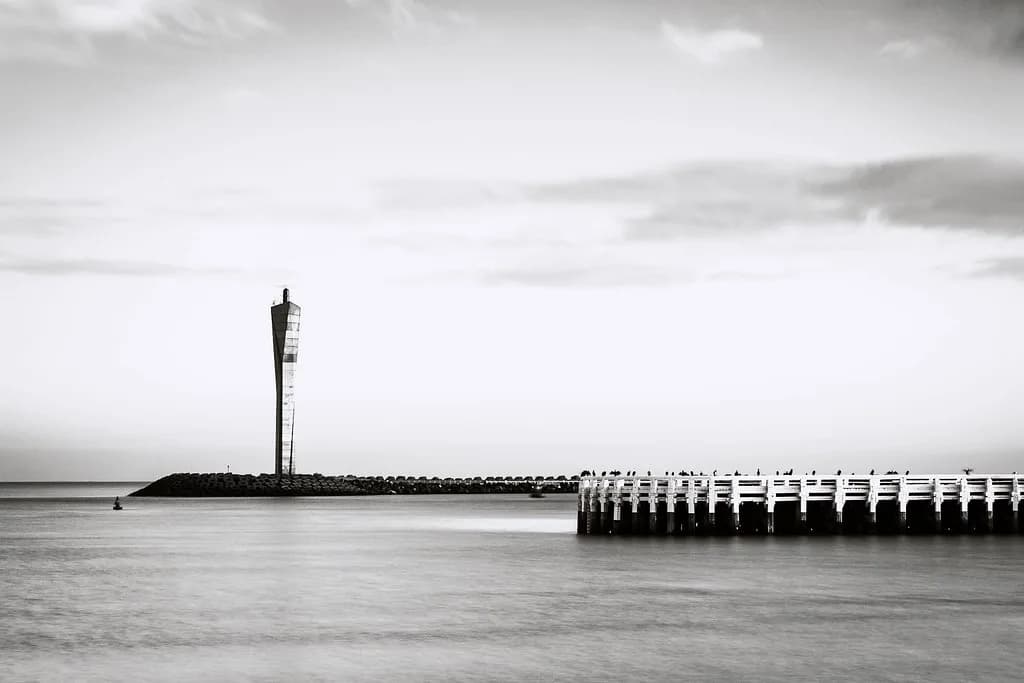
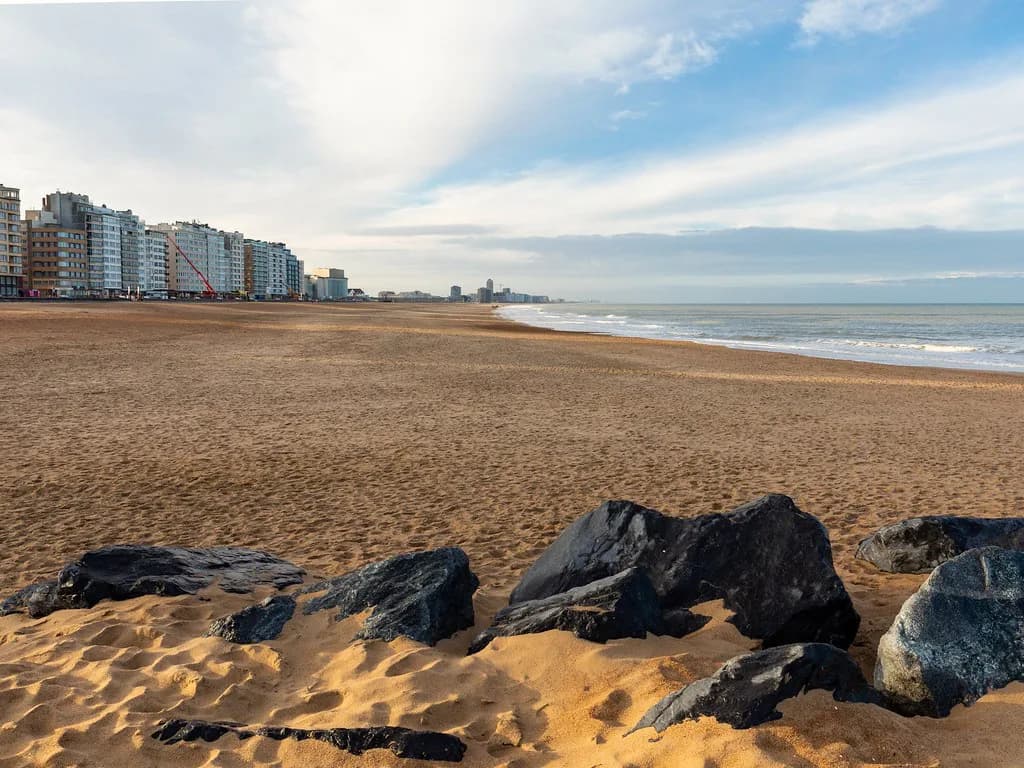
Ostend grew from a fishermen's village into a town in 1265, and the centre that visitors walk today is a compact grid set back from the sand. The easiest mental map runs from Koning Station north-eastwards through the Belle Epoque quarter toward Leopold Park, with the church and museum close by. The harbour lies on one side and the seafront promenade on the other, so you can bracket a walk with a harbour view at one end and the sea at the other.
Allow two to three hours for the core loop at an unhurried pace, and half a day if you add Mu.ZEE and the cemetery. Nothing in the centre is far apart: the distances are short enough that the walk is more about looking up at facades than covering ground. Treat the promenade as the edge of the old town rather than its centre, and you will plan the day correctly.
Belle Epoque Ostend: pastel terraces and villa doors
Ostend was the favoured thermal resort of European high society during the Belle Epoque, and the centre still carries that period in its streets. The area begins before Koning Station and stretches as far as Leopold Park, made up of pastel terraced houses, elegant villas and carefully made doors. This is the strongest single reason to walk the inland centre rather than staying on the seafront, so give it time and look above shopfront level.
Walk it as a slow line from the station end toward Leopold Park, crossing side streets rather than following one straight road. The architecture is residential and working-town in feel, not a museum set piece, which is exactly what makes it worth the detour. A green park at the far end gives the stroll a natural finish.
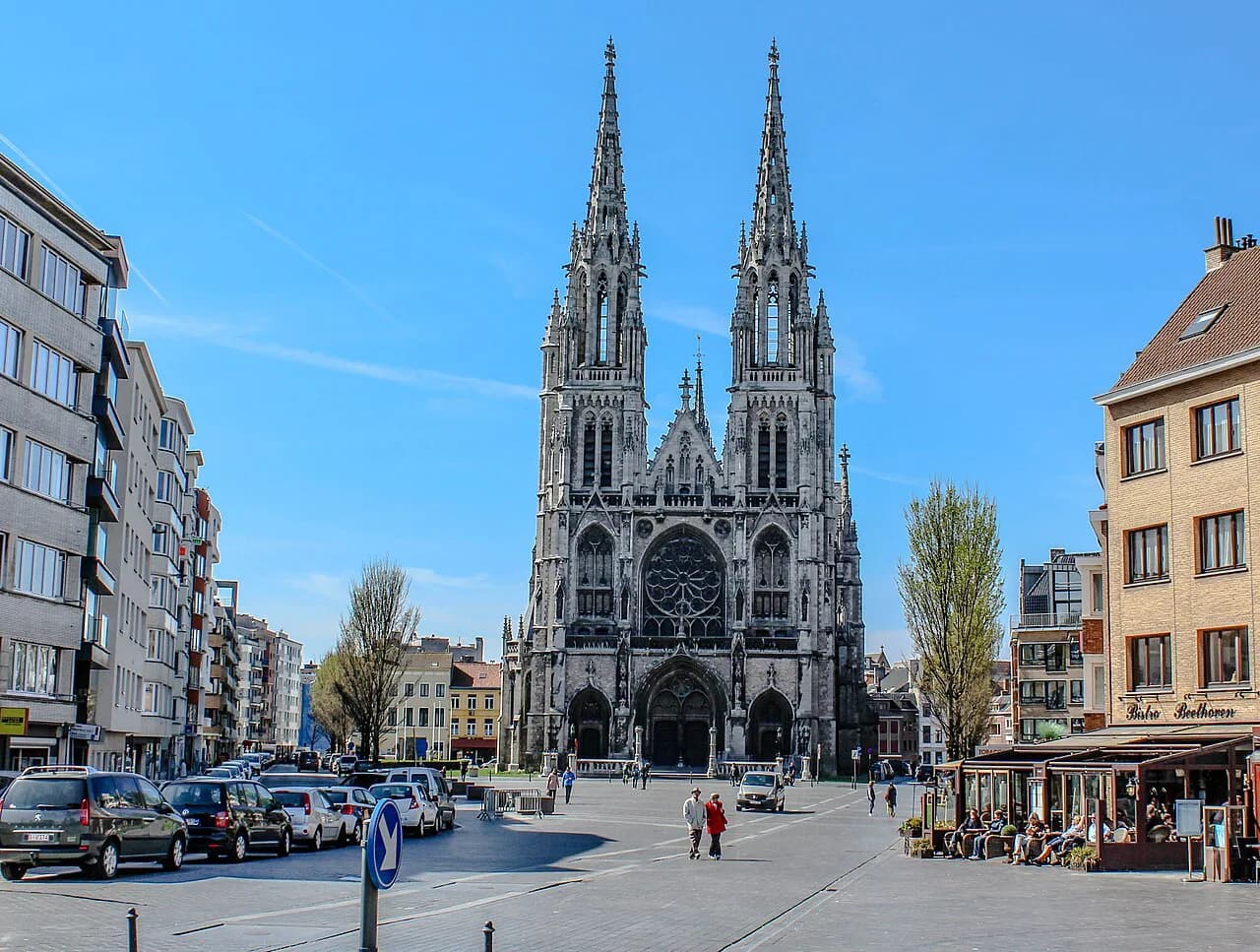
Sint-Petrus-en-Pauluskerk and the old streets around it
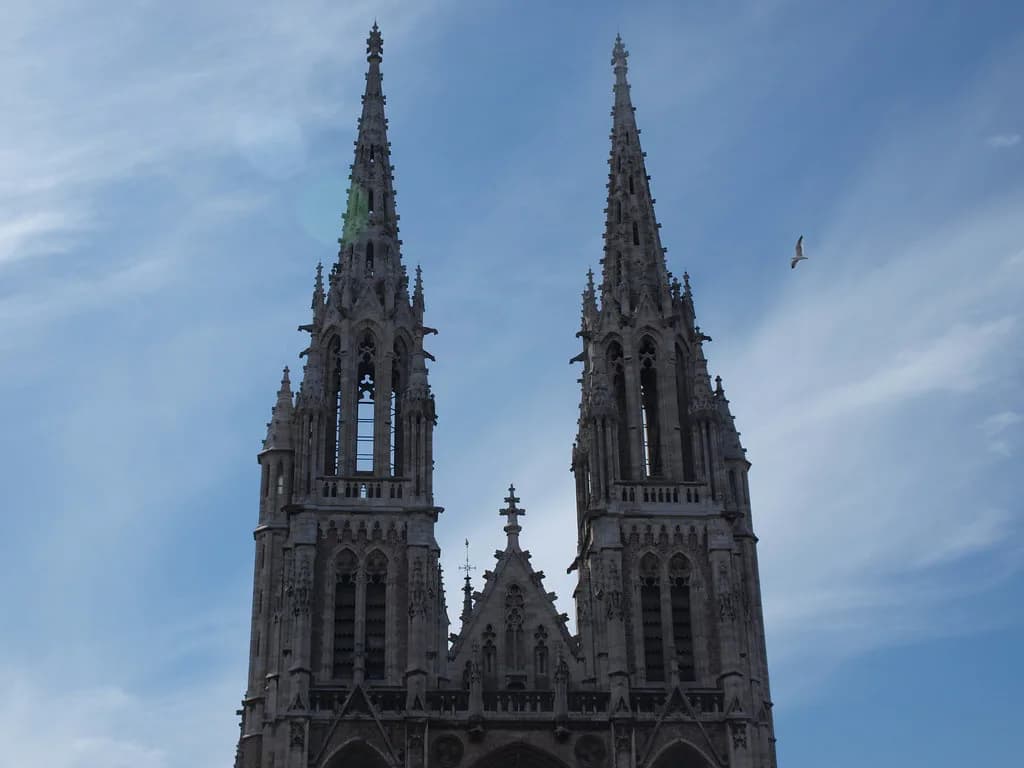
Sint-Petrus-en-Pauluskerk is the large church of the centre, an impressive Gothic building in the historic old town. Use the surrounding alleys to link the church with the streets of the core. The area rewards a wander rather than a checklist: the pleasure is in the narrow lanes and the change of scale from the seafront.
Pair the church with the neighbouring commercial streets, where Ostend life carries on around the visitor sights. It is a good place to break the walk, sit down and reset before the museum or the cemetery.
Mu.ZEE: Belgian art from 1830 onwards
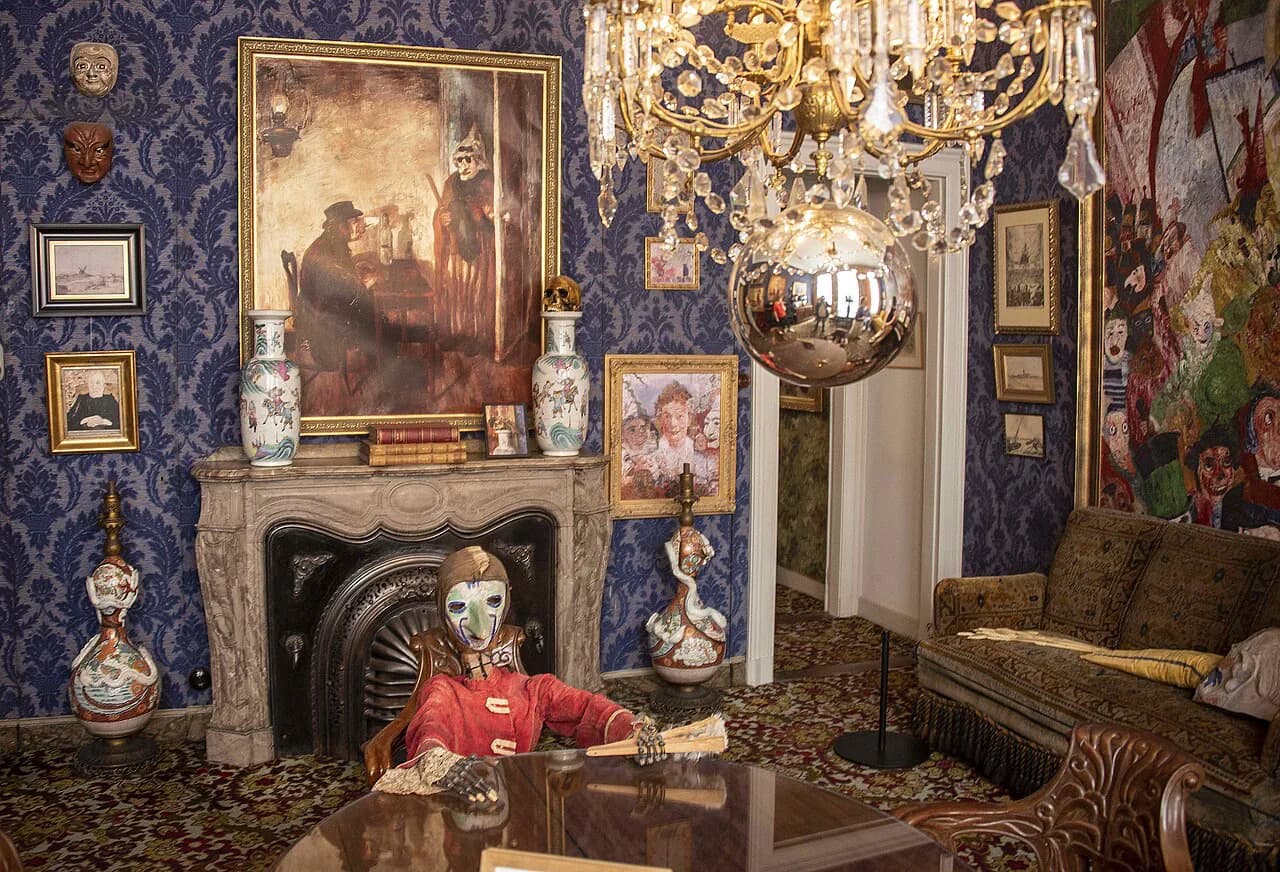
Mu.ZEE occupies a former department store whose wide windows fill the galleries with light. The collection covers Belgian art from 1830 to the present day, with the strongest holdings in the late nineteenth and early twentieth centuries. James Ensor, Léon Spilliaert and Constant Permeke are the names to look for, and all three repay a slow look rather than a quick pass.
Mu.ZEE's temporary exhibitions can spread into other locations around the city, so check what is on before you build the day around one show. Build the museum into the middle of the walk rather than the end, since it sits close to the Belle Epoque streets and the church.
Oud Kerkhof: the Paster Pype cemetery
Oud Kerkhof, also called Paster Pype after the priest buried there, opened in 1852 and lies in the city centre next to the Hippodrome. It holds graves of monumental value, including those of prominent Ostend families and local monastic communities. Visit quietly: this is a cemetery, so treat it with the respect a memorial ground deserves rather than as a sight with an entrance performance.
The cemetery is small enough to see in a short visit and makes a reflective contrast to the busy seafront. Place it at the end of the loop, when the crowds thin and the light softens.
Beer and chips to finish
'T Koelschip is a small brewery in the city centre that brews its own Trappist beer and sells bottles of other Belgian names worth trying. It makes a sensible final stop for the walk, close enough to the core that you do not need transport. Chips, mussels and Belgian beer are the classic combination to end on, whether you eat them in the centre or carry them toward the seafront.
If you want a table with a view, walk your chips down to the promenade and eat them facing the water. It is a simple pleasure and the right note on which to close a half-day in the old town.
A half-day route through the centre
Start at Koning Station and walk north-east through the Belle Epoque streets toward Leopold Park, looking at villas and doors on the way. Turn back into the core for Sint-Petrus-en-Pauluskerk and the surrounding alleys, then spend an hour or more at Mu.ZEE, the day's main indoor stop. Finish at Oud Kerkhof beside the Hippodrome and walk back through the centre to 'T Koelschip for a beer.
This order keeps you moving in one direction and puts the museum in the middle, where a change of pace helps. It also leaves the cemetery and the brewery at the end, when you are ready to slow down rather than march.
Is Ostend old town worth visiting?
Yes, and it earns its place in a short break because it offers something the seafront cannot: the residential, Belle Epoque city behind the promenade. On a one-day visit, give the old town a half-day and spend the rest on the harbour and waterfront; on a longer stay, spread the museum and cemetery across separate mornings. If you are weighing up the city as a whole, is Ostend worth visiting sets out the wider case, and Things to Do in Ostend covers the broader options.
Whether to give the old town a half-day or a full one
Give Ostend old town a half-day on a short break and a full day if you want Mu.ZEE and the cemetery without rushing. The layout is compact, the Belle Epoque streets are the highlight, and the walk works best when you let the church and museum break up the outdoor stretches.
Explore more Ostend guides
Frequently Asked Questions
Why is Ostend famous?
Ostend is known as a former Belle Epoque seaside resort with a royal bathing history, a working harbour and a strong association with the artist James Ensor, whose work hangs in Mu.ZEE alongside Léon Spilliaert and Constant Permeke.
How long does it take to walk Ostend old town?
The core loop from Koning Station through the Belle Epoque streets, the church and the centre takes about two to three hours at an easy pace. Add an hour or more for Mu.ZEE and a short stop at Oud Kerkhof to make it a half-day.
What is the oldest part of Ostend?
Ostend grew from a fishermen's village that became a town in 1265. The inland centre behind the seafront is the historic core, and the walk here links its Belle Epoque streets, church, museum and cemetery.
Sources
Useful notes for your next trip
Optional updates to our guides.
You might also like
Continue reading
More guides you'll find useful