Things to Do in Ostend: Museums, Ships and the Seafront
Plan a short Ostend break with the seafront and Venetian galleries, James Ensor's house, Mu.ZEE, Fort Napoleon, the Mercator and the Amandine trawler.
On this page
Ostend (Oostende) deserves two full days: one for the seafront, Ensor's house and Mu.ZEE, and one for Fort Napoleon, the marina ships and the Crystal Ship street art trail. The town is small enough to cross on foot in about 20 minutes, so you can build walking circuits by area instead of criss-crossing it, and the coastal tram and buses fill any gaps. This guide groups the sights by where they sit on the ground and then sets out a one-day and a two- to three-day plan.
Why Ostend works as a one- to three-day city break
Few Belgian cities combine a working port, a royal seaside promenade and a serious modern art collection in the same half-hour walk. Ostend's old centre holds the shops, cafés and museum core, the seafront runs an unbroken line along the North Sea, and the marina sits between the station and the town hall. A weekend covers the essentials, but three days let you slow down, take the coastal tram a few stops and give Fort Napoleon and the ships the time they deserve.
Language is rarely a problem: Dutch is the everyday tongue in this Flemish town, but English is widely spoken and understood in hotels, museums and restaurants. The practical rhythm is simple — cultural sights in the morning, a seafront walk or a park in the afternoon, and a beer café in the evening. If you would rather base yourself elsewhere on the coast, comparing things to do in Bruges helps you weigh up a rival Flemish city with a very different feel.
How Ostend is laid out: seafront, old centre and marina on foot
Think of Ostend as three strips. The seafront runs north-east to south-west along the beach, backed by the Venetian galleries that King Leopold II had built as a sheltered arcade. Behind it lies the grid of Vlaanderenstraat, the shopping streets and the market square, with the station and harbour on the inland side; our Ostend Old Town guide walks that core. Maria Hendrikapark sits away to the east, a green outlier worth a separate trip for its recreation park.
For orientation, walk the seafront from end to end first: it gives you the whole sweep of the town and drops you near the galleries, the beach and the casino complex around the Kursaal. From there, Vlaanderenstraat is a short hop inland to Ensor's house, and the station end leads to the marina. De Lijn's tram and bus network helps if you are heading out to the park or the fort.
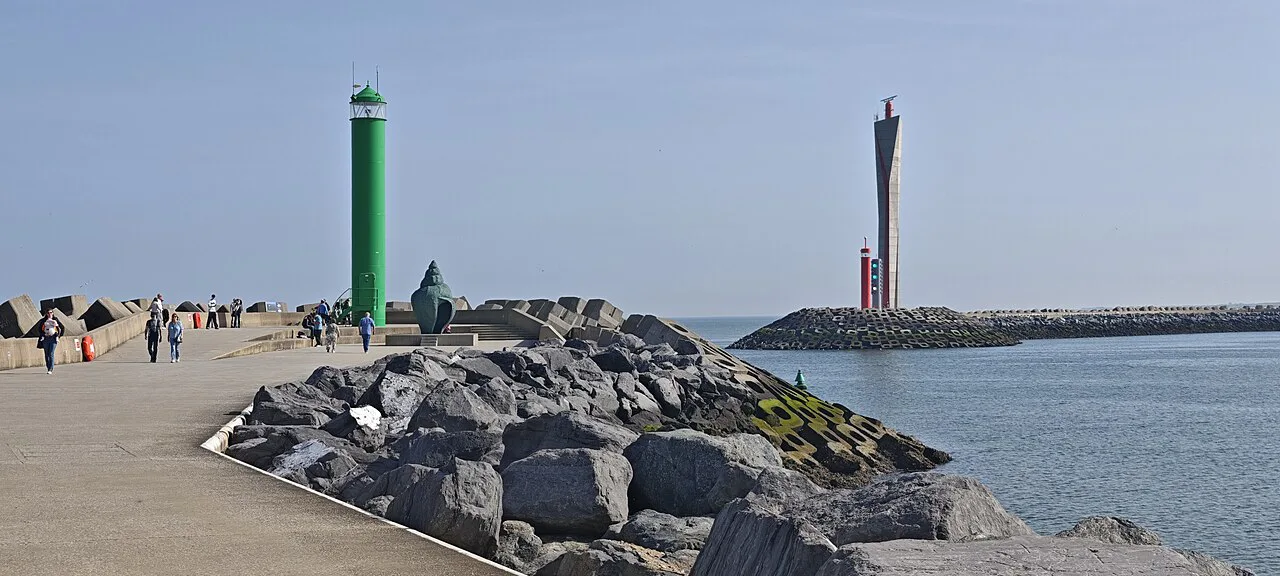
Walking the seafront and the Venetian galleries
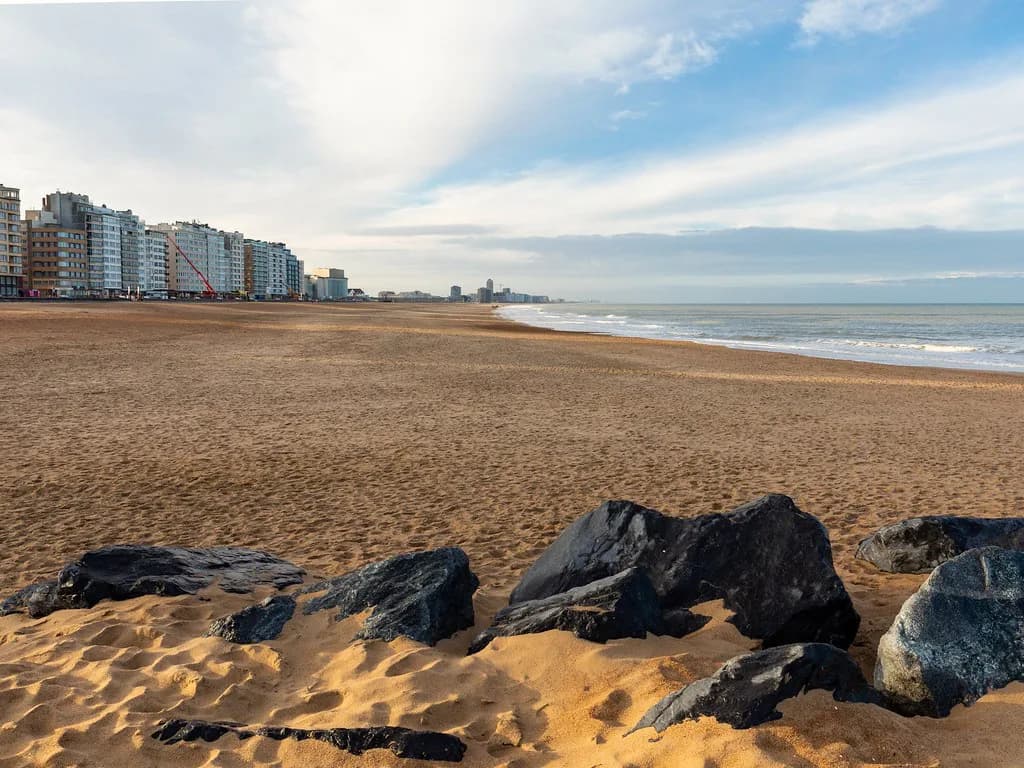
The seafront promenade is Ostend's defining walk: an open sweep of sea on one side, Belle Epoque façades and cafés on the other. Duck into the Venetian galleries for a rain-proof stroll, then emerge for the beach. Rosalies can be rented for the promenade, and a stroll the length of it is a good way to see the buildings that Leopold II left behind.
The seafront also tells Ostend's story of glamour and rebuilding: the town was bombed heavily in the Second World War, and the post-war reconstruction sits alongside the surviving nineteenth-century bones. The Kursaal, the casino and entertainment complex on the seafront, gives the seafront its cultural anchor. Take a slow pass along the beach and you will see the essential Ostend character rather than a checklist of sights.
James Ensor's house on Vlaanderenstraat
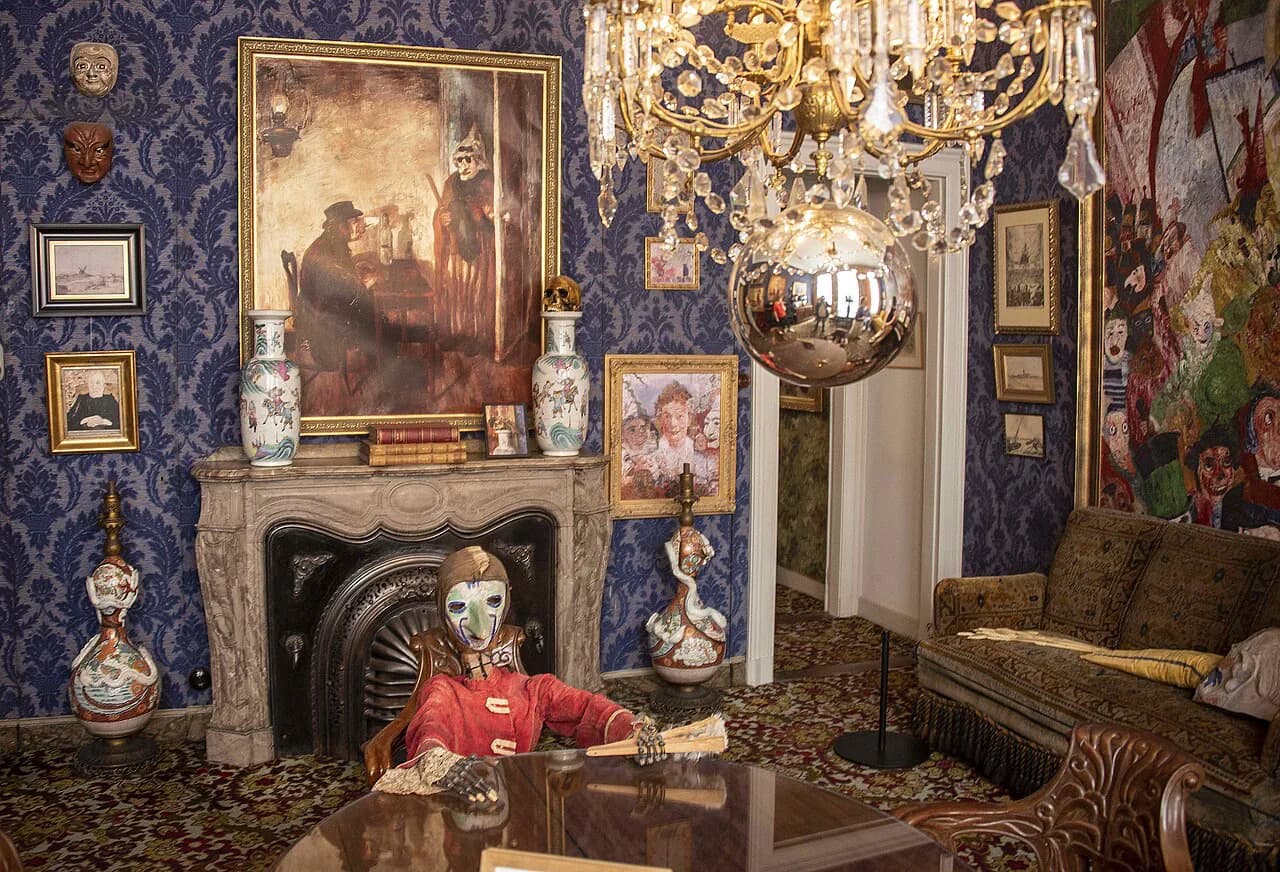
The painter James Ensor is Ostend's most famous son, and his house on Vlaanderenstraat is now a museum that preserves the rooms where he lived and worked. The ground-floor shop he inherited, full of shells and masks, was kept largely as it was — the source of many of the masked figures in his paintings. The historic rooms and an interpretation area give a portrait of the man and his work.
Be clear about what you get: the house holds no original Ensor canvases, only copies, so it works as a biography of the artist and his milieu rather than a gallery. For the real thing, go to Mu.ZEE. The house is generally open daily except Mondays; it is worth giving this a slot early in the day, before the seafront takes over.
Mu.ZEE and where to see Ensor's paintings
Mu.ZEE is Ostend's modern and contemporary art museum, home to the museum's collection of Belgian art with a strong line in Ensor. If the copies in the Ensor house frustrate you, this is where the originals — or at least the genuine holdings — live. Allow a couple of hours, and check the museum's own pages for that season's opening days and temporary exhibitions, because Belgian museums commonly close one day a week.
If Ensor's masked faces grab you, the related museum circuit is worth planning: start with the museums in Ostend, then, as the source suggests, look at Antwerp's KMSKA for the wider Flemish canon and a comparison with things to do in Antwerp. Between them you can spend a whole afternoon on Flemish painting without ever leaving the coast.
Fort Napoleon and the Atlantic Wall Museum
Fort Napoleon was built between 1810 and 1814, a pentagon of brick surrounded by a high moat, and it never saw action. Today visitors tour it with a self-guided audio tour, and its spaces double as exhibition rooms that change every few months — so the fort can feel like both a military relic and a gallery. Pair it with the Atlantic Wall Museum, which covers Ostend's occupation in the Second World War, and you get the town's two main layers of fortification and defence in one day.
The fort and the Atlantic Wall Museum sit away from the old centre, so plan them as a half-day rather than a quick add-on. The de Lijn network or a taxi works if the walk is too long; otherwise it is a steady stroll with the sea as a companion.
The museum ships: the three-master Mercator and the trawler Amandine
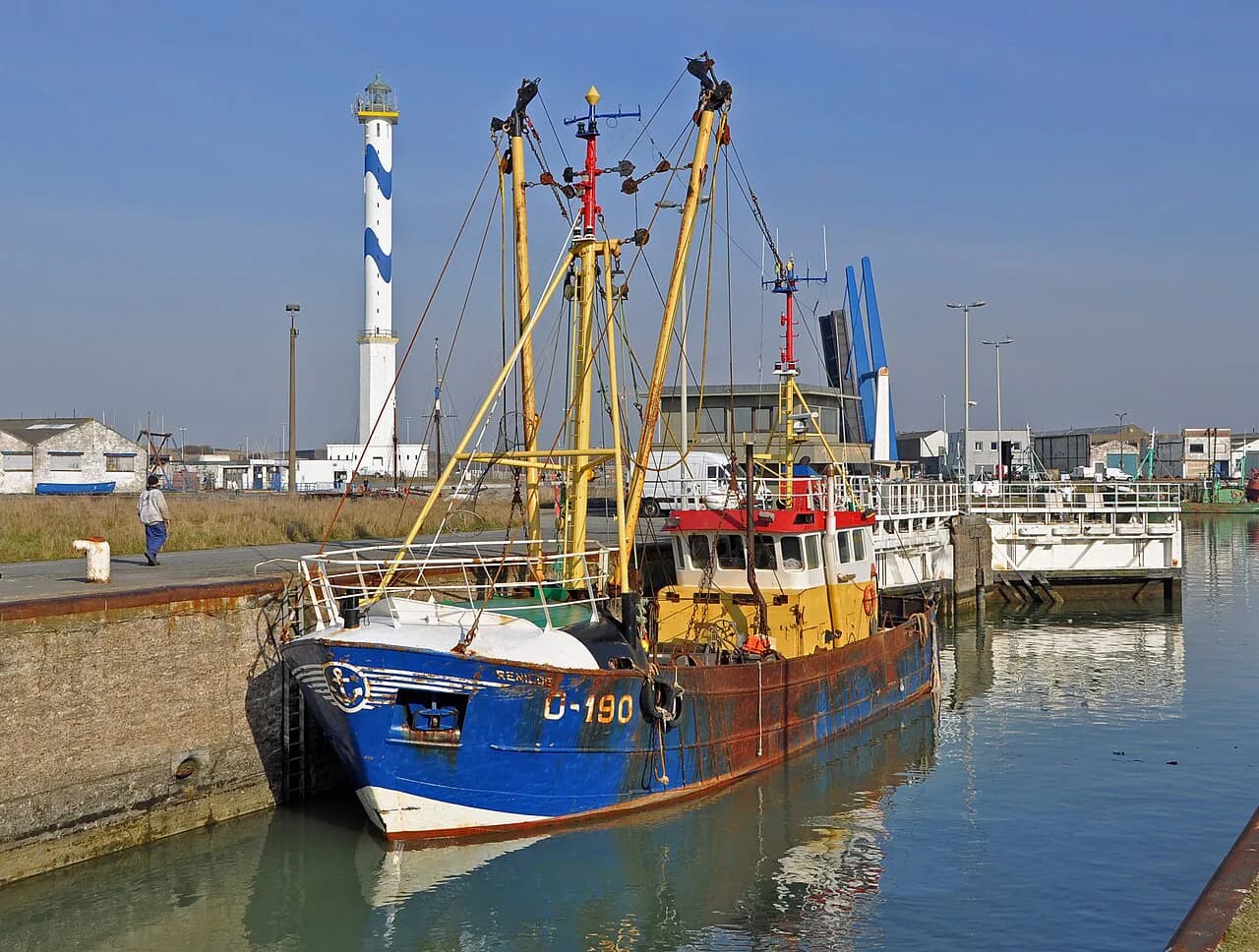
The Mercator is the marina's showpiece: a three-masted training ship of the Belgian merchant navy, now moored as a museum ship between the station and the town hall. The visit repays the audio guide — without it, the low signage makes the ship's quarters hard to decode. The Mercator is a ceremonial ambassador, all polished brass and world's fair memories.
The Amandine is a different ship entirely: a 36-metre Icelandic trawler that sailed her last journey in 1995, and one of Ostend's most affecting exhibits. The museum presents the cramped, cold, round-the-clock life of a fishing crew, which is why it stays in the memory long after the visit. She is moored near the marina and can be visited during the summer season, so check before you travel outside it.
The Crystal Ship street art trail
The Crystal Ship is Ostend's open-air street art trail, a self-guided route that threads large murals and installations through the old centre and beyond. The trail takes you across the Vlaanderenstraat neighbourhood, the marina edges and the backs of buildings you would otherwise never look at. You can walk it in an afternoon, and it is one of the town's most photogenic diversions.
Do the trail as a loose loop rather than a strict line, and combine it with a look at the shops and market. Ostend's old-centre shops and market squares are close at hand, and the trail breaks up the museum-going nicely.
Maria Hendrikapark and the Koninginnehof recreation park
Maria Hendrikapark is Ostend's big green lung, laid out on and around an island with the Koninginnehof recreation park at its heart. Boats can be rented on the park's largest pond, the Koninginnehof mini-golf course sits beside the water, and the island's restaurant makes a pleasant stop. It is a good afternoon for mixed groups and a welcome change of texture from the seafront.
The park is a fair step from the seafront, so it earns its own slot rather than a passing detour. Pair it with a beach-adjacent morning in town or a lazy afternoon after a museum morning. On a wet day, skip it and spend more time in the galleries instead.
Ostend in one day: the tight circuit
Start at the seafront early for the walk and the Venetian galleries, then cut inland via Vlaanderenstraat to the Ensor house for its opening slot. After lunch, make the afternoon Mu.ZEE's — one museum, done properly, beats three done quickly. Finish at the marina with the Mercator and, if you have time, the Amandine, then walk the Crystal Ship trail as the light softens.
That circuit fits into a day because Ostend's core is small: roughly 20 minutes to cross the centre on foot, so the distances are short. You trade depth for breadth — prioritise the seafront, one museum and one ship rather than ticking every attraction. If you are coming from Brussels, the train to Ostend runs frequently and lets you start at the station end of town.
Ostend in two or three days: what to add and when to slow down
With two days, keep the one-day circuit but spread it: seafront and old centre on day one, Mu.ZEE and the marina on day two. With three, add Fort Napoleon and the Atlantic Wall Museum as a half-day, and give Maria Hendrikapark an afternoon for boating and mini-golf. The third day is also where the Crystal Ship trail and the shops can breathe — Ostend is not a museum treadmill, and the pace is part of the charm.
If you are weighing the trip against a Belgian big-hitter, remember Ostend pairs a seafront with Flemish art and war history in a way Bruges does not. Bruges' belfry, the Markt and the Church of Our Lady make a contrasting urban day; the two are easy to combine by train if you have a spare day. Otherwise, stay put and let Ostend be the whole point of the break.
Which day plan suits your Ostend break?
For a first visit, take the one-day circuit plus a second day for Mu.ZEE and the marina ships; that covers the essential Ostend without rushing. Add the third day for Fort Napoleon and Maria Hendrikapark — or simply repeat the seafront walk, which is the point of the town.
Explore more Ostend guides
Frequently Asked Questions
Is Ostend worth visiting for a city break?
Yes. Ostend packs a walkable old centre, a sheltered seafront promenade, the James Ensor house, Mu.ZEE and two museum ships into a small compass, and the town is easy to cross on foot. It suits a short cultural break rather than a long beach holiday.
Can you visit Ostend as a day trip?
A day works if you focus: the seafront and Venetian galleries, the Ensor house and Mu.ZEE, then a quick look at the marina. The one-day circuit in this guide assumes you start in the morning and prioritise one museum and one ship.
What is the best way to get around Ostend?
On foot for the centre, which is small enough to cross in around 20 minutes. For Fort Napoleon, Maria Hendrikapark or the coast beyond town, De Lijn's tram and bus network covers the gaps.
Sources
Useful notes for your next trip
Optional updates to our guides.
You might also like
Continue reading
More guides you'll find useful