Things to Do in Namur: Citadel, Old Centre and River Walks
Plan a Namur city break around the Citadel, the cable car, the old centre and river walks, with a walkable layout and honest advice on how many days to allow.
On this page
Namur needs one full day for the Citadel and the old centre, and two if you want the riverside and museums without rushing. The city is small and walkable, with the fortress on a rocky promontory above the junction of the Sambre and Meuse, so a visit naturally splits into high ground and low centre. This guide covers the shape of the city, the sights that justify the trip, and how to pace one to four days.
Namur is the capital of Wallonia, which is why it feels like a working administrative city rather than a polished tourist town. That suits a short break: you get a genuine Belgian city with a dramatic fortress, a compact centre and river views, without the crowds of Bruges or Ghent.
Where Namur sits between the Sambre and Meuse
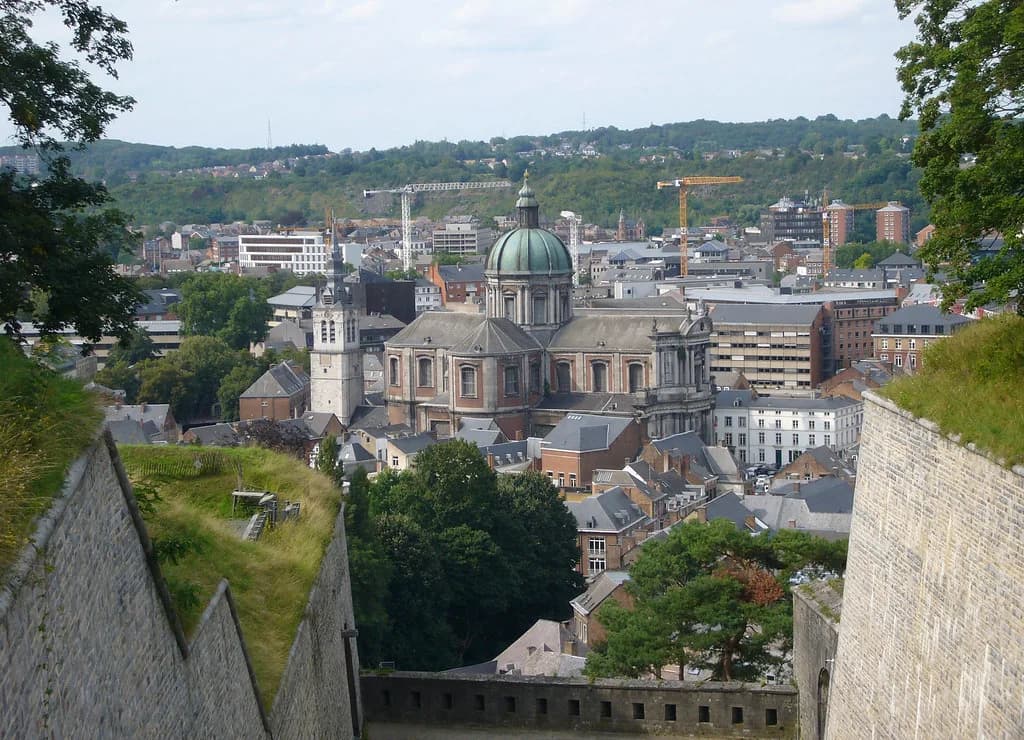
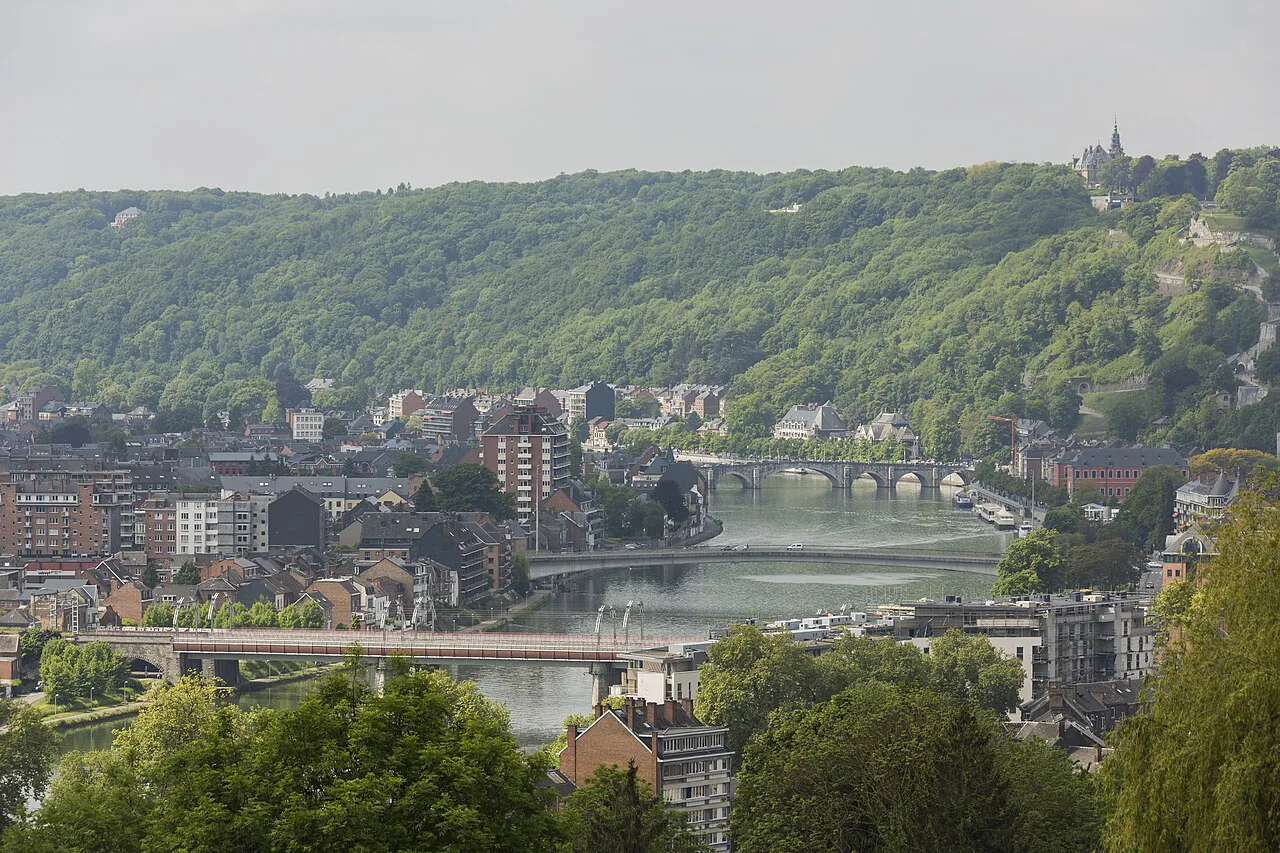
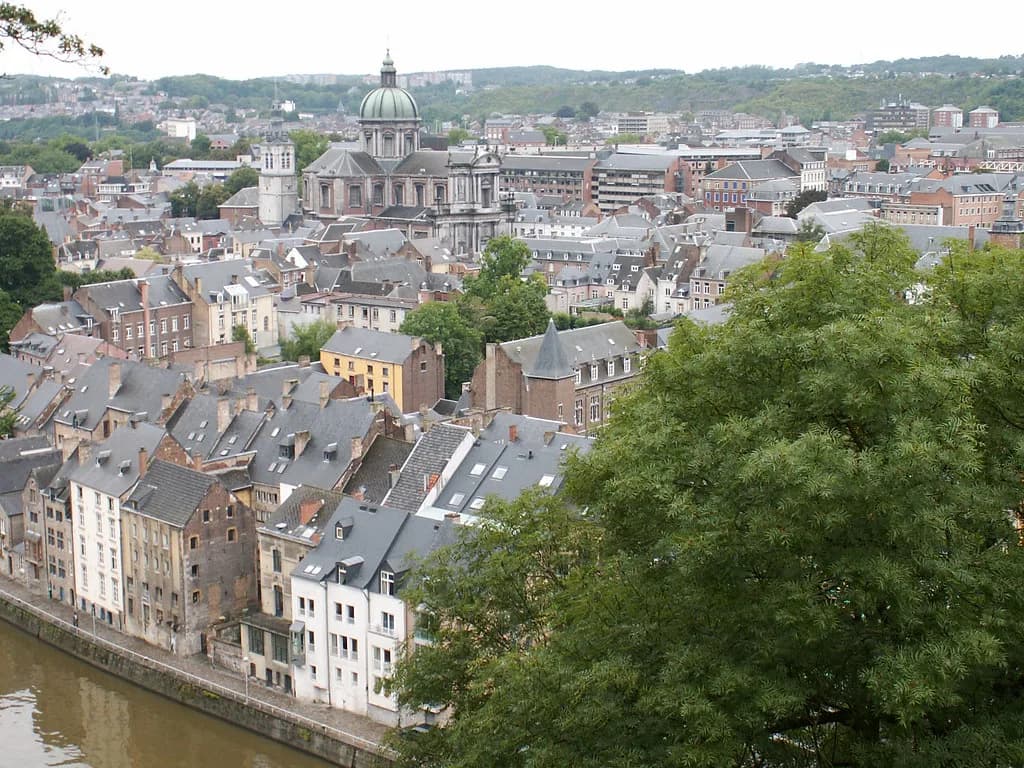
Namur occupies a narrow site where the Sambre flows into the Meuse, and the old town fills the strip between them. The Citadelle de Namur sits on the rocky promontory that commands the confluence, so wherever you stand in the centre the fortress is above you. This geography is the single most useful thing to know before you arrive: plan your day around the two rivers and the hill between them, with the Namur Old Town as your starting point in the low town.
Because the rivers and the citadel squeeze the centre, distances on foot are short. The city is walkable, with public transport and taxis available if you tire of the climb, though comfortable shoes matter on the citadel's slopes and paths.
The Citadel of Namur: the rocky promontory above the city
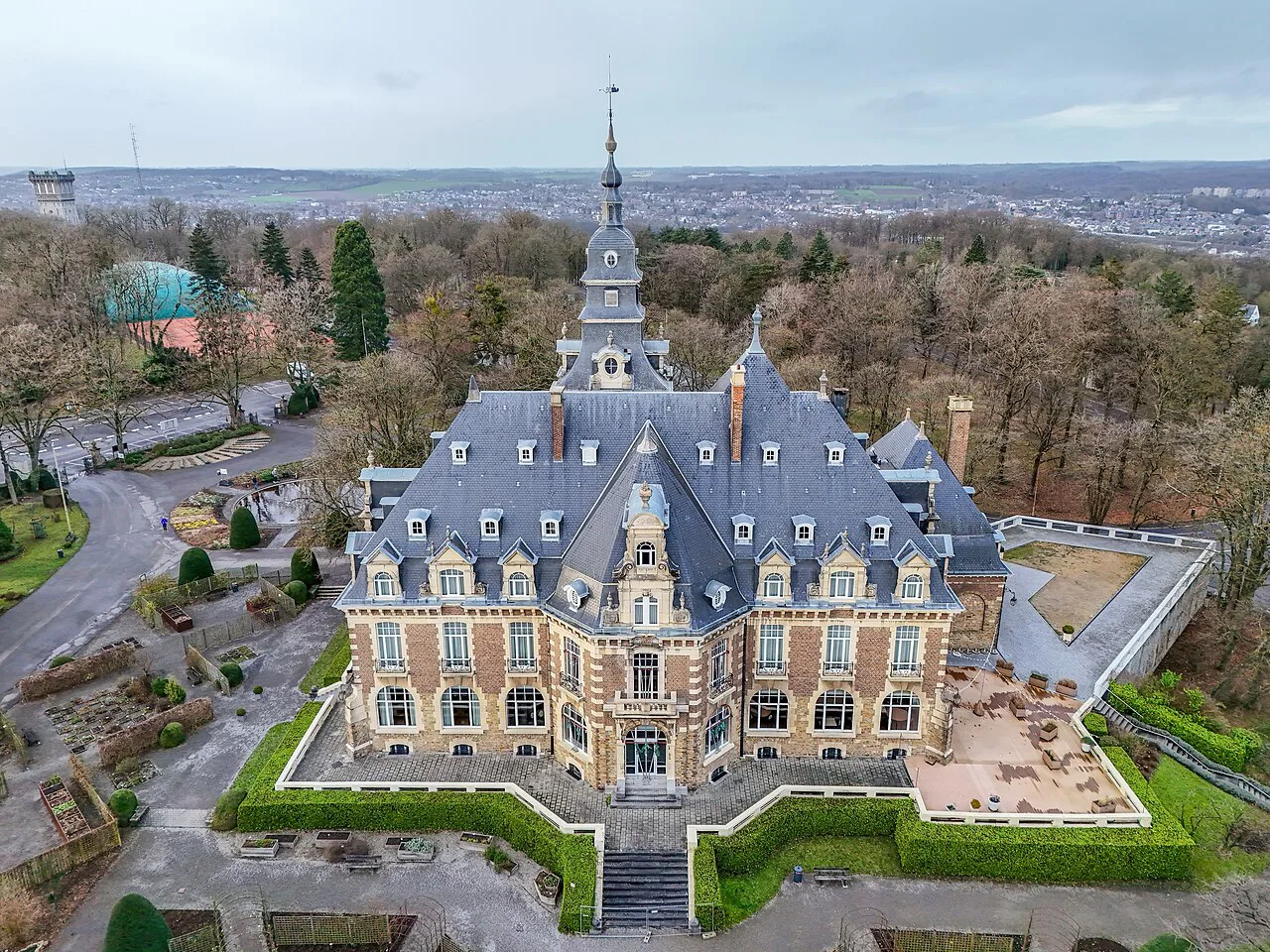
The Citadelle de Namur is the reason most visitors come. It sprawls across the hilltop in a green setting of walls, paths and viewpoints, and the guided tours and walks through it are the core of a visit. The reward is the view back over the city, the two rivers and the surrounding Walloon landscape.
Allow half a day for the citadel rather than treating it as a quick photo stop. The site is large, the ground uneven, and the best views sit at different points along the ridge. If you have only one day in Namur, this is where to spend the morning before descending into the centre.
Getting up to the Citadel: cable car or on foot
The Téléphérique de la Citadelle de Namur links Place Maurice Servais in the historic centre with the esplanade near the citadel, crossing the Sambre on the way up. At its highest point the cable car reaches roughly 103 metres above the city, and the ride itself delivers panoramic views of the citadel and the landscape around Namur.
Walking up is the alternative, and it suits anyone who wants to approach the fortress slowly through its paths and walls. The trade-off is straightforward: the cable car saves legs and gives you the aerial view, while the climb gives you the fortifications at close range. Do one up and the other down if you want both.
The old centre on foot: half a day between the rivers
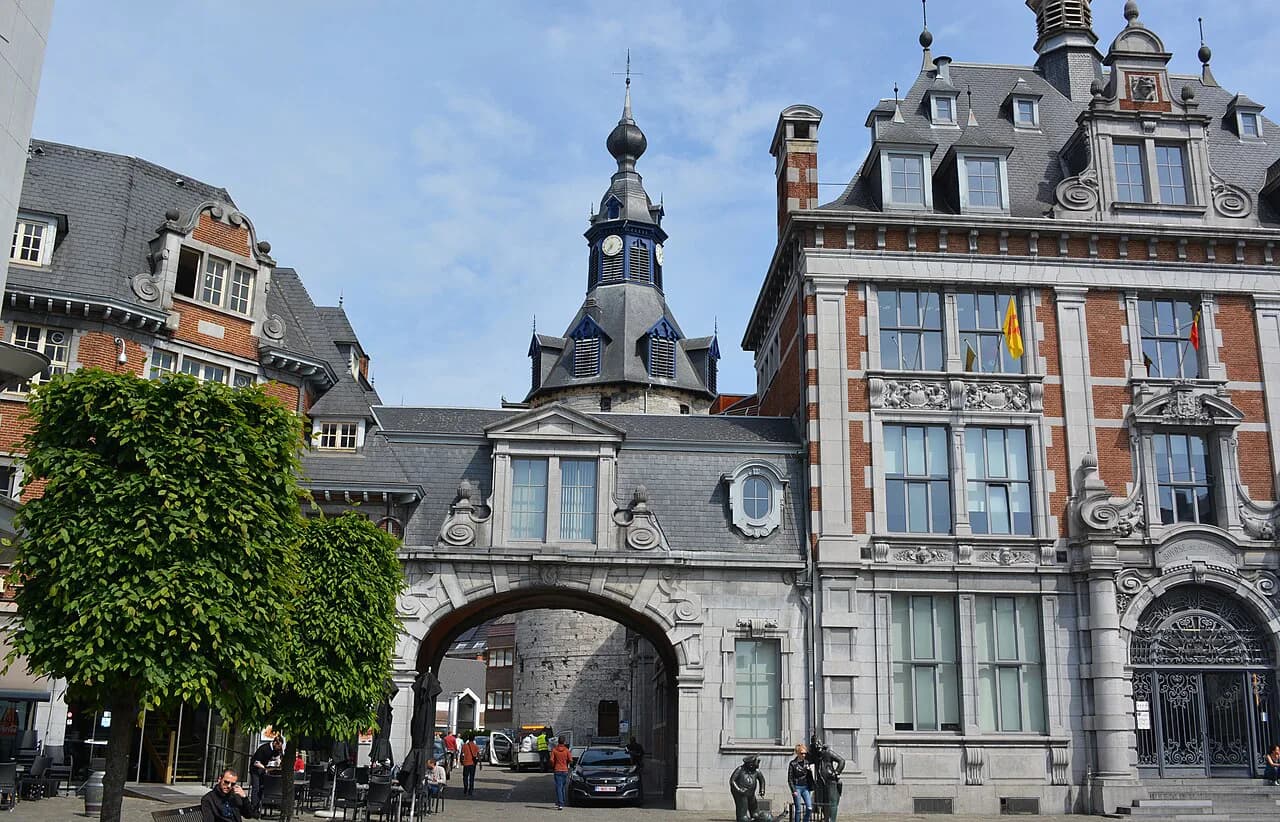
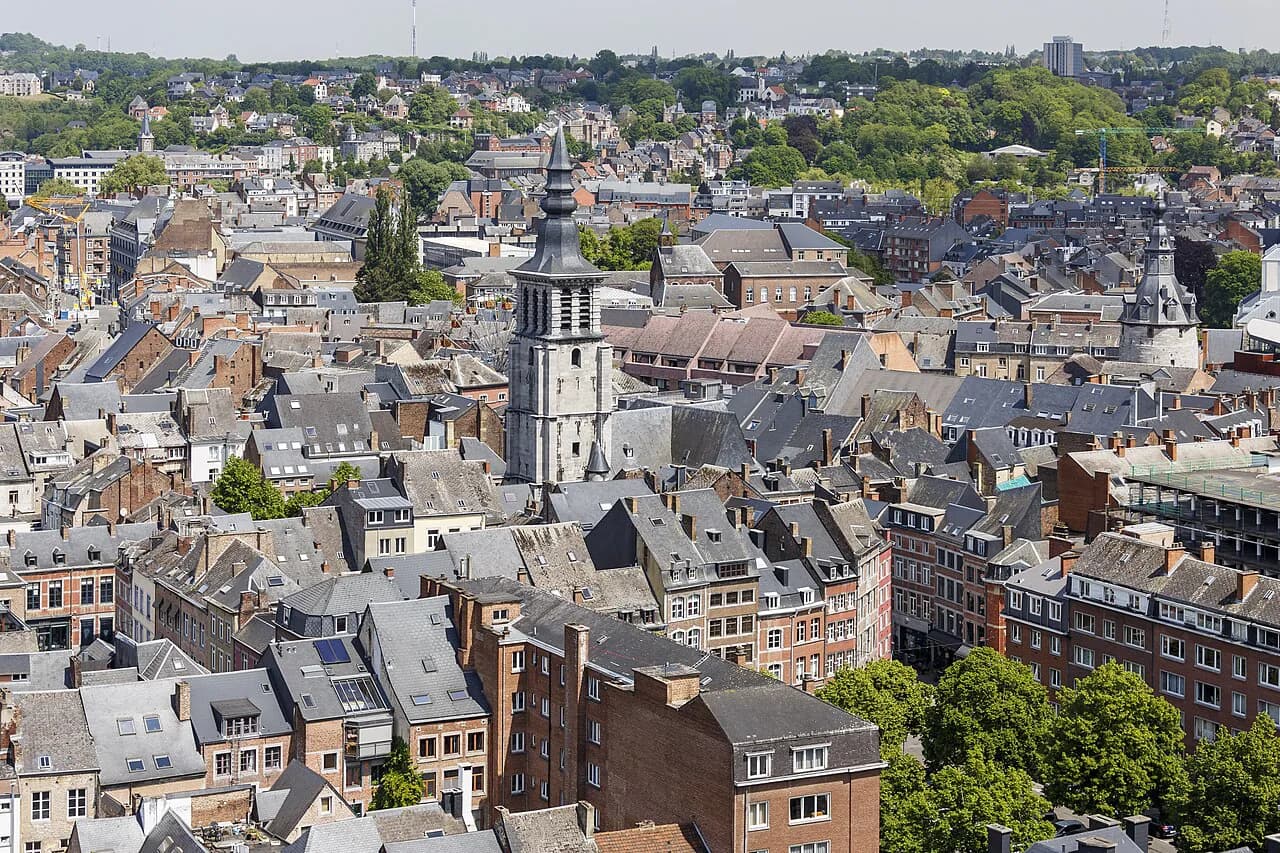
The old centre is compact enough to cover in half a day at an easy pace. Place Maurice Servais, where the cable car starts, makes a natural anchor, and from there you can wander the shopping streets and squares of the low town without a fixed route. Pair the streets with the Belfry of Namur (Beffroi de Namur), the city's civic tower, and keep in mind that French is the everyday language, so a few words go a long way in shops and cafés.
Give the centre its own half day rather than squeezing it around the citadel. It is the part of Namur where the city's administrative role shows: busy at lunchtime, quiet in the early evening, and best enjoyed on foot with time to sit by the water.
Les Bateliers and Saint-Loup church: the cultural core
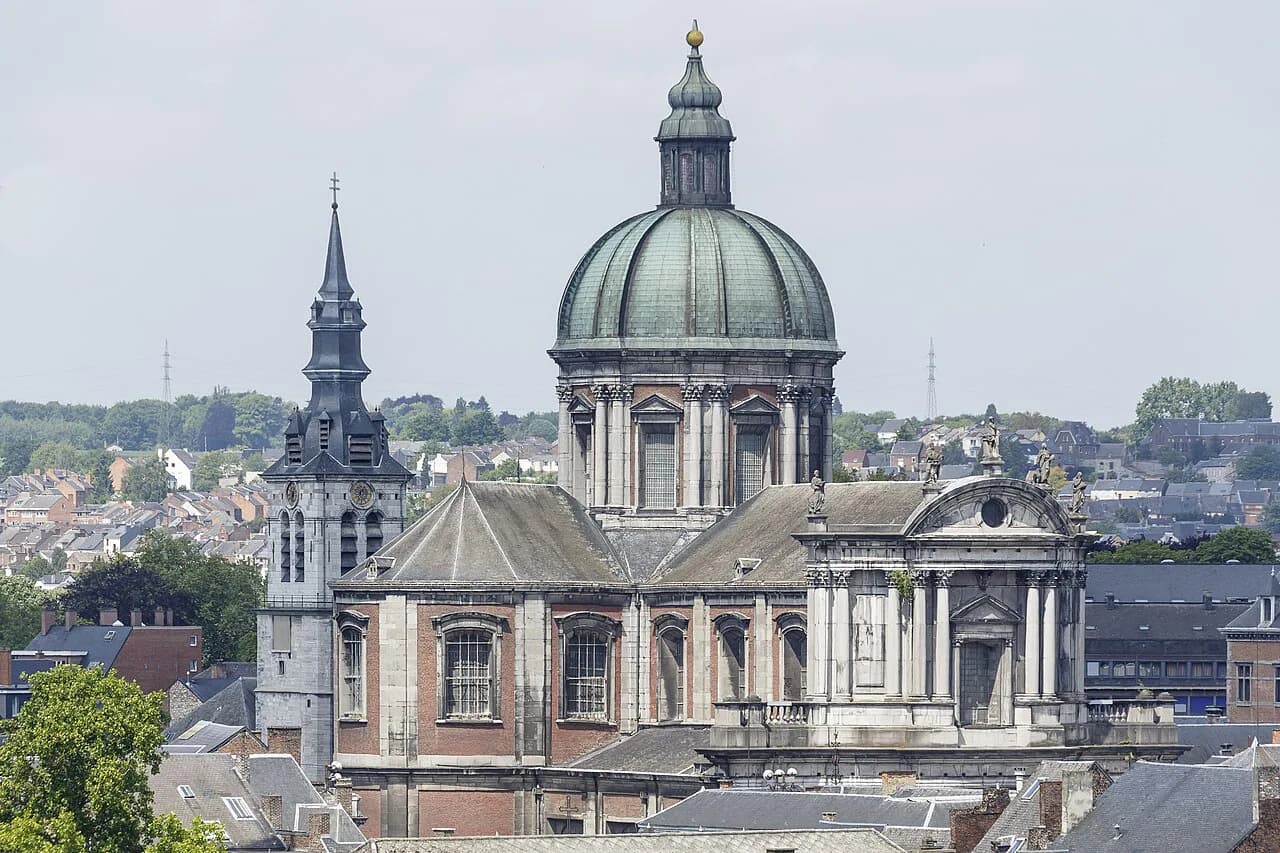
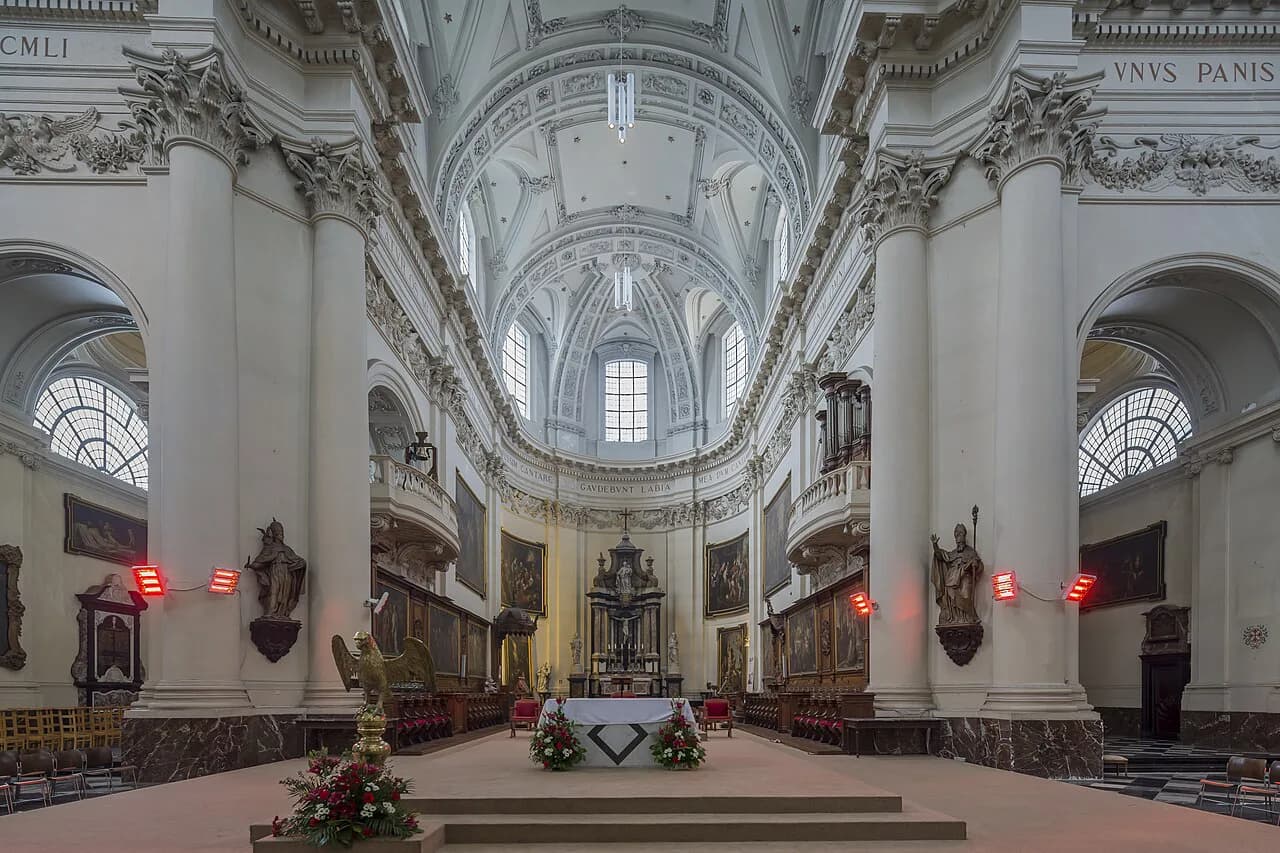
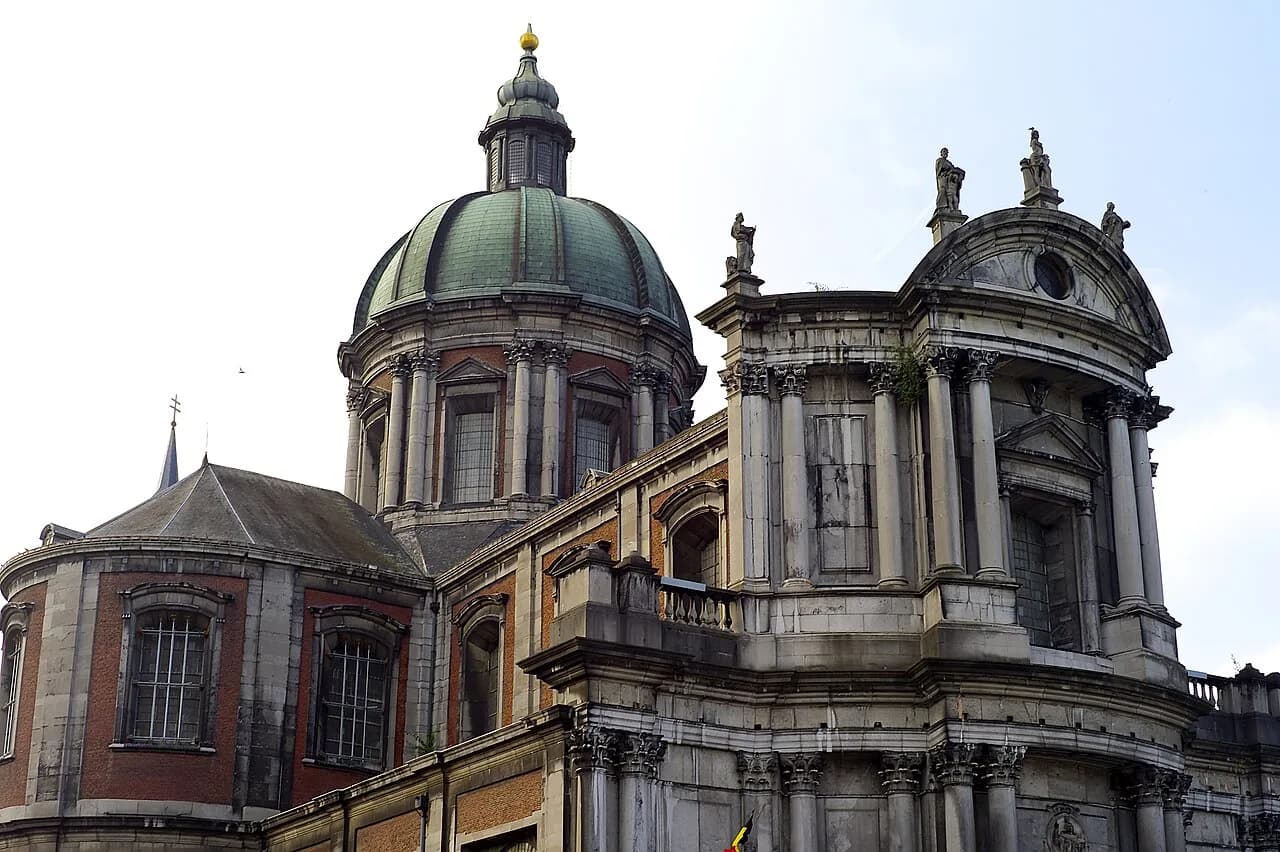
Les Bateliers is the museum cluster at the heart of the centre, and it is the honest way to group Namur's collections rather than chasing every individual museum door. Pair it with Saint-Loup church, the centre's landmark interior, which is worth stepping into for its architecture alone. Between them they fill an afternoon nicely when the weather turns.
Cruises on the Meuse and Sambre
A river cruise from Les Bateliers adds the one thing the city cannot show you from land: Namur's setting seen from the water, with the citadel above and the confluence of the Sambre and Meuse around you. Trips run on the two rivers, and the boat is a good use of an hour or two if you have already walked the centre; our Namur canals and boat tours guide covers the options in more detail.
Treat the cruise as an alternative to a second museum rather than an addition to an already full day. On a short break the choice is usually between more time on the water and more time indoors, and the river wins on a clear day.
Other ways to see the city: rickshaw tours and guided walks
Rickshaw tours offer a guided way to cover the centre and the approaches to the citadel without a long walk, and guided walks through the citadel's green setting explain the fortifications as you go. Both suit travellers who want context rather than a self-guided wander. Book through the operator or the tourist office rather than assuming you can turn up and join.
Beer and chocolate in Namur
Namur sits in Wallonia, and the beer culture here is part of the city's identity as much as the fortress. Look for a beer café in the centre where you can taste Belgian beers alongside local names, and buy chocolate from a chocolatier in the old town to take home. Both fit naturally into an afternoon in the low town between the rivers; see our Namur breweries guide for where to start.
How many days Namur needs
One day covers the citadel and the old centre, which is what most visitors come for. A second day lets you add the Les Bateliers museums, Saint-Loup church and a river cruise without watching the clock. Beyond two days, Namur works better as a base for the surrounding Walloon countryside than as a city to fill a week.
If your trip includes other Belgian cities, resist the urge to treat Namur as a half-day stop. The citadel alone takes a morning, and the centre deserves its own time. Two nights gives you a full day and a relaxed evening by the rivers. The same logic applies to Antwerp, where the things to do in Antwerp reward a longer stay than a quick stop allows.
When to go: seasonal trade-offs
Late spring and early autumn give the best balance of weather and crowds in Namur, with summer bringing warmth and busier weekends. Winters can be cold and wet, and snow is possible, which changes the citadel from a viewpoint into a brisker walk. Pack a rain jacket whatever the season, since Walloon weather shifts quickly.
Namur as the capital of Wallonia
Namur is the seat of the Parliament and Government of Wallonia, and that administrative role shapes the city's character. You will find a working regional capital with commerce, glass, paper and porcelain industries alongside the heritage sights, not a town preserved for tourists. For visitors, that means a more everyday Belgian experience around the citadel and the rivers.
Getting there and getting around
Namur is an important rail junction between Brussels and Luxembourg City and between Lille and Liège, and trains from Brussels run from the Central, Midi and Nord stations. The journey takes roughly an hour to an hour and a half depending on the service. By car the E411 motorway connects Brussels with Namur in under an hour outside peak traffic.
Once you arrive, the centre is small enough to walk, and the cable car handles the climb to the citadel. Buses and taxis fill the gaps if you are based outside the middle. Leave the car at your accommodation or a car park and explore on foot.
Should you give Namur one day or two?
Give Namur one full day if the Citadel and the old centre are your priorities, and add a second day if you want the Les Bateliers museums, Saint-Loup church and a river cruise without hurrying. The city rewards a slower pace than its size suggests, because the high ground and the low town are two different visits.
Build the day around the cable car up from Place Maurice Servais, walk the citadel ridge, then descend to the centre for the afternoon. That structure keeps the climbing to one direction and leaves the evening free for the riverside.
Explore more Namur guides
Frequently Asked Questions
Is Namur walkable for a short break?
Yes. The old centre is compact between the Sambre and the Meuse, and the main sights sit within walking distance of each other. The climb to the Citadel is the one demanding stretch, and the Téléphérique cable car from Place Maurice Servais covers it if you prefer not to walk up.
What is Namur known for?
Namur is known for the Citadelle de Namur, the fortress on the promontory between the Sambre and Meuse, and for its role as the capital of Wallonia. The old centre, Saint-Loup church, the Les Bateliers museums and river cruises round out a visit.
How do you get from Brussels to Namur?
Trains run from Brussels Central, Midi and Nord to Namur, and the journey takes roughly an hour to an hour and a half. By car, the E411 motorway links the two cities in under an hour outside peak traffic.
How many days should you spend in Namur?
One full day covers the Citadel and the old centre. A second day adds the Les Bateliers museums, Saint-Loup church and a river cruise at a relaxed pace.
Sources
Useful notes for your next trip
Optional updates to our guides.
You might also like
Continue reading
More guides you'll find useful