Things to Do in Bruges: What to See and How Long You Need
Plan a Bruges city break with the Belfort, the Burg, canal cruises, the Church of Our Lady, beer, chocolate and how many days the city needs.
On this page
Two full days cover Bruges comfortably: the Markt, Belfort (Belfry) and Burg on the first morning, canal water and the Church of Our Lady in the afternoon, then beer, chocolate and the quieter streets the next day. Give it three days if you want a half-day ride out to Damme or the polders around Lissewege. This guide groups the city by area and theme so you can see how one, two or three days fall out of the map, with the attractions hub as the starting point and our Bruges Canal Tour guide for the water.
Bruges (Brugge) rewards walking. The historic centre inside the canal ring is compact and cobbled, and the tourist office lists boat trips, bike hire, horse-drawn carriage rides and even balloon flights as ways to see it, but the core itself is best done on foot. Save wheels for the paths that run outside the ring, where the crowds thin and the canalside routes begin.
What to see first: the Markt, the Belfort and the Burg
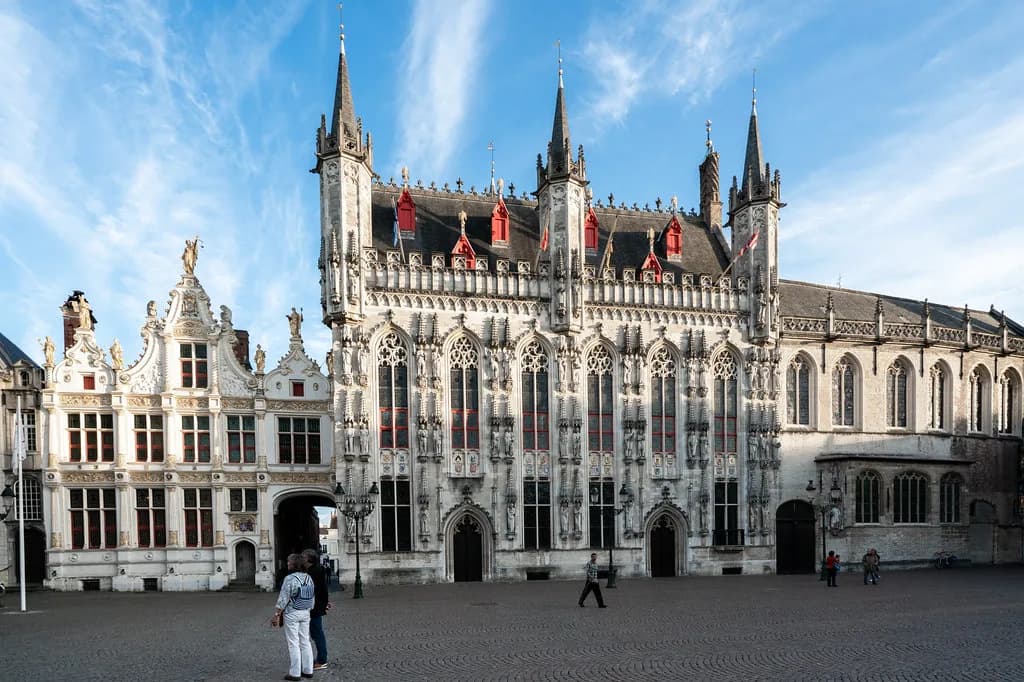
Start at the Markt, the wide square at the heart of the old city, with the Belfort (Belfry) rising over its south side and the gabled guild houses lining the other edges. From there, walk a minute south through the low arch into the Burg, the smaller square that holds the city's civic and religious buildings in one tight frame. Doing both together on your first morning gives you the orientation the rest of the trip hangs on.
The core around the Markt and Burg is where the crowds concentrate, and it is worth seeing early before the day-trippers arrive. The trade-off is simple: the most photographed corners sit here, but the streets just beyond the canal ring are where you get the postcard views almost to yourself. Treat the two squares as a 45-minute introduction, not a half-day.
Climbing the Belfort and what the climb involves
The Belfort climb is the city's signature ascent, and it is a different experience from climbing a church tower. From the top you look down on the Markt and out across the roofs and canals, which is the view that makes sense of Bruges' layout. Plan it for a clear morning and treat the tower as the anchor of your first day rather than an afterthought squeezed between museums; our Belfry guide covers what the climb involves.
The second climb in the city is the Church of Our Lady tower, the world's second-highest brick church tower, which puts you above the rooftops on a different axis from the Belfort. Choose based on what you want to see: the Markt and squares from the Belfort, or the church tower's brickwork and the museum inside it. If you only do one, take the Belfort; if you have a second clear day, the tower is a genuine alternative rather than a repeat.
The canals: Bruges reien, boat trips and the walk along the water
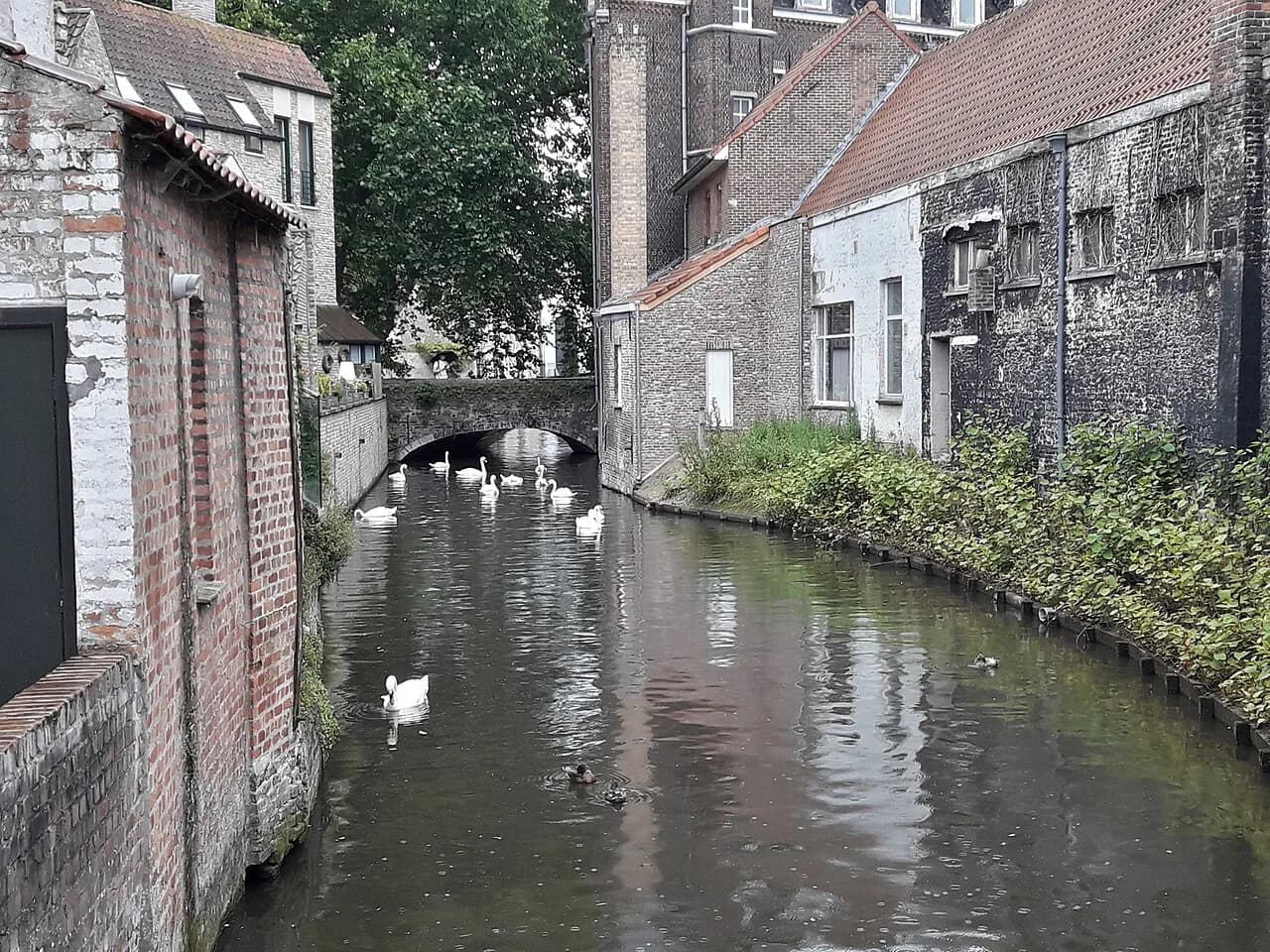
Bruges' canals, the reien, are the reason most people come, and the tourist office lists boat trips down them alongside walking, cycling and carriage rides. A boat gives you the water-level view of the brick gables, bridges and gardens that back onto the canals. Book the boat for the middle of the day, when walking the streets is at its busiest, and our Bruges canal tour guide covers which stretch of water to choose.
The other half of the canal experience is on foot: follow the water out of the busiest stretches and the streets empty as you go. The ring of canals around the centre gives you a loop you can walk, and the light on the water in the early morning or late afternoon is the best of the day. This is where Bruges earns its reputation, so leave time for it rather than treating it as a route between sights.
The Church of Our Lady and the museums in the old centre
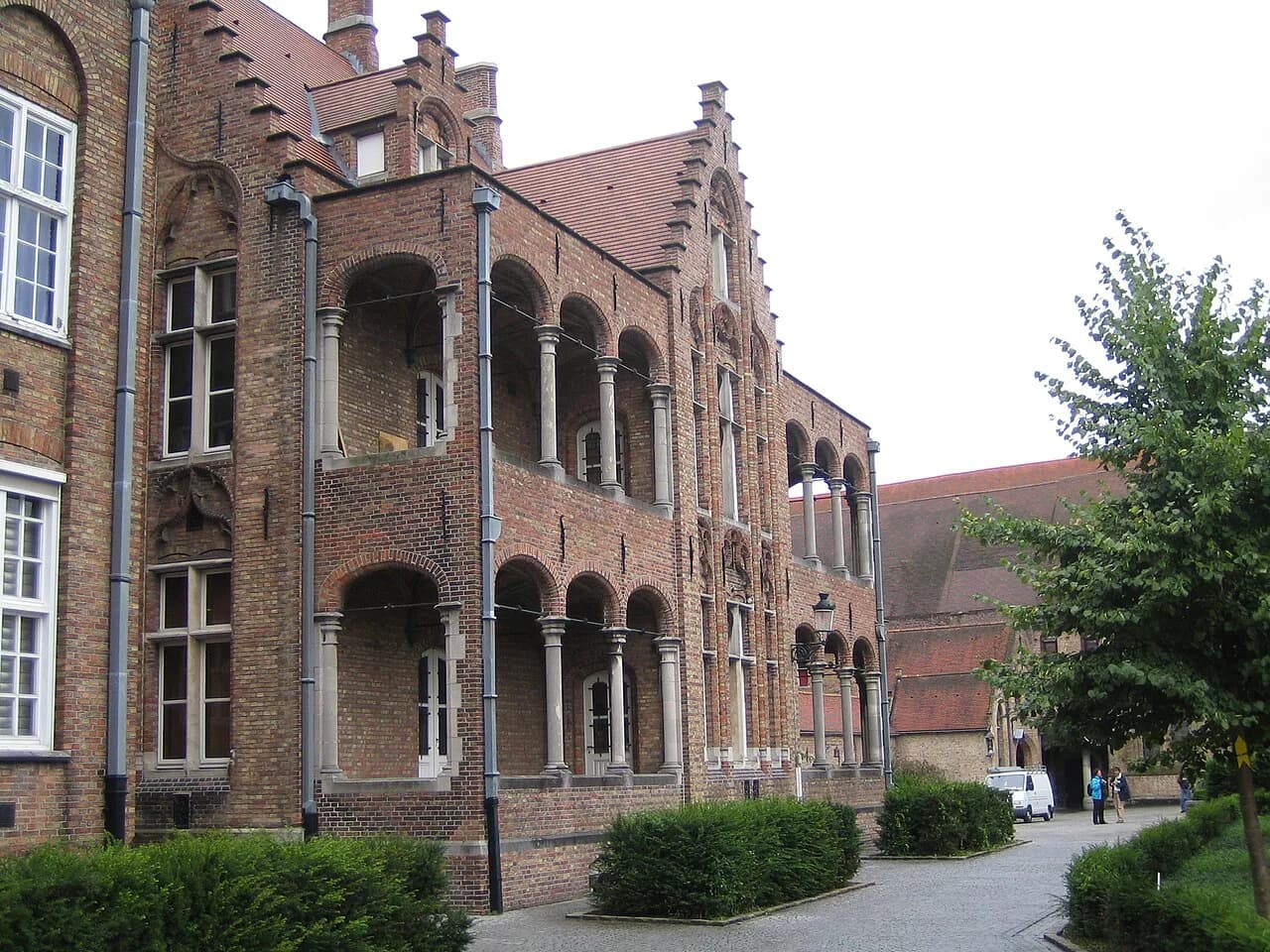
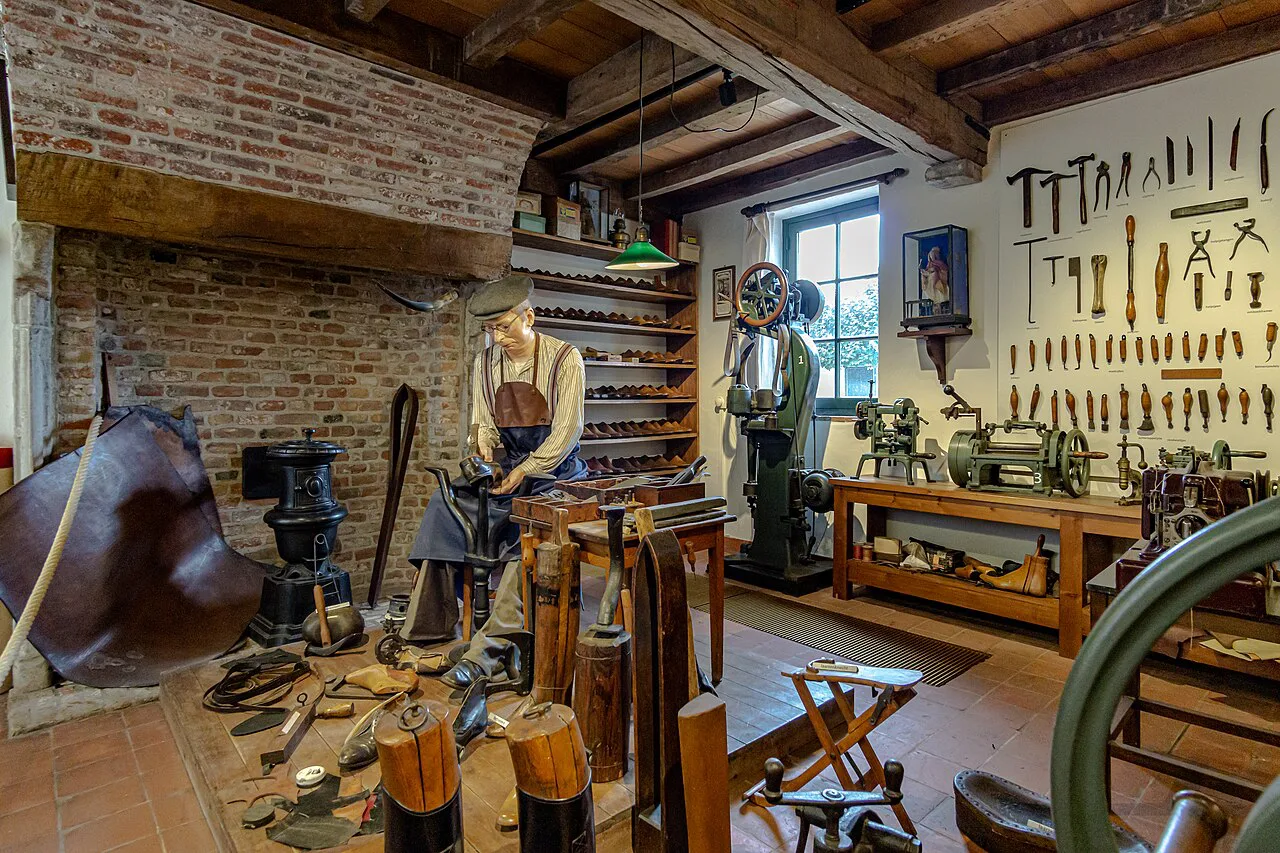
The Church of Our Lady (O.L.V.-kerk) dominates the southern side of the centre with its brick tower, and the museum inside covers its art and history. Pair it with the Volkskundemuseum (Folk Museum), which sits in renovated workers' houses and shows daily life in Bruges in the 19th and early 20th centuries. One is architecture and art, the other is domestic history, and together they give you both halves of the city's story without a long walk between them.
The museums run by Musea Brugge are the backbone of the indoor sightseeing, and the tourist office lists them as a group rather than one-offs. Plan a museum for the middle of the day, when the streets are at their fullest, and keep the mornings and evenings for walking. If you are choosing between them, the Church of Our Lady museum and the Folk Museum cover the most ground for a short break.
Beer in Bruges: tasting rooms and the city's own brew
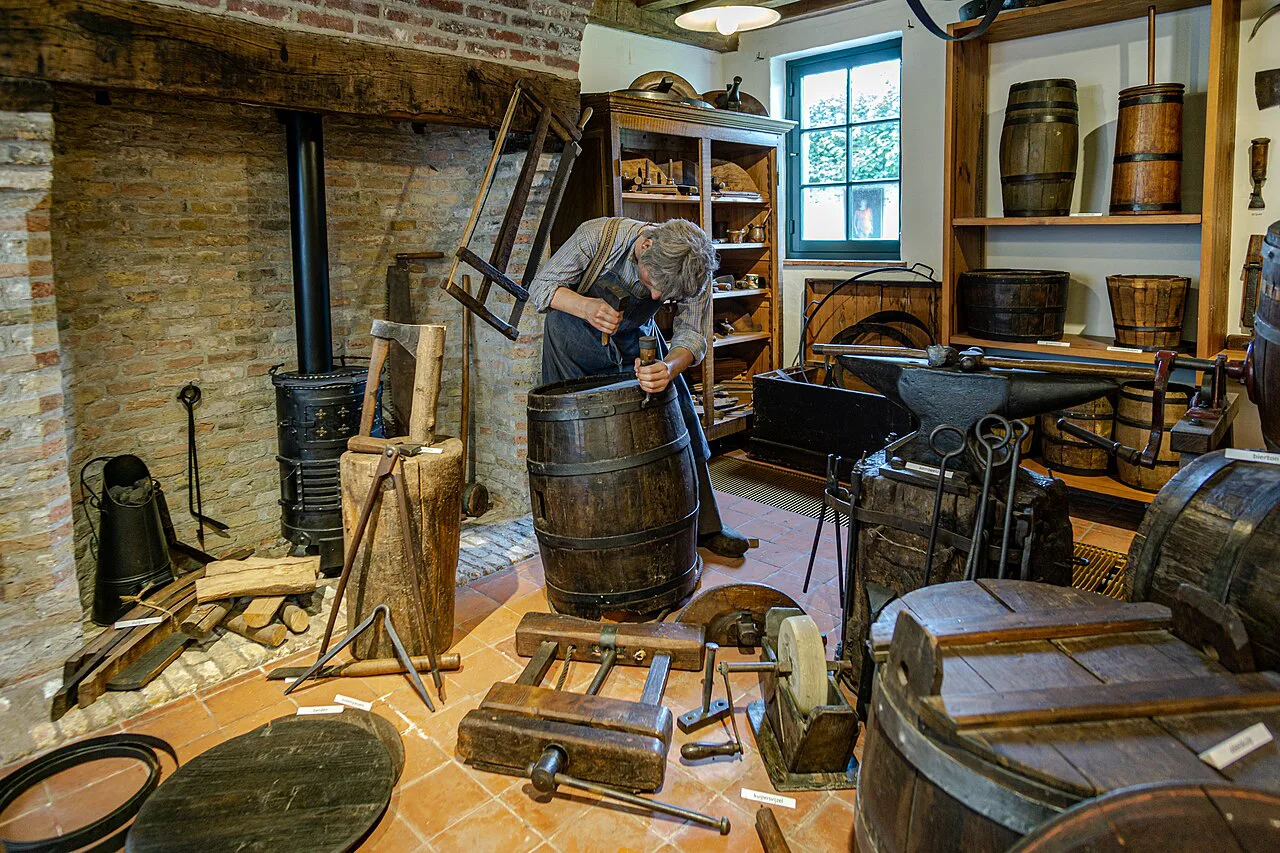
Beer is part of the fabric of Bruges, and the city has its own brew, Brugse Zot, which appears on taps across the centre. Tasting rooms and beer cafés are places to try Belgian beer rather than nightlife, and the range on offer goes well beyond the local brew. Give beer a proper slot in your plan, an afternoon or early evening, rather than treating it as something to fit around the sights; our guide to Bruges breweries covers where the beer is made as well as where it is poured.
Two addresses stand out for a tasting stop: Bierbrasserie Cambrinus and Café Vlissinghe, the latter with origins back to 1515 and a courtyard where featherbowling has been played over the centuries. Both are places to sit down with a glass and take your time, and both sit in the Saint Anne neighbourhood, away from the busiest stretches of the centre.
De Garre is one of the narrowest alleys in Bruges, and it is easy to walk past without noticing. The name means 'crack' or 'crevice' in West Flemish, which tells you what to expect from the passage itself. Look for it as a detour while crossing the centre rather than a destination in its own right.
Chocolate in Bruges: shops and tasting stops
Chocolate shops sit on almost every corner of the old centre, and sampling is one of the simplest pleasures of a Bruges break. The tourist office groups chocolatiers with the city's other sights, so a walk between two museums doubles as a tasting route. Buy a small box from one shop rather than several, and you will still have plenty to take home.
If you want to combine chocolate with beer, the city runs tasting tours that cover both, and the tourist office lists guided excursions you can book. A tasting tour gives you a structure and a guide, while a self-guided route through the shops gives you flexibility and no fixed start time. Pick according to how much of your day you want to commit.
Markets and squares: where the city's life happens
Beyond the Markt and Burg, the smaller squares and streets carry the everyday life of the city: the Walplein, the Minneboplein and the lanes around them. These are the places to slow down, sit outside with a drink and watch Bruges go about its business. The tourist office lists squares and streets as sights in their own right, which tells you how much the city's layout matters here.
The Markt is at its best when the day-trippers have not yet arrived, so aim to be in the centre early even on a non-market morning. Our guide to Bruges Markets sets out which markets run and when, so you can check the days before you travel rather than turning up on the wrong morning. An early start also gives you the square almost to yourself for photographs.
Walking, cycling and the quiet edges of the centre
Walk everything inside the canal ring and use a bike only for the paths outside it, where the canalside routes and the polder lanes begin. The tourist office lists cycling as one of the main ways to see Bruges and its surroundings, and the loop along the canals is the obvious first ride. Avoid cycling through the centre at midday in high season, when the streets are too crowded for it.
The edges of the centre are where Bruges gets quiet: the Hof der Gefusilleerden, a courtyard with thirteen pillars commemorating the First World War, and the Graaf Visartpark, a green space with a traffic garden. Both are free and both reward a slow wander rather than a quick look. Use them to break up a day of churches and museums.
A bike also opens up the ride along the canal to Damme, a flat run of around half an hour each way that takes you out of the city and into the polders. The reward is lunch in a smaller town and a view back across the water toward Bruges. It is the half-day escape to take when the centre is at its busiest.
How many days Bruges needs: one, two or three
One day gets you the Markt, Belfort, Burg and a canal boat, with time for a beer or a chocolate stop, but it leaves no slack for the museums. Two days is the comfortable minimum: the core on day one, the Church of Our Lady, the Folk Museum and the quieter streets on day two. Three days lets you add Damme or the Ter Doest walk without cutting anything.
If you are weighing Bruges against another Belgian city, the honest comparison is that Bruges is smaller and more concentrated than Ghent, so it needs fewer days for the same density of sights. Ghent has the living city alongside the historic core; Bruges has the historic core almost entire. Antwerp is another option worth comparing, and its guide to things to do in Antwerp shows how a larger city spreads its sights differently across a few days. If you have four days, split them between the two rather than stretching Bruges.
Bruges in the rain or with a few hours to spare
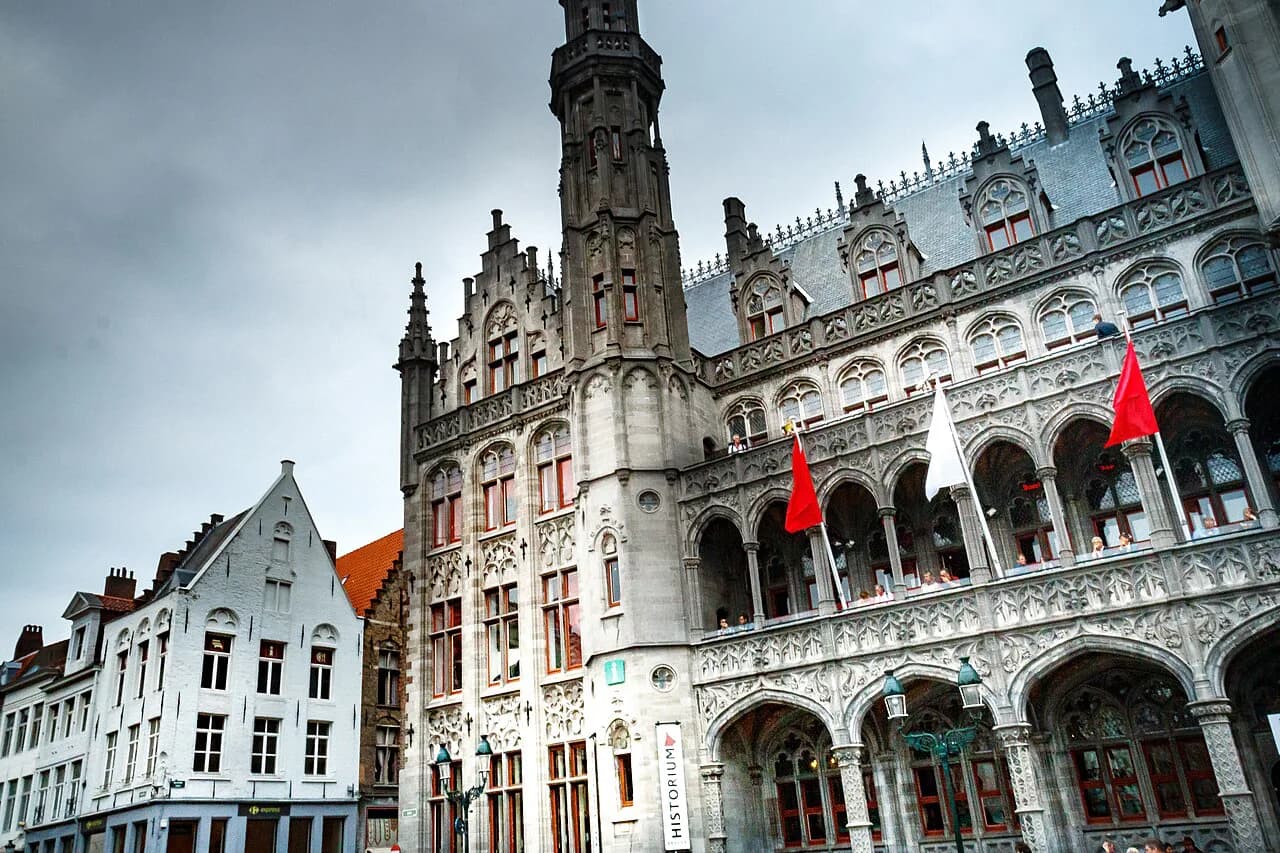
Rain in Bruges is best met with the indoor sights: the Church of Our Lady museum, the Volkskundemuseum, and the Historium, which covers medieval life in the city. A wet morning is also a good time for a beer tasting or a chocolate tour, both of which are indoors and unhurried. Save the canal boat for a dry spell, because the open boats are no fun in a downpour.
With only a few hours, skip the museums and do the Markt, the Burg, the Belfort climb and one canal-side walk. That route covers the city's signature sights in a morning without leaving you rushing between them. If you have time for one more thing, add a chocolate shop on the way back through the centre.
Out of the centre: Lissewege, Damme and the polders
Lissewege is a village in the polders outside Bruges, and the Ter Doest walk from it takes you through flat farmland with wide views back across the fields. The tourist office lists the walk as a sightseeing option, and it is the kind of half-day that resets your sense of the city's scale. Go on a clear day and take the bike or the bus out.
Balloon flights are another way out of the centre: Spildooren Ballooning and Ballon Team Brugge both operate from the area, and the tourist office lists them as sightseeing options. They depend on the weather, so treat them as a bonus rather than a fixed plan. A flight gives you the canals, the polders and the sea in one view.
Which Bruges plan fits your trip
Build your Bruges trip around two days: the Markt, Belfort and Burg first, then canal water, the Church of Our Lady and the museums, with beer and chocolate filling the gaps. Add a third day for Damme or the Ter Doest walk if you want the polders as well as the city.
The one choice that shapes everything else is where you spend your time: the crowded core is unmissable, but the quiet streets within the canal ring and the paths beyond it are what make Bruges worth more than a day. Walk the centre, take a boat once, and save the bike for the edges.
Explore more Bruges guides
Frequently Asked Questions
Can you drink tap water in Bruges?
Tap water in Bruges is safe to drink, as it is across Belgium, and restaurants will serve it if you ask. If you want it chilled or sparkling, order it by name rather than assuming it comes free with a meal.
What film was shot in Bruges?
In Bruges, the 2008 film with Colin Farrell and Brendan Gleeson, was shot in the city and made the Markt, the Belfort and the canals familiar to a much wider audience. The locations are all in the historic centre and easy to walk between.
What is the prettiest city in Belgium?
Bruges is the strongest candidate for most travellers: the whole canal ring is a UNESCO World Heritage Site and the medieval centre is unusually intact. Ghent runs it close for a living city with a historic core, which is why many people visit both.
Sources
Useful notes for your next trip
Optional updates to our guides.
You might also like
Continue reading
More guides you'll find useful