Antwerp Itinerary: A Two- to Three-Day Plan by Area
Plan an Antwerp itinerary of two or three days, walking from Antwerpen-Centraal through the old town to Het Steen and Eilandje, with museums grouped by area.
On this page
Two days is the right length for most Antwerp itineraries: one day covers the old town from Antwerpen-Centraal to Het Steen, and a second gets you inside the Rubens House, the Plantin-Moretus Museum and the cathedral. Three days adds Eilandje, the MAS rooftop and the Scheldt waterfront without rushing. This plan runs by area rather than by a ranked list, so each day is one continuous walk.
The route suits a short city break because the historic core is compact and flat. You arrive at Antwerpen-Centraal, walk south-east through the Diamond District and down Meir, and finish within sight of the river. If you are still deciding whether the city earns two nights, our honest answer on whether Antwerp is worth visiting weighs the sights against the time you have.
How many days Antwerp needs
One day in Antwerp gives you the exteriors: the station hall, Meir, Grote Markt, the Brabo Fountain, the cathedral square and Het Steen. To actually go inside the main sights — the cathedral, the Rubens House, the Plantin-Moretus Museum and the MAS — you need two full days. If your trip is only a single day, build it around one area rather than chasing every landmark, as the Antwerp day trip plan does.
Two days buys the interiors. Day one stays in the old town; day two pairs the Rubens House and Plantin-Moretus in the morning, then Vleeshuis, Het Steen and the riverfront in the afternoon. Three days lets you treat Eilandje and the MAS roof as a separate half-day, with the docks and port story given proper time instead of squeezed in at dusk.
How Antwerp is laid out
Antwerp runs roughly north-east to south-west. Antwerpen-Centraal sits at the eastern edge, with the Diamond District and Meir forming the corridor into the centre. The old town clusters around Grote Markt and Groenplaats, where the Cathedral of Our Lady (Onze-Lieve-Vrouwekathedraal) and the Vlaeykensgang alley sit within a few minutes of each other.
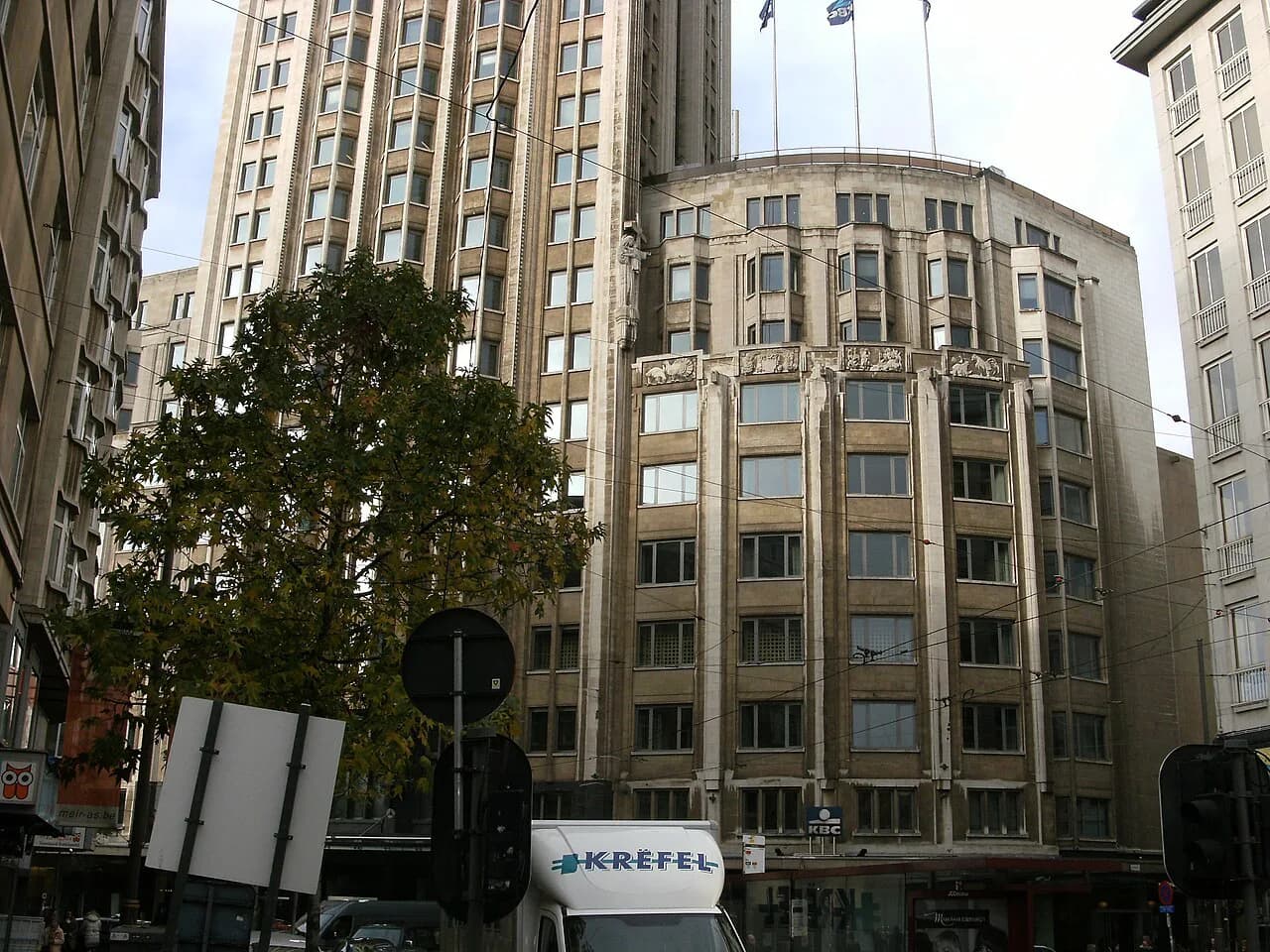
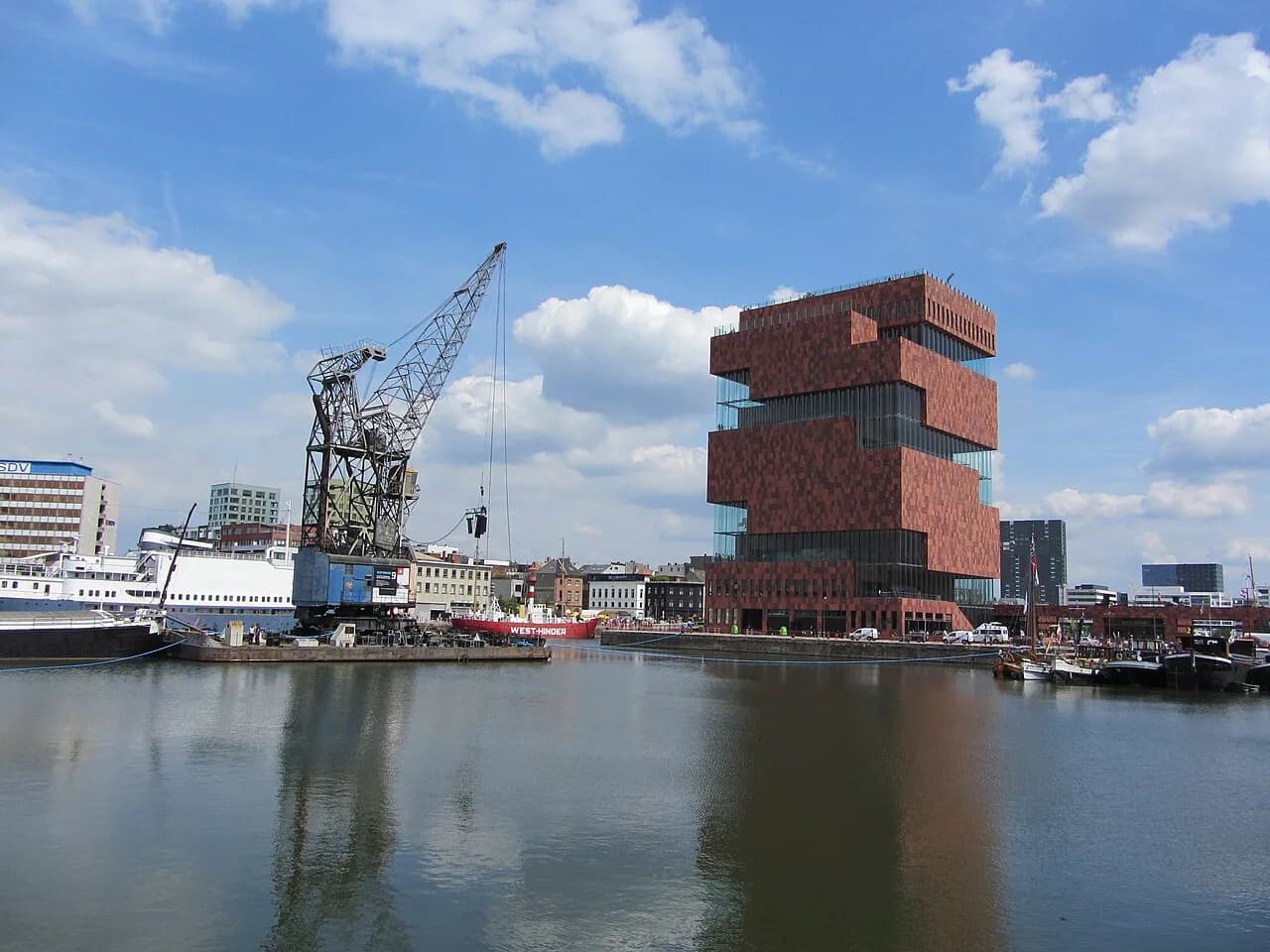
West of the old town, Het Steen marks the Scheldt, and the Sint-Annatunnel carries pedestrians under the river to the left bank. North along the water lies Eilandje, the old docklands, with the MAS – Museum aan de Stroom rising above them. Plan each day along the river axis and you avoid doubling back; the walk from the station to Het Steen takes about twenty-five minutes at an unhurried pace.
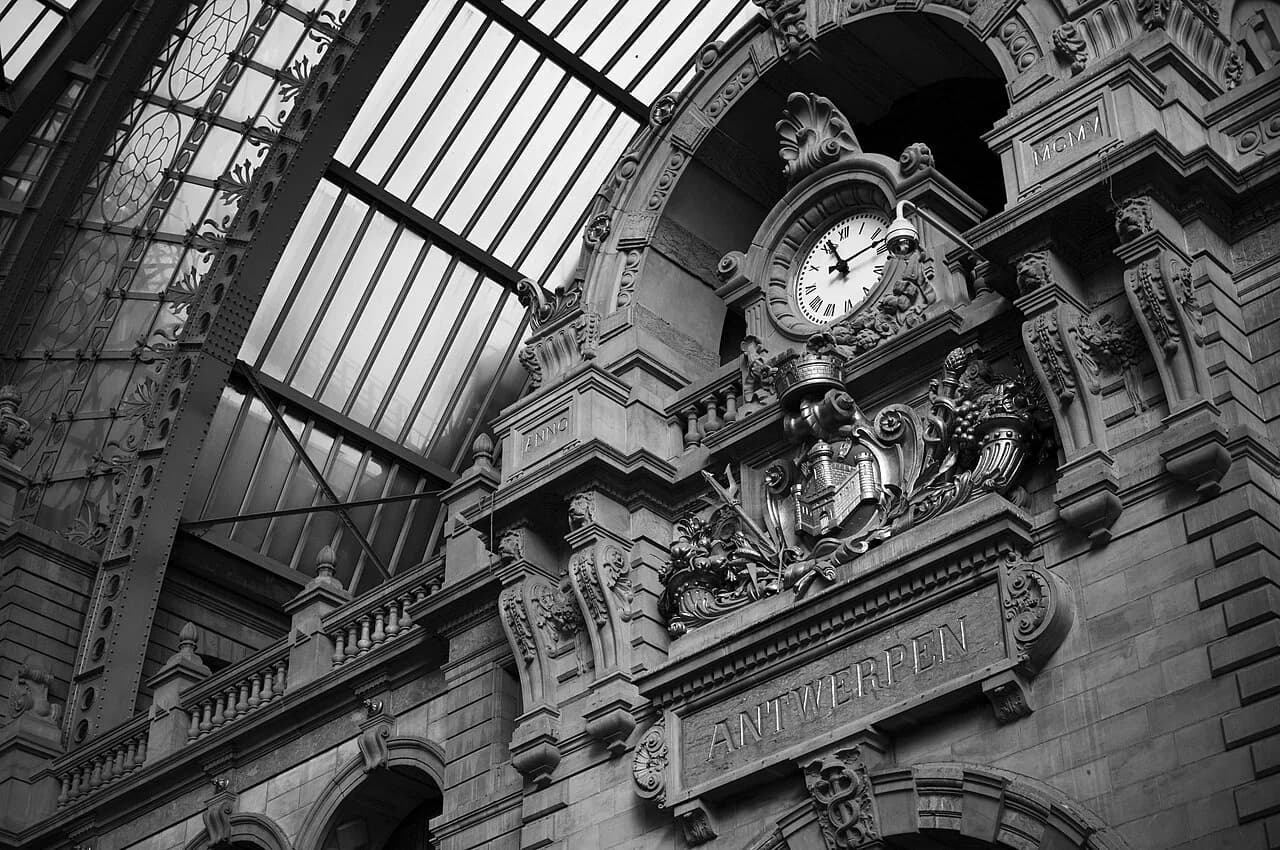
Antwerpen-Centraal is a sight in its own right rather than just an arrival point. Its main hall off Koningin Astridplein and the tiered levels above the platforms reward ten minutes before you head into town, and it is one of the stops that a one-day walking route through the city starts with. Leaving immediately is the commonest mistake on a first visit.
Day 1 morning: Antwerpen-Centraal, the Diamond District and Meir
Start inside the station and read the main hall from the ground floor up, then exit towards the Diamond District. The district's shop windows are the point of the walk rather than any single museum, and it feeds naturally into Meir, the long shopping street that carries you into the centre. Allow an hour for the station and the walk combined.
Meir is a shopping street, so treat it as a route with stops rather than a destination. It brings you out near the cathedral and Grote Markt, which is exactly where you want to be by mid-morning. If you are fitting Antwerp into a wider Belgian trip, the same corridor works as the spine of a short city break, and our Antwerp city break plan uses it the same way.
Day 1 midday: Grote Markt and the Cathedral of Our Lady
Grote Markt is the old town's front room: guild houses on three sides, the Brabo Fountain in the middle, and the cathedral spire closing the view to the north. The Brabo Fountain depicts the legend of the Roman soldier cutting off a giant's hand, the story the city takes its name from. Stand at the fountain and look up at the spire before you go further.
The Cathedral of Our Lady (Onze-Lieve-Vrouwekathedraal) is the one interior worth protecting time for on day one. It is a working Gothic church with Rubens canvases inside, so an hour here is not wasted even if you are saving the dedicated art museums for day two. Check the cathedral's own published times before you build the rest of the day around it.
Day 1 afternoon: Groenplaats and the Vlaeykensgang
From the cathedral, walk five minutes south to Groenplaats, the square in front of the cathedral's south side, then look for the Vlaeykensgang, a narrow medieval alley off Oude Koornmarkt that most passers-by walk straight past. It is a short detour of a few minutes and one of the few genuinely quiet corners in the centre. Then continue north-east to Sint-Carolus Borromeuskerk and the Hendrik Conscience square.
Sint-Carolus Borromeuskerk and the adjoining Hendrik Conscience square give you the baroque side of Antwerp after the Gothic cathedral, and the square is a calm place to sit before the evening. This stretch is small enough to wander without a fixed route, which is the point after a structured morning.
Day 1 evening: a beer café or a chocolate stop
Het Elfde Gebod, near the cathedral, is a beer café with a distinctive interior and a sensible place to end day one if you want to taste Belgian beer rather than simply pass a bar. Keep it to one or two — the second day starts with museums. For a non-drinking alternative, the chocolate shops around the old town fill the same slot.
If chocolate is the priority, Chocolate Nation sits beside Antwerpen-Centraal, which makes it awkward as an evening stop but easy on arrival or departure day. It is a large museum-style attraction telling the story of Belgian chocolate from bean to bar, so it works best when you have a genuine spare half-day rather than as a quick visit.
Day 2 morning: the Rubens House and Plantin-Moretus
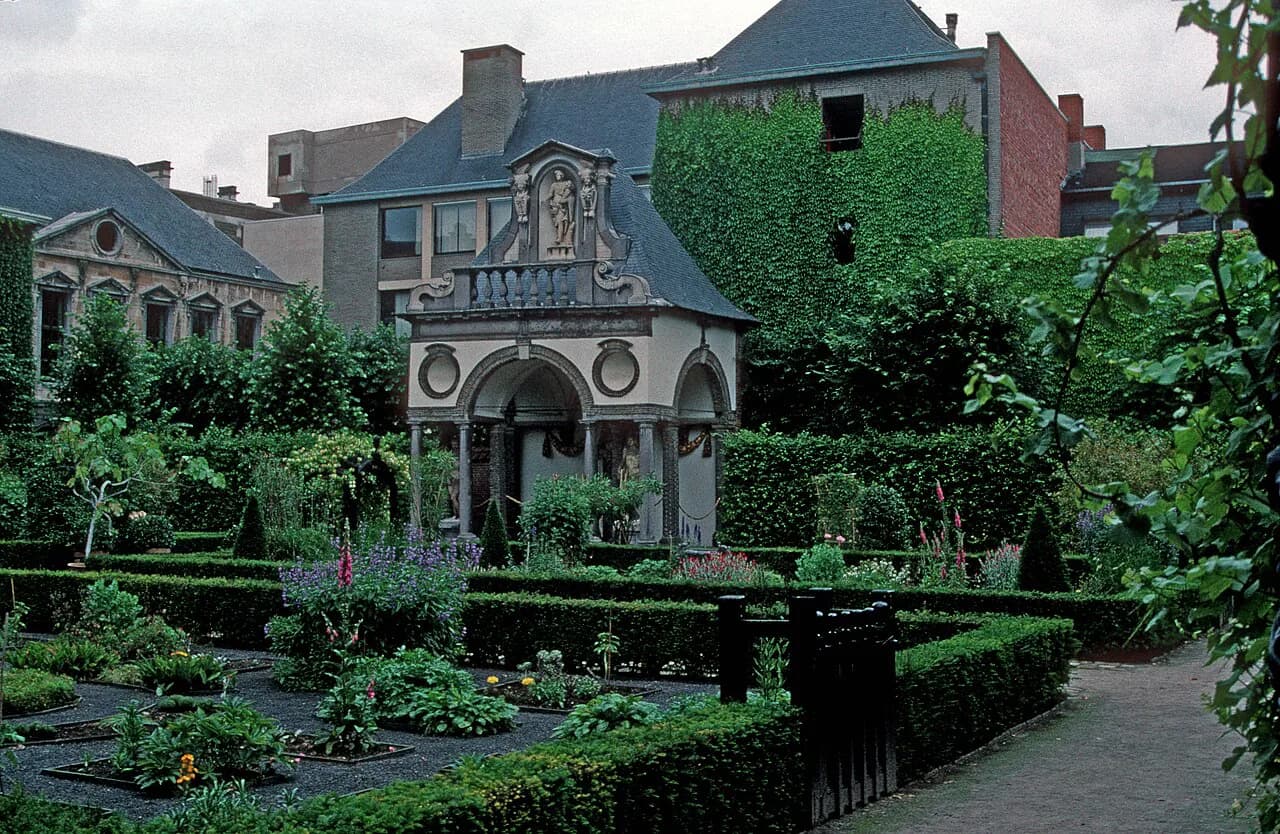
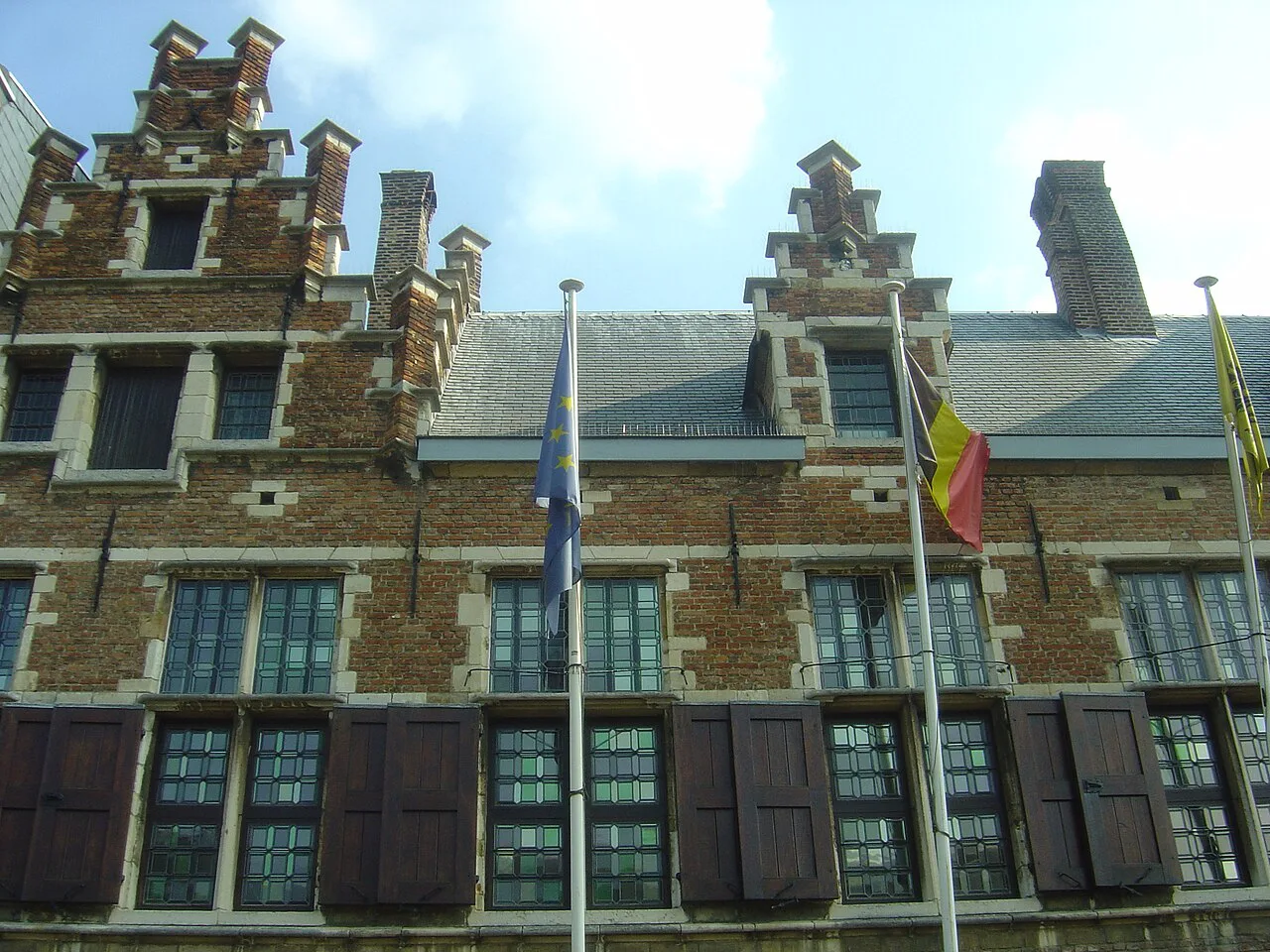
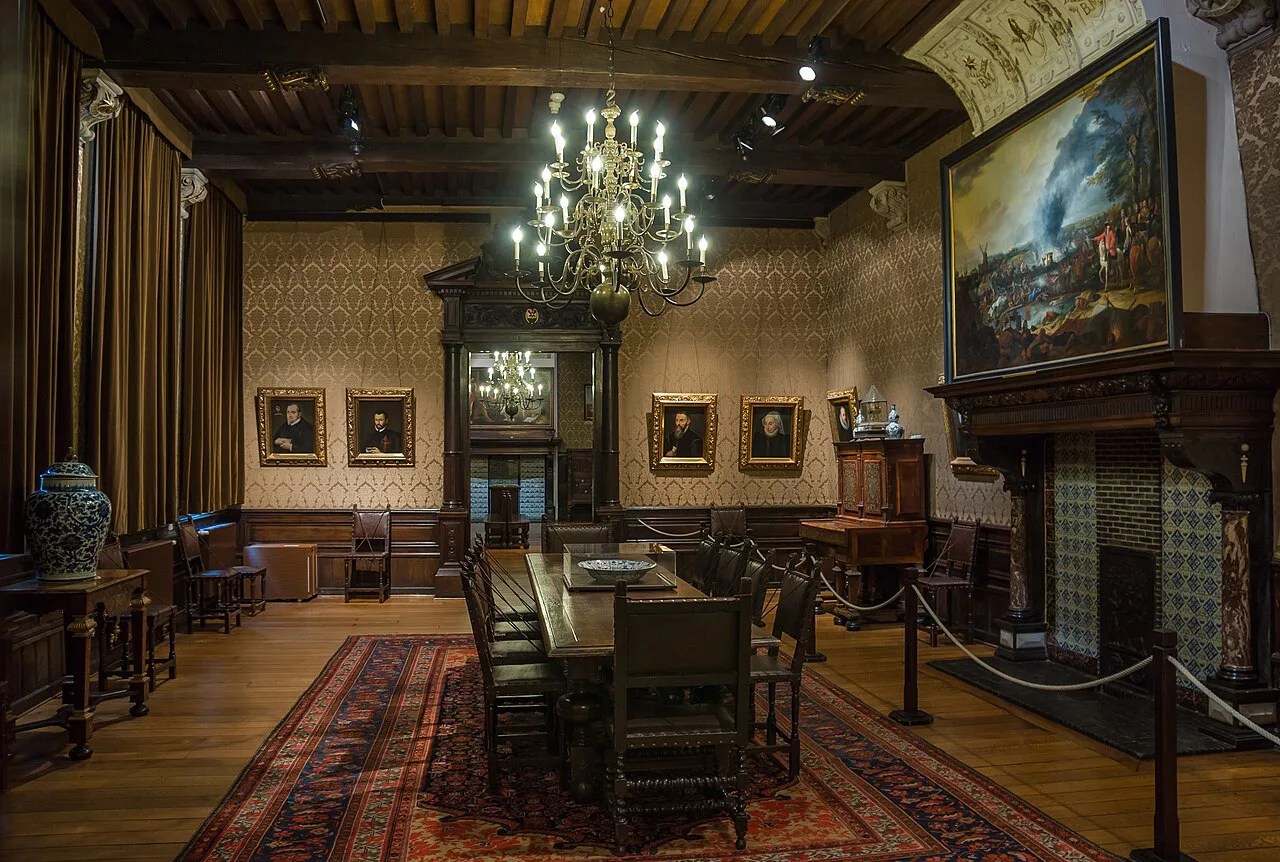
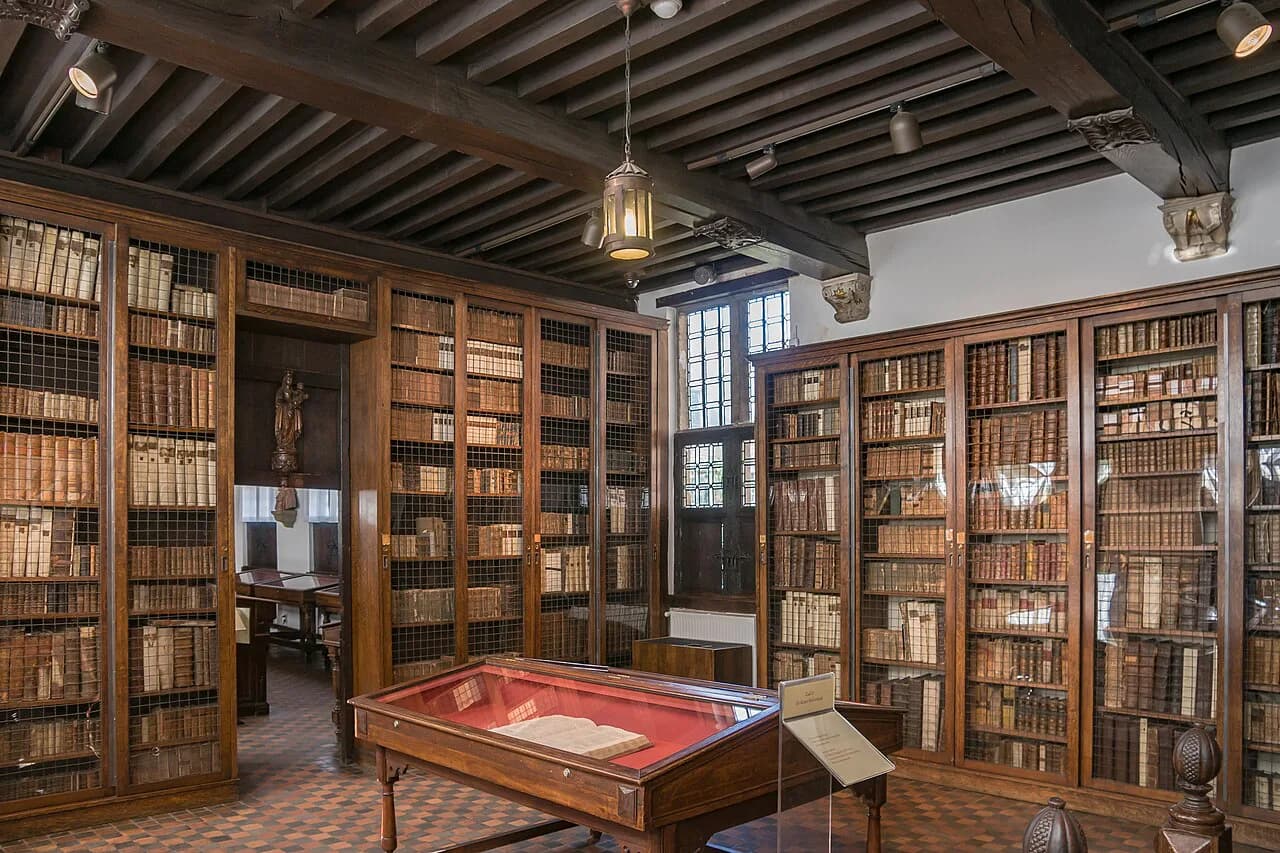
Put the Rubens House (Rubenshuis) and the Plantin-Moretus Museum on the same morning. Rubens' own house and studio gives you the painter in his working setting, while Plantin-Moretus is a preserved printing house with its presses and type, its Unesco World Heritage status earned by that surviving workshop. Do the Rubens House first, then walk to Plantin-Moretus, which is a short distance away.
If you only do one, pick Plantin-Moretus: the building and the presses are unlike anything else in Belgium, whereas the Rubens paintings can partly be seen in the cathedral. Pick the Rubens House instead if painting matters more than printing to you. Either way, allow a full morning for one and most of it for two.
Museums in Antwerp do not run to a single weekly closing day you can rely on across the board, so confirm each venue's own published days before you fix the order of this morning. Building the day around an assumption is how a museum morning collapses.
Day 2 midday: Vleeshuis and Het Steen
Vleeshuis, the old guildhall of the butchers, sits between the cathedral and the river and is a natural stop on the way down to Het Steen. Het Steen is the riverside castle at the head of the old harbour, and the Antwerp Story presentation inside covers the city's history and its port in one go. Together they fill the middle of the day, and the castle and its riverside setting appear in most short walking routes through the centre.
This is also where you first meet the Scheldt properly. The riverfront in front of Het Steen is free to walk, and it gives you the scale of the port that the old town hides. Leave the riverbank walk itself for the afternoon rather than doing it twice.
Day 2 afternoon: the Scheldt, Sint-Annatunnel and the MAS roof
Walk the Scheldt quays south from Het Steen, then take the Sint-Annatunnel, a pedestrian tunnel under the river reached by wooden escalators, for the skyline view back towards the city. Crossing it takes minutes each way and it is the best-value detour in Antwerp. Come back the same way unless you are heading onward.
Finish with the MAS – Museum aan de Stroom, whose rooftop panorama is free to visit and looks back over the docks and the city. Climbing to the roof is a legitimate alternative to paying for a museum, and it sets up day three's Eilandje wander if you have one. The walk from the tunnel to the MAS is a pleasant twenty minutes along the water.
Day 2 evening: back through the old town
Return through the old town for dinner rather than staying out at Eilandje, which empties in the evening. Grote Markt and Groenplaats both have plenty of choice within a few minutes of each other. It is a fifteen-minute walk back from Het Steen, so nothing is far.
If you are comparing Antwerp with the capital for a short break, the evening is when the difference shows: Antwerp's centre is small enough to cross on foot, and the Grote Markt at dusk is a compact, walkable set piece. Our Antwerp vs Brussels comparison sets out where each city wins.
Day 3: Eilandje and the docks, or the zoo and City Park
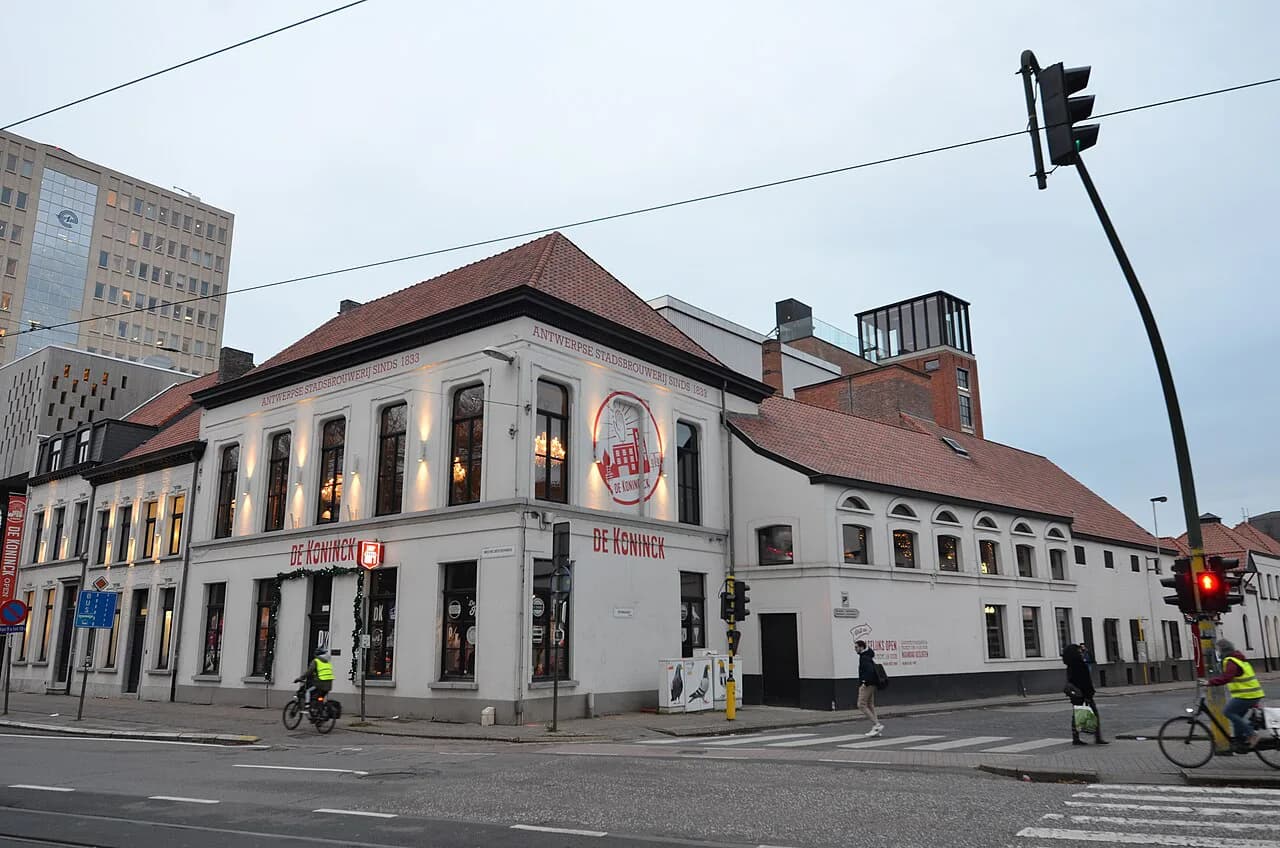
With a third day, give Eilandje a proper morning: the old docks, the harbour buildings and the port story around the MAS reward a slow wander rather than a rushed photo stop. This is also where the Antwerp City Brewery fits, if you want a brewery visit in the itinerary, since the docklands side of town has room for it.
The alternative third day is the Antwerp Zoo, beside Antwerpen-Centraal, plus City Park. The zoo was founded in 1843 and is one of the oldest animal parks in the world, and it is genuinely good — but tickets are not cheap, so it is a real trade-off against a second museum morning rather than a free add-on. Choose it if travelling with children or if you have already done the old town.
Stadspark and Park Spoor Noord are the other green options, both free and both useful when you need to break up a day of walking. Stadspark sits near the centre; Park Spoor Noord is further north in the old railway yard.
When to go
Antwerp is a walking city, so the season shapes the plan more than any single sight. Spring and early autumn give the most comfortable temperatures for a full day on foot between the station and the river. High summer is pleasant but busier, and the quays and Grote Markt fill up. Winter is quieter but the daylight is short, which compresses a day of walking into fewer hours.
Check typical climate averages before you book rather than treating any seasonal figure as a forecast. If your dates are fixed, adapt the plan instead: in winter, put the museums in the middle of the day and keep the outdoor stretches short. In summer, start early at Antwerpen-Centraal and save the riverbank for the evening.
Where to build in meal breaks and chocolate
The route gives you natural meal stops without planning: lunch near Groenplaats or Grote Markt on day one, and lunch around Vleeshuis or Het Steen on day two. Meir has the budget options on the way in. Keep lunch to an hour so the afternoon stays intact.
For chocolate shopping, the old town around the cathedral and the station concourse at Antwerpen-Centraal are the two practical points. Buy on your way past rather than making a special trip, and buy at the end of the day so it survives the walking.
Two days or three: what the extra day buys
Two days gives you the old town, the riverfront and one serious museum morning. Three days adds Eilandje, the docks and either the zoo or a second museum without cutting anything short. If you are weighing Antwerp against a longer Belgian trip, 2 days in Ghent or 2 days in Bruges shows how the same time budget works elsewhere; the Ghent Altarpiece and the Basilica of the Holy Blood are the inland equivalents of the cathedral stop here.
The honest trade-off is that a third day in Antwerp is optional rather than essential. The city's core is compact, and two well-planned days cover the sights a first visit needs. Add the third day only if you want the docks or the zoo, not because the itinerary demands it.
Antwerp as a base
Antwerp works well as a base for a short break: the station connects the city to the rest of Belgium, and the centre is small enough to walk from end to end. One night is enough for the old town; two nights let you spread the museums and the riverfront across separate days. Staying near Antwerpen-Centraal makes arrival and departure easy, while staying near Grote Markt puts the old town on your doorstep.
Which Antwerp itinerary should you book?
Book two days if this is your first visit: day one from Antwerpen-Centraal through Meir to Grote Markt, the cathedral and Het Steen, day two for the Rubens House or Plantin-Moretus, then Vleeshuis and the MAS roof. Add a third day only for Eilandje or the zoo. That ordering gives you one continuous walk each day instead of a list of stops.
If your time is tighter, take the one-day version and accept that you will see the main sights from outside. If you are comparing Belgian cities, Antwerp Attractions collects the individual guides so you can weigh each sight before you commit to a plan.
Explore more Antwerp guides
Frequently Asked Questions
Is two days enough for Antwerp?
Two days covers the old town, the cathedral, one serious museum morning and the Scheldt waterfront with the Sint-Annatunnel and the MAS roof. One day gives you the exteriors only. A third day adds Eilandje and the docks or the zoo, but it is optional rather than essential.
What is the best order for an Antwerp itinerary?
Start at Antwerpen-Centraal, walk through the Diamond District and down Meir to Grote Markt, the cathedral and Groenplaats, then finish at Het Steen and the river. Day two pairs the Rubens House and Plantin-Moretus in the morning with Vleeshuis, Het Steen and the MAS roof in the afternoon.
When should you visit Antwerp?
Spring and early autumn give the most comfortable temperatures for a full day of walking between the station and the river. High summer is busier and winter has short daylight, so put the museums in the middle of the day if your dates are fixed. Check typical climate averages before booking.
Does Antwerp have free viewpoints?
Yes. The rooftop panorama at the MAS – Museum aan de Stroom is free to visit, and the walk through the Sint-Annatunnel under the Scheldt costs nothing and gives a skyline view back towards the city. Both are worth building into day two.
Sources
Useful notes for your next trip
Optional updates to our guides.
You might also like
Continue reading
More guides you'll find useful