Is Antwerp Worth Visiting? An Honest Answer for a Short Break
Yes, Antwerp is worth visiting: a Gothic cathedral, Rubens, fashion and a working port sit in a walkable centre. Here is who will Love it and how long to stay.
On this page
Yes, Antwerp (Antwerpen) is worth visiting, and two days is enough to see the centre properly. The city stacks a Gothic cathedral holding Rubens altarpieces, a guildhall-lined square, a fashion quarter and a live shipping port into a compact, walkable core. This guide sets out what Antwerp does better than its neighbours, where it falls short for some travellers, and how many days to give it.
What Antwerp does better than other Belgian cities
Antwerp feels like a working city rather than a preserved one, and that is its advantage over Bruges (Brugge). Where Bruges trades on canals and medieval quiet, Antwerp combines a historic centre with heavy shopping streets and a fashion industry whose influence reaches well beyond Belgium. The city is comparable to Edinburgh in size, population and cultural weight, and the train from London is an hour faster than the run to Edinburgh.
That character shows in the streets themselves. Meir carries the high-street names, Schuttershofstraat the luxury labels, and Nationalestraat and Kammenstraat the younger local designers. If you want a Belgian city that still feels lived-in rather than staged, Antwerp is the stronger pick; if you want canals and near-silence, Bruges wins.
The Grote Markt and the Cathedral of Our Lady: what anchors a visit
Start at the Grote Markt, the square framed by 16th- and 17th-century guildhalls and the city hall, with the Brabo statue at its centre. It is the obvious first stop and earns it: the square is the best single introduction to the old centre, and it sits a few minutes' walk from the cathedral. Expect café terraces on the square to charge tourist prices for a beer.
The Cathedral of Our Lady (Onze-Lieve-Vrouwekathedraal) stands beside the Grote Markt, and its 123-metre tower dominates the skyline. Inside hangs Peter Paul Rubens's Descent from the Cross triptych, which alone justifies the entrance fee. The cathedral is the largest Gothic church in the Benelux and worth stepping into even if churches are not usually your thing.
Rubens, fashion and the riverside MAS: what earns a second day
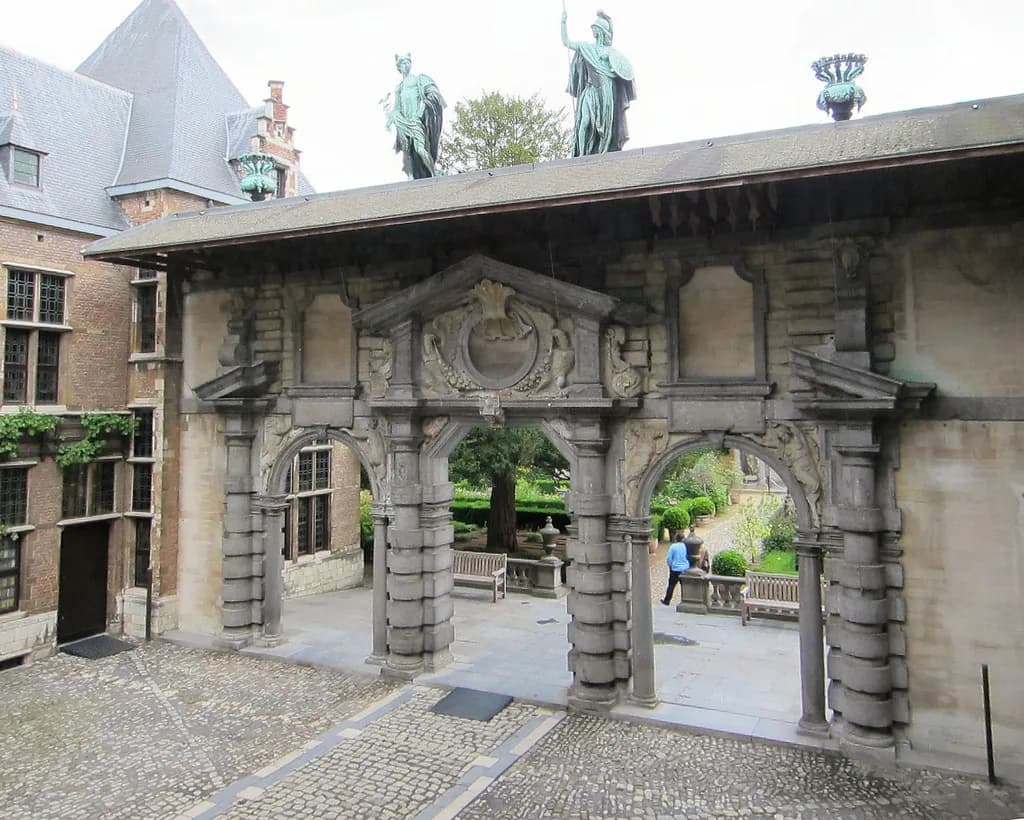
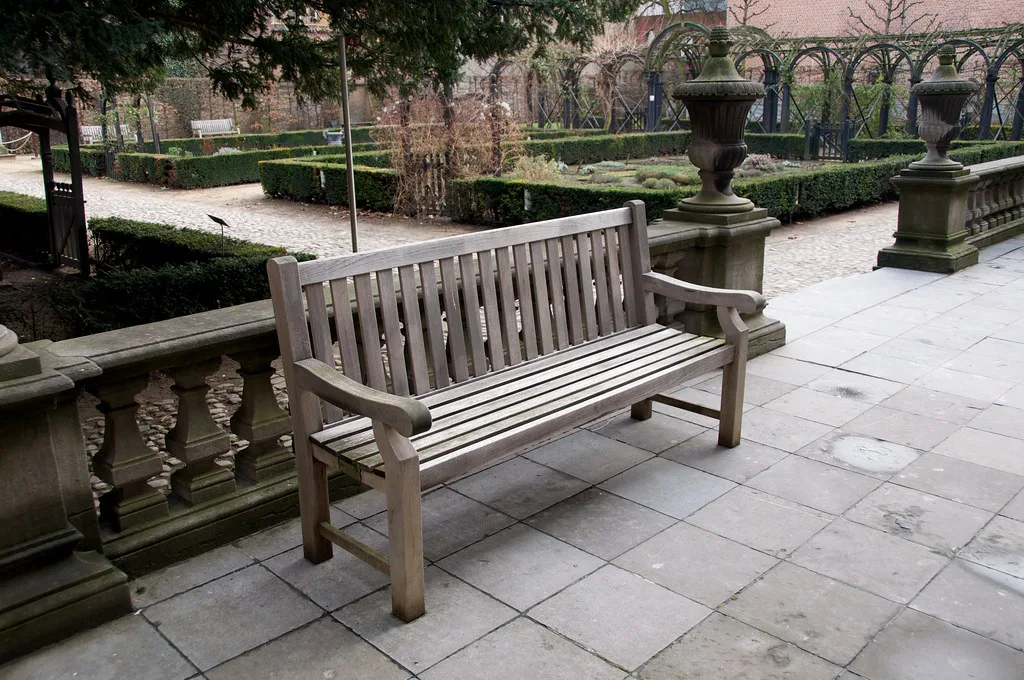
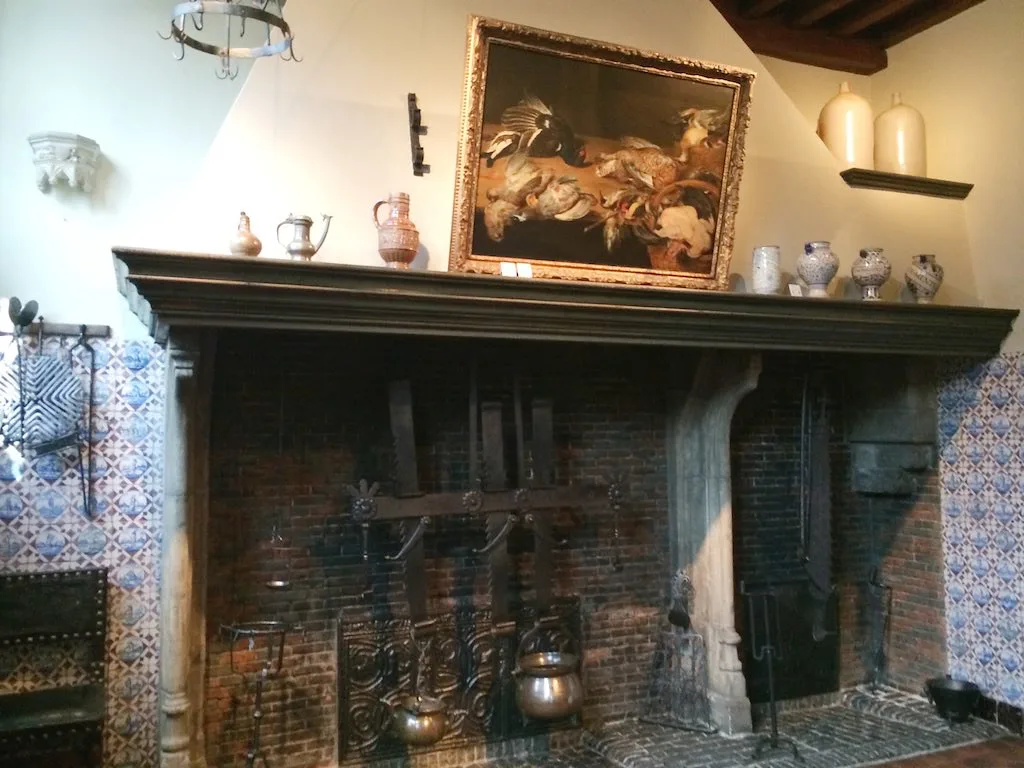
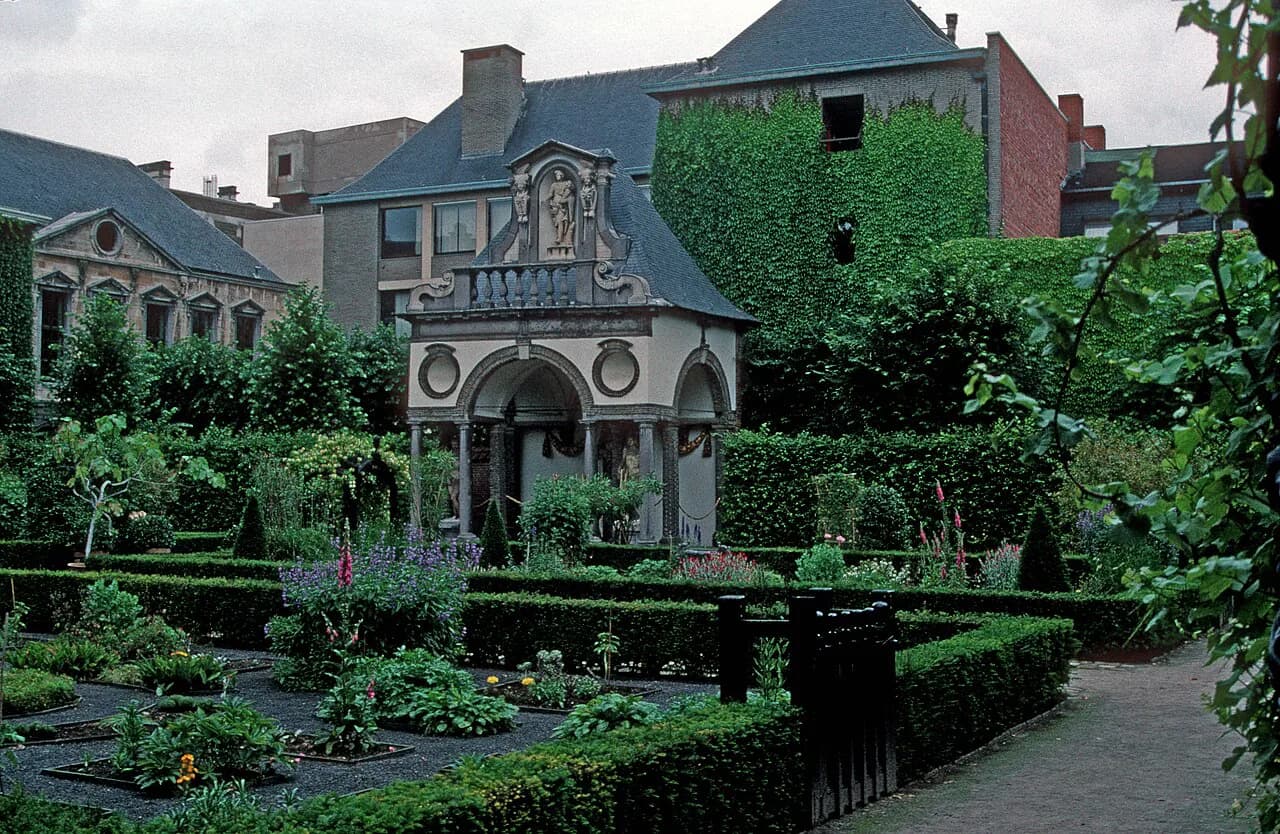
Antwerp's Rubens story is best told through the cathedral triptych. His former home and studio, the Rubens House, is closed for renovation, though the garden, library and Rubens Experience remain open. That limits one headline museum on a short break, so plan the Rubens thread around the cathedral and the house's open parts and keep the rest of the day for other things.
The ModeMuseum (MoMu) anchors the fashion district and has spent two decades mounting contemporary fashion exhibitions, with a library and bookshop that make it a base for fashion students. Having reopened after a major expansion and renovation, it is now a firmly established stop. Pair it with a walk through the surrounding streets where ateliers and concept stores sit among the shopfronts. Allow a couple of hours if you care about clothes; skip it if you do not.
The MAS (Museum aan de Stroom) is a ten-storey tower of red sandstone and glass on the Willemdok, telling the story of Antwerp as a port city. The exhibitions divide opinion, but the rooftop terrace gives the best free view over the harbour and is the reason many visitors go. Add Het Steen, the riverside castle, on the walk back into the centre.
Where Antwerp feels different: the Scheldt docks and the Eilandje
The Scheldt quays and the Eilandje dock district show the side of Antwerp that Bruges and Ghent cannot offer. Europe's second-largest seaport sits on the river here, and the docks have drawn serious investment, including Zaha Hadid's port authority building. This is the area to see if you want the city's contemporary face rather than its medieval one.
The distances around the docks are the catch. The port area is better covered by bike than on foot, and trams and buses can be irregular, which is worth planning around before you set out. Walk it if you have time and good weather; otherwise treat the Eilandje as a half-day rather than an afternoon stroll.
How the city is laid out and how to get around it
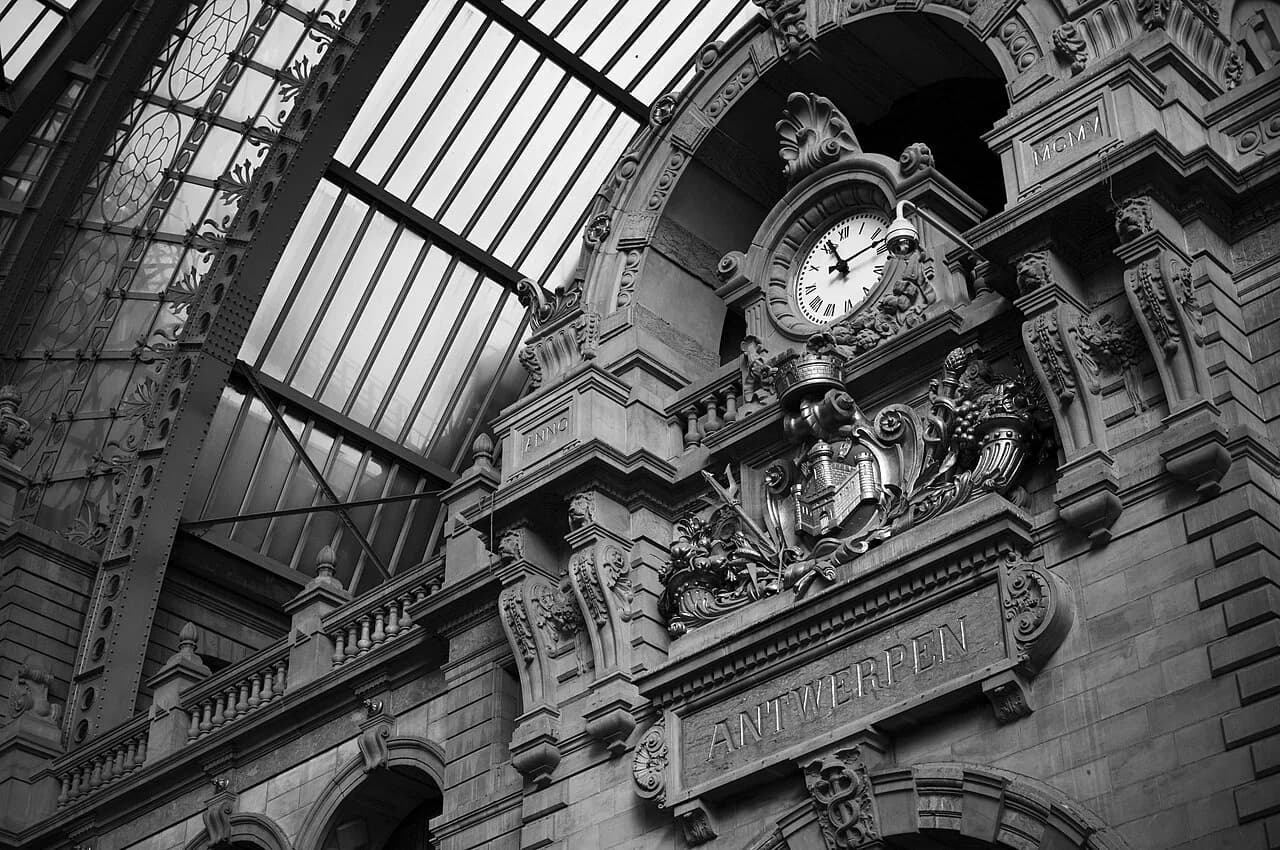
Antwerp's old centre is compact: the Grote Markt, cathedral, Meir and fashion streets all sit within comfortable walking distance of each other. The train station, Antwerp Centraal, is itself worth a look, with its glass dome and marble hall, and it puts you a short walk or tram ride from the centre.
Beyond the core the city stretches out, and that is where bikes earn their place. Group the centre on foot, then take a bike or tram for the docks and the southern neighbourhoods. If you are building a route, the Antwerp itinerary maps the core sights in a sensible order.
Zurenborg's Cogels-Osylei and Waterloostraat: the neighbourhood detour worth taking
Zurenborg, away from the centre, holds Antwerp's most extravagant townhouses: fin-de-siècle mansions built in ever more eclectic styles along Cogels-Osylei and Waterloostraat. It is a residential district rather than a sight with a ticket desk, so go to look at the architecture and take your time. This is the detour to make if you have a second day and want something the centre does not give you.
Beer and chocolate: De Koninck and the city's tasting stops
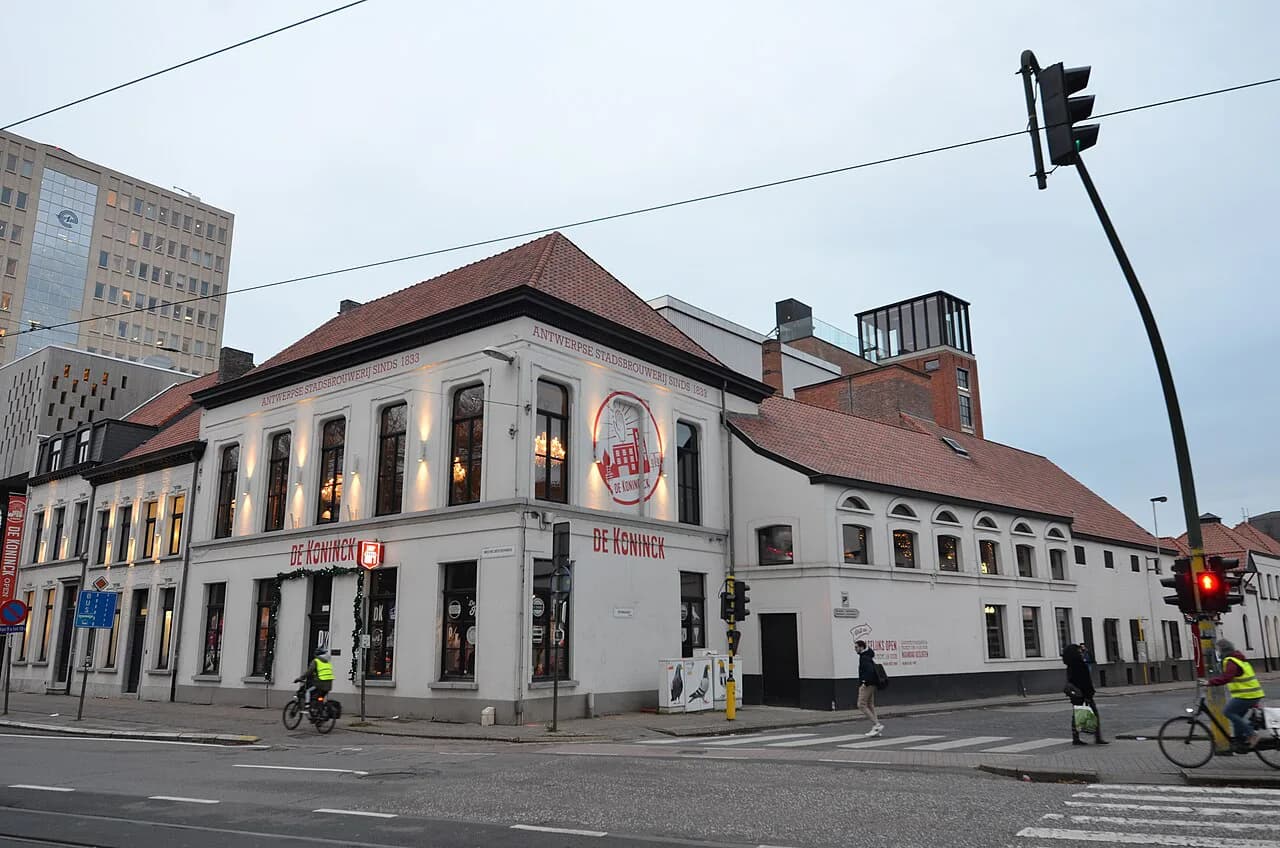
De Koninck City Brewery makes the city's bolleke beer, named after the goblet-shaped glass it is served in, and its visitor centre doubles as a food hall where a baker, butcher, cheesemaker and chocolatier all sell their wares. It is the most straightforward introduction to Antwerp's beer and chocolate in one stop. For a wider range of Belgian craft beer, the taproom at PAKT in the Green Quarter is the place to go.
If you want a traditional beer café rather than a brewery visit, Café Zeezicht offers wood-panelled rooms and a local crowd. Treat these as tasting stops fitted around sightseeing rather than as the point of the trip. Both are within reach of the centre, so neither eats a whole afternoon.
When Antwerp suits you, and when Bruges or Ghent fits better
Antwerp suits travellers who want a city with edge: fashion, a port, a large Gothic cathedral and a busy shopping core. It also suits anyone arriving by train from London, since it is closer than Bruges and rewards a short break without feeling like a museum set. If your idea of Belgium is canals, quiet cobbles and a chocolate-shop crawl, Bruges will please you more.
Ghent (Gent) sits between the two, with a medieval centre and a large student population. Choose Antwerp over Ghent if you want contemporary culture and the river; choose Ghent if you want the postcard centre with fewer tour groups. For a direct comparison with the capital, Antwerp vs Brussels sets out how the two cities differ for a short break.
How many days Antwerp needs
Two days is the right allowance for Antwerp: one for the Grote Markt, cathedral, Meir and fashion district, and one for the MAS, the Eilandje and Zurenborg or a brewery visit. A single day covers the cathedral and square but leaves the port side unseen, which is the part that makes Antwerp different. Three days only pays off if you want to slow down, shop seriously or add a museum in depth.
Coming from London, the journey is short enough that a two-night break makes sense without taking much leave. Plan around how much walking you want: the centre is easy on foot, while the docks and Zurenborg reward a bike. If you are weighing up the travel, the London to Antwerp route explains the options.
Trade-offs: distances, transport and what to skip
The main trade-off in Antwerp is distance. The centre is compact, but the docks, Zurenborg and the Green Quarter are spread out, and public transport does not always run to a convenient rhythm. Budget for a bike or accept longer walks, and cluster each day geographically rather than criss-crossing the city.
The second trade-off is time. The Rubens House is closed for renovation, so a Rubens-focused visit has less to see than it once did. Skip the zoo and the shopping streets if they are not your interest, and put the saved hours into the MAS rooftop and Zurenborg. The Antwerp Attractions hub lists the individual guides if you want to plan each sight in detail.
Book it for two days, or pick Bruges instead
Antwerp is worth visiting if you want a Belgian city with a working port, a fashion scene and a cathedral that holds Rubens masterpieces, and two days is enough to see it well. Book it for the centre first and the docks second, with a bike for the spread-out parts. If you want canals and quiet instead, Bruges or Ghent will suit the trip better.
Explore more Antwerp guides
Frequently Asked Questions
Is Antwerp expensive compared with other Belgian cities?
Antwerp is a large city, and its café terraces on the Grote Markt charge tourist rates for a beer. Elsewhere costs depend on the venue, so budget for the big sights and check individual museum and brewery websites for current admission before you commit to a pass or a ticket.
Is Antwerp worth it for one day?
One day covers the Grote Markt, the Cathedral of Our Lady and the Meir with its fashion streets. It leaves the port side unseen, so if you can stretch to two days you get the Eilandje, the MAS and Zurenborg as well.
Is it better to go to Brussels or Antwerp?
Antwerp gives you a compact historic centre with a Gothic cathedral, a fashion district and a riverside port within walking distance, which suits a short break better than the capital's sprawl. Brussels works as an arrival hub and a base for other trips, but for a one- to two-day visit Antwerp is the easier city to enjoy on foot.
Sources
Useful notes for your next trip
Optional updates to our guides.
You might also like
Continue reading
More guides you'll find useful