Best Time to Visit Antwerp: A Season-by-Season Guide
Work out the best time to visit Antwerp with typical weather by season, crowd patterns and what each time of year suits for a one- to four-day city break.
On this page
Late spring and early autumn are the best times to visit Antwerp: daylight is long enough for full days on foot, the Grote Markt and the riverside are pleasant without peak-season pressure, and museums stay easy to slot into a two- or three-day trip. Antwerp suits a one- to four-day city break in any season, so the real question is which months match your priorities. This guide weighs each season against what you actually plan to do, from museum mornings to market browsing.
Best time to visit Antwerp: the short answer
For a first city break, aim for late April to early June or September to mid-October. Daylight stretches well into the evening, walking between the Grote Markt, the cathedral quarter and the river quays is comfortable, and the summer holiday surge has not yet peaked or has already passed.
If your trip is built around museums and architecture rather than café terraces, winter is underrated: the Cathedral of Our Lady, the Vleeshuis and the city's fashion and design heritage reward unhurried indoor days. The trade-off is short daylight and a colder walk between sights.
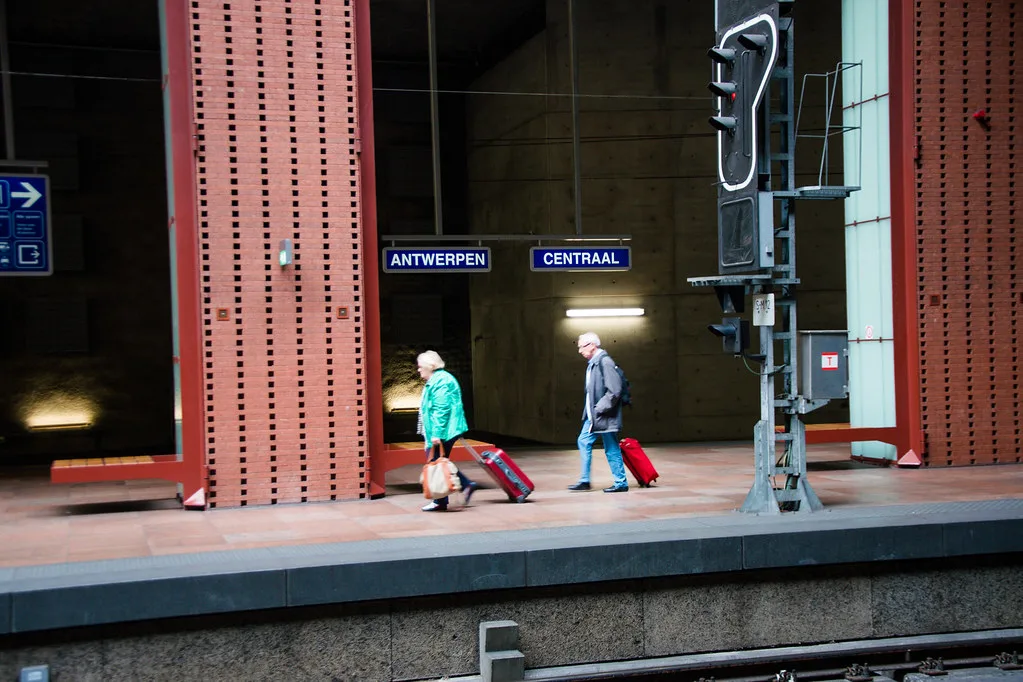
Spring in Antwerp: what opens up and who it suits
Spring is the season when Antwerp shifts outdoors. The Grote Markt fills with people at lunchtime, the Meir becomes a genuine promenade rather than a dash between shops, and the walk south along the Scheldt towards Het Steen gets long enough to justify an afternoon. For a spring-focused plan, see Antwerp in April.
A full spring day here is easily shaped around one museum in the morning and a slow afternoon on foot, which is why three days feels generous rather than rushed. The Diamond District north of the central station is a worthwhile detour on a weekday, when the trade is visibly working.
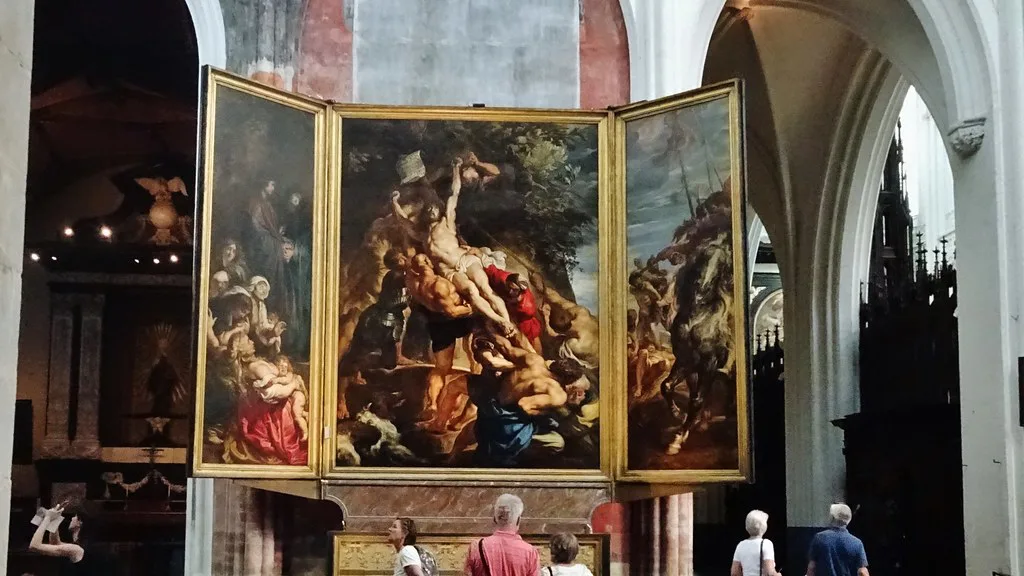
Summer in Antwerp: long evenings, squares and the trade-off with crowds
Summer gives Antwerp its longest evenings, and the pleasure of the season is staying out: a late walk along the river, a second pass through the old centre after dinner, a slow look at the cathedral from the square. The cost is company, because July and August bring the heaviest visitor numbers to the centre. For a summer-focused plan, see Antwerp in Summer.
Weekends work well for market browsing, and a weekend itinerary built around the centre suits the season better than a midweek dash. Book the headline sights for the start of the day, then leave the afternoon loose for wandering.
Autumn in Antwerp: milder weather, museum time and the run-up to winter
Autumn is the connoisseur's choice for a museum-led break. Temperatures ease, the summer queues at the cathedral and the Vleeshuis thin out, and the city's fashion and design side becomes the natural focus as outdoor time shortens. Three days gives you room for the museums plus a walk along the Scheldt when the weather holds. See Antwerp in Autumn for a closer look.
The Antwerp Six generation of designers, who studied at the city's fashion academy and put Antwerp on the international fashion map, is the context for the city's reputation. A Times city-break guide frames that reputation as the reason Antwerp became a must-visit for international fashionistas.
Winter in Antwerp: cold, quiet and museum-led
Winter strips Antwerp back to its essentials: the cathedral, the Vleeshuis, the museums and the old streets, with far fewer people in them. Days are short, so structure a two-day trip around two indoor anchors rather than trying to cover ground. Fares and rates change by date, so compare your exact dates when booking.
Month-by-month: which months work best for a two- or three-day city break
April, May, June, September and October are the strongest months for a two- or three-day break, because you get usable daylight and enough warmth to spend the afternoon outside. March and November are the shoulder months: cooler and shorter, but quieter in the centre and well suited to museum-heavy itineraries.
July and August reward a four-day stay, since long evenings let you spread sights across the day and avoid the busiest hours. December and January suit a compact two-day trip built around indoor sights and early dinners.
Best time for museums and architecture
For architecture, spring and autumn give the best light and the most comfortable walking between the Grote Markt, the Cathedral of Our Lady and the mediaeval lanes around Het Steen. Museum-going is comfortable year-round, and the shoulder months let you combine a long morning indoors with an afternoon outside.
Best time for beer and chocolate tasting
Beer cafés and chocolatiers are indoor pleasures, so any season works; the practical difference is that in summer you can follow a tasting with a walk, while in winter you will want your next stop close by. Group tastings in the old centre on a weekday afternoon, when the streets are calmer.
Best time for markets and outdoor wandering
Outdoor wandering has the widest window from April to October. The pleasure of Antwerp on foot is the compact old centre: the Grote Markt, the cathedral, the Meir and the river all sit within an easy walk of each other, so a single day can hold several of them without rushing. If you are weighing Antwerp against a slower Flemish city, Ghent's Graslei and Korenlei reward the same kind of walking and the same seasons, so it is worth reading the Best Time to Visit Ghent: Month-by-Month Guide alongside this.
When Antwerp is busiest, and the quieter windows around it
The centre is busiest in July and August and around major public holidays, when the Grote Markt and the cathedral draw the biggest crowds. Quieter windows sit in late spring after the Easter break, in September once school returns, and through the colder months outside holiday periods.
How many days Antwerp needs in each season
In spring, summer and early autumn, two full days cover the old centre, the cathedral and a river walk, and three days let you add a museum and a neighbourhood beyond the core. In winter, two days is the realistic ceiling because daylight is short and the pleasure is in depth rather than coverage.
If you have four days in summer, use the extra evening hours rather than adding more sights per day, since the city rewards a slower pace once the day-trippers leave.
Matching the season to your trip: a quick decision guide
Choose late spring or early autumn for a balanced first visit on foot, summer for long evenings and market weekends, and winter for museums and a quieter city. Autumn is the sharpest choice for a fashion- and design-led trip, when the city's fashion heritage takes centre stage.
Which season should you book for Antwerp?
If you want one recommendation: book late April to early June for a first Antwerp break, when daylight, comfort on foot and manageable crowds line up. Shift to September or October if museums matter more than terraces, or to winter if you want the old centre to yourself.
Explore more Antwerp guides
Frequently Asked Questions
Is Antwerp worth seeing for a short break?
Yes. The old centre packs the Grote Markt, the Cathedral of Our Lady and the riverside into a compact area that works well over two or three days, and the city's fashion and design heritage gives it a character distinct from Bruges or Ghent.
Is Antwerp busy in summer?
July and August bring the heaviest visitor numbers to the centre, particularly around the Grote Markt and the cathedral. Starting with the headline sights in the morning and leaving the afternoon loose keeps the crowds from dominating the day.
Sources
Useful notes for your next trip
Optional updates to our guides.
You might also like
Continue reading
More guides you'll find useful