
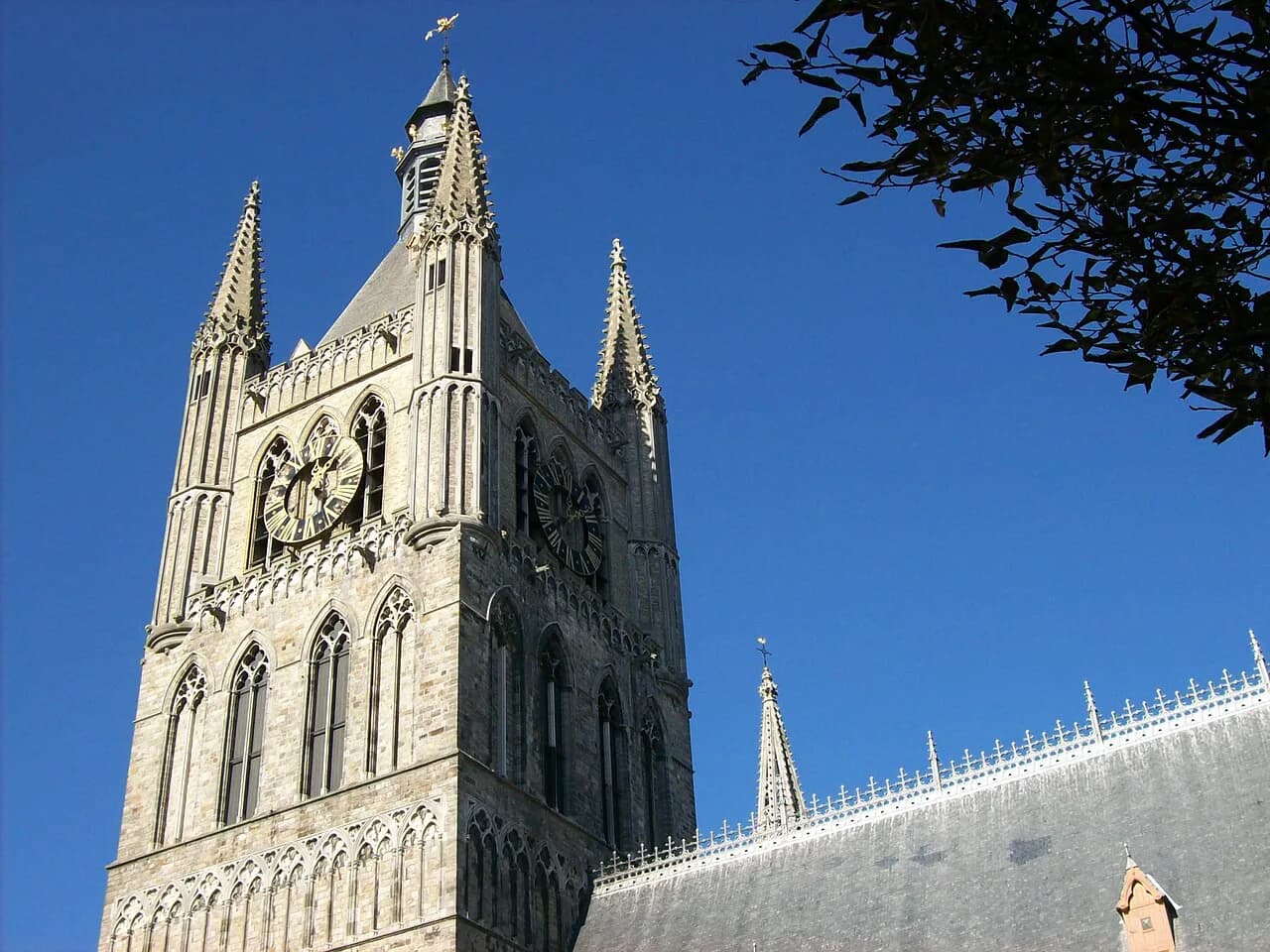
Best Cities in Belgium for a City Break: Which to Pick
The best cities in Belgium for a short break, from Bruges and Ghent to Antwerp and Liège, judged on what each does best and how many days it needs.
On this page
Bruges (Brugge) is the best single city in Belgium for a first short break, because its medieval centre is compact enough to cross on foot in half an hour and rich enough to fill two days. Ghent (Gent) suits travellers who want a living university city around their canals, Antwerp (Antwerpen) brings the biggest-city energy, and the Walloon cities of Liège (Luik) and Namur (Namen) offer a different language and landscape. This guide sets out what each city is best at, how many days it needs, and how to pair two or three of them into one rail-based trip.
What each Belgian city is best at: a quick comparison
Bruges wins on picture-postcard canals and early Netherlandish painting; Ghent on a working city wrapped around the Graslei and Korenlei quays; Antwerp on scale, the Grote Markt and its fashion-and-beer confidence. Leuven (Louvain) is the quiet, compact university stop, Liège the grittier Walloon city with the Montagne de Bueren staircase, and Namur the river-town gateway under the Citadelle de Namur. Ostend (Oostende) gives sea air and a different pace, and Ypres (Ieper) is the place for WWI memory at the Menin Gate (Menenpoort) and the Lakenhalle (Cloth Hall).
If your priority is which places look finest in a short time, the cobbled canal towns edge ahead of the bigger cities; if you want museums, markets and a functioning city alongside the heritage, Ghent and Antwerp are the stronger picks. Belgian cities sit close together, so you rarely have to choose only one for a trip of three or four days.
Bruges (Brugge): canals, the Belfry on Markt and Flemish Primitives
Start on Markt, the vast square under the Belfry (Belfort), then walk the short blocks to the Burg and its Stadhuis. The centre's historic heart has changed so little that the whole city centre holds UNESCO World Heritage status, and the old town is crossable on foot in about half an hour.
Are Belgians friendly to Americans? Belgian city life is relaxed and English is widely spoken in Bruges, Ghent and Antwerp, so visitors from the US will find it easy to get by. A greeting in Dutch or French before switching to English is appreciated in shops and cafés.
Which is the most beautiful town in Belgium? Bruges is the most photographed for its canals and medieval centre, but Ghent's Graslei and Korenlei quays and Antwerp's Grote Markt give it a run for its money. Beauty here depends on whether you prefer a preserved town or a working city.
The Belfry soars 83 metres above Markt on top of the Cloth Hall, and the climb runs to 366 steps with views over the city as the reward. Its carillon drum of 47 bells is on show, and the tower's Wednesday, Saturday and Sunday concerts are the moment to time a visit.
For art, head south to the Groeningemuseum on Dijver, the Museum Sint-Janshospitaal on Mariastraat and the Church of Our Lady, which holds Michelangelo's Madonna and Child and the world's second-highest brick church tower. Jan van Eyck, Hans Memling and the other Flemish Primitives are the thread running through these collections.
Markt's weekly market has run for around a thousand years and still sets up on Wednesday mornings, which makes midweek the better choice if you want the square at its liveliest. Walk south for 15 minutes to Minnewater and the Begijnhof for the calmest end of the day.
Bruges is the right base for two full days: one for Markt, the Belfry, Burg and the canals, one for the museums and the Begijnhof. It is also the city most exposed to day-tripper crowds, so staying overnight buys you the quiet early mornings.
Ghent (Gent): Graslei and Korenlei quays, the Gravensteen and Sint-Baafskathedraal
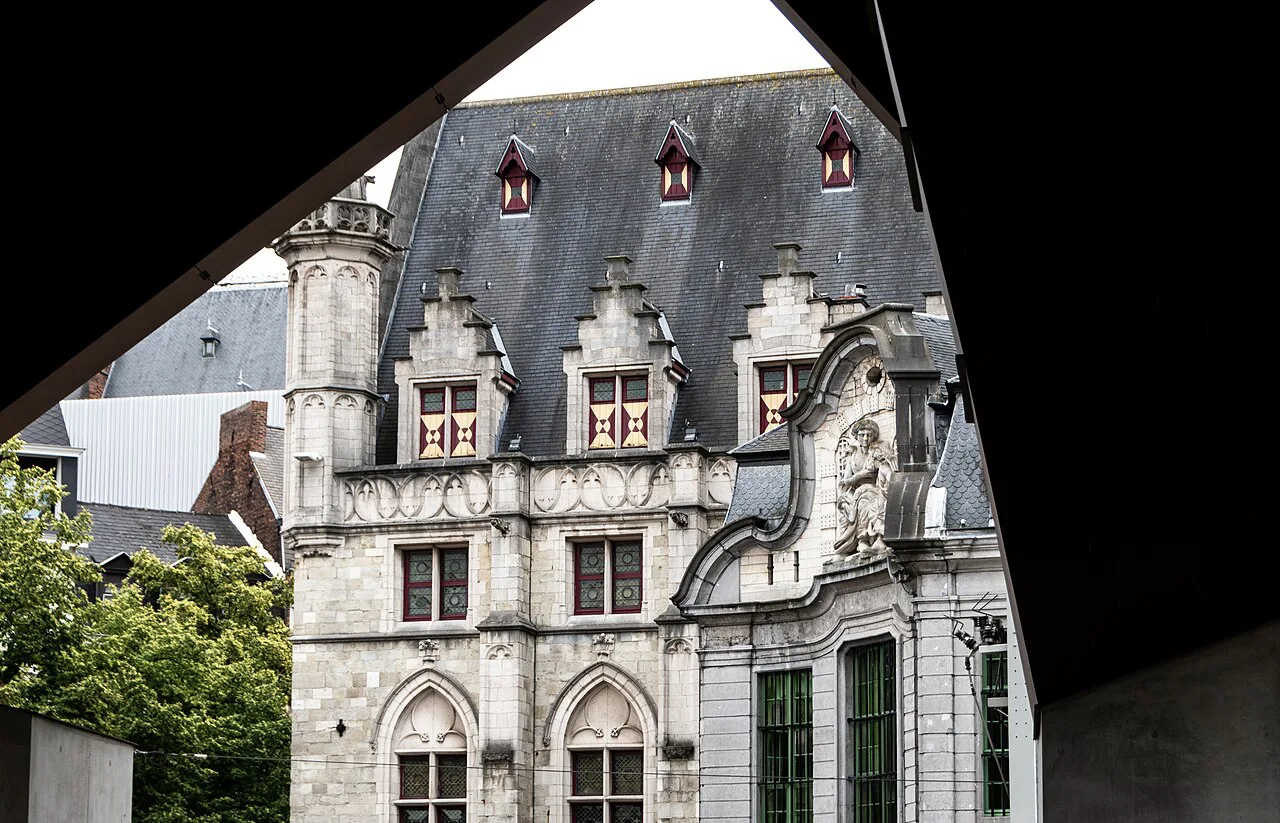
Ghent's signature view is the Graslei and Korenlei, the paired quays on the Leie where medieval guildhouses line the water; the Grasbrug bridge between them is the spot to stand. Behind that postcard, Ghent is a large student city, so the centre has everyday life in it rather than museum-piece stillness.
Above the streets, the Gravensteen castle gives a moated, turreted silhouette that no other Belgian city centre matches, and the Sint-Baafskathedraal holds the van Eyck altarpiece. Those two alone justify a full day, and the walk between them passes most of the old core.
Ghent suits a two-night stay better than a flying visit, because the centre spreads wider than Bruges and rewards wandering along the Leie after the day-trippers leave. Pair it with Bruges for a classic two-city break: 30 minutes apart by train, and different enough in mood to avoid repetition.
Antwerp (Antwerpen): Grote Markt, the Vleeshuis and the city's chocolate and beer scene
Antwerp is Belgium's biggest city, with a population of around 480,000, and it feels it: the Grote Markt with its guildhouse row and Brabo fountain, the cathedral spire overhead, and the Scheldt quays a short walk north. The Vleeshuis, the old butchers' hall, now covers the city's music and instrument history.
Antwerp is also the natural city for chocolate and beer tasting, with brand shops and beer cafés salted through the old centre. Use the big names as a starting point rather than a checklist, and buy by the piece from a counter you can see.
Two days covers the Grote Markt, cathedral and Vleeshuis comfortably, with an afternoon left for the Scheldt and the fashion district around the Nationalestraat. Antwerp is the easiest of the Flemish cities to reach from Brussels by train, which makes it a natural first or last stop.
Leuven (Louvain): a compact university city for a short, quiet stop
Leuven is a small city built around a great university, with the Grote Markt in front of the town hall and the Oude Markt's long terrace row just behind. It is the sort of place you can walk end to end in an afternoon and still feel you have seen it properly.
Come here for a calm half-day or a single overnight between bigger stops, not for a headline sight. It is 20 minutes from Brussels by train, which makes it the simplest add-on to a Bruges or Ghent trip.
Liège (Luik): Montagne de Bueren and the Walloon character that sets it apart
Liège is French-speaking Wallonia in city form: steep streets, the wide Meuse, and the 374-step Montagne de Bueren staircase climbing from the old town towards the citadel slope. Climb it for the view over the rooftops, then descend into the lively streets around Place Saint-Lambert.
Liège feels less polished than Bruges and more lived-in, which is precisely its appeal; expect a working city rather than a museum town. Give it one full day and stay overnight if you want the evening restaurant trade that follows the university calendar.
Namur (Namen): the Citadelle de Namur above the meeting of the rivers
Namur sits where the Sambre meets the Meuse, with the Citadelle de Namur spread across the ridge above the confluence. The walk up from the old town takes in the citadel's terraces and gives the best panorama in the city.
Namur is a small, easy Walloon capital, best done in a day with the citadel as the anchor and the compact centre for the rest. It pairs naturally with Liège for a two-city Walloon leg of a longer Belgian trip.
Ostend (Oostende): a Flemish coast town with sea air and a different pace
Ostend is a working coastal town with a long promenade, a fishing port and a royal villa history, and the sea air gives a Belgian trip a change of register. It is the obvious stop if you want one day of open horizon between city days.
Treat Ostend as a half-day or one-night stop rather than a city break in its own right; it is reached by train from Bruges in about 15 minutes. Its appeal is the promenade walk and the harbour, not an itinerary of sights.
Ypres (Ieper): the Menin Gate and the Lakenhalle for WWI memory
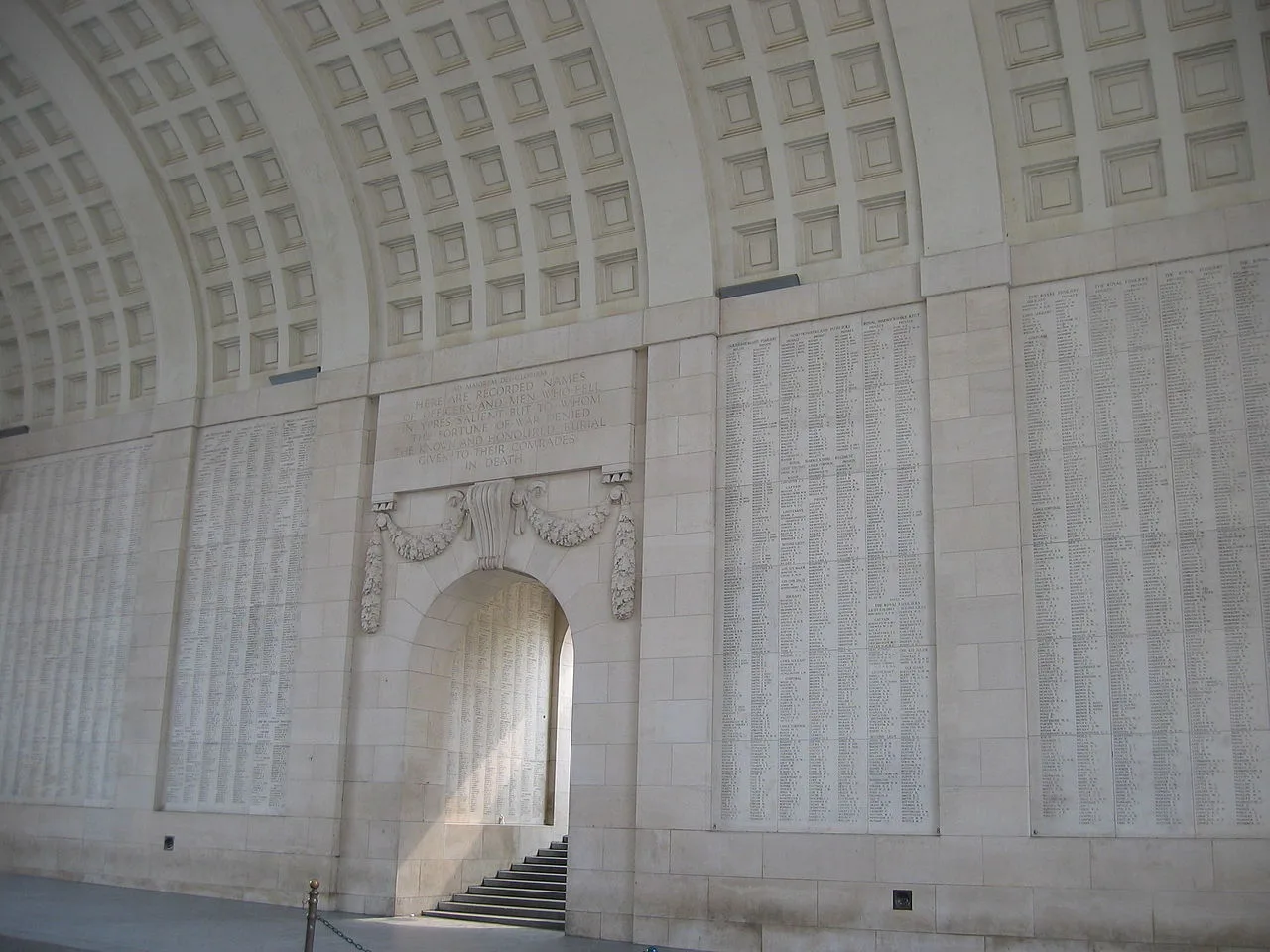
Ypres was rebuilt after the First World War, and its Lakenhalle (Cloth Hall) on the Grote Markt is a reconstruction that houses the In Flanders Fields Museum. The Menin Gate (Menenpoort) carries the names of the missing and is the focus of the town's remembrance.
Approach Ypres as a place of memorial and cemetery visits, with the town centre as the base. One full day is the minimum; two nights lets you see the surrounding sites without rushing.
How many days each city needs, and which pair well
Bruges and Ghent need two days each, Antwerp two, Ypres one to two, and Leuven, Liège, Namur and Ostend one day each. Add them up for a two- or three-city trip: Bruges plus Ghent is the classic four-day pairing, and Ghent plus Antwerp suits travellers who want one smaller and one larger city.
For a shorter break of two or three days, one base with a single day trip works better than moving hotels every night. Bruges with a day in Ghent, or Antwerp with a day in Leuven, both leave slack in the schedule for a slow morning.
Getting between them: which cities connect easily by train from Brussels
Brussels is the rail hub: Bruges, Ghent, Antwerp, Leuven and Ostend all have direct trains from the capital, and Bruges is just under an hour away. Ostend sits about 15 minutes beyond Bruges on the coastal line, and Leuven is around 20 minutes from Brussels.
Wallonia is less seamlessly joined to Flanders: Liège and Namur connect to Brussels by direct intercity trains, but hopping between Bruges and Liège usually means changing in Brussels. Build the route so the long legs fall at the start and end of the trip, not in the middle of a day.
Check timetables for the exact day you travel, since frequencies on the Walloon and coastal lines differ from the busy Brussels–Bruges corridor. Book long legs ahead if you are arriving from London on Eurostar, where seats are reserved.
Where Belgian chocolate and beer fit into a city break
Chocolate is part of the itinerary in every city, with Godiva founded in Brussels in 1926, Neuhaus, Mary and Leonidas all Belgian houses, and Côte d'Or dating back to 1883. In Bruges, Choco-Story on Wijnzakstraat spreads over four floors with hand-made chocolate demonstrations and an audio guide.
Choco-Story's listed adult rate is 16 euros, with reduced rates for seniors and students and combi-tickets with the Frietmuseum. Buy chocolate to take home by weight from a shop counter rather than a gift box; the range is wider and you can taste before committing.
For beer, use a city's beer cafés as tasting rooms: order a small glass of a Trappist or lambic you have not tried, then walk on. Antwerp and Ghent have the widest choice, and Bruges's café culture is compact enough to sample in an afternoon.
Which city to choose if you have one, two or four days
For one day, choose Bruges: Markt, the Belfry, the Burg and the Groeningemuseum cover the essentials in a walkable loop. For two days, add Ghent or Antwerp, and for four, run Bruges, Ghent and Antwerp as a three-stop rail trip with Brussels as the change point.
If you want sea air and WWI history rather than canals, take Ostend and Ypres as a pair, and if you want Wallonia, go Liège with Namur. Every pairing here works best with one base per stop and a train ticket bought for the day of travel.
Explore more Belgium guides
Frequently Asked Questions
Are Belgians friendly to Americans?
Belgian city life is relaxed and English is widely spoken in Bruges, Ghent and Antwerp, so visitors from the US will find it easy to get by. A greeting in Dutch or French before switching to English is appreciated in shops and cafés.
Which is the most beautiful town in Belgium?
Bruges is the most photographed for its canals and medieval centre, but Ghent's Graslei and Korenlei quays and Antwerp's Grote Markt give it a run for its money. Beauty here depends on whether you prefer a preserved town or a working city.
Sources
Useful notes for your next trip
Optional updates to our guides.
You might also like



Continue reading
More guides you'll find useful





