Belgian Beer: Styles, Trappist Breweries and How to Drink It
Belgian beer explained: Trappist and abbey ales, lambic and gueuze, saison and Flemish red, what the strengths mean and how to order and drink them in Belgium.
On this page
Belgian beer is best understood as a family of styles rather than one drink: Trappist and abbey ales, sour lambic and gueuze, farmhouse saison and West Flanders red each taste completely different. This guide sets out what the names on the label tell you, how strong the beers actually are, and how to order and drink them in a Belgian beer café without guessing.
Belgian cafés pour each beer into its own shaped glass, and that glassware does real work for aroma and head, as our guide to Belgian beer glasses explains. Strength is the other thing to plan around: a 10.2% Trappist ale is a slow drink for one stop of an afternoon, not a session beer.
The main families of Belgian beer
Most Belgian beers fall into a handful of recognisable families: Trappist and abbey ales in dubbel, tripel and darker versions; lambic and gueuze, which are sour and fermented spontaneously; saison from the Hainaut farmhouse tradition; and Flemish red from West Flanders. Learn these groups and a café menu stops looking like an alphabetical wall.
Our breakdown of Belgian Beer Styles Explained takes each family one at a time, with named examples, so you can choose before you sit down. A good first pick is a tripel if you like golden, strong ales, or a Flemish red if you prefer sour and fruity, and a lambic if you want something entirely unlike a British ale.
The names on the label are practical signals. Dubbel usually signals a darker, maltier beer, tripel a golden, stronger one, and quadrupel the darkest and strongest of the monastery-inspired range. Treat these as a guide to colour and strength rather than a formal legal standard.
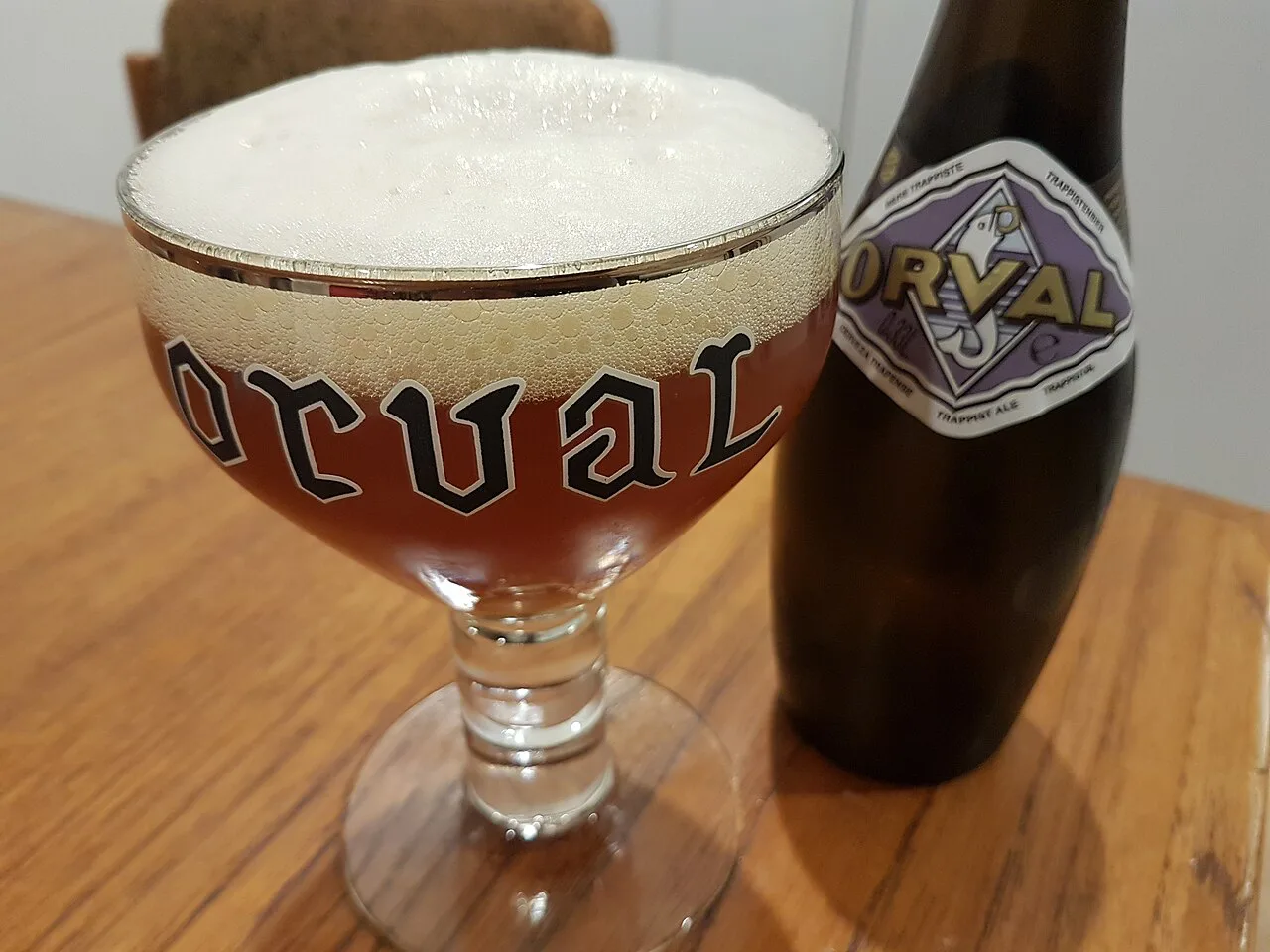
Trappist beer: what the monastery label means
Trappist beers are brewed by or under the control of Cistercian monks inside their monasteries. The Belgian Trappist beers most travellers recognise are Westvleteren, Chimay, Westmalle, Orval and Rochefort.
Is Stella Artois actually Belgian? Stella Artois belongs to the Leuven brewing tradition and is a Belgian lager brand. If you want to drink something distinctly Belgian, a Trappist or abbey ale made in Belgium is a better place to start.
Is Guinness a Belgian beer? No. Guinness is an Irish dry stout brewed in Dublin, and it has nothing to do with Belgian brewing traditions.
What is different about Belgian beer? Belgian beer is more varied than most brewing cultures, covering Trappist and abbey ales, sour lambic and gueuze, saison and Flemish red in one country. The strength is usually higher than a British session ale, and each beer is served in its own glass to suit the style.
Do not plan a brewery tour. Trappist breweries do not generally welcome visitors, and turning up to ring the bell will not get you in; most monastic sites, if they offer anything at all, have a café where you can taste the beer. There are a few exceptions: Koningshoeven, in the Netherlands, runs scheduled tours, and at Achel the small brew kit can be viewed from the café window.
That is why the sensible plan is to drink Trappist beer in a café rather than try to reach the monastery. For Belgian cafés with a serious Trappist list, see Best Belgian Beers.
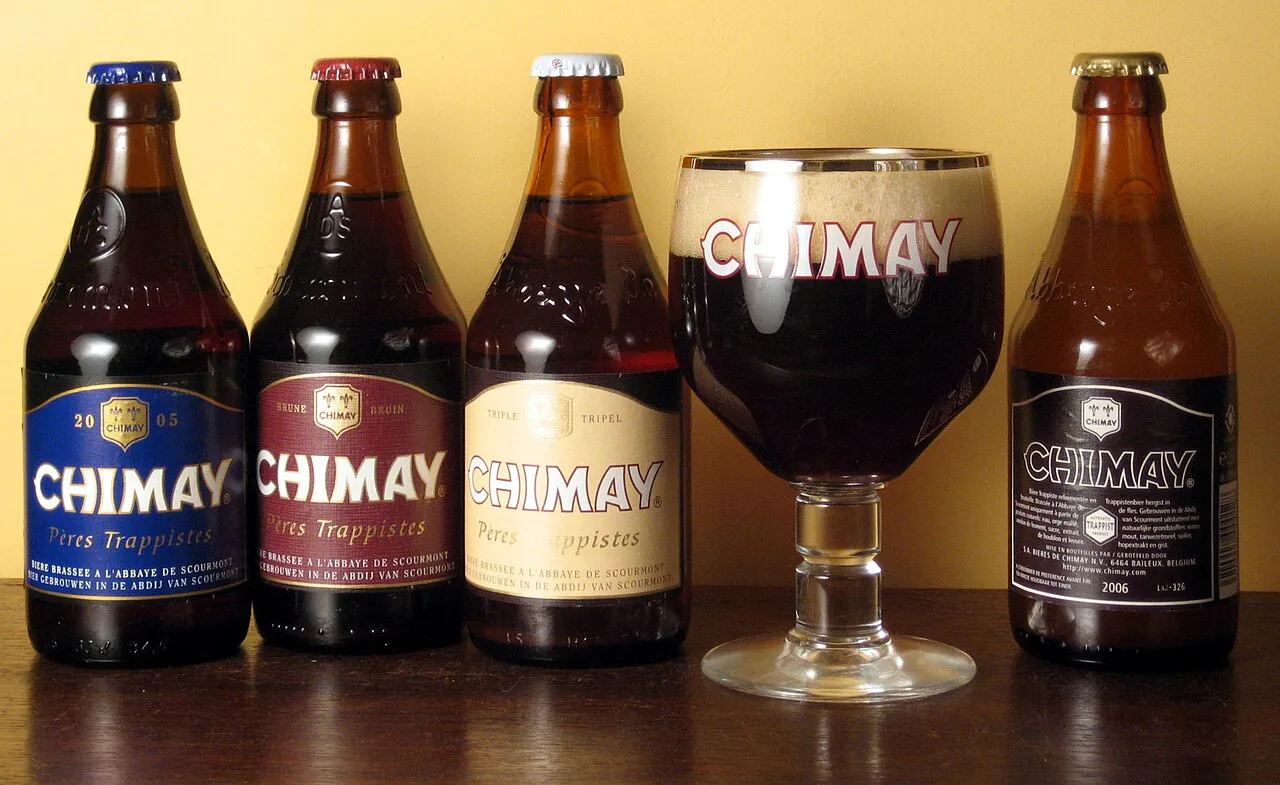
Westvleteren 12 and Chimay Blue: two Trappist beers to know
Westvleteren 12, brewed at St. Sixtus Abdij in southwest Flanders, is dark brown with a creamy head, has 10.2% alcohol, and the monastery also brews a Blonde at 6% and a Westvleteren 8.
Buying Westvleteren is not like buying any other beer. Under the arrangements the abbey has used, cases are collected by appointment rather than sold in ordinary shops, and not every style is always available.
Chimay Blue Grande Reserve, from the Abbaye de Notre Dame de Scourmont, is dark ruby-brown with dark fruit, malt and pepper on the nose, and a good introduction to Belgian monastery ales if Westvleteren proves hard to find.
Abbey beer, dubbel and tripel: reading the label
Abbey beer is a broader category than Trappist: it takes its name, style or inspiration from a monastery without the beer being brewed inside one. That is why an abbey beer can be produced commercially while a Trappist beer has a stricter link to a monastic community.
Dubbel and tripel are the most useful style names for a visitor. A dubbel is usually dark and malty, a tripel golden and strong, and a quadrupel the heaviest of the family, so use them to choose between a darker evening beer and a golden lunchtime one. Neither is a promise about alcohol content, so check the label.
Look for the strength printed on the bottle or the tap list before you commit. Belgian ales of 8% or more are common, and ordering a round of them for a table is how an afternoon slides away.
Lambic, gueuze and fruit lambic: the sour tradition
Lambic is fermented spontaneously by airborne yeast, which gives it a sharp, dry, sometimes farmyard character that surprises drinkers used to Trappist ales. Gueuze is a blend of young and old lambic, and fruit versions add cherries or raspberries to the same sour base.
The lambic tradition is closely associated with the Pajottenland and the area around Brussels, which is why lambic breweries cluster in that part of Belgium rather than in West Flanders. Our guide to Lambic Beer explains the fermentation and the best-known producers.
Order a gueuze if you want the driest, most savoury expression, and a fruit lambic if you want something sweeter and more approachable. Both are a good second drink of an evening, and a sensible change of pace from a strong golden ale.
Saison and Flemish red: the other end of the range
Saison began as a farmhouse beer brewed for farm workers in Hainaut, and it is typically pale, dry and spiced or peppery. Flemish red, from West Flanders, is the opposite: dark red-brown, sour and often described as balsamic, made for slow sipping.
These two styles reward a bit of curiosity. If you find lambic or gueuze too sharp, a saison is a gentler way into sours, and if you have only ever drunk blonde ales, a Flemish red shows you how broad Belgian beer really is.
Belgian beer strength: what 6%, 8% and 10.2% mean
Belgian beer is usually stronger than British bitter or lager, and the strengths are printed clearly enough on the label that there is no excuse for surprise. Westvleteren's range is a useful benchmark: 6% for the Blonde, 8% for the Westvleteren 8, and 10.2% for the Westvleteren 12.
A 10.2% ale is not a drink to match pint for pint with anyone. Drink it slowly, in smaller measures, and plan that one strong beer replaces two lighter ones, especially on a walking day between train, museum and café.
If a café offers a smaller glass of a strong beer, take it, and drink water alongside; a strong Trappist is best treated as the centre of an evening, not a round of refreshment.
Glassware: why each beer has its own glass
Belgian cafés serve each beer in a branded glass shaped for its style, which is why a table can end up with a dozen different sizes and bowls. The shape concentrates aroma in a tulip glass, supports the head in a goblet, and keeps a strong beer to a modest measure.
Take the glass seriously even if you do not collect them. A chalice or chalice-style goblet is the classic vessel for Belgian ales, and you can read more in Belgian Beer Glasses, which covers the main shapes and what each one does.
How to order and taste Belgian beer in a café
In a Belgian beer café, ask for the menu, which lists the beer, its brewery and its alcohol by volume. If a beer is not in the list, it is not the place to ask for it, so start with what is available rather than naming a bottle you have read about.
Order one at a time and pay attention to the pour. Bartenders fill the glass with a wet head, and a strong bottle often comes with its own matching glass. If you are unfamiliar with the range, start with a lighter blonde ale, then move on to a sour lambic or gueuze once you know what you like.
Taste before you swallow, and note the difference between aromas of fruit, spice and yeast. If a beer is served cold, let it warm a little, and remember most Belgian ales repay being treated like wine rather than a pint of bitter.
Where to try Belgian beer at source
Some Trappist monasteries have a café where you can taste the beer near the abbey, and a few allow a scheduled tour. The practical route for a traveller is to choose a café in your city and taste through the named beers there, rather than planning a drive to a monastery gate.
For a taste of the wild west of Belgian beer, ask for a gueuze or fruit lambic from the Brussels region, and for an easy introduction try a blonde or tripel from a commercial café list. Our favourite bottles are covered in Best Belgian Beers.
Place the beer inside the visit rather than at its centre. The Belfries of Belgium deserve a morning, and the beer belongs in the afternoon or evening by the canal.
Beer with food: cheese, chocolate and what to skip
Trappist beers work well with cheese and with dark chocolate, which picks up the malt and cocoa notes in a dubbel. Try a piece of Belgian chocolate with a tripel and a piece of cheese with a dark ale, and notice how the pairing changes.
Skip the heaviest, sweetest foods before a strong beer. A 10.2% ale immediately after a full dinner is a waste; drink it earlier, or share one bottle between two people.
Buying Belgian beer to take home
If you want to take bottles home, a specialist beer shop will carry a wider range than a supermarket or tourist kiosk, and bottle-conditioned beers travel better than a fresh draught-style bottle.
If you buy at a Belgian bottle shop or supermarket, choose darker, stronger, bottle-conditioned beers for the journey home; they take a few knocks better than a fresh draught-style bottle.
Our guide to the best Belgian beers names the bottles to look for, from Trappist ales to lambic and Flemish red.
Which Belgian beer should you try first?
Start with a Trappist ale you can actually find: Chimay Blue is the safest introduction, Westvleteren 12 the special occasion. If you have one afternoon for beer in a Belgian city, choose a café with a menu, order one dark Trappist and one lambic, and share them.
Use the style names as your map: dubbel for dark and malty, tripel for golden and strong, gueuze for dry and sour, Flemish red for sour and powerful. Pick one style before you go in and let the bartender guide you from there.
Explore more Belgium guides
Frequently Asked Questions
Is Stella Artois actually Belgian?
Stella Artois belongs to the Leuven brewing tradition and is a Belgian lager brand. If you want to drink something distinctly Belgian, a Trappist or abbey ale made in Belgium is a better place to start.
Is Guinness a Belgian beer?
No. Guinness is an Irish dry stout brewed in Dublin, and it has nothing to do with Belgian brewing traditions. Belgium has its own dark beers, such as dubbels and Flemish reds, if you want something dark in a Belgian café.
What is different about Belgian beer?
Belgian beer is more varied than most brewing cultures, covering Trappist and abbey ales, sour lambic and gueuze, saison and Flemish red in one country. The strength is usually higher than a British session ale, and each beer is served in its own glass to suit the style.
Sources
Useful notes for your next trip
Optional updates to our guides.
You might also like



Continue reading
More guides you'll find useful