Belgian Beer Glasses: Chalices, Tulips and Flutes Explained
Why Belgian beers come in their own branded glasses, what chalice, tulip and flute shapes do for aroma and head, and how to buy and pack them as souvenirs.
On this page
Belgian beer glasses are branded, shape-specific vessels, and the shape is chosen to flatter one particular beer rather than to look pretty on a shelf. The Belgian Beer Vault explains that glassware shapes aromas toward the nose, controls carbonation and head retention, and affects mouthfeel through the rim. This guide sets out why the branding matters, how the main shapes work, and how to buy and pack glasses on a short city break.
The practical rule is simple: match the glass to the beer style, then treat the glass as part of the souvenir budget rather than an afterthought. A heavy boxed set at the end of a three-day trip has to survive a train, a coach or a flight, so weight and packing matter as much as design.
Why Belgian beers are served in branded glasses
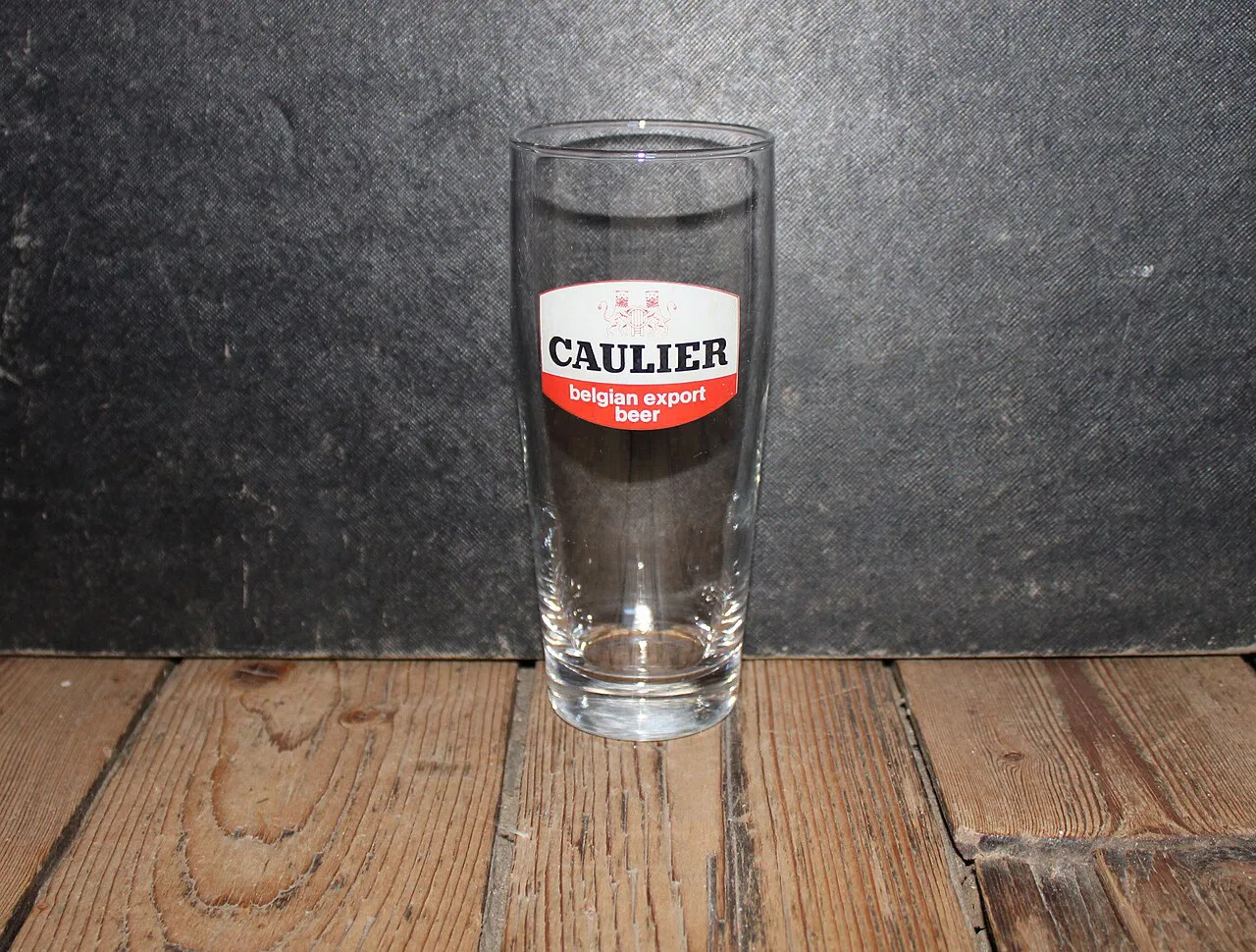
Walk into a Belgian café and the beer often arrives in a glass printed with the brewery's name, giving each brand its own distinctive vessel. The Belgian Beer Vault describes this as a tradition in which a specific glass exists for nearly every Belgian beer brand, with the vessel treated as part of the ritual of serving. That is why a round of different beers can land as a row of mismatched shapes rather than identical pints.
The branding is a cue as much as an advert: the printed name confirms which beer you have been handed, and the shape tells you how the brewer expects it to be poured and drunk. Once you notice the pattern, the glass becomes a reliable guide to what is inside. For the wider map of what those beers are, the Belgian Beer guide is the place to start.
What the glass shape does to aroma, carbonation and head
A glass is a delivery system for smell and fizz. The Belgian Beer Vault puts the point plainly: shape enhances aromas by directing them to the nose, controls carbonation and head retention, and changes mouthfeel depending on the rim. Those three effects are why the vessel matters as much as the liquid inside it.
Why Belgian beers are served in branded glasses. Walk into a Belgian café and the beer often arrives in a glass printed with the brewery's name, giving each brand its own distinctive vessel.
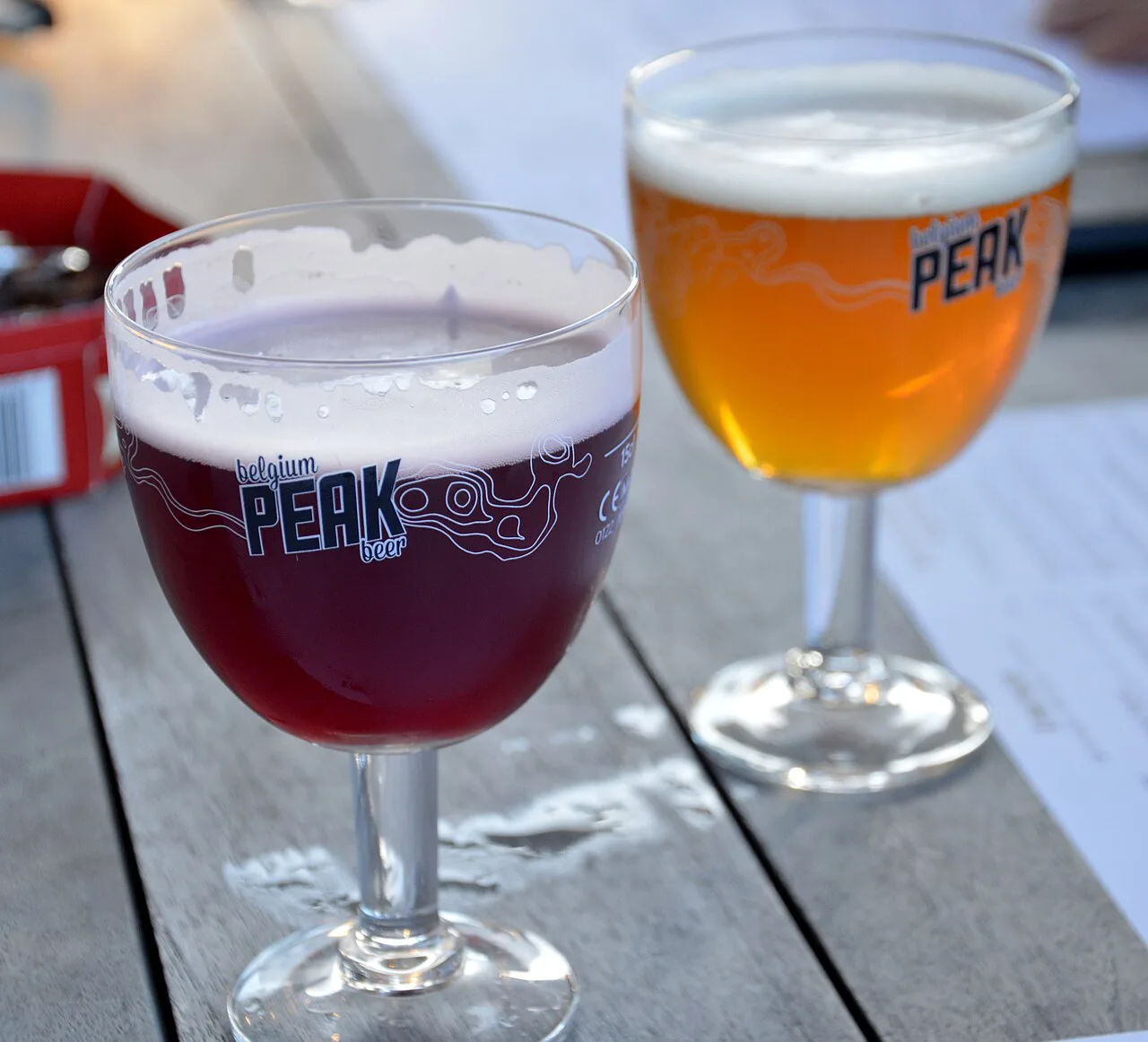
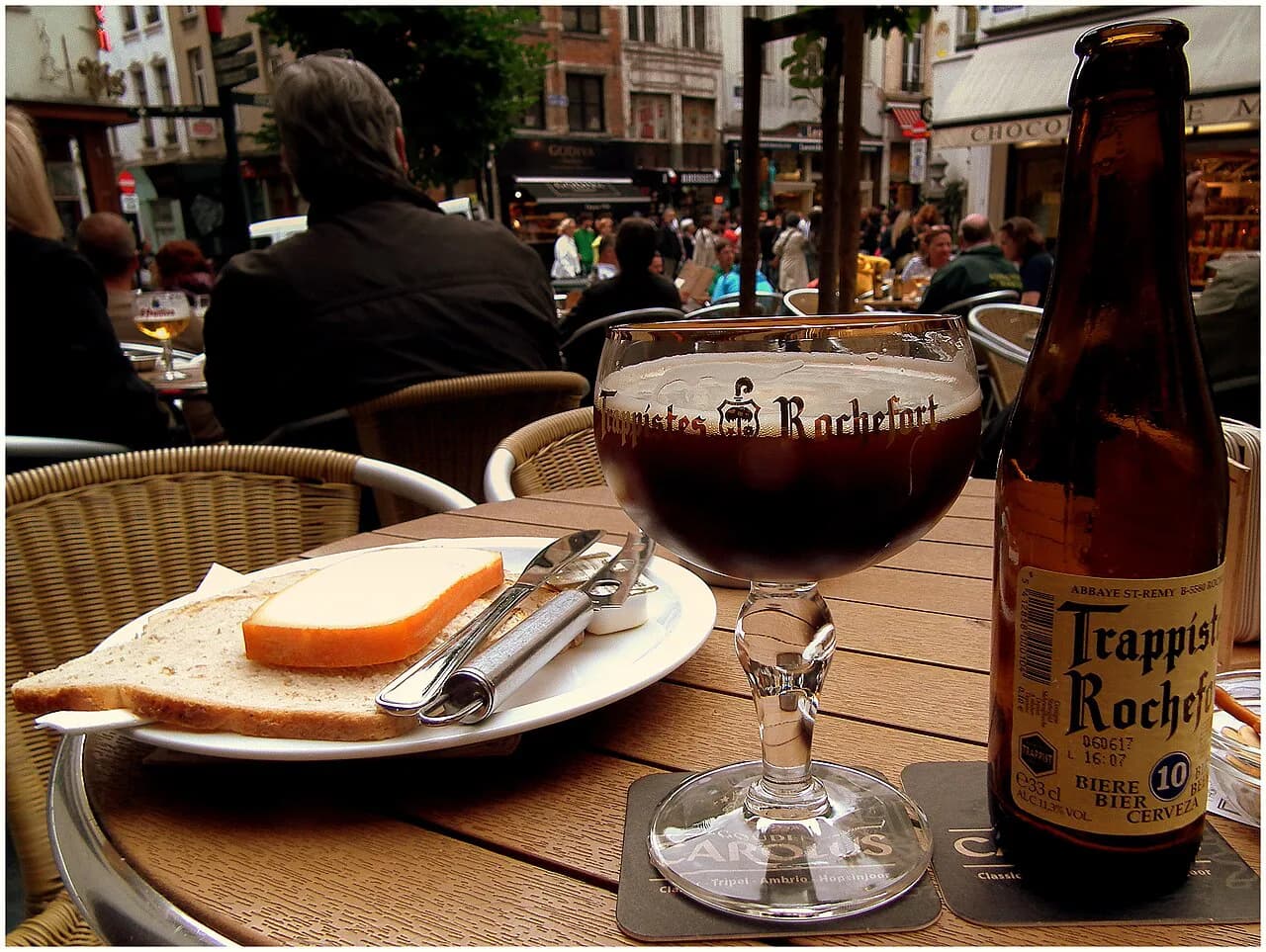
Chalice and tulip: matching the shape to the beer style. The chalice, or goblet, is a wide-bowled glass on a stem, and it suits heavy, aromatic beers where you want the aroma to spread and the head to sit thick.
Reading a glass: brewery logos, volume marks and own-brand glassware. Look closely at a branded Belgian glass and the brewery or beer name is the main feature, sometimes alongside the style name.
This is why a strong golden ale and a Trappist ale rarely share a glass. The Belgian Beer Vault contrasts the wide-bowled chalice used for Trappist ale with the elegant tulip given to a strong golden ale, each designed around the beer's strength and aroma profile. Choosing the right shape is therefore a tasting decision, not a decorative one.
Chalice and tulip: matching the shape to the beer style
The chalice, or goblet, is a wide-bowled glass on a stem, and it suits heavy, aromatic beers where you want the aroma to spread and the head to sit thick. The Belgian Beer Vault links the wide-bowled chalice specifically to Trappist ale, which is the strongest argument for ordering one in a chalice rather than a straight tumbler.
The tulip narrows toward the rim and then flares slightly, which gathers aroma while still letting the head develop, and it is the shape the Belgian Beer Vault pairs with a strong golden ale. If you only learn one shape-to-style rule, make it this: wide bowl for dark, strong and aromatic; tulip for golden and assertive.
The flute is tall and narrow, keeping carbonation tight and the head slim, and it suits beers where sparkle and a slender head matter more than a broad aroma. A goblet is simply another name for a wide-bowled chalice, and much of the time the branded glass in front of you already applies the rule. The full shape-by-style logic is set out in Belgian Beer Styles Explained, which is worth reading before you choose a glass to buy.
Reading a glass: brewery logos, volume marks and own-brand glassware
Look closely at a branded Belgian glass and the brewery or beer name is the main feature, sometimes alongside the style name. The printed serving line on many chalices and tulips marks where a pour should stop well below the rim, leaving room for the head to build.
Own-brand glassware is the norm rather than a premium extra, and the logos are how drinkers identify a beer at a distance across a busy café. That makes branded glasses genuinely collectable: each one records a specific beer you drank in a specific city. The styles behind those brands are collected in Belgian Beer Styles Explained, which connects names to families.
Buying Belgian beer glasses as souvenirs and gifts, including boxed sets
Boxed sets are the easiest way to buy several branded glasses at once, and they are sold online as well as in shops. The Belgian Beer Factory lists a Famous Beer Glass Box containing six glasses, naming Leffe, Duvel, Liefmans, Chouffe, Hoegaarden and Grimbergen among the contents, at 28,90 euros for the box with a stated price per glass of 4,32 euros. Those are that shop's figures, so compare them against what you find in a city-centre shop rather than assuming they are typical.
If you want one glass rather than a set, the beer you enjoyed most in a café is the obvious choice, but check the rim and the print before paying: a branded glass should be cleanly printed and free of chips, because a chipped rim spoils both the look and the drinking. Buying a glass to match a bottle you have already chosen keeps the pairing straightforward.
Readers who already know which breweries they want can hunt for that brand specifically, and the list of best Belgian beers is a reasonable starting point for names worth looking for on a shelf.
Handling and packing glasses for the journey home
Fragile glassware is the main trade-off of buying glasses on a short break: a six-glass box adds real weight and takes up hand-luggage space, and it cannot go in a soft bag with shoes. The safest approach is to keep the glasses in their original box, wrap the box in clothing, and carry it in the cabin rather than checked luggage.
Before you commit, decide whether you actually want six glasses or would rather buy two that you will use. A boxed set is better value per glass but harder to carry, while two loose branded glasses wrapped individually in socks will survive most journeys. Either way, unpack and check the rims at home before the return window closes.
If you are flying, keep the box out of a wheeled case that will be thrown around, and remember that a box of six glasses is bulky even when it is light. Travellers on the train have an easier time, because a box can sit on a seat or under the table rather than being crushed.
Which glass should you buy?
Buy the glass that matches a beer you actually liked, and let the shape tell you why: a chalice for a Trappist ale, a tulip for a strong golden ale, a flute for something sharp and sparkling. If you want variety, a boxed set such as the six-glass Famous Beer Glass Box is the quickest route, provided you can carry and pack it.
One glass bought well beats six bought in a hurry, and it will still be the one you reach for at home.
Explore more Belgium guides
Sources
Useful notes for your next trip
Optional updates to our guides.
You might also like


Continue reading
More guides you'll find useful