Belgian Ardennes: Towns, Caves and Battlefields for a Short Break
Plan a short break in the Belgian Ardennes: Dinant, Durbuy, La Roche-en-Ardenne and Bouillon, plus caves, abbeys and the Bastogne war sites.
On this page
For a short break, the Belgian Ardennes work best with one base and two or three days: Dinant or Durbuy for river-town sightseeing, Bouillon for castle-and-Semois scenery, Bastogne for war heritage. The region spreads across Wallonia's hills and river valleys, so travel time between stops matters more than distance on a map. This guide covers the main towns, the caves, abbeys and castles, the memorial landscape around Bastogne, and the walking, cycling and boat options that fill a day.
Two rivers do most of the work of orienting you. The Meuse runs through Dinant, the Ourthe threads through Durbuy and La Roche-en-Ardenne, and the Semois loops around Bouillon. Pick your base by which of those valleys you want to walk, ride or look at over breakfast.
The wider Ardennes crosses borders, and the tourist board treats it as one destination in Belgium, France and Luxembourg. For a Belgian short break that means castles, abbeys and war sites sit within an hour or two of each other. Remember that Clervaux, Vianden and Bourscheid, often listed alongside Belgian names, are in Luxembourg.
What the Belgian Ardennes are and where they sit in Wallonia
The Belgian Ardennes form the southern, hillier half of Wallonia: a plateau of forest, fast streams and stone villages cut by the Meuse, Ourthe, Semois and their tributaries. The tourist board presents the region as a cross-border destination shared with France and Luxembourg, which is why some of the sites most often named alongside Belgian towns sit outside Belgium. For a short break the practical consequence is simple: choose a valley, not a radius.
Distances look modest but roads wind, so aim for one anchor sight and one valley walk per day rather than three towns. The tourist board's own list of headline sites clusters around Spa, Durbuy, Bouillon, the Han caves, the Bastogne War Museum, Maredsous and Orval abbeys, and the Meuse at Dinant. That list is a good short-break shortlist in itself.
Treat the Ardennes as a landscape of rivers first and forest second. The Ninglinspo valley near Stoumont, the Ourthe at Durbuy and La Roche-en-Ardenne, and the Semois at Bouillon each give a different day out, and the rivers tell you where the viewpoints and paths are.
Which Ardennes town suits your trip
Dinant suits sightseeing on the Meuse, with the collegiate church and the citadel stacked above the river; Durbuy suits a slow day in a small stone town on the Ourthe. Bouillon pairs a hilltop castle with the Semois valley, La Roche-en-Ardenne gives Ourthe walks and a compact centre, and Stavelot and Malmedy anchor the northern Ardennes near the abbey country. Bastogne is the right base if the Battle of the Bulge memorials are your reason for coming.
For a first trip of two or three days, Dinant or Durbuy gives the easiest mix of town, river and short walks without long drives between stops. Bouillon rewards a full day and an overnight if the castle is the point of the trip. Bastogne needs at least a full day of its own, and mixing it with a river base means accepting a longer transfer.
If you are coming from Brussels by rail, the Meuse corridor through Namur and Dinant is the most straightforward arrival, which makes Dinant the natural first base for a car-free short break. The northern towns around Stavelot and Malmedy and the far south around Bouillon are easier with a car.
Dinant and the Meuse river towns
Dinant is the Ardennes' most theatrical river town: a Gothic collegiate church with a bulbous bell tower sits under a citadel that climbs the cliff behind it, and the Meuse runs wide past both. The town is associated with Adolphe Sax, and saxophone sculptures mark the riverside walk. Give Dinant a full day if you want the citadel, the church and the riverfront, and add a second day for the valley above.
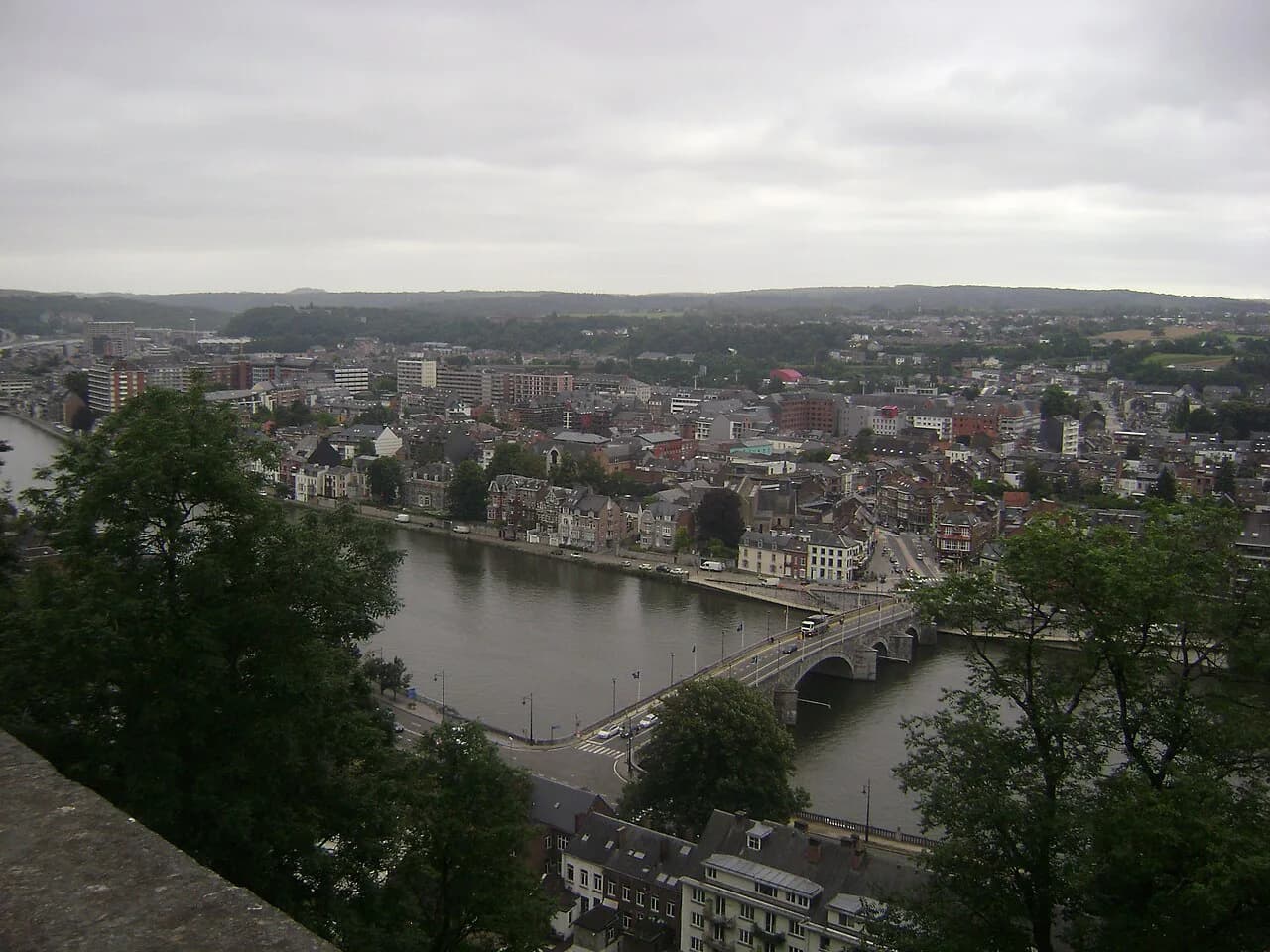
Namur, at the junction of the Sambre and Meuse, is the gateway town to this stretch of the Meuse rather than an Ardennes sight in its own right. It works as a stop on the Meuse line between Brussels and Dinant, so it slots neatly into a rail-based itinerary if you want a town break on the way in.
The trade-off on the Meuse is that the towns compete for the same day. If you have only two days in the region, choose Dinant for the citadel-and-church set piece and treat Namur as a half-day stop on the way in or out.
Durbuy: the small stone town on the Ourthe
Durbuy is compact to the point of being a curiosity: a knot of stone lanes and a castle ruin above a bend in the Ourthe, with the wider town spread across the hillside. It is a place for walking the riverbank, eating lunch slowly and using the surrounding paths, not for ticking off museums. That makes it a gentle short-break base, especially for anyone who wants the Ardennes without a car-heavy itinerary.
The Ourthe valley around Durbuy also opens up longer walks along the river and up onto the wooded plateau. Use the town as a morning and evening base and take the middle of the day for a riverside loop; the paths and the river are the reason to be there rather than the buildings.
One caution: Durbuy's centre is compact. For a first visit, staying within walking distance of the river makes the trip.
La Roche-en-Ardenne and the Ourthe valley
La Roche-en-Ardenne sits in a tight loop of the Ourthe, with a ruined castle above the town and a compact centre on the river. It is a good second base in the central Ardennes, within reach of the Ourthe's walks and of the northern Ardennes towns. The castle and the riverbank give you a morning, and the valley paths fill the afternoon.
The Ourthe valley is also where several of the region's outdoor attractions cluster, from the Ninglinspo valley to the cave country further north. Use La Roche-en-Ardenne for two nights if you want to combine river walks with a castle visit.
Expect a working riverside town rather than a museum town: the appeal is the setting, the castle ruin and the paths out of the centre. That suits short-break travellers who want one sight and one walk a day.
Bouillon Castle and the Semois valley
Bouillon is built for one big sight: the castle, spread across a ridge above a deep loop of the Semois. The castle is the reason most travellers come, and it deserves the bulk of a day, with the riverside lanes and viewpoints filling the rest. Bouillon also works as an overnight base for the far south of the Ardennes, near the French border.
The Semois valley is quieter than the Meuse and the Ourthe, with wooded slopes and small villages along the water. For a short break it gives a different rhythm: a morning in the castle, an afternoon on the river path, and an early dinner.
Choose Bouillon over Dinant if castles and river bends matter more than a big set-piece town. The trade-off is that Bouillon is further from the Brussels rail corridor, so it is best combined with a car or a longer stay.
Caves and underground sites: the Han caves and other cave visits
The Han caves are the best-known underground site in the Belgian Ardennes, set in the village of Han-sur-Lesse south of Rochefort. They work as a half-day trip and pair naturally with a night in La Roche-en-Ardenne or a drive down from Durbuy.
The Ardennes has more than one underground visit, and a cave day pairs well with a walk on one of the rivers. Allow a couple of hours for the cave and the surrounding paths, and treat the visit as a half-day rather than a full one.
Caves are a sensible wet-day plan, but the region has others in the same register: the Fondry des Chiens is a geological site rather than a cave, and Furfooz Park combines archaeology with river scenery. Mixing one underground visit with one open-air site per day keeps a short break varied.
Abbeys and brewing: Maredsous Abbey and Orval Abbey
Maredsous Abbey is a Benedictine monastery in the wooded country south-east of Dinant, and it is one of the region's listed headline sites. Orval Abbey, further south near the French border, is another, and is best paired with Bouillon.
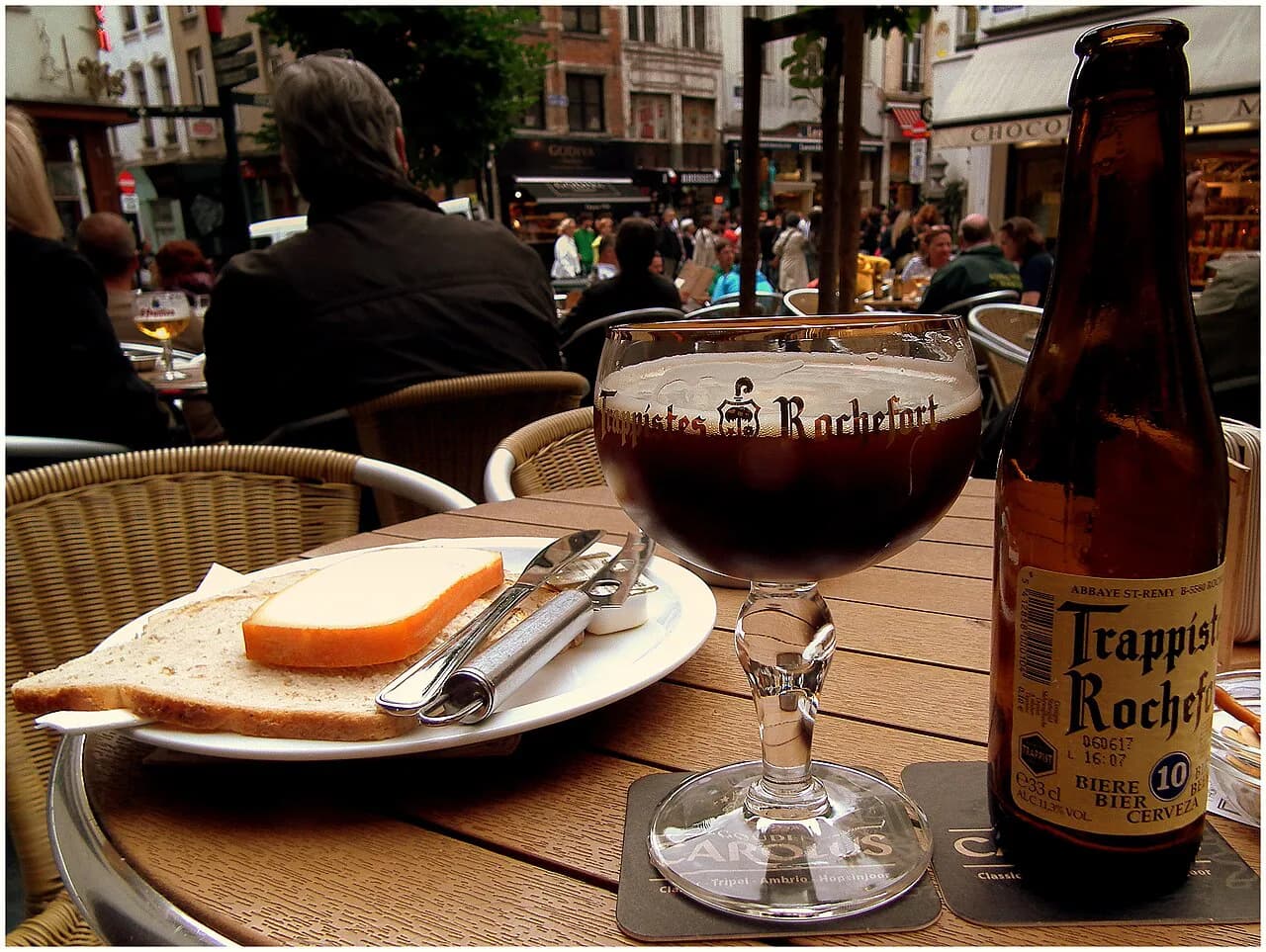
Belgian beer styles are worth reading up on before you go so you know what to ask for, and the Ardennes has a cluster of breweries and tasting stops scattered across its towns and valleys. Treat a beer day as a choice of two or three stops rather than a route to complete.
Both abbeys reward a slow visit rather than a quick photo stop, so give each at least half a day and pair it with a short walk in the surrounding woods. If you have only two days, pick one abbey rather than trying to see both.
Bastogne War Museum and the Battle of the Bulge memorial landscape
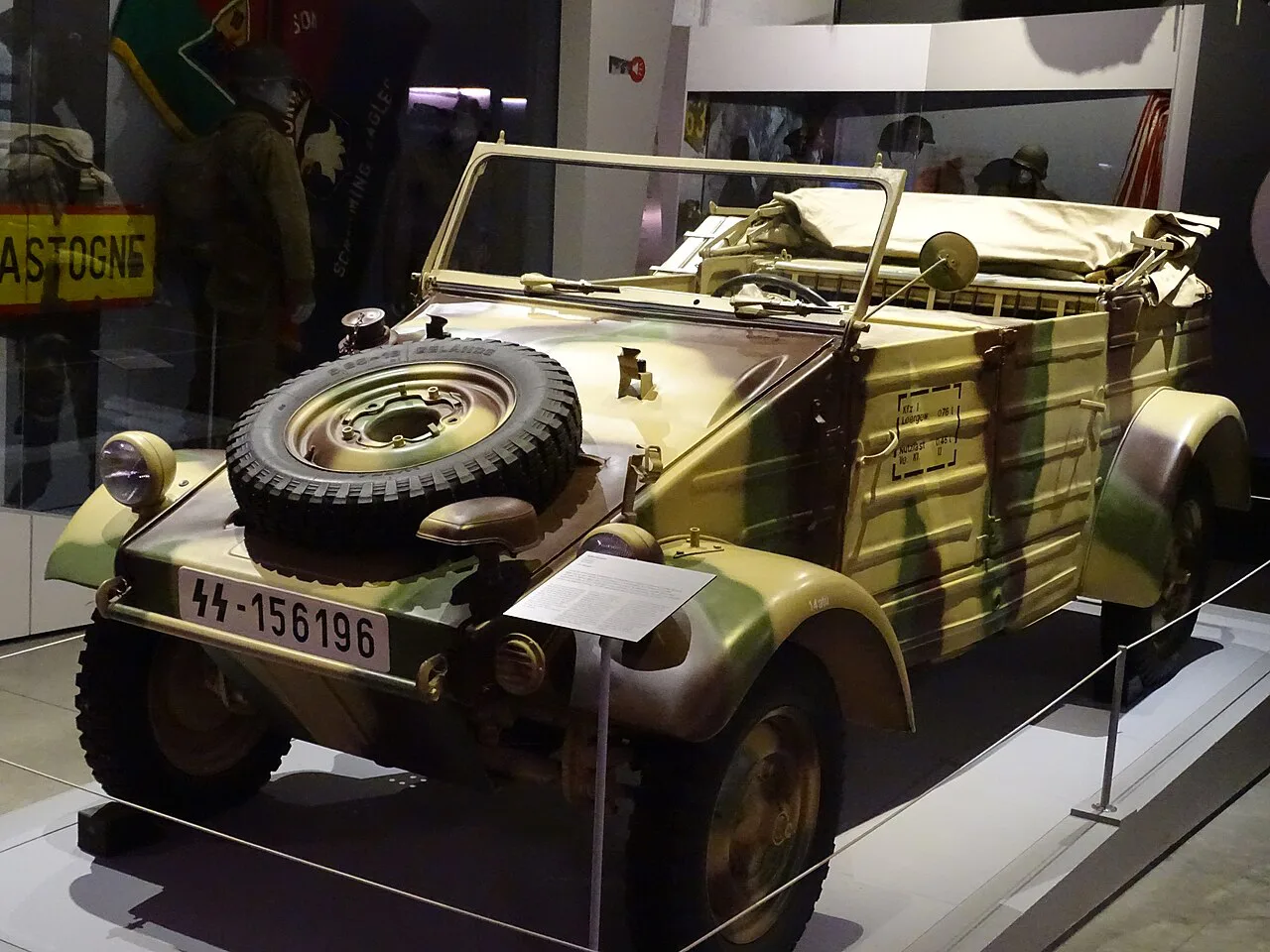
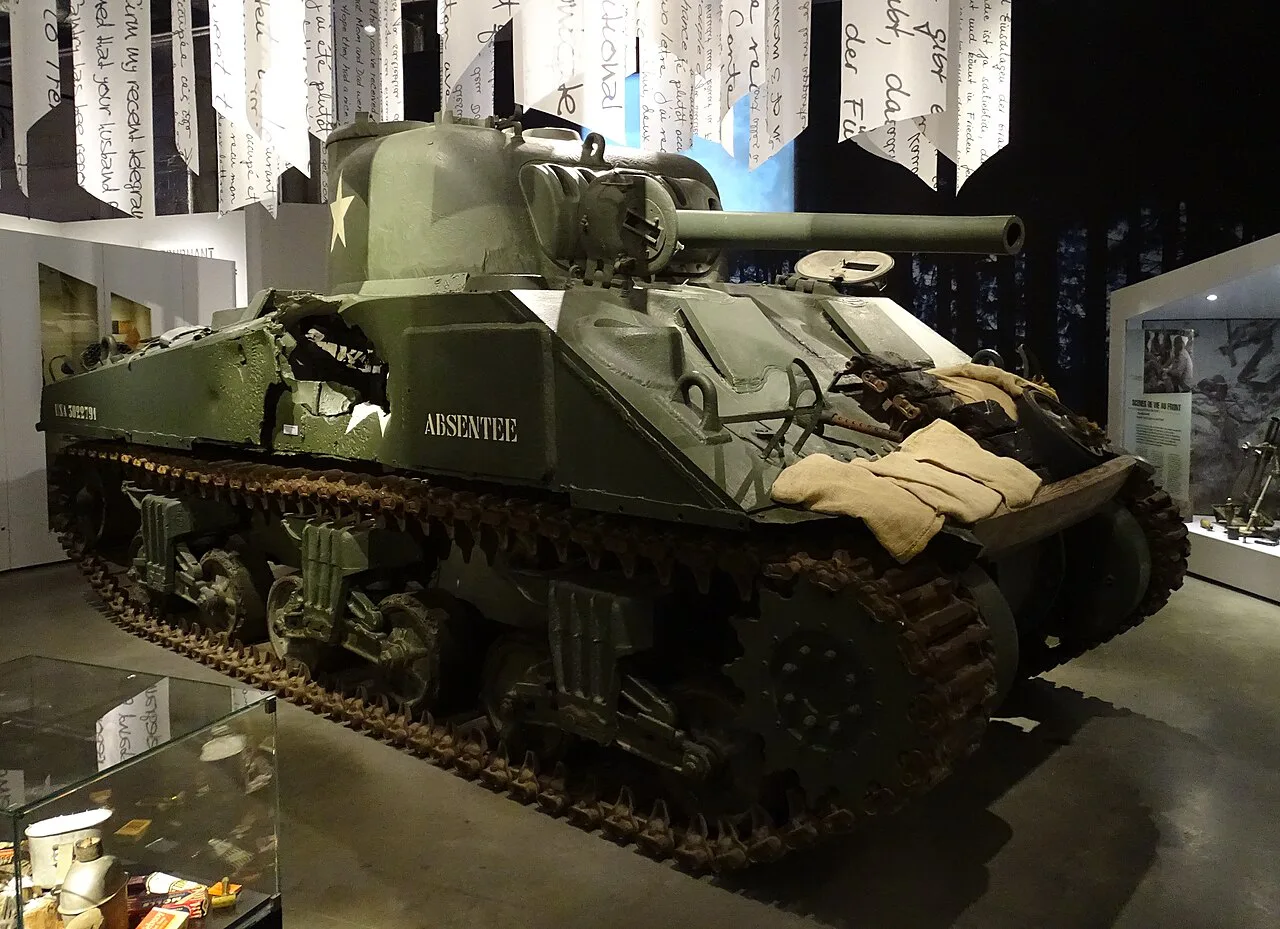
Bastogne is the centre of the Battle of the Bulge memorial landscape, and the Bastogne War Museum is the place to start for context before visiting the surrounding sites. The fighting here in the winter of 1944–45 shaped the town's identity, and the museum sets out the campaign for visitors new to it. Give the museum a morning and use the afternoon for the memorials around town.
The surrounding sites are memorials and cemeteries first, and they are best approached quietly and factually. Houffalize, to the north, is another town tied to the battle and a sensible stop if you are driving between Bastogne and La Roche-en-Ardenne. Keep the register respectful: these are places of remembrance, not attractions.
Bastogne is not on the Meuse rail corridor, so it is easiest by car or as a deliberate detour. If war heritage is your main reason for visiting the Ardennes, base yourself here for a night rather than trying to reach it as a day trip from Dinant.
Walking and cycling: the Ninglinspo valley, the Vennbahn and the Trans Ardennes cycle path
The Ninglinspo valley, near Stoumont and Aywaille, is the region's signature short walk: a stream tumbling between wooded slopes with natural rock slides and small waterfalls along the way. It suits a half-day and pairs with a visit to Stavelot or Malmedy. Bring proper shoes, because the path follows the water closely in places.
Cyclists have two very different options. The Trans Ardennes cycle path runs over 130 km through the French and Belgian Ardennes, so pick a section rather than the whole thing; the tourist board describes a stretch on the French side between Haybes and Revin. The Vennbahn is a former railway line converted to a cycle path through the northern Ardennes.
The region also has a network of cycling nodes, which lets you plan a loop of whatever length suits the day. For a short break, a 30 to 50 km loop with a lunch stop is realistic; a full day on the bike is best kept for a longer trip.
Water and boats: the Meuse cruises and Nisramont lake
The Meuse is the region's boat country, with cruises running from Dinant along the river below the citadel. A river cruise is a good way to see the Meuse valley without driving, and it fits neatly into a Dinant day. Nisramont lake, on the Ourthe, is the other water option, with canoeing and packrafting on calm water.
Nisramont is a reservoir in a wooded valley, so it is quieter than the Meuse and better for a half-day of paddling and a picnic. The tourist board lists cruises as an iconic Ardennes experience, which makes them a sensible anchor for a river day.
Boat trips and canoe hire are seasonal businesses, so a short break in spring or autumn should treat them as a bonus rather than the point of the day. Build the day around a walk and add the water if it is running.
How many days the Ardennes need for a short break
One day gives you a single town and its citadel or castle: Dinant, Bouillon or Durbuy. Two days let you add a valley walk or a cave, and three days let you combine a river base with an abbey or a second town. Four days is enough to include Bastogne and the war heritage without rushing, or to do both a river base and a castle base.
If you are coming for the outdoors, invert that plan: two nights in one valley, with one long walk and one short one, beats moving between towns. If you are coming for the heritage, Bastogne plus Bouillon or Dinant gives the strongest contrast in a long weekend.
Most short-break travellers under-estimate transfer time between the rivers. A realistic three-day plan is Dinant, then the Ninglinspo valley, then Bouillon or Bastogne, with the middle day as the outdoor day.
Getting around without a car: rail plus bike and boat links
The Meuse corridor is the Ardennes' rail spine, with trains linking Namur to Dinant and onwards, which makes the river towns the easiest car-free base. From there, local buses reach some villages but not all village-to-village hops are practical on public transport. The northern Ardennes around Stavelot, Malmedy and the Vennbahn is more practical with a bike or a car.
Cycling between towns is a genuine option on the node network and the old railway lines, but hire points vary by valley. Plan around one hire base rather than hoping to pick up a bike in each village.
For Bastogne and the far south, a car is the honest answer. If you are relying on trains, treat Bastogne as a separate trip or book a transfer rather than trying to stitch it onto a Dinant weekend.
When to go: seasonal character of the Ardennes
The Ardennes are a summer and early-autumn destination for walkers: long daylight, rivers running low and clear, and the woods at their best from late spring. Autumn brings colour to the beech woods and a quieter feel in the towns. Spring is wetter underfoot, and winter shortens the days sharply in the valleys.
For a short break, late spring and early autumn are the sweet spots: enough daylight for a decent walk and enough life in the towns without the peak crowds. The tourist board publishes seasonal updates, which are a sensible place to look before booking.
Caves and museums are the sensible wet-weather plan, and the Ardennes has enough of both to fill a rainy day. Build one indoor option into each day's plan rather than saving them all for a washout.
Choosing a base: valley first, then the stay
The tourist board's practical pages list accommodation alongside tourist offices, which makes them a sensible starting point for a specific valley.
Base choice matters more than the property. A stay outside Durbuy or La Roche-en-Ardenne puts river paths near the door; one outside Dinant puts the Meuse and the rail line close by. Pick the valley first and the property second, and book early in high season.
For a short break, that usually means one valley and one cottage rather than a string of overnight stops.
Choose your Ardennes base by what you want to do
For a first short break, base yourself in Dinant for the Meuse, the citadel and the easiest rail access, or in Durbuy if you want a small stone town and river walks on the doorstep. Add Bouillon if castles and the Semois appeal, and give Bastogne its own day if the war heritage is the reason for the trip.
Keep the itinerary to one anchor sight and one walk a day, and treat caves, abbeys and boat trips as the second layer rather than the plan itself. That leaves room for the Ardennes' real pleasure: a river valley, a stone town and a long lunch in between.
Explore more Belgium guides
Sources
Useful notes for your next trip
Optional updates to our guides.
You might also like
Continue reading
More guides you'll find useful