Durbuy: What to See in Belgium's Smallest Town
Durbuy packs a medieval old town, a riverside castle and the world's largest topiary garden into a few cobbled streets. Here is what to see and how long it takes.
On this page
Durbuy needs half a day for its old town and a full day if you add the river, the ridge paths or the maze at Barvaux. The historic centre is only a handful of cobbled lanes wrapped around a bend of the River Ourthe, so the sightseeing itself is quick; what stretches the visit is the countryside that starts at the last house. This guide covers the lanes, the Parc des Topiaires, the castle view across the water, the walks above the valley and the outdoor parks that make the town a full day out.
What Durbuy is, and why it is called the smallest town
Durbuy sits in the province of Luxembourg, in Wallonia, on a tight loop of the Ourthe, and its medieval core is small enough to cross in a few minutes. The 'smallest town in the world' label is local history rather than a certified record: it is tied to a town charter granted in 1331 that the town still cites. Travel writing about the town routinely calls it the smallest town in Belgium, but the phrase is a piece of heritage rather than a measured population fact.
The setting explains most of the appeal. Dense forest and striking rock formations enclose the town, and the Falize rock behind the centre is more than 300 million years old and shapes the skyline as you approach. Medieval Durbuy grew rich on industry and commerce because of its position on the river, and tourism is now the main activity. Arrive expecting a village-sized place with a town's history, not a city with a compact old quarter.
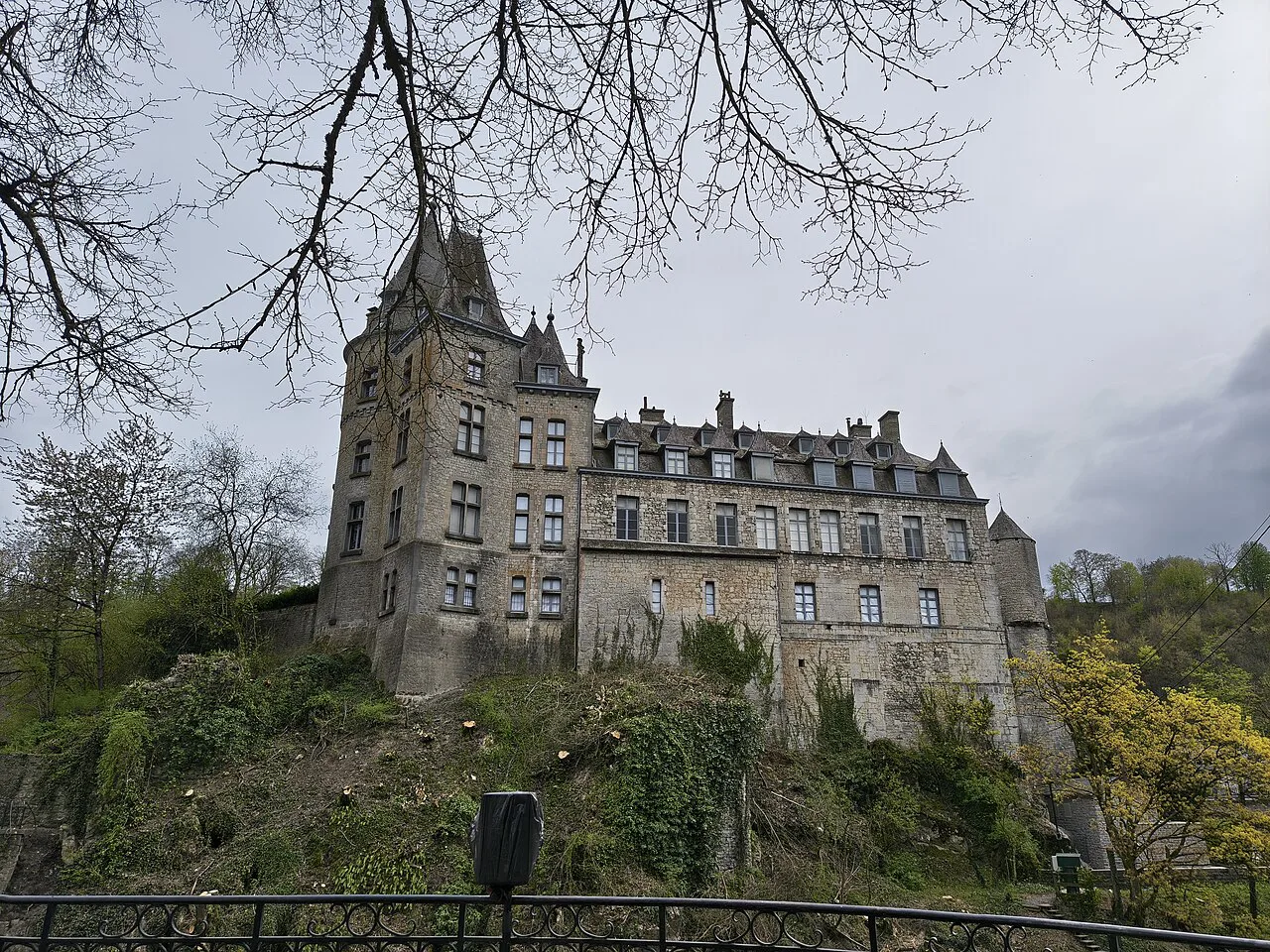
The old town on foot: cobbles, stone houses and small squares
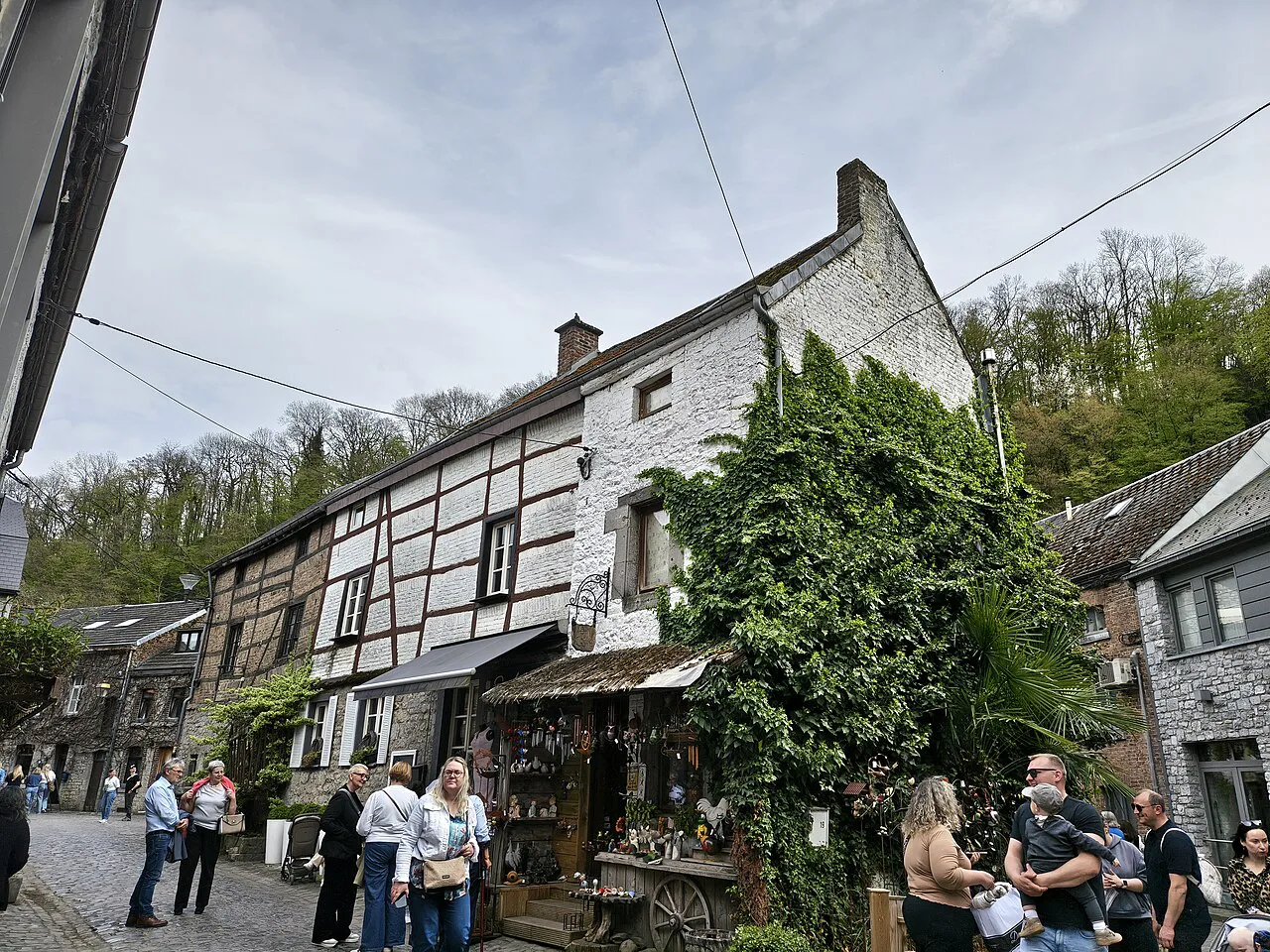
The old town is the heart of any visit, and it works best as a slow wander rather than a checklist. Narrow streets, stone houses from the 17th century and small squares give it a storybook quality, with the river never far away. An hour of walking covers the lanes comfortably; add time for the small boutiques, arts and crafts shops and local produce such as handmade jams that line the main street.
Because the centre is so small, the usual city-break rhythm does not apply: you will not spend a morning on museums and an afternoon on a second district. Treat the lanes as the opening act and let the riverbank, the topiary garden and the hills fill the rest of the day. If you are touring the wider region, the town slots neatly into a longer loop through the Ardennes Belgium countryside.
Château de Durbuy and the view across the Ourthe
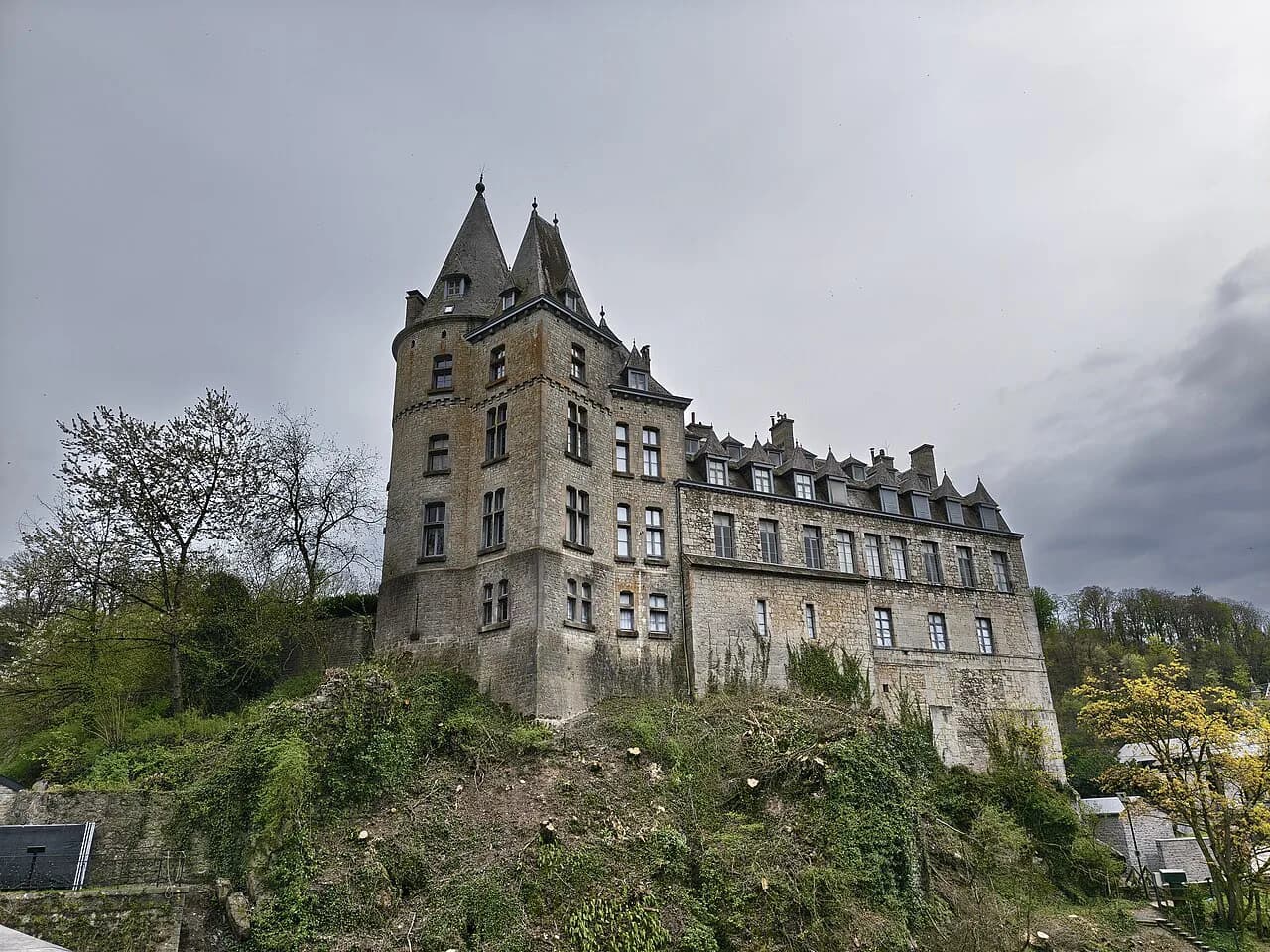
The Château de Durbuy stands on the bank of the Ourthe and shapes the town's silhouette. The present building was completed in 1880, on a site whose earlier castle is said to predate the year 900, and in medieval times the stronghold anchored the region's commerce. Plan on seeing it from outside, and take the water side or the higher lanes, where the castle and the river bend line up in one view.
The Ourthe itself is the other half of the picture. It is the right-hand tributary of the Meuse, runs some 165 kilometres, and is known as Wallonia's fishing paradise for its calm, clean water. Walk the bank for a picnic or simply to watch the water; anglers and kayak clubs use the river, and the path gives you the town from below, which is the angle most day-trippers miss.
Parc des Topiaires: the sculpted box garden
The Parc des Topiaires is Durbuy's most distinctive sight and the reason many people stop here at all. It holds around 250 clipped box figures, the work of Albert Navez, and is presented as the biggest topiary park anywhere, which is an odd distinction for a town this size. The oldest plant is said to be 120 years old, and the shapes run from playful figures to wry portraits, so it suits a gentle hour rather than a serious garden pilgrimage.
Families tend to linger here longer than couples, and it pairs naturally with the old town because it sits within easy walking distance of the centre. Go early or late in the day if you want the paths to yourself, and bring a camera for the larger pieces. Check the park's own published information for current opening days and ticket prices before you travel.
Walking from the centre: the Falize rock and the ridge paths
Marked trails leave directly from the centre, which makes Durbuy a walking base as much as a sight. Short easy strolls of one to two hours take in the Falize rock, while the Sentier des Crêtes follows the ridges above the valley for panoramic views over the Ourthe. Pick the ridge route if you have a clear afternoon, and the Falize loop if you are fitting the walk around a meal.
Longer legs head towards Wéris, home to one of Belgium's most significant megalithic sites, where dolmens and menhirs from the Stone Age give the walk a historical payoff. The combination of forest, rock and prehistoric stone is what sets this corner of the Ardennes apart from prettier towns with less around them. Sturdy shoes matter: the lanes are cobbled and the ridge paths climb.
Kayaking the Ourthe from Barvaux to Durbuy
The classic paddle runs from Barvaux to Durbuy, about 10 kilometres that take two to three hours at an easy pace. The river is generally calm, so beginners cope well, and children can usually join from around six in sturdy multi-person boats. The reward is arriving at the town from the water, having passed through wooded valleys along the way.
May to September is the typical window, subject to water levels, and July and August are busy enough that booking a day ahead is wise. Check conditions with the kayak operator before setting out, since the river's level decides whether a run goes ahead. If you would rather stay dry, the same stretch of bank makes a fine riverside walk.
Adventure Valley Durbuy: climbing, zip lines and via ferrata
Adventure Valley sits just above the town and is one of the region's largest outdoor parks, built around a menu of activities rather than one headline ride. Expect climbing parks at several difficulty levels, zip lines, via ferrata routes and underground cave explorations, plus mountain bike and e-bike hire and organised kayak tours. Dedicated children's courses sit alongside harder challenges for adults, so a mixed group can split up and regroup.
Allow at least half a day, ideally a full one, if you want to combine two or three activities rather than queue for a single circuit. The park is close enough to the centre to walk to, which makes it easy to fit around a morning in the old town. Book through the operator for current opening times and session availability.
Le Labyrinthe de Barvaux and the Hotton Caves nearby
The Labyrinth at Barvaux-sur-Ourthe turns roughly 11 hectares of maize into a themed maze, and it is open mainly between July and October, so it is a summer and early-autumn addition rather than an all-year fixture. It appeals to families and to anyone who wants a low-effort half-day with a puzzle at its centre. Confirm the season's dates with the operator before building a day around it.
The Hotton Caves lie about 15 minutes away and make a sensible partner to the town for a half-day excursion away from the lanes. Bomal-sur-Ourthe, a short hop down the valley, has a classical castle on terraces above the river, now a hotel and events venue with a Sunday market. If caves are your thing, the caves of Han make a larger underground day out further into the Ardennes.
Is Durbuy worth visiting? The honest trade-offs
Durbuy is worth a detour if you want a pretty base for walking, paddling and climbing, and it is worth far less if you are collecting grand sights. The old town is genuinely a few streets, the castle is an exterior view only, and the topiary garden is charming rather than monumental. Come for the combination of a medieval core and immediate countryside; skip it if you need a full urban day.
Crowds are the other trade-off. Demand is high in July and August, which is why kayak operators suggest booking a day ahead in high season, and why early starts pay off for the lanes and the riverbank. Weekdays outside the school holidays give you the ridge paths with room to move.
How much time Durbuy needs
Half a day covers the old town, the topiary garden and the castle view from the riverbank at an unhurried pace. A full day adds either the ridge walk or an afternoon at Adventure Valley, and a full day plus an evening suits anyone combining the town with a kayak run from Barvaux. Two nights make sense if you want the maze, the Hotton Caves and a longer hike without rushing.
Think of Durbuy as one good day in a wider Ardennes itinerary rather than a destination on its own. Nearby towns such as Dinant, with its citadel and church above the Meuse, or Bastogne in the Province of Luxembourg, fill the rest of a short trip without repeating what Durbuy does. That way the town's small scale becomes an asset instead of a disappointment.
Half a day or a full one?
Book Durbuy as half a day on foot plus one outdoor activity, and the town delivers exactly what it promises. Walk the lanes in the morning, take the topiary garden and the castle view before lunch, then choose between the ridge path, the river and Adventure Valley for the afternoon. If the maze is open, give it its own slot rather than squeezing it in.
Explore more Belgium guides
Frequently Asked Questions
Is Durbuy the smallest city?
The claim rests on a town charter from 1331 rather than a measured record, so the title is local history rather than a certified fact. What is certain is that the historic centre is only a few streets and can be walked in well under an hour.
Is Durbuy worth visiting?
Yes, if you want a medieval core with walking, kayaking and climbing on the doorstep. It is a poor fit for anyone expecting grand museums or a full day of urban sightseeing, because the centre is small and the castle is seen from outside.
Sources
Useful notes for your next trip
Optional updates to our guides.
You might also like
Continue reading
More guides you'll find useful