Belgium Itinerary: Plan 2 to 7 Days by Train
A practical Belgium itinerary building 2, 3, 5 and 7 days from Bruges, Ghent, Antwerp and Ypres, with days per stop and honest trade-offs on what to cut.
On this page
Two days in Belgium should be spent in one city, not two. The single most common planning mistake is splitting a short break between Bruges and Brussels and spending half of it in transit; pick Bruges for canals and the Markt, or Ghent for the Graslei and Korenlei, and give it the whole visit. This itinerary sets out how a Belgian city break grows from two days to three, four, five and a full week, which cities to add at each stage and which to cut.
The route runs west to east and then south: Bruges (Brugge), Ghent (Gent), Antwerp (Antwerpen), Ypres (Ieper). Leuven, Liège, Namur and Ostend are additions for a week rather than padding for a short break. Every stop is anchored on one named place, so you can see the shape of the day before you book anything.
How many days a Belgian city break needs
Two days covers one city properly: a morning on the Markt and Belfort in Bruges, an afternoon on the canals, and a slow evening. Three to four days covers two cities without rushing, which is the sweet spot for a long weekend plus a day. A week is where the country opens up and you can add Ypres, Leuven or a Walloon city.
A week is the amount of time it takes to explore two Belgian cities at a relaxed pace, and five days is enough for the highlights of one base plus its surrounding countryside. Belgium is small enough that most of the country is reachable by public transport, which is why the rail sequence matters more than the distances.
Treat the day counts below as a framework rather than a rule. If you have three days and want two cities, take Bruges and Ghent; if you have three days and want depth, take one of them and do the museums. The trade-off is always the same: an extra city costs you half a day in transit and a slower start.
The core route: Bruges, Ghent and Antwerp
These three cities combine well because they sit on one west-to-east line and each has a different character. Bruges is medieval and canal-laced, with the Markt, the Burg and the Belfort at its centre. Ghent is a living university city with the Graslei and Korenlei quays, the Gravensteen castle and Sint-Baafs Kathedraal. Antwerp is the biggest of the three, with the Grote Markt, the cathedral and the Vleeshuis.
Is two days enough for Belgium? Two days is enough for one city done properly, and that is the better choice than two cities done badly. Bruges fits the Markt, the Belfort, a canal trip and the Beguinage into two days without rushing.
Should I visit Bruges or Brussels? For a short Belgian city break, Bruges is the stronger choice: it is compact, walkable and built around the Markt, the Belfort and the canals, so two days covers it well. Brussels works better as a transport hub or as the base for a longer trip that includes other cities.
How many cities can I see in five days in Belgium? Four is comfortable: Bruges, Ghent, Antwerp and Ypres, in that order. Each leg moves west to east and then south, so you never double back.
Start in Bruges because it is the smallest and quietest, and the one where an early start pays off most. Move to Ghent next, which is bigger and livelier, and finish in Antwerp if you have the days, since it has the most to fill a wet afternoon. Doing it the other way round means ending in the smallest city, which feels like an anticlimax.
Bruges rewards a slow morning: the Markt and the Belfort first, then the canals and the Beguinage, a UNESCO World Heritage site of white houses around a quiet courtyard. If you want the full detail of that city on its own, the 2 days in Bruges plan sets out the order.
Two days: one city done properly
With 2 days in Belgium, pick one city and accept that you will not see the other. Bruges is the easier choice for a first visit: the Markt, the Belfort, a canal trip and the Beguinage fit comfortably into two days without a rush. Ghent suits travellers who prefer a working city to a preserved one.
A Bruges day that works runs Markt, Belfort, Burg and the Basilica of the Holy Blood in the morning, then the canals and the Beguinage in the afternoon. Keep the evening free: the centre is small enough to walk twice and see it differently in low light.
If you are combining Bruges with a bigger city, note that a canal boat outing is one of the standard ways to see Bruges from a different angle, and it eats about an hour of your day. That hour is the difference between seeing the Groeningemuseum or skipping it, so decide before you go.
Three days: Bruges and Ghent
Three days is the first point at which two cities make sense. Give Bruges two nights and Ghent one full day, or split it as two days in Bruges and a day in Ghent if you want the Belfort and the canals without hurrying. Our 3 days in Belgium route sets out the order of the stops and what to do with the half days at each end.
The anchors in Ghent are the Graslei and Korenlei, the two quays facing each other across the Leie, and the Gravensteen castle a few minutes' walk away. Sint-Baafs Kathedraal holds the Ghent Altarpiece, which is worth an hour on its own. Two days in Ghent covers the rest of the city if you decide to stay longer.
The trade-off at three days is Antwerp. Adding it means three cities in three days, which is a lot of checking in and out for a short break. Leave Antwerp for a four-day trip and use the third day to see Ghent properly, including the cathedral and the castle, rather than skimming it.
Four days: add Antwerp
A fourth day lets you add Antwerp without dropping anything. The anchors are the Grote Markt with its guild houses, the cathedral (Onze-Lieve-Vrouwekathedraal) and the Vleeshuis, the old butchers' hall that now holds a museum of city life and sound. The cathedral is the one sight that justifies a timed slot in your day.
Antwerp is also the easiest of the three to reach from the others, so it works as the final stop before a train home. If you are arriving by car instead, the same order holds on the Belgium road trip route, though parking in Bruges and Ghent is the part that eats time.
Plan Antwerp's day around one museum and the Grote Markt, not three museums. The city is large enough that crossing it twice costs you an hour, and the cathedral quarter plus the riverside walk is a better use of a single day than ticking off every gallery.
Five days: Antwerp plus Ypres
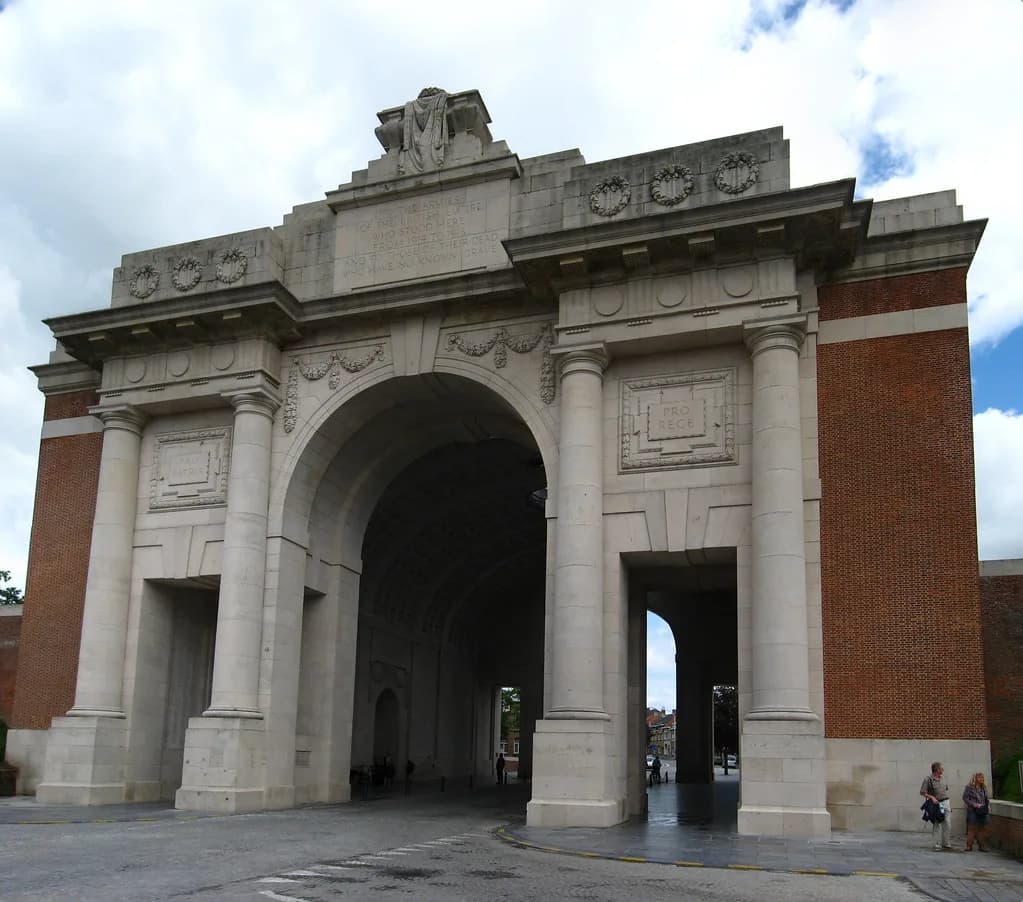
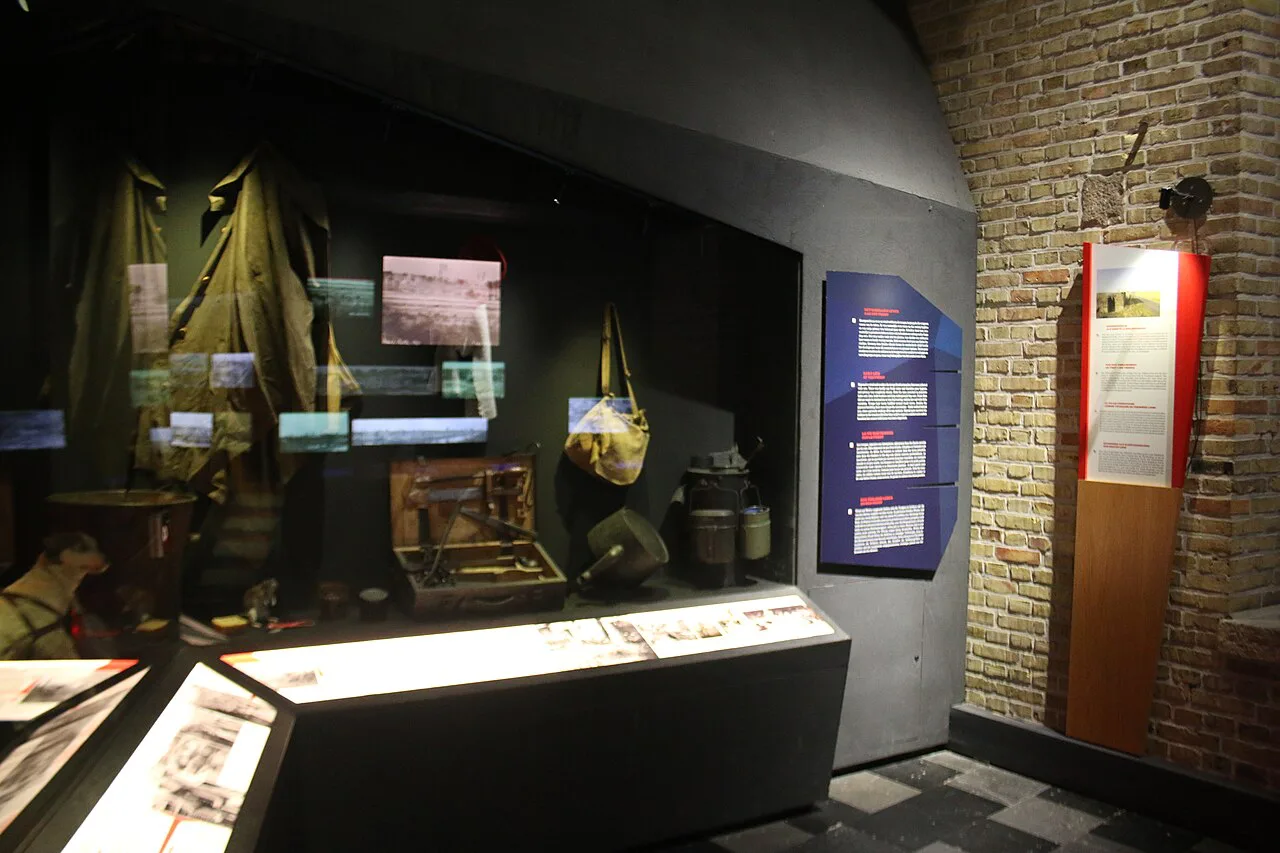
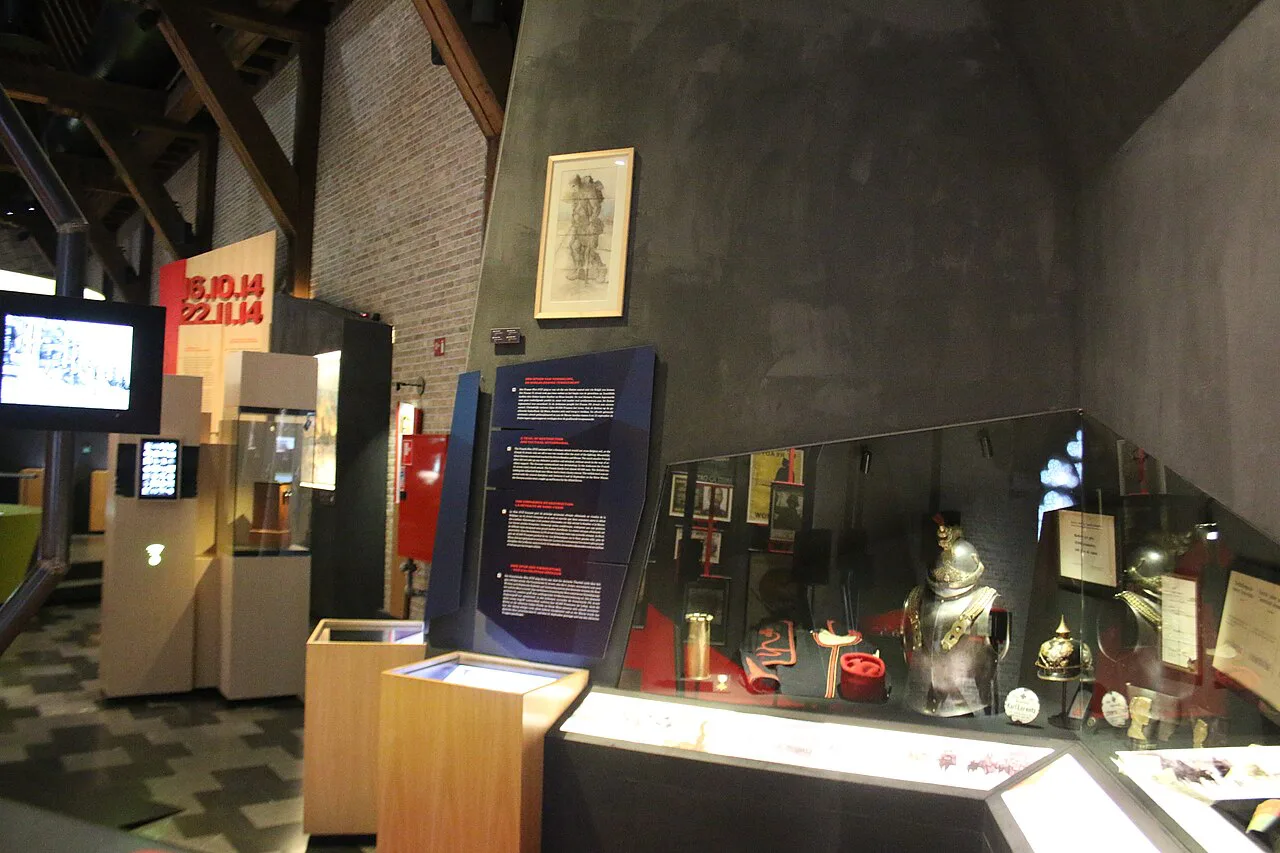
The fifth day is where the trip changes character. Ypres (Ieper) is a small city with an outsized weight: the Lakenhalle (Cloth Hall) and the Flanders Fields Museum sit on the same square, and the Menin Gate (Menenpoort) is a short walk away. Treat these as memorials and museums, not attractions, and give the day the respect it needs.
Our 5 day Belgium itinerary sets out how to fit Ypres into a five-day trip without losing Antwerp or Ghent. The usual sequence is Bruges, Ghent, Antwerp, then Ypres last, since it is the furthest south and the quietest finish.
Ypres needs a clear head and a full afternoon rather than a rushed morning. The museum alone takes a couple of hours if you read the exhibits, and the gate is best visited when you are not watching the clock for a train. Build in slack rather than squeezing it between two other stops.
A week: where Leuven, Liège, Namur and Ostend fit
With a week, the additions are different in kind rather than more of the same. Leuven (Louvain) is a compact university city with a famous begijnhof and a short hop from Brussels as a hub. Liège (Luik) and Namur (Namen) are Walloon cities with a different language and feel, and Namur has the Citadelle de Namur above the Meuse. Ostend (Oostende) is a coastal town with a working harbour and a seafront.
Liège rewards walkers: the Montagne de Bueren is a staircase of several hundred steps climbing out of the old town, and it is the sort of sight that takes twenty minutes and stays with you. Namur is slower and greener, with the citadel as the anchor. Neither is a substitute for Bruges; both are a change of register.
Ostend works best as the last stop of a week, when you have had enough of museums and want a horizon. Leuven is the easiest single addition if you are short of time because it slots onto the Brussels leg rather than adding a new direction. Ten days lets you take in the Ardennes or cross into the Netherlands, which is a different trip.
Sequencing the stops by train
Run the route west to east: Bruges, Ghent, Antwerp, then south to Ypres. Each leg moves you in one direction, so you never double back to a city you have already left. Bruges to Ghent is the shortest hop of the three, and Ghent to Antwerp is the longest, which is why Ghent suits a full day rather than a half.
Book the Ypres leg separately in your head from the Flanders triangle: it is the one stop that does not sit on the same line, so it belongs at the end. If you are flying home from Brussels, remember that Brussels is a transport hub on the way out, not a stop on this itinerary.
Lonely Planet's Belgium destination page is a useful cross-check on which cities pair well and when to go, since the order of stops depends on season and on what is happening in each city that week.
Which city to drop when time is short
At three days, drop Antwerp. It is the biggest of the three and the one that needs the most time to be worth the journey, so a rushed Antwerp is worse than no Antwerp. Bruges and Ghent together give you the two things most people come for: canals and quays.
At two days, drop Ghent rather than Bruges if this is a first visit, because Bruges is more compact and easier to cover in the time you have. Drop Bruges if you have been before or if you prefer a working city with students and markets to a preserved medieval centre.
Never drop Ypres to add a fourth Flanders city. If you have five days and want Ypres, take it as the fifth and leave Antwerp out, or keep both and accept a quicker pace in Ghent. The order of cuts is Antwerp first, then Ghent, then Bruges.
Museum days and Monday closures
Many Belgian museums close on Mondays, so Monday is the day to be outside: a walk along the Graslei and Korenlei, the Markt and the Belfort in Bruges, or a wander round Antwerp's old town. Put the museum-heavy day on a Tuesday or later in the week, and check the day before you travel which of your chosen museums is open.
This is the constraint that reorders a short itinerary most. If your only full day is a Monday, build it around squares, quays and viewpoints rather than galleries, and save the Ghent Altarpiece and the Vleeshuis for the next morning. A single day shifted can rescue a three-day trip.
Towers and belfries can limit numbers or need a timed ticket, so if the Belfort or a cathedral tower is the point of the day, make it the first thing you do rather than the last. The article's one reminder: check current opening days and any booking rules for the specific museum or tower before you commit a morning to it.
Markets and food stops that give each day a shape
Markets give a day a natural shape: an early market, then a museum, then a square in the afternoon. Bruges has its Markt at the centre, and an open-air market with stalls selling chocolate and cheese is one of the reasons to slow down in a Belgian city rather than moving on.
Belgian chocolate and beer are the two food threads worth planning around, and both are in scope for a city break in a way that restaurant guides are not. A beer café in the afternoon is a stop, not a night out, so it fits a day that still has a cathedral or a castle in it.
Keep food costs simple: a bakery breakfast, a market lunch, and one proper dinner is the pattern that leaves the most of the day for the city. Prices in euros vary by city and by season, so budget from what you actually book rather than from a fixed daily figure.
What a day in each city looks like
Bruges: Markt, Belfort, Burg and the Basilica of the Holy Blood before lunch, then the canals and the Beguinage. Ghent: Sint-Baafs Kathedraal and the Ghent Altarpiece first, then the Graslei and Korenlei, then the Gravensteen. Both are walkable start to finish.
Antwerp: the Grote Markt and the cathedral in the morning, the Vleeshuis and the riverside after lunch. Ypres: the Lakenhalle and the Flanders Fields Museum in the afternoon, the Menin Gate (Menenpoort) at the end of the day. Each day has one anchor and one optional extra.
If you want the longer version of this structure, A 5-Day Belgium Itinerary runs the same days with more detail on each stop and where to eat between them.
Budgeting in euros across two, three and seven days
There is no single daily figure that holds across these cities: Bruges and Antwerp cost more than Ypres or Namur, and a week costs less per day than a weekend because you stop paying for movement. Budget in three blocks: travel between stops, entry to the one or two sights that matter each day, and food.
The travel block is the one people underestimate. Intercity rail in Belgium is priced per journey, so a route that doubles back costs twice, which is the other reason to run west to east. Fewer stops means lower travel cost and more time in each place.
City museum passes are worth asking about at the tourist office when you arrive, but only if you plan to visit several museums in one city. For a two-day trip with one museum a day, a pass usually does not pay for itself.
Filling a wet day without leaving the city
A wet day in Bruges is a museum day: the Groeningemuseum and the Historium are both indoor and central, and the Historium adds a virtual-reality element that suits a grey afternoon. A canal trip is less appealing in rain, so swap it for the following morning.
In Antwerp, the cathedral, the Vleeshuis and the riverside MAS area give you a full day without a long walk between them. In Ghent, the cathedral and the castle are close enough to do in one go. Any of these is a better wet-day plan than sitting in a café waiting for the sky to clear.
If your whole trip is forecast wet, shift a day to Ypres: the Flanders Fields Museum is largely indoors and the gate is a short walk, so the weather matters less than it would on a canal.
Which Belgian itinerary should you book?
Book two days for one city, three days for Bruges and Ghent, four to add Antwerp and five to add Ypres. A week is the point at which Leuven, Liège, Namur or Ostend become additions rather than padding, and it is also the point at which the per-day cost starts to fall.
The single decision that shapes everything is whether you want depth in one city or a route through several. Depth suits a two- or three-day break; the route suits five days or more. Choose that first, then pick the cities to fit.
Explore more Belgium guides
Frequently Asked Questions
Is two days enough for Belgium?
Two days is enough for one city done properly, and that is the better choice than two cities done badly. Bruges fits the Markt, the Belfort, a canal trip and the Beguinage into two days without rushing. Splitting the time between Bruges and Brussels costs you half a day in transit, so pick one and give it the whole visit.
Should I visit Bruges or Brussels?
For a short Belgian city break, Bruges is the stronger choice: it is compact, walkable and built around the Markt, the Belfort and the canals, so two days covers it well. Brussels works better as a transport hub or as the base for a longer trip that includes other cities. If you have only two days, the canals and the preserved centre in Bruges are what most travellers come for.
How many cities can I see in five days in Belgium?
Four is comfortable: Bruges, Ghent, Antwerp and Ypres, in that order. Each leg moves west to east and then south, so you never double back. If you prefer a slower pace, cut Antwerp and give the extra day to Ghent, whose cathedral, castle and quays fill a full day on their own.
Can I do this itinerary by train?
Yes, the whole route works by rail, which is why the order matters more than the distances. Run Bruges to Ghent, Ghent to Antwerp, and take Ypres as the final stop since it sits off that line. Belgium is small enough to reach most of the country by public transport, so the train is the natural way to link these cities.
What should I do on a Monday in Belgium?
Plan Monday outdoors, because many Belgian museums close that day. Build it around squares, quays and viewpoints: the Markt and the Belfort in Bruges, or the Graslei and Korenlei and the Gravensteen in Ghent. Save the museums, including the Ghent Altarpiece and the Vleeshuis, for Tuesday onward and confirm the day before which of your chosen sights is open.
Sources
Useful notes for your next trip
Optional updates to our guides.
You might also like



Continue reading
More guides you'll find useful