Belgium Travel Tips: Languages, Money and Getting Around
Practical Belgium travel tips for a short city break: which language applies in each city, spending in euros, trains between cities and fitting it into four days.
On this page
Belgium's short-break cities divide cleanly by language: Dutch-speaking Flanders in the north, French-speaking Wallonia in the south, with Brussels as the bilingual capital. Bruges (Brugge), Ghent (Gent), Antwerp (Antwerpen), Leuven (Louvain) and Ostend (Oostende) sit in Flanders, while Liège (Luik), Namur (Namen) and the WWI country around Ypres (Ieper) are the ones that need a different notebook. This guide sets out which language applies where, how to handle euros and cards, how the trains knit the cities together, and how much of the country four days can hold.
Treat the country as a stitched patchwork rather than a single culture, and a four-day plan almost writes itself. The Flemish north is home to the historic cities of Antwerp, Ghent and Bruges with its canals, while Wallonia to the south holds châteaux, gardens and the hills of the Ardennes, and the ground around Ypres is WWI battlefield and memorial country.
Which language to use in Bruges, Ghent, Antwerp, Leuven, Liège, Namur, Ostend and Ypres
In Bruges, Ghent, Antwerp, Leuven and Ostend you are in Flanders, where the local language is Dutch; in Liège and Namur, and in the villages and town of the Ypres salient, it is French. Addressing a shopkeeper in Dutch in Antwerp and in French in Namur is the single easiest courtesy to get right, and a handful of words go a long way in either. Ypres itself is a Flemish town with a French name in common British use, so Ieper on signs and Dutch in conversation is the norm.
Belgium's language map runs further than two colours: the country has a Dutch-speaking north, a French-speaking south and a German-speaking community in the east. That matters for planning because a city break that hops from Ghent to Namur crosses a cultural line as well as a regional one, and place-name signs change with it. The practical upshot is to learn the greeting in the language of the city you wake up in.
English is widely understood in the cities, but opening with a greeting in the local language is what smooths the rest of the exchange. In Wallonia a little French helps more than it does in Flanders, and in both halves a menu or a ticket machine will usually be readable to an English speaker. Keep the local names to hand too: Bruges is Brugge, Ghent is Gent, Antwerp is Antwerpen, Ypres is Ieper and Liège is Luik on Flemish signage.
Euros, cards and how to handle a shared bill
Belgium uses the euro, and contactless cards and phone payments are accepted in most city shops, cafés and museums. A traveller who toured four Belgian cities reported paying for most things by card and using an app-based bank account for the conversion, which is a common pattern among UK visitors. Carry a small amount of cash anyway for markets, small kiosks and anywhere a card reader is out of reach.
Which language to use in Bruges, Ghent, Antwerp, Leuven, Liège, Namur, Ostend and Ypres. In Bruges, Ghent, Antwerp, Leuven and Ostend you are in Flanders, where the local language is Dutch; in Liège and Namur, and in the villages and town of the Ypres salient, it is French.
Euros, cards and how to handle a shared bill. Belgium uses the euro, and contactless cards and phone payments are accepted in most city shops, cafés and museums.
Getting between cities by train. Belgium's cities are close together and the train is the obvious way to link them, which is how a four-city, four-day route works with Brussels as a hub.
The classic friction point for groups is the shared restaurant bill: many places will not split it between several cards. The workable routine is for one person to pay the whole bill and the others to settle up afterwards, keeping a note of who covered what so nobody loses track. Decide this before you order rather than at the till, when the staff are waiting.
For everyday spending, a card that shows the exchange rate at the moment of payment makes it easier to see what a round of coffees or a museum ticket actually costs you. If you want a backup payment method or a local data plan for maps and tickets, sort it before you travel rather than hunting for a shop on arrival.
What a day in a Belgian city costs
One traveller's 2019 account of four days between Brussels, Bruges, Antwerp and Ghent puts the trip's total at roughly £236 for food, train tickets and a few souvenirs, against a suggested daily budget of about 68 to 71 euros for hostel-style travel with most meals bought in supermarkets. Read that as a 2019 snapshot rather than a current rate: it shows the shape of a budget, not this year's prices, with transport and self-catered meals taking a large share.
If you want the current picture before booking, Is Belgium expensive? Costs for a short city break sets out where the money goes on a short break and which costs are fixed. The biggest lever is usually how many cities you move between, since every extra hop adds a ticket. Museum passes and multi-trip rail tickets are worth pricing against your actual plan rather than buying on principle.
Two habits trim a city day without much effort. Buying breakfast from a supermarket instead of sitting down for it leaves more of the day's budget for the things you came for, and comparing prices at a couple of chocolate or waffle counters before committing stops a small purchase turning into a story. The same applies to souvenirs: decide the budget before you walk into the shop.
Getting between cities by train
Belgium's cities are close together and the train is the obvious way to link them, which is how a four-city, four-day route works with Brussels as a hub. Buy tickets at the station desk or machine rather than through a third-party reseller, where the same journey can cost noticeably more. On a short break the time saved by booking ahead rarely outweighs the flexibility of turning up and buying.
If you are coming from London, the Eurostar from St Pancras International puts you in Brussels, and from there the domestic network reaches Bruges, Ghent, Antwerp, Leuven, Liège, Namur, Ostend and Ypres. Belgium by Train covers how the routes fit together for a short break. For repeated hops, price a Belgian rail pass or multi-trip ticket against the number of journeys you will actually make.
Where to base yourself for a one to four day trip
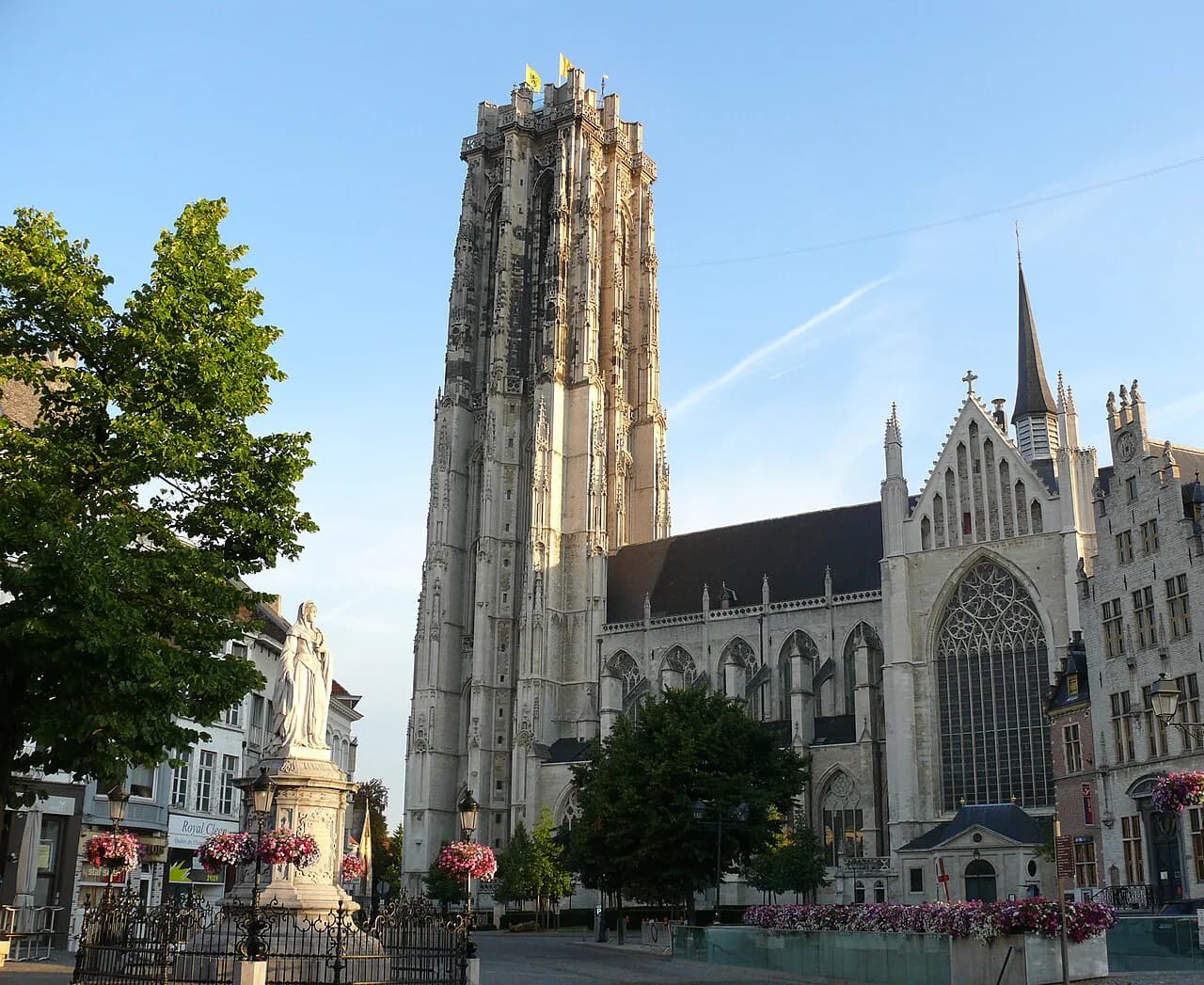
For one or two days, pick a single base and stay put: Bruges for canals and the Markt, Ghent for the Graslei and Korenlei quays, Antwerp for the Grote Markt and the cathedral, or Leuven for a compact university city. Moving every night costs you a check-in and a walk with bags each day, which is a poor trade on a two-night trip.
With three or four days the calculation changes, because two bases let you cover both language regions without long transfers. A Flemish base in Ghent or Antwerp paired with a Walloon base in Namur or Liège opens up the Ardennes hills and the Meuse valley, while Bruges and Ypres pair naturally for anyone drawn to canals and WWI memorials. Choose bases on the train line you will actually use rather than on hotel prices alone.
Belgium's food and drink: chocolate, beer, waffles and fries
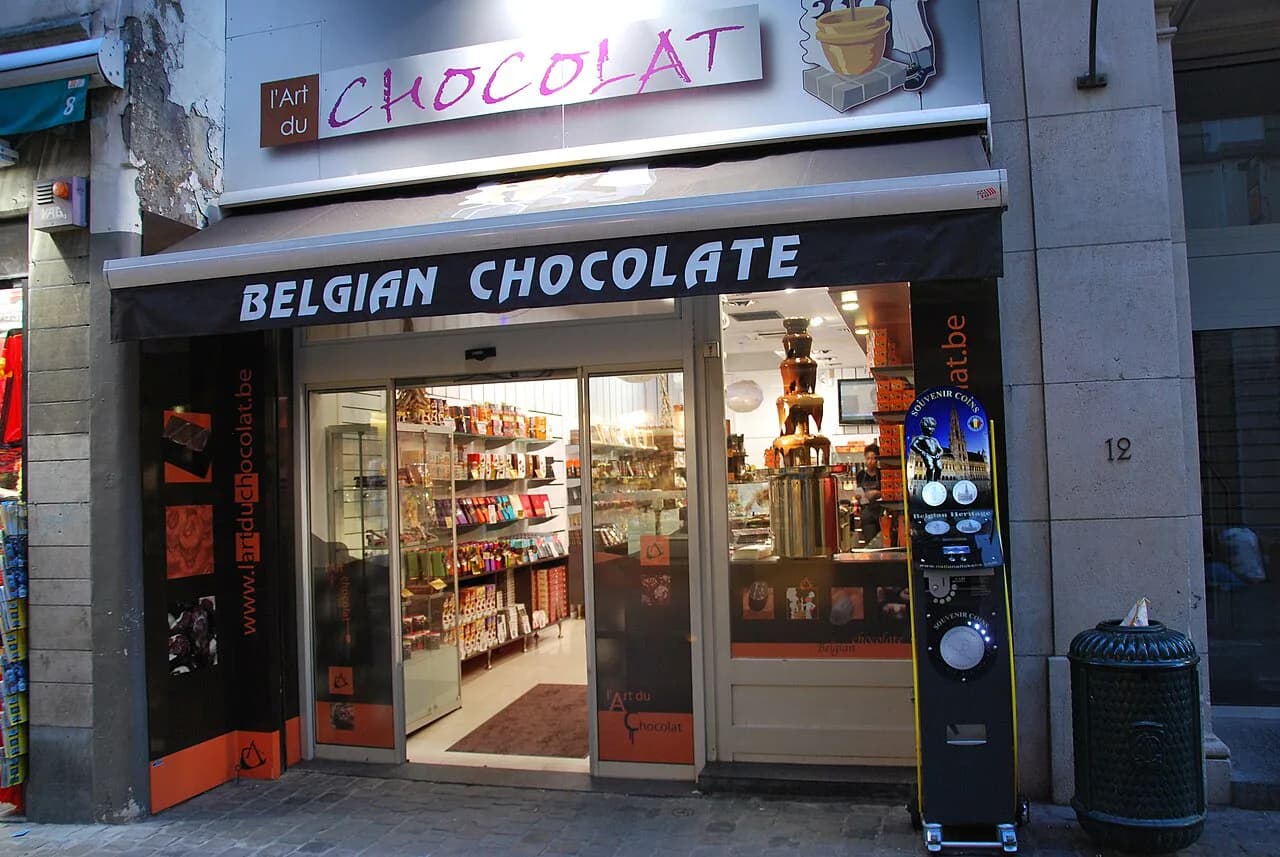
Chocolate, beer, waffles, fries and, further back, diamonds and Tintin are what Belgium is famous for, and all but the diamonds are easy to fit into a city break. A dedicated chocolate shop is a better use of a purchase than a station kiosk, and a beer café is the place to try a few styles in small measures rather than committing to a full bottle of something strong.
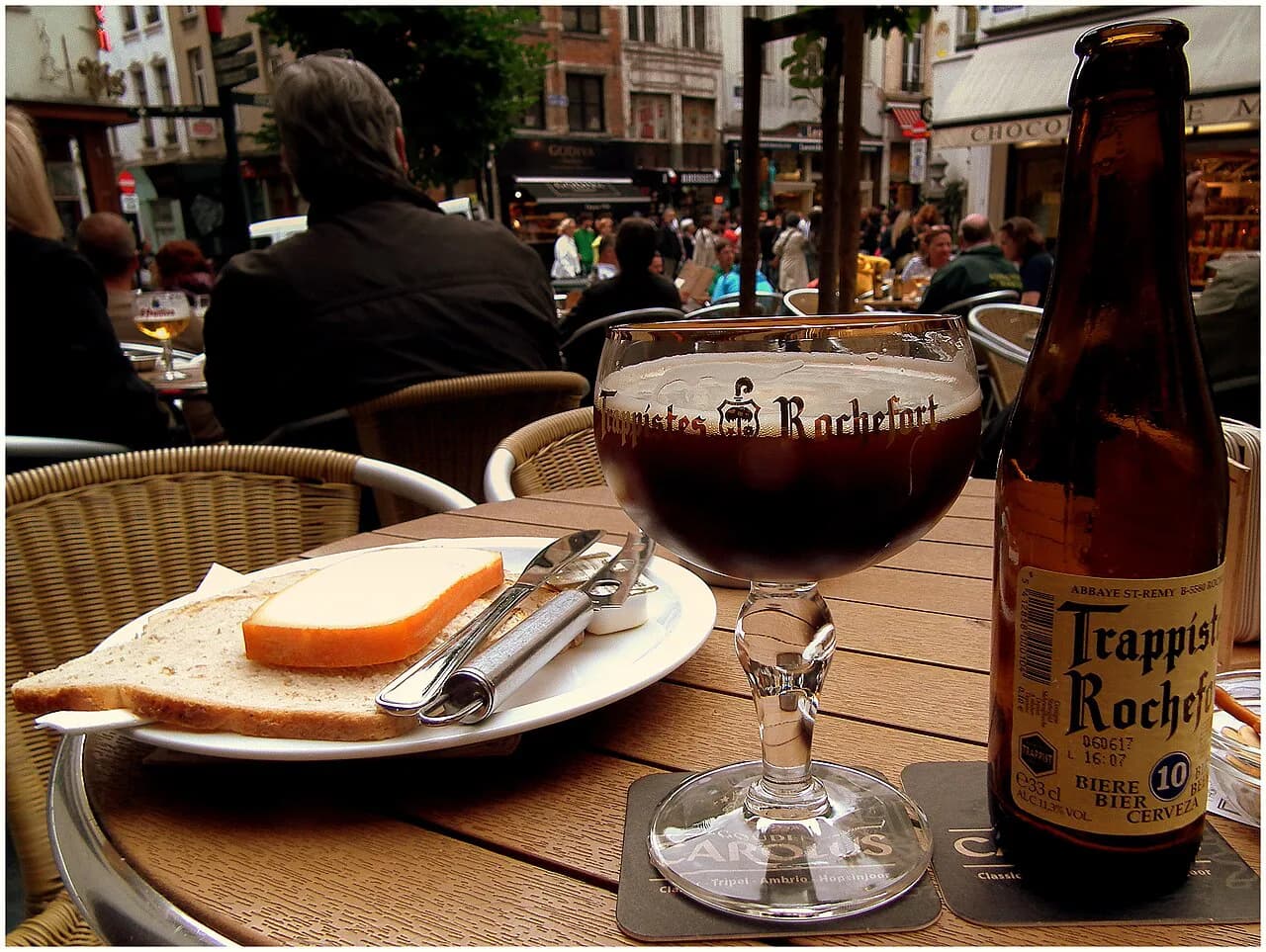
Belgian beer covers a wide range from easy blonde ales to heavy Trappist bottles, and knowing the strength before you order matters more than knowing the brewery. If you plan to carry bottles home, leave the shopping for the end of the trip and check what your luggage can take.
Regional differences between Flanders, Wallonia and the WWI sites around Ypres
Flanders is the Dutch-speaking north and Wallonia the French-speaking south, and the two halves feel different in stone as well as speech. Wallonia's landscape runs to châteaux, gardens and the wooded Ardennes hills, while Flanders is where most of the belfries, cathedral squares and canal views sit. Plan the order of your cities so you are not crossing the language line twice in a day.
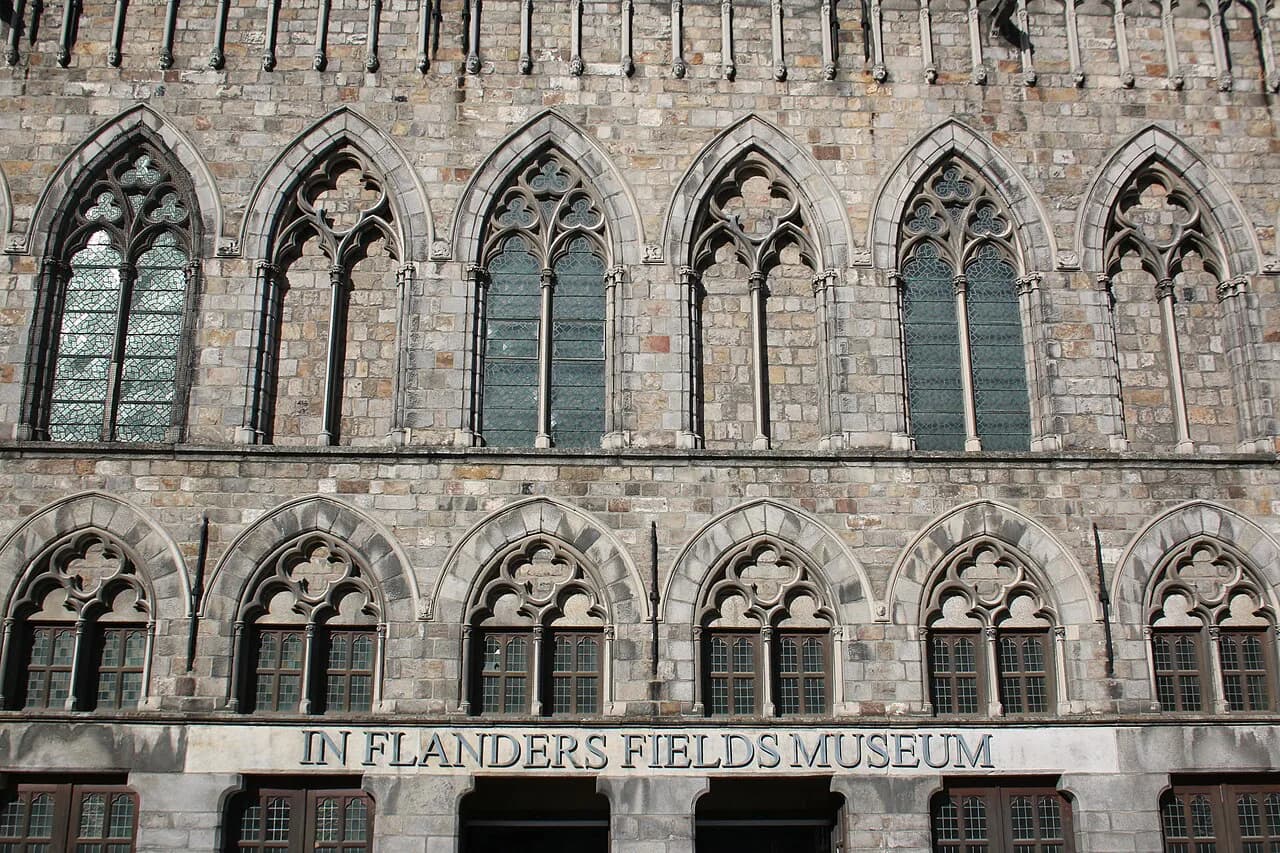
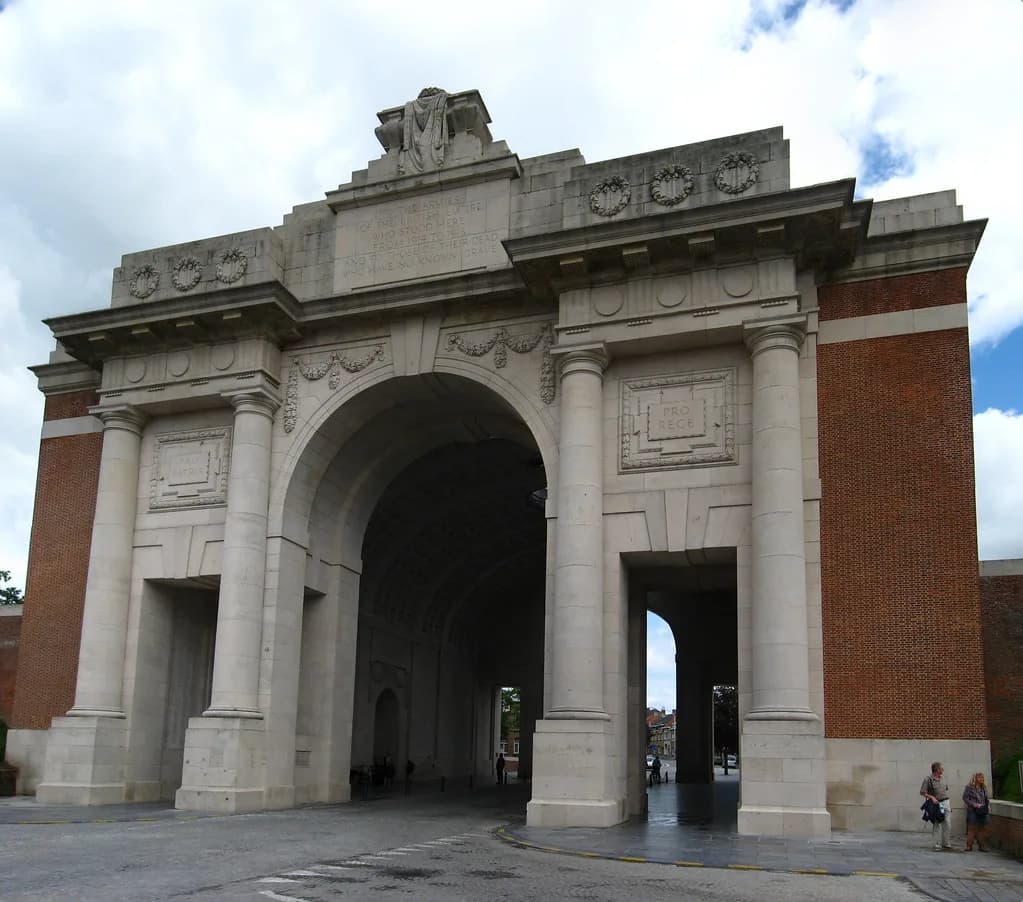
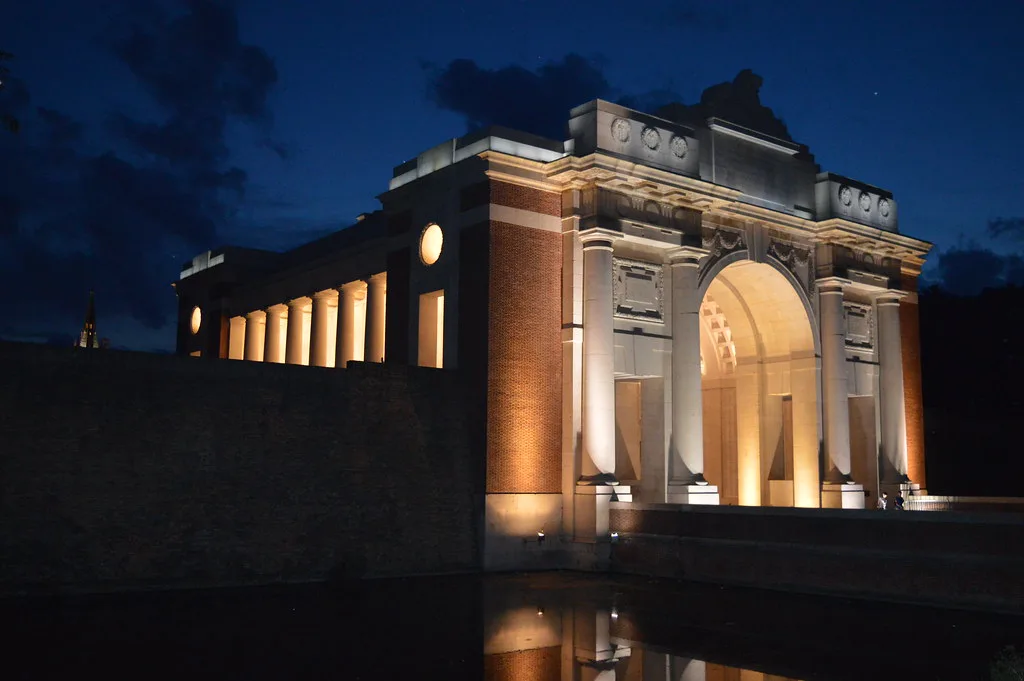
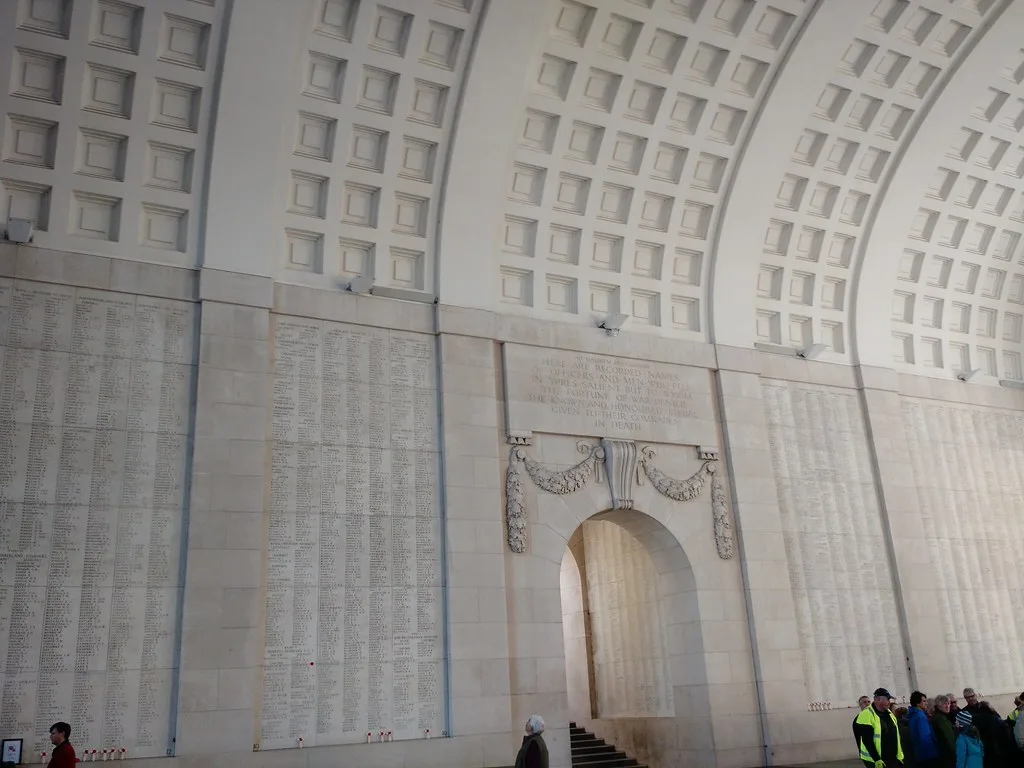
Around Ypres the landscape is WWI battlefield and memorial ground, including the Menin Gate (Menenpoort) and the Lakenhalle (Cloth Hall), and it is visited as such: quietly, and with the cemeteries treated as cemeteries. Build in time to walk rather than tick off names from a car. If you are based in Ghent or Bruges, Ypres works as a full day rather than an afternoon.
How much of the country you can realistically fit into four days
Four days supports two or three cities at most if you want to see anything properly. A workable shape is two nights in Bruges or Ghent with a day in the other, then a train to Antwerp or Leuven for the remainder, which keeps transfers short and leaves the mornings free. Trying to add Liège or Namur to that plan turns the trip into train rides with meals attached.
A route used by a traveller visiting four Belgian cities in four days ran Bruges, Antwerp and Ghent from a Brussels base, which shows how tightly the network packs. That pace suits someone who wants an impression of each place rather than a full museum day anywhere. If you would rather spend an afternoon in one gallery than three hours on platforms, cut a city and put the time back into the others.
Which Belgian cities should you book first?
Choose a single base for a two- or three-night break and add a second only when you have a fourth day to fill. Pair cities on the same language side first, then cross from Flanders to Wallonia once if the Ardennes or the Meuse valley is the draw. Leave Ypres as a full day of its own rather than squeezing the Menin Gate into a transfer.
Sort the money and the language before you book: know the euro, have a card that shows the rate, and decide how you will split a shared bill. Then compare your shortlist against Is Belgium expensive? Costs for a short city break and Belgium by Train, and the itinerary tends to pick itself.
Explore more Belgium guides
Sources
Useful notes for your next trip
Optional updates to our guides.
You might also like
Continue reading
More guides you'll find useful