
Is Belgium expensive? What a city break really costs
Belgium is not a cheap destination, but a short city break is manageable. See typical costs for accommodation, food, drink and trains, plus ways to spend less.
On this page
Yes, Belgium is an expensive country by European standards, but a short city break is still affordable if you separate the costs. A dorm bed typically runs €30 to €50 a night and a private hostel room €80 to €100, while a self-catering house in the Ardennes averaged €130 to €200 a night depending on region and season. This guide breaks down what accommodation, meals, beer and train travel actually cost in euros, so you can budget for a one-to-four-day trip to Bruges, Ghent, Antwerp, Leuven, Liège, Namur, Ostend or Ypres.
The money goes further when you treat accommodation and transport as separate decisions rather than accepting one all-in daily figure. A central bed in a canal-side street costs more than a room a short walk out, but a compact city like Leuven or Bruges makes that walk easy. Pair the figures here with practical Belgium travel tips on routes and city layouts before you book.
Is Belgium expensive? The short answer
Belgium is not a bargain destination, but it is not a luxury one either. The country's reputation for high prices comes mainly from accommodation and restaurant meals in the bigger cities, and from the cost of getting there from the UK.
For a city break, the realistic pattern is a mid-range bed, one proper sit-down meal a day, beer taken in cafés rather than at restaurant mark-ups, and trains between cities bought as short hops. That combination keeps a three-night trip in Ghent, Antwerp or Bruges within reach of most UK travellers without pretending the country is cheap.
What accommodation costs per night
Hostels set the floor. Budget travellers reported paying roughly €30 to €50 for a dorm bed and €80 to €100 for a private room, with summer prices fluctuating around those averages.
How much spending money do I need per day in Belgium? There is no reliable daily figure to quote. Add up your bed, one proper meal, a few beers and any train tickets, using euro prices in this guide as a starting point, and you will get a figure that fits your own trip rather than someone else's.
Is Belgium more expensive than the UK? It is broadly comparable in smaller towns and noticeably pricier in central Brussels. Food and beer in Ghent, Leuven or Ypres usually cost about what you would pay in a mid-sized British city, while accommodation and restaurant meals in the biggest cities run higher.
Do I need cash in Belgium? Cards are accepted almost everywhere, so a small amount of cash for markets and small purchases is enough. Budget in euros rather than converting to pounds, and check what your bank charges for foreign transactions before you travel.
Above hostel level, self-catering and holiday homes push the nightly cost up. A well-equipped house with a hot tub, fireplace and considered interior averaged €130 to €200 a night, with prices moving by region and season and dropping outside weekends.
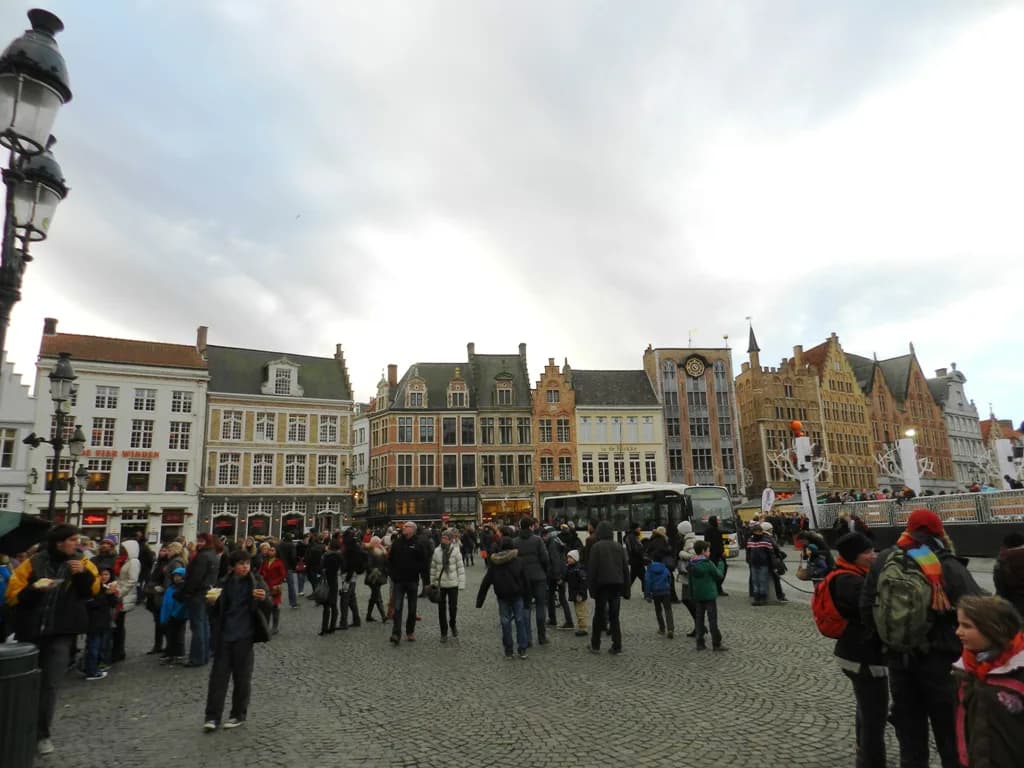
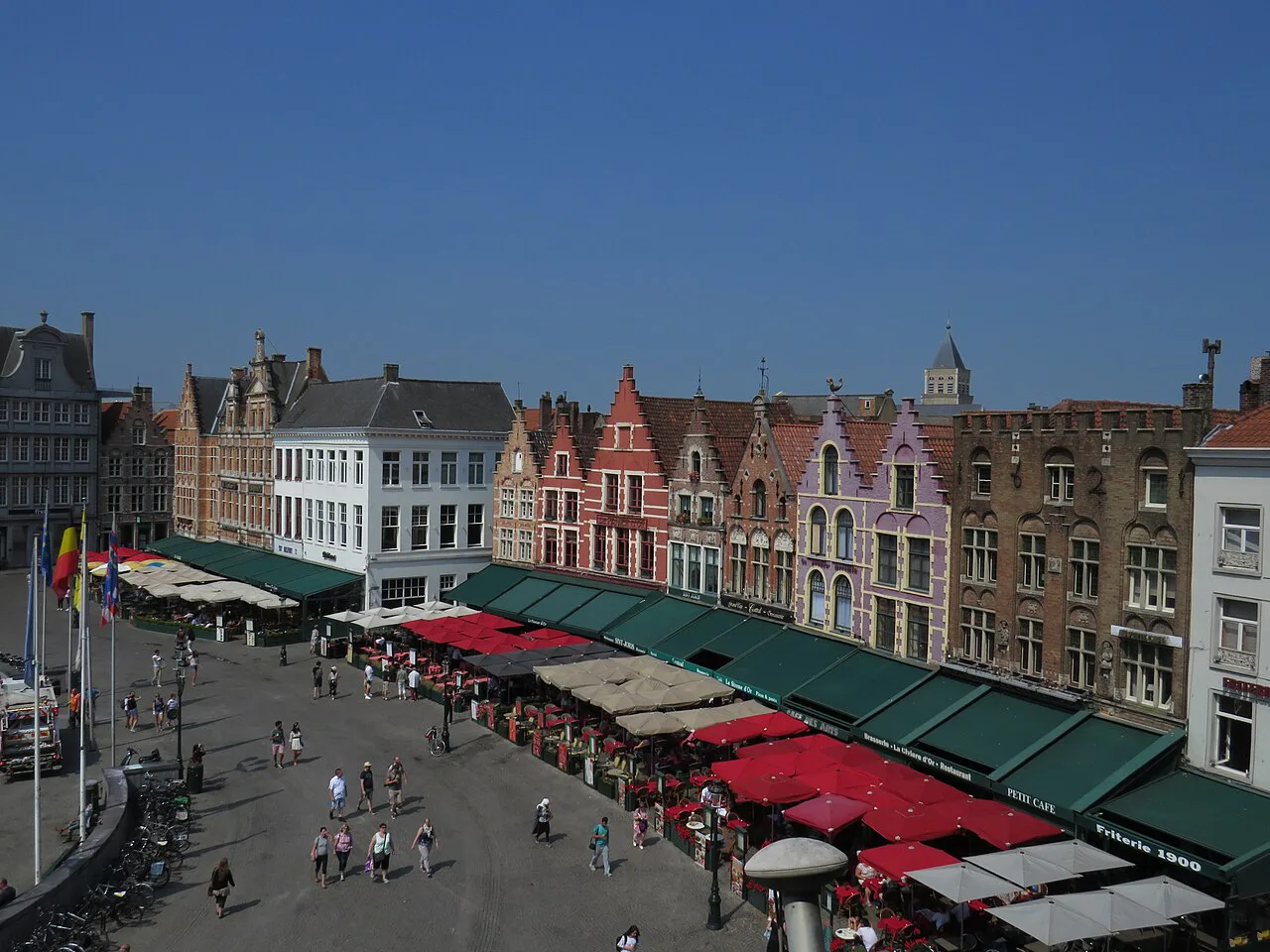
The trade-off for a short break is location against price. A central room in Bruges (Brugge) near the Markt or in Ghent (Gent) near the Graslei and Korenlei puts the sights within a ten-minute walk, which matters when you only have two or three days. Paying less usually means a tram ride or a twenty-minute walk into the centre, and that decision is worth making before you compare rates.
What meals and eating out cost
Restaurant prices vary sharply between town and city. In small villages, a lunch menu of soup, a main course and a local beer cost considerably less than a salad on the French Riviera, while a three-course meal in Brussels can start at a price.
That gap is the single most useful fact for budgeting. If you eat your main meal at midday in a smaller Flemish town and keep the evening light, a day in Ypres (Ieper) or Namur (Namen) costs noticeably less than the same day in Antwerp (Antwerpen).
Bread, cheese and vegetables bought at a weekly market keep breakfast and picnic lunches cheap, and market shopping in Belgian towns tends to be unhurried rather than a scrum. Budget separately for service rather than assuming it is always included, and leave small change where you are happy with the meal. Treat any expectations about tipping as a matter of local custom to confirm for the place you are eating.
What beer and drinks cost
Belgium brews far more beer per head than the global average and has around 400 breweries, so drinking here is a tasting exercise rather than a cheap night out. Trappist and lambic beers carry a premium over standard lager, and a café in a main square charges more than one a street back.
The practical saving is to drink where Belgians drink. A beer café away from the Grote Markt or the Markt will cost less for the same bottle, and brewery visits include tastings rather than a bar bill. For anyone weighing up whether Belgium is expensive, this is the area where small choices make the biggest visible difference.
Budget in euros, not pounds. Belgium uses the euro, and for planning purposes it is simplest to note prices in euros rather than converting every figure. Carry a modest amount of cash for smaller purchases and check your own card's foreign-transaction terms before you travel.
What train travel between Belgian cities costs
Belgium's rail network is dense and fast, connecting cities across the country within hours, which makes it feasible to base yourself in one city and visit another. That is a real money-saver: one bed for four nights costs less than two short hotel stays, and you avoid paying for two lots of accommodation.
Rail fares depend on the route and the ticket you buy, so it is worth comparing single tickets with a pass or multi-journey option if your trip involves three or more journeys. Leaving that choice until you know your route will usually serve a short break better than committing to singles in advance.
Getting to Belgium from Britain is the biggest single transport cost. The Eurostar from London St Pancras International is one route to the country, and booking ahead is generally preferable to a late booking. Once you are in Belgium, trains are the sensible way to move between the Flemish cities and down to Liège (Luik) or Namur.
How Belgium compares with the UK and neighbouring countries
Travellers used to British prices generally find Belgium comparable on food and drink in smaller towns and more expensive in the big cities. The pattern is familiar: a beer and a simple lunch in Ghent costs about what you would pay in a mid-sized British city, while the same order in central Brussels costs more.
Against its neighbours, Belgium sits somewhere in the middle rather than at either extreme. Rural Ardennes accommodation offers space and comfort that many travellers find good value, while Brussels and the coast push towards the upper end in high season, so where and when you stay shapes the bill as much as the headline price of the country.
The honest verdict is that Belgium is expensive to visit casually and reasonable to visit deliberately. Choosing which city you base yourself in, and when, matters more than hunting for a discount.
Ways to spend less on a Belgian city break
Book outside weekends and outside high season. The same holiday house costs less on a Tuesday in spring than on a summer Saturday, and cities like Leuven and Namur are quiet enough in midweek that a cheaper room does not mean a dull stay.
Choose a hostel or self-catering flat over a hotel for anything longer than two nights. A dorm bed or a private room is the straightforward way to cut the biggest line in the budget.
Eat your main meal at lunch, shop at the weekly market, and spend on beer and chocolate rather than on restaurant mark-ups. Chocolate bought from a proper chocolatier is also the souvenir that survives the journey home better than most.
The trade-offs that matter most are central versus peripheral accommodation and eating in versus eating out. Get those two right and Belgium stops feeling expensive; get them wrong in central Bruges in August and it very much does.
Which Belgian city gives the best value for a short break?
For a two-to-four-day break, the Flemish cities give good value because compact centres mean short walks and less spent on getting around. Leuven is small enough to cover on foot and especially easy to budget for, while Bruges and Ghent offer plenty to see within a short radius.
Whichever you pick, plan around the way you eat and sleep rather than around a headline daily budget. One bed, one base and one late-morning main meal will do more for your spending than any voucher.
Explore more Belgium guides
Frequently Asked Questions
How much spending money do I need per day in Belgium?
There is no reliable daily figure to quote. Add up your bed, one proper meal, a few beers and any train tickets, using euro prices in this guide as a starting point, and you will get a figure that fits your own trip rather than someone else's.
Is Belgium more expensive than the UK?
It is broadly comparable in smaller towns and noticeably pricier in central Brussels. Food and beer in Ghent, Leuven or Ypres usually cost about what you would pay in a mid-sized British city, while accommodation and restaurant meals in the biggest cities run higher.
Do I need cash in Belgium?
Cards are accepted almost everywhere, so a small amount of cash for markets and small purchases is enough. Budget in euros rather than converting to pounds, and check what your bank charges for foreign transactions before you travel.
Sources
Useful notes for your next trip
Optional updates to our guides.
You might also like



Continue reading
More guides you'll find useful





