
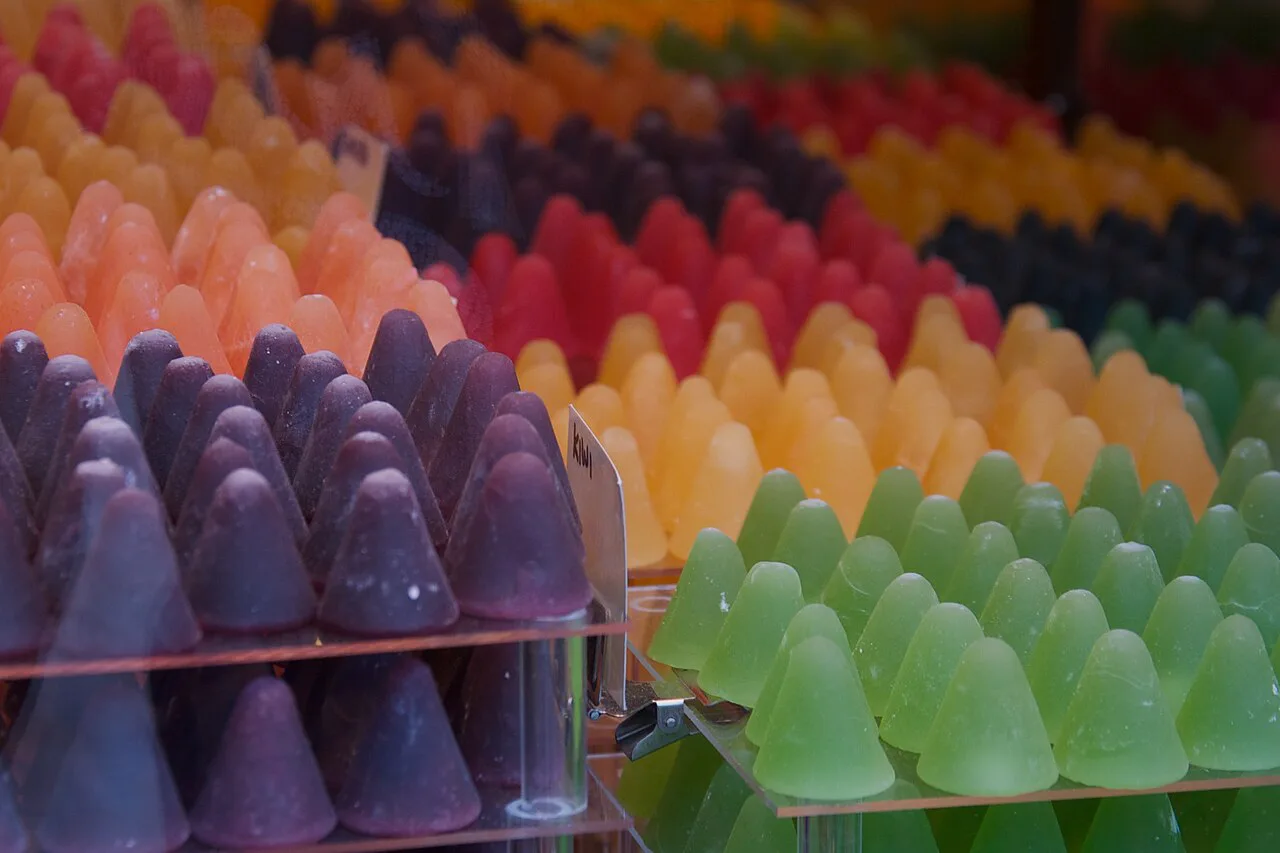
Belgian Souvenirs Worth Buying: Chocolate, Beer, Lace and More
Belgian souvenirs worth the luggage space: pralines and chocolate brands, beer and glasses, speculoos and lace, plus how to pack them for the train home.
On this page
Chocolate and beer are the two Belgian souvenirs that justify the weight in your bag, with speculoos a close third for anyone who wants edible gifts that travel without fuss. Pralines, branded bars, bottled beer and the right glass are easy to buy in any of the Belfry Towns cities, and Bruges even has a museum devoted to cocoa. This guide sorts the categories by what survives a train home, explains the big chocolate names and their histories, and sets out the trade-offs on weight, melting and breakage.
What Belgian souvenirs are worth buying
Rank souvenirs by how well they survive the journey. Chocolate, biscuits and bottled beer are heavy but robust if packed sensibly; lace and comics weigh almost nothing; glassware is the fragile exception. Buy the fragile items last, on your final afternoon, so they spend as little time as possible in a bag.
Budget matters as much as taste. Belgian prices are not the bargain some visitors expect, so decide before you shop whether you want one good box of pralines or a bag of small edible gifts for colleagues. Our guide to whether Belgium is expensive sets out where the money goes on a short break.
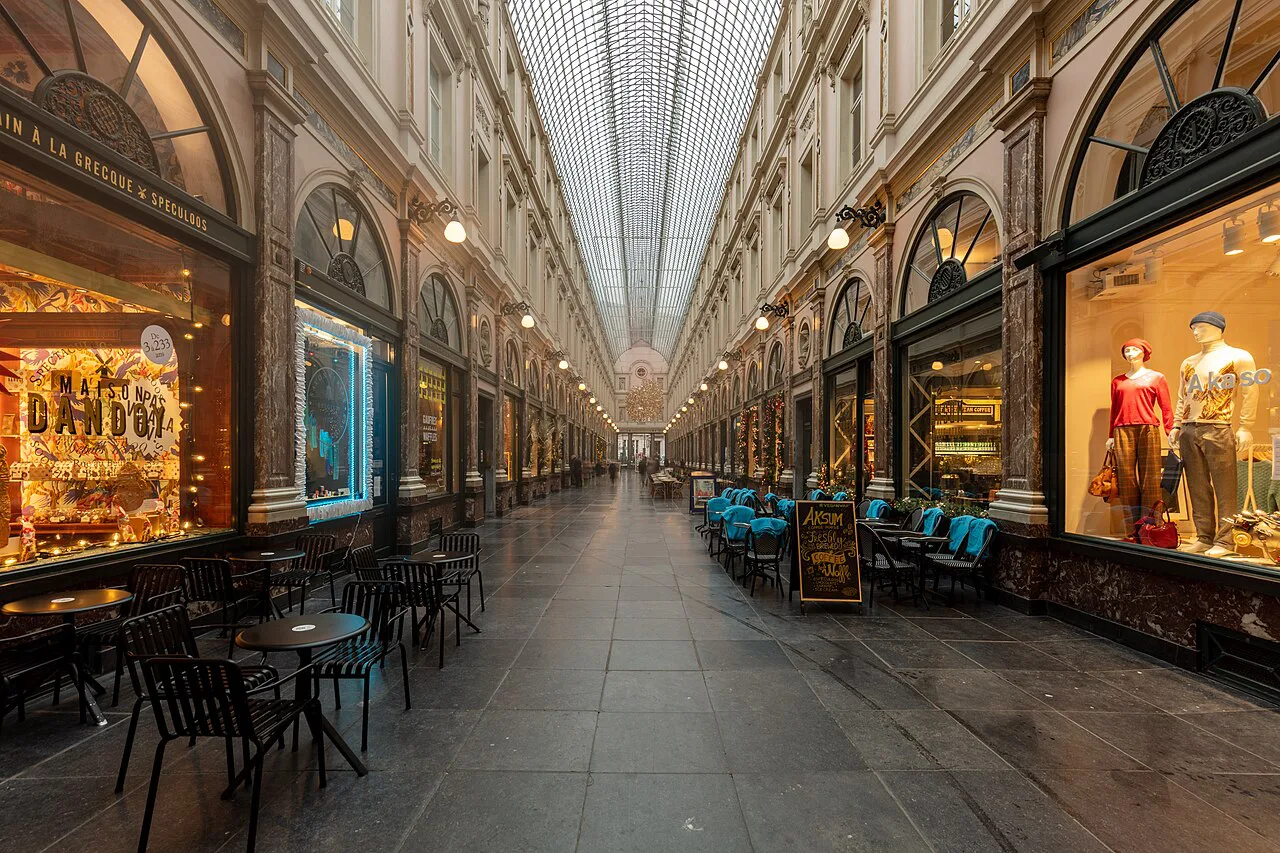
The chocolate brands explained: Neuhaus, Godiva, Leonidas, Mary and Côte d'Or
Belgium's chocolate reputation rests on a handful of names with long histories. Côte d'Or was registered as a brand by Charles Neuhaus in 1883, using cocoa from what is now Ghana and later adopting the elephant logo; Godiva began in Brussels in 1926, when Pierre Draps senior made his first praline chocolates at home. Mary was founded in Brussels in 1919 by Mary Delluc, and Leonidas has built its identity on making pralines accessible to a wide audience.
What food souvenirs can I bring back from Belgium? Chocolate, pralines, speculoos biscuits and bottled beer are the standard edible souvenirs. Chocolate and biscuits travel well if kept cool and shaded; beer is heavier and needs padding.
Where can I buy Belgian chocolate in Bruges? Choco-Story at Wijnzakstraat 2 is a museum rather than a shop, but it explains how chocolate is made and includes a hand-making demonstration with samples. For buying, browse the specialist chocolate shops in central Bruges and compare a few before committing to a box.
Which Belgian chocolate brand should I choose? Choose by what you want to spend and how you will carry it. Godiva, Neuhaus, Mary and Leonidas are long-established names with praline assortments, while Côte d'Or is known for bars.
Buy by style rather than by shopfront glamour. A boxed assortment suits a gift; a small bag of loose pralines suits eating on the trip, when melting is less of a worry. If you want a single bar to carry home, a branded bar travels far better than a soft-centred praline in warm weather.
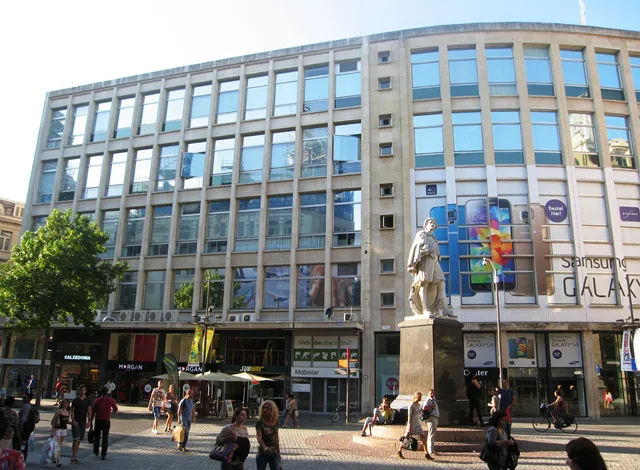
Buying chocolate in Bruges: Choco-Story on Wijnzakstraat
Bruges has a chocolate museum, Choco-Story, at Wijnzakstraat 2, near the Jan van Eyckplein bus stop. It covers the history of cocoa and chocolate across four floors with an interactive audio guide, and chocolates are made by hand and sampled on the premises. That makes it a sensible wet-weather stop as well as a place to understand what you are buying elsewhere in town.
The museum publishes its own admission rates: adults 16 euros, seniors aged 65 and over and students 14 euros, children aged 3 to 11 ten euros, and under-threes free. Those are museum entry prices, not souvenir prices, and combi-tickets with the Fries Museum or the Diamond Museum exist. Check the museum's own site for current rates before you pay.
Bruges also gives chocolate a sightseeing frame. The city's Flemish Primitives trail links the Groeningemuseum, Museum St John's Hospital, St Saviour's Cathedral and the Church of Our Lady, and the Church of Our Lady holds Michelangelo's Madonna and Child. A morning of paintings followed by an afternoon of pralines is a reasonable split for a short break.
Beer and beer glasses: what to bring home
Bottled Belgian beer is the souvenir most likely to earn its weight, because styles you rarely see at home are ordinary here. Trappist and abbey beers reward buying by style rather than by label design, and a mixed selection of three or four bottles beats a single large one. If you take glass too, wrap it in clothing rather than newspaper and keep it in the middle of the bag, away from the sides.
A branded glass matters because many Belgian beers are brewed to be drunk from a specific shape, and the glass shapes the aroma and head. Buy the glass that matches a beer you actually liked rather than a generic set. Pack glass in the middle of a padded bag rather than against the sides, and keep it with you on the train home rather than checking it.
Biscuits and sweet pantry souvenirs
Speculoos, the spiced caramelised biscuit, is the edible gift that travels best: light, sturdy, and widely sold in supermarkets as well as gift shops. Pralines are the fragile counterpart, so buy them late in the trip and keep them out of direct heat. A supermarket run on your last morning covers office gifts faster and more cheaply than a gift shop on the Markt.
Lace and textiles: judging quality
Belgian lace has a long craft history, and Bruges in particular sells it in small shops and market stalls. Machine-made lace is far cheaper and perfectly attractive; hand-worked pieces cost more and vary hugely in finish. Judge by the neatness of the pattern edges and the evenness of the thread rather than by the story on the label, and ask what you are buying before you pay.
Comics and design: the Belgian bande dessinée angle
Belgium has a strong comics tradition, and comic-book shops in the larger cities sell albums in French and Dutch as well as English translations. An album is light, flat and almost unbreakable in a suitcase, which makes it the best low-risk souvenir on this list. Design objects and small prints from museum shops fill the same role if you want something less edible.
Souvenirs to skip, and the supermarket shortcut
Skip anything that duplicates home: generic fridge magnets, printed T-shirts and souvenir mugs with no local maker behind them. Skip large chocolate novelties too, since they are mostly packaging and melt easily. Spend the saved room on a better box of pralines or a second glass.
Supermarkets are the sensible shortcut for edible gifts you are carrying home yourself. Own-brand speculoos and local biscuits travel well, and you can buy your wrapped gifts there and save the specialist shops for one item you really want. For the brands themselves, our guide to Belgian chocolate brands sets out which names come from where.
How much room to leave: a trade-off by category
Chocolate and pralines are heavy and heat-sensitive but pack into gaps; buy them last, keep them shaded and do not put them in a checked bag on a hot day. Bottled beer is heavier still and needs padding, so two or three bottles is realistic for most travellers. Lace, comics and prints are light and near-unbreakable, so they make good filler for the space around fragile items.
Glassware is the one category to treat as a decision rather than an impulse. A single well-wrapped glass can survive a train journey; a set of six probably will not. If glass is the point of the purchase, consider buying it at the end of the trip nearest home rather than carrying it through three cities.
What to buy first, and what to buy last
Buy chocolate, pralines and bottled beer at the end of the trip, and buy lace, comics and prints whenever you see something you like. That ordering keeps the fragile and the meltable out of the middle days, when bags get repacked and left on trains. If you are still shaping the trip, the Belgium travel tips guide covers how the cities fit together for a short break.
Explore more Belgium guides
Frequently Asked Questions
What food souvenirs can I bring back from Belgium?
Chocolate, pralines, speculoos biscuits and bottled beer are the standard edible souvenirs. Chocolate and biscuits travel well if kept cool and shaded; beer is heavier and needs padding. Check your own country's food import rules before packing meat, dairy or fresh produce, and pack anything liquid in checked baggage if you are flying.
Where can I buy Belgian chocolate in Bruges?
Choco-Story at Wijnzakstraat 2 is a museum rather than a shop, but it explains how chocolate is made and includes a hand-making demonstration with samples. For buying, browse the specialist chocolate shops in central Bruges and compare a few before committing to a box.
Which Belgian chocolate brand should I choose?
Choose by what you want to spend and how you will carry it. Godiva, Neuhaus, Mary and Leonidas are long-established names with praline assortments, while Côte d'Or is known for bars. A branded bar survives a journey better than soft-centred pralines in warm weather.
Is Belgian lace a good souvenir?
Yes, if you judge the piece rather than the label. Machine-made lace is inexpensive and perfectly good; hand-worked lace costs more and varies in quality. Look at the evenness of the thread and the neatness of the pattern edges, and ask the seller to explain what you are buying.
Sources
Useful notes for your next trip
Optional updates to our guides.
You might also like



Continue reading
More guides you'll find useful





