
Belgium Currency: The Euro, Cards and Cash on a City Break
Belgium uses the euro, not the Belgian franc. Here is how cards, contactless and cash work in Belgian cities, and why paying in euros avoids extra charges.
On this page
Belgium uses the euro, written EUR and shown as the € symbol, so a city break in Bruges, Ghent, Antwerp or Liège needs no currency exchange once you arrive. Euro notes come in seven values from 5 to 500 euros, and coins run from 1 cent up to 2 euros. This guide covers how cards, contactless and cash work in Belgian cities, what happened to the old franc, and how to avoid paying for a currency conversion you do not need.
The practical picture for a short break is simple: Belgium is card-friendly, debit cards are common, and Visa and Mastercard are accepted at most shops, restaurants and transport hubs. Cash still has a place in smaller towns and at independent businesses, and it remains handy for a coffee at a counter or a market stall. Pair this with the rest of our Belgium travel tips before you book, since payment habits vary between a belfry town and a university city.
What currency does Belgium use? The euro, in notes and coins
The official currency of Belgium is the euro. It arrived in 1999 as electronic money and in 2002 as notes and coins, which is why every price in a Belgian café, museum or tram ticket is quoted in the same currency you would spend in France, Germany or the Netherlands. That also means a UK or US traveller arrives with nothing to change at the airport.
Notes are issued in seven denominations: 5, 10, 20, 50, 100, 200 and 500 euros. Coins run from 1, 2, 5, 10, 20 and 50 cents up to 1 and 2 euros. For most everyday purchases a few coins and a small note are the most convenient way to pay with cash.
Because the currency is shared, prices in Belgium sit in the same euro framework as its neighbours, and the cost of a city break depends far more on the city and the season than on the money itself. Our guide to whether Belgium is expensive breaks down what a short break really costs in euros.
The Belgian franc: what it was and when the euro replaced it
Before the euro, Belgium used the Belgian franc, coded BEF and divided into 100 centimes. The franc was replaced by the euro in 2002, when the old banknotes were withdrawn from circulation.
Franc banknotes are therefore collector's items, not spending money. A drawer full of old notes cannot be used in a Bruges chocolatier or an Antwerp beer café. If you inherit a stash, treat it as a souvenir rather than holiday cash.
Cards and contactless in Belgian cities: Visa, Mastercard and Bancontact
Debit cards are the norm in Belgium, and credit cards from Visa and Mastercard are accepted at most shops, restaurants and transport hubs. Contactless and mobile payments are widely supported, so a tap of a phone or card handles most tram fares, museum tickets and café bills without any cash changing hands.
At Belgian tills you will often see Bancontact, the local debit and mobile payment scheme. It is very popular locally, and some terminals show it first or prominently. A foreign Visa or Mastercard still works where cards are accepted, but recognising the Bancontact logo stops you worrying that the machine has rejected your card when it has simply offered the domestic option first.
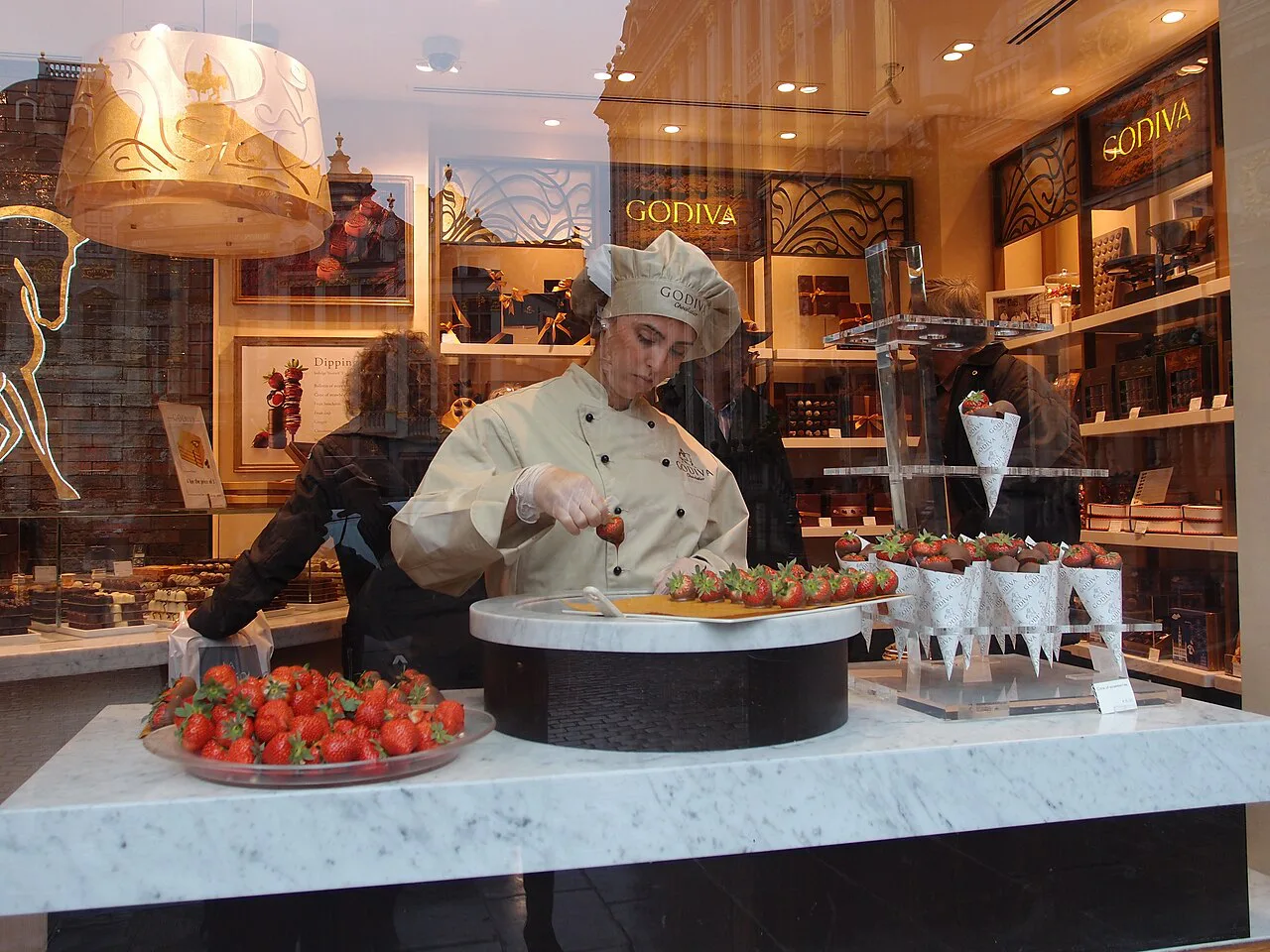
Card acceptance is not universal, though. Cash is still used in smaller towns and by independent businesses, less than in the past but not gone. A small chocolatier or a market stall in Ghent may take coins rather than cards, so a modest float is worth carrying.
Where cash still helps: small cafés, markets and parking meters
A little cash still earns its place. A morning coffee at a counter, a punnet of strawberries on a square, or a parking meter that takes coins are all easier with a few euros in your pocket. Keep some small change and a small note for these stops rather than relying entirely on a card.
Cash also helps with the small extras that make a city break: a tip left on a table, a souvenir from a stall, or a locker at a museum. Carry enough to cover a day of incidentals, then top up from an ATM rather than hauling a large sum around.
Cash machines and airport exchange: fees and rates to avoid
ATMs are everywhere in Belgium, but some charge small fees, so it pays to read the screen before you accept a withdrawal. The bigger trap is airport exchange counters, where rates and fees are poor. Withdraw euros from an ATM in town, or pay by card, rather than changing cash at the airport on arrival.
When an ATM or card machine offers to charge you in pounds instead of euros, decline. Choosing the local currency, EUR, keeps the conversion in your own bank's hands and avoids the extra conversion charges that come with paying in your home currency. The same rule applies at a till in Antwerp as at a cash machine in Ostend.
Paying in euros, not pounds: currency conversion at the card machine
Dynamic currency conversion is the name for the choice a terminal offers between euros and your home currency. Pick euros. The machine then sends the transaction in EUR and your bank converts it, which avoids the extra conversion charge and the poorer rate that the terminal's own conversion usually carries.
This is the mistake that costs UK and US travellers the most on a short break, because it repeats at every card machine and cash machine you touch. A simple rule: if the screen shows pounds or dollars, look for the euro option and select it. On a four-day trip across several Belgian cities, the difference adds up.
If you are travelling from the UK, the same logic starts before you leave: paying by card in euros usually beats buying cash at a poor rate at home. Our guide to Belgium by train explains how most UK visitors arrive, so you can plan to withdraw euros on arrival rather than carry them across.
Spend euros, tap where you can, carry a little cash
The short answer: Belgium uses the euro, cards and contactless do most of the work in Belgian cities, and a little cash covers the small extras. Always choose EUR at the terminal, and treat any leftover Belgian franc notes as history rather than holiday money. That is the whole currency plan for a city break.
Explore more Belgium guides
Sources
Useful notes for your next trip
Optional updates to our guides.
You might also like



Continue reading
More guides you'll find useful





