
Languages in Belgium: Dutch, French and What Visitors Should Speak
Belgium has three official languages: Dutch in Flanders, French in Wallonia and German in the east, with Brussels bilingual. Here is what to speak where.
On this page
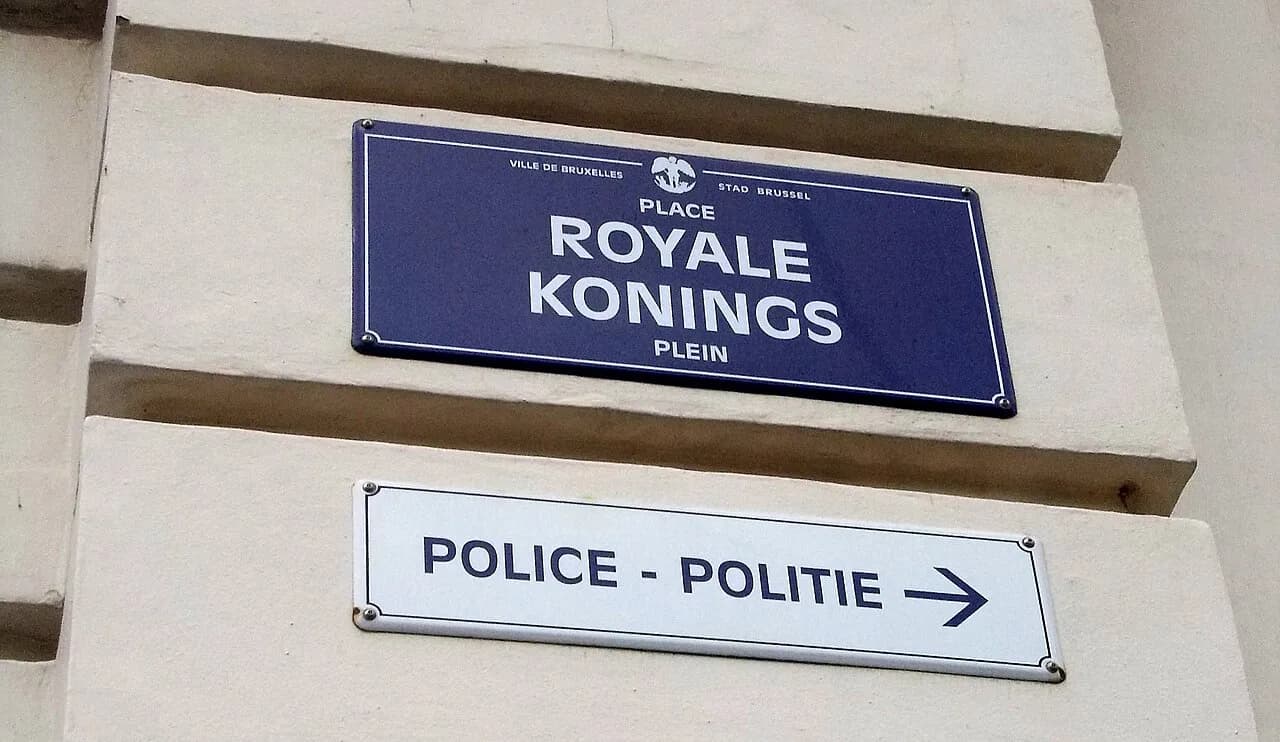
Belgium has three official languages: Dutch, French and German. Dutch is the language of the northern region, Flanders, French the language of Wallonia in the south, and German a small official language in cantons in the east of the Wallonia region.
That split maps neatly onto the cities a visitor is likely to book. Bruges (Brugge), Ghent (Gent), Antwerp (Antwerpen), Leuven and Ostend (Oostende) sit in Flanders and run in Dutch; Liège (Luik) and Namur are Walloon and run in French. Brussels is officially bilingual, and Ypres (Ieper) is a Flemish town even though the name reads French to many British visitors.
This guide takes the language question city by city, explains where Flemish fits in, and covers how far English will carry you. Pair it with our Belgium travel tips for the practical side of a first city break.
Which languages are spoken in Belgium
Three languages have official status across the country: Dutch, French and German. Dutch is used by more than 60% of the population in the northern part of the country, French in Wallonia, and German by roughly 1% of the population in the eastern cantons of the Wallonia region.
The version of French heard in Wallonia is standard French; Walloon, the local variant, is used by about a third of the population. Belgian schools officially teach French and Dutch, which is why so many Belgians move between the two without much fuss.
For a short break, the practical rule is simple: speak the language of the region you are standing in, and open with Dutch or French rather than English. It costs one word and changes the tone of the exchange.
Dutch in Flanders: Bruges, Ghent, Antwerp, Leuven and Ostend
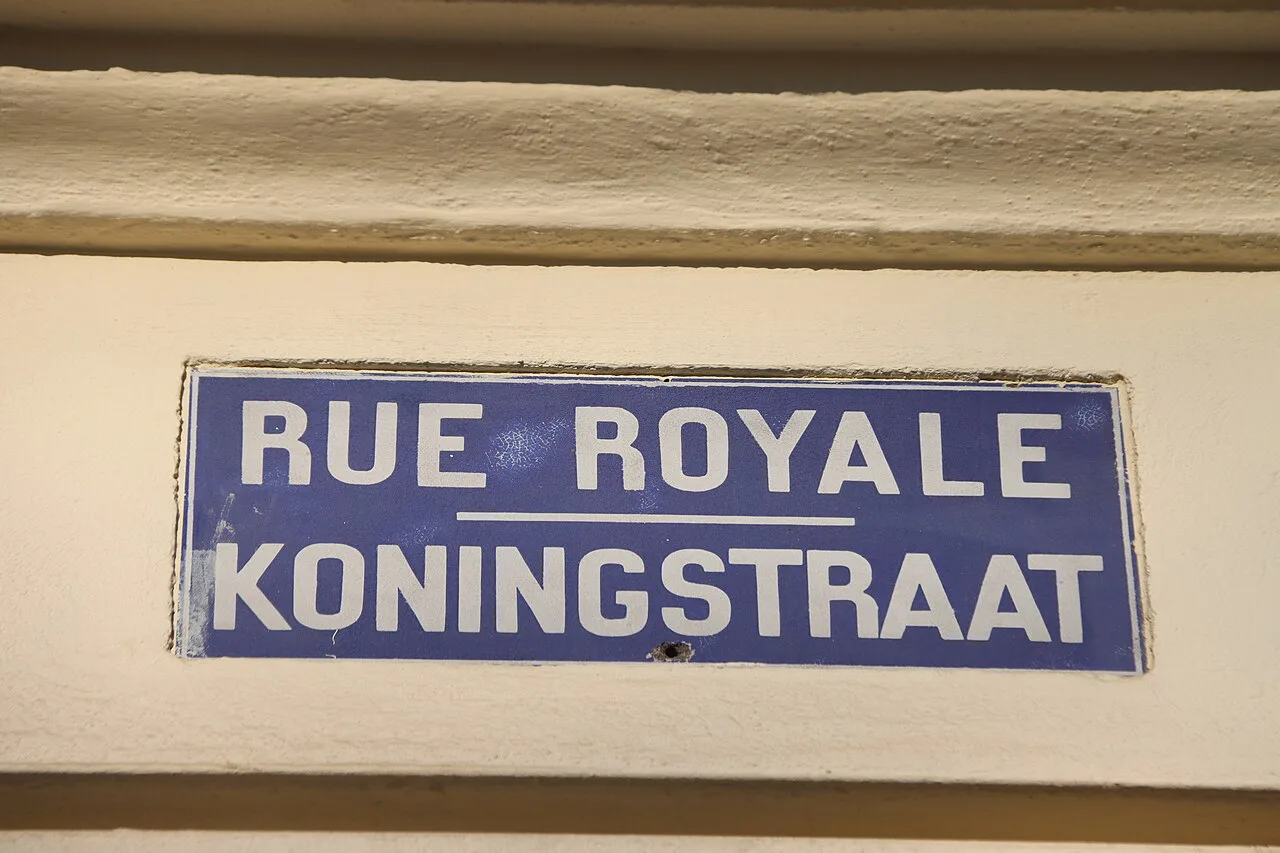
Flanders covers most of the cities on a classic Belgian circuit. Bruges, Ghent, Antwerp, Leuven (Louvain) and Ostend are all in the Dutch-speaking north, so signs, museum labels and menus are in Dutch first, often with French and English underneath.
Can I speak English in Belgium? In most situations, yes. Most Belgians speak or at least understand English, and hotel and restaurant staff in tourist areas normally do.
Is Flemish a separate language from Dutch? No. Flemish is the Dutch spoken in northern Belgium, and the written form is standard Dutch.
Place names are where British and American visitors most often slip. Brugge, Gent, Antwerpen and Oostende are the local forms, and Leuven appears as Louvain in French, so announcements on a train platform may use either. Using the local name in a shop, café or ticket office is understood instantly and saves repetition.
Dutch in Belgium is sometimes labelled Flemish on signage and printed material, but it is the same language as Dutch in the Netherlands, with local vocabulary and pronunciation. Treat it as one language when choosing a phrasebook and you will not go wrong.
French in Wallonia: Liège and Namur
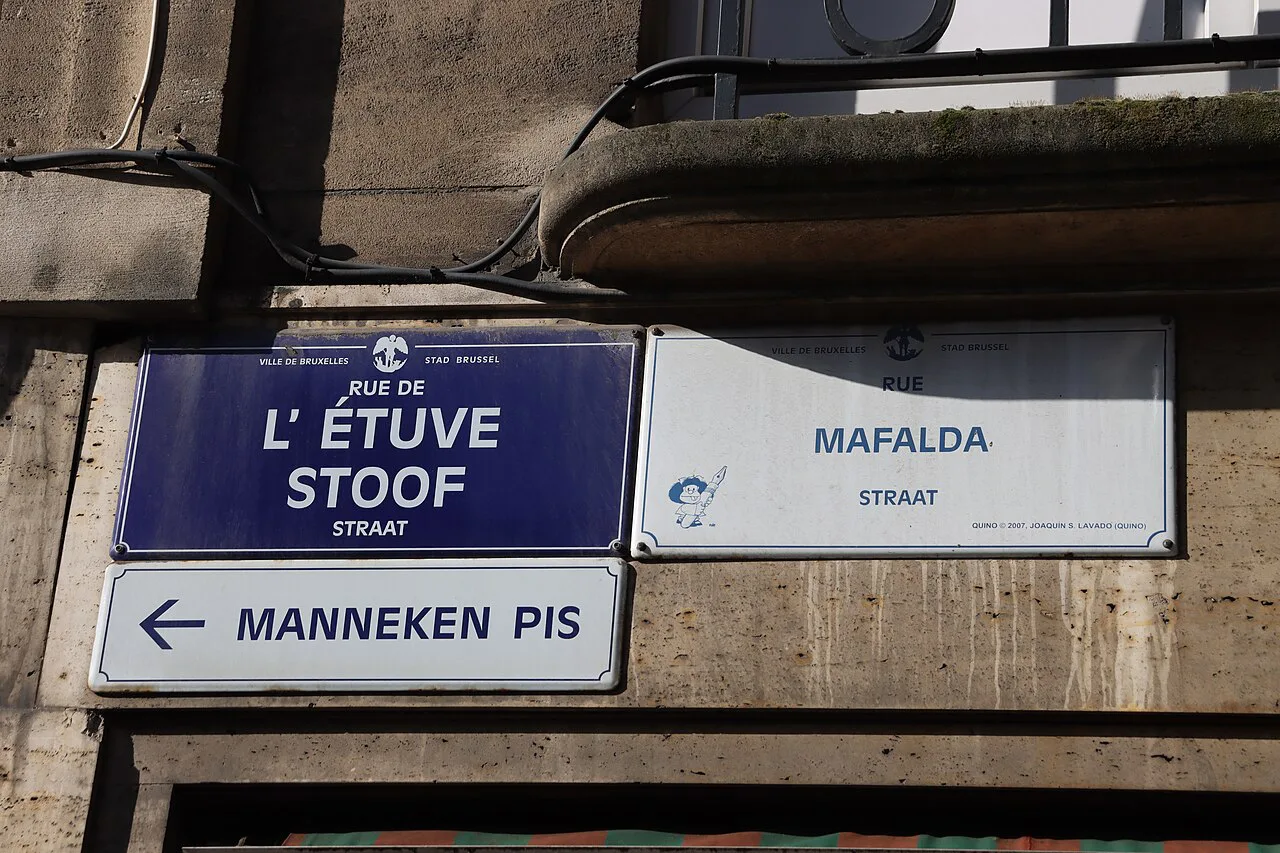
Liège and Namur are French-speaking, and the shift is immediate once you leave Flanders: street signs, shop fronts and museum text switch to French. Liège appears as Luik in Dutch and Namur as Namen, so a bilingual timetable may show three versions of the same city name.
A trip that pairs Ghent with Namur therefore crosses the language line, which is worth knowing when you plan a menu of two or three cities. The courtesy phrases change, but the structures of a short break do not.
Ypres (Ieper) is the common trap: the name looks French, but the town is in Flanders and Dutch-speaking. Visitors heading to the Menin Gate (Menenpoort) and the war memorials should open in Dutch, not French.
German in the east: the cantons of the Wallonia region
German is a small but official case, spoken by about 1% of the population in the cantons in the east of the Wallonia region. These lie towards the German border and are not on the standard Bruges–Ghent–Antwerp circuit.
It matters mainly for accuracy: German is a genuine official language rather than a visitor language, but a one to four day city break is unlikely to take you anywhere it is the everyday tongue.
Brussels, the bilingual capital
Brussels has two official languages, French and Dutch, and it is the one part of Belgium where both compete on the same street. French is the most common language in the city, and Flemish has grown in importance in recent years.
For a visitor using Brussels as a hub, French is the safer opening in a café or ticket hall, with Dutch as an equally correct alternative. If you are passing through on the way to a Flemish city, you can treat the capital as a preview of the language mix rather than a separate puzzle.
Are Flemish and Dutch the same thing?
Yes, in the sense that matters to a traveller. Flemish is the Dutch spoken in northern Belgium, not a separate official language, and the written form is standard Dutch.
The differences are regional accents and some vocabulary, roughly comparable to the gap between British and American English. A phrasebook for Dutch serves you across Flanders, and a Dutch speaker from the Netherlands will be understood without difficulty.
How widely is English spoken in Belgium?
Most Belgians speak or at least understand English, and in hotels and restaurants in tourist areas staff normally speak it. This is the practical reason a first visit to Bruges or Ghent feels easy even with no Dutch.
Do not read that as a free pass. In a bakery, a market stall or a small museum outside the main tourist streets, a Dutch or French greeting followed by English works far better than launching straight into English.
The two phrases that do most work are goedendag in Flanders and bonjour in Wallonia, each followed by a question in English. It is a small gesture, and it is the one most often remembered by the person serving you.
What language to use in each city
In Bruges, Ghent, Antwerp, Leuven and Ostend, open in Dutch; in Liège and Namur, open in French; in Brussels, French is the safest first choice with Dutch equally correct. In Ypres, use Dutch despite the French-looking name.
A multi-city trip will cross the line, so carry both sets of basics rather than committing to one. The overall shape of the break does not change much, and our guide to whether Belgium is expensive is a more useful planning lever than the language question.
A few words that help: Dutch and French basics for travellers
In Dutch, goedendag covers hello and goodbye, dank u is thank you, alstublieft is please, and spreekt u Engels? asks whether English is spoken. In French, bonjour, merci, s'il vous plaît and parlez-vous anglais? do the same work.
Numbers and days are worth recognising on tickets and market boards: lundi and maandag for Monday, mardi and dinsdag for Tuesday, mercredi and woensdag for Wednesday. Belgian prices are in euros, so knowing the local words for a bill and for card payment helps at a till.
Rather than memorise a long list, learn four phrases and the local name of each city you plan to visit. That combination handles almost every short exchange a three or four day break produces.
Which language should you open with?
Open with Dutch in Bruges, Ghent, Antwerp, Leuven, Ostend and Ypres, and with French in Liège and Namur. In Brussels, French is the common first language, but either official language is correct.
Then switch to English if the conversation needs it, which in tourist areas it usually will not. Carrying souvenirs home is a separate decision, and our guide to Belgian souvenirs covers what travels well.
Explore more Belgium guides
Frequently Asked Questions
Can I speak English in Belgium?
In most situations, yes. Most Belgians speak or at least understand English, and hotel and restaurant staff in tourist areas normally do. Opening with a Dutch or French greeting before switching to English works better in shops, markets and smaller museums.
Is Flemish a separate language from Dutch?
No. Flemish is the Dutch spoken in northern Belgium, and the written form is standard Dutch. Expect regional accents and some local vocabulary rather than a different language.
Sources
Useful notes for your next trip
Optional updates to our guides.
You might also like



Continue reading
More guides you'll find useful





