
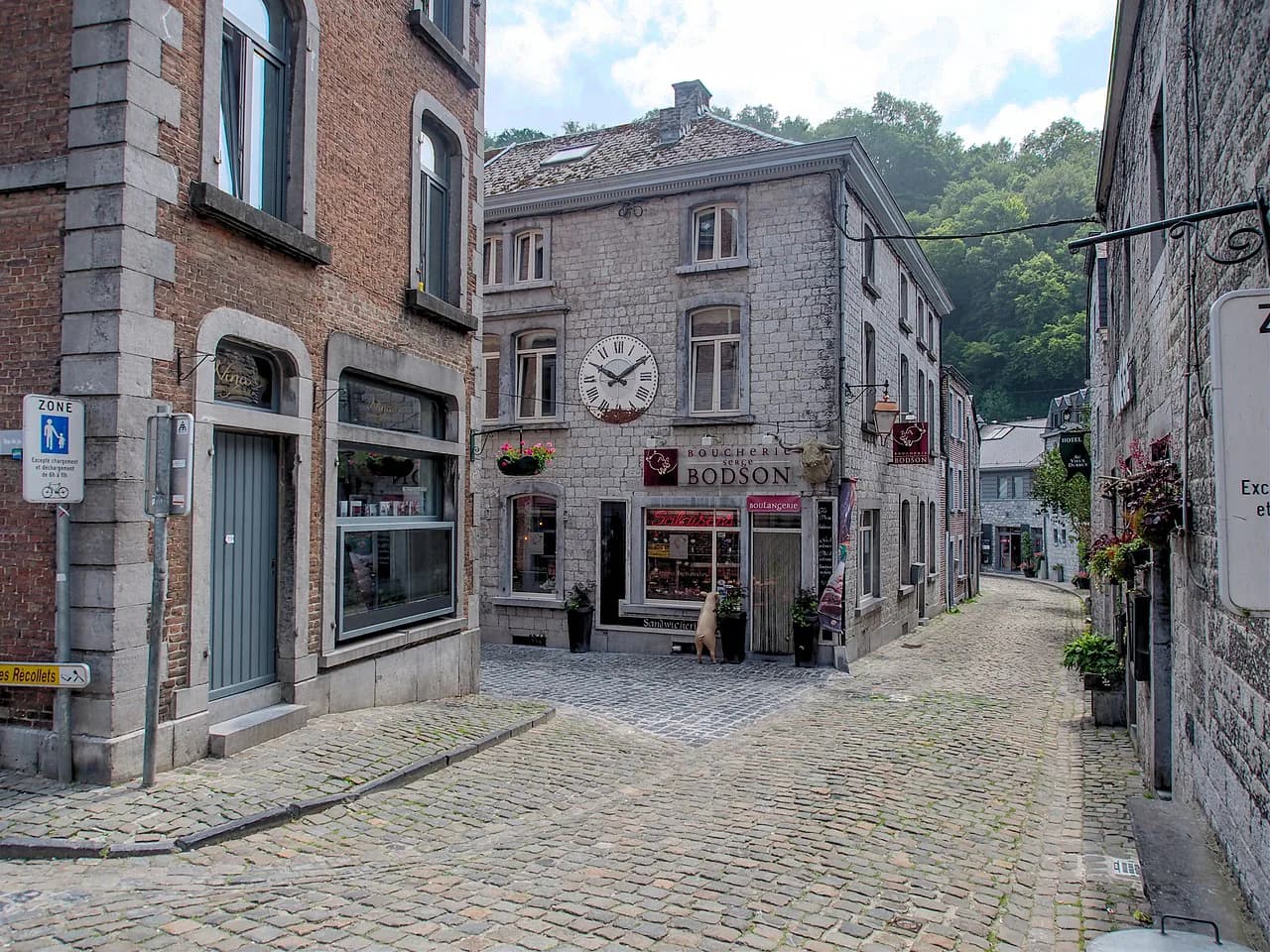
Most Beautiful Towns in Belgium: 9 Historic Towns Worth a Trip
Bruges, Ghent, Antwerp, Leuven, Ypres, Ostend, Namur and Liège: what each historic Belgian town is like on the ground and how long it needs.
On this page
Bruges is the most beautiful town in Belgium in most travellers' eyes, and it earns the title with the Markt, the Burg and the Belfort within a few minutes' walk of each other. But beauty is not the only test on a short break: Ghent matches Bruges for medieval fabric while feeling lived-in, and the Meuse towns of Namur and Liège offer river-valley drama instead of postcard squares. This guide covers nine historic towns, what each one is actually like on the ground and how long it needs.
The nine split into two clusters that rarely combine well on a two- or three-day trip. Bruges, Ghent, Antwerp and Leuven sit close together on the Flemish plain and link easily by rail; Ypres lies west of Ghent, while Ostend sits on the coast and Namur and Liège follow the Meuse in Wallonia. Picking a cluster first, then the towns inside it, is the decision that shapes the rest of the plan.
Why Belgium's prettiest towns are small and close together
Belgium packs historic centres into a small country, which is why a short break can cover two or three towns without long transfers. Bruges, Ghent, Antwerp and Leuven form the tightest group on the Flemish plain, as does Ypres to the west. That density is the country's main advantage for travellers with only a few days.
The trade-off is that the prettiest centres are also the smallest and most concentrated. Bruges's historic core is compact enough to cross on foot in half an hour, which makes it intensely walkable and equally intense when busy. Ghent spreads its medieval streets over a larger centre, so the same architecture comes with more breathing room.
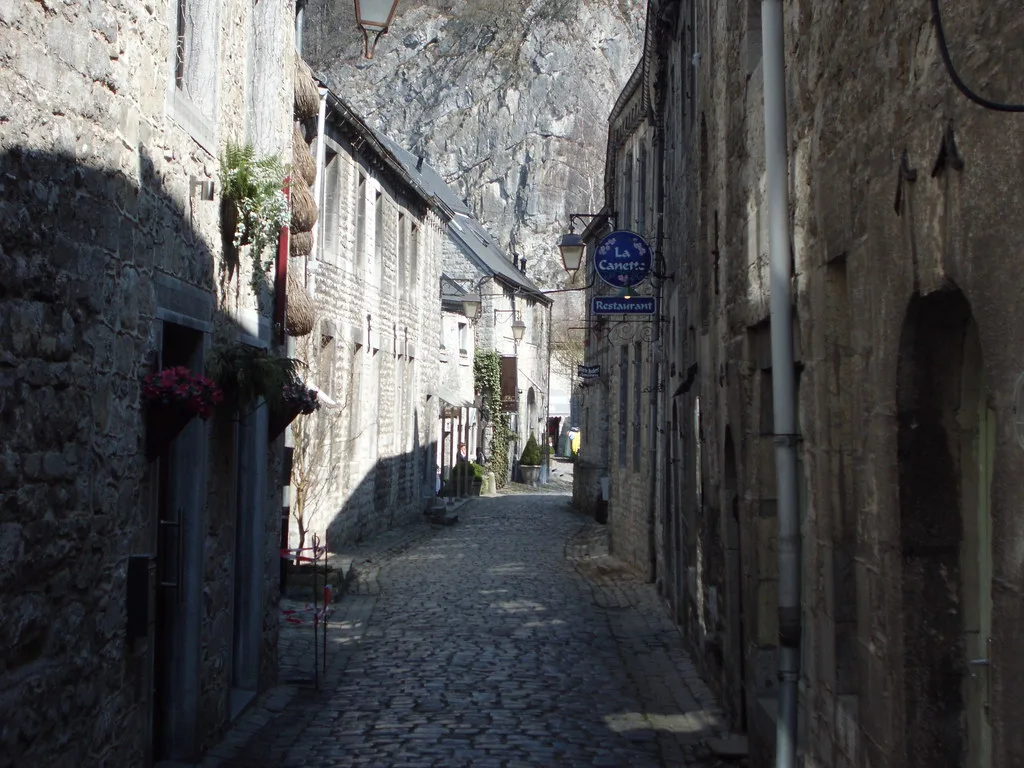
Bruges (Brugge): Markt, Burg and the Belfort
Bruges is the obvious first answer to which Belgian town is the most beautiful. The Markt is a wide square of stepped gables, the Burg next door holds the town hall and the Basilica of the Holy Blood, and the Belfort tower rises over the Markt as the city's landmark. Half-timbered houses and canal views around the Groenerei complete the picture most travellers come for.
Which is the most beautiful town in Belgium? Bruges is the most photographed and most consistently named, with the Markt, the Burg and the Belfort within a few minutes of each other. Ghent is the strongest rival, offering comparable medieval streets with a lived-in centre and more breathing room.
What are some lesser-known Belgian towns to visit? Leuven is the quietest of the Flemish quartet, with the Grote Markt, the Gothic town hall and the Kruidtuin botanical garden. Ypres offers the Lakenhalle and the Menin Gate memorials in a small, walkable centre.
How many days do the Belgian towns need? Bruges and Ghent both want two days: one for the core and one for the quieter edges and a museum. Antwerp needs two to three days because it is a real city, while Leuven and Ypres each fit into a single full day.
Its beauty comes with the heaviest footfall of any town on this list, concentrated in a small area around the Markt and the canals. Going early in the day or staying overnight changes the experience more than any other choice here, because the day-trippers thin out in the evening. Two days lets you see the core calmly and still walk the quieter canal ring.
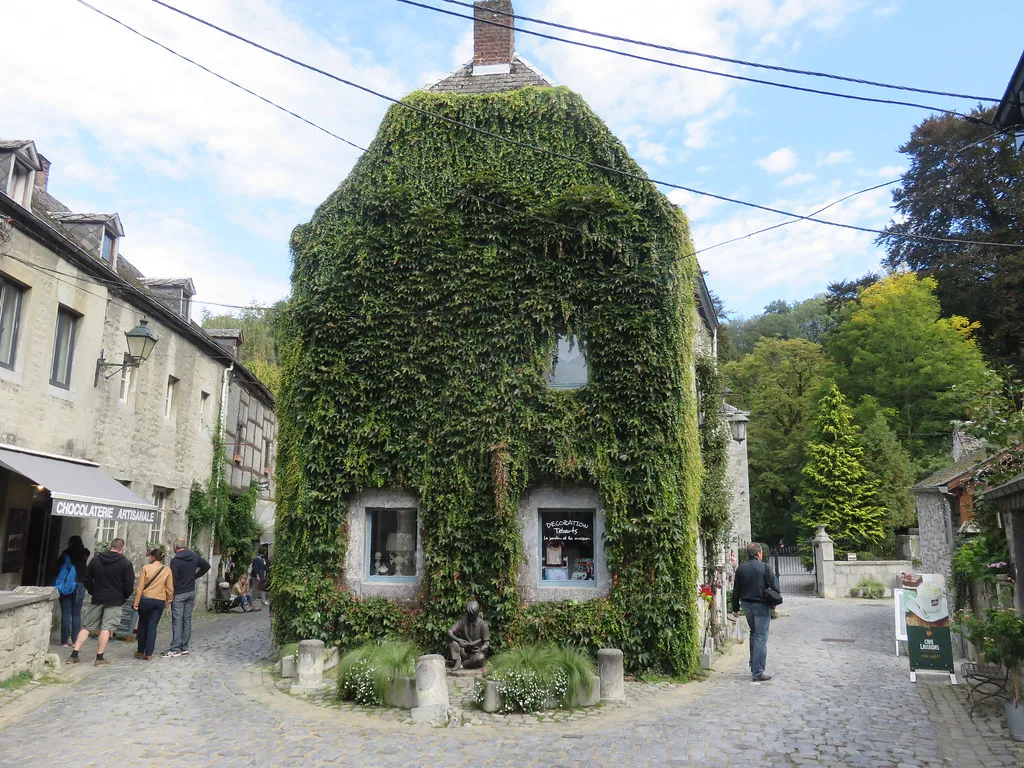
Ghent (Gent): Graslei, Korenlei and Gravensteen
Ghent gives you medieval quaysides without the theme-park feel. The Graslei and Korenlei face each other across the Leie, lined with gabled guildhouses, and the Gravensteen castle sits a short walk away with its moat and towers intact. Sint-Baafskathedraal holds the van Eyck altarpiece, the Adoration of the Mystic Lamb, which draws visitors on its own.
The honest comparison is that Ghent's centre is bigger, busier with everyday life and less uniformly pretty than Bruges, and that is exactly why many travellers prefer it. You get comparable medieval fabric with students, cyclists and working streets around it. Two days is the comfortable minimum, one day if you stick to the Graslei, the castle and the cathedral.
Antwerp (Antwerpen): Grote Markt, Vleeshuis and the Scheldt
Antwerp is a city rather than a small town, and that scale is the point: the Grote Markt with its guildhouses and Brabo fountain, the cathedral spire, and the Vleeshuis near the old harbour all sit in a walkable old centre. The Scheldt quays give the city an open, watery edge that Bruges and Ghent lack, and the MAS museum has a rooftop viewpoint over the port.
Because Antwerp is bigger, it needs more time than its prettiest square suggests: two days covers the old centre and the riverfront, three if you add the fashion district and the museums. It also works as a base, with frequent trains to Ghent and Bruges, though the station area is a modern commercial neighbourhood rather than a historic one.
Leuven (Louvain): the student city's squares and Kruidtuin
Leuven is the quietest of the Flemish quartet and the easiest to underestimate. The Grote Markt is one of Belgium's longest, the Gothic town hall faces it across the square, and Sint-Pieterskerk holds its own altarpiece and pulpit. The Kruidtuin, a historic botanical garden, gives the centre a green pause that Bruges and Antwerp lack.
Its character comes from the university: term-time streets are full of students, and the atmosphere is younger and less polished than Bruges. One day is enough for the squares, the beguinage and the botanical garden, which makes Leuven a good half-day addition to a Brussels-based trip rather than a destination in its own right.
Ypres (Ieper): Lakenhalle and the Menin Gate memorials
Ypres is beautiful in a different register: the Lakenhalle, or Cloth Hall, dominates the Grote Markt and is one of the largest secular Gothic buildings in Europe, rebuilt after the First World War. The Menin Gate, or Menenpoort, stands at the eastern edge of the old town and carries the names of British and Commonwealth soldiers with no known grave.
Visit Ypres for the memorial landscape as much as the architecture, and treat the cemeteries and the gate with the quiet they ask for. The town itself is small and easily covered on foot, so one full day covers the Cloth Hall, the gate and the surrounding sites. It pairs naturally with Bruges or Ghent, both a short rail hop away.
Ostend (Oostende): the promenade and the North Sea front
Ostend is the coastal answer on this list, a town of sea air and wide promenades rather than stepped gables. The seafront, the pier and the church of Sint-Petrus-en-Pauluskerk give the centre a distinctive look, and the town has a working, all-weather feel that resort towns often lose. Fort Napoleon and the Atlantic Wall heritage sit a short distance from the centre.
Be honest about the trade-off: Ostend does not have the medieval core of Bruges or Ghent, so it works best as a contrast stop rather than a primary destination. A day is enough for the promenade and one museum, and it combines naturally with Bruges, which is a short rail journey inland.
Namur (Namen): the Citadelle above the Meuse and Sambre
Namur is where Wallonia's river country begins. The Citadelle de Namur sits on the ridge above the confluence of the Meuse and the Sambre, and the walk up through its terraces gives the best view over the town. The centre below has a compact historic core around the Place d'Armes and the cathedral.
The citadel and the rivers are the reason to come, and they set Namur apart from the Flemish towns: it is dramatic rather than pretty, with fortifications and water rather than belfries and canals. One day covers the citadel and the centre, though two lets you slow down and follow the Meuse. It pairs naturally with Liège along the same river.
Liège (Luik): Montagne de Bueren and the Meuse valley
Liège is the biggest and grittiest town on this list, and the Montagne de Bueren is its signature sight: a staircase of hundreds of steps climbing from the old town to the citadel ridge. The climb is the point, with the view opening over the roofs and the Meuse as you go. The historic centre around the Place Saint-Lambert and the cathedral repays a wander at street level.
Liège trades prettiness for scale and river-valley drama, so it suits travellers who have seen Bruges and Ghent and want something different. The Montagne de Bueren is steep and best done with time to spare, and the city needs a full day to justify the journey. It pairs with Namur along the Meuse line.
How many days each town needs
Bruges and Ghent both want two days: one for the core and one for the quieter edges and a museum. Antwerp needs two to three days because it is a real city, while Leuven and Ypres each fit into a single full day. Namur and Liège likewise take a day apiece, with a second day only if you want to slow down.
The useful habit is to count half-days rather than days: most of these centres are small enough that a morning on the main square and an afternoon in a museum or along the water covers the essentials. That arithmetic is what makes a two-centre trip realistic in three or four days.
Which towns pair well on one trip
The strongest pairing is Bruges and Ghent, which sit close enough to visit from one base and contrast neatly: one is the polished medieval postcard, the other is a working city with the same architecture. Adding Antwerp makes a natural three-stop Flemish route along the rail line, with Leuven as an optional fourth.
In Wallonia, Namur and Liège pair along the Meuse, giving two river towns with very different characters: Namur compact and fortressed, Liège large and gritty. Ostend and Ypres work as separate day trips from a Flemish base rather than as a pair, since they lie in opposite directions from Ghent.
How to choose if you only have time for two
With two towns only, choose Bruges and Ghent if you want the classic Belgian picture, or Bruges and Antwerp if you want a small-town day followed by a big-city one. Choose Namur and Liège instead if medieval squares matter less to you than rivers, citadels and a sense of place in Wallonia.
If you have a weekend only, pick one base and one contrast town rather than three stops: Bruges with a day in Ghent is the most efficient use of two days. Spending both nights in one town also lets you see the quietest hours, when the day-trippers have gone and the squares belong to residents again.
Which Belgian town should you book first?
Start with Bruges if you want the single most beautiful town in Belgium, and book Ghent alongside it if you can spare a second day: the pair gives you the polished and the lived-in versions of the same medieval architecture. If you want something quieter, Leuven or Ypres fits a single day, and the Meuse towns of Namur and Liège reward a traveller who has already seen Flanders.
Whichever you choose, one habit makes the trip: pick the cluster first, then the towns within it, and leave the rest for another visit. Trains between the Flemish towns are frequent enough that you can be flexible once you are there, and a single base removes the friction of moving luggage between short stops.
Explore more Belgium guides
Frequently Asked Questions
Which is the most beautiful town in Belgium?
Bruges is the most photographed and most consistently named, with the Markt, the Burg and the Belfort within a few minutes of each other. Ghent is the strongest rival, offering comparable medieval streets with a lived-in centre and more breathing room. Namur and Liège are dramatic rather than pretty, with river valleys and a citadel instead of belfries and canals.
What are some lesser-known Belgian towns to visit?
Leuven is the quietest of the Flemish quartet, with the Grote Markt, the Gothic town hall and the Kruidtuin botanical garden. Ypres offers the Lakenhalle and the Menin Gate memorials in a small, walkable centre. Namur and Liège give a different register entirely, with river valleys and fortifications along the Meuse.
How many days do the Belgian towns need?
Bruges and Ghent both want two days: one for the core and one for the quieter edges and a museum. Antwerp needs two to three days because it is a real city, while Leuven and Ypres each fit into a single full day. Namur and Liège likewise take a day apiece, with a second day only if you want to slow down.
Sources
Useful notes for your next trip
Optional updates to our guides.
You might also like



Continue reading
More guides you'll find useful



