A Weekend in Belgium: Bruges, Ghent or Both in Two Days
Plan a weekend in Belgium around Bruges and Ghent: what fits into two days, which old town to walk first, and when one city beats splitting the trip.
On this page
A weekend in Belgium fits two old towns comfortably if you pick Bruges and Ghent, which sit close enough to pair and differ enough to justify both. Bruges is the compact set piece you cross in half an hour; Ghent is the larger student city where the same half-hour buys you less. This plan sets out a day in each, a shortlist of museums worth your hours and an honest verdict on when one city alone makes the better trip.
The trade-off is depth against variety. Give Bruges a full day and you have time for the Markt, the Belfry climb and one museum; give Ghent a full day and you can walk Graslei and Korenlei, look up at Gravensteen and step inside Sint-Baafskathedraal without rushing. If your break includes a Monday, plan around it, because the big Bruges collections are museum venues with their own opening days rather than things you can assume are open.
Two days, two cities: the quick answer on Bruges and Ghent
Bruges first, Ghent second, one day each, is the cleanest weekend shape. Bruges rewards an early start because its sights cluster tightly between Markt, Burg and the Dijver, so you can bank the essentials before lunch and spend the afternoon on canals or a museum. Ghent then gives you a different register: a working city with a student population, a bigger spread of streets and a waterfront that bears comparison with anything in Flanders.
If you only have one night, sleep in the city you want to see at dusk and take the other as a half-day. The pair works because the old town of Bruges can be crossed on foot in about half an hour, and trains from Brussels reach Bruges in just under an hour, so neither city swallows a whole day in transit.
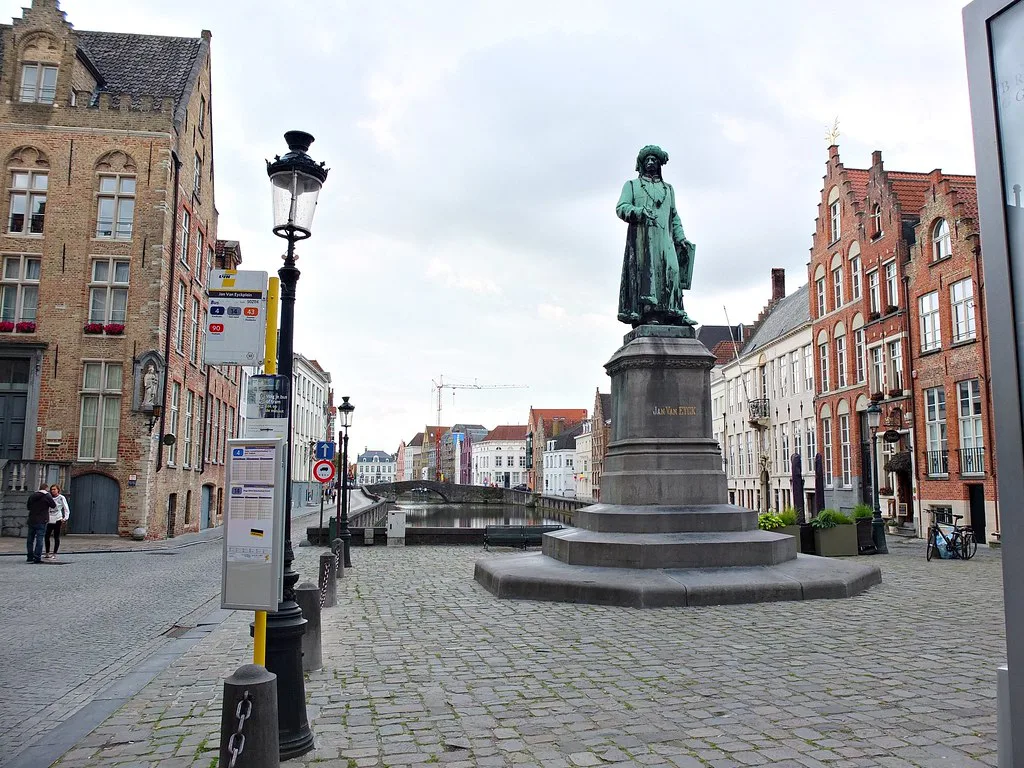
Which city first: Bruges as the compact medieval set piece
Start with Bruges. Its historic heart has changed so little since medieval times that the entire city centre holds UNESCO World Heritage status, and the effect is strongest before the day-trippers arrive. The core is small enough that you can walk from the Markt to the Minnewater in one afternoon without a map, which makes it the ideal first day when you are still learning how the country works.
Which is nicer, Bruges or Ghent? They suit different tastes. Bruges is more compact and photogenic, with the Markt, Belfry and canals packed into a small centre you can cross in half an hour.
What is a good itinerary for four days in Belgium? Stretch the two-city weekend into four days by giving Bruges two full days and Ghent two. In Bruges, use the first day for Markt, the Belfry climb, Burg and the canals, and the second for the Groeningemuseum, Museum Sint-Janshospitaal and the Minnewater walk.
The payoff for that compactness is crowds and a slightly stage-set feel around the busiest squares. Accept it and work with it: see the headline sights early, then push south or east into quieter lanes where the canals do the work. Bruges rewards deliberate wandering more than checklist ticking.
Ghent as the bigger, livelier student city
Ghent is the counterweight. It has the same medieval bones but a modern pulse, and its sights sit further apart, so a day here feels like more walking and less queueing. The classic loop runs from the Graslei and Korenlei quays, where the gabled guild houses line the water, up to the Gravensteen castle and across to Sint-Baafskathedraal.
That loop alone fills a morning at an unhurried pace. Because Ghent is larger, resist the urge to add a third district; pick either the castle interior or the cathedral fine art and give it real time rather than grazing both.
Day one in Bruges: Markt, Belfry and the Burg
Begin on the Markt, the grand central square where the Belfry rises 83 metres above the Cloth Hall directly overhead. The climb is 366 steps, and the reward at the top is the view and the enormous musical drum that drives a carillon of 47 bells. Time your arrival for a concert if you can, since seeing the mechanism at work is the real point of the tower.
Cross to the Burg for the Stadhuis, one of the oldest city halls in the Low Countries, built between 1376 and 1421. The Markt also hosts a weekly market that has run for roughly a thousand years, still useful on Wednesday mornings for picnic supplies rather than as a spectacle.
Save the afternoon for the walk towards the Minnewater, a lake about 15 minutes south of the Markt, crossing the Wijngaard Bridge to reach the Begijnhof. The white-fronted Beguinage, founded in 1245, is the quietest stop of the day and the right place to end it.
Bruges museums for a short break: Groeningemuseum, Sint-Janshospitaal and Choco-Story
With one day in Bruges you can fit one, perhaps two, museums. The Flemish Primitives are the city's artistic argument: works by Jan van Eyck and Hans Memling hang at the Groeningemuseum on Dijver, Museum Sint-Janshospitaal on Mariastraat and the O.L.V.-kerk Museum, where Michelangelo's Madonna and Child sits in the Church of Our Lady.
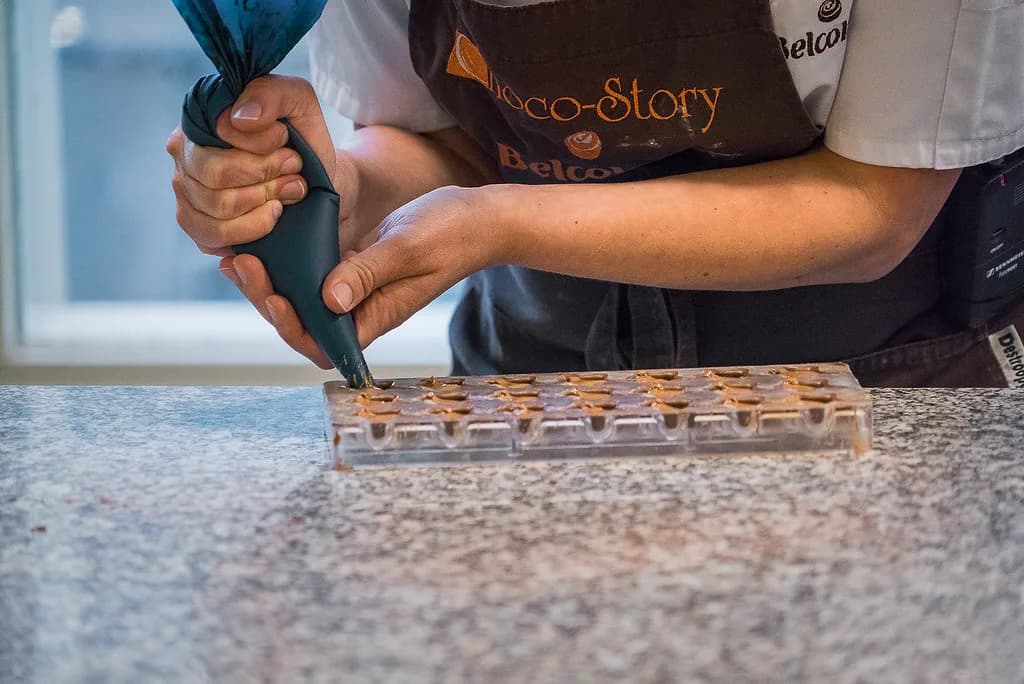
Choco-Story, on Wijnzakstraat near Jan van Eyckplein, takes a different tack: four floors on the history of cocoa, an audio guide, and chocolate made by hand on the premises. Adult admission is listed at 16 euros, with reductions for seniors, students and children, and combination tickets with the Fries Museum or Diamond Museum available.
Choose by appetite rather than completeness. If paintings are the reason you came, the Groeningemuseum earns its hours; if you are travelling with people who need variety, Choco-Story is shorter and more tactile. Note that the Sint-Janshospitaal, Groeningemuseum and Gruuthusemuseum are Musea Brugge venues, and their own pages carry the current days and times.
Canals and the Minnewater end of town on foot
A canal boat is the fastest way to get your bearings, and departures run from five stops between Jan van Eyck Square and the Beguinage. It is a swan's-eye introduction rather than a substitute for walking, so pair it with the Hansa District, where Spanish traders settled on Spaanse Loskaai and the Hanseatic League on Oosterlingenplein.
On foot, the finest view is from the Spiegelrei canal towards the Burgher's Lodge. Walk it late in the day when the light softens the brick, then follow the water south to the Minnewater. This loop takes a couple of unhurried hours and needs no tickets.
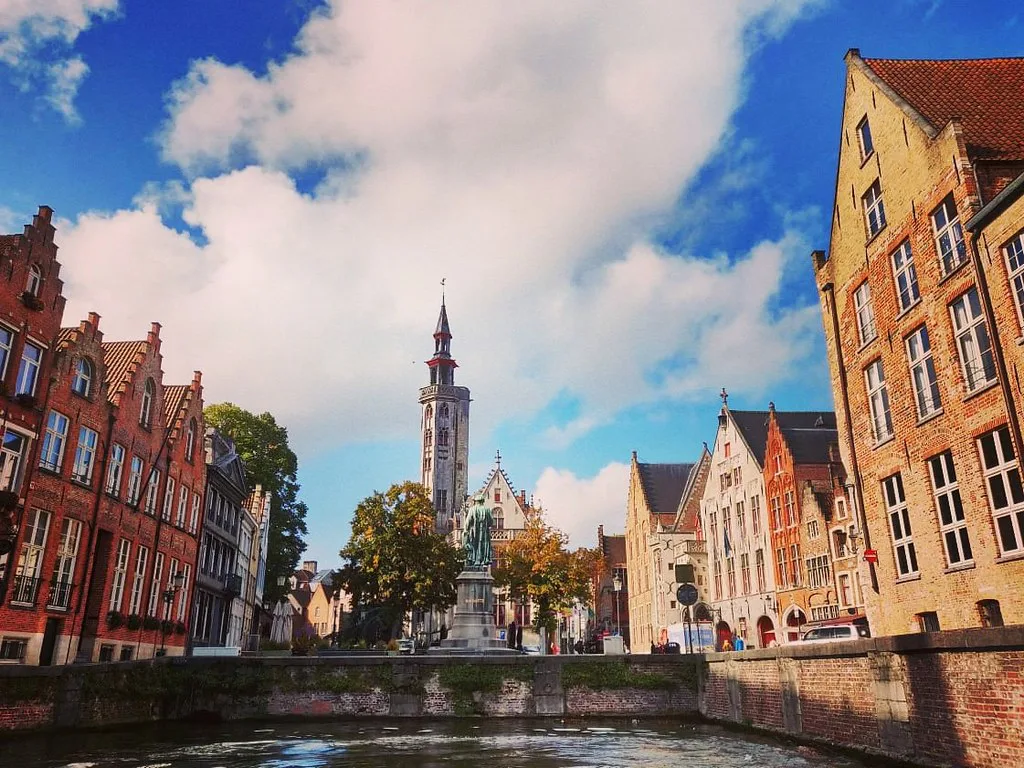
Day two in Ghent: Graslei and Korenlei, Gravensteen and Sint-Baafskathedraal
Start on the Graslei and Korenlei, the twin quays where medieval guild houses stand shoulder to shoulder along the Leie. It is the most photographed stretch in Ghent and rightly so, but walk it early before the terraces fill. From there the Gravensteen, a moated castle with a fairy-tale profile, is a short walk through the old centre.
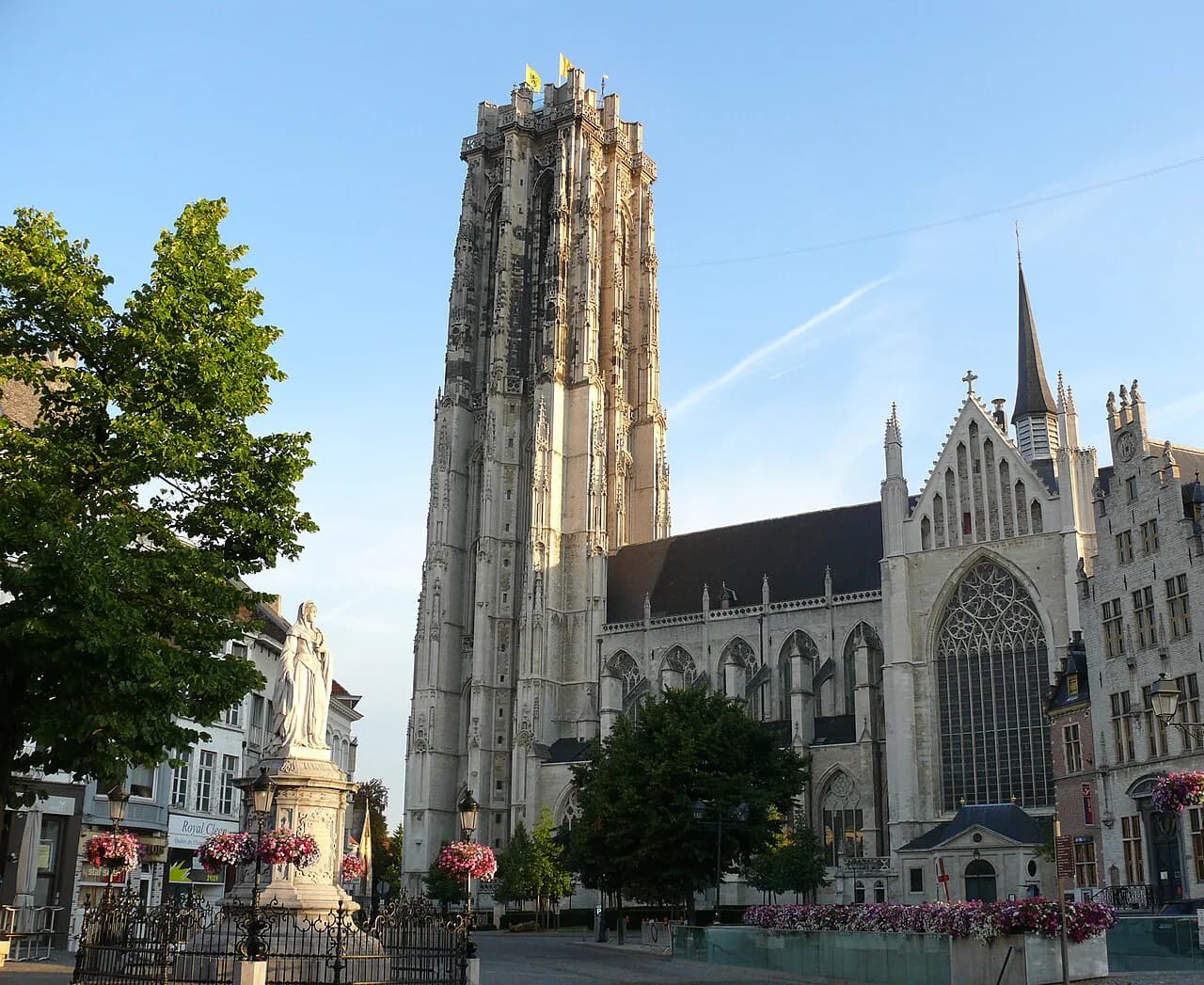
Sint-Baafskathedraal, a few minutes further, holds the Ghent Altarpiece, the van Eyck brothers' masterpiece and the reason many people come. Decide in advance whether you want the cathedral alone or the castle interior too; doing both properly takes most of a day.
Lunch around the quays rather than the cathedral square, then spend the afternoon drifting through the streets towards the student quarter. Ghent's pleasure is its lived-in texture, so leave space at the end of the day for a slow loop back to the water.
How long each old town takes to cross on foot
Bruges is the smaller footprint: the old town takes about half an hour to cross on foot, and that figure holds in practice. Ghent's centre is wider, and the walk from Graslei to Sint-Baafskathedraal and back via the castle covers the core without being a full circuit. In other words, Bruges fits a day plus an evening; Ghent wants a day with proper stops rather than a sprint.
Plan on roughly 10 to 15 minutes between major sights in Ghent. Those minutes add up, which is why adding a third city to a two-day weekend rarely works.
Saturday or Sunday: what a two-day weekend actually gives you
A Saturday–Sunday break gives you two full days, which is the version this itinerary assumes. The catch is that Sunday crowds peak in Bruges, and Sunday opening hours vary by venue. Check each museum's own calendar before you commit, and treat Saturday as the day for the busiest sights.
If your weekend runs Saturday to Monday, use Monday for Ghent's outdoor fabric: the Graslei, the Gravensteen exterior and the streets around Sint-Baafskathedraal need no ticket. Keep the museum-heavy Bruges day on Saturday.
Splitting the weekend between the two cities by train
The two cities are close enough that one base works. Bruges is just under an hour from Brussels by train, and the Belgian network links Bruges and Ghent directly, so you can sleep in either and day-trip to the other without losing hours. Book the London–Brussels leg separately: the London to Bruges journey runs to just over three hours.
If you want one base, choose Bruges for atmosphere and Ghent for a bigger choice of streets after dark. The trade-off is symmetry: basing in Bruges means a slightly longer day in Ghent, while basing in Ghent means Bruges at its best is a short train ride but not on your doorstep.
One-city weekends: when Bruges alone or Ghent alone is the better call
If you have only one full day, choose one city. Bruges is the better single-city weekend when you want the medieval set piece: the Markt, the Belfry, the canals and the Flemish Primitives fit neatly into one satisfying day. Ghent is better when you want a functioning city with the same medieval fabric and fewer tour groups.
Two days in one city is not wasted time. Bruges has enough museums and canal walks to fill a second day if you slow down, and Ghent's scale rewards a second pass. Splitting is for variety, not for coverage. For a wider comparison of Belgian cities and what each does well, the guide to the best cities in Belgium for a city break sets out the options, and our pick of the most beautiful towns in Belgium shows how Bruges and Ghent stack up against smaller Flemish centres.
Chocolate and beer as the third day-filler
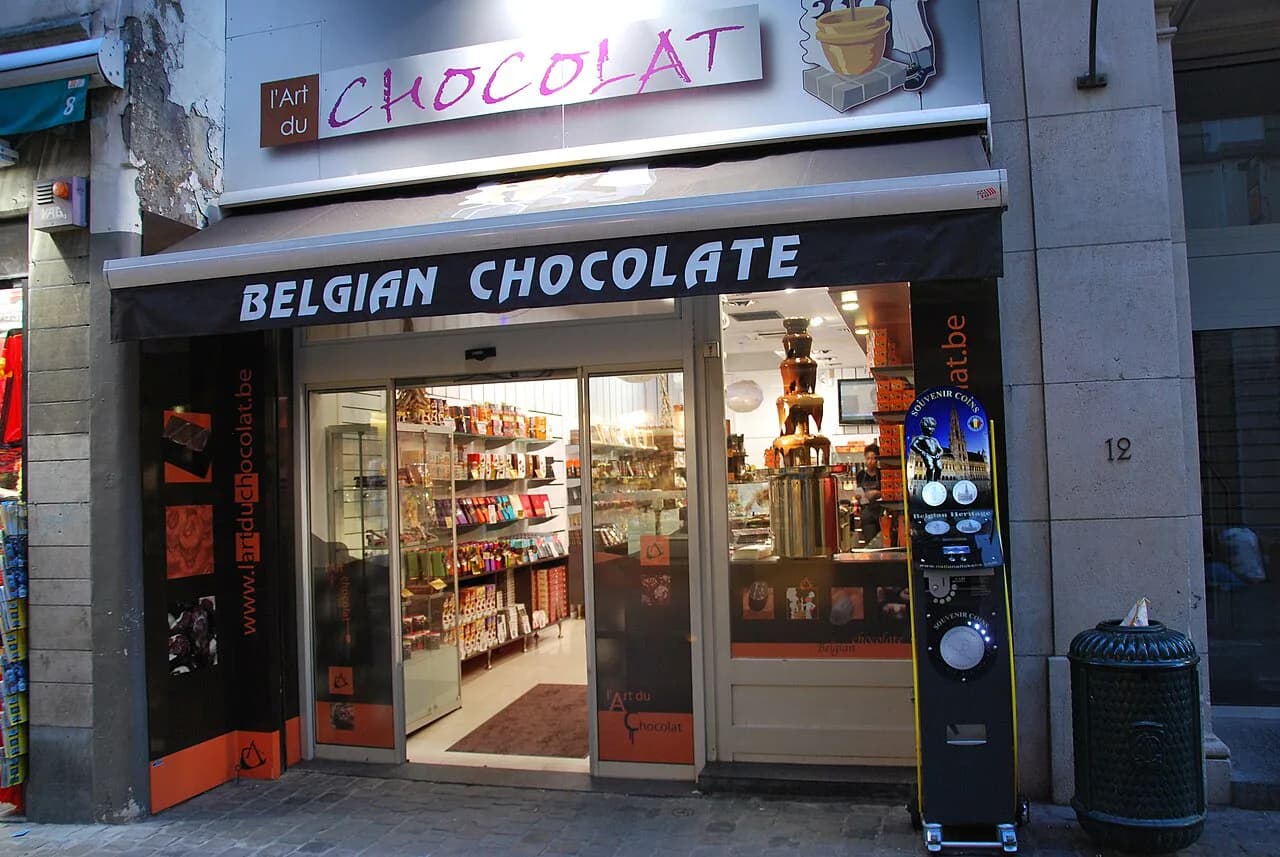
Chocolate shops sit on nearly every corner around the Markt in Bruges, and the national names are easy to find across Flanders: Neuhaus, Godiva, Leonidas, Mary and Côte d'Or. Leonidas built its reputation on making pralines accessible, while Mary dates from 1919 in Brussels and Charles Neuhaus registered the Côte d'Or brand in 1883. Use them as a tasting trail rather than a single stop.
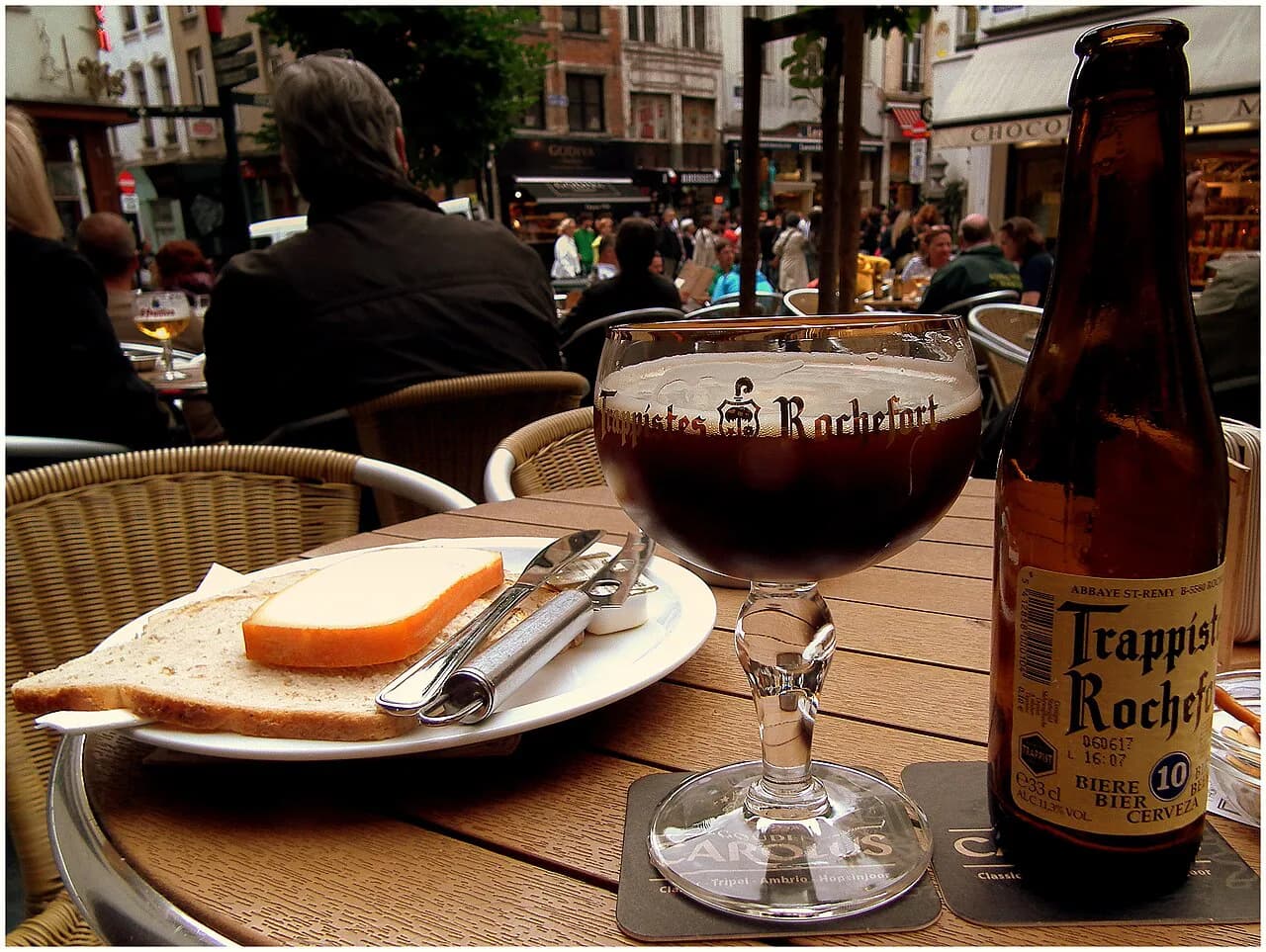
Beer belongs in the same third-day slot: a beer café in the afternoon, one good bottle rather than a crawl. If your weekend stretches to a third day, use it for whichever city you shortchanged rather than adding a new destination.
Which weekend shape suits you?
Choose the Bruges-and-Ghent split if you have two full days and want contrast: one compact medieval showpiece, one working city. Choose Bruges alone if you want photogenic canals and the Flemish Primitives in one neat day, or Ghent alone if student energy and a lived-in old town appeal more than postcard perfection.
Whichever you pick, book the Bruges day early, leave slack in Ghent and confirm museum days for your exact dates before you travel. A weekend in Belgium rewards a plan with room to wander, not a schedule with no gaps.
Explore more Belgium guides
Frequently Asked Questions
Which is nicer, Bruges or Ghent?
They suit different tastes. Bruges is more compact and photogenic, with the Markt, Belfry and canals packed into a small centre you can cross in half an hour. Ghent is larger, livelier and less polished, with the Graslei and Korenlei quays, Gravensteen castle and Sint-Baafskathedraal. If you want the fairy-tale version, pick Bruges; if you want a working city with medieval bones, pick Ghent.
What is a good itinerary for four days in Belgium?
Stretch the two-city weekend into four days by giving Bruges two full days and Ghent two. In Bruges, use the first day for Markt, the Belfry climb, Burg and the canals, and the second for the Groeningemuseum, Museum Sint-Janshospitaal and the Minnewater walk. In Ghent, spend one day on Graslei, Gravensteen and Sint-Baafskathedraal and the other on slower wandering through the old centre.
Sources
Useful notes for your next trip
Optional updates to our guides.
You might also like
Continue reading
More guides you'll find useful