
Belgium City Break: Which City to Pick and How to Plan It
Belgium city breaks hinge on one choice: Bruges for canals and medieval streets, Ghent for a living city, Antwerp for size and style. Here is how to pick.
On this page
For a first Belgium city break, Bruges is the easiest single choice and Ghent is the smarter one. Bruges is compact, photogenic and crossed on foot in about half an hour, while Ghent adds a working city around its medieval core. This guide compares the main cities, matches them to the days you have and shows which pairs work on a three-day train trip.
It covers Bruges in detail, from the Markt and Belfry to the Hansa District and Minnewater, then Ghent, Antwerp and five smaller cities. Each section names the squares, quays and churches you will actually walk between, with honest trade-offs on crowds and scale.
Which Belgian city suits a short break
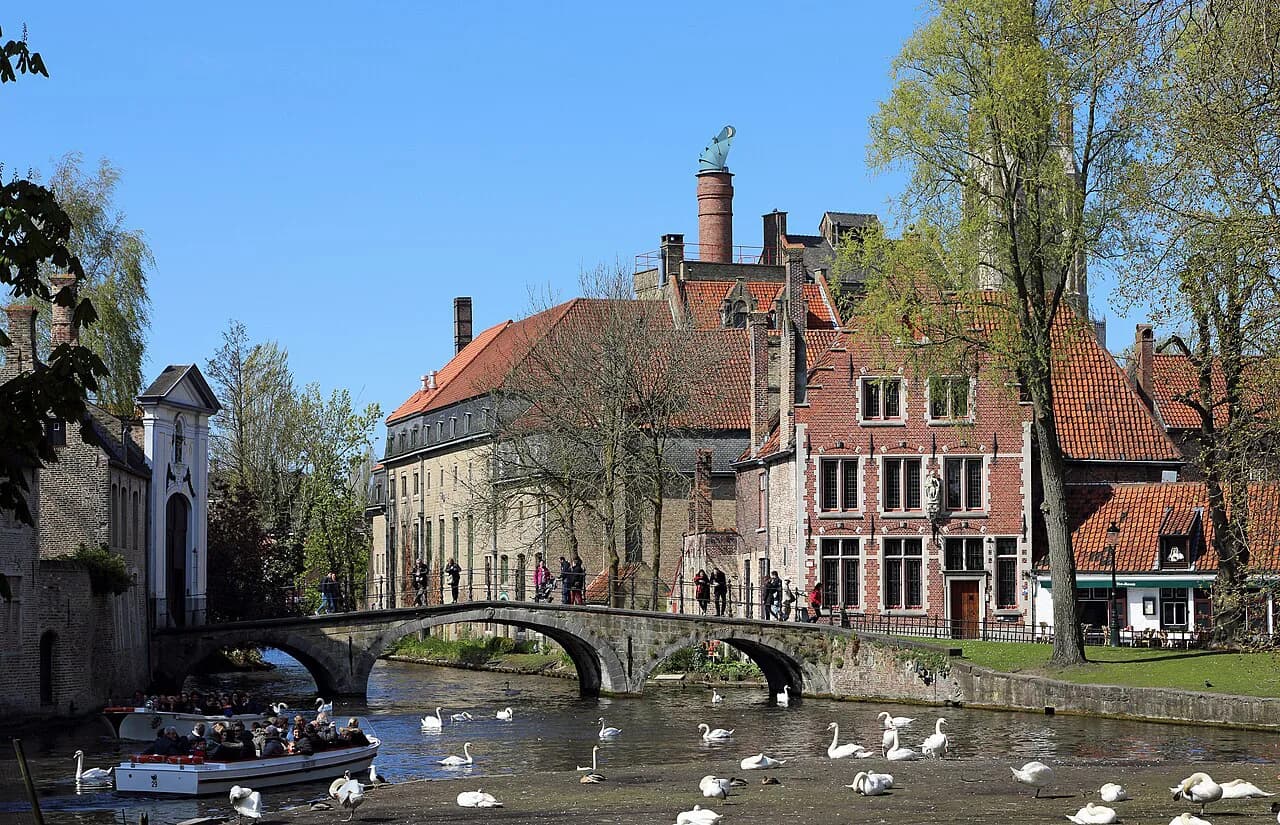
If you want one city where the sights sit close together, Bruges is the answer. The old town is a UNESCO World Heritage site and the historic heart has changed little since medieval times, so a single day covers the Markt, the Belfry and the canals without rushing. The trade-off is that the centre is busy with day trippers, especially at weekends.
Ghent suits travellers who want the medieval core without the theme-park feel. You get the Graslei and Korenlei quays, Gravensteen castle and Sint-Baafskathedraal in a city where people still work and study. Antwerp is the big-city option, with the Grote Markt, the Vleeshuis and a fashion identity that gives it a different rhythm to the canal towns.
The smaller cities work better as second stops or specialist trips. Leuven is a university city, Liège and Namur sit in the Meuse valley, Ostend is a seaside town and Ypres is the base for the WWI memorial landscape. For a wider shortlist before you commit, see the Most Beautiful Towns in Belgium.
How many days each city needs
Bruges needs a day and a half to do the centre properly, or one full day if you move briskly. The old town can be crossed on foot in about half an hour, so you are never far from the next sight. Adding Minnewater, a 15-minute walk south of the Markt, takes another hour or so.
Is Belgium affordable to visit? Belgium sits in the middle of Western European city-break costs. Museum tickets, boat tours and meals are priced in euros, and the total depends on the city and season.
Which is the nicest city in Belgium for a first visit? Bruges is the most photogenic for a first trip, with the Markt, the Belfry and the canals within a short walk. Ghent is the better choice if you want a working city around the historic centre.
What are the public holidays in Belgium? Belgium observes national public holidays through the year, and museums and shops can run Sunday or holiday hours on those dates. Check the official Belgian calendar before fixing your travel dates, then confirm opening days directly with the museums you plan to visit.
Ghent rewards two nights, because the historic core is only part of the city. Antwerp needs two or three days once you factor in the Grote Markt, the Vleeshuis and the wider neighbourhoods. Leuven, Namur and Ostend each fill a comfortable one-night stop, while Ypres needs two nights if you want time at the memorials and the Lakenhalle.
A four-night trip lets you stay in one city and take a train out for a day. A three-night trip is better split between two cities than spread across three. For a two-night version, the weekend in Belgium plan shows how little you need to move.
Bruges: Markt, the Belfry, the Hansa District and Minnewater
Start on the Markt, the grand central square where the Belfry rises 83 metres above the Cloth Hall. The weekly market has run here for about a thousand years and still sets up on Wednesday mornings, so a midweek visit gives you picnic supplies in the square itself. Look for the neo-gothic Provincial Court on the eastern side and the bronze statue of Jan Breydel and Pieter de Coninck.
Climb the Belfry for the view and for the carillon drum, a musical mechanism of gears, strings and 47 bells. The tower has 366 steps, and the concerts are cited at 11am on Wednesday, Saturday and Sunday, with summer evening concerts on Mondays and Wednesdays from 9pm. Verify the current schedule with the Belfry before you travel.
North of the Markt, the Hansa District keeps its trading character: Spanish merchants settled on Spaanse Loskaai and Hanseatic merchants on Oosterlingenplein. Walk to Jan van Eyckplein, once a wealthy port, and look along the Spiegelrei canal towards the Burgher's Lodge for one of the finest views in town. The Toll House and the narrow Rijkepijndershuis, decorated with porters carrying heavy loads, sit nearby.
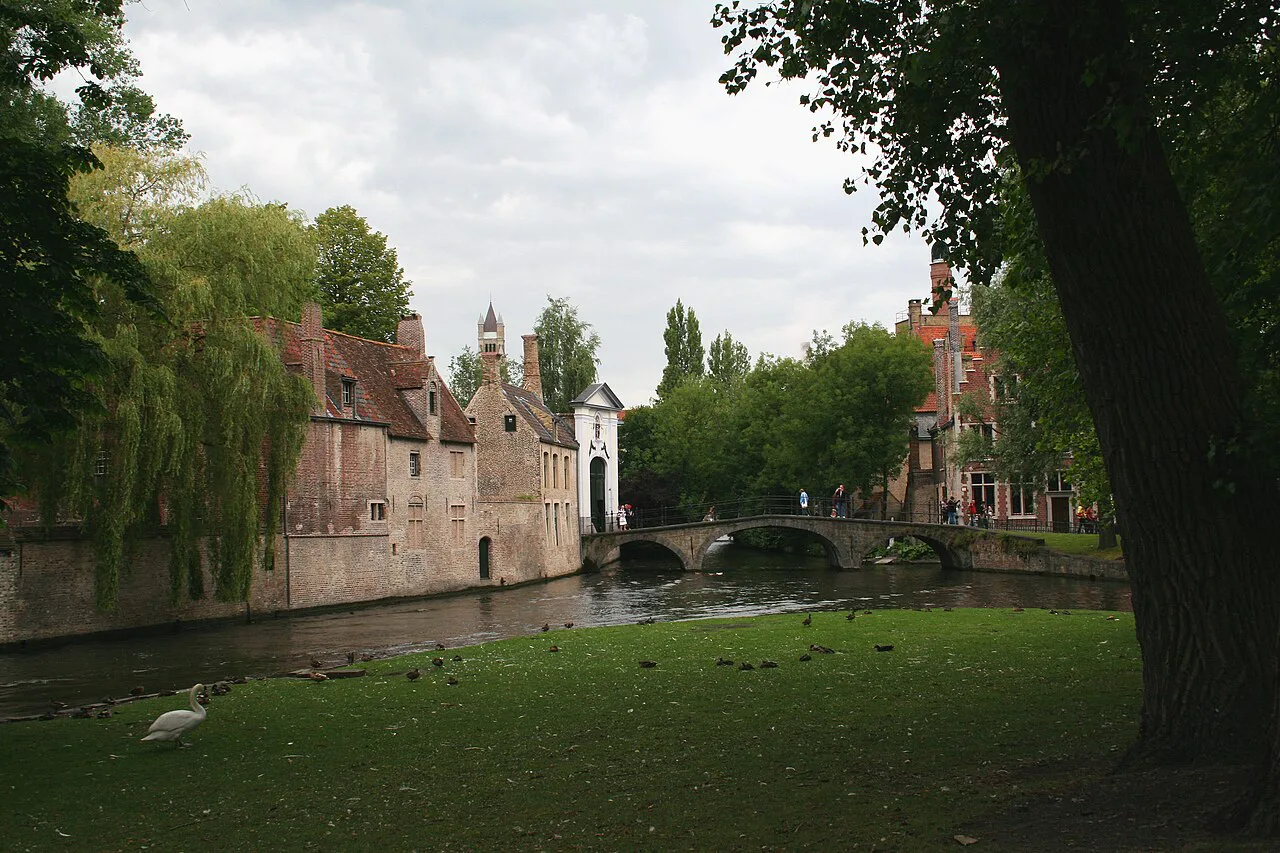
Finish at Minnewater, the Lake of Love, about 15 minutes south of the Markt on foot. The park around it feels far from the crowds, and the nearby Beguinage is reached by the Wijngaard Bridge. A canal boat tour from one of the five stops between Jan van Eyck Square and the Beguinage is a good way to see the city from the water on a first afternoon.
Bruges also suits chocolate shopping, with shops on almost every corner around the central square, and the Groeninge Museum holds Flemish masterpieces. The Church of Our Lady is the third stop on a short walking loop. Bruges is easy to reach by train, with journeys from Brussels taking just under an hour. Many travellers pair the city with a Grote Markt stop elsewhere in Flanders, and the Most Beautiful Towns in Belgium gives a wider comparison.
Ghent: the Graslei and Korenlei quays, Gravensteen and Sint-Baafskathedraal
Ghent's postcard view is the pair of quays, Graslei and Korenlei, where the guild houses line the Leie. Walk them early, then cross to Gravensteen, the castle in the middle of the city. Sint-Baafskathedraal holds the Ghent Altarpiece and anchors the other end of a compact historic centre.
What separates Ghent from Bruges is the everyday city around the sights. Students and commuters fill the streets, so the centre feels lived in rather than preserved. That makes it the better pick if you want one base for two or three nights with a mix of museums and wandering.
Antwerp: the Grote Markt, Vleeshuis and the fashion-city feel
Antwerp's Grote Markt is the square to start from, with the cathedral spire above the guild houses. The Vleeshuis, the old butchers' hall, now holds a museum of music and sound, and the surrounding streets show the city's fashion and design side. Antwerp is larger than Bruges or Ghent, so plan on more walking and more time.
The reward is variety: a medieval core, a major cathedral and a modern creative reputation in one city. It suits travellers who have already seen a canal town and want a different scale. Two nights is the minimum, and three is better.
Leuven, Liège, Namur, Ostend and Ypres: what each one is best for
Leuven is a university city with a lively square and a short walking centre, good for a single overnight. Liège and Namur sit on the Meuse, and Liège's Montagne de Bueren staircase rewards walkers. Ostend is a seaside town with a promenade and a compact centre, useful as a change of pace from the inland cities.
Ypres is the base for the WWI memorial landscape. The Lakenhalle, the rebuilt Cloth Hall, houses the In Flanders Fields Museum, and the Menin Gate (Menenpoort) is the memorial to the missing where the Last Post is sounded. Treat the cemeteries and memorials as memorial sites, and allow a full day for them.
For a first trip, pick one of these as a second stop rather than the main event. They work best when paired with Bruges, Ghent or Antwerp. The where to go in Belgium guide helps narrow the list by region and travel time.
Combining two cities by train: which pairs work on a three-day break
Bruges and Ghent is the strongest pair for three days. The two are close by train, and you can spend two nights in one and a day in the other without losing time to travel. Bruges gives you the canals and the Belfry, Ghent gives you the quays and Gravensteen.
Bruges and Antwerp works if you want contrast: a small canal city followed by a bigger one. Ghent and Antwerp is the pair for travellers who prefer cities over postcards. Brussels is only a transport hub here, useful for connections but not the base for this plan.
Book train tickets for the longer legs in advance, and keep the shorter hops flexible so you can follow the weather. Two cities in three days is comfortable; three cities is not. If you have four days, add Ypres as a day trip from Bruges or Ghent rather than moving hotels.
When to go: spring and autumn versus deep winter in Belgian cities
Spring and autumn are the best months for a city break, with milder weather and thinner crowds than midsummer. Bruges in particular is more pleasant outside the peak season, when the Markt and the Belfry queue are calmer. Winter is cold and dark, but the cities are quieter and the museums are less busy.
Check the Belgian public holidays before you fix dates, because museums and shops can run holiday hours. A midweek visit also lines up with the Wednesday market on the Markt in Bruges. Confirm the opening days of museums you plan to visit before booking travel.
Getting there and what a city break costs in euros
Bruges is easy to reach by train from Brussels and other Belgian cities, which makes it a practical base for a short break. Package operators also sell Bruges city breaks, so compare what is included before you decide.
Budget in euros for meals, museum tickets and boat tours, and check each operator's current prices when you book. Prices change by season and by operator. A Bruges city break package can sometimes suit a short trip, but the dates and included extras are what make it good value.
What to book ahead: belfries, towers and boat tours
The Bruges Belfry is the first tower to arrange, because the carillon concerts draw a crowd. Current opening hours and any ticket arrangements are published by the Belfry itself. Book a canal boat tour for the same day only after you have a tower slot, since both eat into a short visit.
Museums such as the Groeninge in Bruges and the Vleeshuis in Antwerp are worth checking before you travel, because Belgian museums may keep a weekly closing day. Confirm the day directly with each museum rather than assuming. For a wider look at which cities fit a short trip, see where to go in Belgium.
Pick your base city first, then add a second
Choose Bruges if you want the classic canal-and-Belfry weekend, and Ghent if you want a living city with the same medieval core. Antwerp suits a longer trip with more variety, and Ypres is the pick for the WWI memorials. The Best Cities in Belgium guide to a city break ranks these options by what each does well.
Once the base is set, add one second city by train rather than spreading three nights across three places. Two cities in three days is the comfortable limit, and four days lets you add a day trip without moving hotels.
Frequently Asked Questions
Is Belgium affordable to visit?
Belgium sits in the middle of Western European city-break costs. Museum tickets, boat tours and meals are priced in euros, and the total depends on the city and season. Check current prices with each museum and operator when you book, and compare package deals against separate train and hotel bookings.
Which is the nicest city in Belgium for a first visit?
Bruges is the most photogenic for a first trip, with the Markt, the Belfry and the canals within a short walk. Ghent is the better choice if you want a working city around the historic centre. Antwerp suits travellers who prefer a larger city with a fashion and design scene.
What are the public holidays in Belgium?
Belgium observes national public holidays through the year, and museums and shops can run Sunday or holiday hours on those dates. Check the official Belgian calendar before fixing your travel dates, then confirm opening days directly with the museums you plan to visit.
Sources
Useful notes for your next trip
Optional updates to our guides.
You might also like



Continue reading
More guides you'll find useful





