Belgian Chocolate: Brands, Pralines and Where to Buy It
Belgian chocolate explained: pralines, pure cocoa butter and the big brands, plus how to buy a fresh box in Bruges, Ghent, Antwerp or Leuven.
On this page
Belgian chocolate is not a legally protected label; it is a tradition built on pralines, pure cocoa butter and short, fresh shelf lives. Two of the world's biggest chocolate factories, Callebaut and Puratos, sit in Flanders, which gives the region's chocolatiers easy access to quality couverture. This guide explains what makes the chocolate distinctive, what the famous brands stand for, how Belgian compares with Swiss and what to buy on a city break.
You can buy a decent box in an afternoon in Bruges (Brugge), Ghent (Gent), Antwerp (Antwerpen) or Leuven (Louvain), but the choice is easier once you know the vocabulary and the brands. The sections below work through the praline's history, the big names, the price question and the practical business of picking a fresh box that survives the journey home.
What Belgian chocolate is and why it is not just a marketing label
Belgium has no certified origin for chocolate, so the phrase describes a style and a local industry rather than a protected label. What backs it up is infrastructure: Visit Flanders notes that the region hosts two of the globe's biggest chocolate factories, Callebaut and Puratos, and counts over 320 chocolate shops nationwide. That concentration of ingredient suppliers and skilled makers is the practical reason shelves look the way they do.
For a visitor, the useful consequence is range. Within a short walk you can find mass-market boxes, small-batch pralines and specialist bars, and the quality gap between them is real. Treat the word Belgian as a starting point for comparing makers, not as a guarantee on the wrapper.
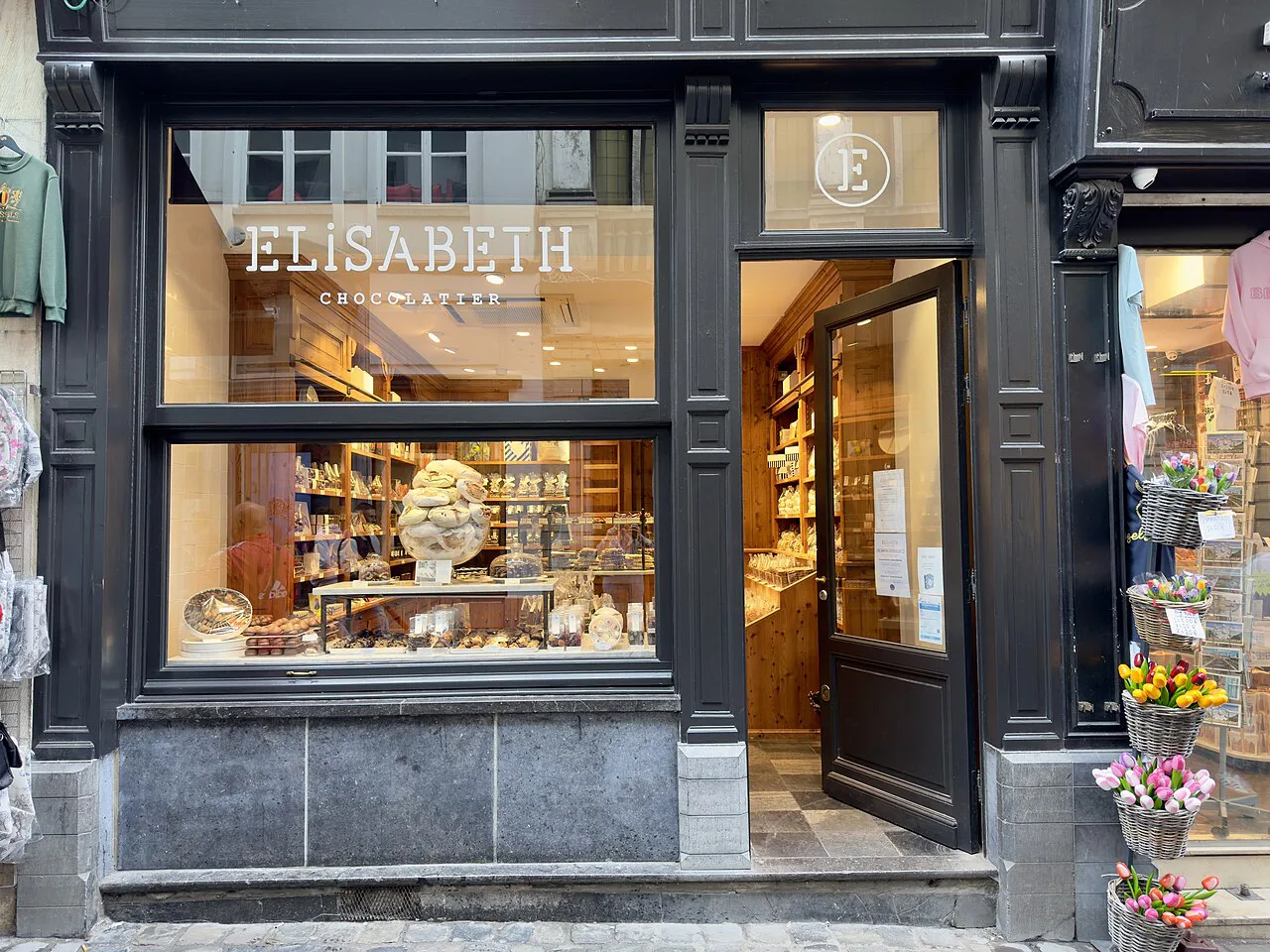
What is so special about Belgian chocolate: cocoa butter, fillings and freshness
The defining technical choice is cocoa butter. Leonidas, for instance, makes its shells from pure cocoa butter with 100 per cent natural ingredients, according to the brand's profile on Visit Flanders. That emphasis on pure cocoa butter is the quality marker most often quoted by the big houses, and it is what separates a good praline shell from a waxy one.
Is Belgian chocolate actually different from other chocolate? Yes, in ways you can taste. Belgian makers traditionally build praline shells from pure cocoa butter and fill them with fresh cream, butter and milk rather than long-life fats, which gives a clean melt and a short shelf life.
Which is better, Belgian or Swiss chocolate? They specialise differently. Swiss makers built their reputation on smooth milk chocolate bars, while Belgian chocolate is strongest on filled pralines and the sheer variety of centres sold by the piece.
How long does Belgian chocolate keep? Pralines with fresh cream and butter fillings are best eaten within a few days of purchase, while solid bars keep far longer. Choose a box sized to what you will eat soon rather than what looks impressive on the shelf.
Fillings are the second pillar. Belgian pralines lean on fresh butter, cream and milk rather than long-life fats, which is why the best boxes carry a short shelf life and taste noticeably better within days of purchase. That freshness is also why a Belgian box bought at home rarely matches one bought in the country.
The third element is scale of craft. With suppliers such as Callebaut and Puratos nearby, even modest shops can work with good couverture, temper it properly and finish with a sharp snap and glossy surface. You can taste the difference in the shell before you reach the centre.
Who invented the praline, and why that matters when you shop
The trays of individual filled pieces rather than rows of bars are what define a Belgian chocolate shop. Leonidas, one of the biggest names, sells an assortment of over 100 different varieties in stores all over the world, which is why a Belgian shop is organised around choosing a selection of small pieces rather than buying a single flavour.
That history explains the counter ritual. You point, the assistant counts, and you pay for what you choose, so you can assemble a mixed box across dark, milk and white shells without committing to a single flavour. Start with a small selection, taste at the counter if invited and go back for more of what works.
It also explains the vocabulary. Once you know that a praline is a filled moulded or enrobed piece, the menu stops being opaque and you can ask for manons, truffles or seashells by name.
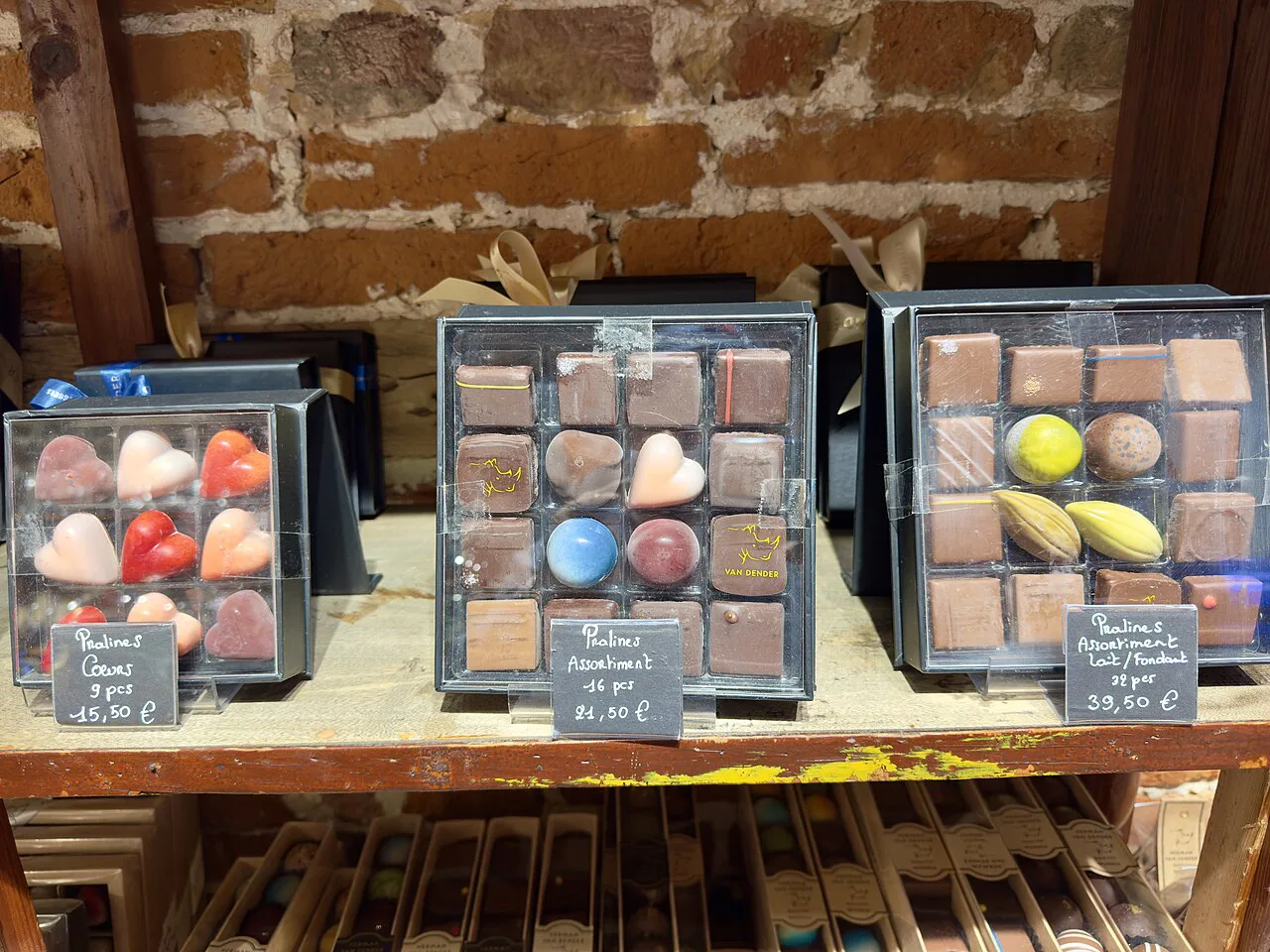
The big Belgian chocolate brands and what each one is known for
Côte d'Or is one of the oldest of the big names: Charles Neuhaus registered the brand on 24 April 1883, using cocoa from what is now Ghana and adopting the elephant logo that still marks the bars. The first bar followed in 1911, and today the brand is owned by Mondelez International.
Godiva began in Brussels in 1926, when Pierre Draps senior made his first praline chocolates in a workshop at the family home and took the name from the Lady Godiva legend. It has since grown into a global brand with a presence in more than 80 countries, and a flagship store on Brussels' Grand Place.
Leonidas built its reputation on generosity and accessibility, with over 100 varieties and a philosophy of making pralines available to everyone. That makes it the reliable mid-range choice when you want a decent box without a boutique price, and the freshness guarantee is part of the pitch.
Mary is one of the established Brussels names, dating from 1919 and still associated with a heritage approach. For a broader run-down of how these houses compare, the guide to Belgian Chocolate Brands goes deeper than this summary can.
Belgian versus Swiss chocolate: where each one wins
Swiss chocolate's strength is milk chocolate: the country's makers built a global reputation on smooth, creamy bars, and that is the reference point most travellers bring with them.
Belgian chocolate is at its best on variety of filled pieces. The praline tradition means shops stock dozens of individual centres, from ganache and praline paste to marzipan and butter cream, and the freshness and range of those centres is the reason to buy here rather than at home. If you want a mixed box to work through, Belgian is a strong choice.
Neither is objectively better, and the honest answer is that the two countries specialise in different things. Taste across both before deciding which house you return to.
Why Belgian chocolate costs what it does
Cocoa butter is the single biggest driver. It is an expensive ingredient, and cheaper producers substitute vegetable fats, which is why a box made with pure cocoa butter costs more than one that is not. Leonidas makes a point of its pure cocoa butter shells, and that choice shows up in the price.
Fresh fillings add cost, too. Cream, butter and milk spoil quickly, so short shelf lives mean more frequent production and less tolerance for stock sitting on a shelf. Add hand-finishing and the rent on a prime city-centre pitch, and the arithmetic for a ten-euro box begins to make sense.
The practical test is per-piece value rather than box price. A large box of thin, waxy pieces is poor value next to a smaller box of well-made pralines, so compare weight and ingredient lists before you commit.
Pralines, truffles, manons and seashells: what to ask for by name
A praline is the umbrella term for a filled chocolate, usually moulded or enrobed, with a centre of ganache, praline paste, marzipan or butter cream. A truffle is a softer piece, often dusted in cocoa, with a melting ganache inside. Manons are a Belgian speciality: a butter-cream and praline centre, often in a coffee or cafe version.
Seashells are the familiar moulded shapes, filled with praline and finished in milk, white or dark chocolate. The Belgian brand The Belgian sells seashells and seahorses as a core line, alongside cocoa-dusted truffles and pralines, which gives you a sense of how the categories are named on a shop menu.
Ask for a small mixed selection across these four categories on a first visit rather than committing to a large box of one type. It costs less and tells you quickly which style suits your taste.
Buying fresh chocolate: what to look for in a shop and how much to buy
Look at the shell first: it should be glossy, evenly coloured and free of grey streaks, which signal poor tempering or age. Favour shops with brisk turnover over boxes that have sat in a window display, and buy a box sized to what you will eat soon rather than what looks impressive on the shelf.
Buy less than you think you need. Fresh pralines are best within a few days and do not improve with keeping, so a small box eaten soon beats a large one saved for later. If you are travelling onward, keep the box cool and out of direct sun rather than refrigerating it, which can dull the surface.
For a deeper comparison of individual makers, the Best Belgian Chocolate shortlist weighs houses on quality rather than fame. It is a useful counterweight to the big-brand names covered above.
Where to buy Belgian chocolate in Bruges, Ghent, Antwerp and Leuven
Bruges (Brugge) has one of the best concentrations of chocolate shops in Flanders, and the compact centre makes it easy to browse several in an afternoon. Small-batch makers sit alongside the big-name boxes, so you can compare classic pralines with more experimental flavours within a short walk. If you are also planning to see the city's tower, our guide to the belfries of Belgium explains which ones you can climb.
Ghent (Gent) has a compact centre that rewards browsing on foot, with chocolate shops within easy reach of the main squares. Antwerp (Antwerpen) spreads its shops more widely across the city, so it pays to plan a route between the sights rather than expect a single chocolate street.
Leuven (Louvain) is smaller still, which makes comparing several shops in an hour realistic. Whatever the city, buy your chocolate on the last afternoon rather than the first day so it travels home as fresh as possible.
If you would rather make than buy, a chocolate workshop gives you a hands-on introduction to tempering and moulding. It is a practical way to understand why the shell behaves as it does before you spend on a box.
Boxed chocolate, gift boxes and what travels well home to the UK
Solid bars and well-tempered pralines travel better than cream-filled pieces, which are the most heat-sensitive. If you are carrying a box home to the UK, choose a mix weighted towards praline and truffle centres and keep the cream-heavy pieces for eating in Belgium.
Pack the box flat in hand luggage rather than checked baggage, where pressure and temperature swings do the most damage. A sealed gift box with a rigid base protects the pieces better than a paper bag, and most shops will wrap one for you.
For a gift, a branded box from a heritage house such as Mary or Neuhaus carries more of a story than a supermarket bar, while a bag of Côte d'Or bars is the better-value option for everyday eating.
How to taste Belgian chocolate without ruining it
Let the piece warm slightly between your fingers, then bite rather than chew: the snap tells you the tempering was right and the shell should melt rather than crumble. Start with milk and white pieces before dark, so the higher cocoa content does not overwhelm the milder centres.
Taste at most three or four pieces in a sitting and rinse your palate with water between them. Comparing a manon against a plain praline, or a seashell against a truffle, teaches you more than eating a whole box in one go.
Which box should you carry home?
For a first box, buy small and mixed from a house with a clear freshness policy, taste within a day and return for more of your favourite piece rather than a second mixed selection. Leonidas is the safe mid-range choice, Mary and Neuhaus the heritage options and Côte d'Or the value bar to tuck in beside them.
If your trip is built around chocolate, a chocolate museum visit or a short tasting session will sharpen your judgement before you spend. Otherwise, buy on the final afternoon, keep the box flat and cool, and let the freshness do the work.
Explore more Belgium guides
Frequently Asked Questions
Is Belgian chocolate actually different from other chocolate?
Yes, in ways you can taste. Belgian makers traditionally build praline shells from pure cocoa butter and fill them with fresh cream, butter and milk rather than long-life fats, which gives a clean melt and a short shelf life. The country also hosts major chocolate factories, so quality couverture is widely available to small shops as well as big brands.
Which is better, Belgian or Swiss chocolate?
They specialise differently. Swiss makers built their reputation on smooth milk chocolate bars, while Belgian chocolate is strongest on filled pralines and the sheer variety of centres sold by the piece. If you want a box to work through, Belgian is the natural choice; for a smooth milk bar, Swiss is the reference.
How long does Belgian chocolate keep?
Pralines with fresh cream and butter fillings are best eaten within a few days of purchase, while solid bars keep far longer. Choose a box sized to what you will eat soon rather than what looks impressive on the shelf.
What should I ask for in a Belgian chocolate shop?
Start with a small mixed selection covering pralines, truffles, manons and seashells so you can compare styles. Manons combine a butter-cream and praline centre, often in a coffee or cafe version, and the assistant will count pieces into a box so you pay for what you choose rather than committing to a large pre-packed box on a first visit.
Sources
Useful notes for your next trip
Optional updates to our guides.
You might also like



Continue reading
More guides you'll find useful