
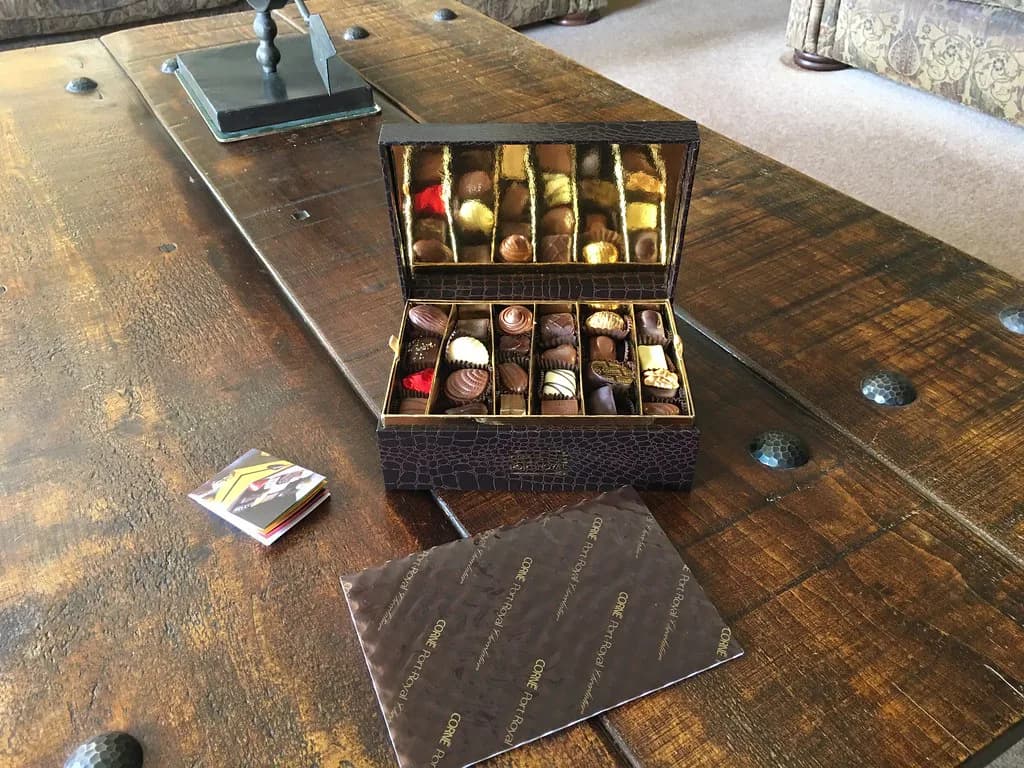
Belgian Chocolate Brands Explained: Neuhaus, Leonidas, Godiva and More
Belgian chocolate brands from Neuhaus and Mary to Leonidas, Godiva and Côte d'Or, what each is known for, and where to taste them on a Belgian city break.
On this page
Belgian chocolate brands fall into two useful groups for a traveller: the international names you already recognise, and the makers whose reputation is tied to one city or shop. The famous ones each have a clear founding story worth knowing before you buy. This guide sets out what each name does best, where the big Flanders factories sit behind the trade, and how to spend an afternoon tasting in Bruges.
Treat the list as a set of trade-offs rather than a ranking. Some brands sell pralines at accessible prices in shops worldwide, others position themselves as luxury houses, and the artisans work in small batches you will only find in Belgium. Knowing which is which stops you paying luxury prices for a supermarket product, or walking past a genuinely local maker.
What makes a chocolate brand Belgian
A brand counts as Belgian when the making, the recipe tradition or the company's origins are rooted here, which is why the line-up includes both Brussels houses founded a century ago and factories in Flanders that supply chocolatiers worldwide. Two of the biggest chocolate factories, Callebaut and Puratos, are based in Flanders, which is part of why the region carries a reputation as a chocolate capital. That matters on a shop shelf because a name on the box may be a finisher working with chocolate made by one of the big processors.
Belgium has over 320 chocolate shops nationwide, so the range on offer goes well beyond the names that travel abroad. The practical point for a short break is to match the brand to the occasion: a box for the office, a single perfect praline eaten on the spot, and a bar to take home are three different purchases.
Neuhaus: the Brussels house credited with the praline
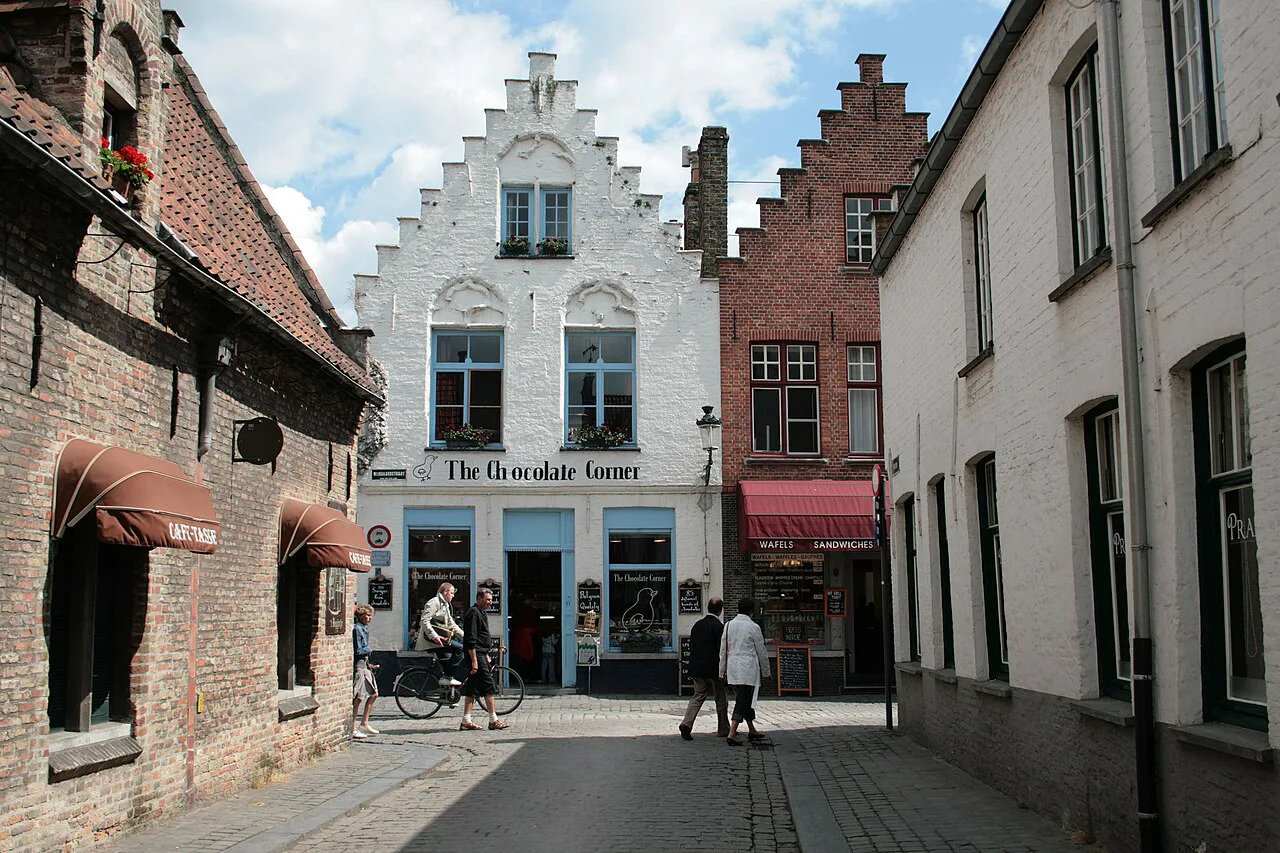
Neuhaus traces its history to 1857 and presents itself as the inventor of the Belgian praline, the filled chocolate that became the country's signature gift. The date and the Brussels origin are the anchors to remember when comparing houses. If you want one box that explains what a praline is to someone who has never had a proper one, this is the reference point.
What is Belgium's most famous chocolate? Neuhaus presents itself as the inventor of the Belgian praline, and Côte d'Or is the classic bar brand, so both carry wide recognition. Which one you meet first depends on whether you are buying pralines or a bar.
Which Belgian chocolate brands are sold in UK supermarkets? Côte d'Or bars and Leonidas pralines travel widely, and Godiva has a presence in more than 80 countries. Availability on any given shelf changes, so check what your local shop stocks rather than relying on a fixed list.
Do I need to book Choco-Story in Bruges in advance? Booking requirements are not covered on the museum's visitor page, which lists opening hours and prices. Check the Choco-Story site for its booking policy before a weekend visit, when the museum is busiest.
The trade-off is familiarity: Neuhaus is widely distributed, so it is easy to find at home and less of a discovery. Buy it in Belgium for the range and the freshness rather than for exclusivity, and save your suitcase space for something you cannot get elsewhere.
Mary: the Brussels Maison founded by Mary Delluc in 1919
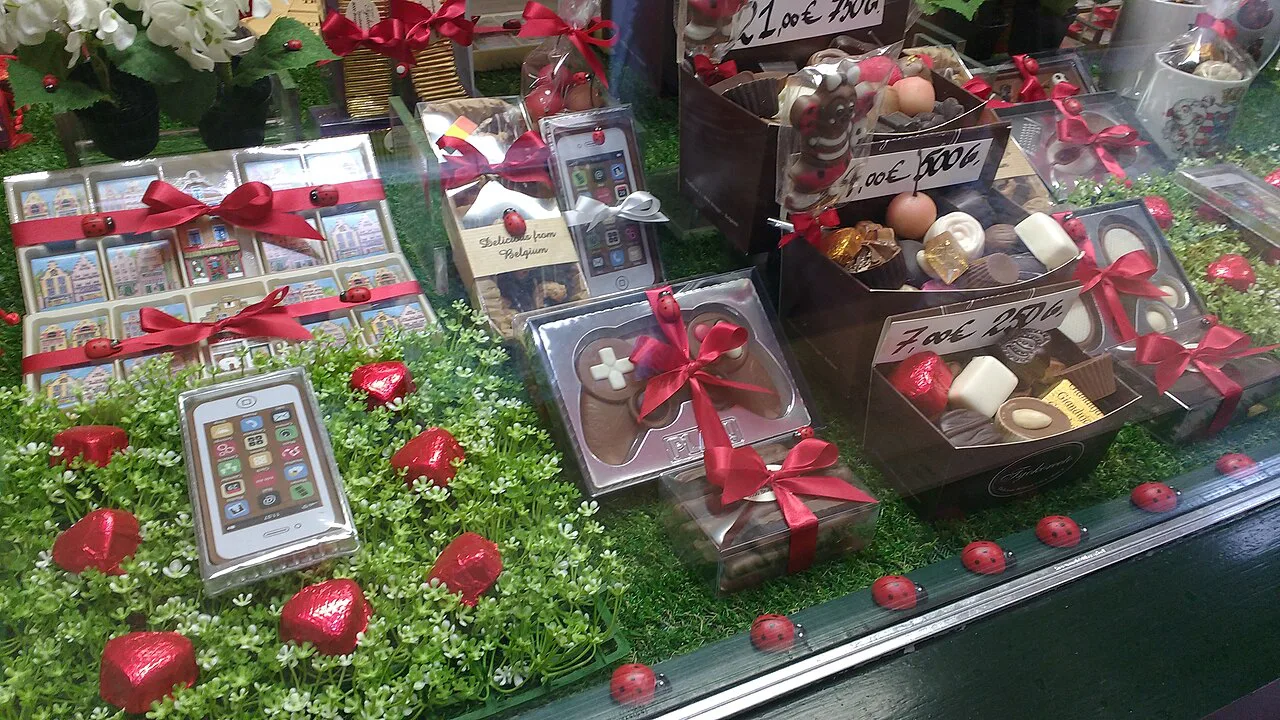
Mary was set up in Brussels in 1919 by Mary Delluc. It is a good pick when the point of the purchase is craft and presentation rather than volume, and its footprint is smaller than that of the global brands.
Godiva: founded in Brussels in 1926 and sold in over 80 countries
Godiva began in Brussels in 1926, when Pierre Draps senior made his first praline chocolates in a workshop at the family home, and the name was inspired by the Lady Godiva legend. The brand now has a presence in more than 80 countries, which tells you most of what you need to know about how it compares with the smaller houses. It is the international name positioned around luxury and prestige.
Because it is so widely sold, Godiva is rarely the reason to come to Belgium, but it is a dependable gift when you need a known name and a smart box. Spend your tasting time on makers you cannot buy at home, and use the international brands for presents.
Leonidas: pralines made accessible, with more than 100 varieties
Leonidas built its reputation on generosity and freshness, with a stated aim of making pralines accessible to all and an assortment of over 100 varieties. Only pure cocoa butter goes into the shell, according to the brand, alongside natural ingredients. That combination of range and price makes it the easiest entry point for a first-time buyer.
The honest trade-off is that accessibility cuts both ways: Leonidas is a high-street name rather than a connoisseur's pilgrimage. For a mixed box to share, though, it is hard to beat on value and choice.
Côte d'Or: the 1883 brand behind the elephant logo and the 1911 bar
Charles Neuhaus registered the Côte d'Or brand in 1883, taking cocoa beans from what is now Ghana and giving the chocolate its elephant logo; the first bar followed in 1911. The brand is now part of Mondelez International, which the brand's own history credits with maintaining its Belgian know-how. If you want a bar rather than a praline, this is the classic name to look for.
Bars from the big brands are the everyday end of Belgian chocolate, sold in supermarkets and corner shops as well as chocolatiers. They make a sensible, inexpensive souvenir when weight and luggage space matter.
Callebaut and Puratos: the Flanders factories behind the ingredients
Callebaut and Puratos are two of the largest chocolate factories in the world and are located in Flanders, which means much of the chocolate used by chocolatiers and bakers starts with them. You will rarely see their name on a tourist-facing box, because they sell the raw material rather than the finished praline. That explains why so many small shops can exist: the craft is in the recipe, the moulding and the fillings.
Galler, Guylian, Pierre Marcolini and Meurisse: other names in the Belgian line-up
Beyond the big five, the Belgian field includes Galler, Guylian, Pierre Marcolini and Meurisse, each with its own positioning from supermarket stalwart to high-end maker. Rather than treating any one as the definitive answer to which is best, use them as a spread of price points to explore. If you want a steer on standout makers, the guide to the best Belgian chocolate covers the picks worth seeking out.
Big-name brands versus artisan chocolatiers: how to tell them apart on a shop shelf
A global brand will often have a wide, standardised range, multilingual packaging and shops in several cities; an artisan chocolatier typically works from one or two premises with a smaller, changing selection. Look at what is actually for sale: pralines made in-house tend to be fewer in number and labelled with their fillings. That is the quickest way to tell whether you are buying a Belgian brand or a Belgian shop.
Neither is automatically better. The big names deliver consistency and a safe gift, while the small maker gives you something you cannot buy at home and a story worth telling. Decide which you want before you go in, and budget accordingly.
If you want to try your hand at the craft rather than just eat the results, a chocolate workshop Bruges session is a practical way to spend an afternoon. Check what the session covers before booking, since formats differ between providers.
Where to try Belgian chocolate on a city break: Choco-Story in Bruges
Choco-Story in Bruges, at Wijnzakstraat 2, tells the story of cocoa and chocolate from the Maya and the Spanish conquistadores to today, spread over four floors with an interactive audio guide, and chocolates are made by hand and sampled on the premises. Published prices are 16 euros for adults, 14 euros for seniors aged 65 and over and for students, 10 euros for children aged 3 to 11, and free for under-3s, with combination tickets available with the Fries Museum or the Diamond Museum. The nearest bus stop is Brugge Jan Van Eyckplein.
Bruges is an easy base for a chocolate-themed visit because the old town is compact. The city centre can be crossed on foot in half an hour, and trains from Brussels take just under an hour. If you want to compare several museums before choosing, the chocolate museum Belgium guide sets out the options.
For a chocolate stop with a different angle, the Flemish primitives link Bruges' 15th-century painting with the city's museum collections, and the Groeningemuseum and Museum Sint-Janshospitaal hold works by Jan van Eyck, Hans Memling and their contemporaries. It is a reminder that the city's luxury trades go back further than pralines.
How to choose what to bring home
For gifts, buy the well-known brands where the box does the talking; for yourself, buy from smaller makers and taste before you commit. Pralines do not keep long, so match quantity to how quickly you will eat or give them away. If you are travelling on the train, plan to buy on the last day rather than carry chocolate across the country.
For the small-maker side of Bruges, the guide to The Chocolate Line and the guide to Dumon Chocolatier give you something to compare against the international names you already know.
Which Belgian chocolate brand should you buy?
Buy Neuhaus if you want the praline benchmark, Mary for a classic Brussels box, Godiva as a known luxury gift, Leonidas for a generous mixed assortment at an accessible price and Côte d'Or for a bar. Add a small local maker for yourself, because that is the part of Belgian chocolate you cannot reproduce at home.
On a short break, pair one museum visit with one tasting purchase rather than trying to cover every brand. In Bruges, Choco-Story and a walk through the old town fit comfortably into a single day.
Explore more Belgium guides
Frequently Asked Questions
What is Belgium's most famous chocolate?
Neuhaus presents itself as the inventor of the Belgian praline, and Côte d'Or is the classic bar brand, so both carry wide recognition. Which one you meet first depends on whether you are buying pralines or a bar.
Which Belgian chocolate brands are sold in UK supermarkets?
Côte d'Or bars and Leonidas pralines travel widely, and Godiva has a presence in more than 80 countries. Availability on any given shelf changes, so check what your local shop stocks rather than relying on a fixed list.
Do I need to book Choco-Story in Bruges in advance?
Booking requirements are not covered on the museum's visitor page, which lists opening hours and prices. Check the Choco-Story site for its booking policy before a weekend visit, when the museum is busiest.
Sources
Useful notes for your next trip
Optional updates to our guides.
You might also like



Continue reading
More guides you'll find useful




