Best Belgian Chocolate: Chocolatiers and Brands Worth Buying
The best Belgian chocolate to buy: named artisan chocolatiers, award-winning makers, well-known houses and how pralines are sold by weight.
On this page
The best Belgian chocolate to buy is praline work from named artisan chocolatiers, not the most heavily marketed brands. A box assembled from several makers lets you judge the difference for yourself, and it is the single most useful purchase to bring home. This guide covers what Belgian chocolate actually means, which artisans have cited recognition, how pralines are sold and weighed, and how the famous houses compare.
What Belgian chocolate means
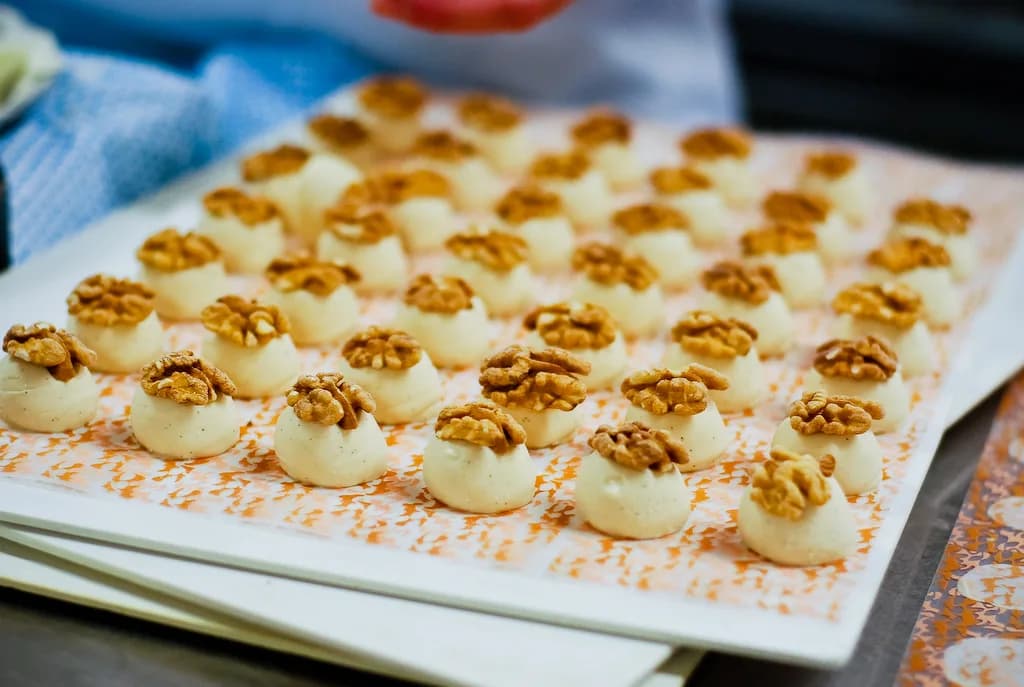
Belgian chocolate is a national reputation rather than one recipe. It covers filled pralines, bars and bean-to-bar work from makers who roast and grind their own cocoa, alongside large manufacturers whose chocolate is sold across Europe. The word praline is the key term to learn: in Belgium it refers to a filled chocolate bonbon, not the sugared almond the French mean. The wider picture of styles, ingredients and history sits in the Belgian chocolate guide, which is a useful primer before you buy.
Cocoa butter matters to the texture of a good praline, because it sets firm at room temperature and melts cleanly on the tongue. Fillings range from plain ganache to praline paste, fruit or coffee, so a mixed selection tells you more about a maker than a single bar. If you want the background on how Belgian chocolate is defined and made, the Belgian chocolate guide covers the base ingredients and the industry's history.
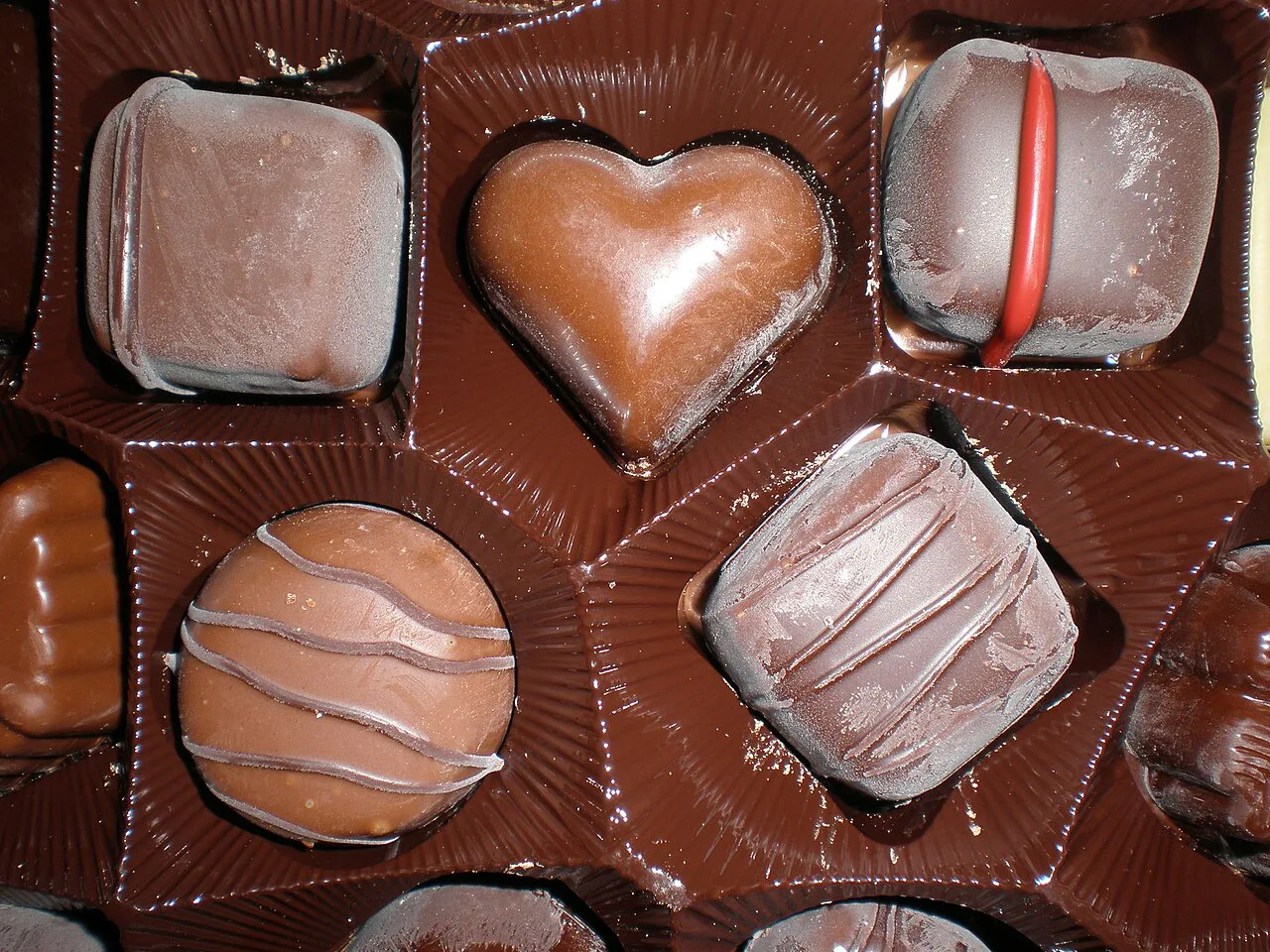
Artisan chocolatiers to seek out, and the awards behind their names
A useful shortlist is the group of 14 makers presented by Belgium Chocolatiers, each of whom contributes three chocolates to its mixed boxes. The names are worth knowing because they span Flanders, Brussels and Wallonia rather than clustering in one city. Frédéric Blondeel appears as best chocolatier of Brussels in the Gault & Millau 2025 selection, Herman Van Dender as best chocolatier in Brussels in 2023, and Yasushi Sasaki as best chocolatier in Brussels in 2024.
What Belgian chocolate means. Belgian chocolate is a national reputation rather than one recipe.
Artisan chocolatiers to seek out, and the awards behind their names. A useful shortlist is the group of 14 makers presented by Belgium Chocolatiers, each of whom contributes three chocolates to its mixed boxes.
How pralines are sold: by weight, or per chocolate for small amounts. Most Belgian pralines are sold by weight, even in the most famous shops, so the price of a box depends on how heavy the selection is rather than how many pieces it holds.
The same roster gives a sense of regional strength. Olivier Willems is listed for Ostende with the Gault & Millau best chocolatier title in Flanders for 2021, Zuut for Leuven as best chocolatier in Flanders in the Gault & Millau 2019 selection, and Carré Noir for Liège with International Chocolate Awards recognition in 2017. Chocolaterie du Château de Leignon in Ciney appears as Gault & Millau discovery of the year for 2026. Read these as dated citations, not a current league table.
Two award bodies recur in those citations, and they measure different things. Gault & Millau is a restaurant and food guide whose Belgian chocolatier selections are made region by region and year by year, while the International Chocolate Awards judges specific products. A maker cited for a single product may still be excellent across the range, but the citation only tells you that one creation impressed a jury. If you want the full list of houses and their reputations, Belgian chocolate brands sets out the makers covered across the site.
A maker cited for a praline award is also worth seeking out for plain bars, because the same cocoa sourcing feeds both. David Maenhout, trading as Chocolatier M in Knokke-Heist, is listed with the best praline in the world award from the International Chocolate Awards for 2017, and Thibaut Legast in Braine-le-Comte was rewarded at the same competition across 2019 to 2022. Treat the years as history and taste before buying a large box.
How pralines are sold: by weight, or per chocolate for small amounts
Most Belgian pralines are sold by weight, even in the most famous shops, so the price of a box depends on how heavy the selection is rather than how many pieces it holds. If you buy only a few, shops often switch to a per-chocolate price with a cap of three or four pieces before the scales come out. This is worth knowing before you fill a bag in a small atelier, because dense fillings such as praline paste weigh more than airy ganache.
Belgian pralines come in a wide range of flavours, and a mixed box drawn from the Belgium Chocolatiers roster gives you many makers to compare side by side rather than a single house's range. If you only want a souvenir, a small bag from one maker is the better value; if you want to learn what you like, a mixed selection pays off by exposing you to more than one style of filling.
When you taste a praline, let it warm rather than bite straight in, because cocoa butter carries the aroma and needs body heat to release it. Shops frequently offer a free chocolate once you have ordered, and accepting is not rude. Ask which praline is the maker's signature if the counter is not labelled, since a mixed case often hides the one piece the chocolatier would choose.
Well-known Belgian brands and where they sit against the artisans
The big Belgian names are familiar for a reason: they deliver consistent pralines at a lower price than artisan work, and they are easy to find in stations and shopping streets. Belgian Chocolate Brands covers the main houses and what each is known for, from supermarket bars to gift-box specialists. The trade-off is straightforward: you get reliability and wide availability, but less of the cocoa-forward character and small-batch variety that independent makers bring.
A useful way to judge a house is to buy its plain dark bar rather than a filled assortment, because a bar exposes the chocolate itself with nowhere to hide. If you like the bar, the pralines are worth trying; if the bar tastes flat, the fillings are doing the work. This one-bar test costs little and tells you more than a lavishly packaged gift box.
Brussels chocolatiers within reach of Grand Place
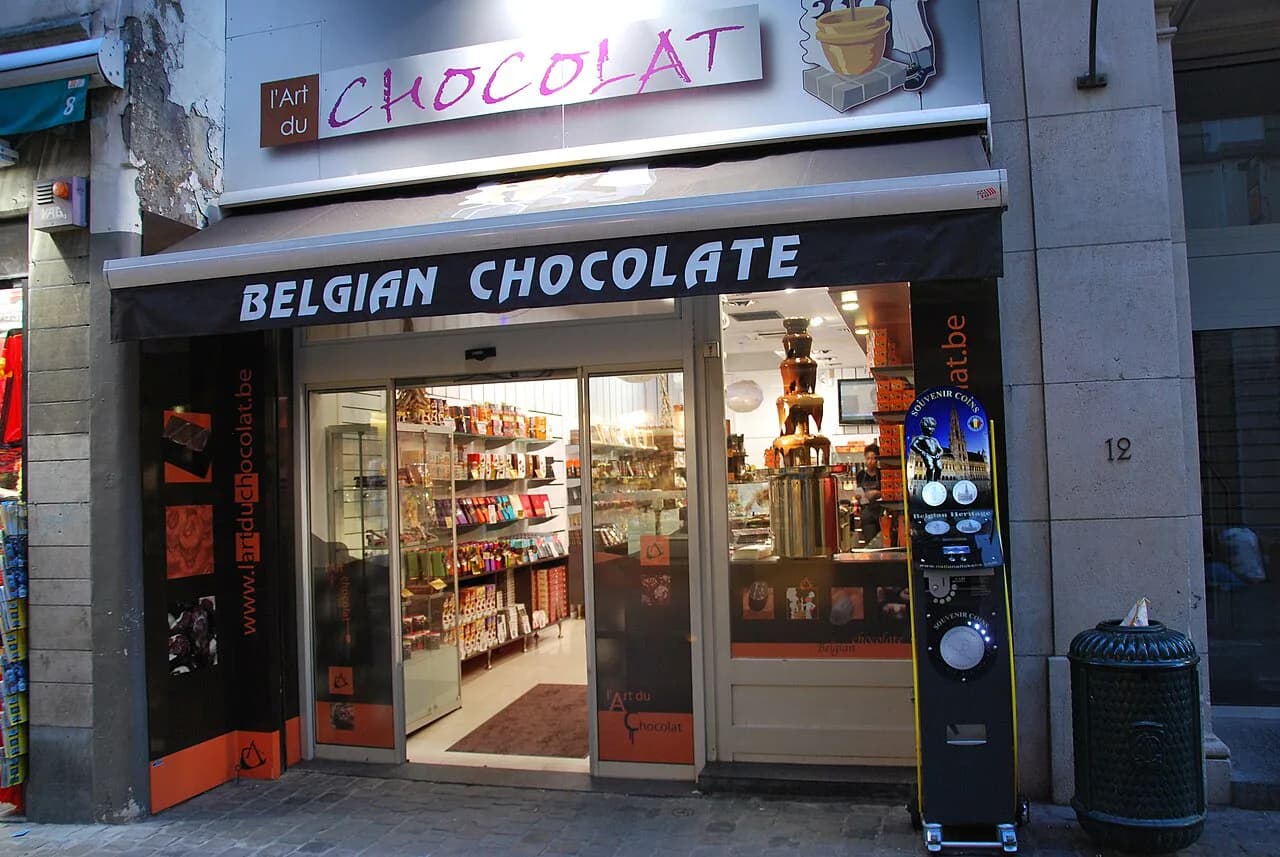
Much of Brussels chocolate is concentrated within a short walk of Grand Place, which makes a tasting circuit easy even on a short city break. Pierre Marcolini at Rue des Minimes 1 is about five minutes from the square, with a tea room serving hot chocolate and pastries alongside bars, macarons and spreads. The hot chocolate is thick and intense, closer to a dessert than a drink, so order one between two if you plan to keep walking.
Atelier Saint Catherine on Rue de la Paille makes its own bean-to-bar chocolate and stocks the full collection of Frédéric Blondeel, so you can compare an in-house bar with a cited Brussels award-winner in one room. Wittamer sells around three dozen praline flavours and ten macaron flavours, with the chocolaterie a few doors from its better-known patisserie. Passion Chocolat at Rue Bodenbroek 2/4 is retail only, with roughly three dozen flavours and no seating.
Bean-to-bar makers are the ones who roast and grind cocoa themselves rather than buying couverture, and some, such as Atelier Saint Catherine, sell single-origin bars alongside pralines. If provenance interests you, ask which origin a bar comes from and whether the maker processes the beans in-house; the answer sorts the true bean-to-bar shops from the assemblers. If you would rather make than buy, there are also chocolate workshops in Belgium, including a chocolate workshop Bruges option, which suits a wet afternoon.
For a broader look at where chocolate is made and displayed in the country, the chocolate museum Belgium guide covers the options city by city. A museum visit early in the trip gives you the vocabulary to shop better afterwards.
Chocolatiers outside Brussels, from Leuven to Ostend and Liège
Belgium's best praline work spreads well beyond the capital. Zuut in Leuven carries a Gault & Millau best chocolatier in Flanders title from 2019, Olivier Willems in Ostend was cited in the same guide in 2021, and Carré Noir in Liège holds International Chocolate Awards recognition from 2017. If your trip runs to Bruges, Dumon chocolatier is a named stop for pralines in the city centre.
Chocolaterie du Château de Leignon in Ciney is one of the names to note in Wallonia, listed as Gault & Millau discovery of the year for 2026, and François Deremiens in Prouvy was cited as finest Belgian chocolaterie in the Gault & Millau 2016 selection.
Picking a box: mixed selections versus a single maker
A mixed box from the Belgium Chocolatiers roster is the fastest way to find your taste, because you compare makers on the same afternoon rather than across a year. The Belgian Gold signature box brings together 14 chocolatiers and 84 pralines across 42 flavours, and a smaller mix samples the same makers with less commitment. Choose a single maker instead if you already know you Love a particular style, or if you want a tidy gift rather than a tasting exercise.
If the box is a gift, check that the fillings travel well; ganache and cream-based pralines have a shorter life than plain chocolate and nut pralines. Ask the shop which pieces to eat first, and keep the box cool rather than refrigerated, since condensation dulls the surface. A box of plain bars is the safest choice for a long journey home.
What drives price, and why quality need not be expensive
Price in a chocolate shop tracks three things: the cost of the cocoa, the labour in hand-finished pralines, and the packaging. Quality does not have to be very expensive, so weigh a small selection first before committing to a large box, and compare a bar from an artisan with a bar from a well-known house at a similar weight.
Wrapped bars, marrons glacés and chocolate-dipped nuts usually cost less per gram than filled pralines because they need less handwork. If your budget is tight, buy one excellent bar from a cited artisan and one small bag of pralines to share, rather than several boxes. Prices vary by shop and season, so ask before the assistant starts filling the bag.
Buying chocolate as a gift or to carry home
Chocolate survives a journey better than its reputation suggests, provided it stays cool, dry and out of direct sun. Pralines in a rigid box travel better than a paper bag, and bars tolerate a suitcase better than filled chocolates. If you are flying home in summer, buy on the last day rather than the first and keep the box in your hand luggage rather than the hold.
Belgian lace makes a good companion gift for anyone who does not eat chocolate, because it is light and packs flat. Pair a small box of pralines with a piece of lace for a combined present that travels well.
Which box to buy and where
Buy one mixed box from the named Belgian Chocolatiers roster and one plain bar from an artisan near where you are staying; that combination gives you range and depth without overspending. In Brussels, start at Atelier Saint Catherine or Wittamer near Grand Place and work outwards. In Flanders and Wallonia, look for Zuut, Olivier Willems, Carré Noir or Chocolaterie du Château de Leignon on your route.
If you want the wider context before you shop, the Belgian chocolate guide and the Belgian Chocolate Brands page cover the industry and the big houses in more detail. Buy small, taste before you commit, and buy your pralines by weight.
Explore more Belgium guides
Sources
Useful notes for your next trip
Optional updates to our guides.
You might also like

Continue reading
More guides you'll find useful