Lambic Beer: How It's Made and Where to Taste It in Belgium
Lambic beer is a sour Belgian ale fermented by wild yeast. Learn how it is made, what gueuze, kriek and framboise are, and how to drink it on a city break.
On this page
Lambic beer is a sour Belgian ale fermented by wild, airborne yeast rather than a cultivated brewer's strain, which is why it tastes earthy, tart and sometimes barnyard-funky. It comes from the Pajottenland and Senne valley west and south of Brussels, and it gives you the best route into the sour end of Belgian beer. This guide covers how the beer is made, what gueuze and the fruit versions add, and how to drink it alongside city breaks in Bruges, Ghent and Antwerp.
What Lambic beer actually is
Lambic is a beer left to ferment on the wild yeasts and bacteria present in its home region, giving a dry, sour, mildly funky drink with low bitterness. Its character comes from that spontaneous fermentation rather than from added acid, which is why genuine lambic tastes different from a fruit syrup beer merely labelled lambic.
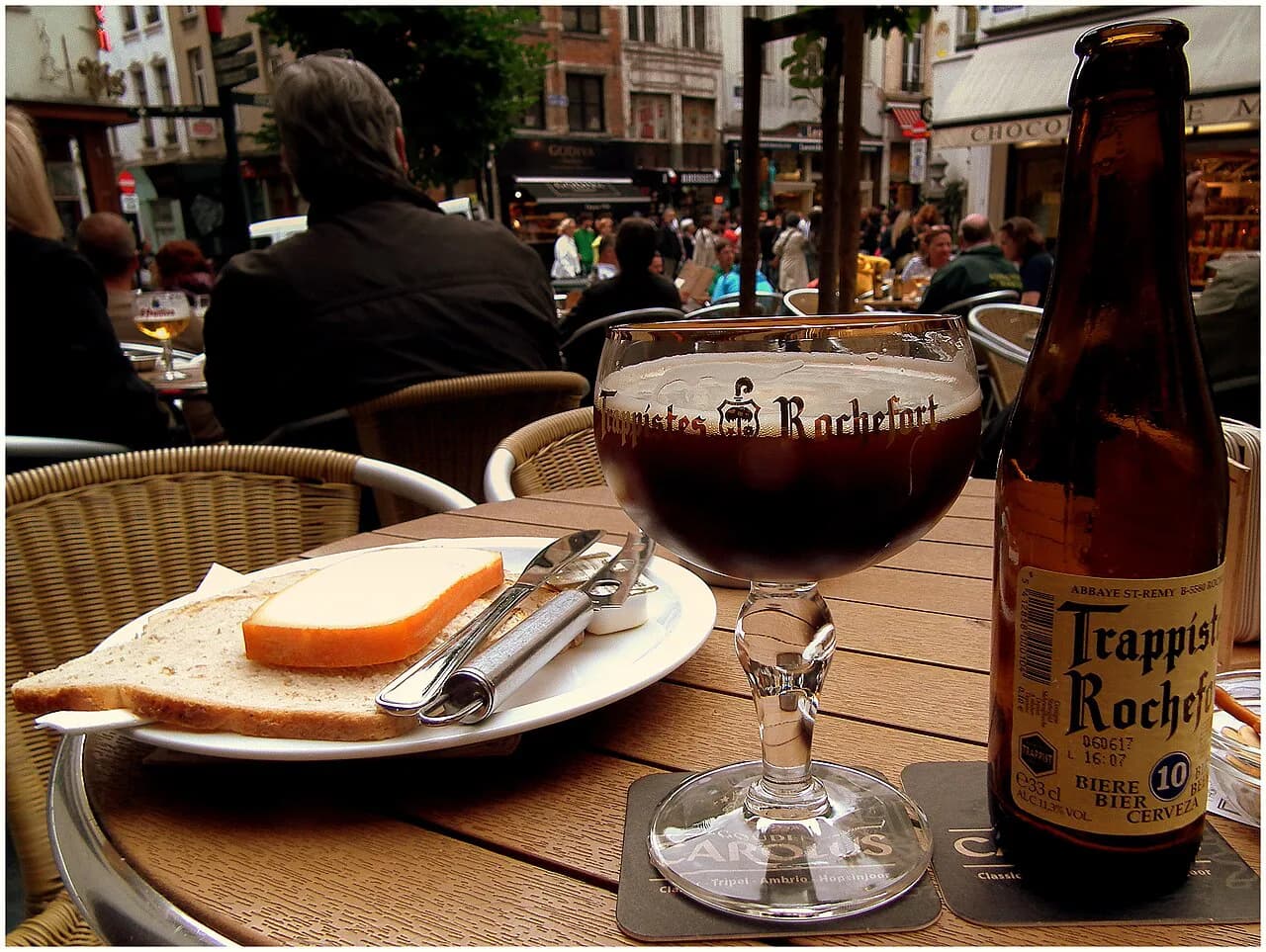
The style sits apart from the abbey and Trappist beers most British and American drinkers know first. If you like the dry, refreshing end of Belgian beer styles, lambic gives you something sharper and more savoury.
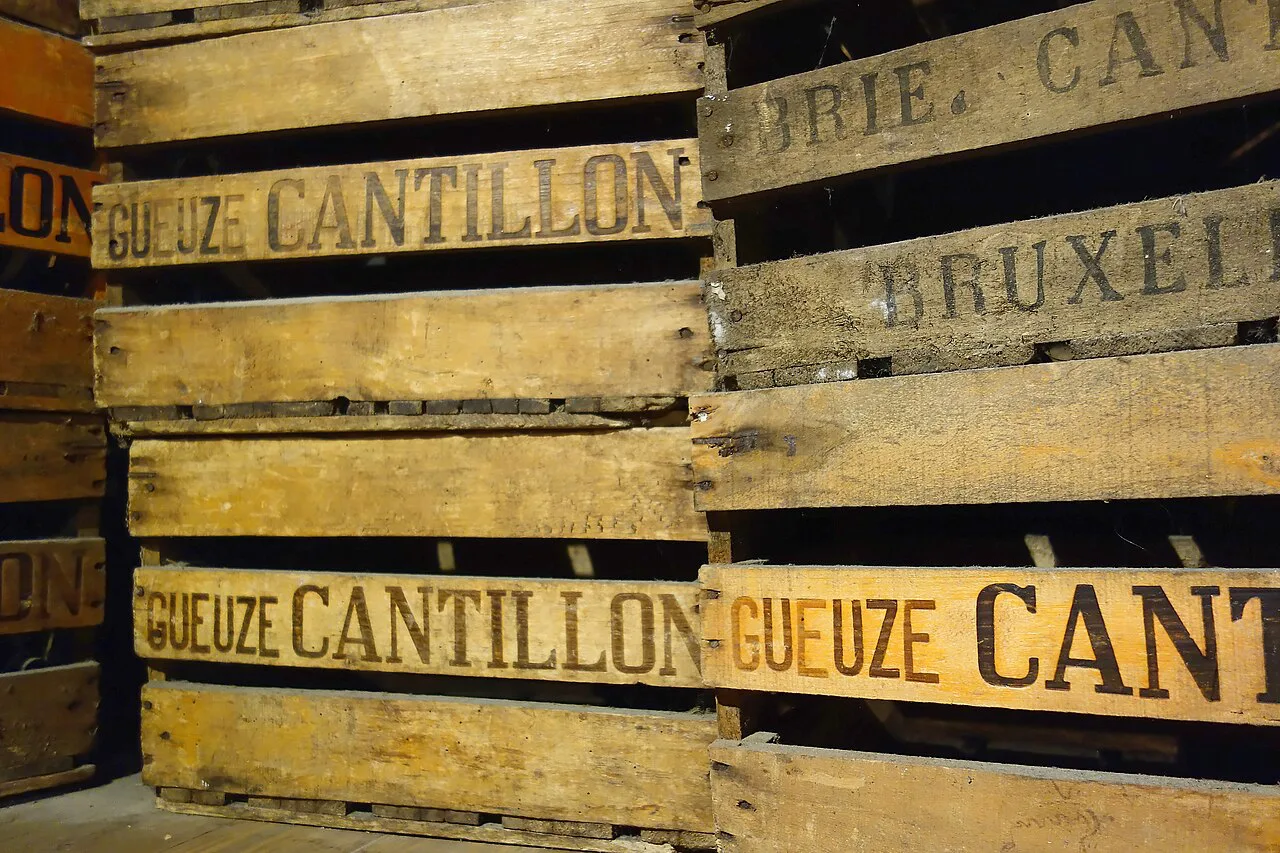
How lambic is made
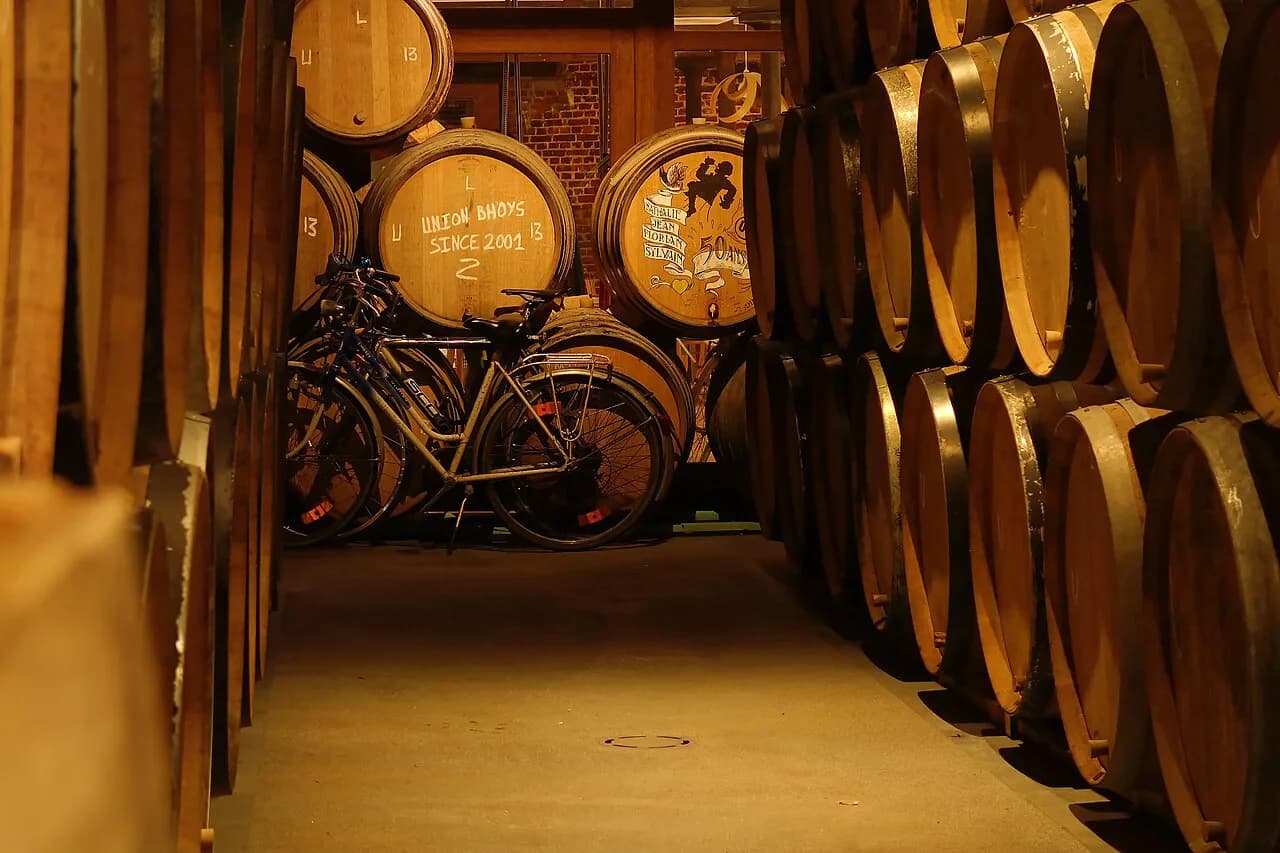
Brewers make lambic from a barley and wheat grist, then boil the wort with aged hops that preserve rather than bitter it. The wort is cooled in an open vessel, traditionally a coolship, so wild yeast and bacteria can settle in. It then goes into wooden casks to age, where the mixed fermentation slowly dries the beer out.
Is lambic beer a sour beer? Yes, lambic is a deliberately sour beer because wild yeasts and bacteria ferment it slowly, producing tartness and a farmhouse character rather than a clean, sweet flavour. The sourness comes from fermentation, not added acid, so it tastes dry and earthy rather than vinegary.
What is framboise lambic? Framboise is lambic aged on raspberries, which gives a tart, dry fruit beer rather than a sweet or syrupy drink. Genuine framboise is macerated on real fruit, while cheap versions use syrup or concentrate, so check the label or ask at a specialist café.
Can I taste lambic outside Brussels? Yes, specialist beer cafés in Bruges, Ghent and Antwerp usually stock gueuze and fruit lambic, and they are a good option if you are not visiting the Pajottenland. For a brewery or blending visit, base yourself in Brussels and allow half a day outside the city.
That open cooling step is why lambic is tied to its home ground. Brewers elsewhere can pitch cultured souring yeasts, but that produces a different, usually sharper beer. The slow cask ageing also makes the style costly to produce and easy to rush badly.
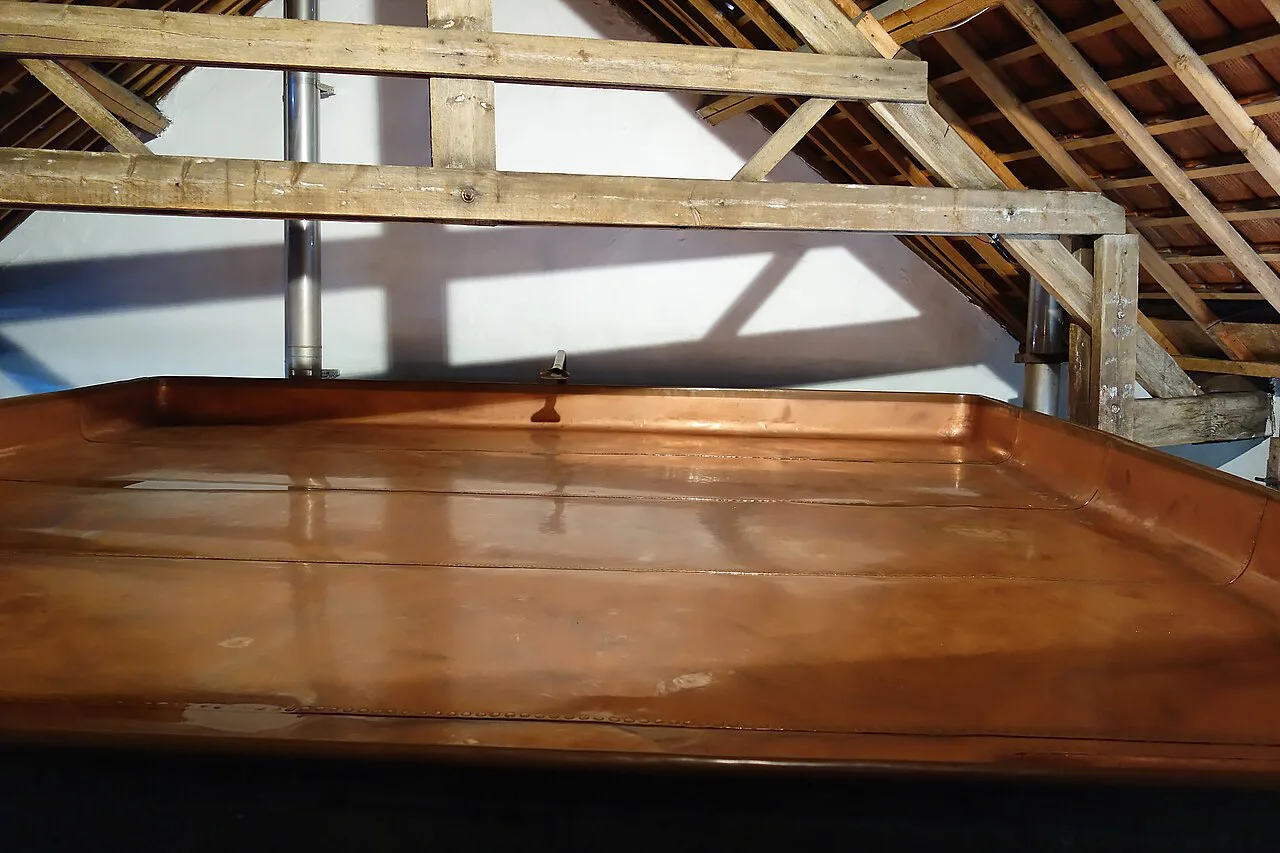
The Pajottenland and Senne valley heartland
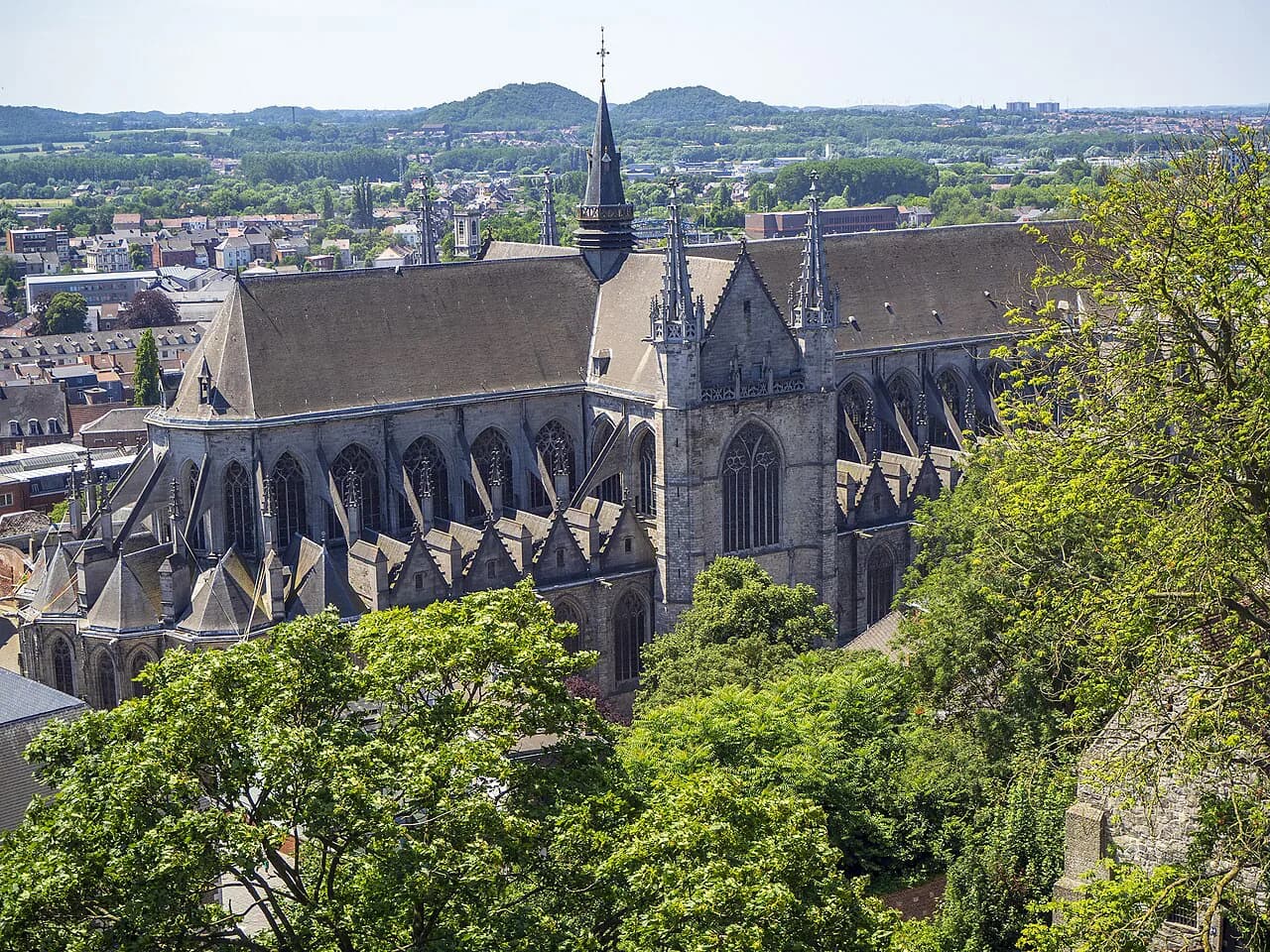
The classic lambic brewing and blending belt lies west and south of Brussels, running through the Senne valley and the rolling farmland of the Pajottenland. Getting there from central Brussels means a bus or train ride out of the city, so it suits a half-day rather than a quick stop.
If you are based in Bruges or Ghent, treat a Pajottenland visit as a Brussels-side detour, using Brussels as the hub for the wider Belgian network. A lambic detour can then be built into a longer Belgian trip.
Gueuze: young and old lambic blended
Gueuze is not brewed as a separate beer. It is a blend of young and old lambic, bottled so that the residual sugars in the young beer referment and give the finished bottle its sparkle. The old lambic supplies depth and acidity, the young one the fizz and freshness, which makes gueuze the most approachable way into the style.
Because gueuze depends on the blender's skill, two bottles from different producers can taste completely different. Expect a dry, sharp, cidery beer with a savoury edge, closer to a dry saison than a heavy ale, and the correct glassware differs too.
Kriek and framboise: lambic on fruit
Kriek is lambic macerated on cherries, and framboise is lambic macerated on raspberries. Both are far tarter than the sweet, syrupy versions that dominate supermarket shelves. The fruit beers worth ordering taste of real fruit and finish dry rather than jammy.
Framboise is often the fruit variant that surprises people most, because raspberry and sour lambic play against each other instead of one masking the other. For where these sit alongside the wider Belgian range, a shortlist of the best Belgian beers helps, and genuine versions are notably less sweet than the packaging suggests.
Fruit syrup versus real fruit
The key difference is maceration time and fruit content. Real kriek or framboise is made by ageing lambic on whole fruit, which gives colour, aroma and a dry sourness. Cheaper fruit beers use syrup or concentrate added late, giving a sweet, soft drink that tastes like fruit juice with a beer base.
Read the label and ask at a specialist beer café which kriek it serves, then use a straight lambic or gueuze as your control sample. A bottle that lists cherries or raspberries ahead of lambic is probably a syrup beer.
What lambic tastes like
Expect tartness, an earthy farmhouse funk, mild carbonation and very little hop bitterness. Alcohol levels vary a lot, from lower-strength young lambic to stronger aged or blended bottles, so the style is no guide to strength.
The overall impression is dry and refreshing rather than heavy. There is a savoury quality to the funk, sometimes described as leather or horse blanket, which is a sign of the mixed fermentation rather than a fault.
How to order and drink it
Serve lambic cooler than room temperature but not ice-cold, so the aroma can open up. Order a gueuze when you want the classic introduction, or a small glass of straight lambic to taste the base beer. Each style has its own glassware.
Food pairing is straightforward: lambic goes well with salty and fatty Belgian dishes, hard cheeses and charcuterie, and it cuts through the sweetness of chocolate. Treat it as a beer to savour slowly rather than a session drink.
Where lambic fits on a city break
Bruges, Ghent and Antwerp all work as a base for a Belgian beer break, and central Bruges is compact enough to cross on foot. Spend your lambic time in one good beer café rather than chasing a brewery tour, and compare it against stronger styles such as Trappist ales for contrast, using the wider Belgian Beer guide for background.
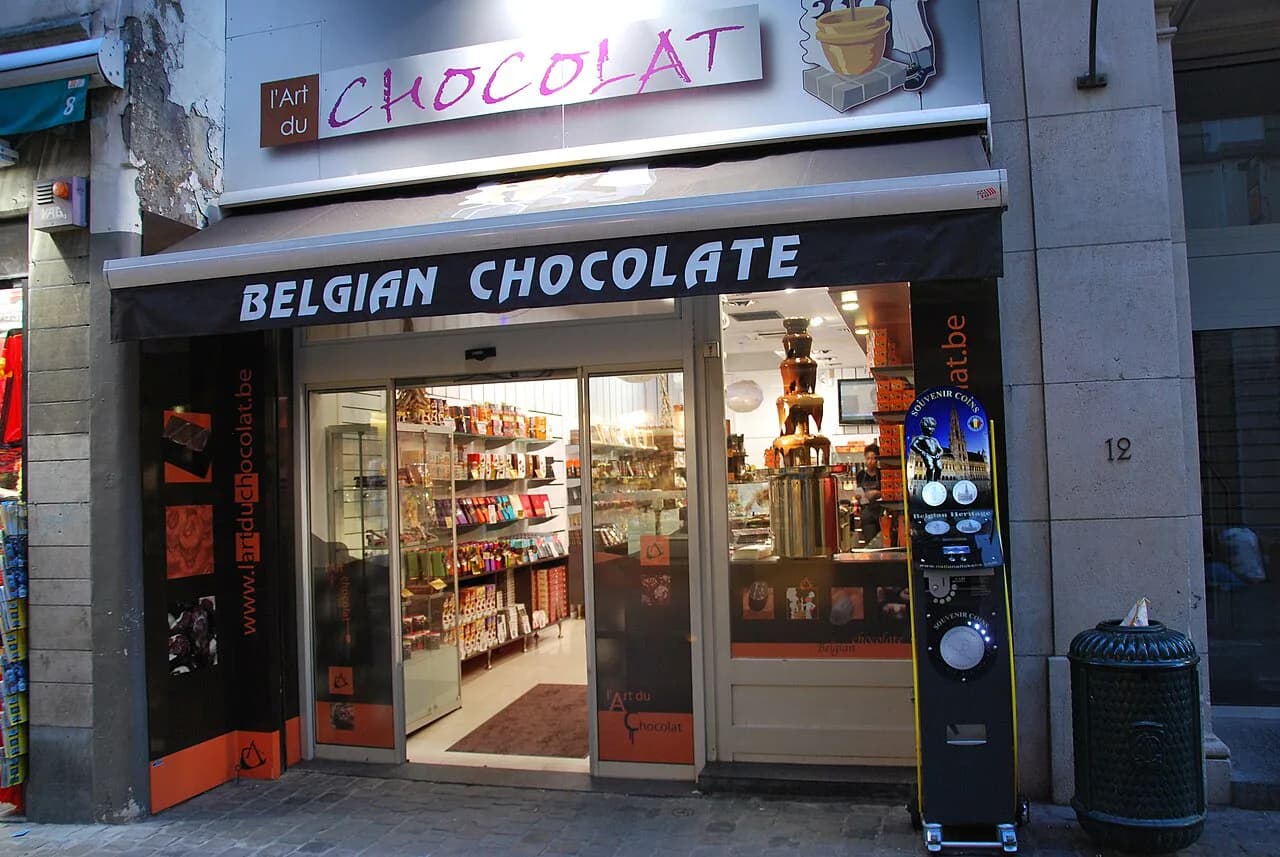
In Ghent or Antwerp, look for a specialist beer café with a written draught and bottle list. In Bruges, the small centre means a beer stop slots easily between other sights, and chocolate shops sit alongside the beer cafés for the classic pairing.
For a chocolate stop alongside your beer tasting, Choco-Story in Bruges covers the history of cocoa and chocolate across four floors, with chocolate made by hand and sampled on site. The museum publishes its ticket prices, with a €16 adult rate and reduced rates for senior citizens, students and children aged 3 to 11.
Tasting lambic around Brussels
Brussels is the natural starting point for a half-day in the Pajottenland or the Senne valley. The best tasting flight is a straight gueuze and a real kriek side by side, which shows you both ends of the style in two glasses.
A half-day route works best with a late morning start and a relaxed lunch. Combine a visit with a stop in one of the villages and treat Brussels mainly as the transport link.
Where lambic fits in a 3- or 4-day trip
On a four-day break, give one afternoon to a city with a serious beer café and reserve a separate half-day for the Pajottenland if you are staying in Brussels. On a three-day trip based in Bruges or Ghent, taste lambic in town instead.
Lambic also makes a good last-night drink, being lighter than a strong Trappist ale and easy after a heavy meal. To broaden beyond it, stronger Trappist ales give a very different reference point and are widely sold in Belgian bars and bottle shops.
Is lambic worth tracking down on your trip?
Yes, if you enjoy sour, dry and funky drinks; no, if you want a sweet cherry beer. Order a gueuze first, then a real kriek, and compare them side by side. Choose a warm Brussels afternoon for the Senne valley, or fit a lambic tasting into a Bruges or Ghent beer café afternoon.
If you want more context on the wider range, the Belgian beer overview covers the field from Trappist abbey beers to lambic.
Frequently Asked Questions
Is lambic beer a sour beer?
Yes, lambic is a deliberately sour beer because wild yeasts and bacteria ferment it slowly, producing tartness and a farmhouse character rather than a clean, sweet flavour. The sourness comes from fermentation, not added acid, so it tastes dry and earthy rather than vinegary.
What is framboise lambic?
Framboise is lambic aged on raspberries, which gives a tart, dry fruit beer rather than a sweet or syrupy drink. Genuine framboise is macerated on real fruit, while cheap versions use syrup or concentrate, so check the label or ask at a specialist café.
Can I taste lambic outside Brussels?
Yes, specialist beer cafés in Bruges, Ghent and Antwerp usually stock gueuze and fruit lambic, and they are a good option if you are not visiting the Pajottenland. For a brewery or blending visit, base yourself in Brussels and allow half a day outside the city.
What food goes with lambic?
Lambic works well with salty and fatty Belgian dishes, hard cheeses and charcuterie, and the dry fruit versions are refreshing after a rich meal. A fruit lambic also pairs with fruit desserts, while a straight gueuze cuts through the sweetness of chocolate.
Sources
Useful notes for your next trip
Optional updates to our guides.
You might also like

Continue reading
More guides you'll find useful